
And A Few Favorite Photographs
There is a thought experiment that goes something like this, “With an infinite number of monkeys pounding on an infinite number of typewriters. How long would take to reproduce all the world’s great books?”. The short answer is probably a little longer than it would take to type War And Peace.
Something similar is now actually happening with photography. With several billion people snapping pictures with their cell phones and posting many online, along with AI now creating photographs using that huge pool of images as a resource, great images are now a common and heavily discounted commodity. I actually know a number of photographers who can no longer make a living selling their photographs.
It wasn’t always this way. Take a moment and explore a few photographers that helped move public awareness and actually helped change history.
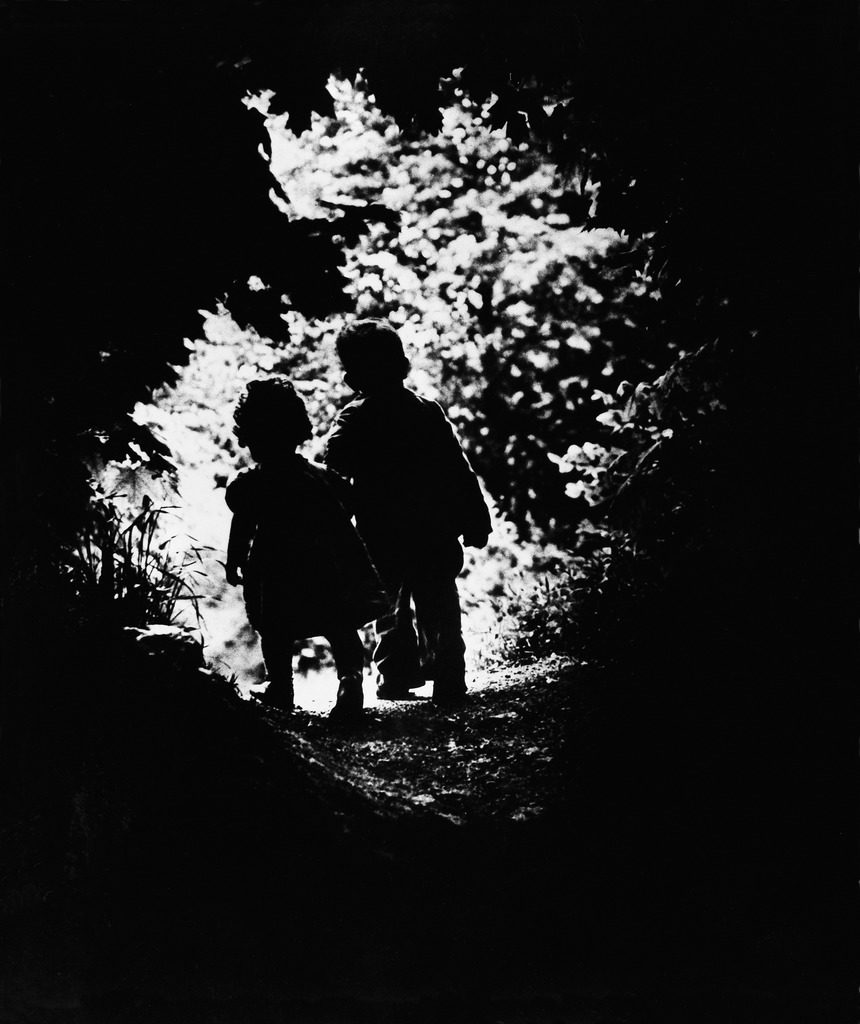
The walk to Paradise Garden, 1946 W. Eugene Smith
W. Eugene Smith

I met Eugene in 1971 when he was invited to a roundtable on photography at my school. After the session we spent a couple of hours over drinks. One of his most famous photographs was “The walk to Paradise Garden” which was included in the Museum of Modern Art’s exhibit “The Family of Man”. He described taking the picture as a grab shot with his Leica. He was out back of his house with some friends and neighbors when he saw his children walking towards the woods. It was over a week before he developed the film and made a quick print.
In a reflective mood that evening he commented that when he was a child he fell off a chair and broke his arm and wouldn’t it be a sad finale at this point in his life if he fell off his barstool and broke his arm again.
I still keep that softcover copy of “The Family of Man” from the 1960’s in my photography book collection.
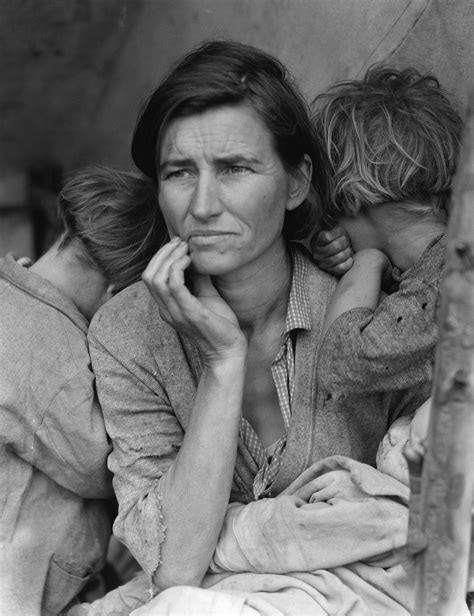
Dorothea Lang

This is one of photography’s most famous photographs. From 1935 to 1940, Dorothea traveled the country documenting the hardships of the great depression for the Farm Security Administration, of the U.S. Agriculture Department. Lange photographed the people she met and that included Lange’s most well-known portrait, “Migrant Mother,” the iconic image from the period that captured the hardship and pain of what so many Americans were experiencing. Her work is in the collection of the Library of Congress and oddly enough you could order prints made from her original negatives for just a printing fee.
Ansel Adams
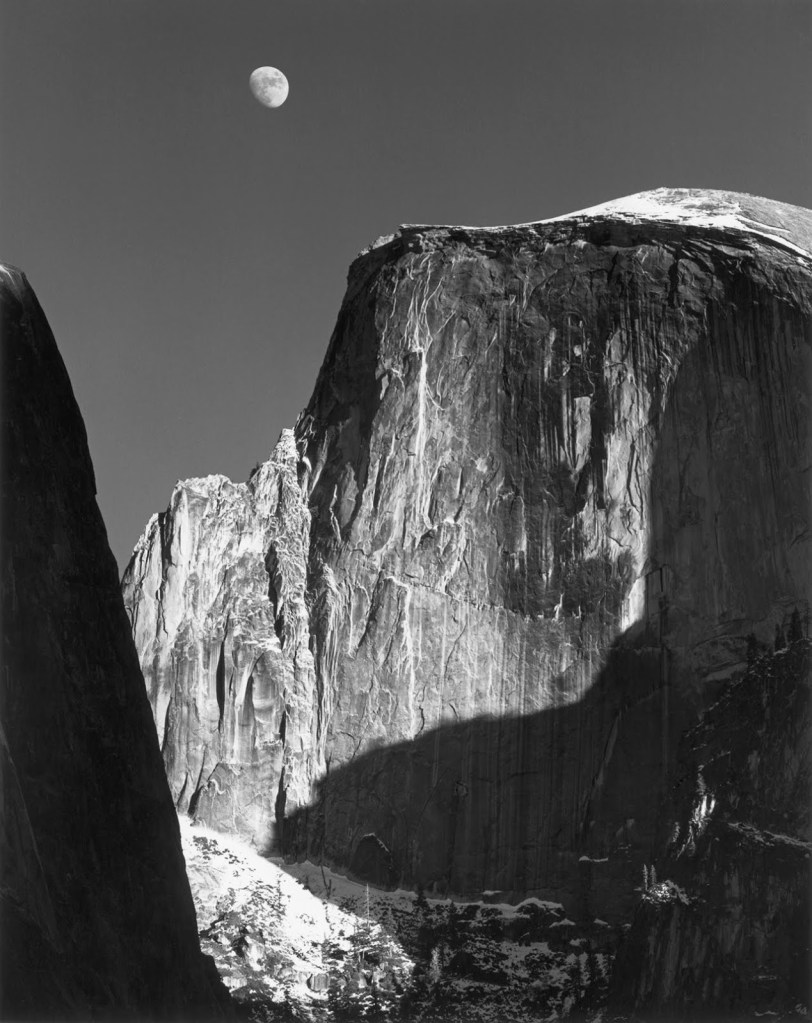


The dean of American landscape photographers, was famous for lugging his large view cameras up mountain sides. “Moon and Half Dome” above is my favorite photograph. A friend of mine and another photography student, introduced his mother to Adam’s work. She was an executive with Continental Can Company and contacted him at his studio in Yosemite valley about buying photographs to display at the company headquarters. His reply when he learned the name of the company was that there was no amount of money that could buy his prints for such a purpose.
Two Photographers That Influenced Me The Most
I had an opportunity to encounter both of these photographers during the Vietnam war and they were responsible for me believing I could make a career in photography as a photojournalist .
Larry Burrows


Any one that spent time with Larry understood that he was one of the greatest photojournalists of that era. Burrows died when the helicopter he was in was shot down over the Ho Chi Minh Trail in Laos while covering Operation Lam Son 719.
About Reaching Out, “Larry Burrows made a photograph that, for generations, has served as the most indelible, searing illustration of the horrors inherent in that long, divisive war — and, by implication, in all wars.” — Ben Cosgrove, Photo Editor for Life Magazine
David Douglas Duncan
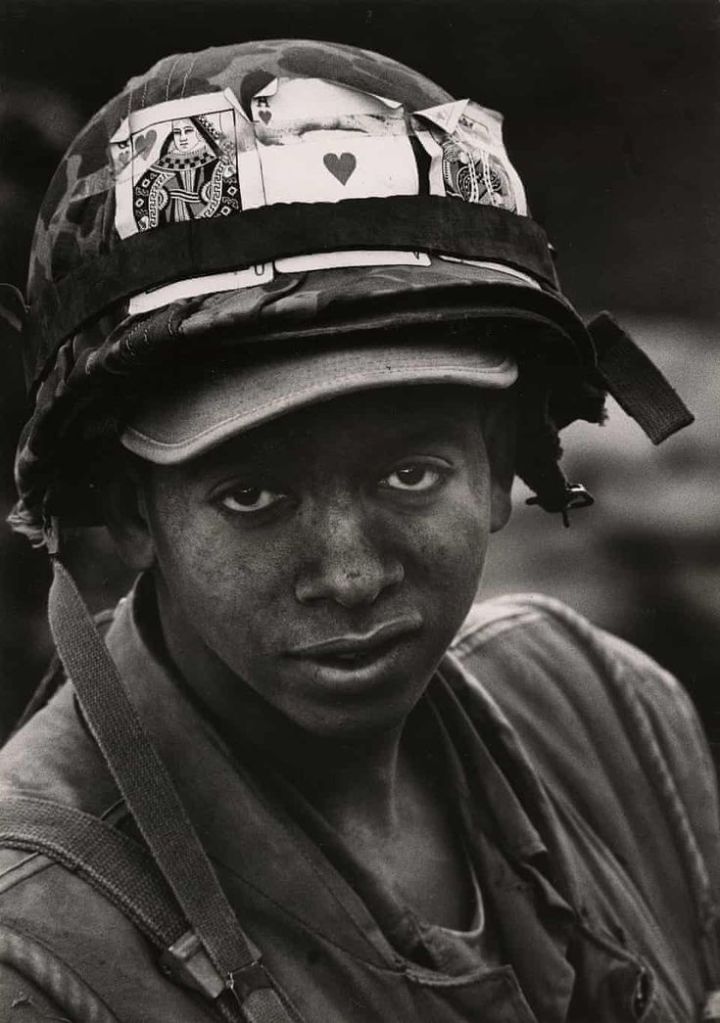

I met him briefly “in country”. He was a photojournalist who documented the Vietnam war over several years. He is best known for spending several weeks with the Marines at The Battle of Khe Sanh*, After that experience he published a book called “I Protest” about the American policy during the war. He is most remembered though for his images of Picasso taken over a few years he spent with the artist. One of my prized possessions is a copy of his “I Protest”.
*Khe Sanh was a valley in Vietnam ringed by mountains. The US theater command used Khe Sanh to demonstrate to the NVA that America wasn’t France and there wouldn’t be a repeat of the French defeat at Dien Bien Phu. So they placed the Marines in that valley for NVA target practice. Oddly nobody in the high command wanted to join the Marines in that exercise.
While the two proceeding photographers inspired me to go to college and study photography, their lives also ended up convincing me that a life on the road following wars and disasters didn’t leave much room for a normal family life.
Victor Skrebneski
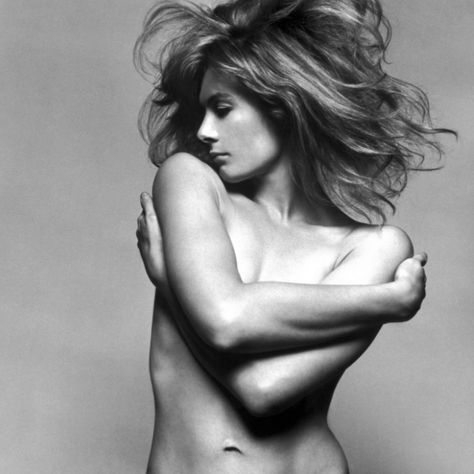
-A fashion fashion photographer based out of Chicago. I met Victor when he came to school to give a series of lectures. One evening he told me that he was going to have to leave early to do a shoot he couldn’t pass up. His agent had contacted him about Gulf Oil’s agency wanting him to do a series of outdoor period spreads for some magazine ads. He didn’t want to do it and to get out of it he quoted five times his normal rate. The agent had just called back and told him he had the job with a bonus if he could get it done ahead of schedule. My collection includes several of Victor’s original prints.
Bert Stern

– I never met Bert but his work inspired me. He was self taught and became famous for his celebrity portraits and his advertising images. I met a photographer who worked in Sterns studio who had an interesting accounting. I believe it was Smirnoff’s agency that wanted a photograph of a martini glass with the pyramids in the background. Most ad studios would have kept the work in shop by doing a back-screen projection of the pyramids. But Bert instead took the crew to Egypt and shot the photographs with the actual pyramids in the background.
Pete Turner

I met Pete several times when he had a commercial studio in New York and shortly after that he was picked up to do work for several magazines. Pete was more an artist than a photographer, having this incredible feel for the use of color. His images seemed to always be at the edge of becoming abstract art. He’s one of the few photographers where I see an image and immediately know it’s his.
A Few of My Favorite Historic Images
They are often a mater of chance but what they capture lives on in our collective memory and have at times changed the world. From Apollo moon shots to war and tragic events, photographs have captured moments in history.
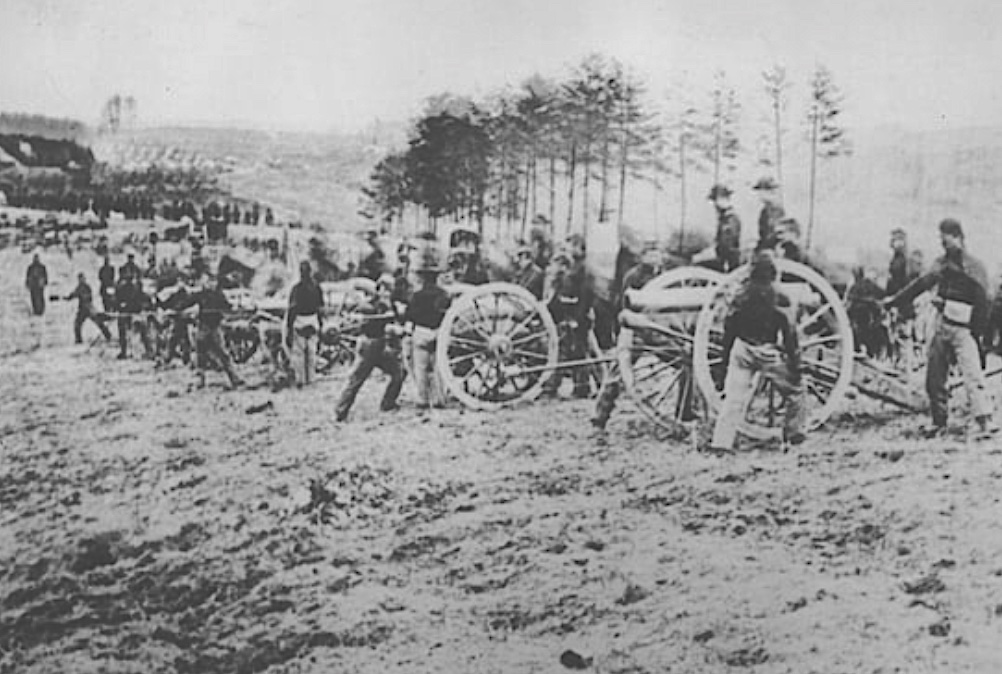
Matthew Brady traveled through the camps and battle fields of the Civil War with his cameras and darkroom in a wagon. He captured the images of war and was one of the first photojournalists to do so.


A photo of Elizabeth Eckford’ by Ira Wilmer Counts Jr. In 1957 Little Rock Central High School was forced to desegregate, allowing Elizabeth Eckford to attend class. The image has become a symbol of the difficult road towards ending segregation.
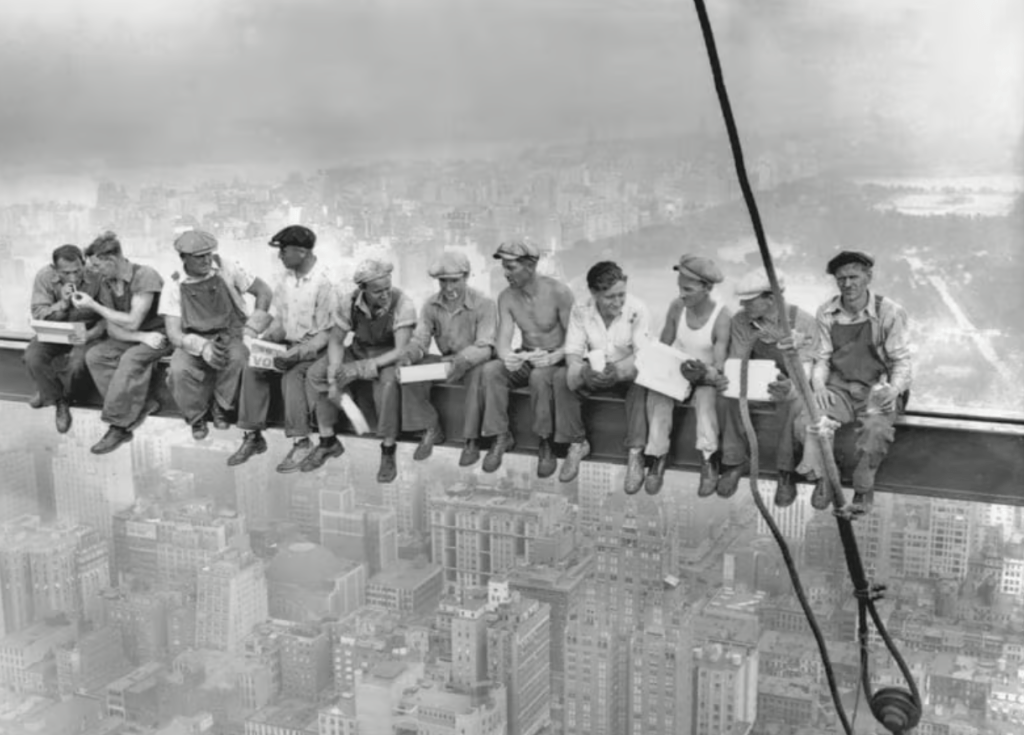
The iconic New York Lunch atop a Skyscraper. Photograph Taken in 1932 by Charles C. Ebbets

Joe Rosenthal’s historic photo of the flag-raising on Mount Suribachi, Iwo Jima, on February 23, 1945. It actually was a recreation a few hours after the original because the hill was under a counter-attack for a while..
‘Little Spinner in Mollahan Cotton Mills’ by Lewis Wickes Hine. His photo essays helped change child labor laws in America.


On June 4th 1989 Jeff Widener with the Associated Press, was photographing tanks in Beijing’s Tiananmen Square when out of nowhere came this single man in a white shirt. It was one of the most iconic photo of the decade.
The CCP had gone to great lengths to prevent reporting about Tiananmen Square by shutting down phones and teletypes. Jeff Widener’s photograph was one of the first news photos sent out over the internet.
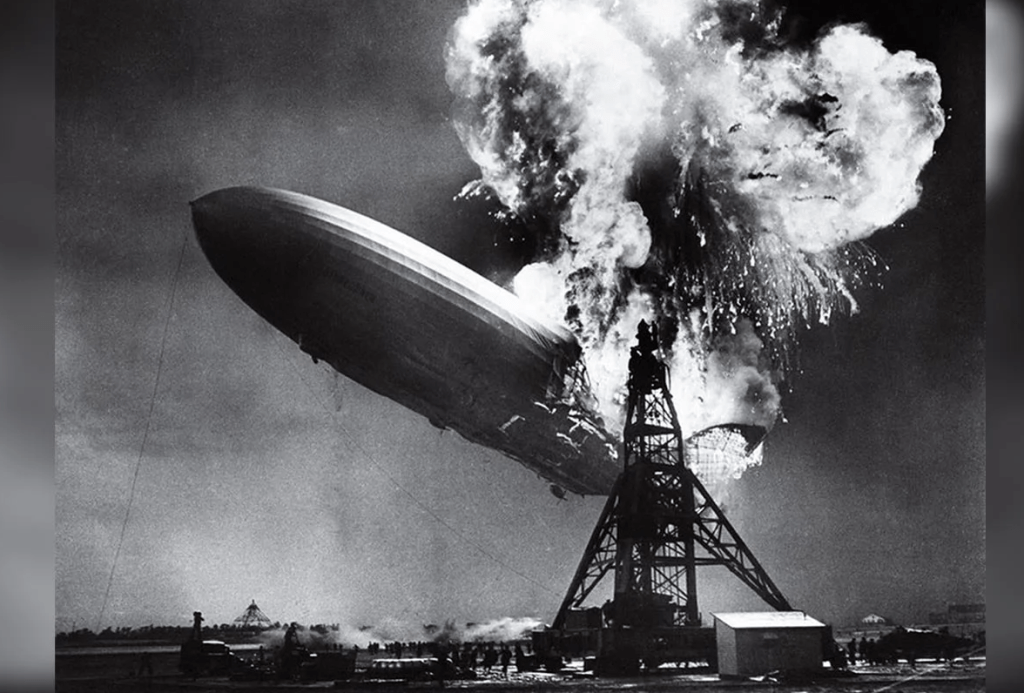
Hindenburg Disaster’ by Sam Shere. The passenger airship was traveling from Frankfurt, Germany to New Jersey when; as it docked, it caught fire. The disaster was so horrific it doomed the zeppelin industry.

V-J Day in Times Square is a photograph by Alfred Eisenstaedt that portrays a U.S. Navy sailor kissing a total stranger after grabbing her—a dental assistant—on Victory over Japan in New York City’s Times Square on August 14, 1945. While many have claimed credit as the people in the photo nobody has been confirmed.
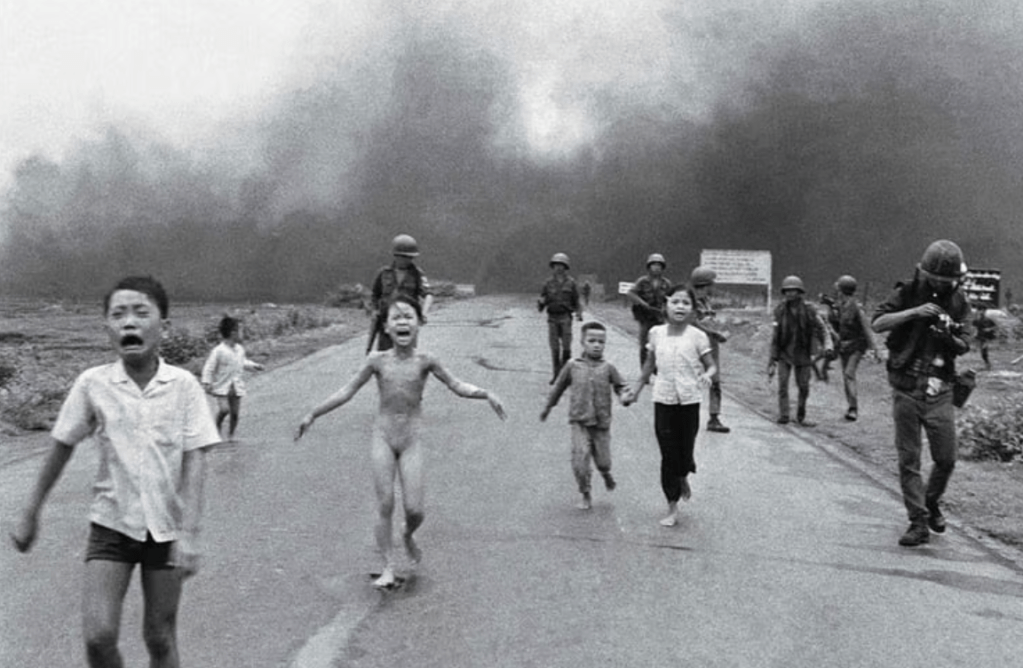
After a napalm bombing Mark Edward Harris from AP News photographed South Vietnamese forces following after terrified children, including 9-year-old Kim Phuc, who’s clothes were burned off, as they run down Route 1 on June 8, 1972*.
- American forces planned a major bombing attack on the town and the South Vietnamese military reported the town had been evacuated.
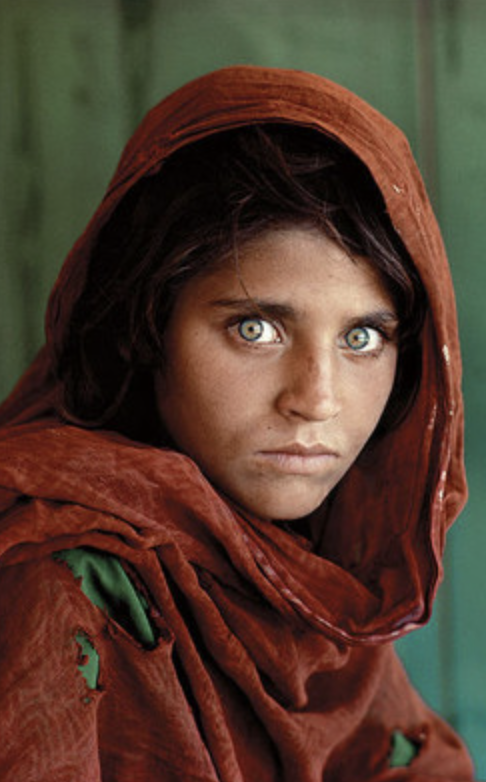
This photograph, taken by American photojournalist Steve McCurry near the Pakistani city of Peshawar, appeared on the June 1985 cover of National Geographic and made this Afghan girl the most recognized face in the world that year.
Planning A Cruise? Start With The Intentional Travelers Port Guides

Recent Posts From The Intentional Travelers You Might Find Interesting:


 The Intentional Travelers