
SITE SUBSCRIBERS PLEASE NOTE: If you’re viewing this post in an email, please take a moment to click the Read On Blog text located in the upper right of this page.That is the only way to record your visit in our sites traffic data.
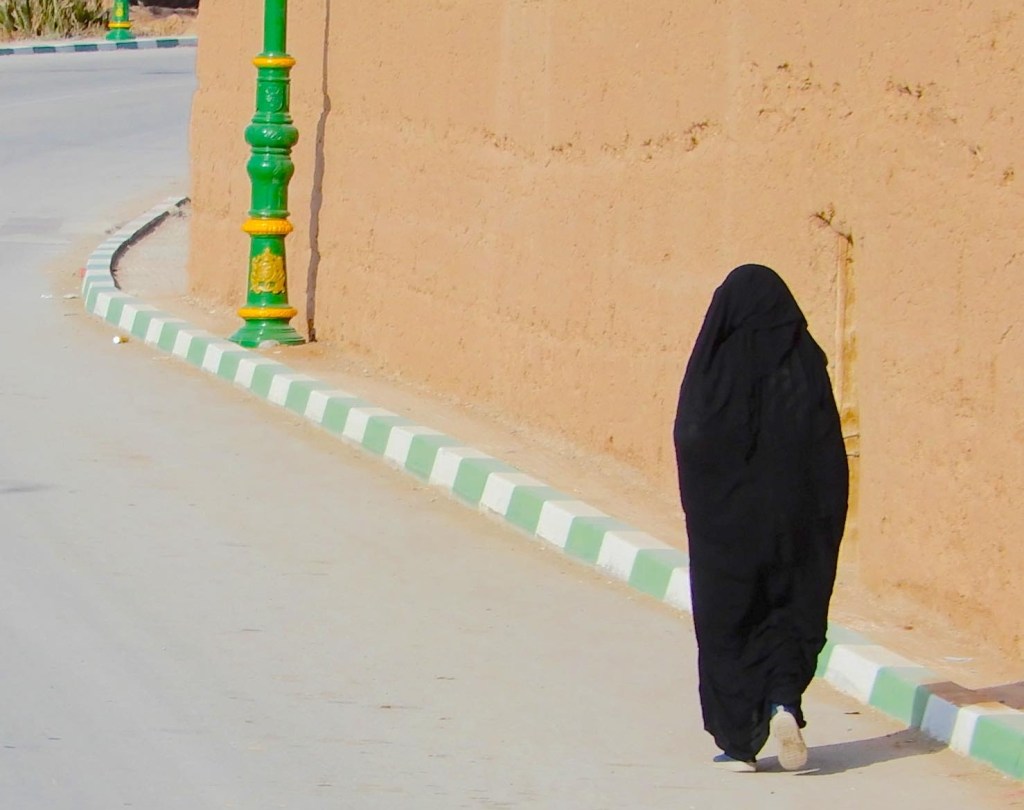
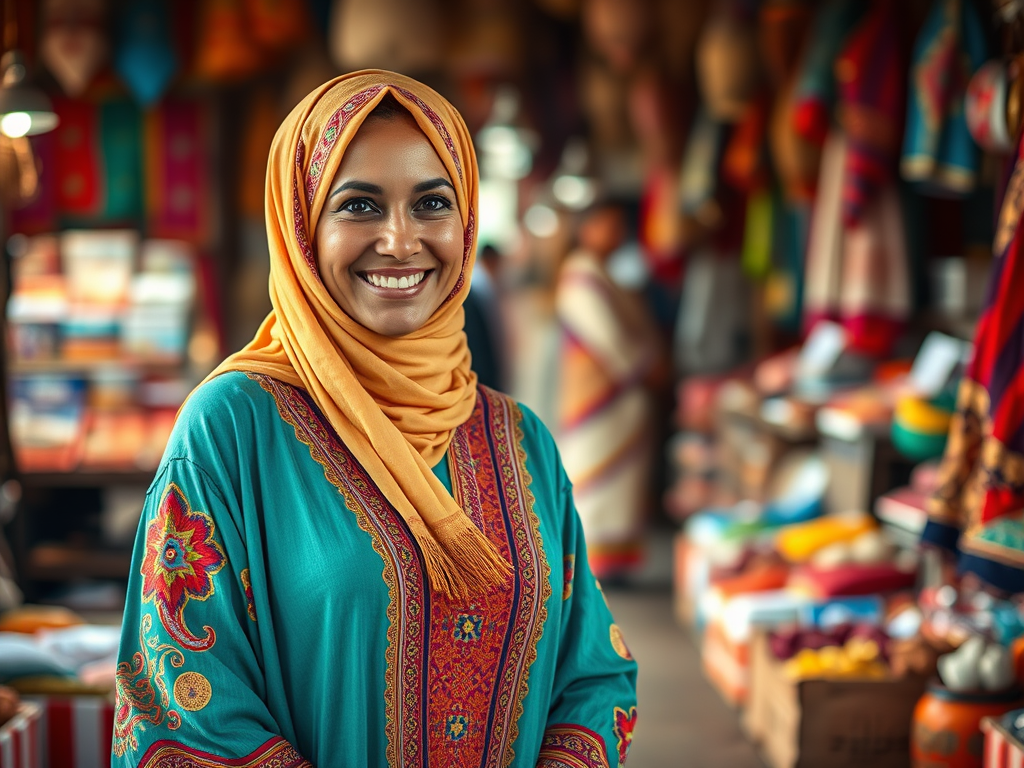
The Islamic faith is deeply imbedded in the culture of Morocco if not in the nation’s laws and regulations. A majority of restaurants and cafes do not serve alcohol even though Moroccan law allows it. Literally, everywhere you go, you’ll hear the call to prayer five times a day and the locals mostly seem to ignore it. When it comes to clothing, there are no real laws applied to dress for men or women but a large number of the people continue to wear traditional kaftans, hijabs and even burqas* in some areas.
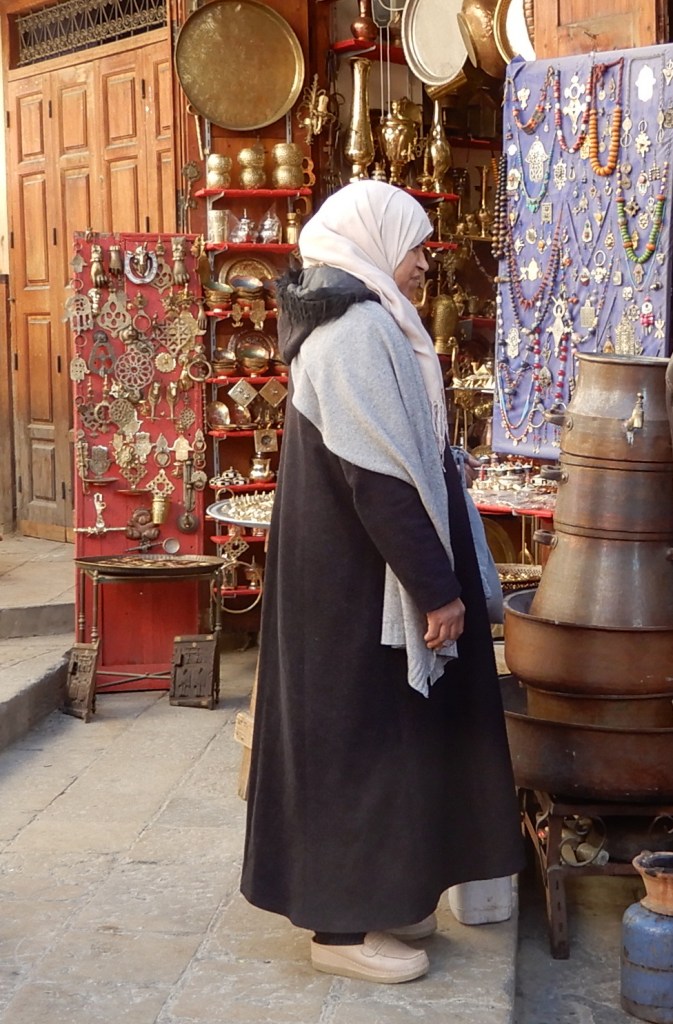
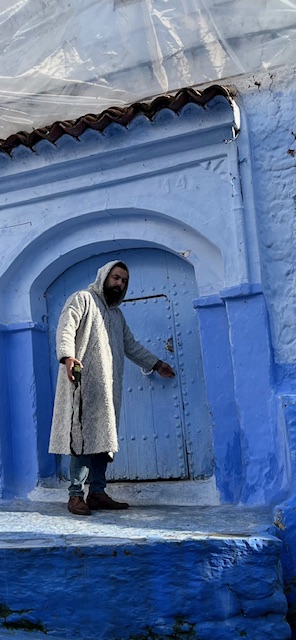
For Moroccan men, the traditional Moroccan jubba is still popular. It is a long, loose, floor length outer dress that usually includes a hood. It is worn as an outer garment over the gandoura. The gandoura is a traditional, loose-fitting robe worn in Morocco by both men and women. It’s a staple of Moroccan culture dating back before the introduction of Islam and is still popular today.
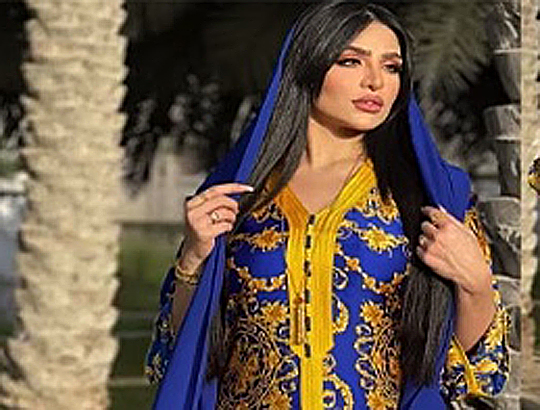
For women out in public, a kaftan with a hijab is the most common dress, but in major cities western clothing is starting to gain in popularity. The kaftan is a long flowing robe that is often worn with a hijab which is a headscarf covering the woman’s hair and neck. This combination is worn almost exclusively in rural areas and small towns. The styles often change by region. In many places they are solid black but in a few areas they are white. You’ll also discover locations where the kaftans can be made of colorful prints and in major metropolitan cities they are becoming a high fashion statement. The wearing of these, however, is a personal choice and not enforced by Moroccan law.
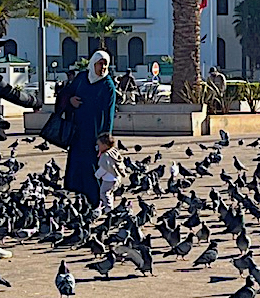
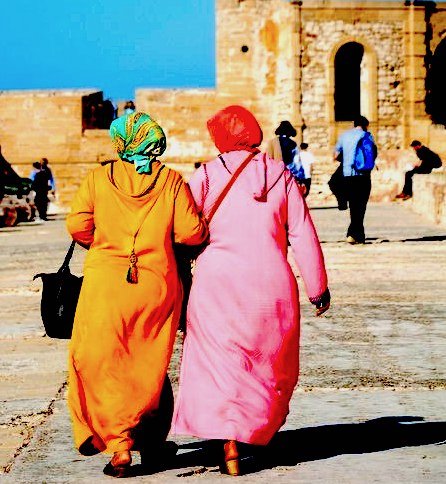
Today women’s clothing in Morocco varies between the northern and southern regions as well as urban and rural areas. In cities like Casablanca the kaftans are reserved for special occasions and are usually highly styled and decorated, with Western styles becoming common everyday wear.
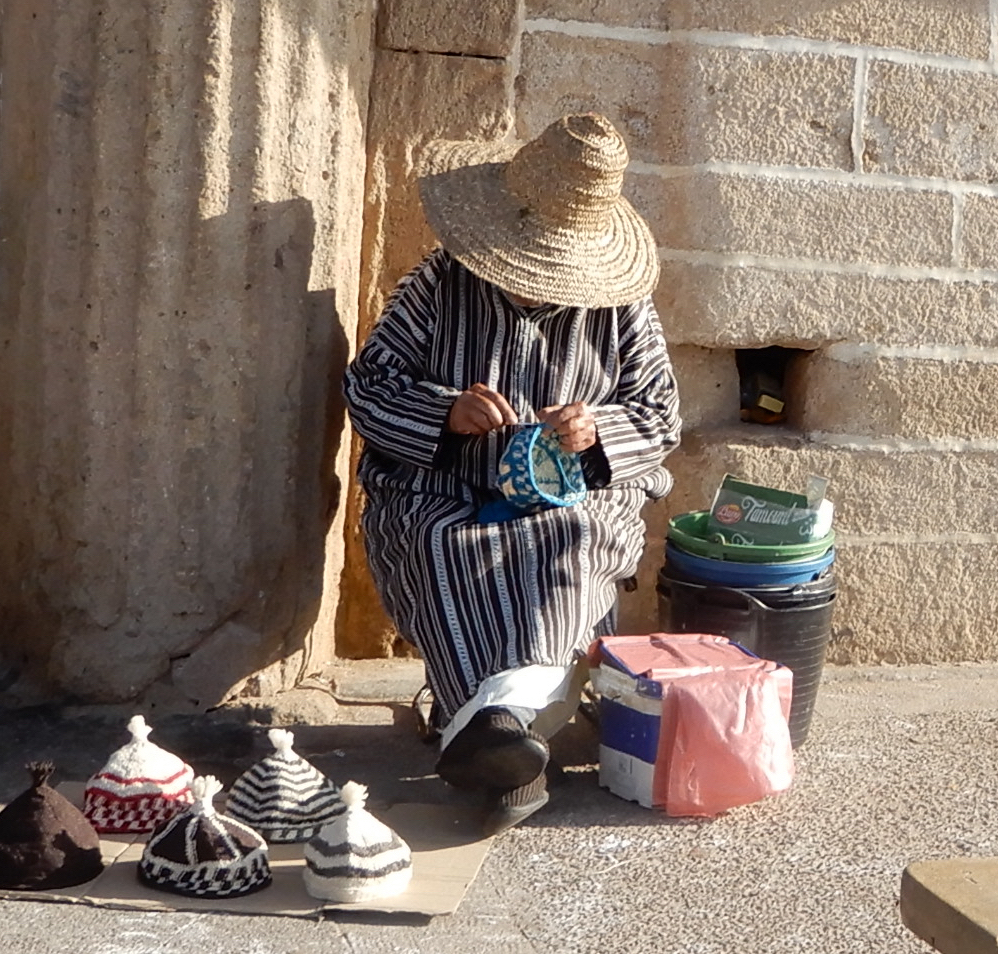
Northern cities like Marrakech maintain more of a connection to traditional Moroccan attire and even burqas are still very common.
*In recent years Morocco has adopted a policy that effectively bans the wearing of burqas (full face veils) in public, prohibiting the sale, production, and import of them, meaning women are not allowed to wear burqas in the country; however, other forms of hijab (headscarves) are not explicitly banned, though some restrictions may apply regarding the covering of the face or in certain settings like government workplaces.
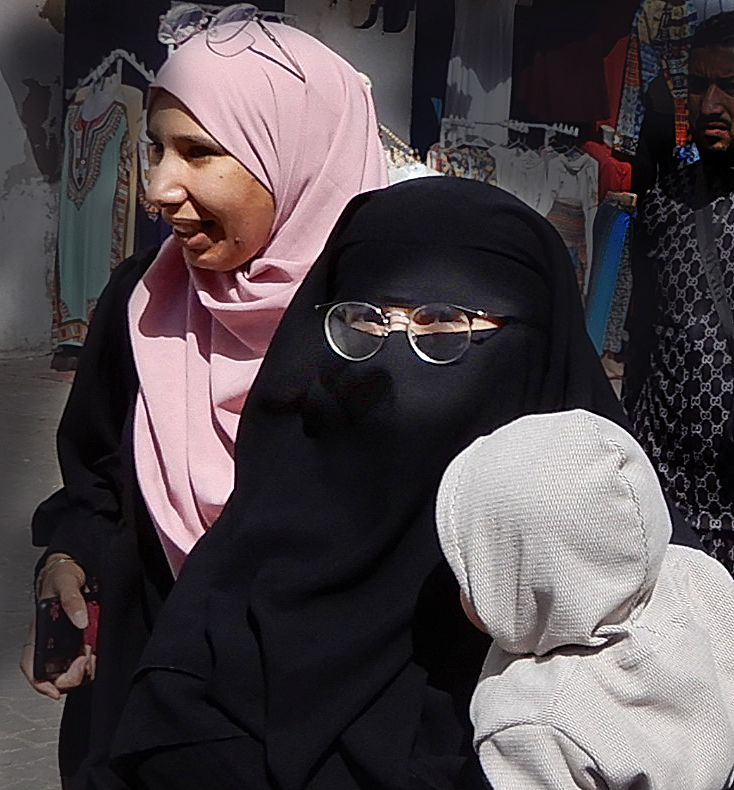
In the course of two weeka traveling around Morocco we say a lot of burqas, but this young lady above really stood out. If it’s possible to make a fashion statement while wearing a burqa her glasses are IT!
You’ll discover lots of worthwhile and interesting travel information on The Intentional Travelers, and the best way to find what you’re looking for is to SEARCH here…





 The Intentional Travelers