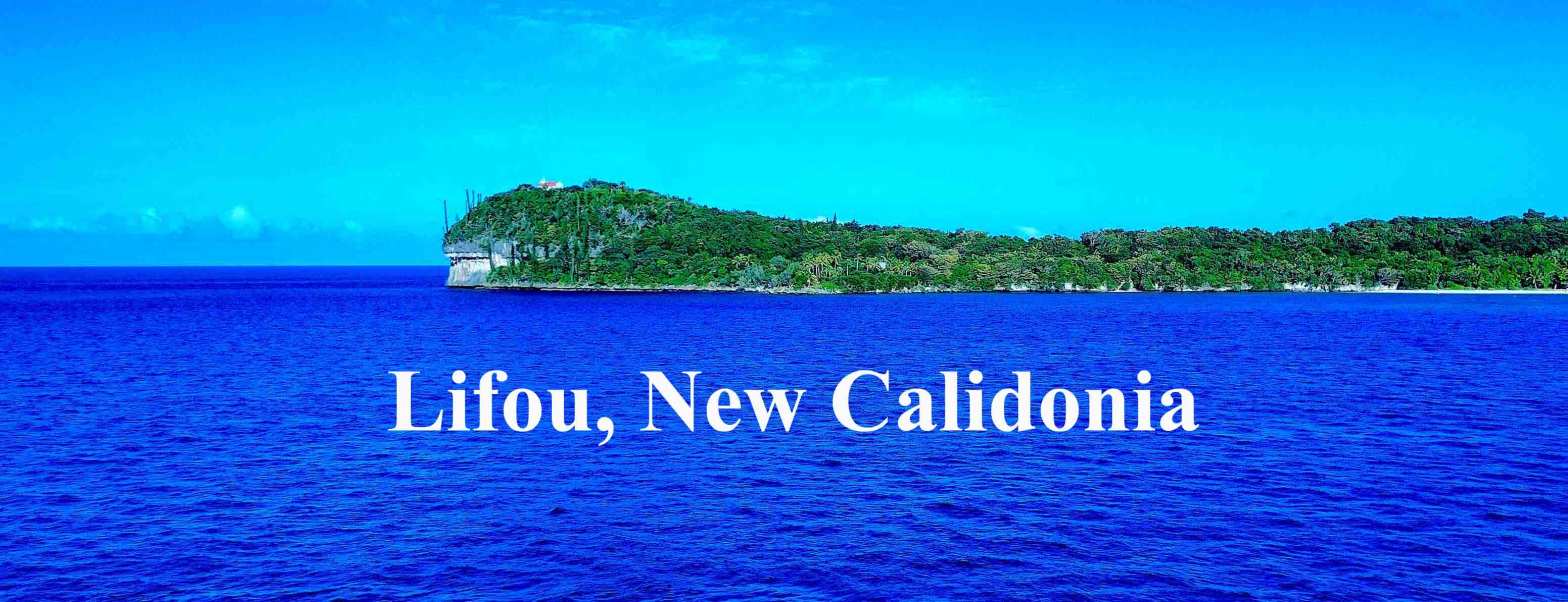

Lifou Island, historically also spelled Lifu or Lefu in English, and known as Drehu in the local Kanak language, is an island in the New Caledonia group, and is an overseas territory of France in the South Pacific Ocean.
It has a history is rich and diverse, shaped by indigenous culture, European exploration, and colonial influences.
Where Your Ship Docks
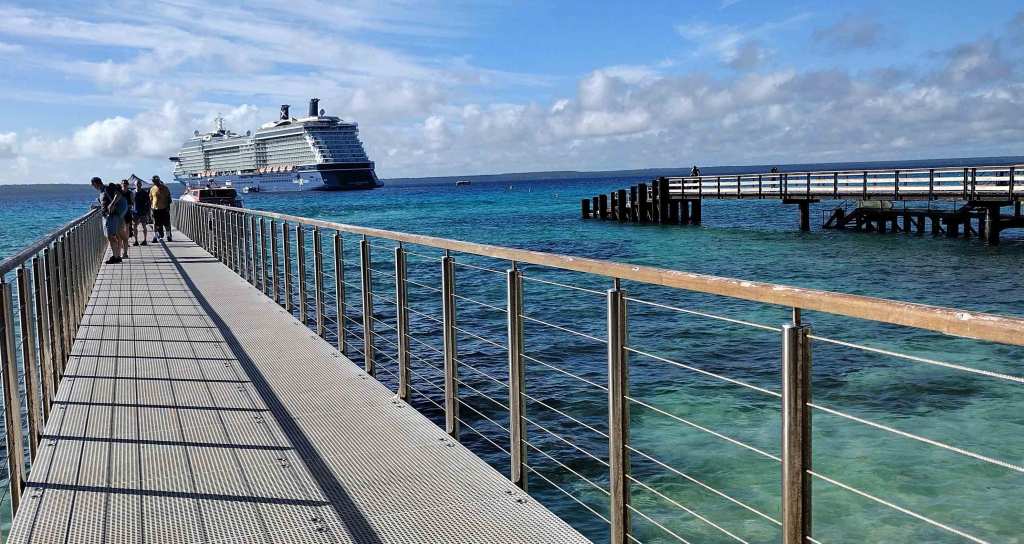
This is a tender port landing boats at a modern pier. There are public facilities convenient to the pier.
Wheelchair Accessibility
Disembarking – This is a tender port as large cruise ships cannot be accommodated at its pier. Wheelchair bound passengers will encounter challenges both in getting on tenders as well as disembarking at the pier. The area around the tender pier has steep inclines and little in the way of sidewalks or even surfaces on roads.
Transportation
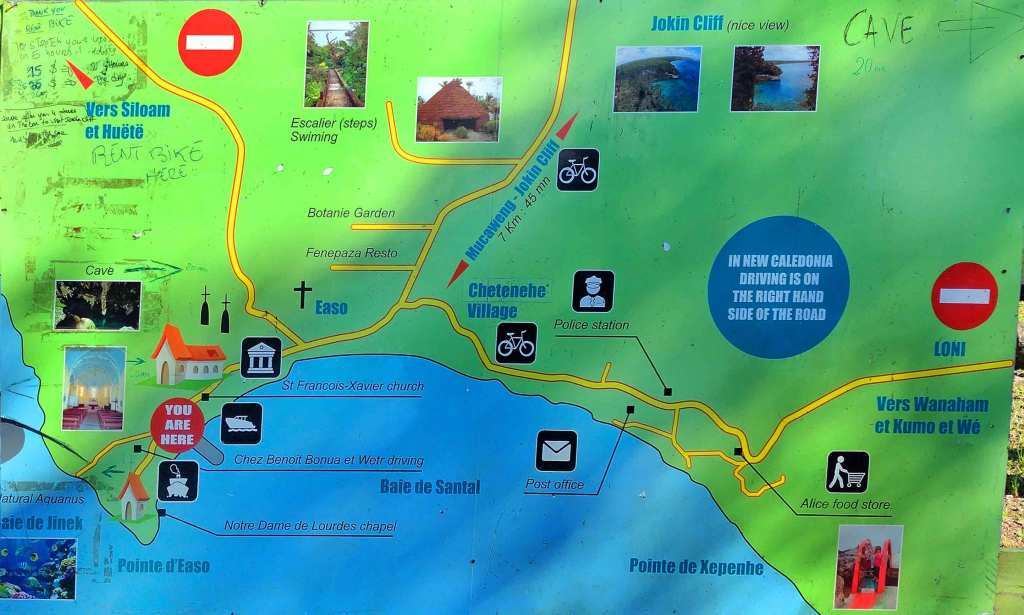
There are no taxis or regular bus service. There is a bike rental company near the tender pier and rental cars on the other side of the island near resorts.
Currency
The CFP franc is the currency used in French Polynesia, New Caledonia, and Wallis and Futuna. The initials CFP originally stood for colonies françaises du Pacifique but since 2022 is officially Collectivités françaises du Pacifique. On Lifou Australian Dollars are widely accepted but credit cards are not often accepted. 1 CFP = US$0.10
Attractions
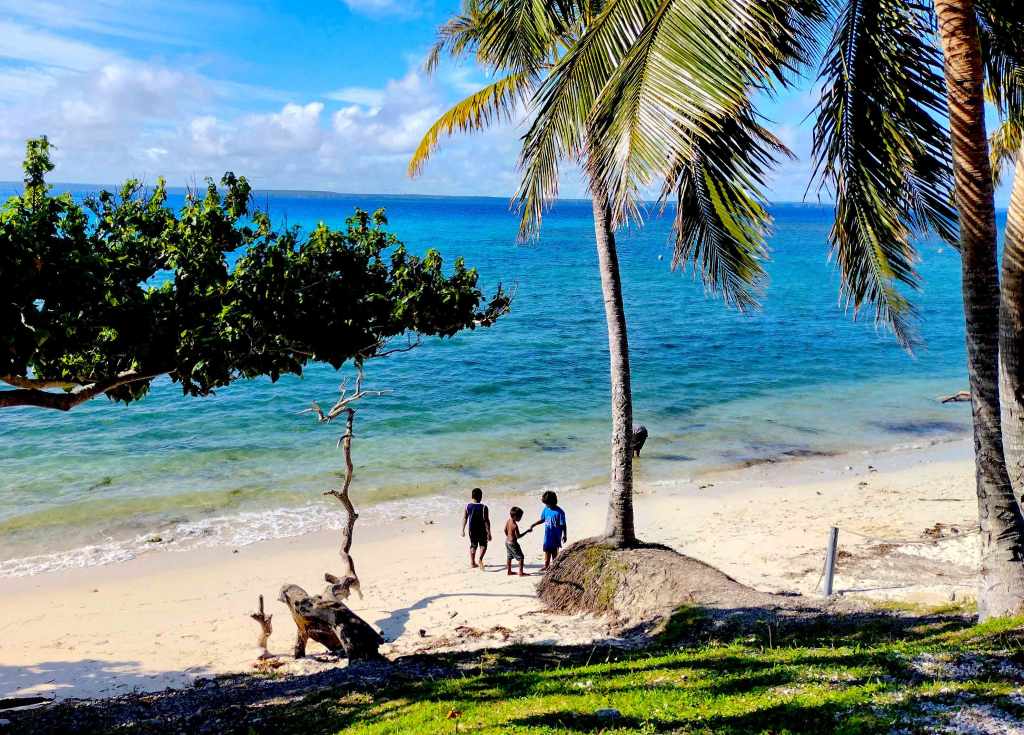
Lifou is a mostly rural and sparsely populated island with resort areas at the other end of the island.. The biggest draws are the beaches and the numerous coral reefs near shore. Sights near the tender pier include a couple of historic churches, restored Kanak home and a natural cave ($).
History
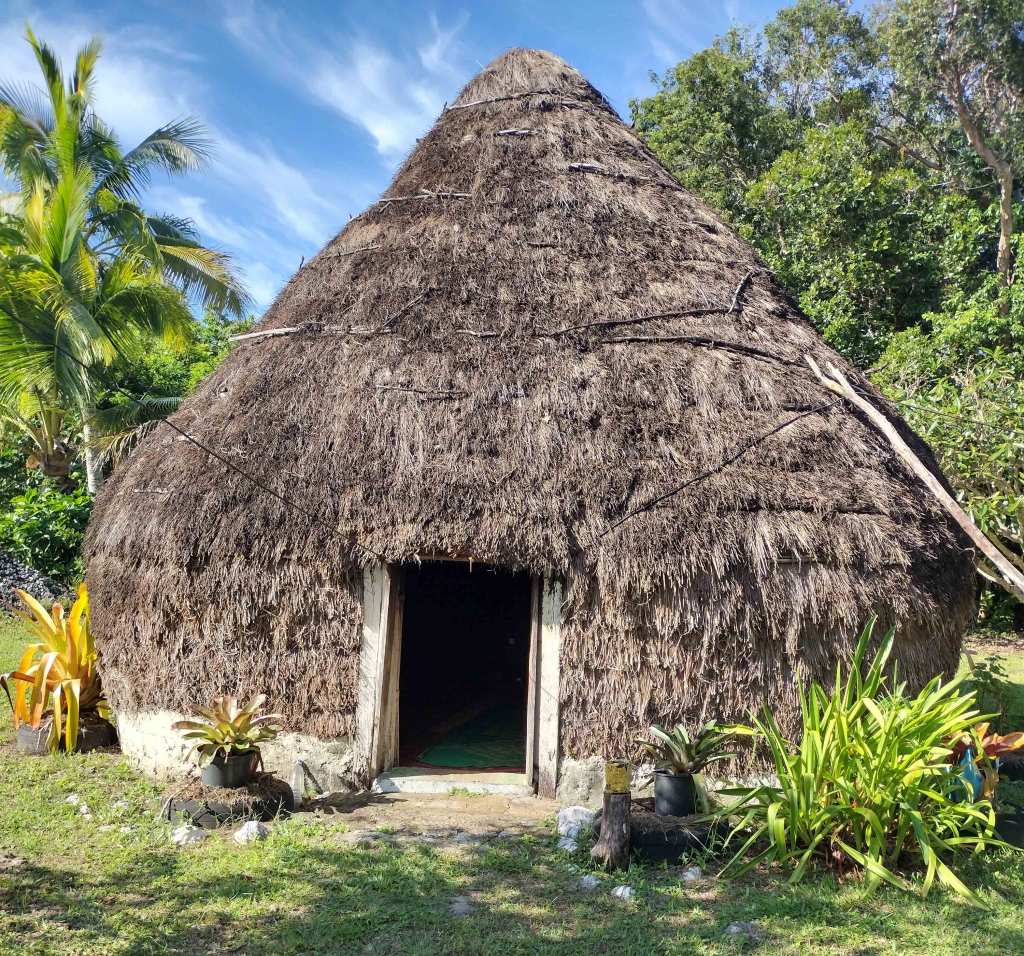
Lifou is home to the Kanak people who represent the majority of the population, and have inhabited the island for thousands of years. Their culture is characterized by strong traditions, social structures, and a deep connection to the land and sea. Even today the Kanak people have maintained many of their customs, including traditional ceremonies, art, and music.
European Exploration And Contact
European contact began in 1774 when British explorer Captain James Cook visited the area during his voyages in the Pacific. In the 19th century, missionaries arrived, significantly impacting local culture and religion. They established schools and introduced Christianity, which changed many aspects of Kanak life.
New Caledonia was annexed by France in 1853. Lifou, along with the other Loyalty Islands, became part of the French colonial administration. With the introduction of cash crops and the exploitation of other resources, the establishment of plantations, all affected the local social structures.

Modern Era
Because Lifou is now become recognized for its stunning landscapes, coral reefs, and cultural experiences, the growing number of tourists have helped stimulate a resurgence in Kanak traditional life. This resurgence of interest in Kanak culture, language, and traditions, have fueled efforts to preserve and promote indigenous Kanak heritage. Traditional practices, such as ceremonies and rituals, again play a significant role in the island’s community life.
In the late 20th century, there was a rise in movements advocating for Kanak independence and greater autonomy from France. The Matignon Accords of 1988 and the Nouméa Accord of 1998 were significant agreements aimed at addressing these issues. Lifou remains a part of New Caledonia, which is in a unique political situation with ongoing discussions regarding independence and self-determination.






 The Intentional Travelers