


John Kerry claimed “leisure travel and tourism in general are a major contributor to increasing aviation emissions with air travel being a major cause for the increasing green-house gas emissions from the transportation sector.
Cruise Ships Lose Ports of Call In An Age Of Growing Anti-Tourism

This is something we don’t understand, but there is a growing anti-tourist sentiment around the world. At its roots are several issues with global warming being the most popular. There have been a number of articles recently indicating that there are movements that claim that travel and tourism are a needless wastes of energy that contributes to global warming*1. Also cruise ships are also regularly accused of wasting energy and contributing to ocean pollution*2.
Another common complaint is that the increasing number of tourists are now becoming a major cause of city congestion that contribute to rising costs in accommodations, restaurants and other services*3.
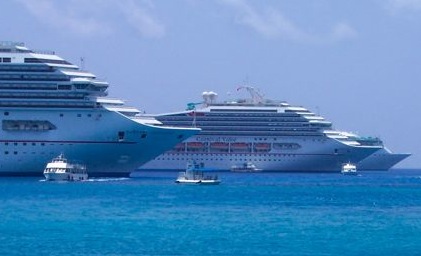
The number of seaports that are closing access to cruise ships or are restricting the number of visits is growing and cruise ships are facing increasing restrictions from a number of ports around the world claiming either environmental or economic concerns or both.
Smaller ports from Key West, Florida to Belfast, Maine, are considering or have enacted bans on cruise ships carrying large numbers of passengers, often effectively prohibiting nearly all cruise traffic to the area. Additionally, popular destinations such as Amsterdam and Venice are implementing measures to limit or reshape cruise ship visits, aiming to mitigate claimed negative impacts.

Venice is a good case in point. After local activists pushed the city government to eliminate cruise ships the city with the support of the United Nations commissioned a study to evaluate the impact of cruise ships on Venice. That study found the impact minor with seasonal storms being the biggest threat concern. Not getting the hoped for result the city again, with support from the United Nations, commissioned a second study. Based on its results most cruise ships were banned. The result was cruise ships began to stop at other nearby Italian ports and provid tours into Venice.
Ports from Juneau, Alaska to Mediterranean ports like Barcelona and Palma, are also tightening regulations, which can significantly disrupt cruise itineraries. The trend reflects a broader movement among port cities to manage the total number of tourists and placate local resident groups*3 with their claims of overcrowding and environmental degradation. Consequently, travelers may find their itineraries increasingly altered as other ports adopt similar restrictions.
Overall, these developments are often having an impact on how cruise tourism is being regarded by local governments. In many cases it’s vocal activists who are using numerous issues to stir up citizens using arguments like sustainability, inflation pressures and community well-being, while attacking opponents as reckless capitalists who value money over quality of life.

Unfortunately the two opposing points of view often are overly radical and narrowly focused but that seems to be the trend in political discourse and activism today. In truth both sides have points to consider but one fact is often ignored. Many local economies around the world are significantly dependent on tourism dollars and eliminating that segment of the economy is likely to be replaced by something that will have a greater negative impact on the local community’s environment, income, standard of living and overall quality of life.
The good news for tourism and cruising specifically is that for every community and government that chooses to ban or restrict tourists or cruise ships there are several more ready to embrace tourists and cruise ships. In 2024 cruise ports of call numbered three times the number that were available in 2000.
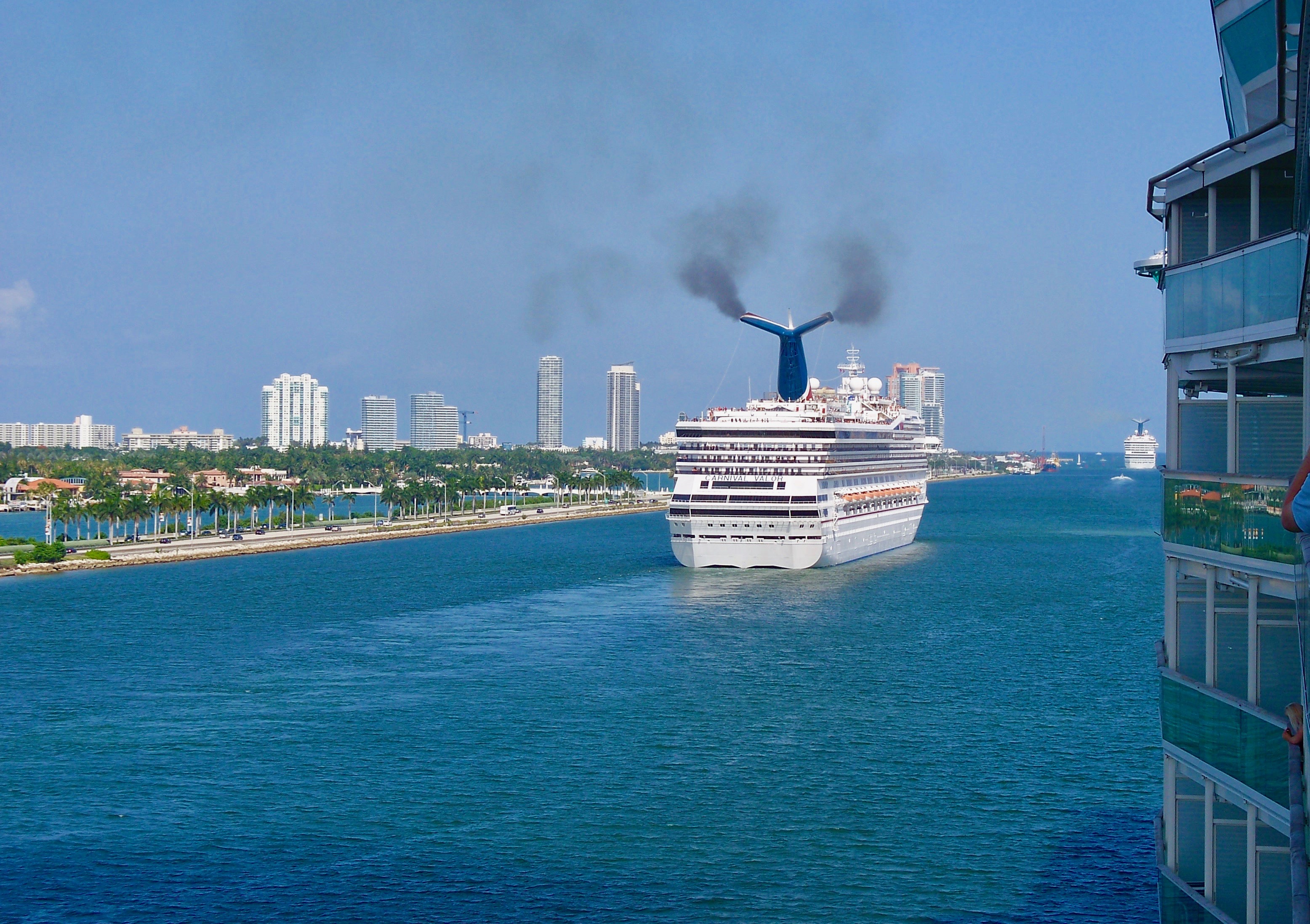
*1- Unfortunately global warming has become an emotional argument that often is used to shut down reasoned conversation. What are the true causes and consequences and what actions are reasonable considering the economic costs and likely negative results of policies.
*2 – Most arguments against cruise ship impact on the ocean and environment are on out of date studies and data. Today the impact that large cruise ships have on ocean pollution and sea life are virtually not measurable. This is a result of the application of modern technology, new policies and regulations with a future generation of cruise ships being capable of even eliminating the use of fossil fuels.
*3 – This common argument completely ignores considering the positive impact tourism has on a community. Evidence suggests that tourism is one of the most important industries contributing to the good financial health of a community having little direct negative environmental impact.
The New York Times claimed in an anti-tourism editorial in 2022 “A medium-sized cruise ship emits greenhouse gases equivalent to those of 12,000 cars, and it could dump over 1 billion gallons of untreated sewage into the ocean.” The claims are simply not accurate and the statement has no qualifying time scale as a reference. The truth is that the major cruise companies have made major strides in reducing impact on the ocean and, as a rule, modern cruise ships do not discharge anything into the sea.
Planning A Cruise? Start With The Intentional Travelers Port Guides



Recent Posts From The Intentional Travelers You Might Find Interesting:







 The Intentional Travelers