
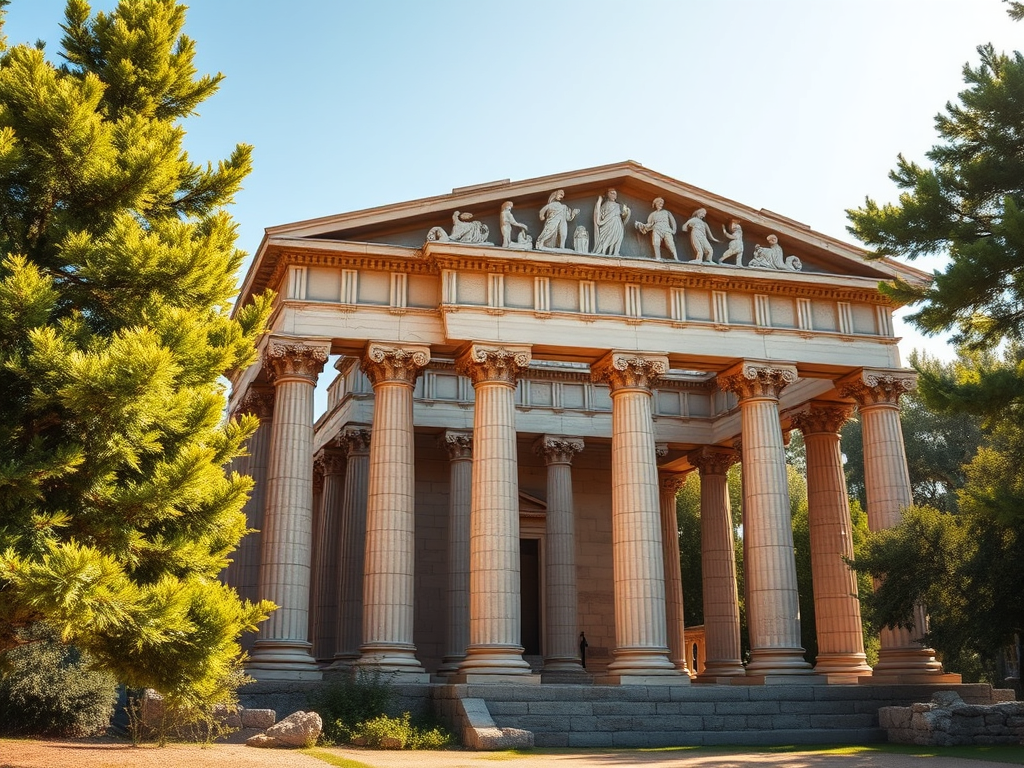


Ephesus, located today in Turkey, is a significant archaeological site and stands as a focus of several civilizations.of the ancient world.
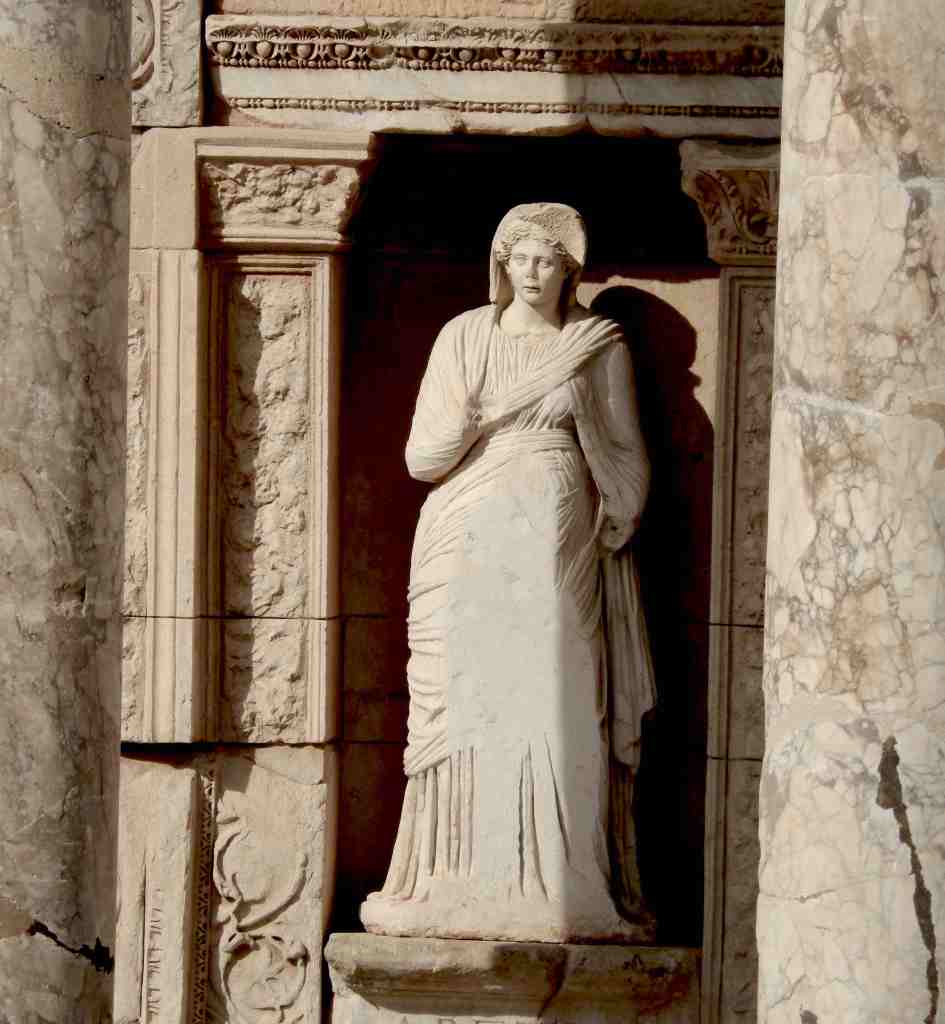
The Temple of the Goddess Artemis – One of the most important and magnificent temples of the ancient world, Though only ruins remain, it was once a grand structure adorned with magnificent sculptures.
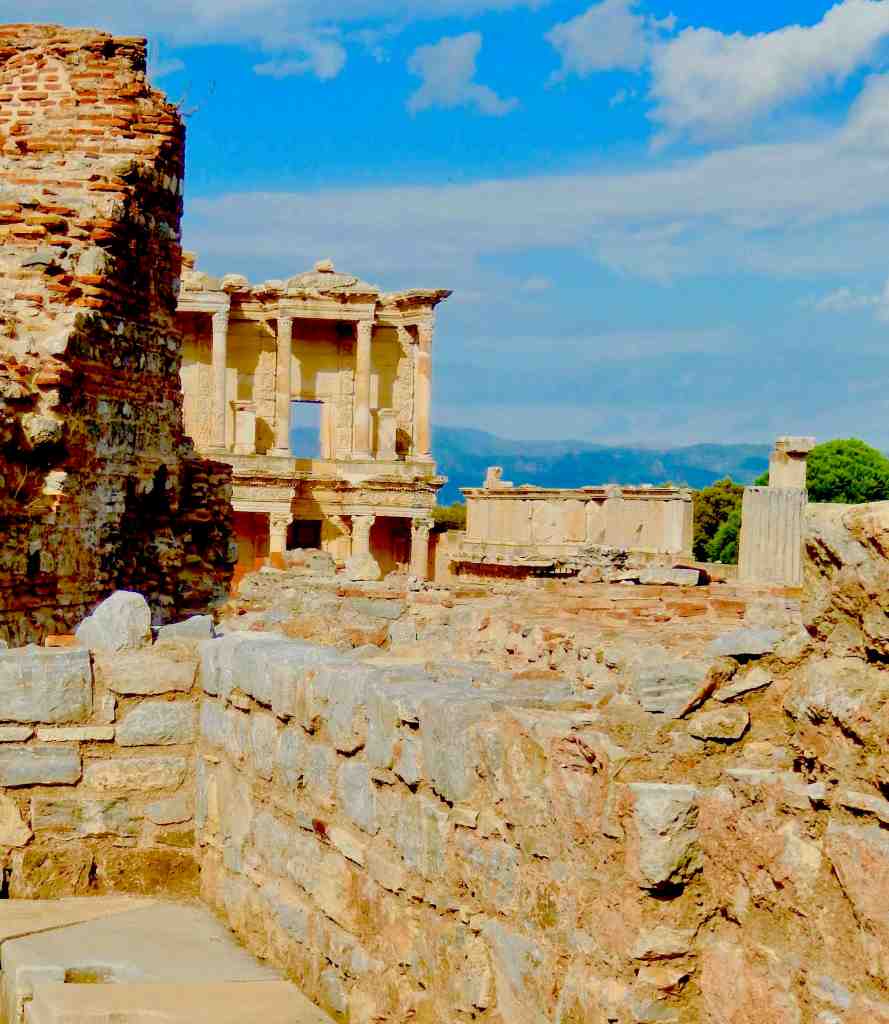
The Library of Celsus – Built in honor of the Roman senator Tiberius Julius Celsus Polemaeanus, this library was one of the most impressive buildings of its time. It housed thousands of scrolls and served as a monumental tomb for Celsus.
The Great Theatre – Capable of seating around 25,000 spectators, this theater was used for various events, including gladiatorial contests and theatrical performances. It showcases remarkable acoustics and stunning architecture.

The Agora – The central marketplace of Ephesus, where commerce, politics, and social interactions took place. It was surrounded by various public buildings and temples.
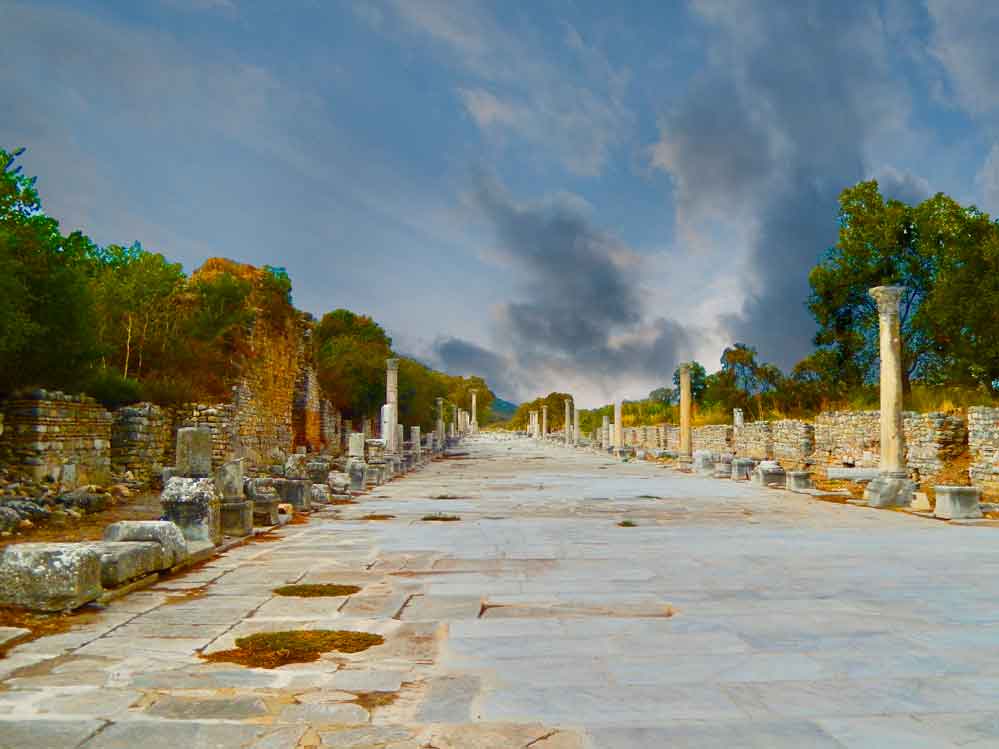
The Basilica of St. John – Believed to be the burial site of St. John the Apostle, this basilica was built in the 6th century and features impressive Byzantine architecture.
House of Mary – According to Christian tradition, the House of Mary is where Mary lived after the crucifixion of Jesus. It is believed that the Apostle John brought her to Ephesus, where she spent her remaining years.
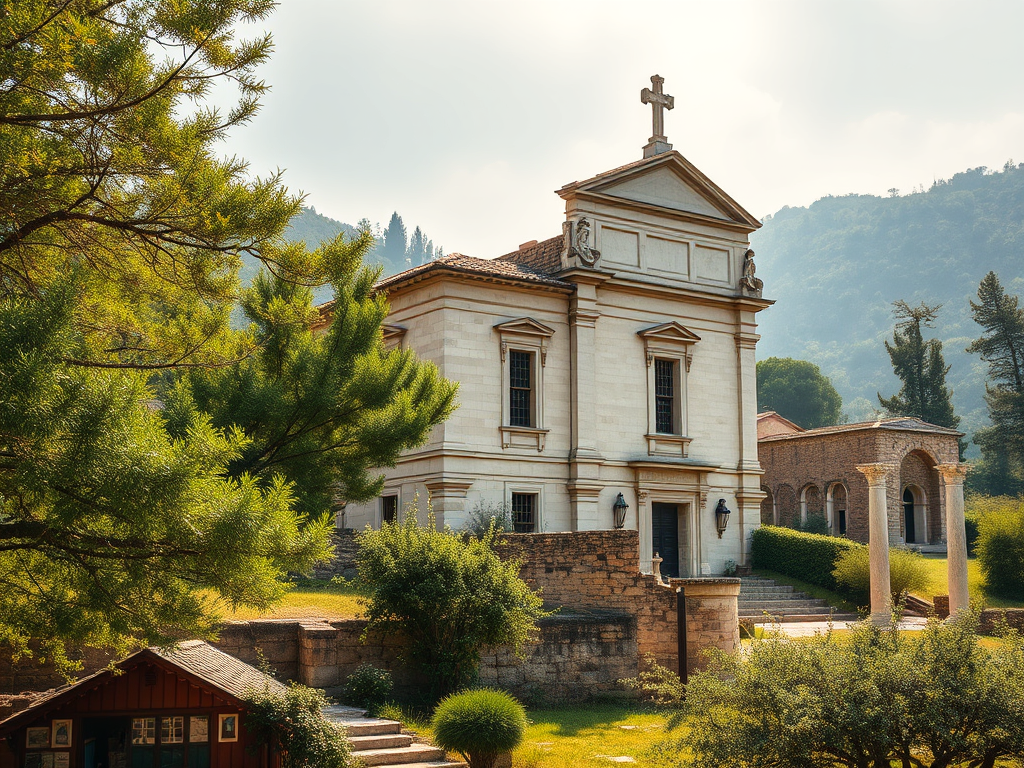
History
Settled almost 5,000 years ago Ephesus was initially a small settlement. It grew due to its strategic location on the Aegean Sea at the mouth of the Cayster River.
Greek Influence – By the 10th century BC, Ephesus became an important Greek city. The city was known for its worship of Artemis, which led to the construction of the great Temple of Artemis.
Roman Era – Ephesus became a major city in the Roman Empire around 133 BC when it was incorporated into the province of Asia. It flourished as a commercial and cultural hub, with extensive infrastructure, including roads, aqueducts, and public buildings.
Christianity – In the 1st century AD, Ephesus became an early center for Christianity. The Apostle Paul preached here, and the city later became the site of significant Christian developments.
Decline – After the 3rd century AD, Ephesus faced a gradual decline due to economic difficulties, shifting trade routes, and a natural disaster, including earthquakes. By the medieval period, it was largely abandoned.
Planning A Cruise? Start With The Intentional Travelers Port Guides


Recent Posts From The Intentional Travelers You Might Find Interesting:




 The Intentional Travelers