
An Introduction To Budapest


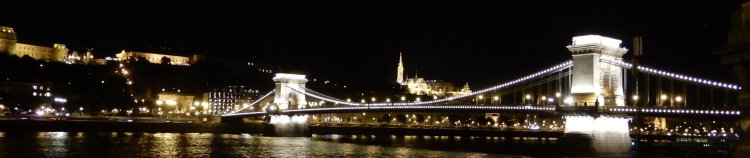
We can’t say enough about Budapest. It’s a beautiful place and it’s easy to get around in with an efficient and extensive public transportation system. The heart of the city is the Danube River with its banks adorned with magnificent buildings from the Parliament building to Buda Castle, Cathedrals and churches. We can’t imagine a more enchanted sight than strolling along the river after Sunset in Budapest.
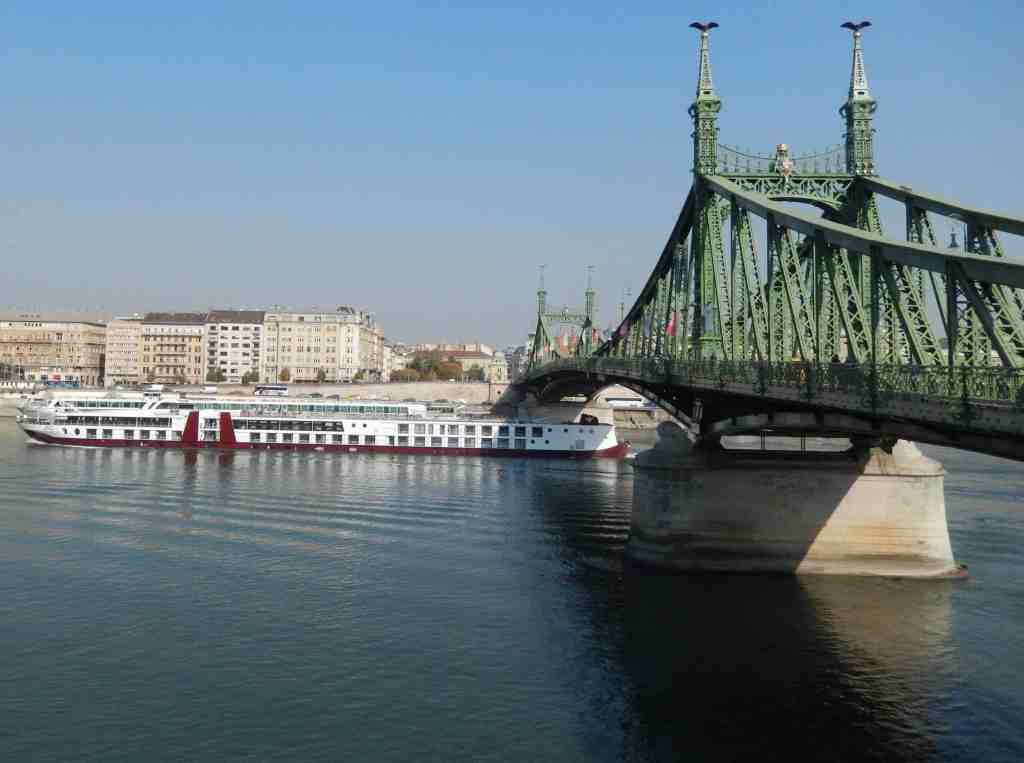
River Cruising And Budapest – This amazing city is a popular departure (and termination) point for east and west Danube river cruises. On any given day you will find dozens of river cruise boats tied up along the river. If your plans include a river cruise into or out of Budapest, be sure and spend several days before or after your cruise, you will not regret it!.
Hungarian – The majority of Hungarians are dacendents of the Magyar people and while finding locals who can speak English isn’t difficult, the problem is finding signage in anything but Hungarian. Hungarian is one of the worlds more complex written languages and difficult to decipher if you weren’t raised to it. Fortunately Hungarians are very friendly people and seem eager to help visitors.
While Hungarian belongs to the Finno-Ugric language family, which also includes Finnish, Estonian, and several other languages spoken in northern Europe and western Siberia but has become a unique variation. Hungarian is thought to have originated in the Ural Mountains, which are located between Europe and Asia. The Magyar people are thought to have migrated from the Ural Mountains to the Carpathian Basin (the area that is now Hungary) around the 9th century AD.
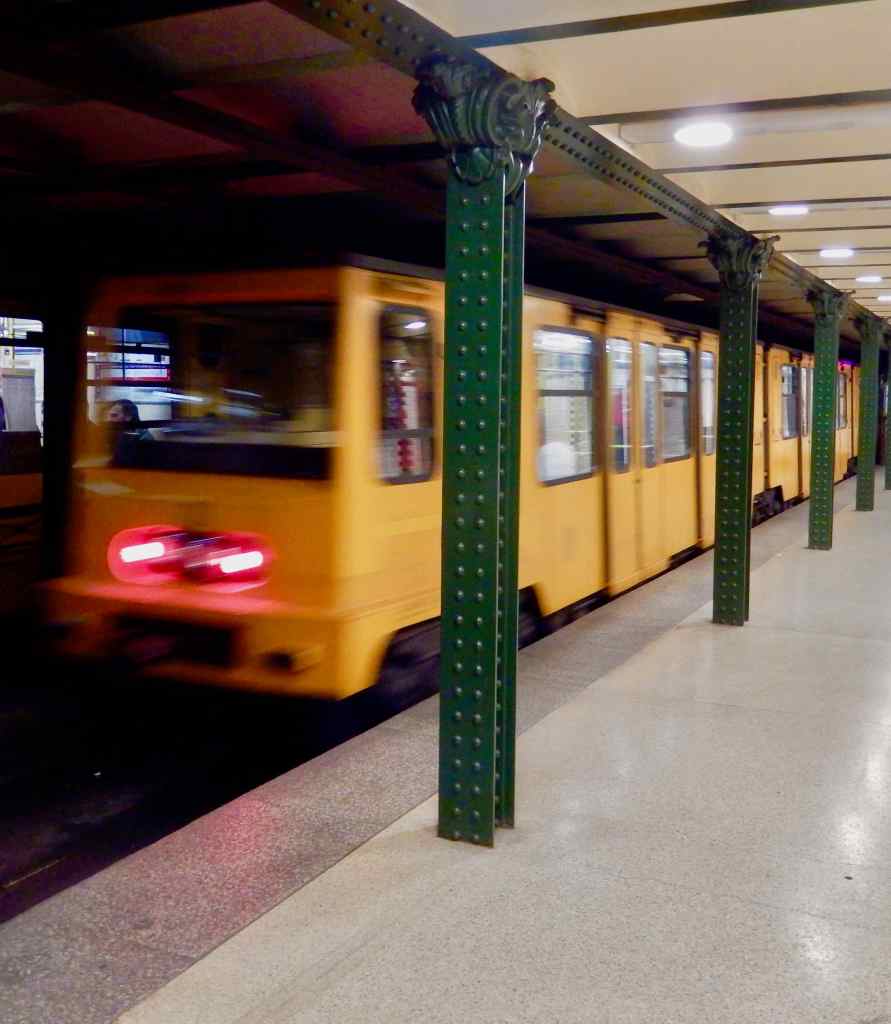
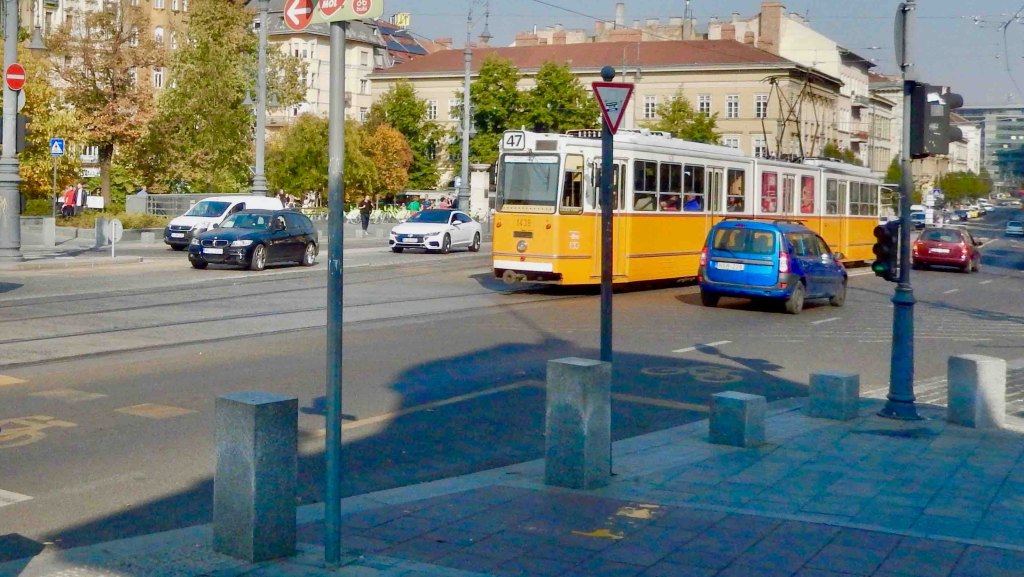
Getting Around Budapest – The city has an extensive public transportation system that includes a subway, trams and buses and are an exceptional value. You’ll find more information on navigating Budapest HERE.
The city is famous for its cuisine and its many fine restaurants. To us there are a couple of must visit locations while there. Oddly one is the McDonalds at the central train station which is accurately described as the most beautiful McDonalds in the world. Another favorite is The New York Kávézó (that’s Hungarian for café), particularly for coffee and pastries – gorgeous surroundings with a small group playing chamber music. Also don’t leave town without trying Hungarian goulash soup and the Kürtőskalács (a local pastry). Read more HERE.
Another unique part of the Budapest scene are the Ruin Bars. Started in abandoned buildings after the fall of the communist government, these nightclubs thrived in the city and became a focus of the younger generation. While many have somewhat a ramshackle appearance and surroundings that’s part of the culture and they have become a staple of Budapest nightlife. Two of the more famous are the Red Ruin Bar which has grown into almost a block of bars and restaurants and Hyp-R.ZONE – Sim & VR Bar which is famous for its video games.
The Must-See Sights In Budapest Include:

- Buda Castle – a historic castle complex located high above the city. The castle was originally built in the 13th century as a fortress for the Hungarian kings. Over the centuries, it was expanded and renovated several times, and it became the residence of the kings and queens of Hungary. The castle complex includes several buildings, including the Royal Palace, the National Gallery, and the Budapest History Museum.
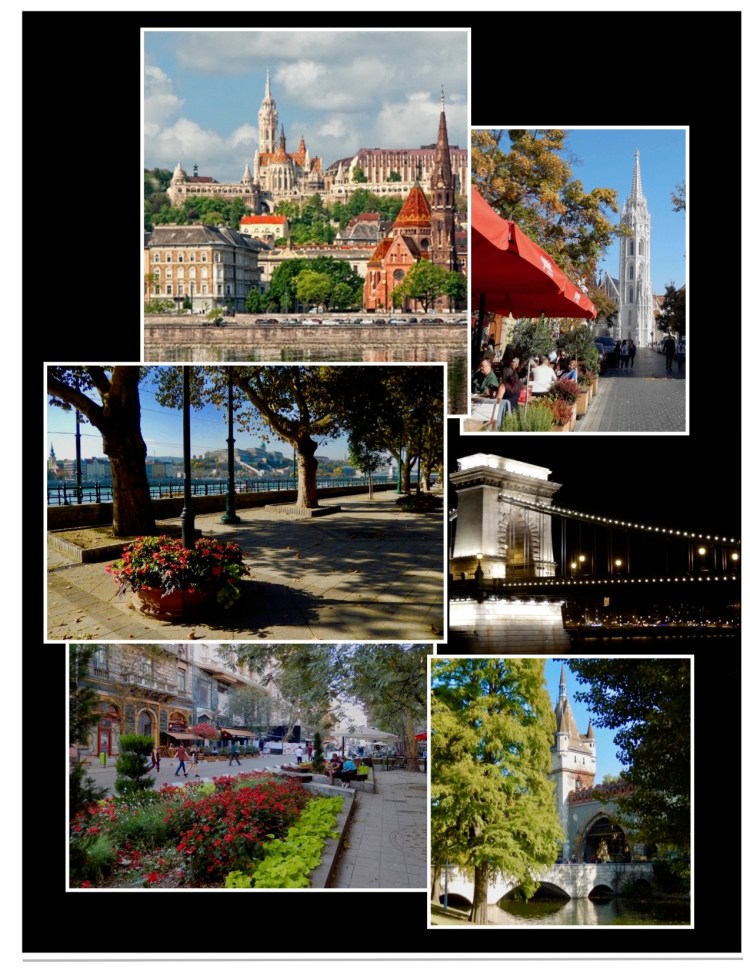
- Fisherman’s Bastion – is a beautiful terraced location on the Buda bank of the Danube River, near the Matthias Church in the Castle District. The terrace was built in the late 19th century and it offers stunning panoramic views of the city, including the Danube River, the Pest side of the city, and several of Budapest’s famous landmarks. Fisherman’s Bastion is named after the medieval guild of fishermen who were responsible for defending this stretch of the city walls during the Middle Ages. It is a must-visit attraction if you’re in Budapest!
- Hungarian Parliament Building – a majestic building dominating the banks of the Danube.

- St. Stephen’s Basilica – A beautiful and historic church located in the heart of Budapest, Hungary. The church was named after St. Stephen, Hungary’s first king, who founded the Hungarian state and played an important role in spreading Christianity throughout the country. It is actually built on old Roman ruins.
- Széchenyi Thermal Bath -Budapest is famous for its thermal springs and these baths were opened in 1913 and they are fed by two thermal springs with water temperatures ranging from 27 to 38 degrees Celsius. The baths have several indoor and outdoor pools, saunas, steam rooms, and massage services. The outdoor pools are particularly popular, especially during the winter months when visitors can enjoy the warm water in the cold weather.
- Hero’s Square features an expansive square ringed with statues of famous Hungarian figures and includes museums, a major park and gardens with the Budapest Zoo, Vajdahunyad Castle and a paddle boat lagoon.
- Danube Promenade – An amazing and extended park along the Danube that featuring shops, restaurants, cafes and is very popular for walking and just sitting and watching the boats on the river.

- Matthias Church is a beautiful and historic church located in Budapest’s Castle District. It is one of the most famous churches in Hungary. The church was originally built in the 13th century in the Gothic style, but it has undergone several renovations and additions over the centuries, including a major restoration in the late 19th century. Matthias Church features stunning architecture, intricate carvings, and colorful stained-glass windows. It also houses several important religious relics, including the Holy Right, which is believed to be the right hand of St. Stephen, Hungary’s first king. The church is named after King Matthias Corvinus, who ordered the restoration of the church in the 15th century. It is a must-visit attraction if you’re interested in history and architecture.

- Market Hall is a major attraction for shopping where you can get everything from food (stalls and restaurants) to t-shirts, souvenirs, chess sets, egg ornaments and much more. There’s even an Aldi in the basement.
- Ruin Bars – Budapest is also famous for its ruin bars, which began to pop up shortly after the fall of the old communist government’s rule. Ruin bars are unique bars that are typically set up in abandoned buildings, factories, or warehouses that have been converted into bars. These bars are known for their quirky and eclectic decor, with mismatched furniture, art installations, and vintage items. They often have several rooms and outdoor spaces, and offer a variety of drinks and food options. Ruin bars are a popular spot for locals and tourists alike, and they are a must-visit if you’re in Budapest.Some of the most popular ruin bars in Budapest include: Szimpla Kert, Instant-Fogasház, Mazel Tov, Kőleves Kert, Ellátó Kert.
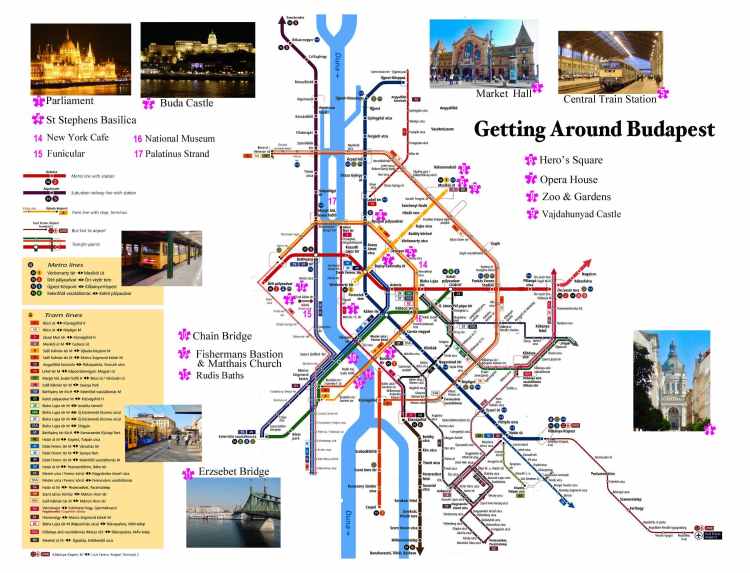
If you’re considering a visit be sure and download our customized visitors map that includes the major attractions with tram and subway lines and stations.
Highlights of Hungarian History

In the 5th century the Hungarian tribes settled in the Carpathian Basin a European region with Hungary sited near its center. In 997-1038 AD King Stephen of the Árpád dynasty rules the country. In 1000 AD Stephen converted to Christianity, and after his death, was made a Saint.
In 1241 AD the Mongolian Tatars invade the country. They devastated the country in a war that lasted a year and while it would take many decades for the nation to recover the Hungarians halted the Tatars continued westward advance.
1458-1490 AD under the rule of King Matthias from castles inBuda and Visegrád the region became the cultural center of Europe.

Buda Castle
After 1526 the Turks defeat the Hungarian army and the Turks occupied Buda with Hungary split into three parts. The Habsburgs governed the western part of the country, the central area was ruled by the Turks, and only the southeast Transylvanian principality remained Hungarian. In 1686 Buda was recaptured from the Turks.
1873 Pest, Buda and Obuda were unified, Budapest became a European metropolis. Monuments like the Opera House, the National Gallery, the Parliament were built. In 1918 Germany and the Austro-Hungarian monarchy, lost the First World War and the monarchy disintegrated. After the Second World War in 1945 the Soviet Army occupied Hungary and in 1947 the last free elections were held followed by Communist control with a Stalinist dictatorship imposed. In 1956 a revolution against Stalinism started, but the uprising was defeated by invading Soviet troops.
1990 the Communist party voluntarily gave up its autocracy and a multi-party parliamentary democracy came into being in the country as the Soviet army left Hungary.
Visiting this major European capital. Getting around and major attractions with things to do. Baths, ruin bars, historic sights…

 The Intentional Travelers