
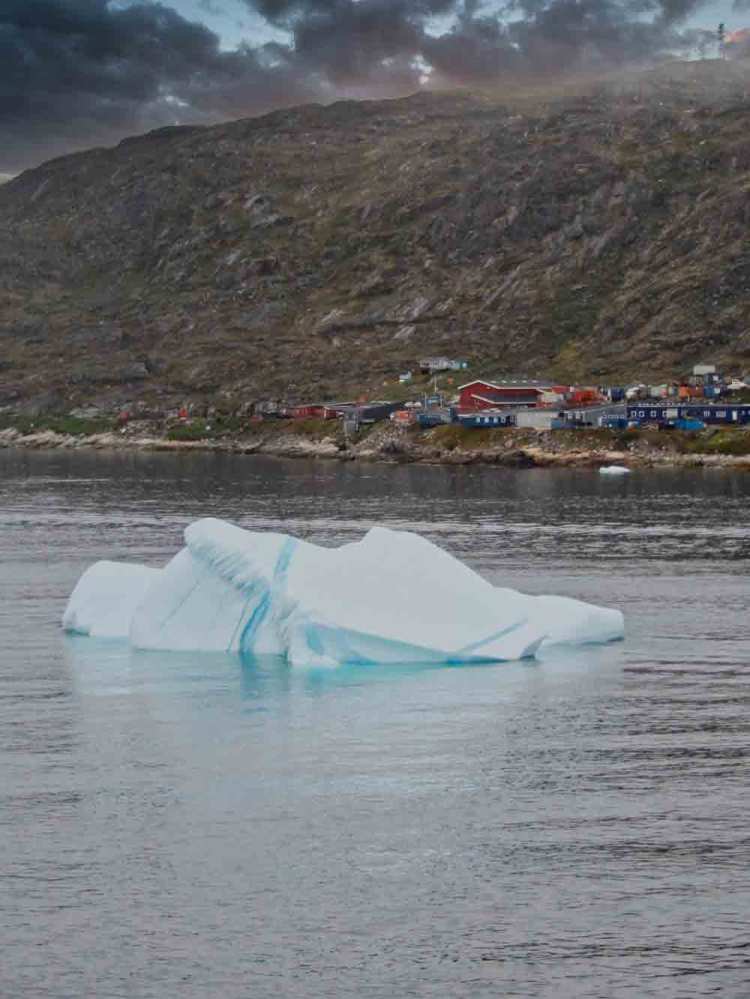
Explore a world that seems to be lost in time. With a population of only 3,050, it is still the most populous town and the municipal capital of southern Greenland and the fourth-largest town on the island.
The island of Greenland is an autonomous territory within the Kingdom of Denmark, and its political history is closely linked to that of Denmark. In 1979, Greenland gained home rule and in 2009, it was granted self-rule, which gives it control over most of its domestic affairs. However, Denmark still controls Greenland’s foreign policy, defense, and monetary policy. In recent years, internationally there has been growing interest in Greenland due to its strategic location and unexplored natural resources and there may be changes coming.
Where Your Ship Docks
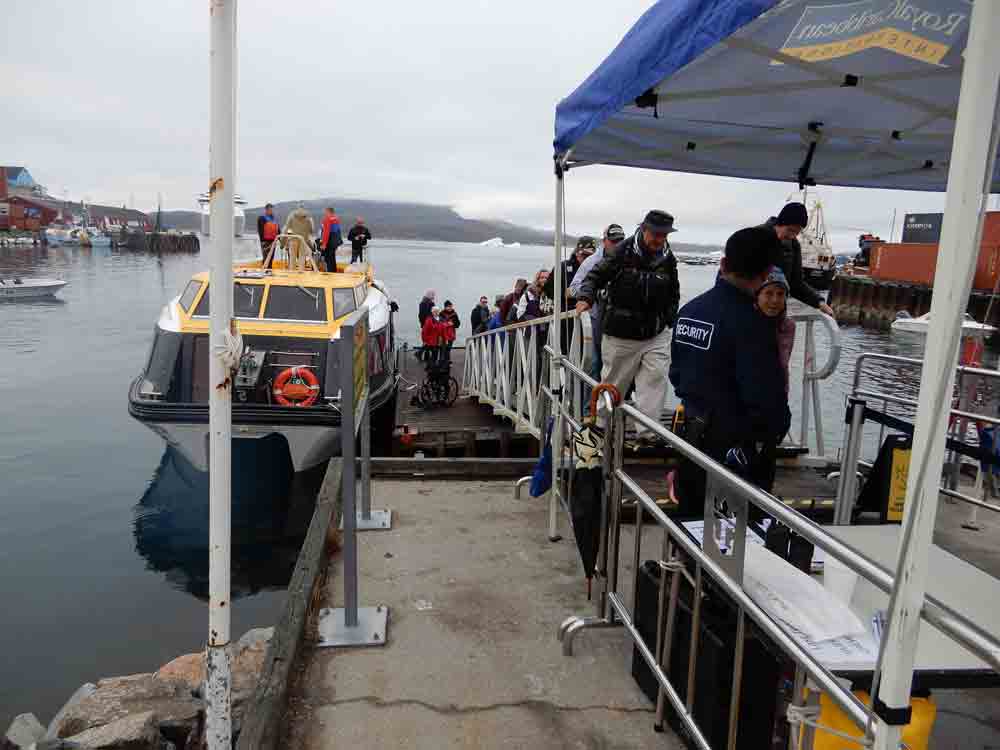
There are no docks that can accommodate even smaller cruise ships so expect to tender ashore. Your tender will land at a dock right in the center of the towns waterfront.
Wheelchair Accessibility
Wheelchair bound passengers will encounter challenges both in getting on tenders as well as disembarking at the pier. This port has a moderate to steep geography where there are typically elevations and inclines to deal with. The waterfront and near port area has moderate inclines in sidewalks but there are also rough spots on streets and sidewalks. Other parts of the town itself can be more difficult. Intersection crosswalks may have curbs or other wheelchair obstacles.

Transportation
There are literally no roads connecting Greenland towns and probably nothing a mile or two outside of Qaqortoq. There is a taxi service available in Qaqortoq but no rental cars. Due to the small size of the town, the number of taxis is limited. It is recommended to book a taxi in advance or ask the Qaqortoq hotel in town to arrange one for you. Additionally, there is also bus transportation available within the town. The local bus company is called Qaqortoq Auto and runs several routes throughout the town and its surrounding areas. The bus service is an affordable and convenient way to get around Qaqortoq and explore its beautiful landscapes. A single ride on a local bus range from 15 to 25 Danish Krone (DKK) approximately 2 to 4 US dollars but you’ll need Danish Krone.
Currency
Greenland uses the Danish Krone (DKK) which is approximately 0.16 USD for 1 DKK. Finding ATMs is difficult but most credit cards can be used and are welcome.
History
The area around Qaqortoq has been inhabited since prehistoric times. Beginning with the Saqqaq culture roughly 4,300 years ago. Since that time the area has had a continuous human presence. Greenland was first colonized by the Norse in the 10th century when they built farms and settlements. After a dramatic change in the northern climate with temperatures dropping their settlements disappeared and by the 15th century most settlers were relocating to Iceland. From that time till today the majority are of the population are Iniuts. In the 18th century, Denmark reestablished a colonial presence in Greenland and maintained control over the island until 1953, when it became incorporated within the Danish Kingdom.

Sights and Attractions
The town of Qaqortoq has a rich tradition of art dating back to the 18th century. The town has been a hub for Inuit art and culture almost 200 years, with many artists and artisans creating unique and beautiful pieces that reflect the local traditions and the Inuit way of life. In recent years, Qaqortoq has become known for its outdoor art scene, with many sculptures and installations scattered throughout the town. The Qaqortoq Museum is also a must-visit for anyone interested in the history as well as the contemporary art scene in the area.
Qaqortoq hosts a few cultural events throughout the year. The most notable is the Qaqortoq Snow Festival, which takes place in February and features snow sculpting competitions, traditional Inuit games, and cultural performances. In a warmer season there’s the Qaqortoq Arts Festival that occurs in July and showcases local artists and musicians.
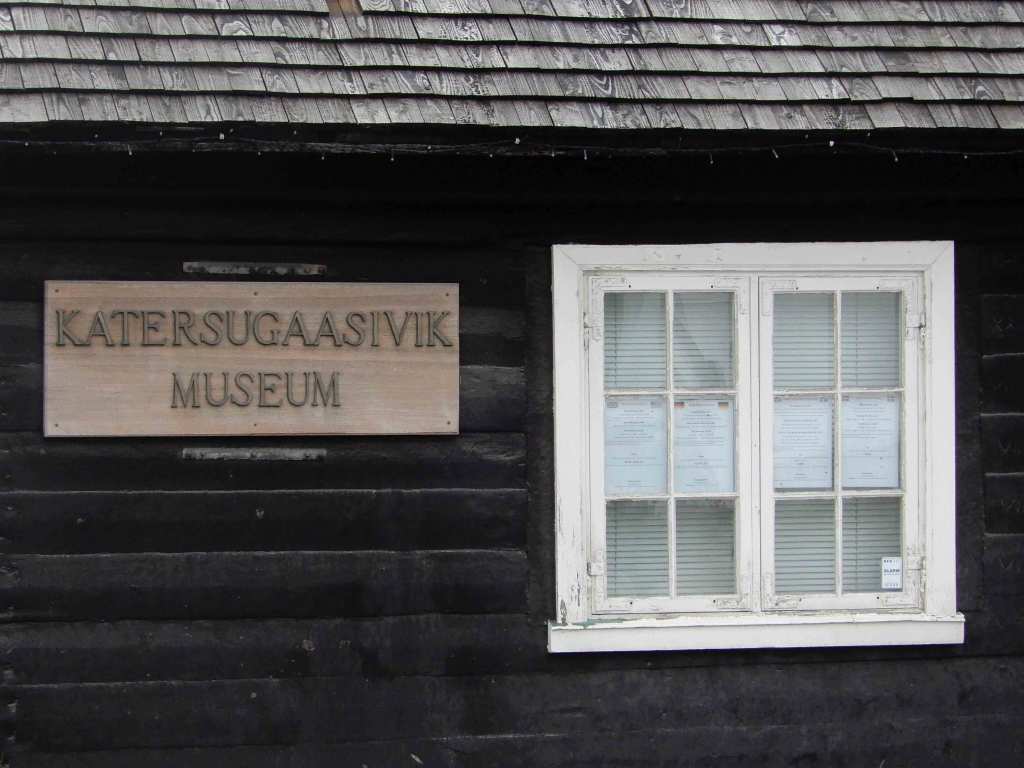
Some of the top attractions to visit in Qaqortoq include the Qaqortoq Museum, the Stone and Man Project, the hot springs at Uunartoq Island, and the Hvalsey Church ruins.
The Qaqortoq Museum showcases the history and culture of the region, including exhibits on the Norse settlements, Inuit culture, and the town’s colonial past. Some of the highlights of the museum’s collection include traditional clothing, hunting tools, and archaeological artifacts from the area. Additionally, the museum features a collection of contemporary art from local artists.
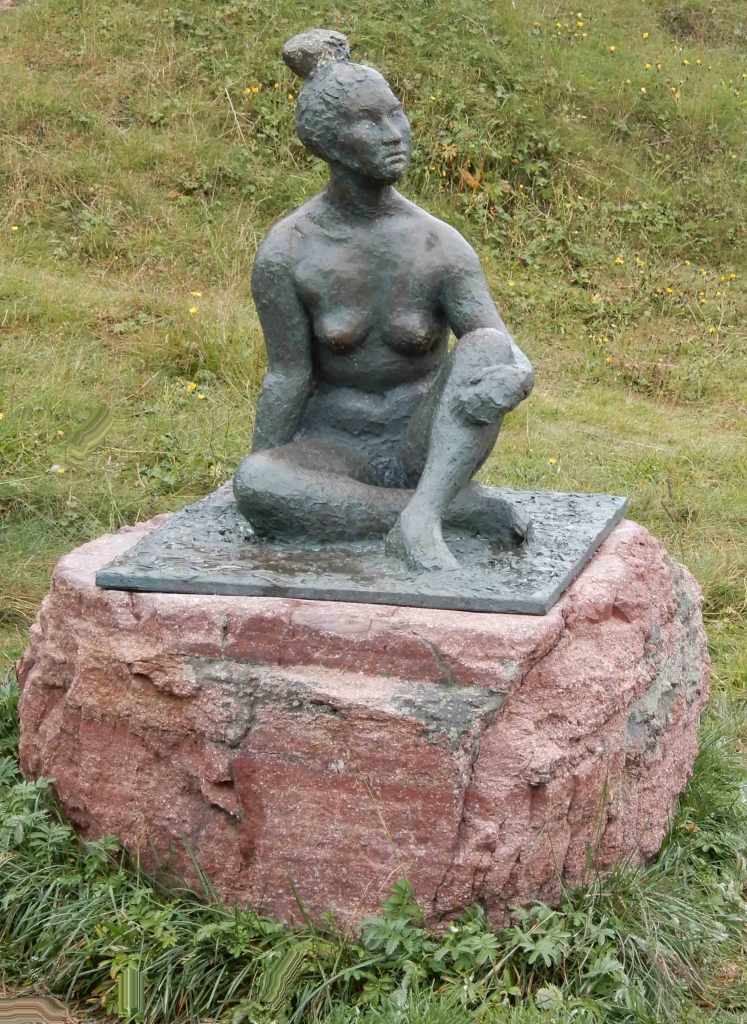
The Qaqortoq Stone Man Project is a public art installation that consists of a series of stone sculptures created by local artists and placed throughout the town, with the intention of promoting tourism and celebrating the town’s cultural heritage. The project began in 1993 and has since grown to include over 40 sculptures. The sculptures are made from granite and depict various aspects of Greenlandic culture, including traditional clothing, hunting practices, and mythology. The project has become a popular tourist attraction and has helped to promote Qaqortoq as a cultural destination.
The Hvalsey Church ruins are the remains of a church that was built in the 14th century by Norse settlers. It is considered to be one of the best-preserved examples of Norse architecture in Greenland. The church was abandoned in the 15th century and has since fallen into disrepair. Despite its current state, the ruins are still a popular attraction, and visitors can explore the site and learn about the history of the area.
The Qaqortoq hot springs are located on Uunartoq Island. It is a small uninhabited island that is only accessible by boat or helicopter. The hot springs are a popular destination for tourists and locals alike, as the water temperature can reach up to 100°F even in the midst of winter. The hot springs are surrounded by stunning natural scenery, including glaciers and icebergs, making it a unique and memorable place.

Bone and antler art in Qaqortoq is a traditional Inuit art form that involves carving intricate designs and sculptures out of animal bones and antlers. There are several types of animals that are commonly used for bone and antler art in Qaqortoq, including caribou, muskox, and walrus. These animals are native to the Arctic region and their bones and antlers have been used by indigenous peoples for centuries to create intricate and beautiful works of art. They are stunning original works of art and there are a number of galleries and shops offering these original carvings in town but prices are high.

NOTE: The United States has strict regulations on the import of animal items, including products made from endangered species. Items such as ivory, bone, turtle shells, and many furs are illegal to import with the only Greenland carved items generally permitted are caribou antler.
 The Intentional Travelers