Afrikaans, The Zulu Kingdom, The Europeans And Nelson Mandela
The history of South Africa is markably different than most of Africa. From the early European settlers to the colonial wars to its transition to a real democracy this country took a different path.
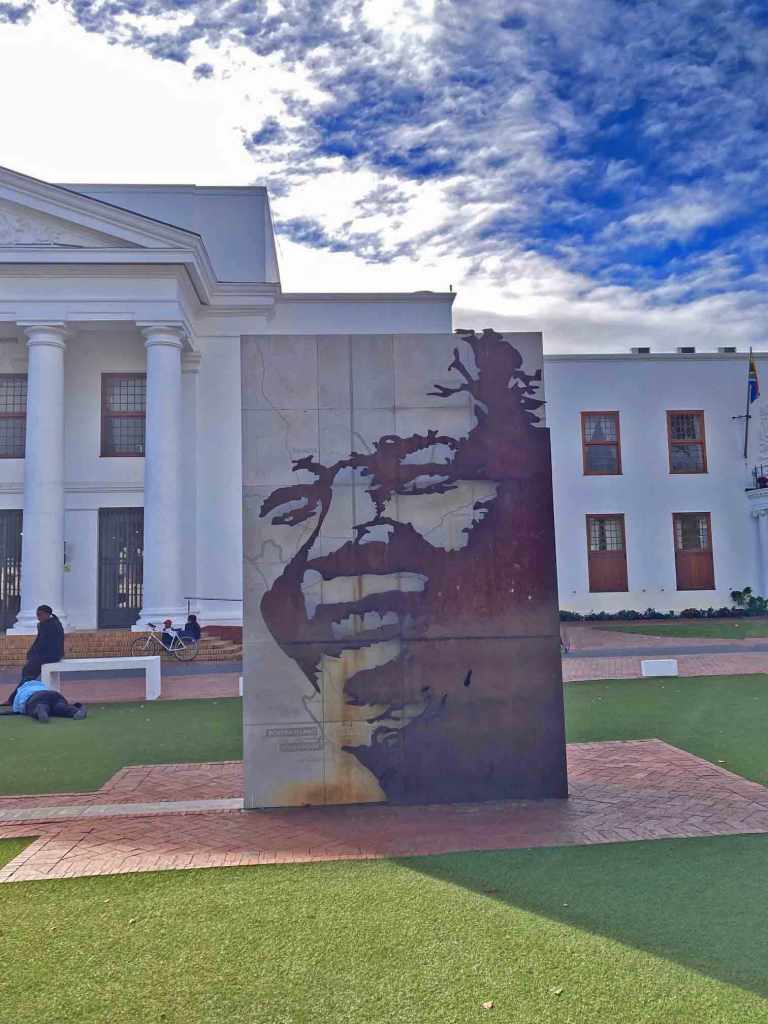
Nelson Mandela was exactly the right man at the right time to save this remarkable country and set it on a path toward reconciliation and prosperity. Nelson Mandela’s unwavering commitment to fighting racial segregation and apartheid in South Africa made a profound difference. He led the African National Congress (ANC) in its struggle against the oppressive white minority government, enduring imprisonment for 27 years. His unwavering belief in equality and justice inspired millions around the world and paved the way for the dismantling of apartheid in 1991. But equally important he preached peace and forgiveness.
Early History
When Europeans first arrived in South Africa, the land was inhabited by indigenous groups, collectively known as the Khoisan. They fell into two groups with the largest being the San, who were mostly hunter-gatherers, and the Khoi, who were herders. These Khoisan peoples lived in tribes, spoke a variety of languages, had distinct cultures and were skilled in hunting, gathering, and herding.

The first Europeans to set foot in South Africa were the Portuguese in 1488 but they did not have any intention to settle the region. The Portuguese were looking for new trading routes to India and the Far East. European settlements didn’t begin until 6 April.1652 with a Dutch expedition of 90 Calvinist settlers who founded the first permanent settlement in the bay of today’s Cape Town – later named Table Bay.
By 1654 the Dutch expansion into areas around Table Bay and beyond resulted in conflicts with the Khoisan and inand 1659 resulted in open conflict known as the first Khoi-Dutch war.
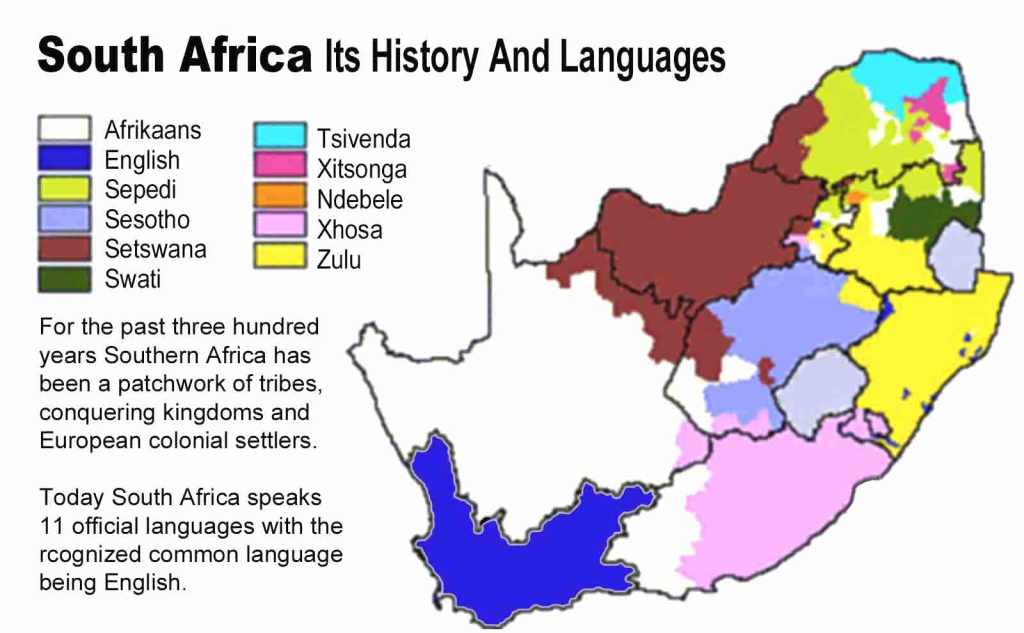
From early in the eighteenth century a new culture with its own language emerged in South Africa called Afrikaans. It became the first common language of South Africa, developed from 17th-century Dutch, sometimes called Netherlandic, by the descendants of European Dutch, German, and French colonists along with contributions from indigenous Khoisan peoples, African and Asian slaves.
This new group known as Afrikaans expanded out of the Cape area and started farms and ranches, established towns and organized into governments with militias.
The first British settlers arrived in the Cape Town area on 17 March 1820. From the Cape colony, additional settlers moved on to Algoa Bay, known today as Port Elizabeth.
While the British established their control of the area around Cape Town the Dutch settlers moved north and eventually established the Boer republics. They were independent, self-governing republics formed by Afrikaan and Dutch-speaking inhabitants from the Cape Colony and their descendants. The founders – variously named Trekboers, Boers, and Voortrekkers – settled mainly in the middle, northern, north-eastern and eastern parts of present-day South Africa.

In the early nineteenth century a tribal kingdom emerged known as the Zulu Kingdom. It was a Zulu monarchy in Southern Africa that conquered local tribes from 1816 to 1897. Dominating a large area of eastern South Africa the Zulu were feared by most local tribes and people. It was founded by King Shaka, who transformed the Zulu people into a powerful military nation.
Shaka established a highly centralized monarchy and administrative system, with the king holding absolute power. This allowed for efficient coordination and mobilization of the Zulu’s military and economic resources.
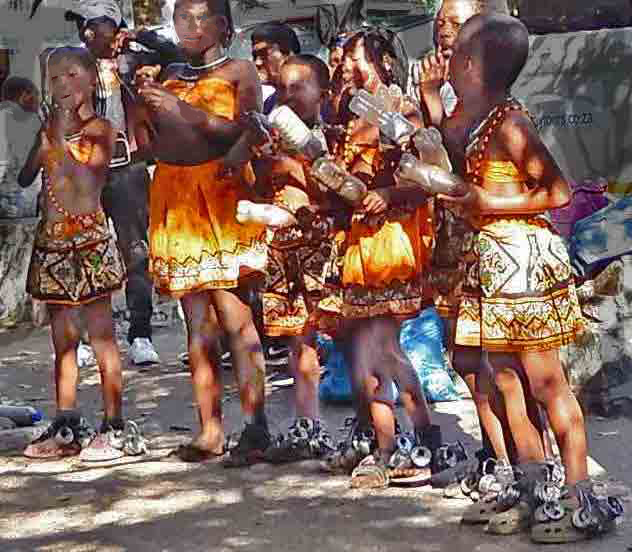
Under King Shaka’s leadership, the Zulu army was reorganized and expanded, using innovative military tactics and weapons. This allowed the Zulu Kingdom to become the dominant power in the region during the 19th century. Because of its rapid conquests a large number of area tribes feared the Zulu and some turned to the British for protection.
The Zulu Kingdom eventually came into conflict with the British Empire in Africa, leading to the Anglo-Zulu War in 1879. The Zulu army initially defeated the British at the Battle of Isandlwana, but the British ultimately prevailed and annexed the Zulu Kingdom into their territory..

Conflicts also broke out between the British and the Afrikaans over territorial rights that resulted in the First Boer War (Afrikaans: Eerste Vryheidsoorlog, literally “First Freedom War”). It was fought from 16 December 1880 until 23 March 1881 between the United Kingdom and Boers of the Transvaal as the South African Republic was known while under British control. The war resulted in a Boer victory and eventual independence of the South African Republic.
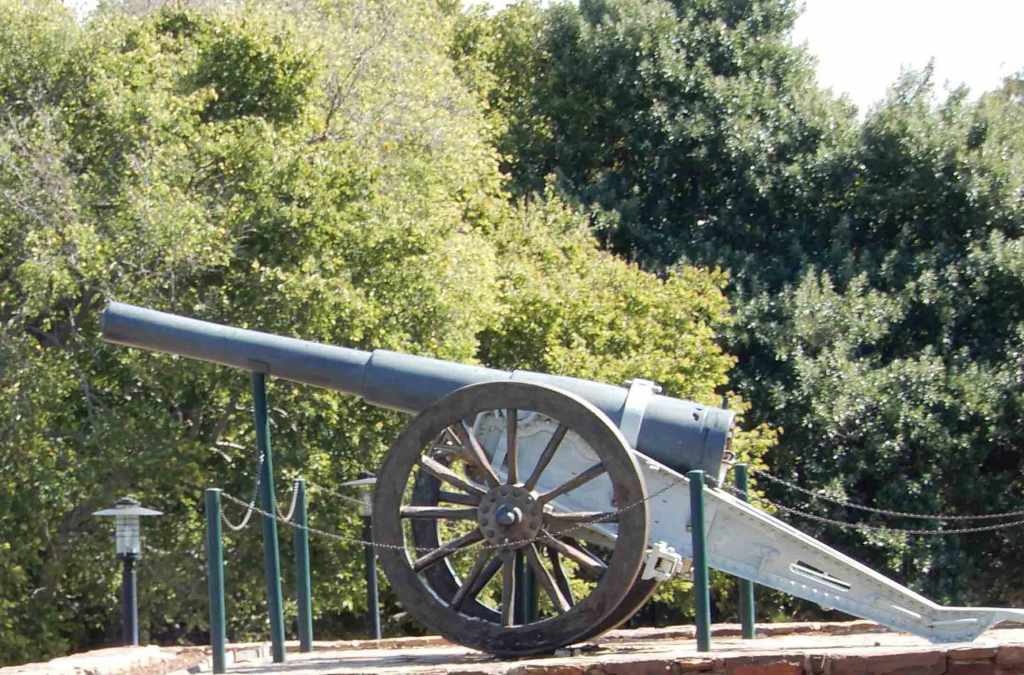
The Second Boer War, also known as the South African War, was fought between the British Empire and the two Boer republics, the South African Republic (Transvaal) and the Orange Free State, from 1899 to 1902. The Witwatersrand Gold Rush caused a large influx of “foreigners” to the South African Republic, mostly British from the Cape Colony and was considered illegal incursions by the Afrikaans. The war ended with a British victory, resulting in the annexation of the Boer republics into the British Empire. This led to the creation of the Union of South Africa founded in 1910.
The doctrine of apartheid (“separateness” in Afrikaans) was codified into law in South Africa in 1948, but the status of the majority Black population in the region was established during European colonization of the area. In the mid-17th century, White settlers from the Netherlands drove the Khoi and San people out of their historic lands and denied their rights as persons.

The apartheid system in South Africa was ended through a series of bilateral and multi-party negotiations between 1990 and 1993. The negotiations culminated in the passage of a new interim Constitution in 1993, a precursor to the Constitution of 1996; and in South Africa’s first non-racial elections in 1994, won by the African National Congress (ANC) liberation movement.
Even though there had been gestures towards negotiations in the 1970s and 1980s, the process accelerated in 1990, when the government of F. W. de Klerk took a number of unilateral steps towards reform, including releasing Nelson Mandela from prison and unbanning the ANC and other political organizations. In 1994, Mandela was of key importance in negotiating the freedom and equality of all South Africans. In 1990–91, bilateral “talks about talks” between the ANC and the government established the pre-conditions for substantive negotiations, codified in the Groote Schuur Minute and Pretoria Minute.
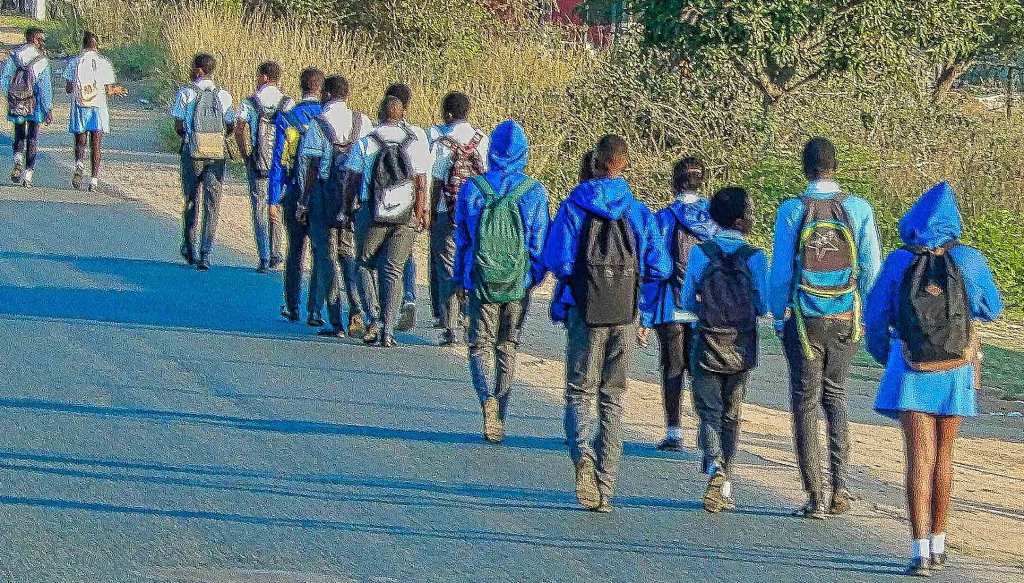
Today South Africa has a racially diverse population, with Black Africans comprising approximately 80% of the total population, Whites (8%), Coloureds* (9%), and Indians/Asians (2.5%).
*The coloured population of South Africa is an accepted racial group in the country being people with the highest levels of mixed ancestry on the globe. They are a blended race of African, European, East Asian and South Indian.
 The Intentional Travelers