

The Character And Nature Of Every Day Buddhism
I’ve always been fascinated with Buddhism as a faith and philosophy and while I’ve read a bit about the Buddha’s teachings I’ll admit there’s much I don’t understand. We’ve traveled a fair amount through Asia and I’ve had a lot of conversations with Buddhists about their beliefs and I’ve learned how many relate to their religion. Most every day Buddhists are serious about the rituals and the shrines and temples without really understanding the core philosophy. Much of being raised in a faith is participating in those worship services and they in turn form the foundation of the general culture with its associated traditions, but that doesn’t mean people are well versed in the philosophic fundamentals.
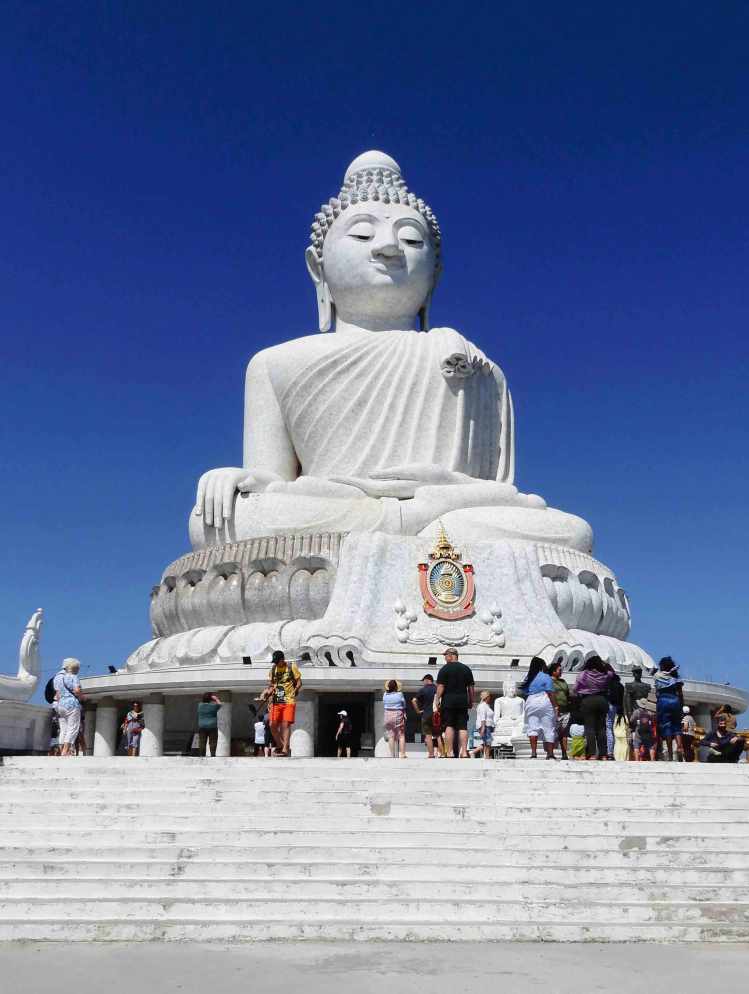
The first thing I realized is the faith of every day Buddhists and Christians are much different. While Christians purportedly will usually turn to God and pray for the health of someone or to seek spiritual guidance, every day Buddhists are constantly asking a Buddha for help with everyday things. One man I talked to said he wouldn’t buy a lottery ticket without praying first to “his” Buddha. A woman we spent a day with lost her wallet and we had to stop by the temple of “her” Buddha so she could pray for help. She got a call from a stranger who found her wallet within the hour. These are actually pretty typical examples. The first time I heard the expression “every day Buddhist” was in talking with a Buddhist teacher.
This doesn’t mean that there are not every day Christians, there are lots of Christians that are involved in the church and its rituals without actually living a life ascribed by Jesus.
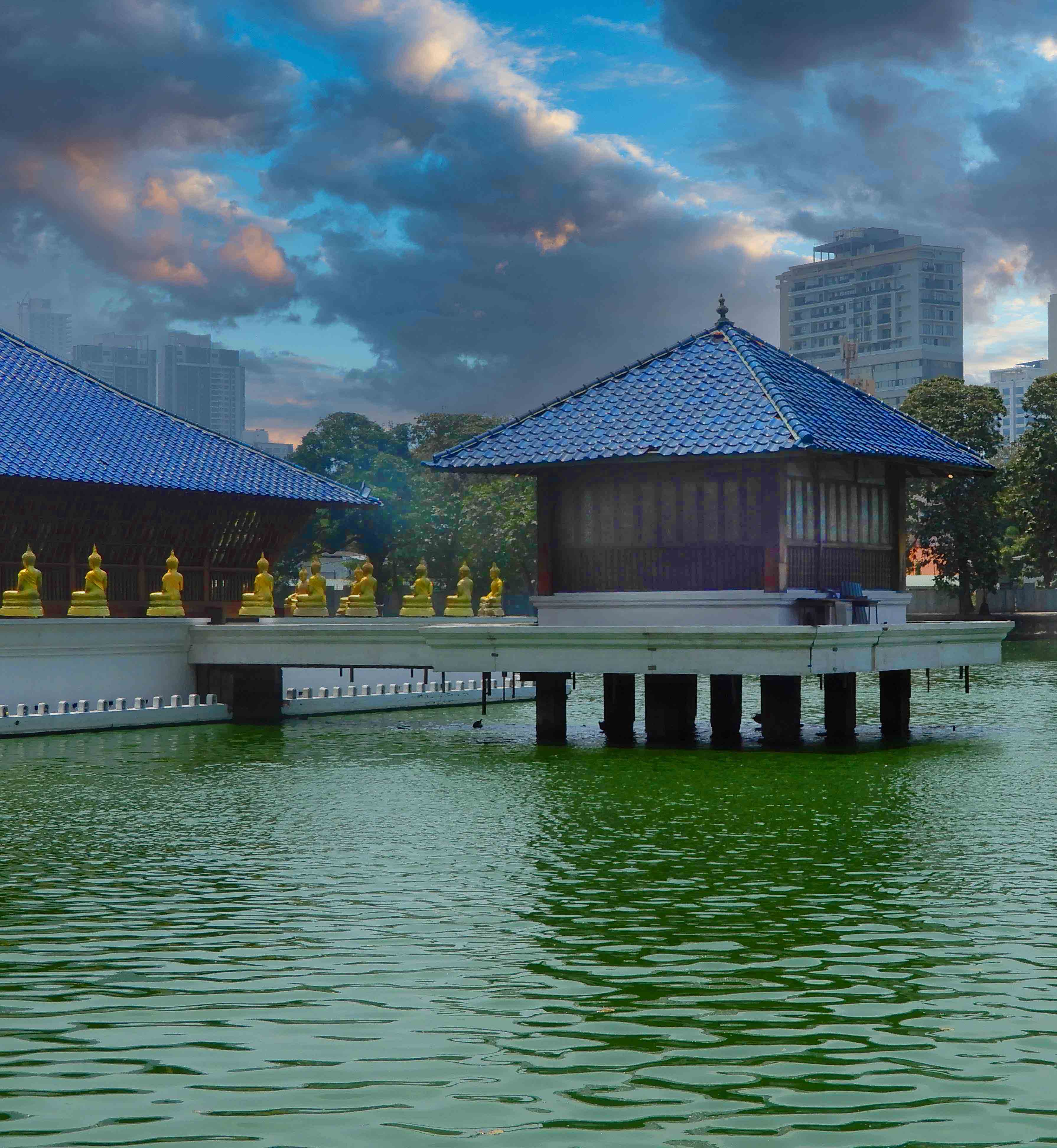
The Core Difference Between Buddhism And Christianity
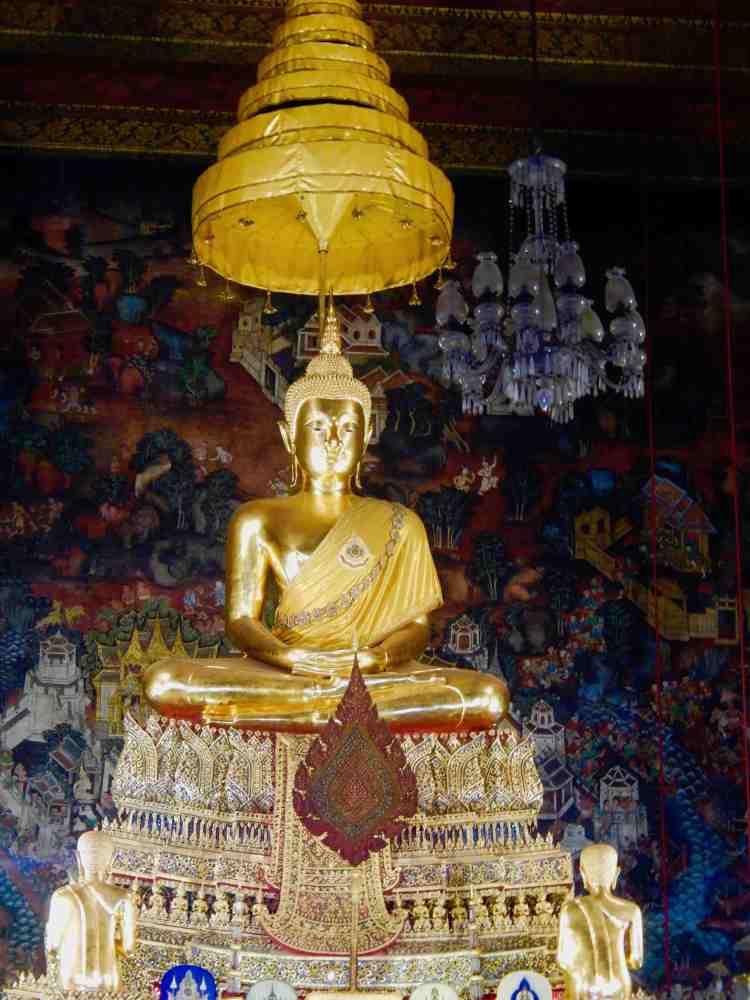
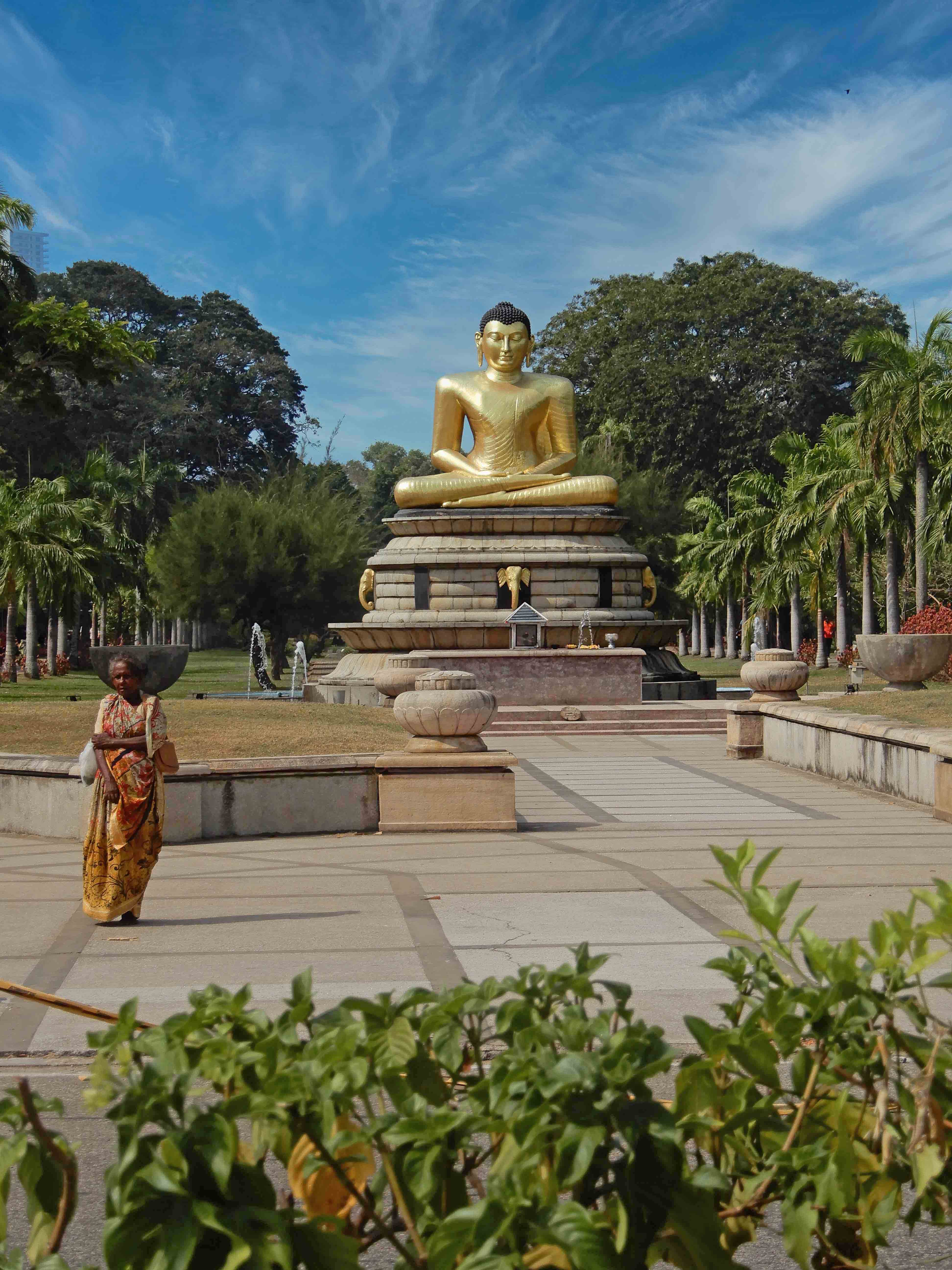
Buddhism is based on the teachings of Siddhartha Gautama, who became the enlightened one attaining nirvana. Buddhism is a non-theistic religion, meaning it doesn’t ascribe to a belief in God, but is based on a philosophy. It teaches meditation leading to attaining nirvana or reaching a state in which the mind, enlightened as to the illusory nature of the life-death cycle, transcends all suffering and attains eternal peace.
Christianity is monotheistic and centered on the teachings of Jesus. They accept God as the creator of everything and believe that He ascribed the rules to be followed to attain a place with eternal life. Christians believe that Jesus is the Son Of God who acts as a guide and intermediary with God and they can develop a relationship with God through prayer.
In Buddhism there is no deity one can direct prayer to but rather the faith is based on meditation and learning that can lead to enlightenment. When a Buddhist is to pray to a specific Buddha they are actually recognizing his (her) wisdom and seeking guidance in better understanding the philosophy. While Christians are actually praying to God for direction, understanding and intervention.
Understanding Buddhism
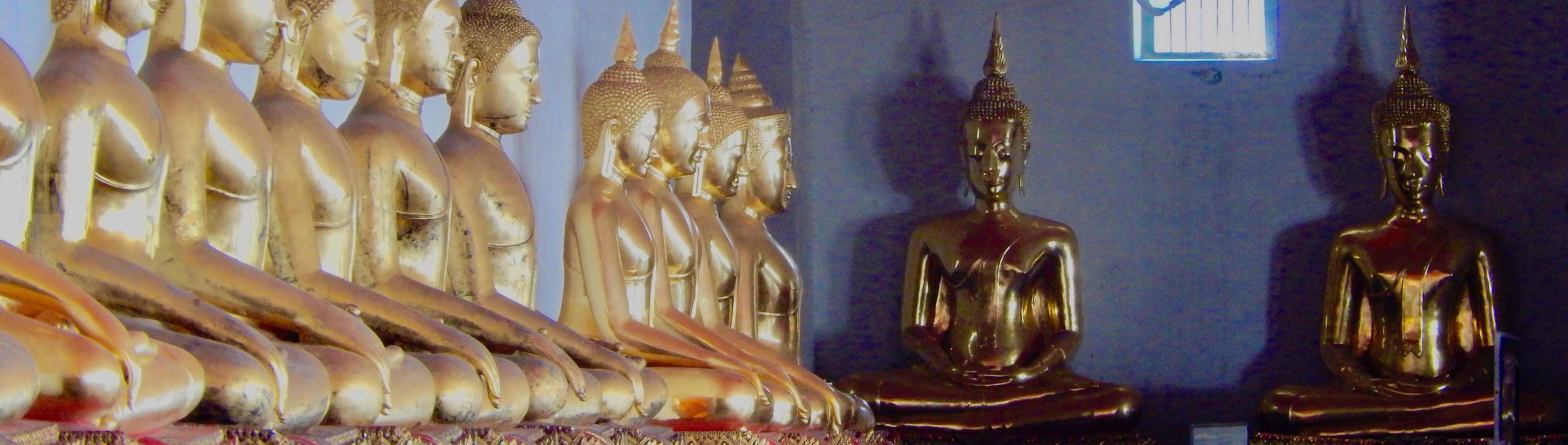
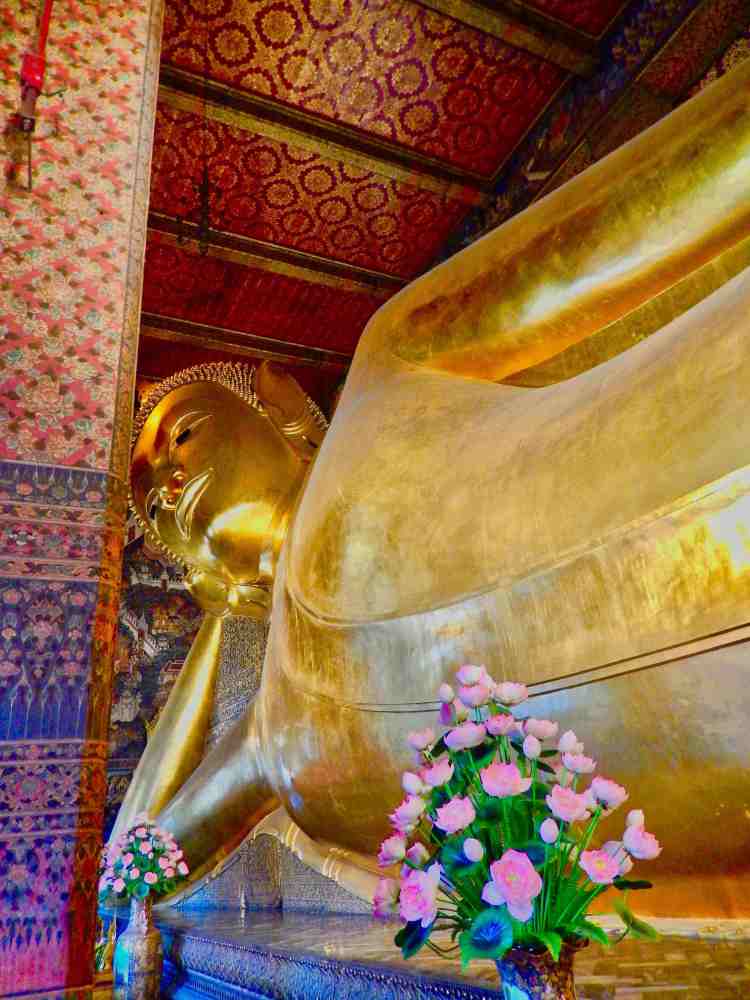
Most Westerners misunderstand Buddhism, thinking that there is only one Buddha while in fact there are many. In Buddhism, Buddha is a title for an “awakened one” who are spiritually awake or enlightened, and have thus attained the supreme religious goal of Buddhism, variously described as nirvana, awakening and liberation. Because of that many of the statues in shrines and temples represent many different but specific Buddhas. The first was the Siddhartha Gautama or Shakyamuni Buddha, also known as Gautama Buddha, who was a spiritual teacher and the founder of Buddhism. He was born in Lumbini, Nepal, around the 6th century BC. He renounced his royal life at the age of 29 and spent six years seeking enlightenment. After attaining enlightenment under a bodhi tree, he became known as the Buddha, which means “the awakened one.”
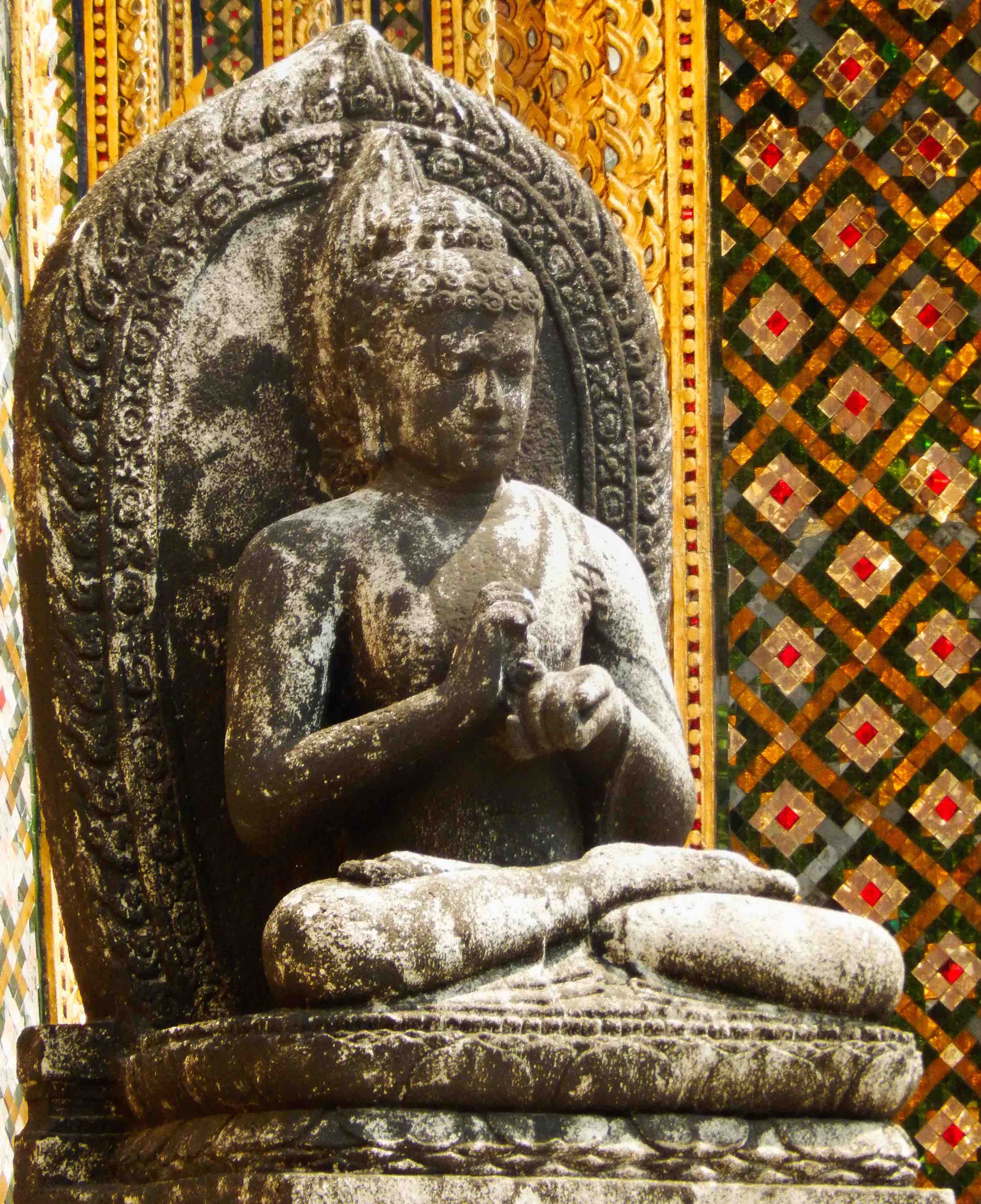
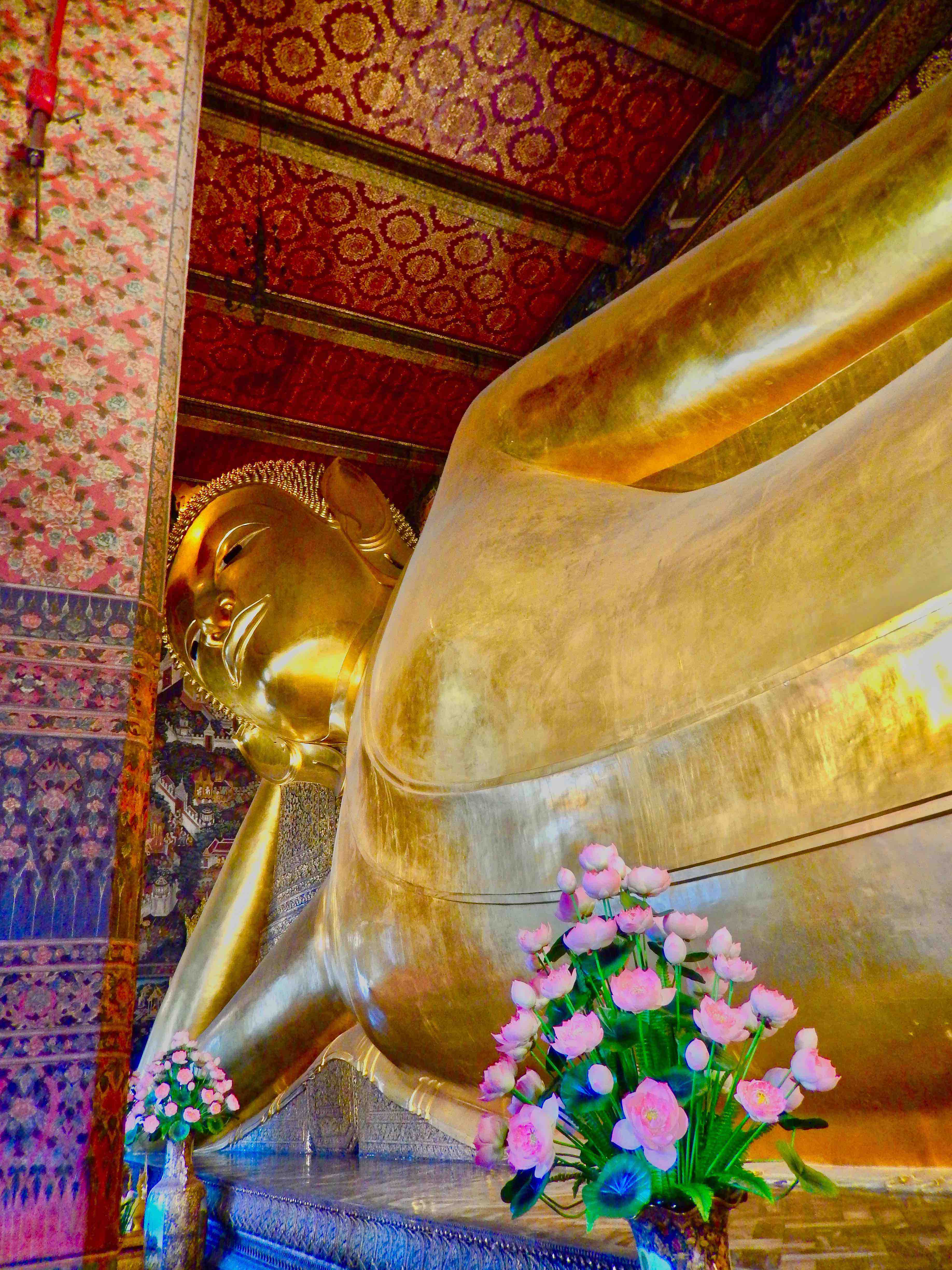
The Path to Buddhahood
Becoming a Buddha requires cultivating wisdom, compassion, and ethical conduct. It involves practicing meditation, studying Buddhist teachings, and engaging in virtuous actions.
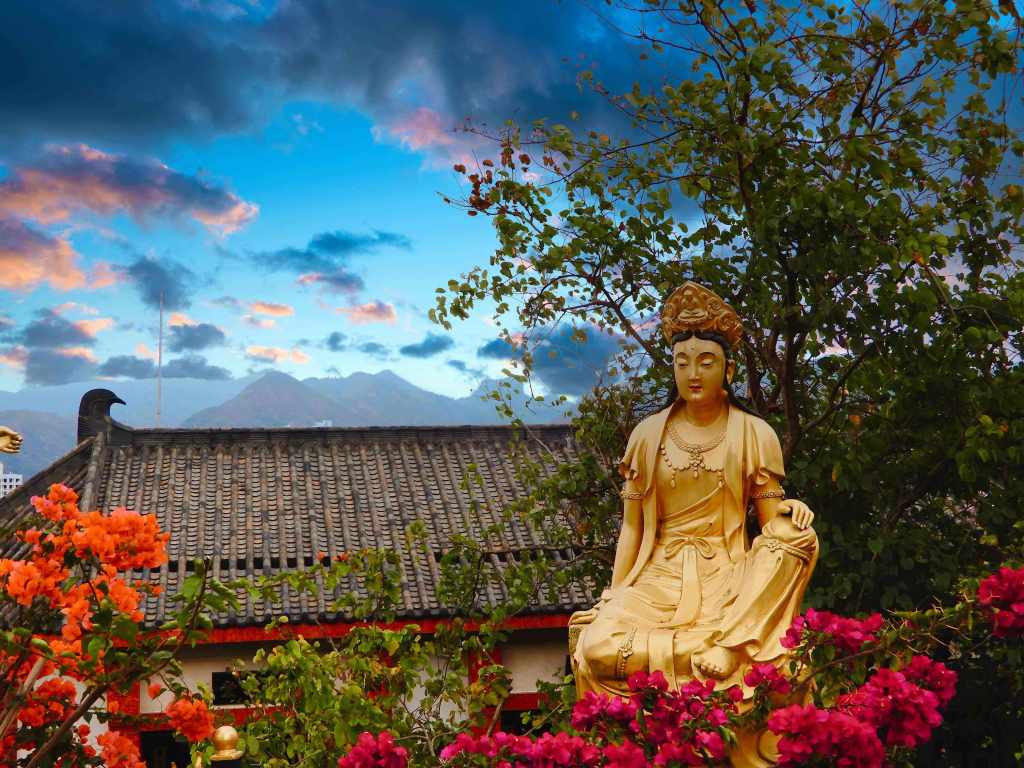
The Stages of Enlightenment the path to Buddhahood is divided into four stages: Stream-enterer, Once-returner, Non-returner, and Arhat. Each stage represents a deeper level of realization and detachment from worldly concerns.
Meditation and Spiritual Practice Meditation is a central practice in the pursuit of Buddhahood. It helps calm the mind, develop concentration, and cultivate insight into the nature of reality. Other spiritual practices, such as chanting, pilgrimage, and devotional rituals, also support the journey to Enlightenment.
Number of Buddhas The exact number of individuals who have achieved Buddhahood is not explicitly identified in Buddhist scriptures. The concept of Buddhahood is central to Buddhism, representing the state of enlightenment and liberation from suffering.
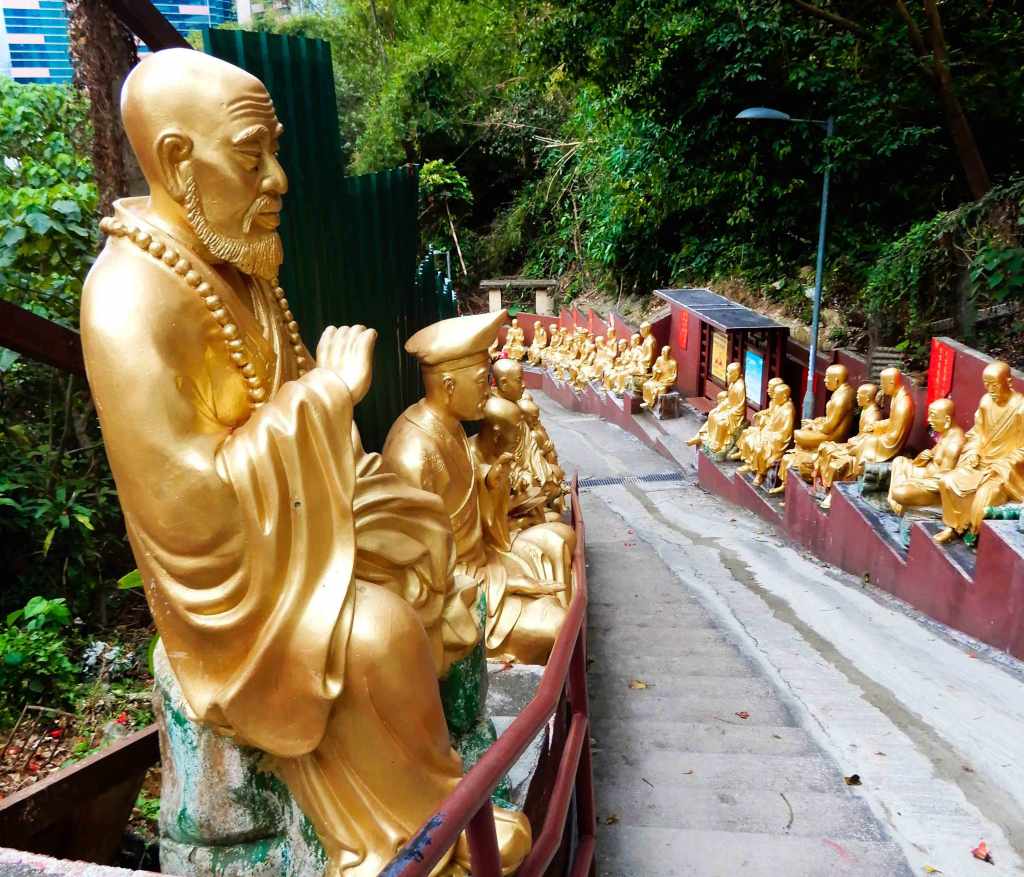
Buddhist Scriptures Buddhist scriptures, such as the Pali Canon and the Mahayana sutras, provide accounts of various individuals who attained Buddhahood, including Shakyamuni Buddha, the founder of Buddhism. Different Buddhist traditions and schools of thought may have varying perspectives on the number of Buddhas. Some traditions believe that there have been many Buddhas throughout history, while others focus on the teachings of a specific Buddha, mostly the Shakyamuni Buddha.

75 Places That Should Be On Your Travel Bucket-List
A collection of travel bucket lists for 2024. Cities, natural wonders, cruise itineraries and more collected from a number of sources…

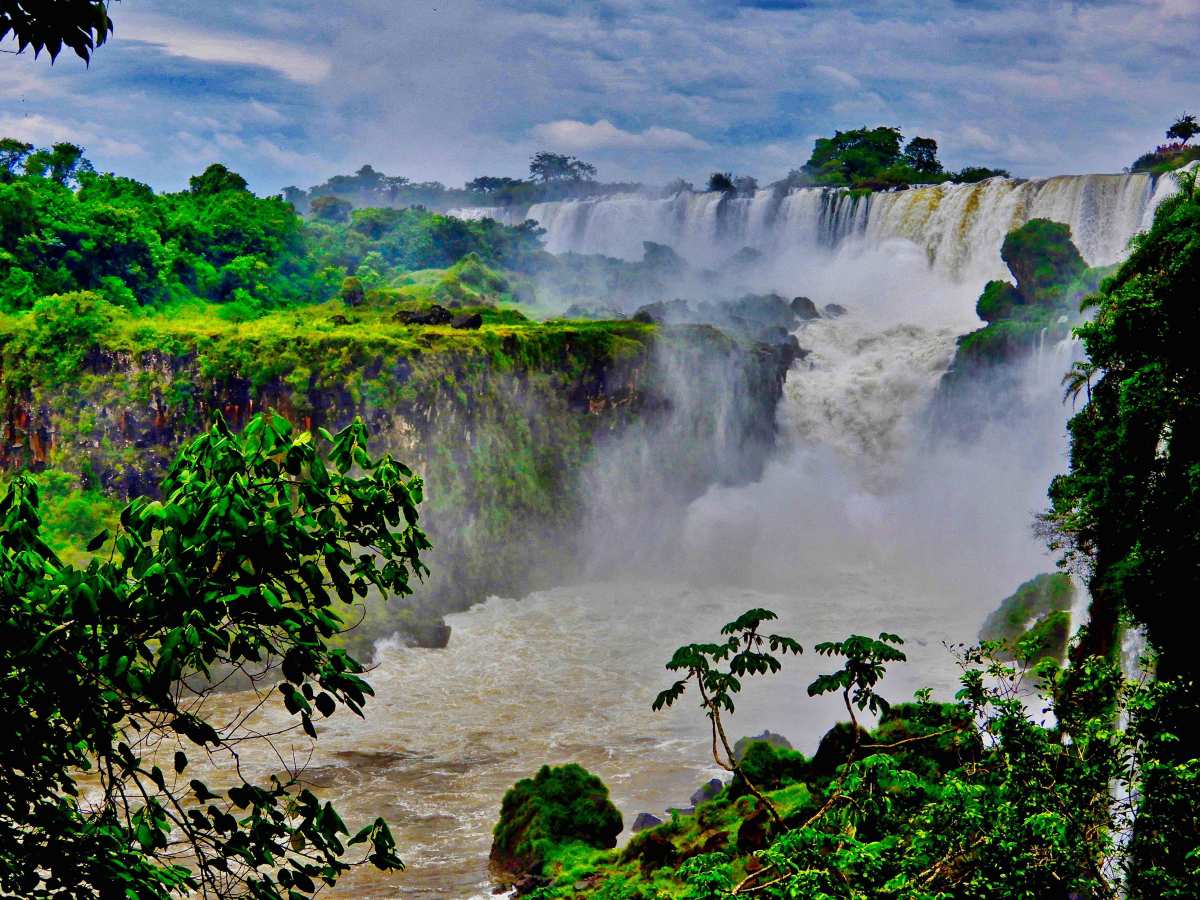
Exploring South America
with From Cartagena, Columbia to Ushuaia, Argentina the South American continent is an amazing land of natural wonders and human accomplishments. Explore the islands of the Galapagos or hike around Iguazu Falls, climb up to Machu Picchu or cruise through the Panama Canal. You can even cast off for a trip to Antarctica or walk…

Where In The World #5?
It seems so other worldly, like Mars or the Moon but it’s right here on Earth. It’s so alien that the NASA space program uses it to test rovers and other equipment. Find the answer HERE. Here Are A Few Of Our More Recent Postings You might Find Interesting…

 The Intentional Travelers