
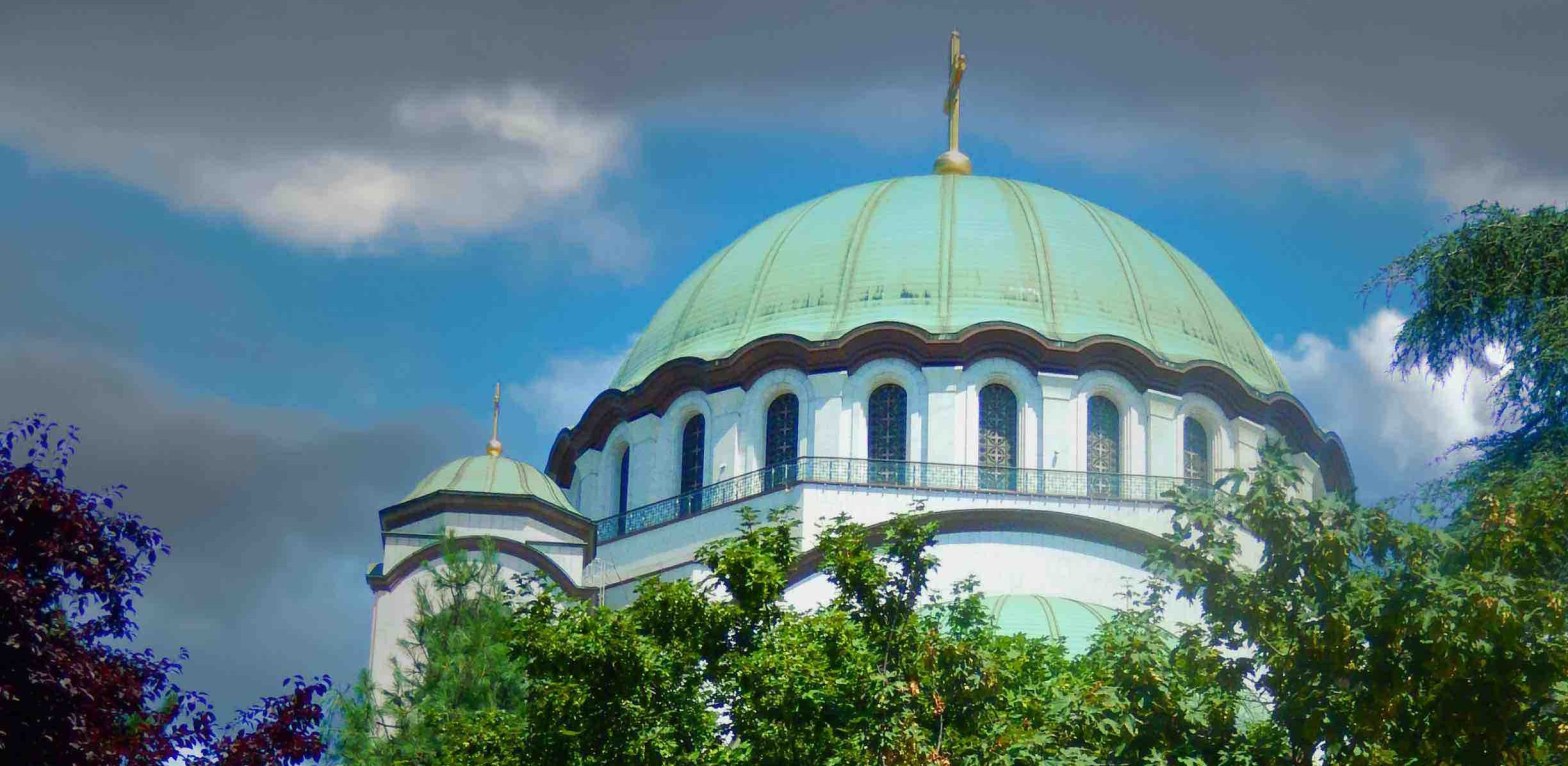
Visiting Belgrade, Serbia

Islam Christianity And The Balkans

Located in Belgrade, Serbia, the Temple of Saint Sava, is a Serbian Orthodox church dedicated to the Saint, the founder of the Serbian Orthodox Church. It is located on the site where his remains were believed to have been burned by the Ottoman Turks during the occupation. It is one of the largest Orthodox churches in the world and a major pilgrimage site for Serbs. Its construction began in 1935 and was completed in 2004. The church is one of the largest Orthodox churches in the world, with a capacity for 10,000 people. The Temple of Saint Sava is built in the Neo-Byzantine style, with a central dome and four smaller domes. The interior of the church is richly decorated with mosaics, frescoes, and icons. The church also houses a museum and a library.

During the Ottoman conquest of Serbia in the 16th century, the Ottomans, in an attempt to eliminate the practice of Christianity in the region, destroyed the remains of Saint Sava, the founder of the Serbian Orthodox Church. It’s recounted how the Ottomans took the remains of body of Saint Sava and burned the Holy relic on the Vračar plateau in Belgrade. Afterwords Serbians recovered soil and ashes from the pyre and hid them. During the construction of the Temple of Saint Sava those remains were placed in a vault and added to the temples foundation.

Today Saint Sava remains a highly revered figure in Serbian history and culture. His destruction by the Ottomans is seen as a symbol of the suffering of the Serbian people under the Ottoman’s Muslem rule. The Church of Saint Sava is a testament to the enduring legacy of Saint Sava and the importance of Serbian Orthodoxy and is a major pilgrimage site for Serbian Orthodox Christians. The church is now a symbol of Serbian national identity and culture.

AN IMPORTANT MESSAGE FROM
The Intentional Traveler Please take a minute to read. This is Dennis, the creator of THE INTENTIONAL TRAVELER and I have an important announcement and a favor to ask. I started this site almost fourteen years ago and have amazed myself at how big it has become, but all good things come to an end.…


 The Intentional Travelers