
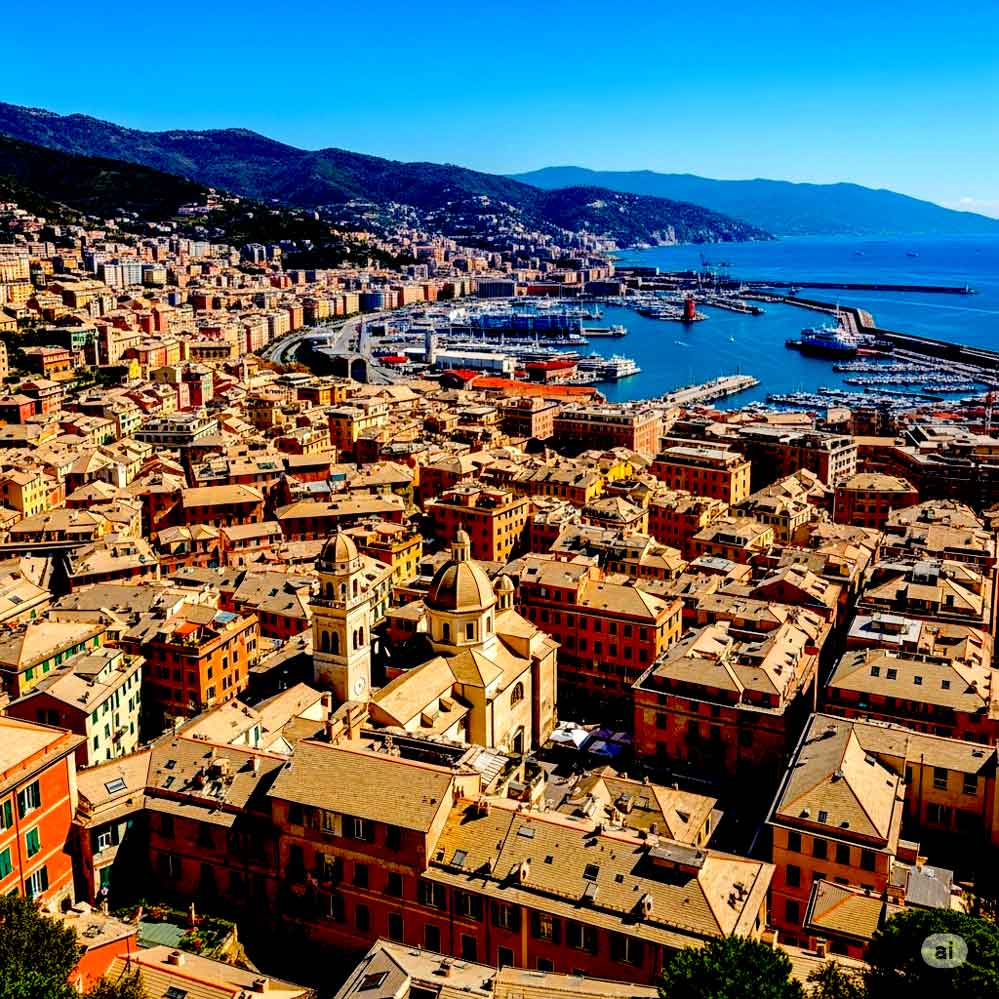

Once a city state that rivaled the wealth and power of Venice, Genoa is all too often overlooked by cruises as a port of call.
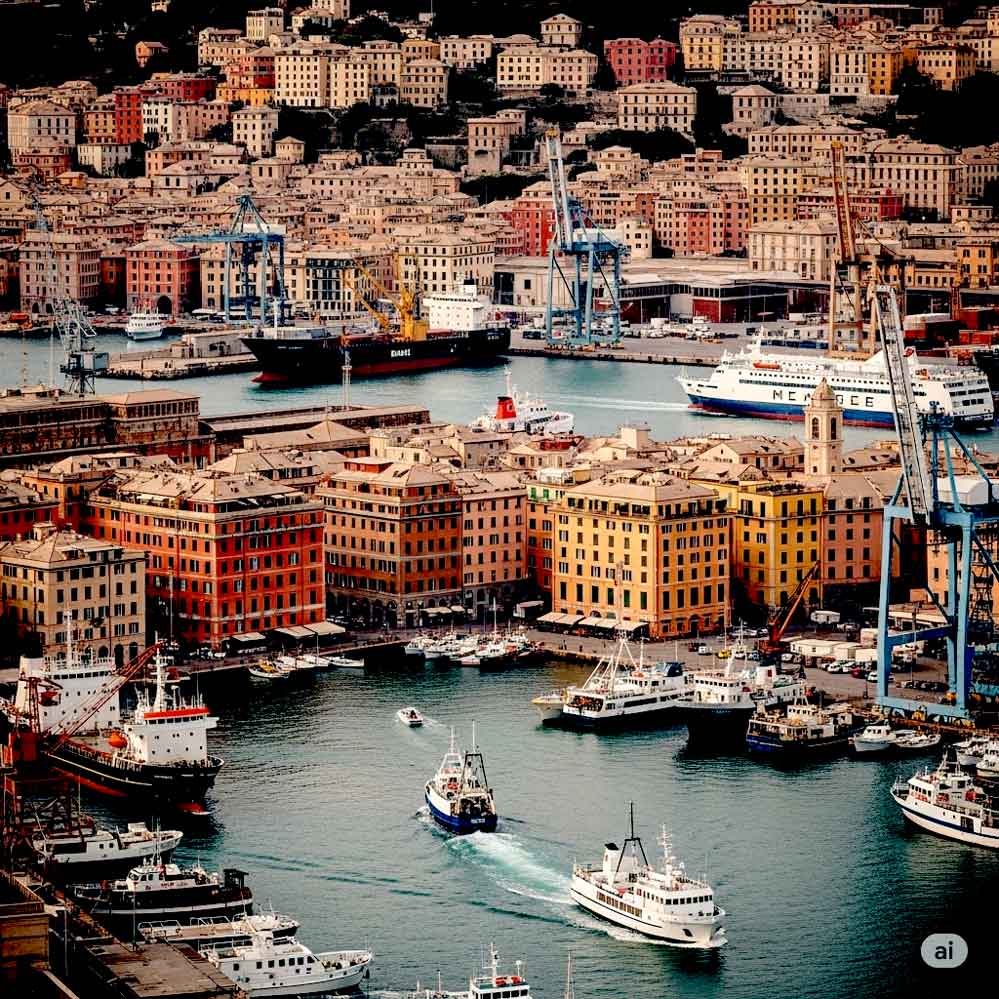
Genoa, Italy, is a vibrant port of call on the northwester coast of Italy known for its rich history, stunning architecture, and delicious cuisine.
In the center of Genoa is a UNESCO World Heritage Site, referred to as the Old Town and it is one of the largest medieval city centers in Europe. It features narrow alleyways, historic buildings, and charming squares. Genoa historically was a powerful maritime republic and cultural hub. From its medieval architecture to its royal palaces, each site tells a story of this city’s rich heritage. Exploring the historic attractions will provide a deeper understanding of Genoa’s significance in Italian and Mediterranean history.
Where Your Ship Docks
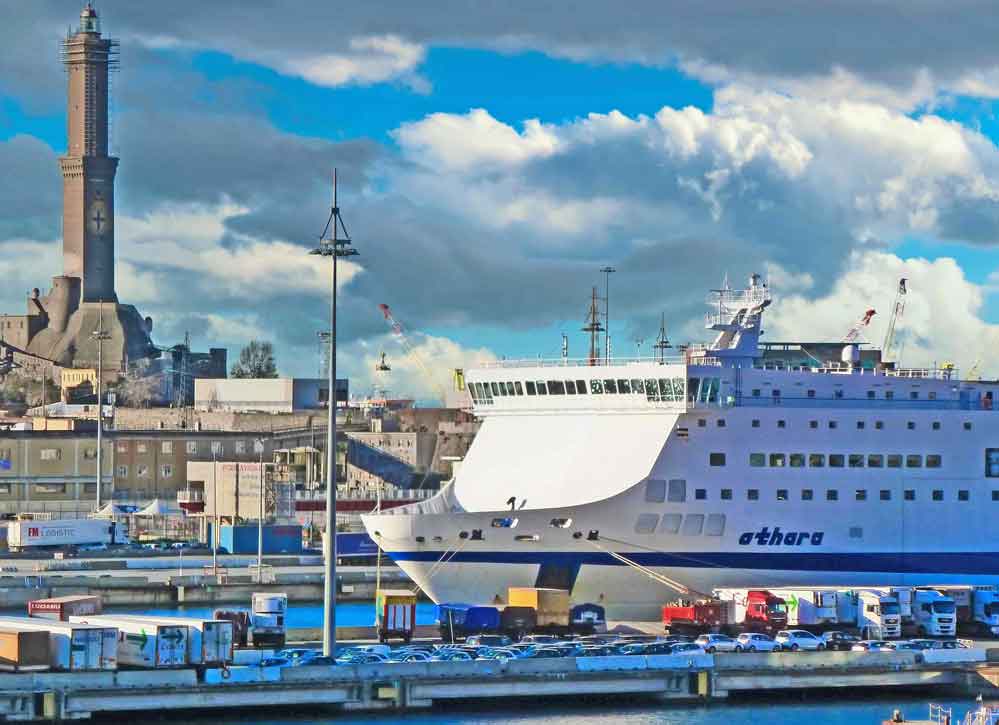
Genoa is a major working seaport and most cruise ships will tie up ta piers near the port entrance. The port entrance is near the city downtown waterfront district. Walking out is usually allowed. Near the waterfront is the historic old harbor area transformed into a lively waterfront with shops, restaurants, and attractions. Inside the district is Bigo panoramic lift, museums, offers beautiful views of the harbor.
This port has a cruise ship pier but the ease of disembarking varies by the individual ships gangway designs. The port is right near downtown. For passengers using wheelchairs there can be a moderate ramp incline to deal with.
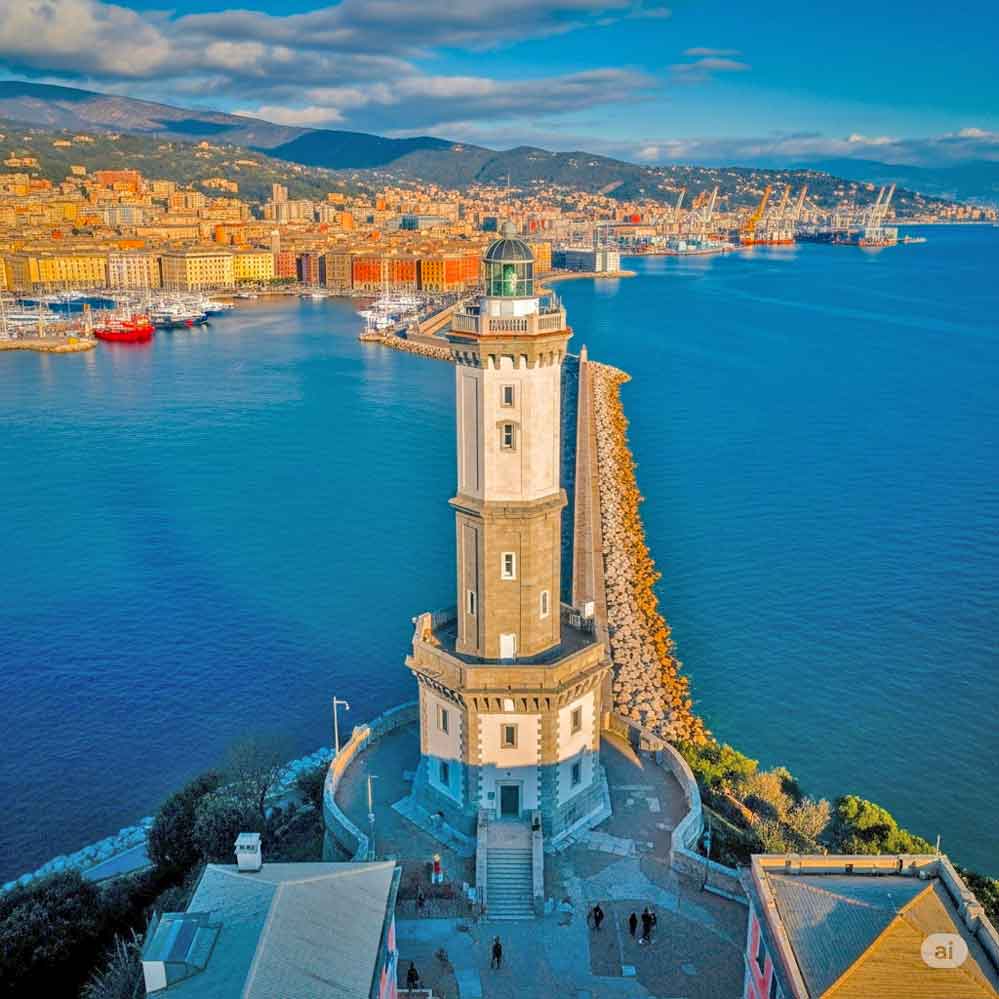
Inside the harbor is the Lighthouse of Genoa (La Lanterna) the symbol of the city, this historic lighthouse dates back to the 12th century. Standing at 230 feet tall, it has guided sailors into the harbor for centuries and offers panoramic views of the city. There are guided tours available.
Transportation
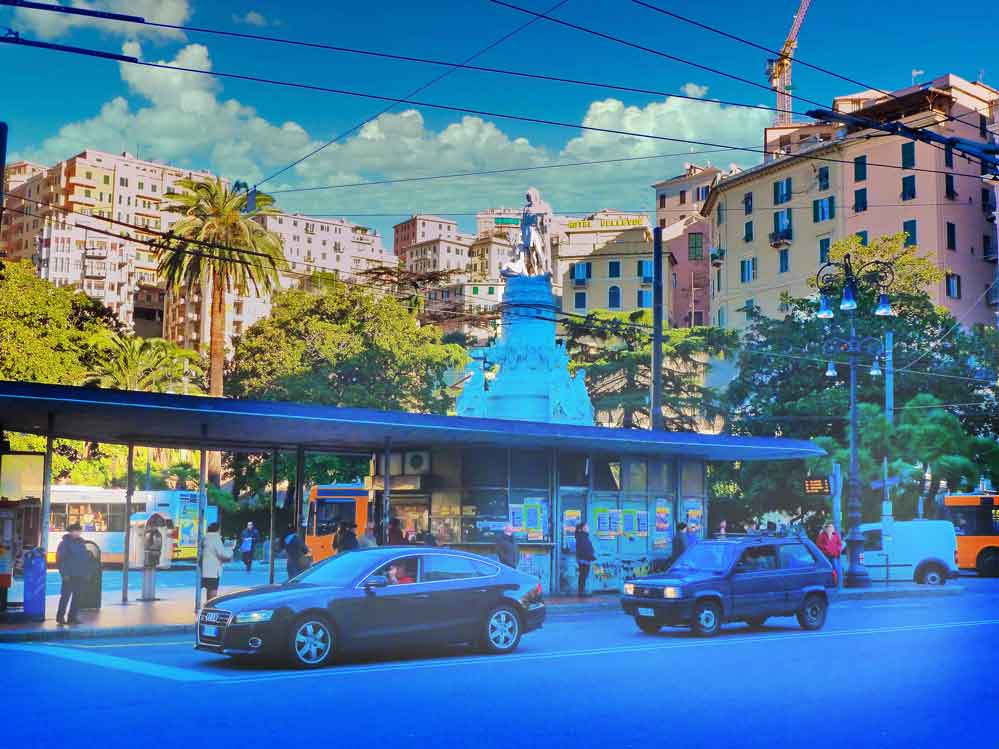
Getting Around Genoa: The city is walkable, but public transport (buses and metro) is available for longer distances.
Genoa’s public transportation system is efficient and well-connected, making it easy to explore the city’s attractions and surrounding areas. Whether you choose to travel by bus, metro, tram, or ferry, you’ll find convenient options to suit your needs.
Buses – AMT (Azienda Mobilità e Trasporti di Genova). Operates an extensive network covering the entire city and surrounding suburbs. Tickets can be purchased at kiosks, vending machines, or on buses (with a surcharge). A single ticket is valid for 100 minutes and allows transfers between buses.

Trams – Genoa has a limited tram network primarily serving the city center. The most notable line is Line 1, which runs from the city center to the waterfront.
Metro – Genoa has one metro line (Line 1) that runs from Brin to De Ferrari. Key stations include De Ferrari (central area), San Giorgio (near the Aquarium), and Principe (train station). Trains run every 6-10 minutes, making it a convenient option for quick travel.
Funiculars – Funiculars provide access to hilly areas of the city and offer stunning views.
Lines include:
Funicolare Zecca-Righi: Connects the city center to the Righi hill.
Funicolare Sant’Anna: Links the city to the Sant’Anna area.
Tickets: Same ticketing system as buses and metro.
Boats and Ferries – Public boats and ferries operate in the Gulf of Genoa, providing a scenic way to travel. Services connect the city with nearby coastal towns and islands, such as Portofino and Camogli.
Tickets: Available at ticket offices or vending machines at the docks.
The main train station is Genova Piazza Principe, with services to various destinations in Italy and beyond.
Genoa offers several tourist passes that include public transport (managed by AMT – Azienda Mobilità e Trasporti SpA) as well as access to several attractions.
Genova City Pass: This is the official tourist pass of Genoa and is probably the most comprehensive option for visitors.
What it includes: Free travel on AMT urban public transport (buses, metro, lifts, and funiculars). It also grants free or discounted entry to a selection of Genoa’s top attractions (museums, monuments, tours, etc.) depending on the duration and specific pass type.
Versions: It comes in 24-hour, 48-hour, and 72-hour versions. Different versions offer access to a varying number of attractions. For instance, the 24-hour pass typically includes public transport and access to two attractions, while the 72-hour pass offers more attractions and sometimes additional activities like walking tours or bike rentals.
Attractions: Included attractions can vary but often feature places like the Galata Sea Museum + Nazario Sauro Submarine, Lanterna Museum, Strada Nuova Museums (Palazzo Rosso, Palazzo Bianco, Palazzo Tursi), Doge’s Palace, and more.
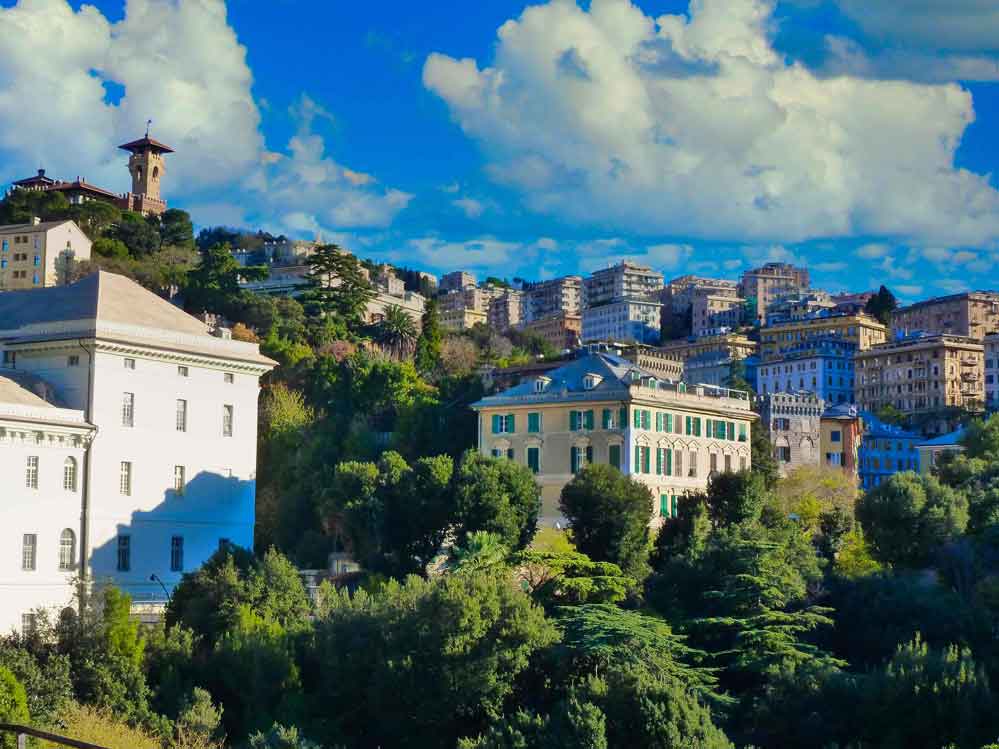
Purchase: You can purchase the Genova City Pass online through the official Visit Genoa website or other travel platforms like GetYourGuide and Pelago. You can also pick up the physical pass at the Tourist Information and Reception Office on Via Garibaldi 12r.
Activation: The pass activates with your first use at an attraction or on public transport and is valid for the chosen duration (24, 48, or 72 hours) from that moment.
Benefits: Besides saving money on individual tickets, andit often allows you to skip lines at attractions.
At this writing a 24 hour ride pass costs about US$22.00 HERE (https://www.visitgenoa.it/en/node/30960)
Look for Information Centers – Tourist information centers provide maps and assistance with public transportation.

Currency
Italy uses the Euro with an exchange rate the fluctuates. At this writing one Euro equals US$1.16. ATMs are plentiful and most credit cards are welcome.
Tipping
Tipping in Italy is not as customary or expected as in some other countries in Europe.. It’s generally not required, but if you receive good service or want to show appreciation, a small tip is appreciated. Round up for taxis and small purchases like coffee. One thing to consider is that in areas with heavy tourism people are becoming likely to expect larger tips.

While visiting the city enjoy Genoa’s rich blend of history, culture, and historic architecture as you explore the top things to look for are:
Genoa Aquarium: The largest aquarium in Italy and one of the most extensive in Europe, it’s a must-see for all ages, featuring a vast array of marine life.
Porto Antico: The old harbor area transformed into a lively waterfront with shops, restaurants, and attractions.
Palazzi dei Rolli (Via Garibaldi): This UNESCO World Heritage site consists of a series of magnificent palaces built by wealthy Genoese families in the 16th and 17th centuries. Walk along Via Garibaldi to admire their grandeur, and consider visiting Palazzo Rosso, Palazzo Bianco, and Palazzo Tursi, which now house museums.
Museo di Storia Naturale: A natural history museum showcasing the biodiversity of the region. Exhibits on local flora and fauna, geology, and paleontology.
Piazza De Ferrari: The bustling heart of Genoa, this grand square is surrounded by impressive historical and modern buildings and features a large, iconic circular fountain. It’s a great starting point for exploring the city.

Cattedrale di San Lorenzo: Genoa’s most important church, this cathedral showcases a beautiful blend of Romanesque and Gothic architecture with a distinctive black and white striped facade. Don’t miss the treasury inside.
San Matteo Church: A Romanesque church known for its striking façade and historical significance. The collection includes tombs of several important Genoese families and beautiful interior artwork.
Galata Museo del Mare: As the largest maritime museum in Italy, this is a fascinating place to delve into Genoa’s seafaring history. You can even explore a full-sized replica of a 17th-century Genoese submarine, the Nazario Sauro.
Porto Antico (Old Port): This revitalized area is a vibrant hub with various attractions, including the Aquarium, the Galata Museo del Mare, and the Bigo panoramic lift, offering excellent views of the city.
Spianata Castelletto: For breathtaking panoramic views of Genoa, head up to Spianata Castelletto. You can take a free historic elevator from Piazza Portello to reach this scenic lookout.
Boccadasse: This charming old fishing village, with its colorful houses and small beach, offers a picturesque escape from the city bustle. Perfect for a relaxing stroll or a meal by the sea.
Doge’s Palace (Palazzo Ducale): Once the residence of the Doges (rulers of the Genoese Republic), this grand palace is now a cultural center hosting various exhibitions and events. Its blend of Medieval, Renaissance, and Baroque architecture is impressive.
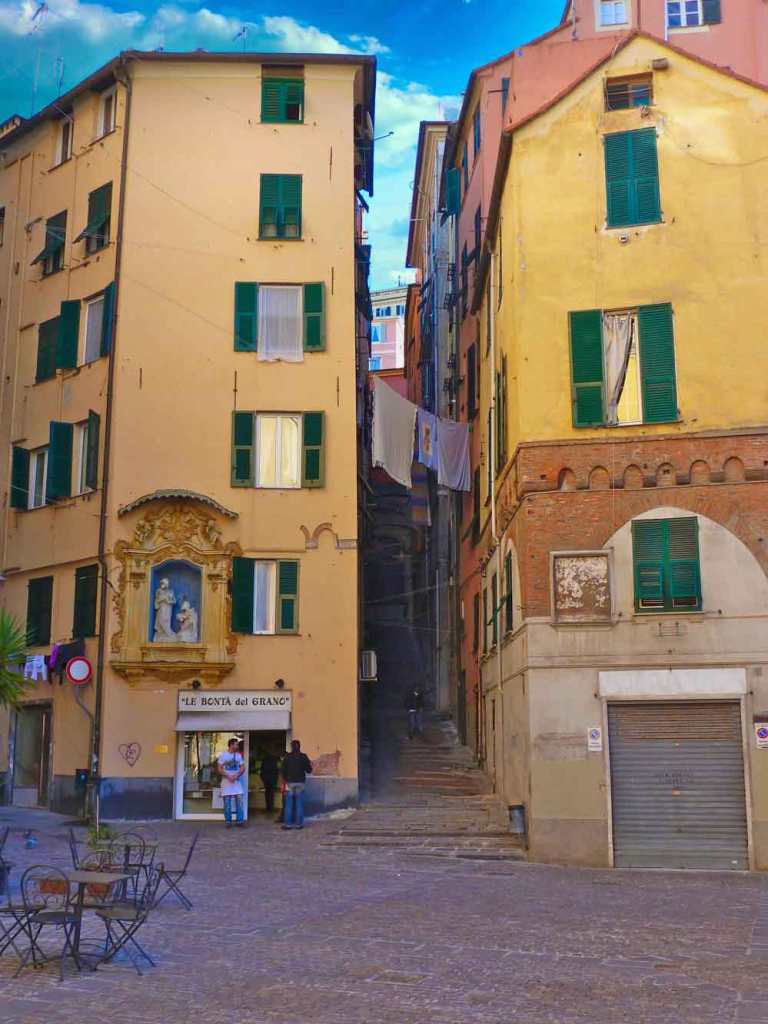
The Caruggi (Historic Center’s Narrow Alleys): Get lost in the labyrinthine “caruggi” of Genoa’s historic center. These narrow, winding streets are full of character, with ancient buildings, charming shops, and hidden squares, offering a truly authentic Genoese experience.Genoa is a city rich in history and culture, offering a variety of attractions for every traveler. Whether you’re exploring its historic streets, enjoying the local cuisine, or taking in the stunning views, Genoa promises a memorable experience!
Focaccia and Local Cuisine: Don’t miss trying the local focaccia, a delicious flatbread, and other Ligurian specialties. Be sure to visit local bakeries and trattorias for authentic dishes….
Planning A Cruise? Start With The Intentional Travelers Port Guides


Recent Posts From The Intentional Travelers You Might Find Interesting:







 The Intentional Travelers