
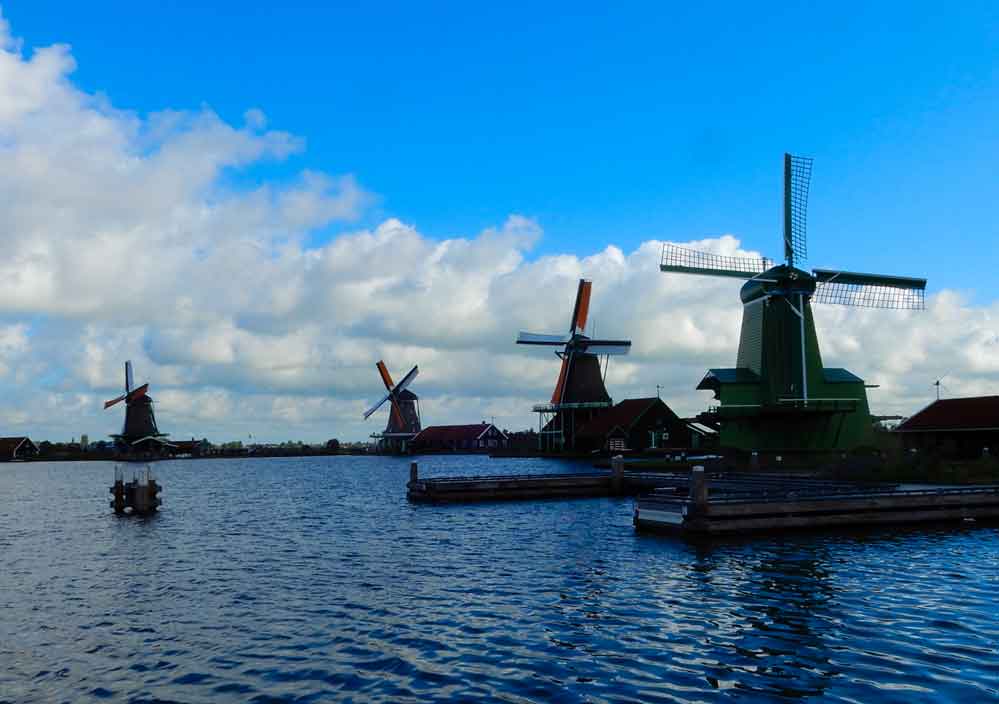

Think wind power is new? Think again – there is actually a nation that was built on wind power several centuries ago…
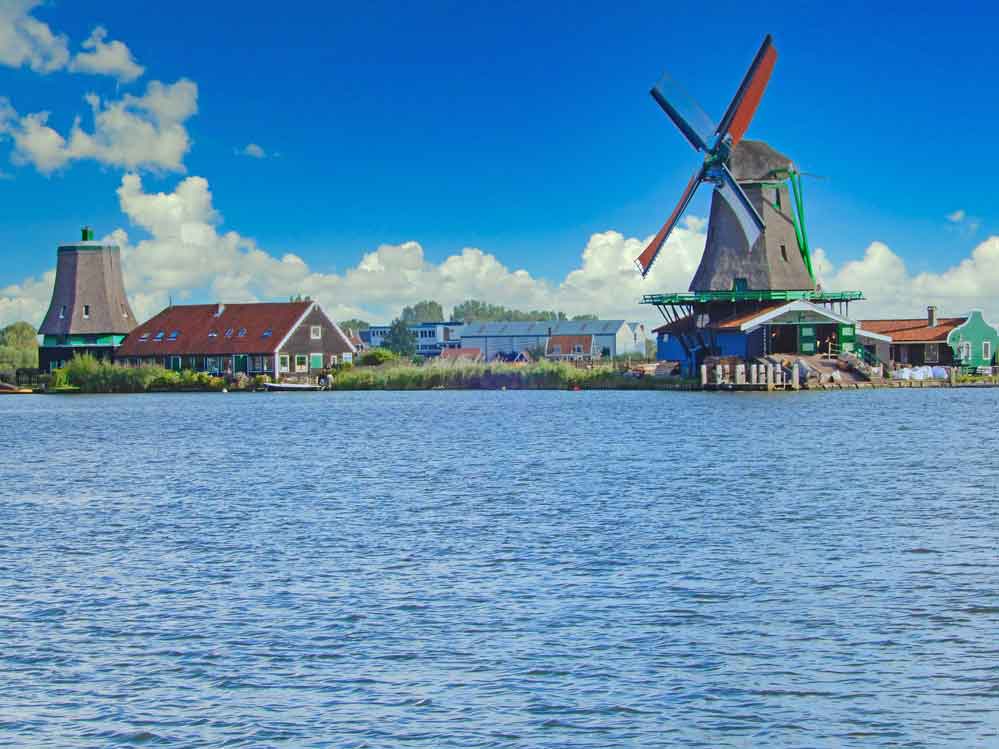
Windmills in Holland date back to the 12th century, with the first structures appearing in the coastal regions near the North Sea. Initially, the windmills were primarily used for industrial purposes such as grinding grains. The windmill was key to draining shallow waters to create arable land. Building dikes and pumping water allowed Holland to create new land which actually increased the size of the country by a third. By the 13th century, windmills became integral to Dutch agriculture and land management, showcasing the ingenuity of the Dutch to change their environment

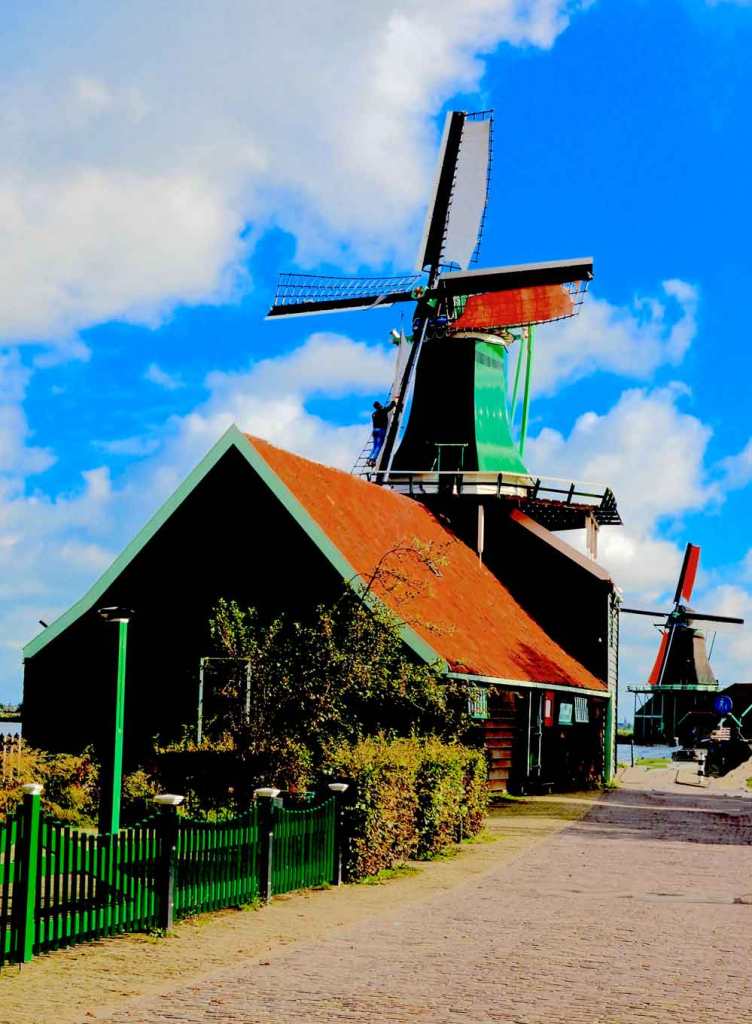
During the 17th and 19th centuries, the number of windmills surged, with over 9,000 recorded by the 19th century. This period marked a significant development in windmill technology and their role in Dutch society, particularly in South Holland, where they became symbols of national identity and innovation. The construction of polder mills, which began in the early 15th century, exemplified advancements in windmill design, enhancing their efficiency in managing water levels in the low-lying regions of the Netherlands.
Where To Visit Windmills in the Netherlands
The most famous collection of windmills is in the village of Kinderdijk, near Rotterdam, and it’s home to perhaps the most famous windmills in the Netherlands. In the mid 1700s, 20 windmills were built to pump water out of nearby low-lying lands and it is maintained today as a museum.
Planning A Cruise? Start With The Intentional Travelers Port Guides



Recent Posts From The Intentional Travelers You Might Find Interesting:






 The Intentional Travelers