If you are a lover of wild places and stunning landscapes, do not pass up a chance at visiting Chile!
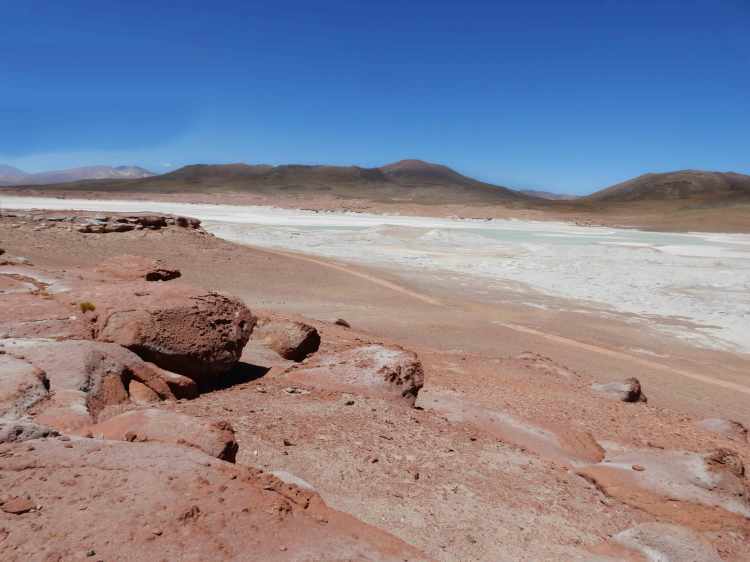
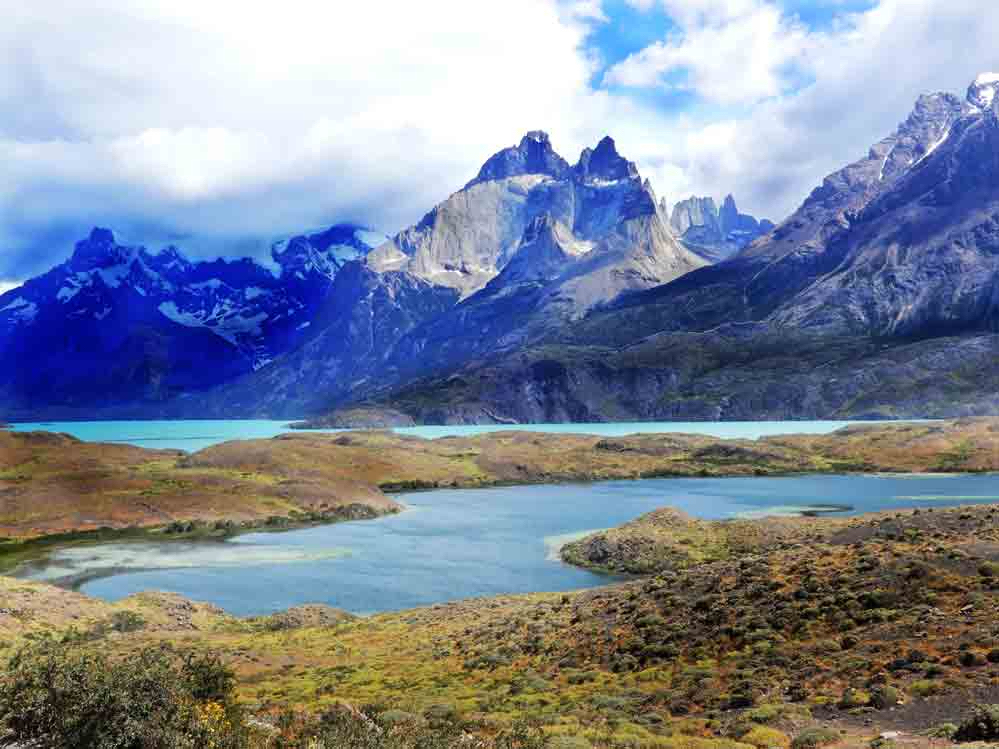
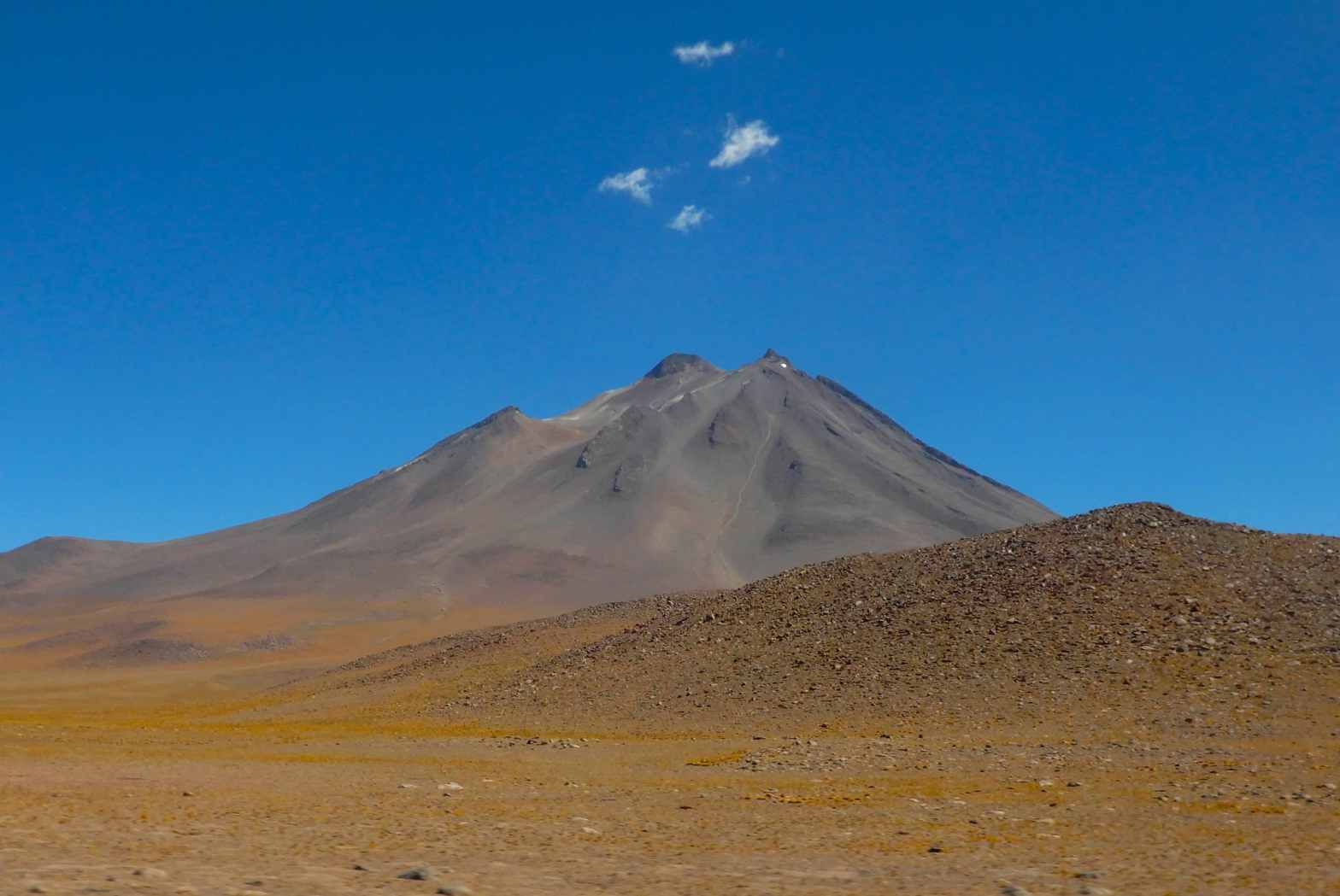
Starting in the north the Atacama Desert is a region that is one of the driest places on Earth, famous for mining, salt lakes, cinder cone volcanoes, lamas and flamingoes. Spend some time in Santiago the capital and the very heart and soul of this remarkable country. Finish your visit at the bottom and Torres del Paine National Park with the incredible vistas of the Patagonian mountains.
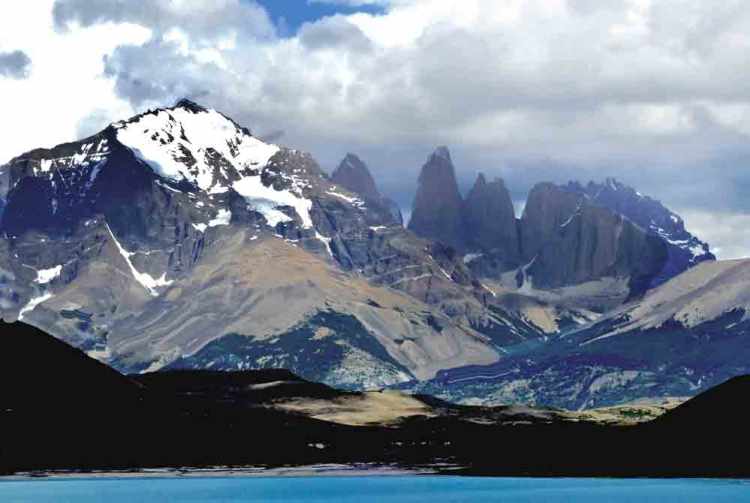
Looking at a map of South America the country of Chile seems to be squeezed into this unusually thin strip with still over 4,000 miles of Pacific coastline. In fact Chile is so thin that there are sections where the country is less than 50 miles wide. The shape was not defined by geo-politics like many countries, but actually by extreme geography. The nation is squeezed between the high Andes Mountains to the east and the Pacific Ocean to the west. This narrow strip of land is also constrained by several extreme natural barriers with the Atacama Desert in the north, ice fields in the south, and mountains and ocean on either side resulting in an average width of just 61 miles.
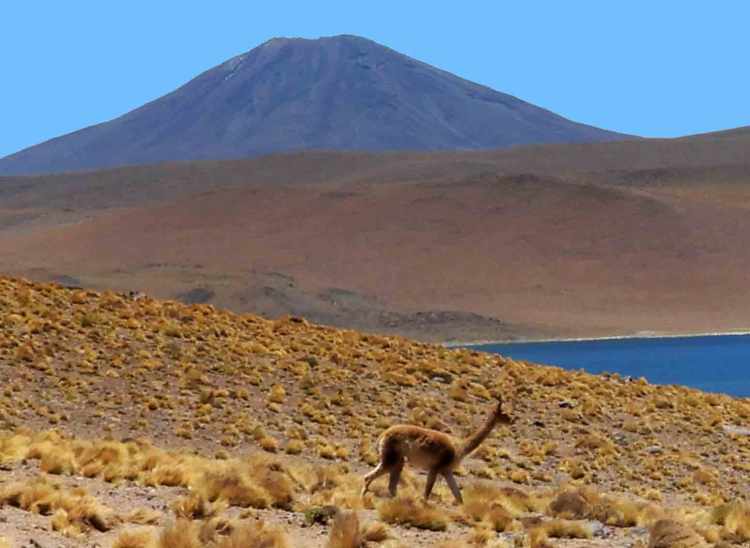
For centuries Chile has been one of the most isolated areas in the Americas mostly because of its geography…
Geographic and Climatic Reasons for Chile’s Shape:
The Andes Barrier:
The towering Andes Mountains have prevented access to the east for centuries and along with the Pacific Ocean, create a naturally thin corridor.
Arid North:
To the north, the Atacama Desert is blocked from receiving moisture by the Andes along with the Chilean Coastal Range.
The Cold South
To the south, cold conditions influenced by its proximity to Antarctica and mountain glaciers limit habitable space, with the mountains of Patagonia reinforcing that thin, longitudinal shape.
Isolation: The combination of mountains, sea, desert and ice has physically isolated Chile from its neighbors by defining the eastern border.
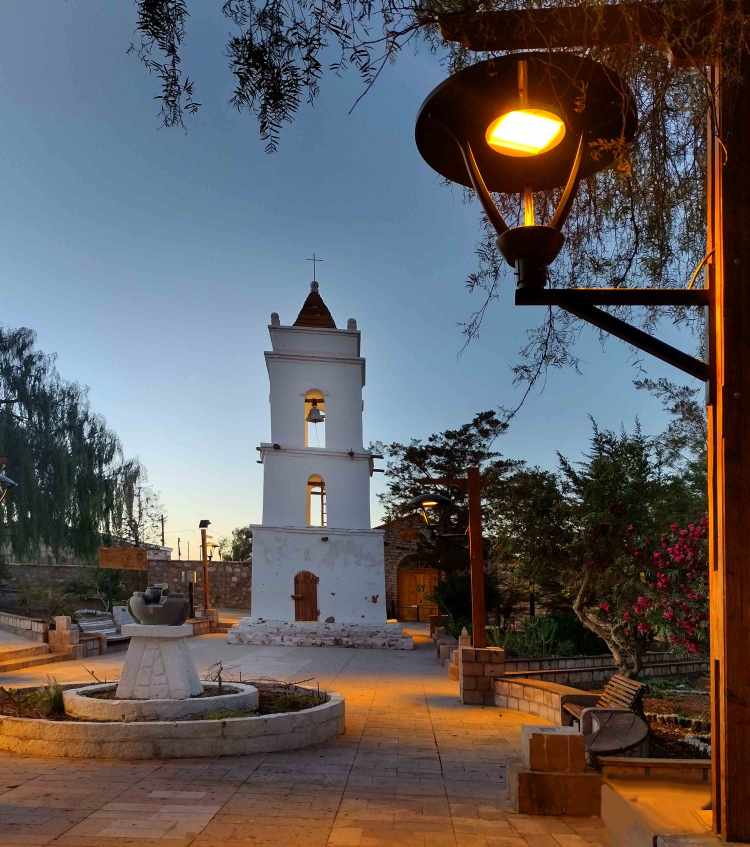
Chile’s History
Chile’s history spans agers of thinly populated indigenous peoples, Spanish colonization (1540-1818) that saw fierce Mapuche* resistance, along with a long struggle for stable democracy after independence, punctuated by the 1973 socialist Allende government, the brutal military dictatorship of Augusto Pinochet (1973-1990), with a recent a peaceful return to democratic rule, focusing on resource export (nitrates, copper) that shaped its economy through periods of boom and crisis.
Pre-Columbian Era
Early Inhabitants: Humans arrived around 12,000 BCE, developing diverse cultures, with the northern people influenced by Incas and southern Araucanians (Mapuche) fiercely resisting conquest.
Colonial Period (1540-1818)

21st Century Chile today continues as a stable democracy, while still facing challenges like rewriting its Pinochet-era constitution, and ongoing important social and economic development.
*The Mapuche comprise the principal indigenous population of Chile as well as Argentina with about 84 per cent of the total indigenous population of southern South America and about 1.3 million in Chile.
Currently we’re planning to add a number of articles over the next weeks to help in planning a Chile trip, so be sure and check back…


Planning A Cruise? Start With The Intentional Travelers Port Guides




 The Intentional Travelers