Flu Outbreaks On Cruise Ships

Dealing With Flu Outbreaks

Cruise Ships Could Do Much More

On a recent cruise from Australia that included six sea days we witnessed a minor outbreak emerge with almost no reaction from the ships onboard management. It started on day 2 with a couple of people coughing in the theater. By day four it grew to dozens more and few people seemed to care if their coughing might be spreading the flu to others. By half way through the cruise it seemed as if a full 20% of the passengers were infected including me.

In my case we did the responsible thing and I self quarantined in our stateroom. That raises the question – why are so many others not acting responsibly?

In my opinion the ship bears much of the responsibility, After the experience of dealing with Covid-19 it would seem that the cruise industry and its many cruise ships would have learned a lesson or two on how to deal with onboard illness? Today, besides Covid there is only one other outbreak that will produce an “all hands on deck” response – the Norovirus!

We’ve been on a cruise when a Norovirus outbreak occurred and it’s no laughing matter. Passengers are quickly identified and restricted to their staterooms. Out come chemical sprayers as disinfectant is sprayed everywhere. Everywhere you go there’s a crew member with a sprayer. Walls and railings are dripping wet and we joked that if we stood still too long we’d get sprayed down too…
One difference is that when a norovirus outbreak occurs on a cruise ship, the cruise line is required to activate its prevention and response plan in collaboration with the US CDC. The CDC’s Vessel Sanitation Program (VSP) typically involves increasing cleaning and disinfection procedures onboard, isolating sick passengers to staterooms along with crew, and notifying everyone on board of the situation. The CDC VSP monitors outbreaks remotely and will provide guidance on additional actions to take as the outbreak progresses.

The Norovirus is an intestinal infection that spreads easily and has serious symptoms. Outbreaks are common in school and business environments and can create serious disruption. Generally norovirus outbreaks do not marshal the forces of public health to manage an outbreak and it does not make the news outside a local community paper. Oddly a cruise outbreak still often does hit national media. Why? Are cruise ships more likely to spread an illness than a public school? The short answer is no – in fact a school outbreak is many times more likely to spread out into the broader community than a cruise ship. So why the difference? Here the short answer is more about the nature of the news business than the actual public health situation. The media makes cruise ships big news, while a local middle school simply is not news.

So Norovirus and Covid-19 are taken very seriously on cruise ships while the flu seems to be mostly ignored. Again why? The answer has more to do with PR for the cruise line than the illness problem. Norovirus and Covid-19 reequire government notification while the flu does not and cruise companies would prefer to keep those out of the news.

Since a large number of people come into close contact with one another on cruise ships, respiratory viruses, including flu, have the potential to spread easily and quickly. Respiratory outbreaks on cruises, including those caused by influenza (flu) viruses, are not uncommon, especially since cruise ship travelers originate from both the Northern and Southern Hemispheres, with opposing flu season timing. This means that flu outbreaks on cruise ships can occur year-round and be of several mixed strains at once.
As a cruise ship policy toward flu the approach is mostly low key and preventative, like giving a flu vaccine to the ships staff, requiring boarding passengers to report illness and promoting washing hands.

All right that explains the ships attitude, but why are passengers so inclined to actually facilitate the virus spread?

Several recent surveys suggest that a major reluctance in using onboard doctors is the high cost of onboard medical services. While most cruise ships have experienced medical staff on call 24-7 who are equipped to provide emergency care and stabilize sick patients, but your domestic health insurance may not cover emergency care you receive on a cruise ship. Medicare doesn’t cover health care services when the ship is outside the U.S. and you may have to pay out of pocket.

The cost of using the Medical Facility on a cruise ship can vary depending on the services you require. Basic consultations with the onboard doctor typically start around $125 to $200 during regular hours, with higher fees for after-hours visits or more specialized care.

Having cruise insurance typically covers onboard medical expenses but in most cases you will have to pay the onboard charges and submit a claim to be reimbursed (even if you purchased your insurance through the cruise company). Specifics can vary depending on policies. Most cruise emergency medical insurance will reimburse for doctor visits up to a certain limit, although it’s crucial to read the policy details carefully to understand any exclusions, particularly regarding preexisting conditions. It’s also important to note that most cruise lines will not accept land-based health insurance, meaning that if you need medical attention while onboard, you may have to pay out-of-pocket initially and then submit a claim to your insurance provider for.

The truth is that cruise ships have a number of options available to reduce or slow the spread of the flu onboard, but unfortunately choose not to take action. Understanding the attitude of passengers who get sick and their reluctance to use onboard facilities should be taken into consideration. Crew should contact people who are showing symptoms while on a cruise and should explain the options for visiting the ship’s medical facility or doing self isolation. They should suggest that medical staff can evaluate passengers for flu, provide care, and prescribe flu antiviral medications if needed. Antiviral drugs are prescription medicines (pills, liquid or an inhaled powder) that can make illness milder and shorten the time people are sick. Antiviral medications are most effective if used early within the first 2 days of symptoms. Cruise ship medical personnel are advised to treat passengers with flu illness who have severe illness or who are at high risk for influenza complications with antiviral drugs as soon as possible. Travelers who become ill on a cruise should be respectful of other passengers and stay in their room, away from others, so as to prevent spread of disease. Travelers who have recently been sick or become sick at the time of planned travel should postpone travel until they are feeling better. CDC specifically recommends people wait at least 24 hours after their fever has resolved without the use of fever-reducing medications before traveling. Traveling while you are sick may put your health at risk or put others around you at risk for getting sick. While sick, passengers should limit contact with others as much as possible to keep from infecting them. Cruise ship staff often will separate ill passengers from other passengers for the duration of their illness. Travelers who are still sick at the end of their cruise should consider delaying further travel on airplanes, buses or trains to avoid spreading the infection to others.

Mystery Island, The World’s Smallest Port Of Call

Deep In The South Pacific Is Vanuatu’s Mystery Island, One Of The World’s Smallest Ports Of Call

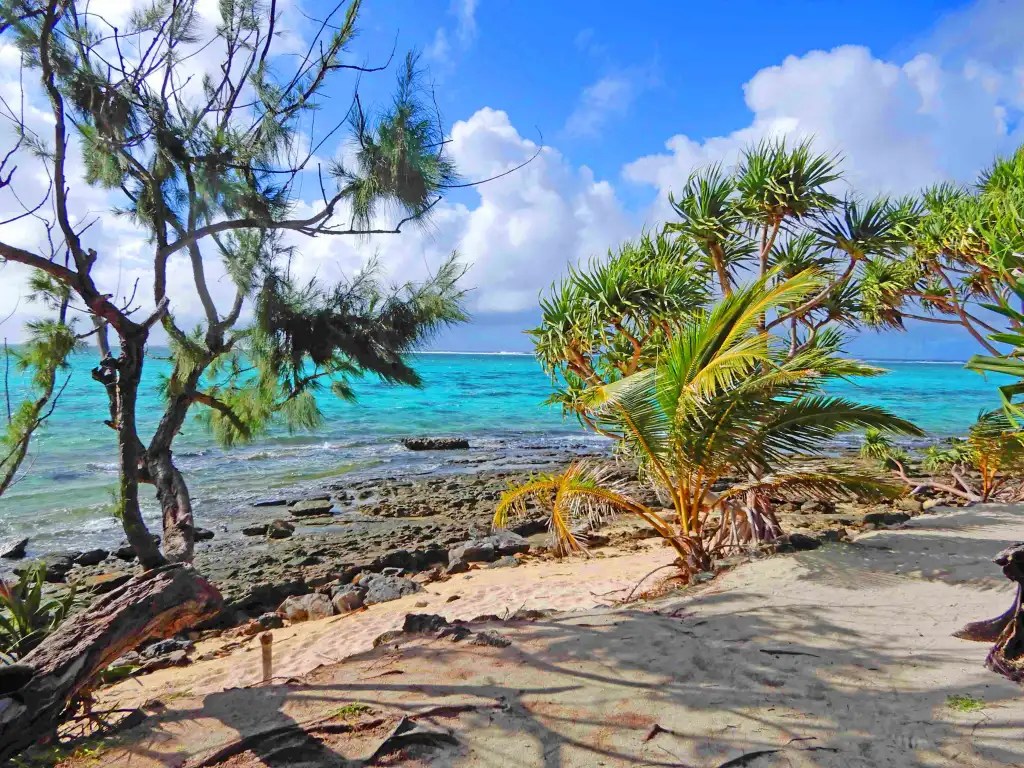
A number of cruise lines provide private island visits for cruisers that are mostly located in the Caribbean but local residents of tiny Vanuatu in the South Pacific have come up with their own private island experience.

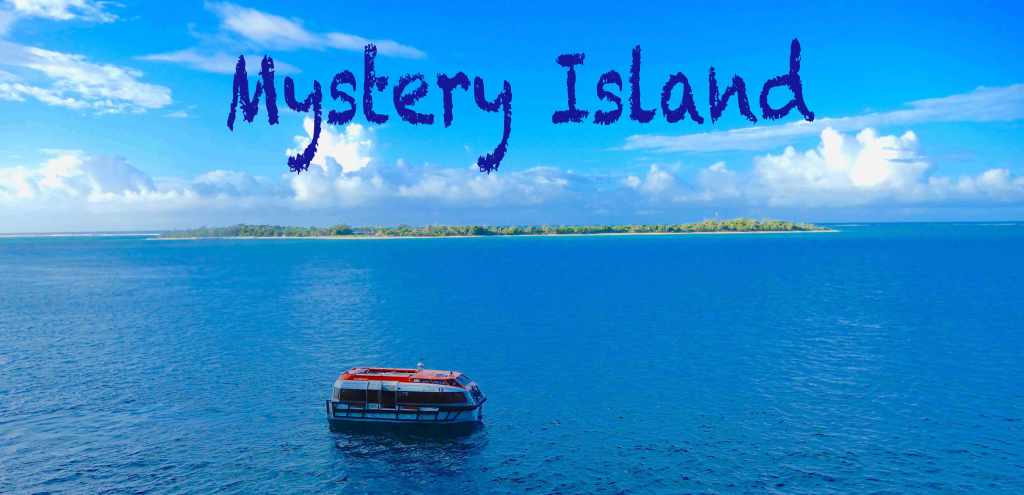
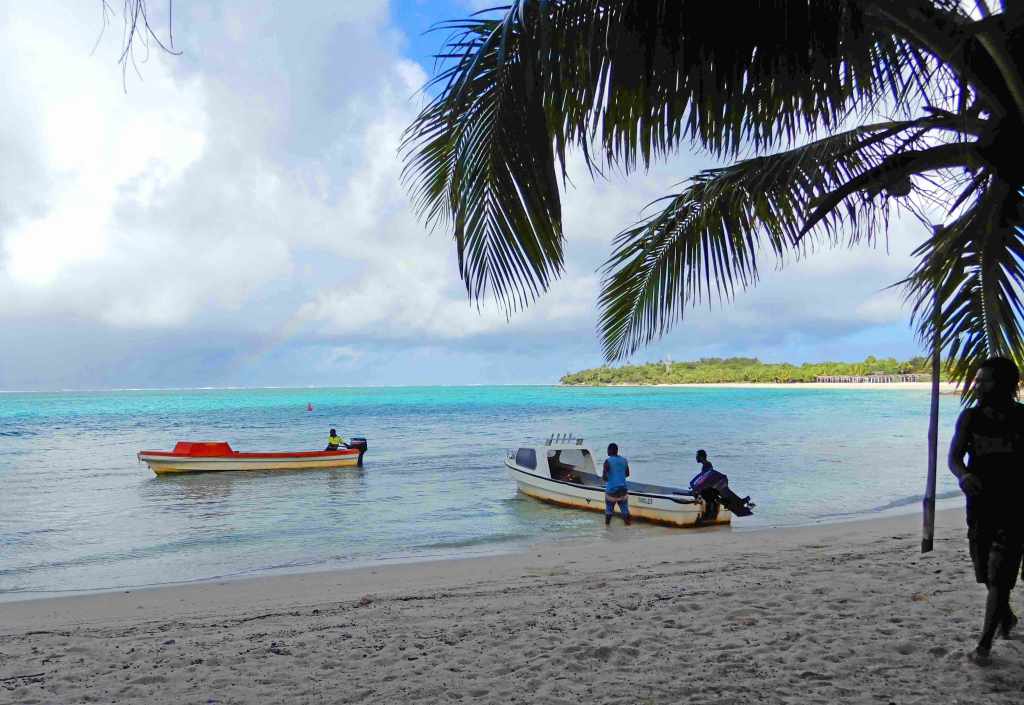
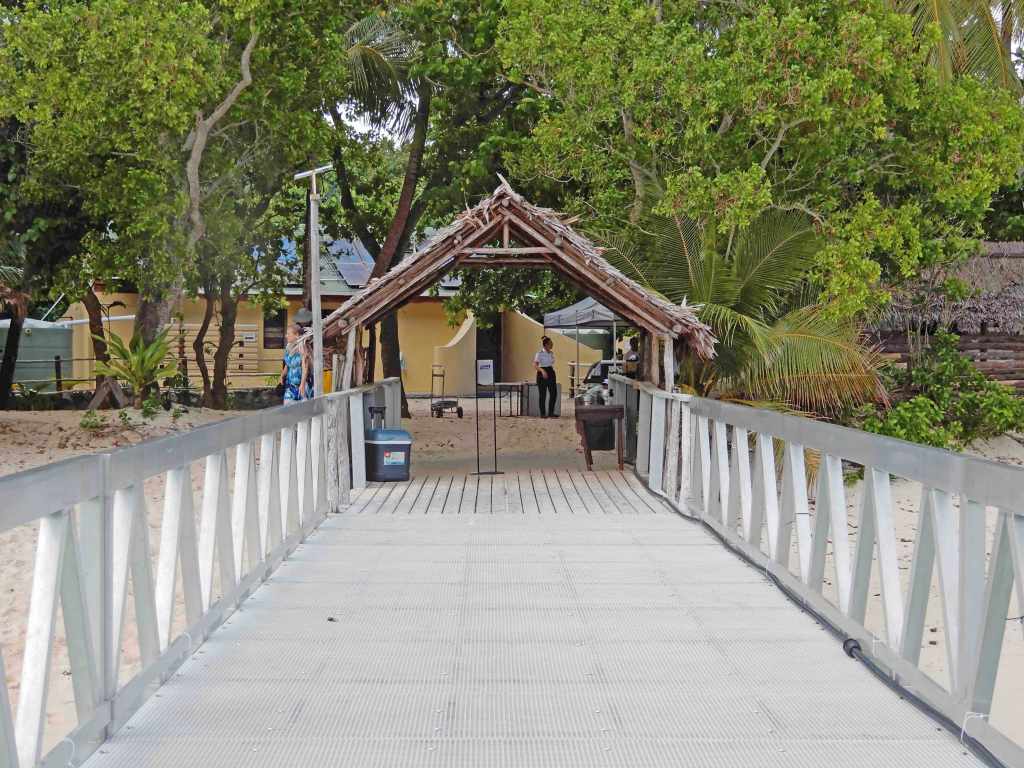
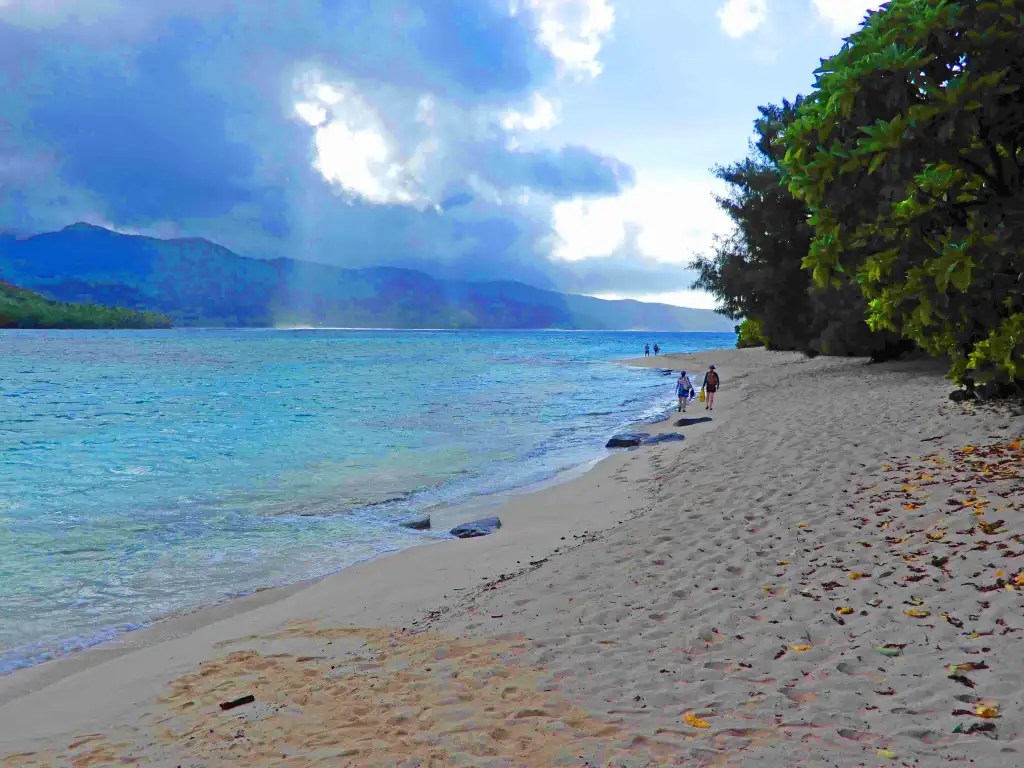
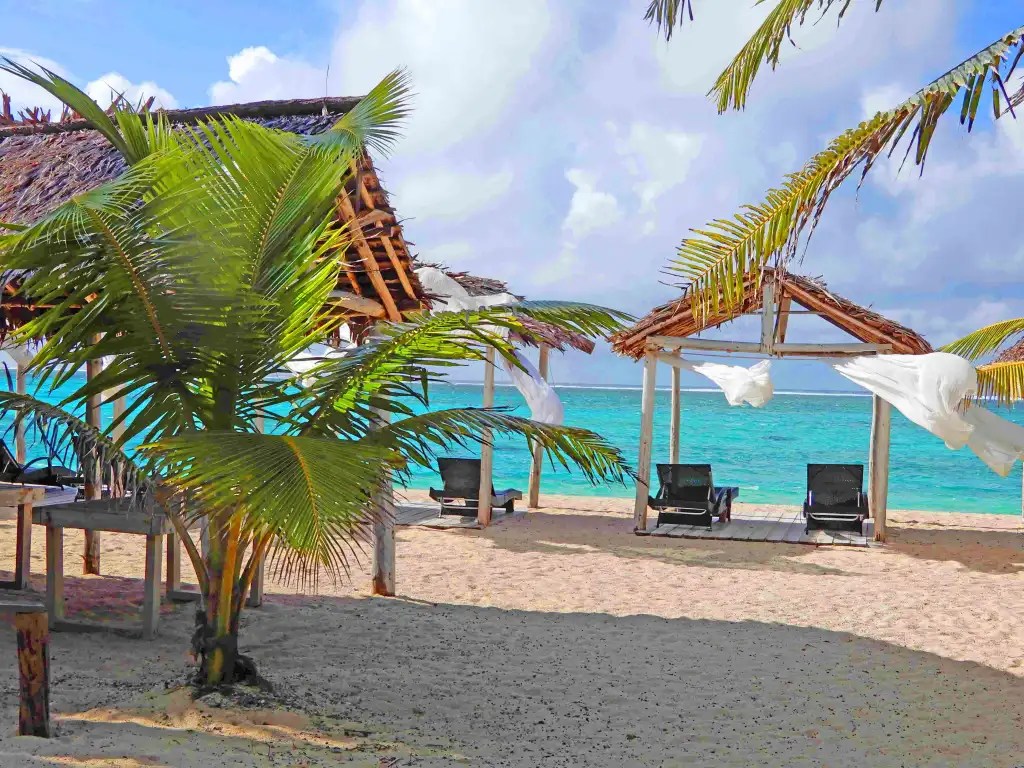
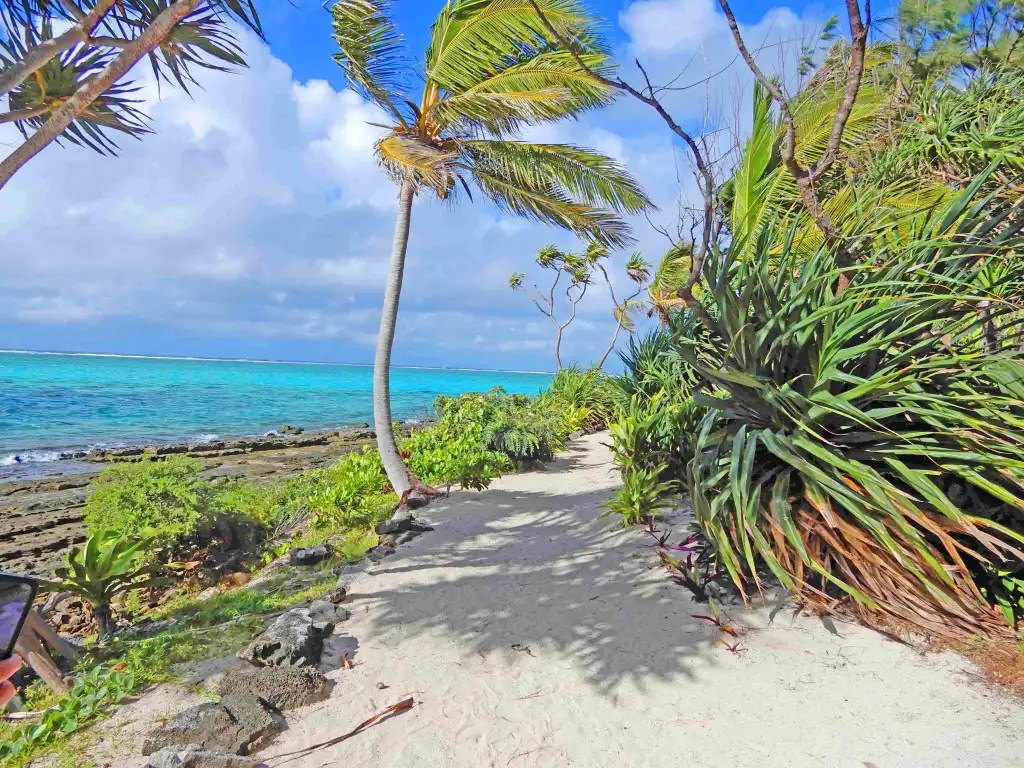
It’s called Mystery Island, also known as Inyeug, a small, uninhabited island off the coast of Aneityum Island in Vanuatu, South Pacific. It’s become a popular stop for cruise ships and even though it doesn’t have a water theme park, it still has much to offer cruise ship visitors. A tender port this island is known for its incredibly beautiful white sand beaches, crustal clear waters, and vibrant marine life. Residents from Aneityum come over and set up businesses on Mystery Island when cruise ships visit. These include market stalls, offering local craft goods and food, boat excursions to nearby reefs, local entertainment, beach chairs and umbrellas.
Mystery Island is about three quarters to a mile long and a quarter mile wide and features a mile and a half of beautiful beaches with about two miles of trails.

Those Caribbean private islands just cannot match the unspoiled beauty of Mystery Island.


Taking The Wrong Ferry In Sydney

A Short Story

Taking The Wrong Ferry In Sydney

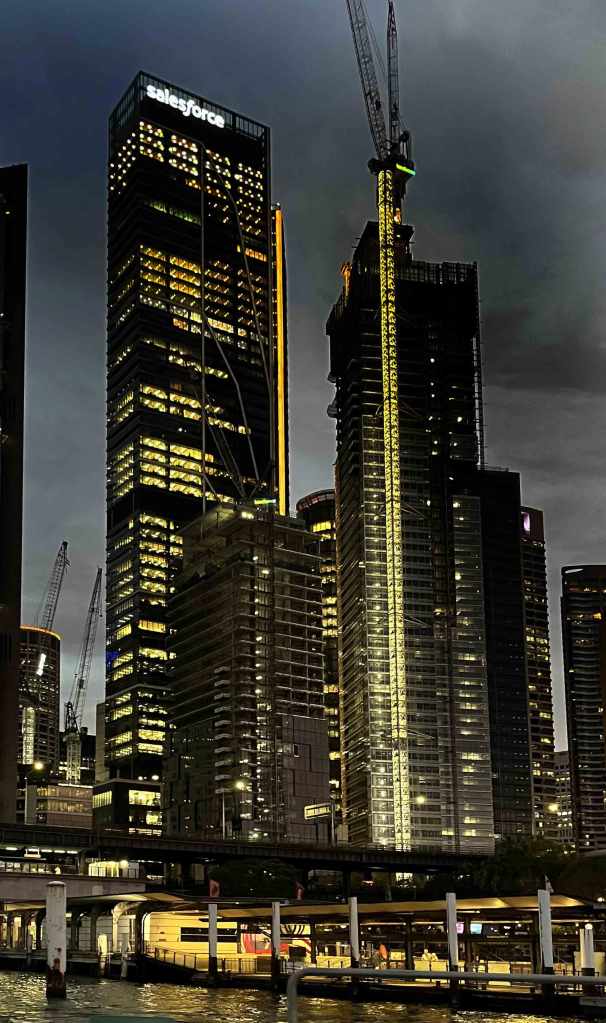
We recently spent a week in Sydney with some friends. In recommending things to do, we suggested a ferry ride after sunset to take in the night skyline. It was the third day and we had already passed into the daily free travel period on our Opal card* and, with great weather, we headed for Circular Quay. Checking the internet for information on when the ferries shut down at night, it indicated that the ferries begin the last runs at 10:55 PM, giving us plenty of time on the waters of Sydney Harbour after sunset.

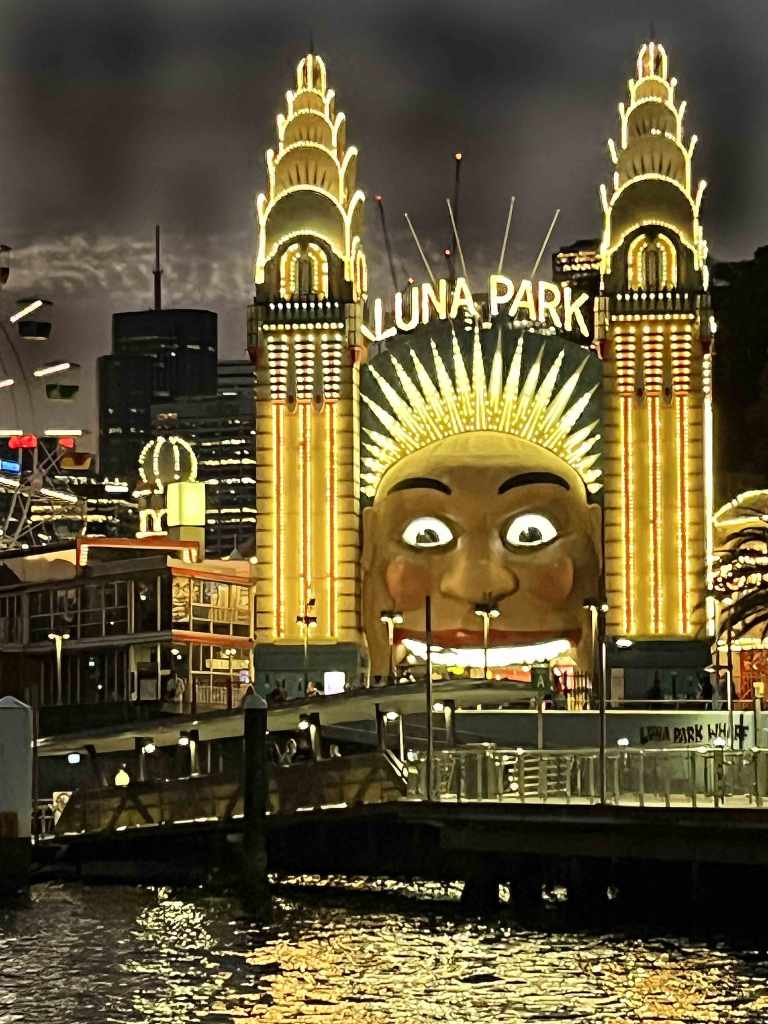
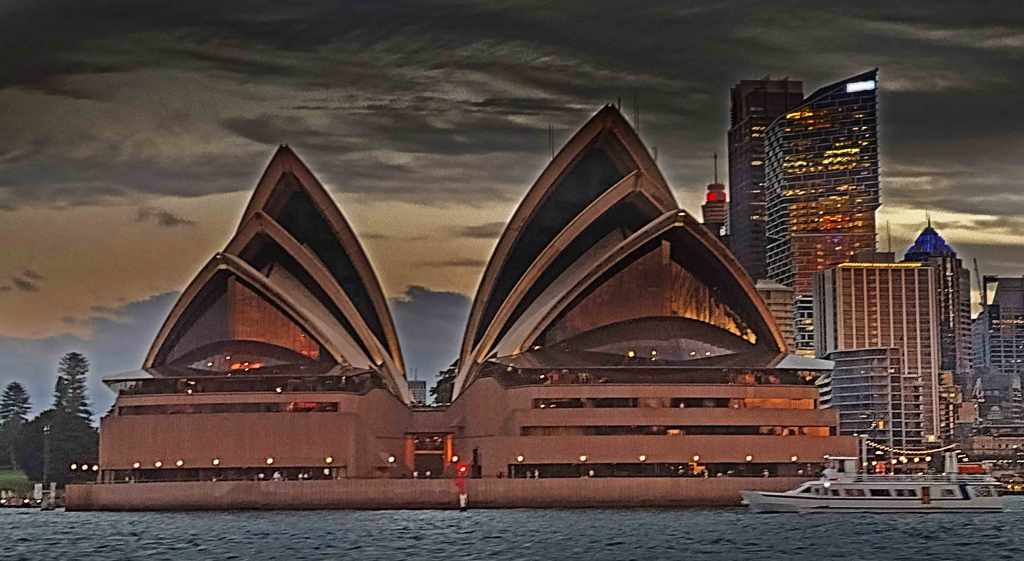
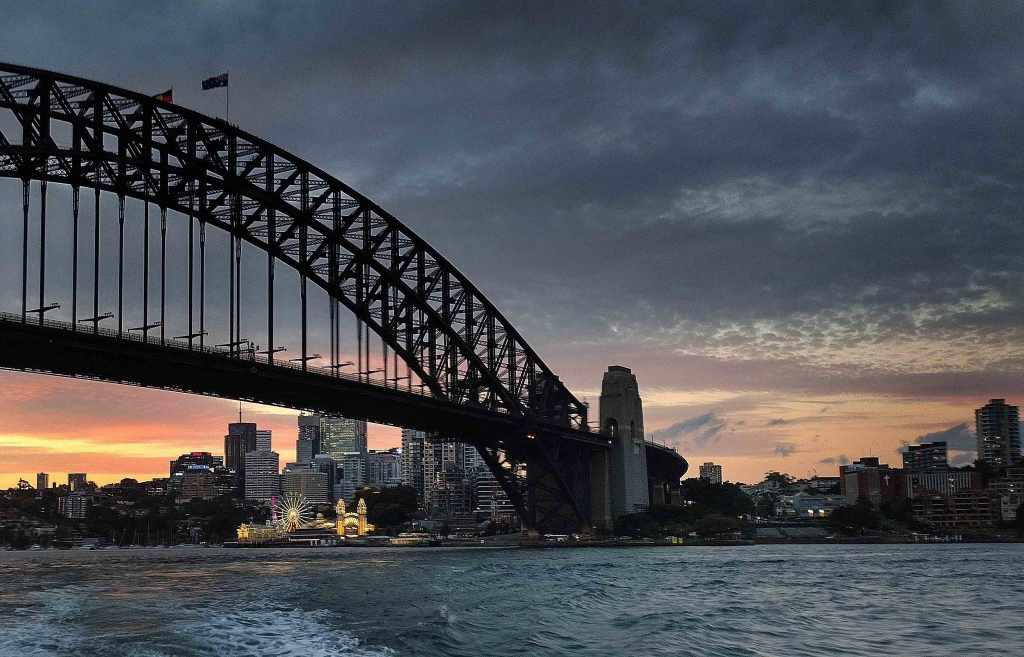
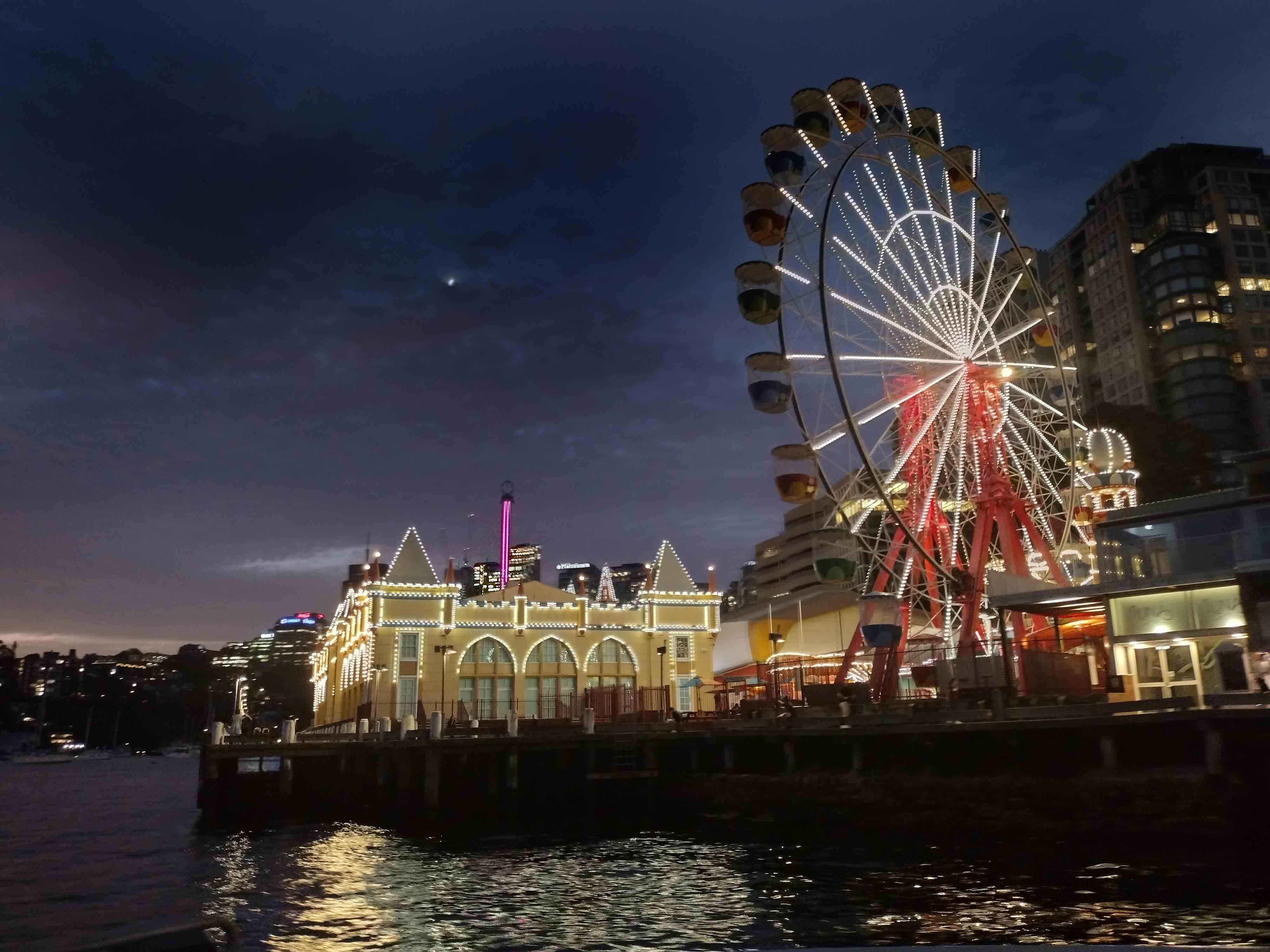
Our first ferry from Circular Quay was to Manly and that offered great night views of the Opera House backed by the CBD skyline. At Manly we didn’t even get off but went right back to Circular Quay. Looking to take another ferry we searched for a route that would take us under the Sydney Harbour Bridge heading west up the waterfront. We looked for a route that would get us over to Darling Harbour but instead found a ferry that was leaving in a couple of minutes, going under the bridge with its’ first stop being Luna Park, the city’s heritage-listed amusement park.

Two more stops after Luna Park the passenger complement thinned out and a crew member approached us asking where we were going. After saying that the four of us didn’t have a destination and were just looking at the city at night and would go back to Circular Quay, he responded that we had a problem. It turned out that this ferry was mainly a commuter route that went into the back of Sydney Harbour ending at Chiswick and would not be returning to Circular Quay.

Discussing our options with him, it turned out we didn’t have any good ones. Our ferry would simply tie up at the last pier where the crew had their cars parked. He had no idea what bus routes would still be running and Uber wasn’t a likely option for a number of reasons**. As he walked off we discussed our options and came up no viable ones.

As the ferry approached the last stop it was just us and one woman left on board. Chatting with her she said that listening to us had really inspired her to put more into appreciating her home town and, because of our enthusiasm, she realized anew just how spectacular her evening commutes in the harbour were. Soon the crew member we had talked to before joined us again. Good news! He talked to the captain and the crew agreed to take us back to Circular Quay!

That extra trip required the crew to put in more than an extra hour after they should have been done for the night and I’m left wondering if what happened is an Aussie thing. Imagine providing a few Americans their own custom ferry ride back across Sydney Harbour. I can’t imagine many places in the world where something like that would have happened…


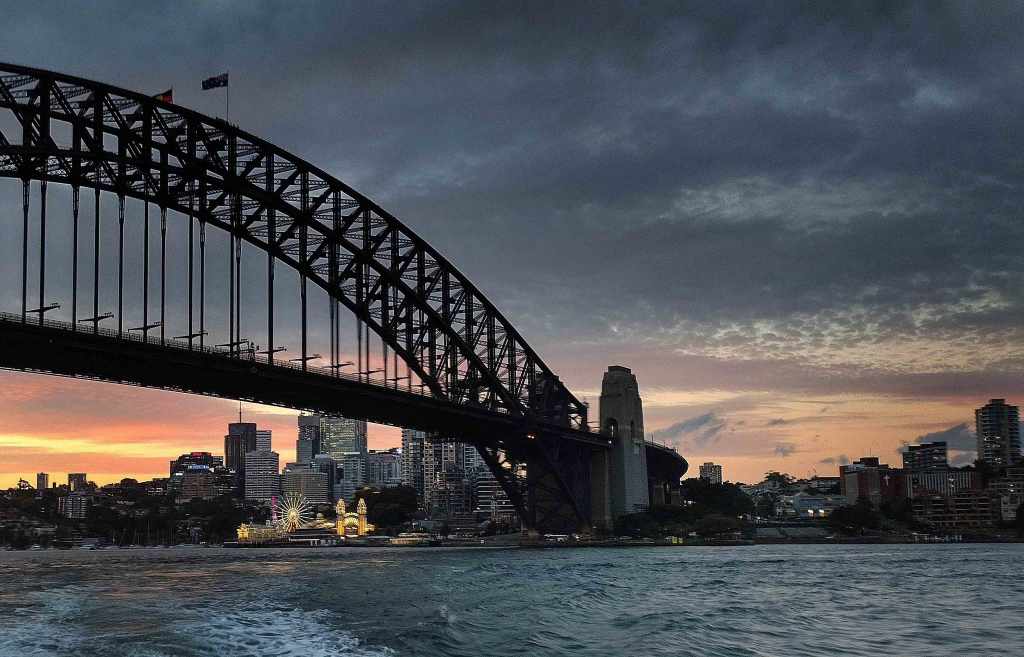
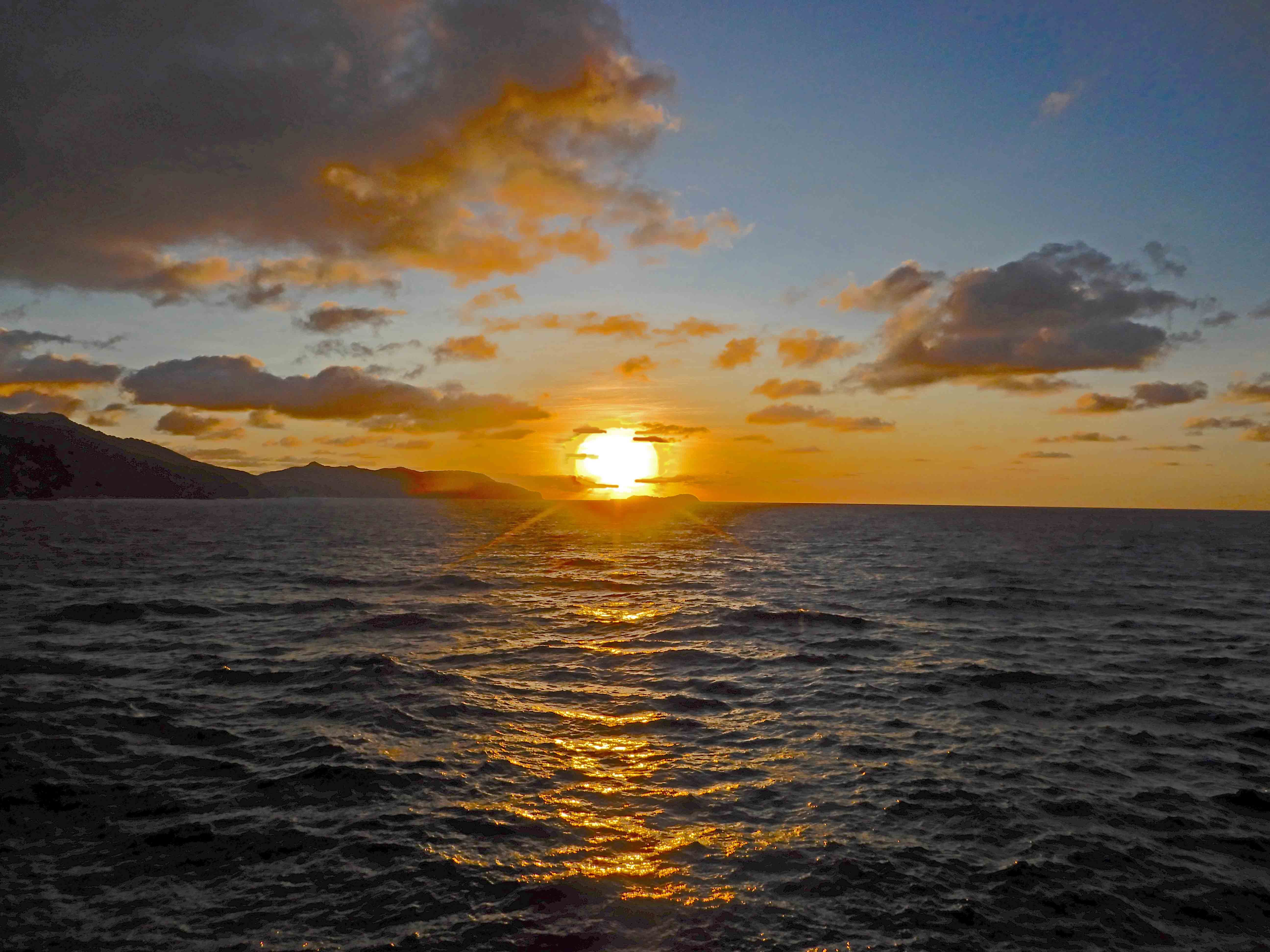
Todays Image • A Sydney Harbour Sunset

One of the world’s most beautiful harbors and nothing can compare to being out on the water at sunset. We’ve just returned from our third trip to Australia and praying it won’t be our last.

We’ve been cruising through the South Pacific collecting great images and interesting stories – stay tuned…

Sunrise over Samoa


Todays Image • Africa’s Umbrella Tree

The South African umbrella tree, often referred to as the Schefflera, is notable for its distinctive umbrella-shape and adaptability to various environments. The Schefflera umbellifera, for instance, thrives in diverse habitats ranging from moist forests to dry grasslands across regions like the Eastern Cape and KwaZulu-Natal in South Africa.


Hiking Australia’s Bondi to Bronte Coastal Walk

BONDI BEACH

Not far from downtown Sydney, Australia is an almost mile long sweep of sandy beach, tucked inside quarter-moon shaped bay with a gently sloping bottom that creates a year long season of good surfing conditions. This is Bondi Beach. While the waves provide surfing for long distances they average only between 2 and 3 feet high. People describe the conditions to be remarkably similar to Hawaii’s Waikiki. Across the street from the beach and behind the beachfront strip known as Campbell Parade, lies an active community of cafés, restaurants and designer shops.

The Coastal Walk

There are plenty of reasons to love Australia’s most famous beach but beyond surfing, swimming and sunbathing there is also the best walking trail in Australia. The coastal walking trail begins at the south end of Australia’s famous Bondi Beach. Bondi is synonymous with surf the world over and its odd name originated with the Aboriginal word “Boondi” which has the same meaning as “the sound of surf” in English.

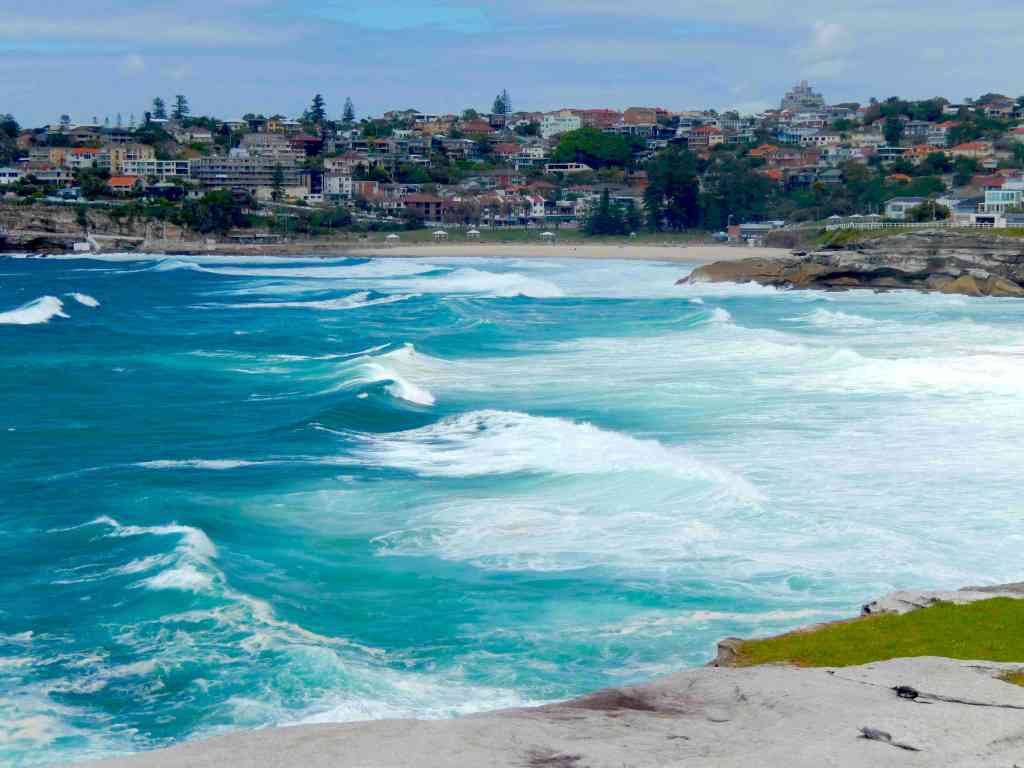
Bondi to Bronte Coastal Walk offers incredible ocean views from its easy 3.7 mile walking trail along the cliffs between Australia’s well-known beaches making this an incredible experience. The trail officially begins above the sand of Bondi Beach at the Bondi Icebergs ocean pool* and travels along a clifftop course between Tamarama and Coogee beaches. Its gradual paved ascents and descents are perfect for a casual walk or an invigorating hike. The walk will take just over an hour each way.

Along the trail are plenty of opportunities to swim at the other beaches and coves. Just past Clovelly is Gordons Bay, a well-known scuba diving and snorkeling location. If you begin the walk at Icebergs Dining Room and Bar, you’ll find the highly rated seaside eatery Coogee Pavilion at the other end with more breathtaking views from its rooftop terrace.

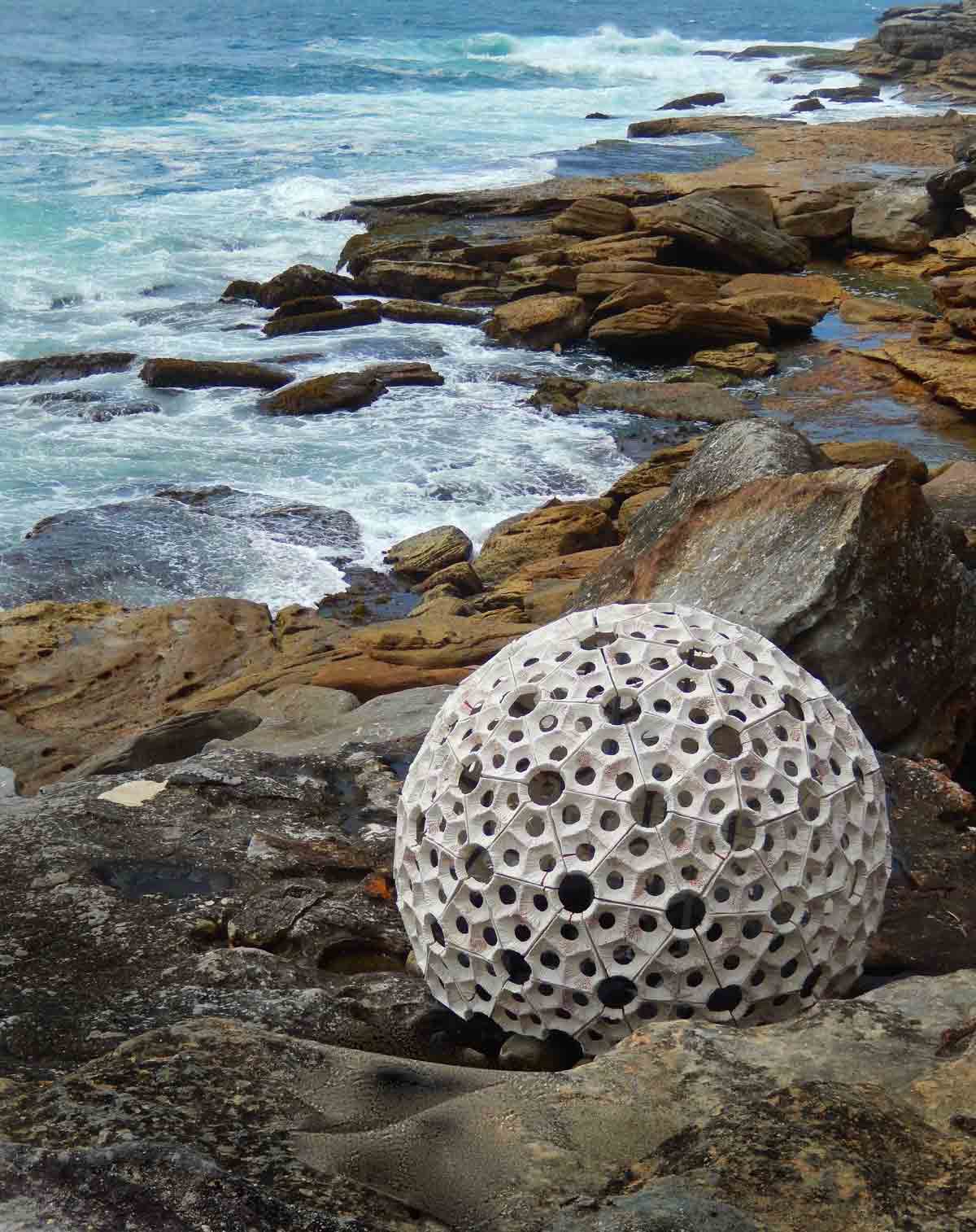
From October to December each year** the seaside walk takes on a whole new character with the worlds largest outdoor sculpture exhibit. The annual free-to-the-public outdoor sculpture exhibition, named “Sculpture by the Sea” draws artists from around Australia and the world and is very popular with Australians from Sydney and beyond.

If you have plans that will take you to Sydney around mid October to early November make sure you plan a trip out to Bondi Beach for the Sculpture Walk.

Getting There – Only about five miles from central Sydney it’s easy to reach. Express buses run to Bondi Beach from the centre of Sydney, and take about 30 minutes to reach the beach. The Metro trains operate from the city centre to Bondi Junction every twenty minutes, which is a 10-minute bus or taxi ride on to the beach. Bondi Beach is also one of many stops on a Big Bus Sydney tour, which allows you to hop on and off.

*Icebergs Dining Room and Bar – Bondi Beach, sits on the rocks above the iconic pool and isfamous for the views of Bondi Beach, by day or night, it makes an unforgettable backdrop while dining to inspired cuisine by Maurice Terzini’s Italian heritage.