Port of Call Kota Kinabalu
Located on the northern part of the island of Borneo on the South China Sea. Borneo is home to large expanses of tropical jungles that are the last refuge of orangutans and pigmy elephants. Indiscriminate logging has greatly impacted the environment but international attention from organizations that work to protect the forests, such as the Borneo Project, the World Wildlife Fund, and the Rainforest Foundation are beginning to have an effect.
The Crocker Range features Mount Kinabal, the highest mountain in Borneo and Malaysia. With an elevation of 13,435 feet, it is the third-highest peak on an island on Earth. The area is popular with hikers and climbers but is also a favorite destination for recreational diving as people are drawn to the crystal clear tropical waters and the large number of coral reefs.

The mountains of the Crocker Range provide a backdrop for Kota Kinabalu
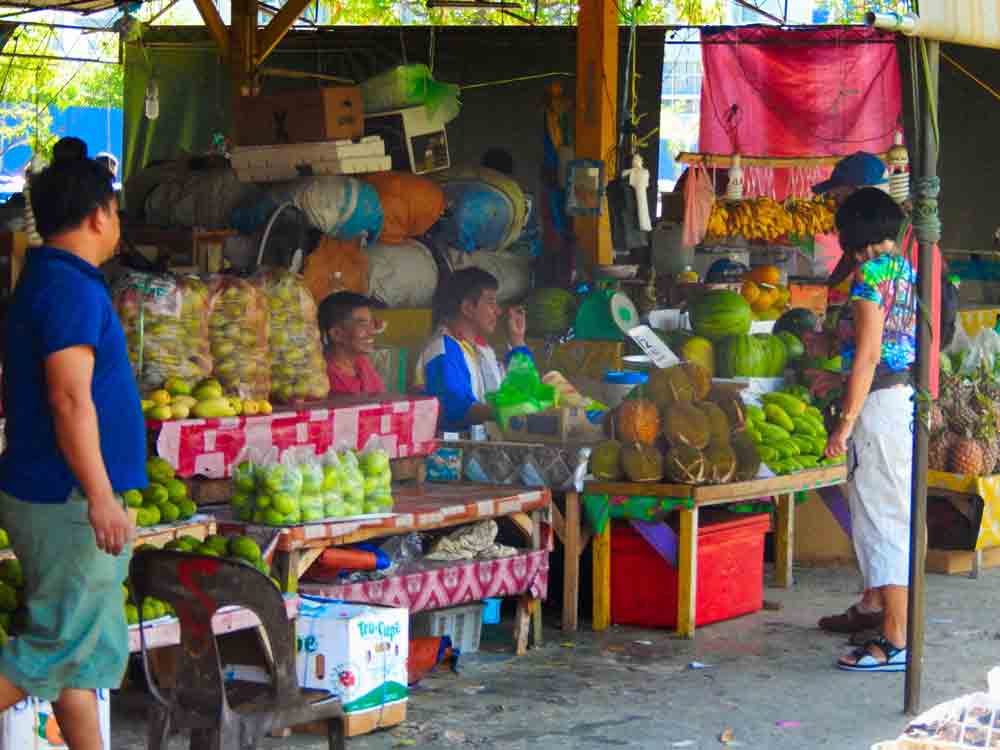
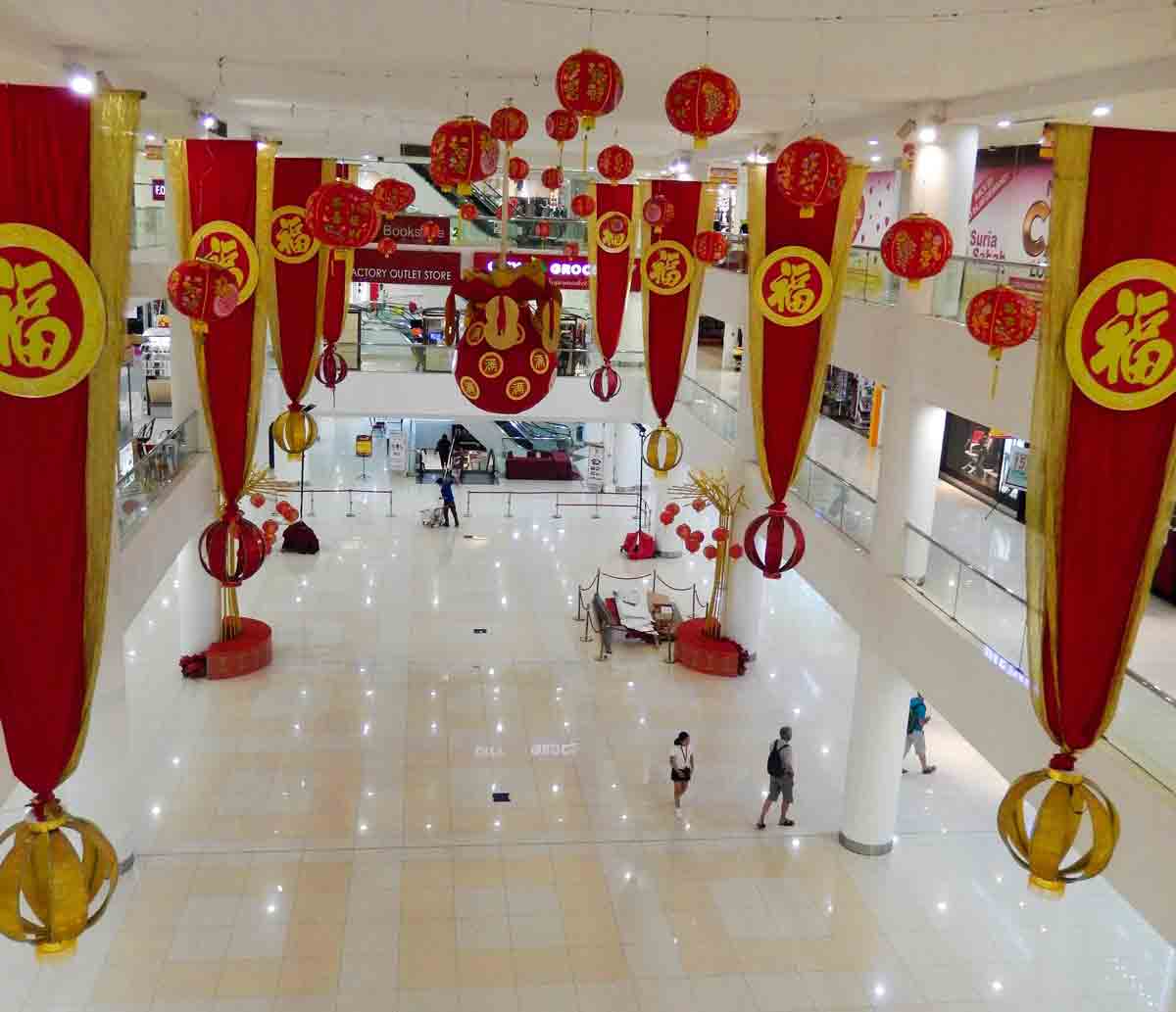
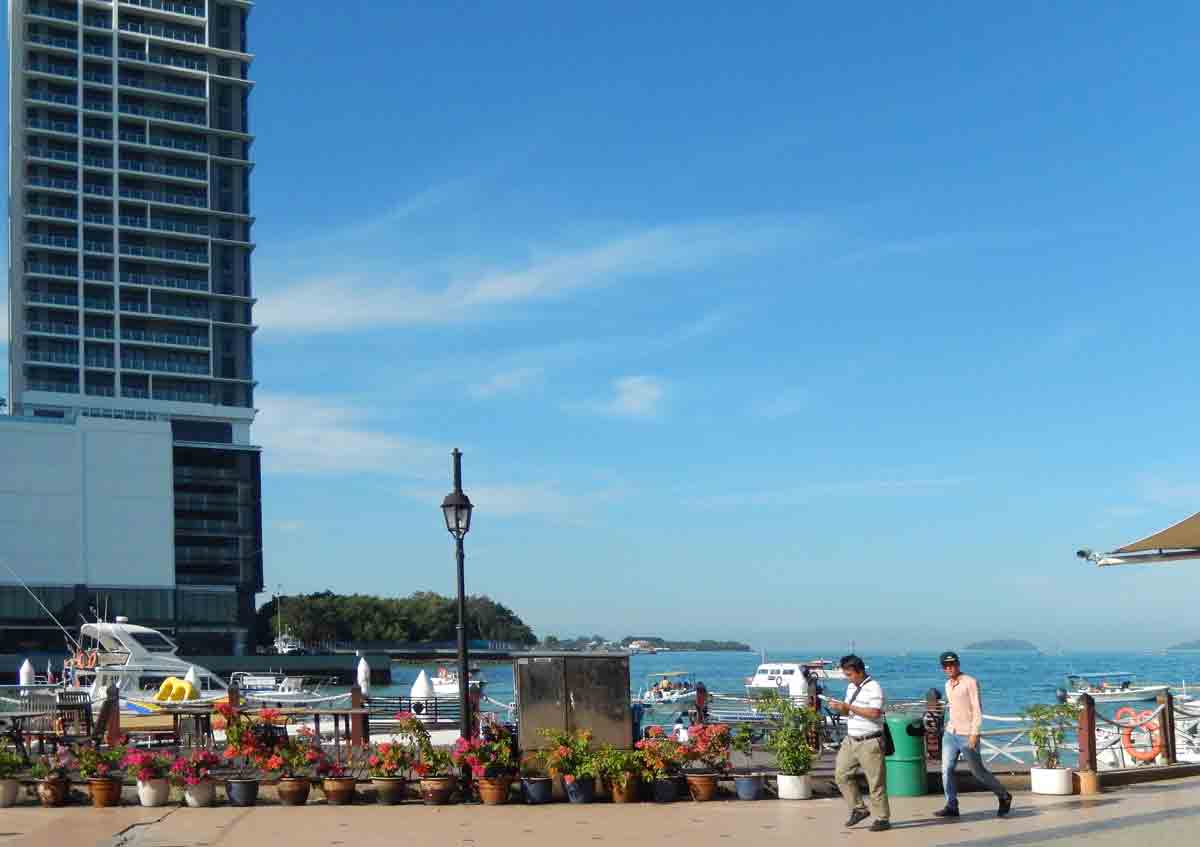
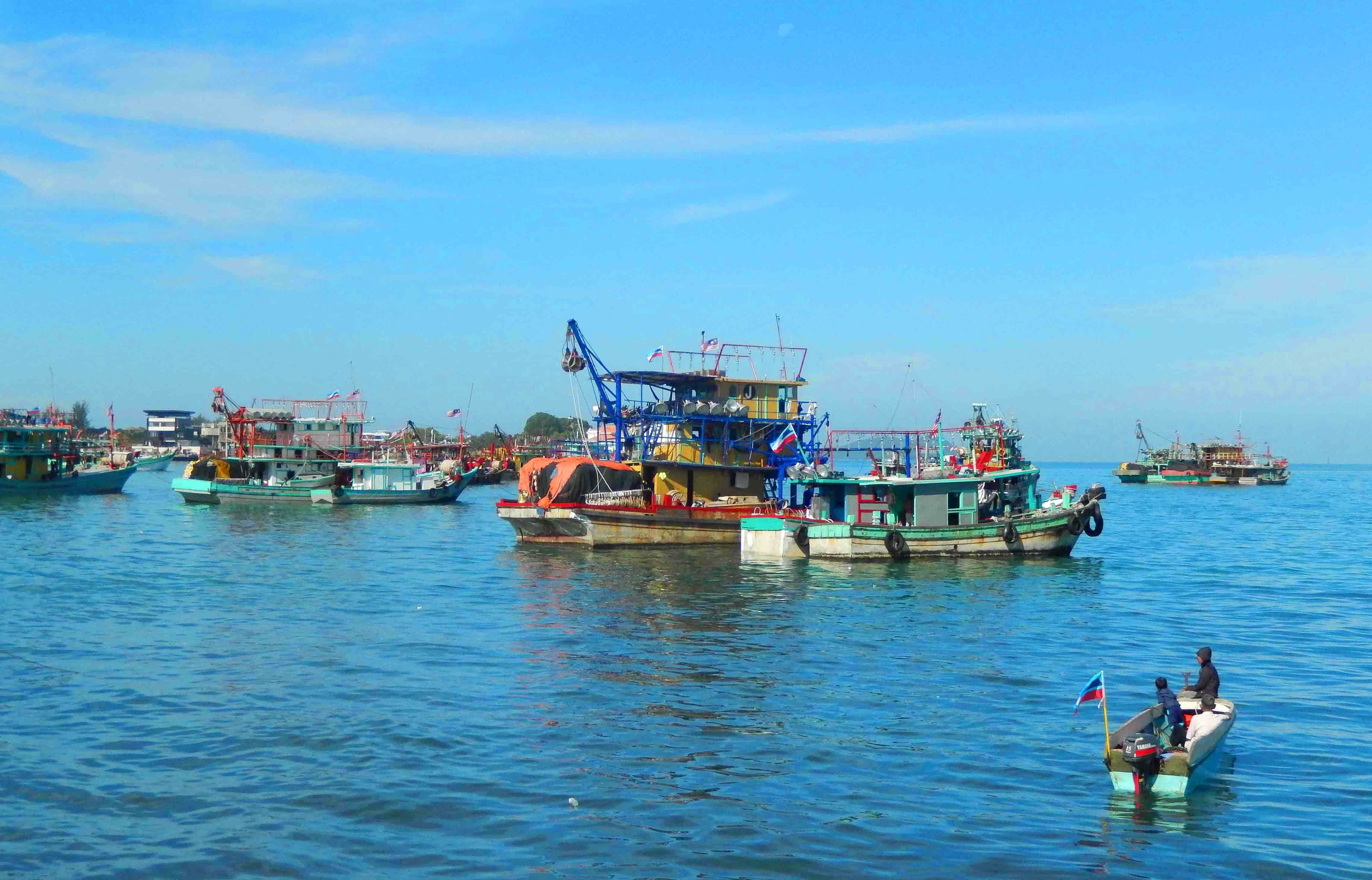
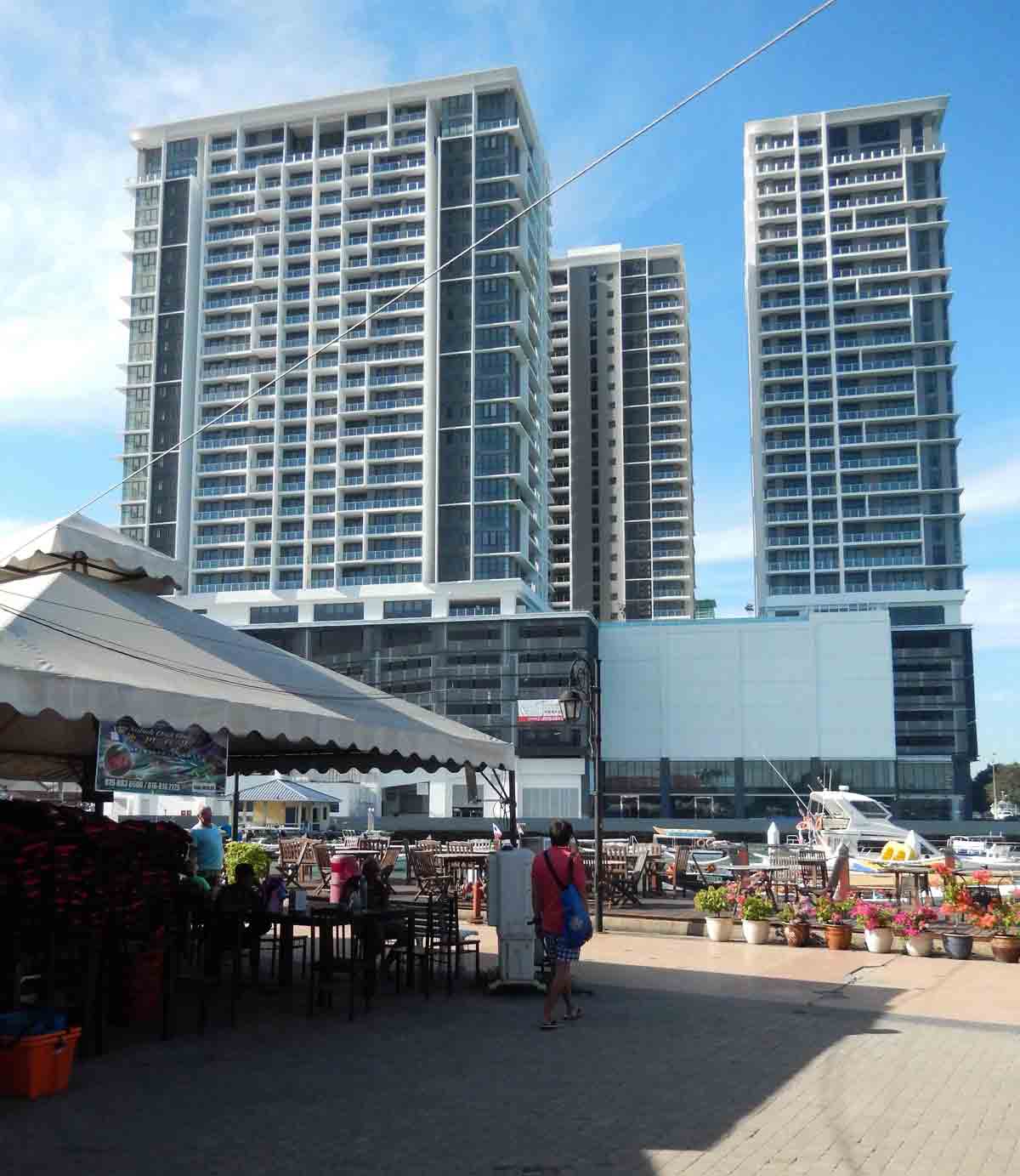
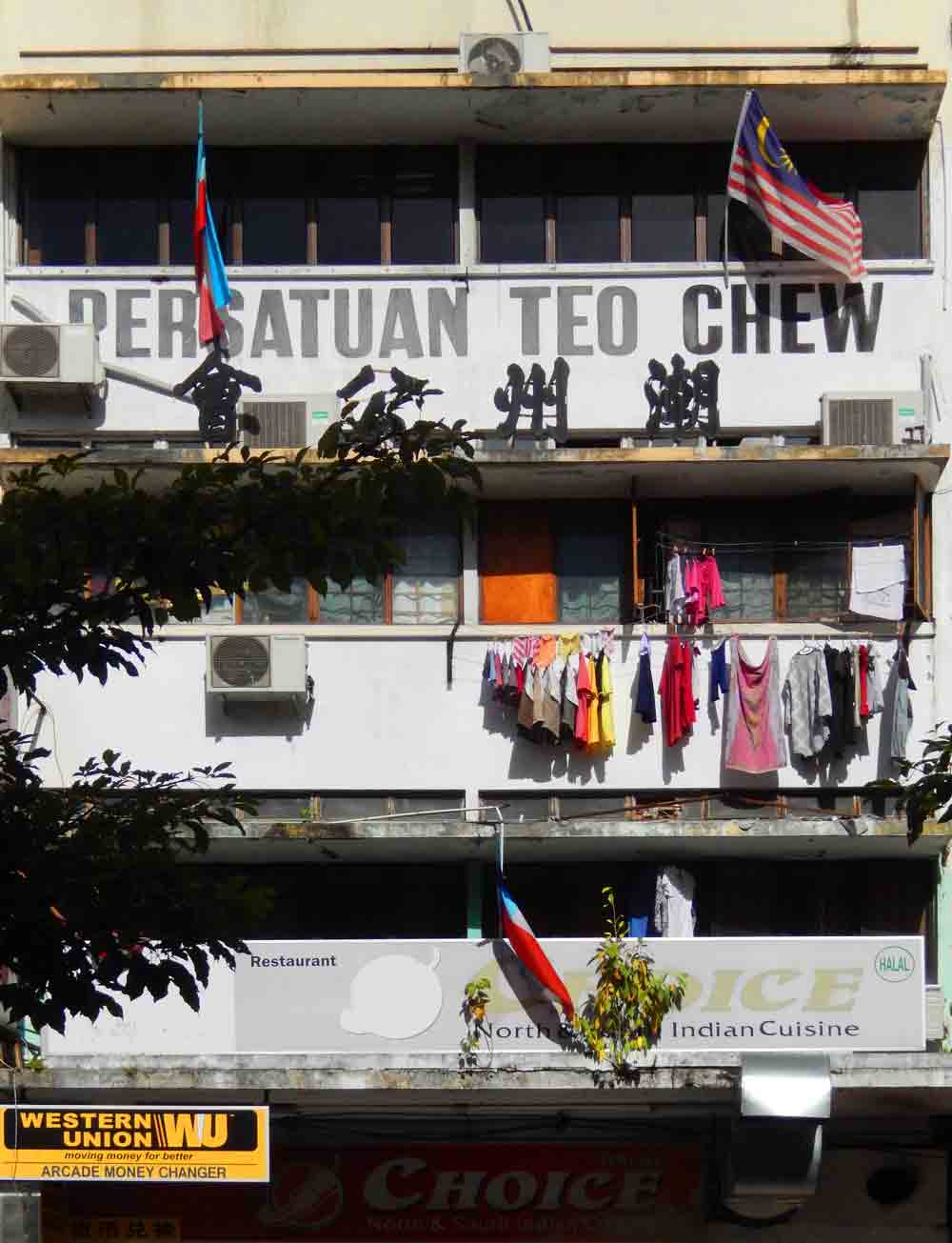
Kota Kinabalu, Sabah, Malaysia is a vibrant city seemingly filled with contradictions. New high-rise buildings are everywhere often sitting next to apartments with washing strung across the balconies. Open air markets operate next to shopping malls and directly opposite the city’s waterfront is a ramshackle water village*.
Where Your Ship Docks

Cruise ships dock at the International Cruise Terminal with a less than a half hour walk into the CBD.
Disembarking – This port has a developed cruise ship pier but the ease of disembarking varies by the actual location and individual ships gangway designs. The International Cruise Terminal pier disembarks not far from downtown. For passengers using wheelchairs there can be a moderate ramp incline to deal with.
Port City Characteristics – This port has an average wheelchair infrastructure typical of large cities. The port area has moderate inclines in sidewalks. Intersection crosswalks often have curbs or other wheelchair obstacles. Traffic is a serious issue as there are few crosswalks or traffic controls. Our experience would suggest it has the character of a high speed demolition derby.

Currency
Malaysian money is the Ringgit that is worth about 22¢ US. Credit cards are welcome at most outlets but it is recommended that you change a small amount of currency for buses and the city market.
Transportation

Buses: The city has a network of public buses that operate on several routes throughout the city. The buses are relatively inexpensive and are a good option for getting around if you’re on a budget.
Taxis: Taxis are widely available in Kota Kinabalu and can be hailed on the street or booked through calling. Taxis are metered, but it’s always a good idea to confirm the fare with the driver before starting your journey.
Grab: Grab is a popular ride-sharing app in Southeast Asia that operates in Kota Kinabalu. You can use the app to book a ride with a private car or taxi.
Car rental: If you prefer to have your own transportation, you can rent a car from one of the many rental companies in the city. Just be aware that traffic in Kota Kinabalu can be congested, especially during peak hours and traffic laws seem to be mostly ignored.


The area has much to see and do and the highlights include:
- A visit to the Sabah State Museum and Heritage Village to learn about the history and culture of the region.
- Climb Mount Kinabalu, the highest peak in Southeast Asia.
- Relax on the beaches of Tanjung Aru or Sapi Island.
- Explore the Tunku Abdul Rahman Marine Park and go snorkeling or diving. This island is part of the Tunku Abdul Rahman Marine Park and is known for its crystal-clear waters and vibrant coral reefs. There are several snorkeling spots around the island, including along the shore and out in deeper water.
- Visit the Lok Kawi Wildlife Park to see native animals like orangutans, proboscis monkeys, and sun bears. The Park is a zoo, refuge and botanical garden located near Kota Kinabalu. The park covers an area of 280 acres and is home to over 100 species of animals, including orangutans, proboscis monkeys, Bornean pygmy elephants, and sun bears.
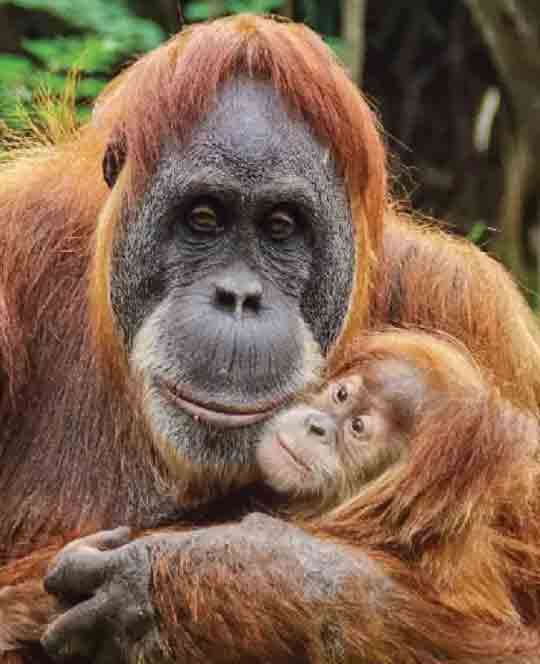
- Botanical Garden in addition to the animal exhibits, the park also has a botanical garden that showcases a variety of local plant species. Visitors can also participate in activities such as feeding the animals, taking a guided tour, or watching animal shows.
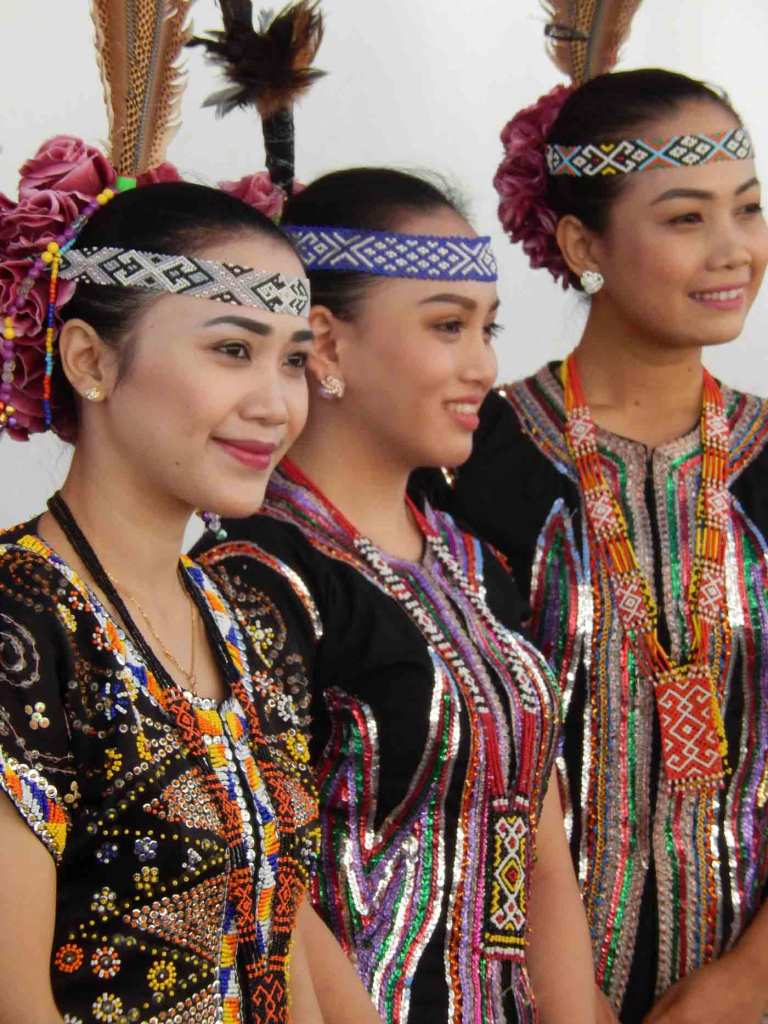
- Visit the Mari Mari Cultural Village to experience the traditional lifestyles of Sabah’s indigenous tribes.
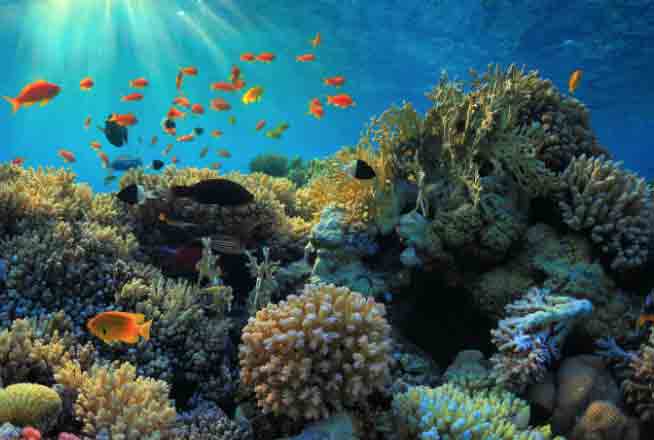
Snorkeling and Diving – Kota Kinabalu has some additional great snorkeling and scuba locations and there are numerous dive excursions to select from. Here are a few additional considerations:
Sapi Island: This island is part of the Tunku Abdul Rahman Marine Park and is known for its crystal-clear waters and vibrant coral reefs. There are several snorkeling spots around the island, including along the shore and out in deeper water.
Mamutik Island: Another island in the Tunku Abdul Rahman Marine Park, Mamutik Island has several snorkeling spots that are easily accessible from the beach. The waters around the island are home to a variety of fish and coral species.
Gaya Island: This island is also part of the Tunku Abdul Rahman Marine Park and has several snorkeling spots around its perimeter. The waters here are known for their clarity and are home to a variety of marine life, including reef sharks and sea turtles.
*We were told that the water villages are mostly filled with people from the Philippines fleeing civil conflicts and the are not being allowed to enter Malaysia.
 The Intentional Travelers
One thought on “Kota Kinabalu, Sabah, Malaysia”