- Visiting Historic Williamsburg, Virginia
- Jamestown, Virginia – Where America Was Born
- The Yorktown Battlefield
Along the Southern Chesapeake Bay in Virginia are three of the most important sights in the history of the settlement and founding of the United States Of America. They include the sight of the first English settlement in the country, the town that was the first legislative government and the battlefield where America won its independence.
Colonial Williamsburg, Virginia
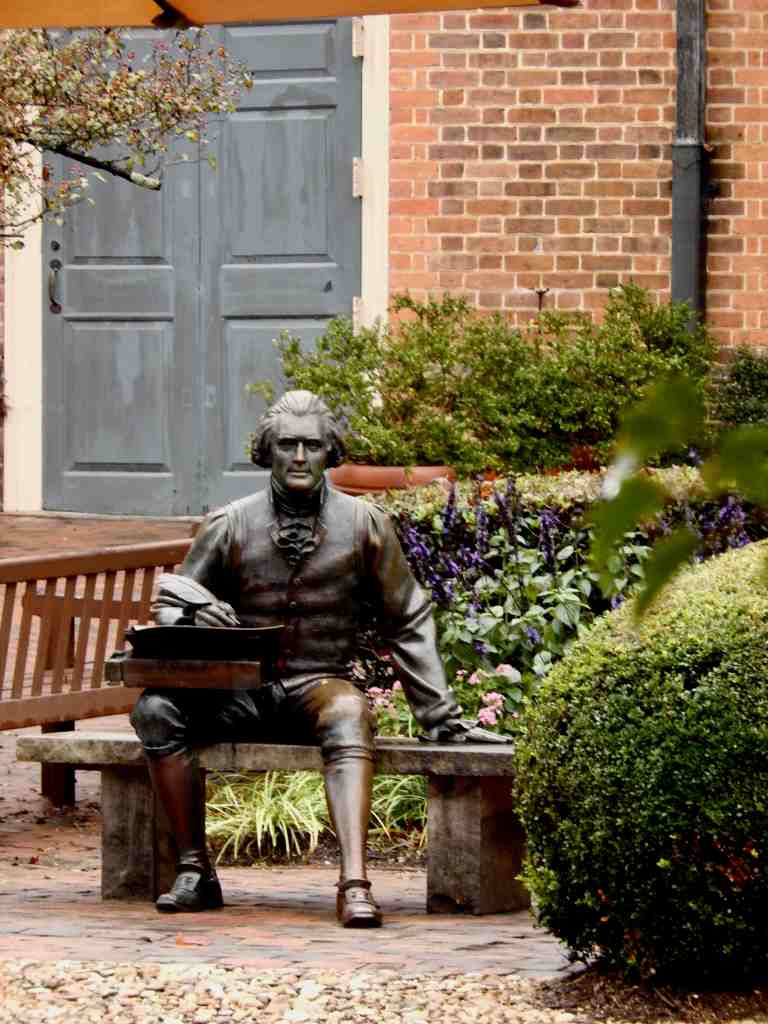
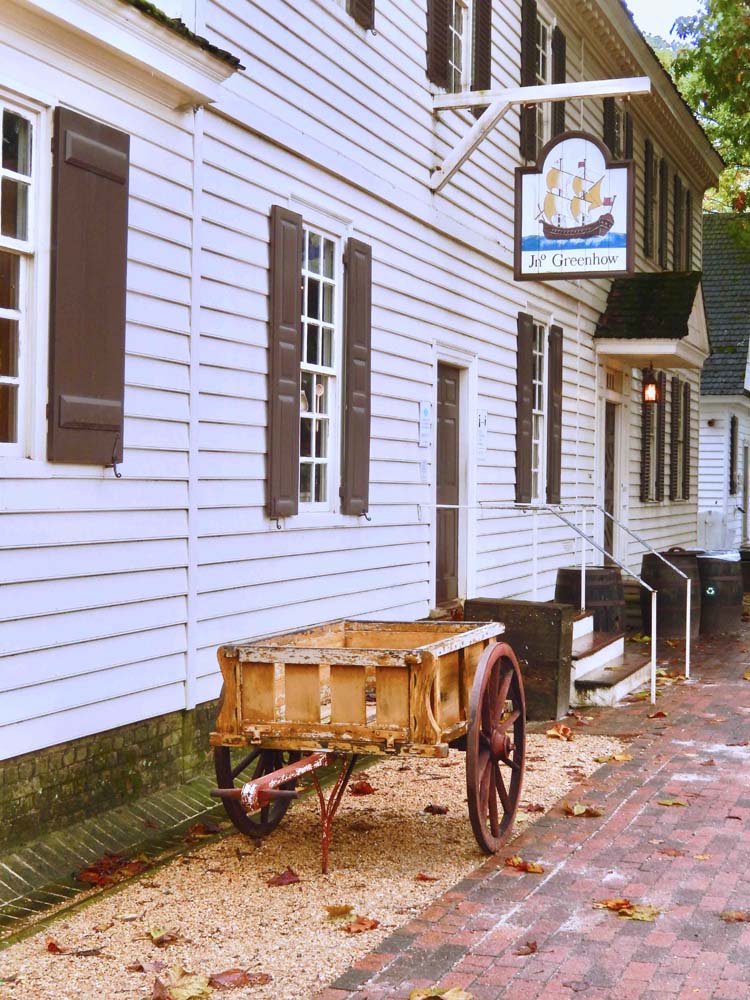
Colonial Williamsburg is a living-history museum in the city of Williamsburg, Virginia. The area is an interesting blend of American history and popular tourist attraction. The colonial town is the anchor of a historic triangle in Tidewater Virginia that includes a restoration of the Jamestown colony (the first successful English settlement in North America) and the Yorktown Battlefield National Park and Museum celebrating the victory that brought an end of the Revolutionary War.
Within just moments walking through town you get a sense that you have been transported back in time some 300 years. If there weren’t groups of tourists that at times disturb the illusion, the feeling would be overwhelming.


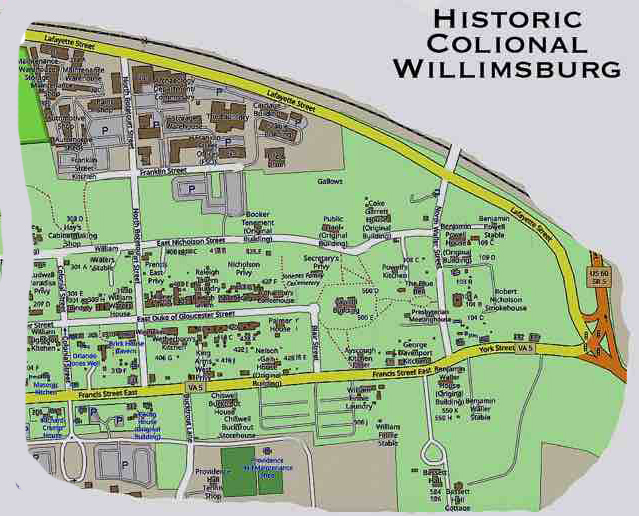
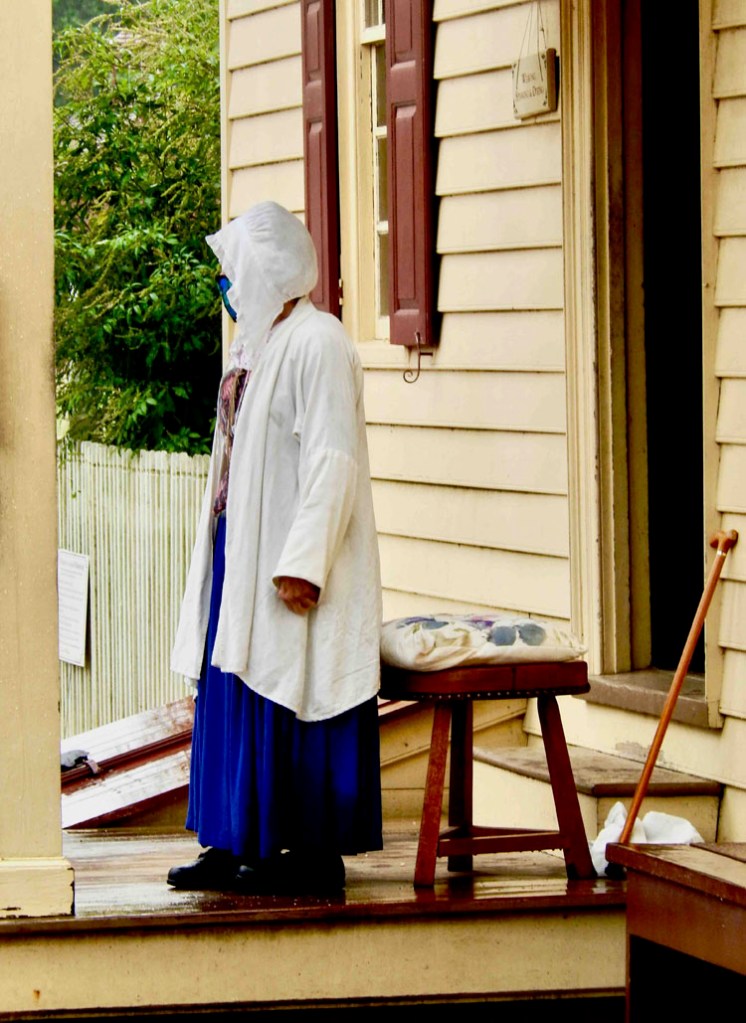
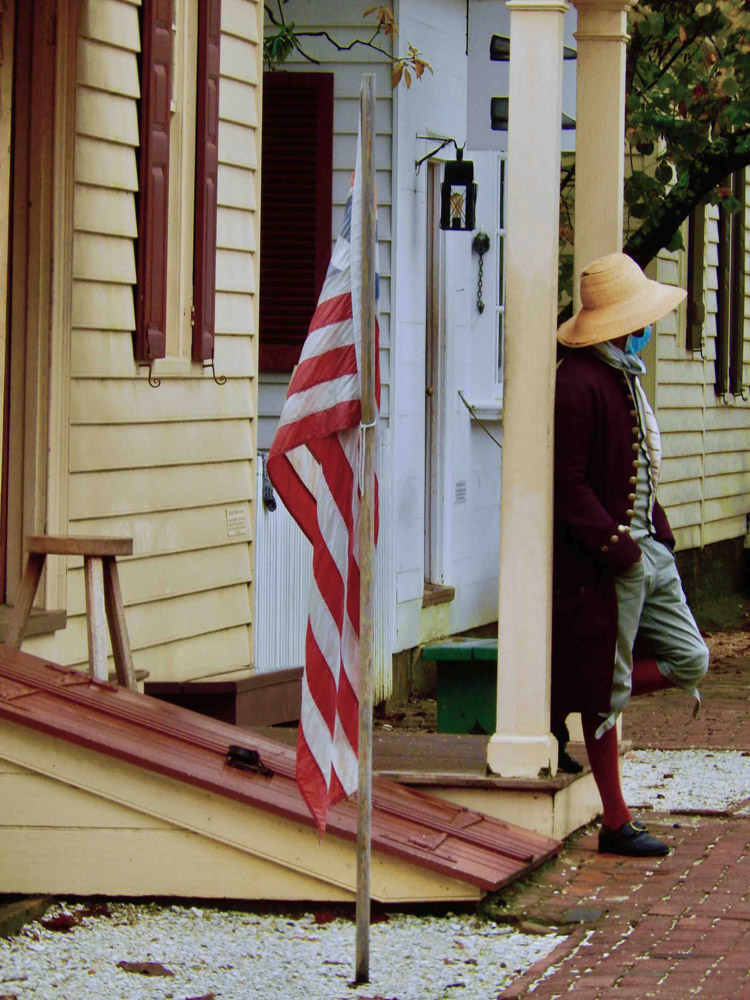
The historic town of Williamsburg is a 300 acre area that encompasses several hundred restored or re-created buildings from the 18th century, when it was the capital of Colonial Virginia. A living interpretation of a colonial period American city, the historic district includes three primary streets and their connecting side streets that represent the accurate character of 18th-century America. While it is faithful to the period with costumed employees who work and dress as people did back at that time, it is also a current residential neighborhood with private residences mixed into the historic buildings.
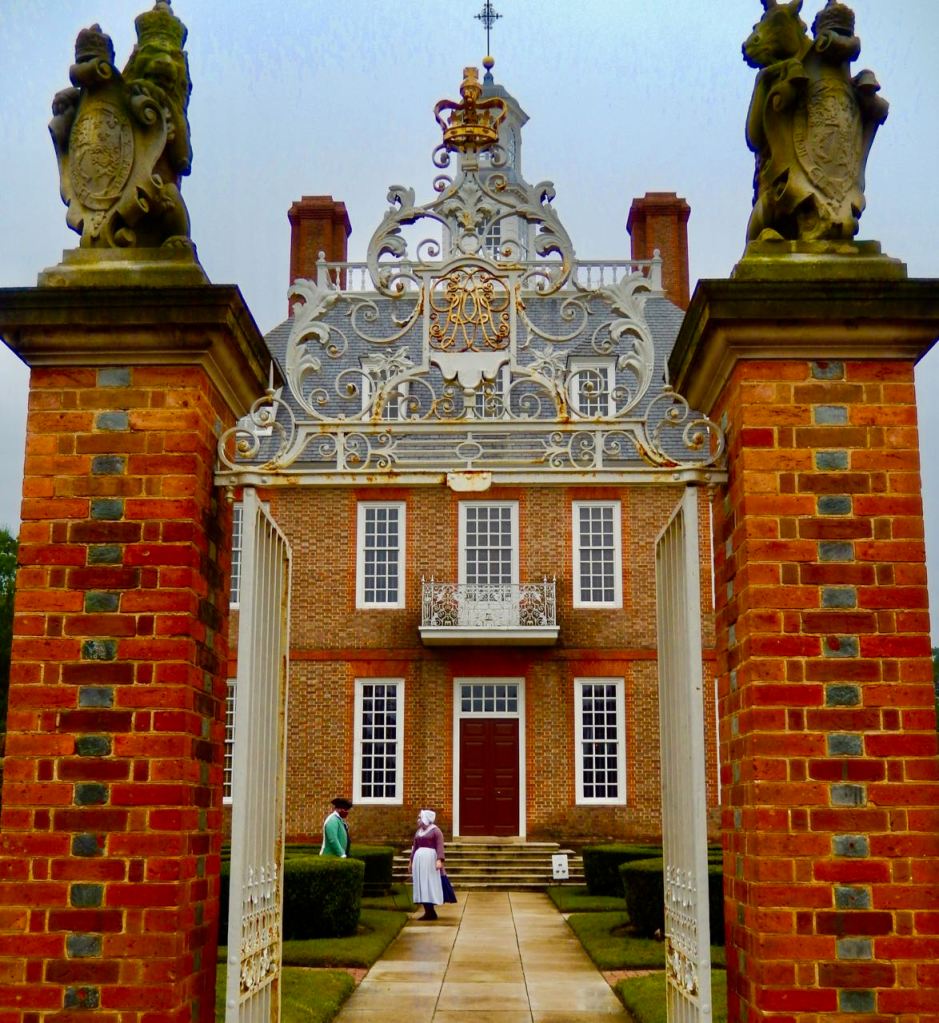
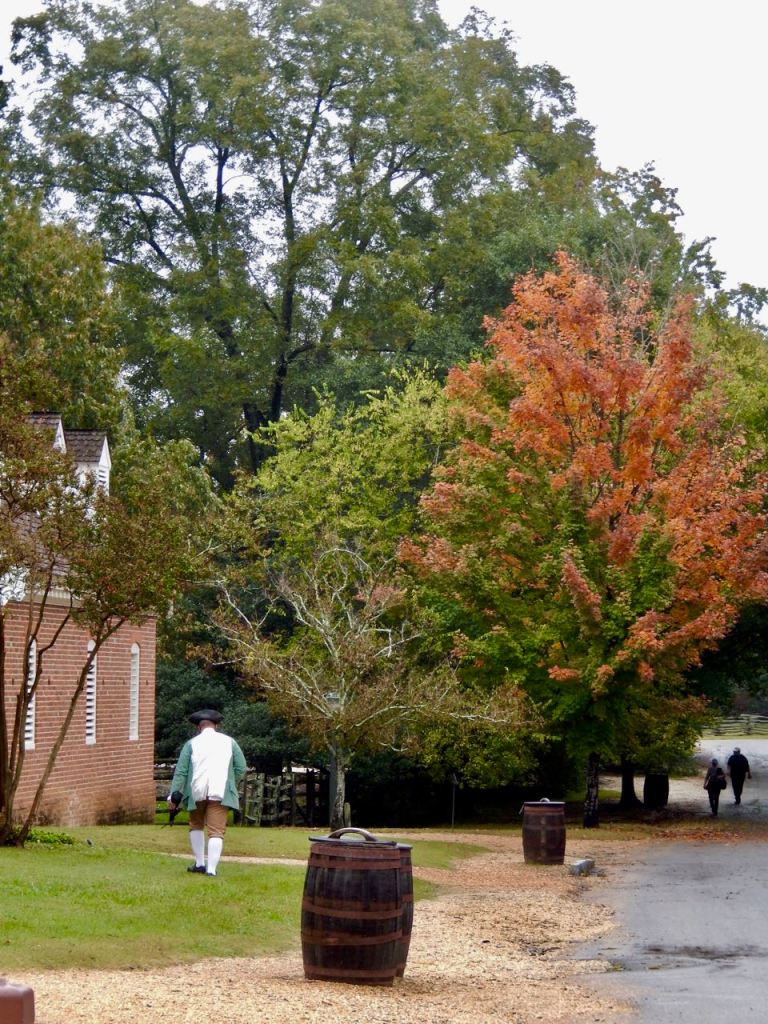
Conceived in the 1920s, the restoration and re-creation of colonial Williamsburg was championed as a way to celebrate our countries revolutionary patriots and the history of the early United States. The project got its start with seed money in a grant from John D. Rockefeller Jr., and his wife, Abby Aldrich Rockefeller.
Major buildings include Raleigh Tavern, the Capitol building, the Governor’s Palace (all reconstructed), as well as the Courthouse, the George Wythe House, the Peyton Randolph House, the Magazine, and the functioning Bruton Parish Church (all originals). Four taverns have also been reconstructed for use as restaurants. There are historically accurate craftsmen’s workshops for trades, that include a printing shop, a shoemaker, blacksmith, a cooperage, a cabinetmaker, a gunsmith, a wigmaker, and a silversmith.
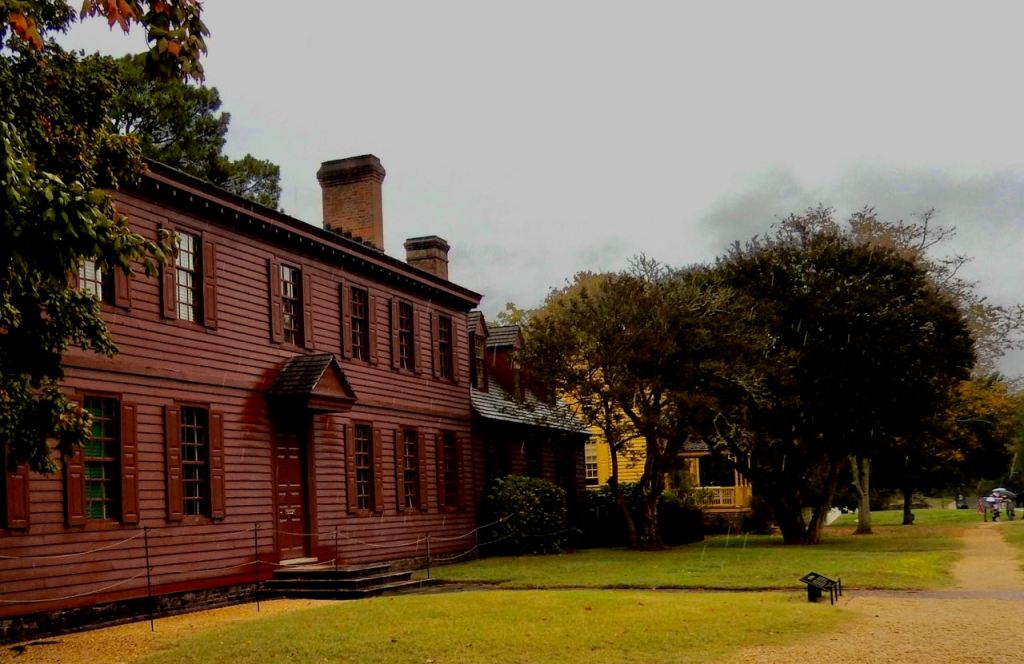

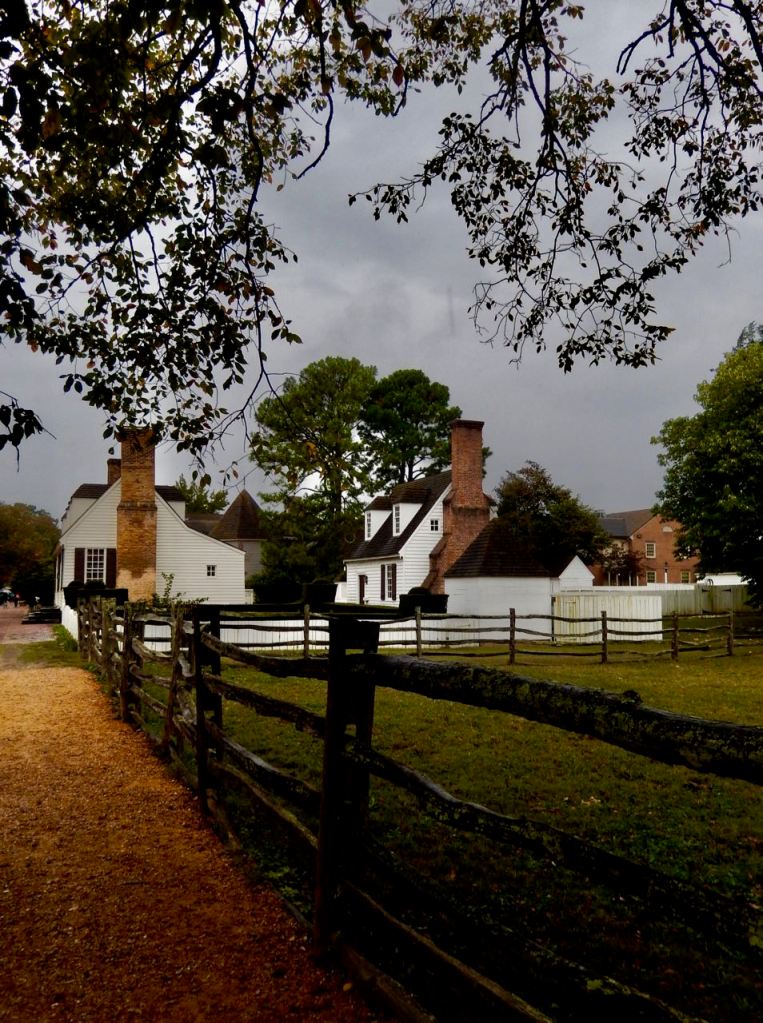
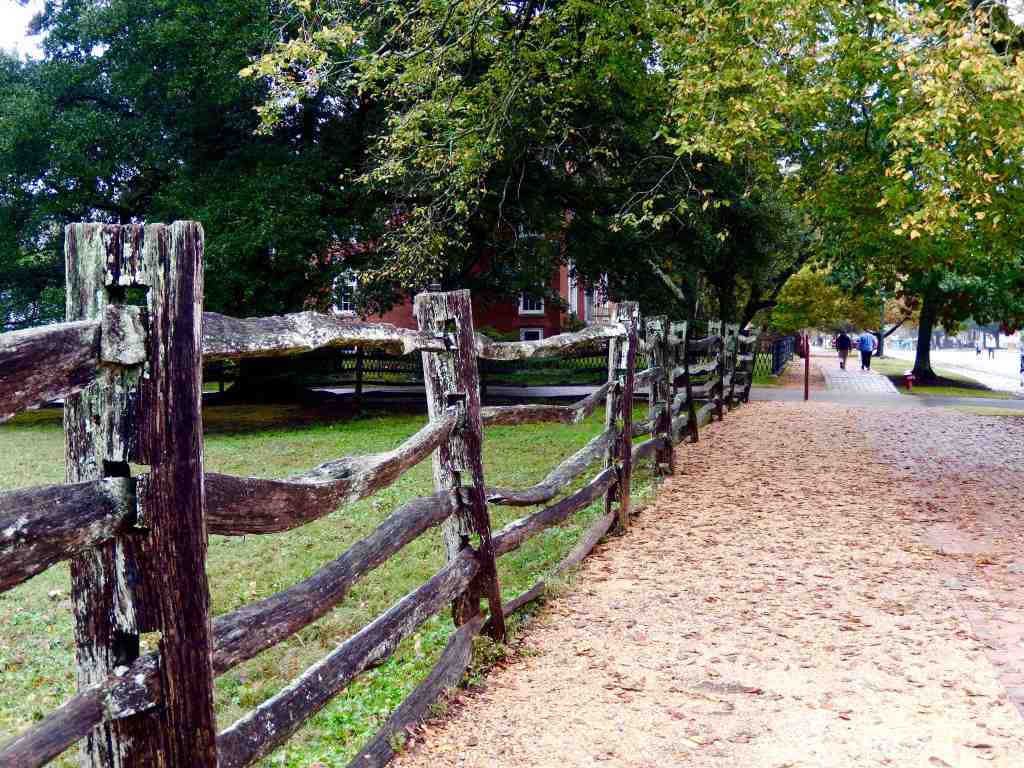

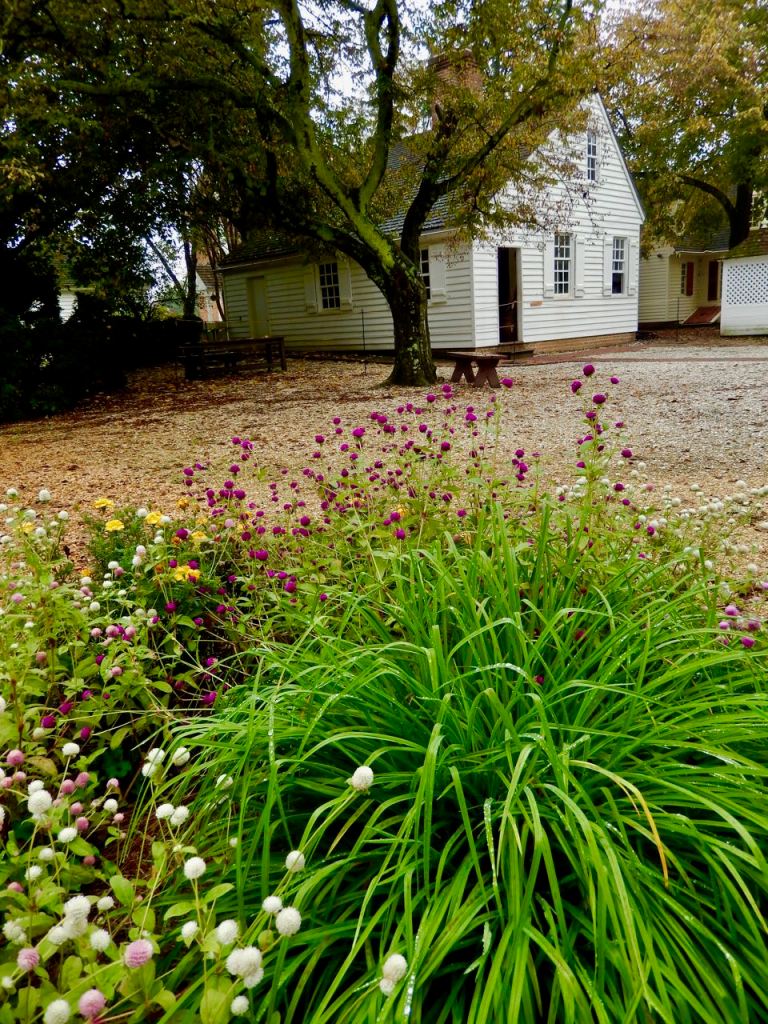
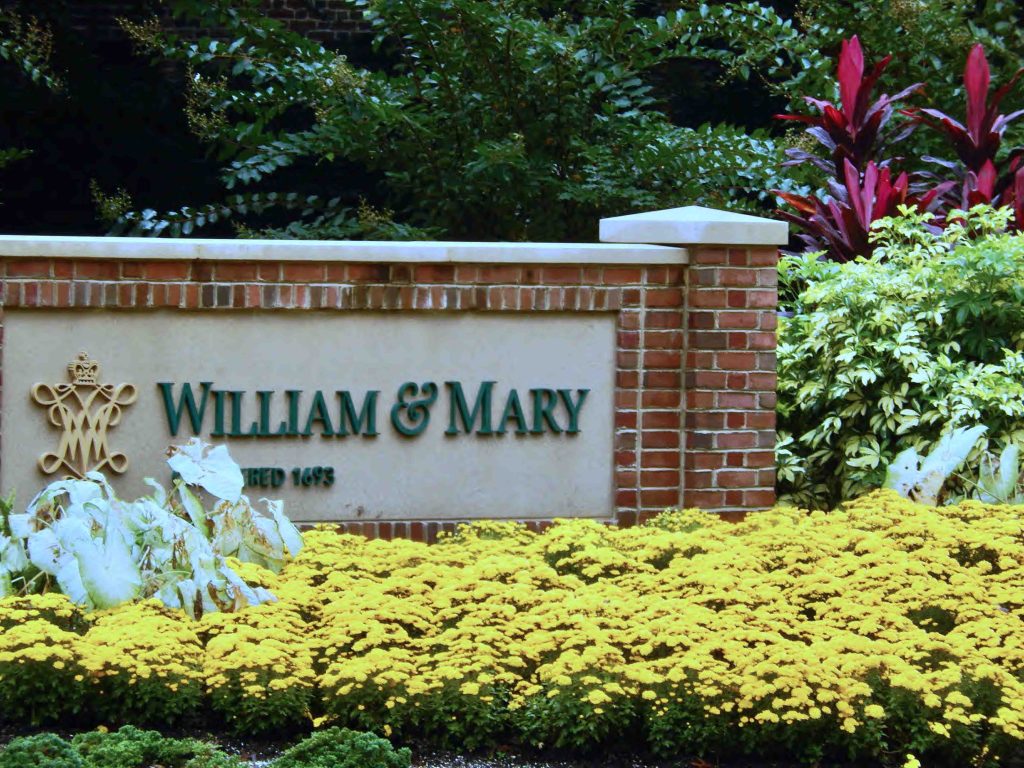
Colonial Williamsburg is also intertwined with America’s second oldest college, William & Mary, which has its campus attached to the west side of the historic district. A newer commercial area that includes a number of upscale shops and a campus book store and coffee shop that connects the two properties.



Jamestown Colony, Virginia

The United States of America owes much of what it is today to a strip of land between the James and York Rivers as they flow into the Chesapeake Bay in Virginia. This strip of land is where the first successful English colony was established in America, was one of the locations where the political foundations of the American Revolution were laid and where the final battle for independence was fought and won.
In 1607 three English ships, the Susan Constant, Godspeed, and Discovery, sailed into the Chesapeake Bay and 104 settlers set out to establish an English settlement in North America. They named it Jamestown. Many of those first settlers died of disease and from Indian attacks but new arriving ships brought more settlers and by 1610 the colony was firmly established. An extended peace was established after the marriage of colonist John Rolfe to Pocahontas, the daughter of Powhatan the regional native chief. During the 1620s, Jamestown expanded from the area near the original fort into a small town. It remained the capital of the Virginia colony until 1699 when the capital was moved eight miles northwest to the larger settlement town of Williamsburg.

Thus began the successful English colonization of North America. Within less than another one hundred years, on that same strip of land General George Washington of the Continental Army would defeat the English army under the command of Lieutenant General Charles Cornwallis. That victory established the security of America as a new nation.
Visiting this area of Virginia is as near as you can get to traveling back in time to explore the beginnings of our nation.
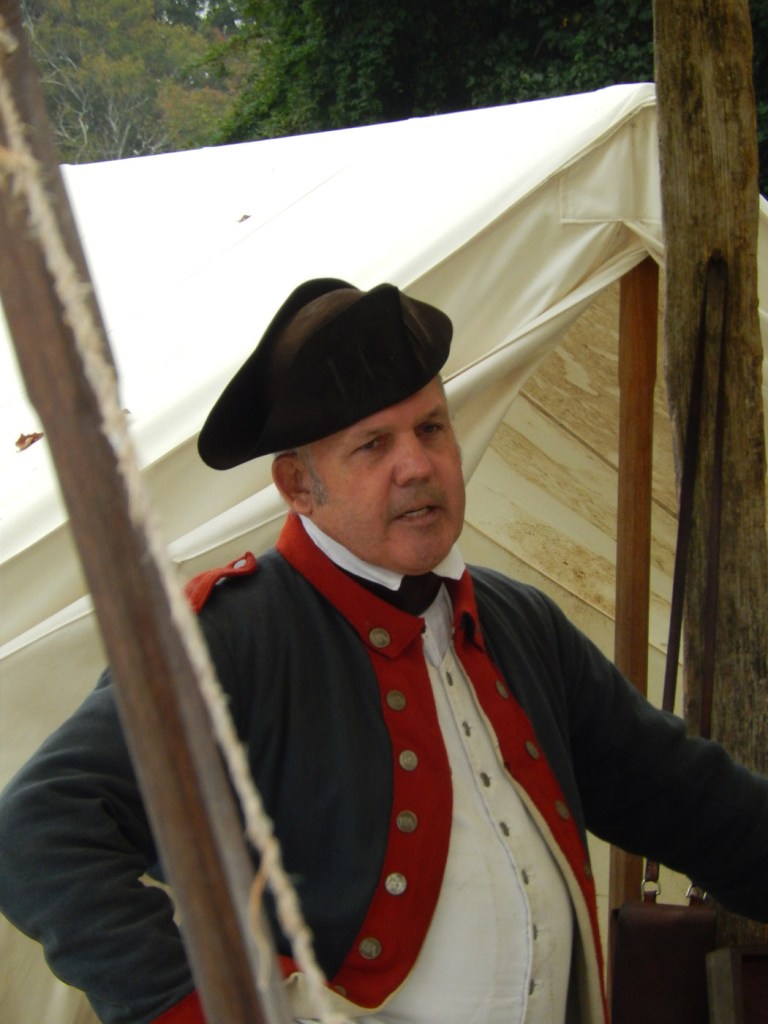
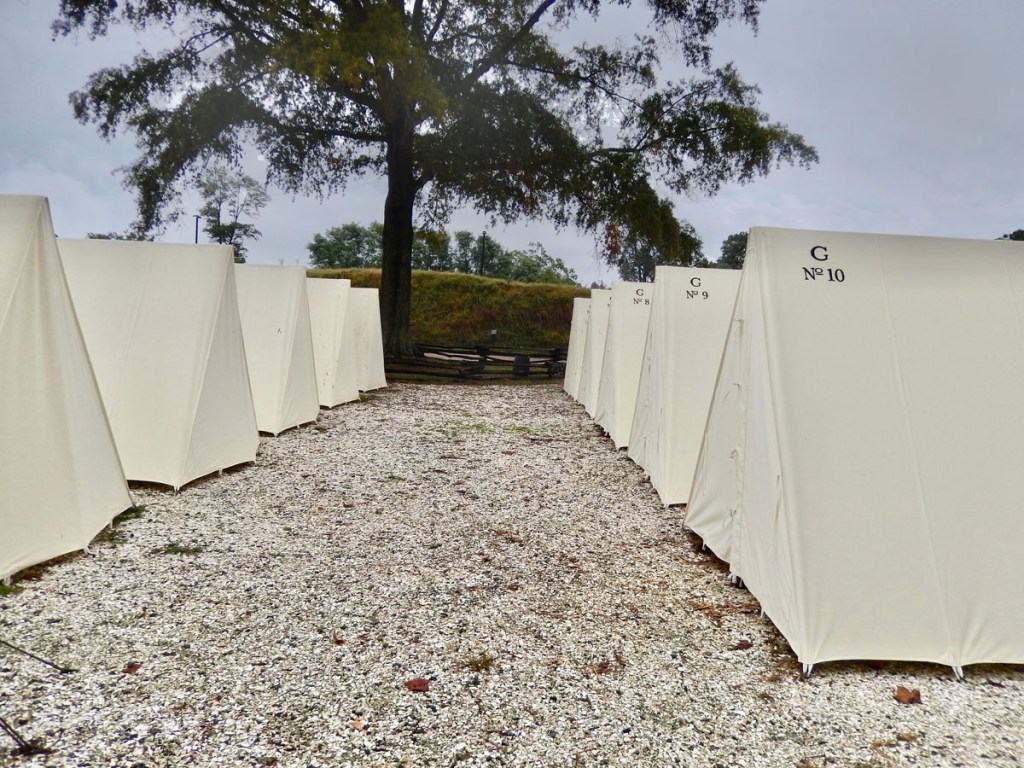
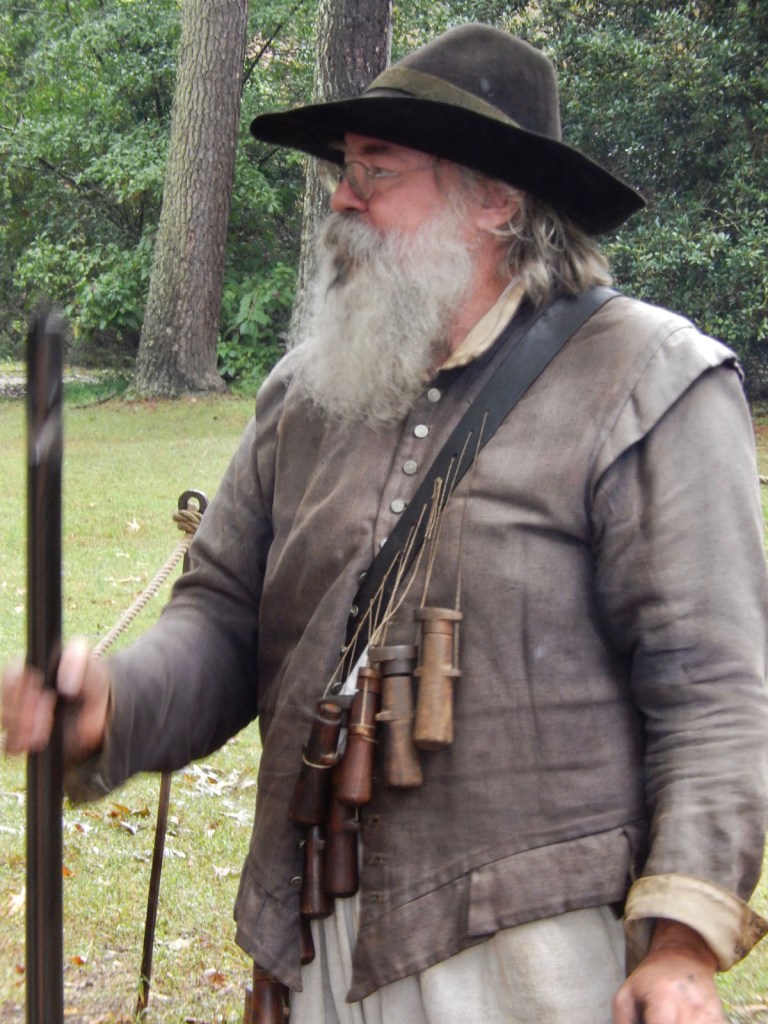
The Yorktown area features the Yorktown Battlefield National Park along with a truly impressive American Revolution Museum. On the property of the museum stands a reconstruction of a 1780’s period farm as it would have looked at the time of the battle along with a Continental Army encampment featuring live demonstrations.
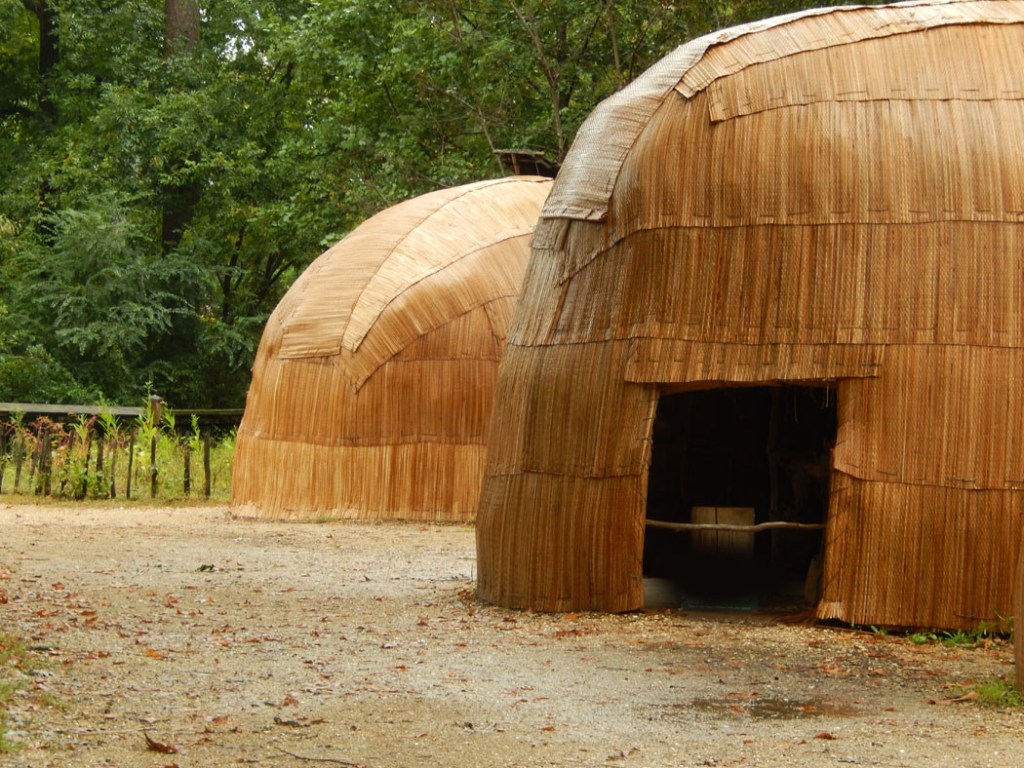
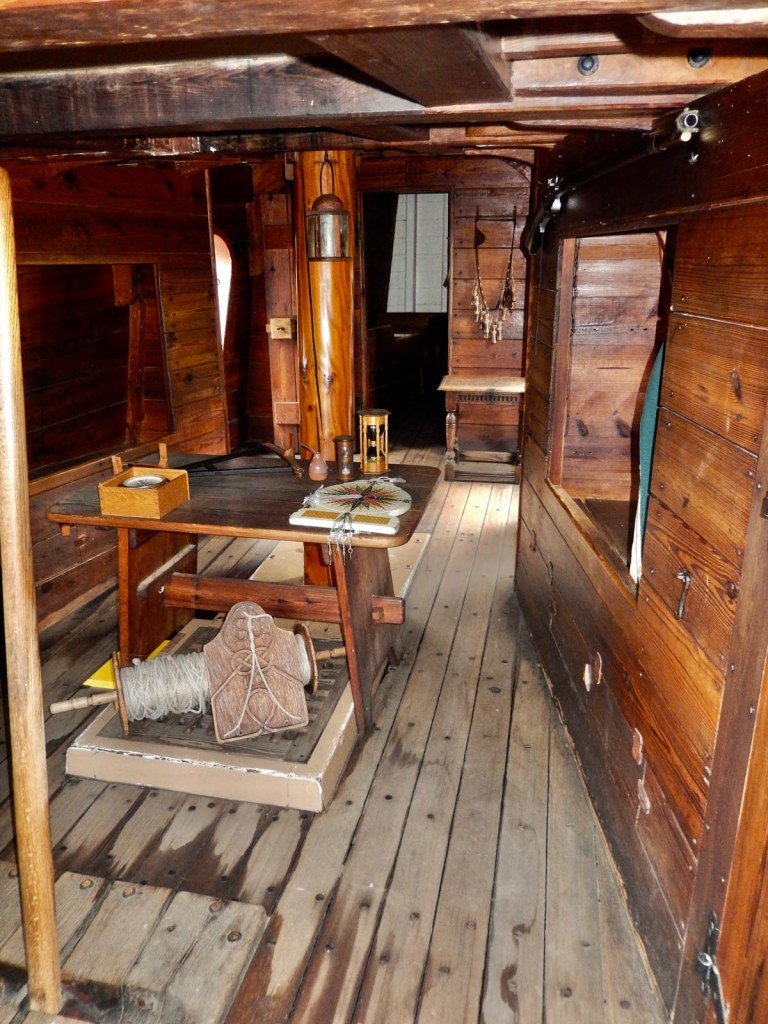
Not far from Yorktown is the Jamestown Settlement historic site. It features a demonstration Powhatan tribal village developed from actual drawings of the historic period. An informative museum dedicated to the history surrounding the Jamestown settlement and the people that made it possible, along with a replica of the original Fort James. Tied up on the river next to the fort are reproductions of the boats Susan Constant, Godspeed, and Discovery that carried the first settlers to this new world. Also nearby is the archaeological site owned and managed through a private/public partnership between Preservation Virginia and the National Park Service to excavate and explore the actual site of the original fortified town.

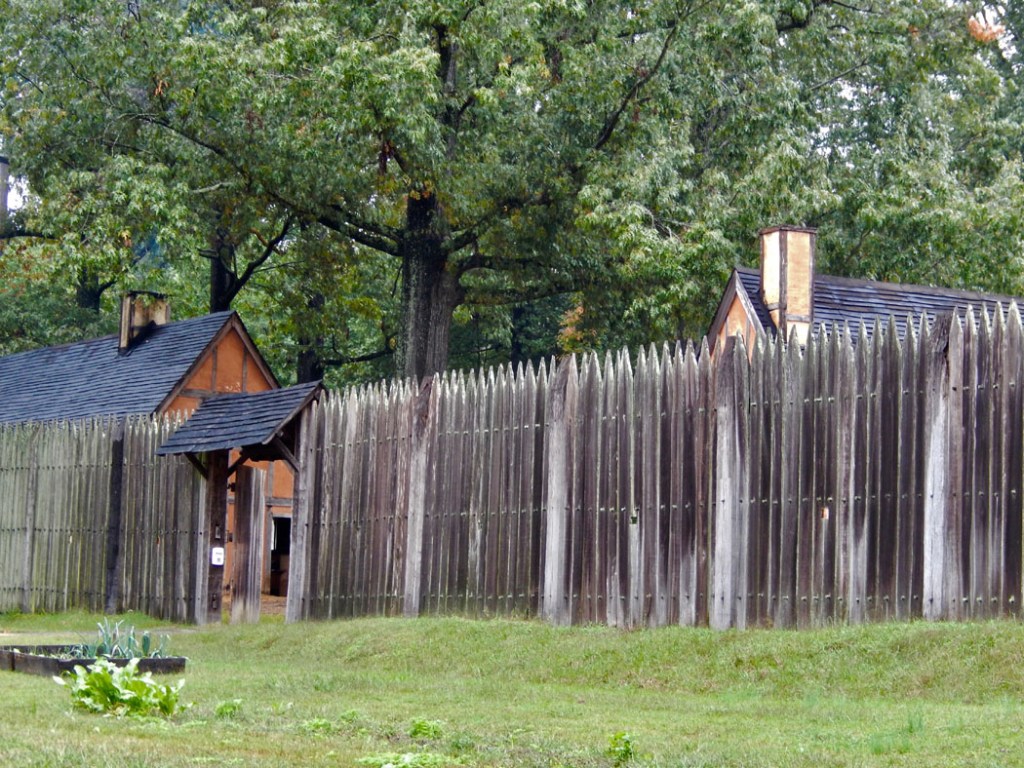


If you really want to see where this nation was born come and visit Tidewater Virginia.
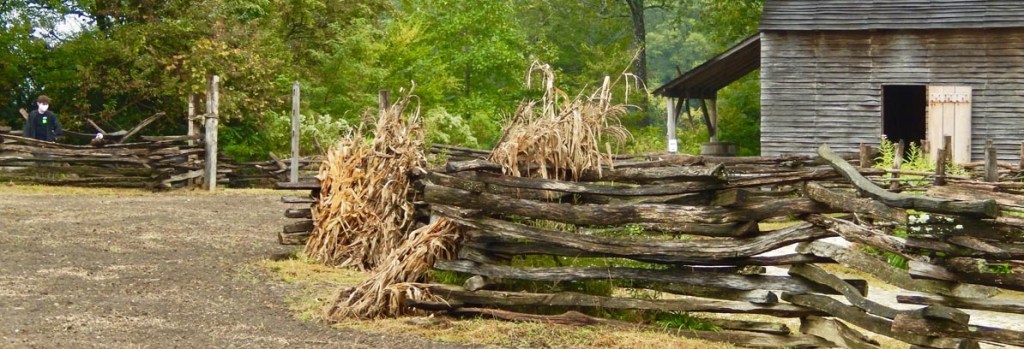
The Yorktown Battlefield National Park


The Yorktown Battlefield Park is a National Park where the last major battle of the American Revolutionary War took place. The Battle of Yorktown was a crucial battle fought during the American Revolutionary War. It marked the final major battle of the war and ultimately led to the surrender of British forces. The battle lasted for approximately three weeks, from September 28th to October 19th, 1781. The Yorktown Battlefield Park in Virginia marks the location of this historic battle and is an important site for understanding the significance of the American Revolution.

In the Yorktown Battlefield Park is the Surrender Field that marks the spot where British General Charles Cornwallis surrendered his army to General George Washington on October 19, 1781, effectively ending the Revolutionary War. In the field surrender monument and a recreated version of the field as it would have looked during the battle.
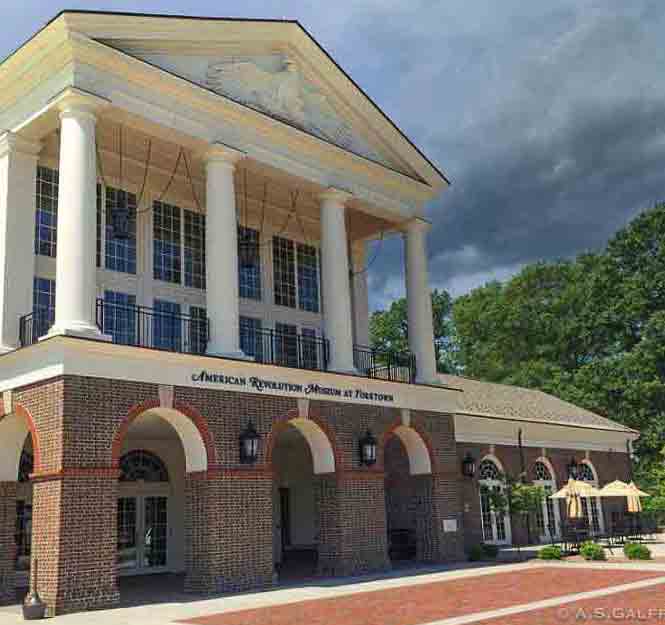
Also located near the park is The Revolutionary War Museum featuring exhibits and artifacts from the American Revolutionary War. Visitors can explore the galleries and learn about the war’s causes, major battles, and key figures. Some of the museum’s highlights include George Washington’s field tent, a reproduction of a Continental Army soldier’s campsite, and a multimedia theater experience.
 The Intentional Travelers