

As a cruise port of call, Dover England is an interesting stop worth a day visit. The towns main attraction being the White Cliffs Of Dover that dominate the landscape. They are indeed white and feature steep slopes terminating at the water and can be seen for miles. The height of the White Cliffs of Dover varies along the coastline, and reach up to 350 feet at their highest point. The cliffs are made of white chalk and stretch for about 10 miles along the English Channel in both directions from the harbor. They are the iconic symbol of Britain’s coastline and have been featured in songs, poems, and a number of movies.
Dover itself is a historic town and major ferry port that has a rich history dating back to Roman times and has played a significant role in many major events in British history, including the Norman Conquest, the English Civil War, and World War II.
Where Your Ship Docks
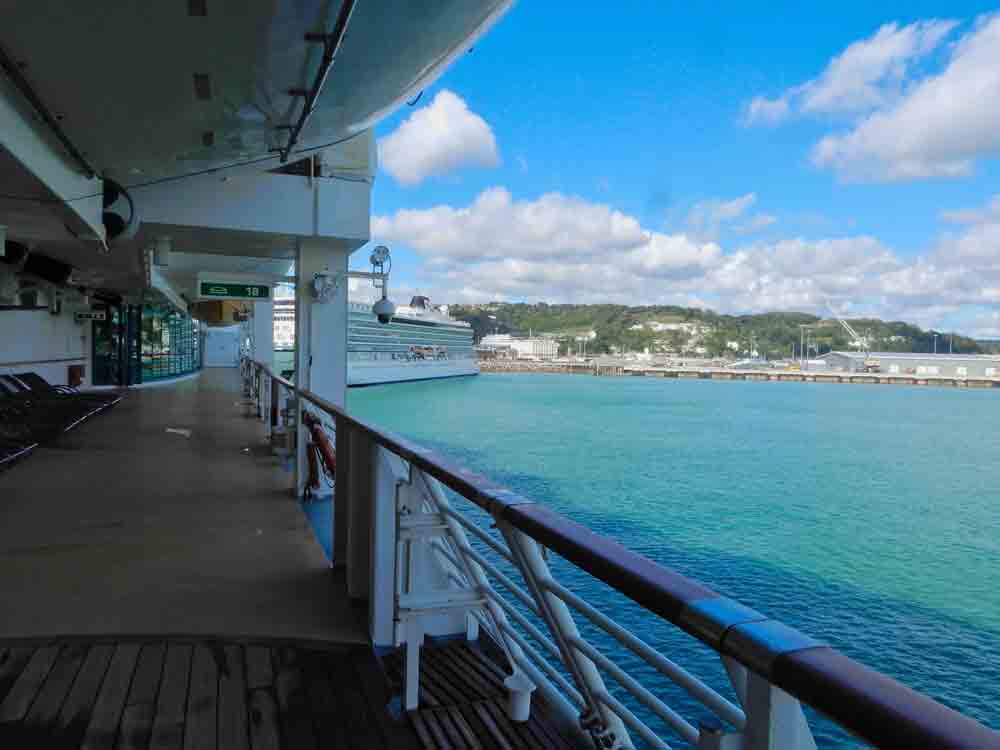
The cruise ships tie up out on the sea wall and the walk into town is actually shorter than it looks thanks to a pedestrian tunnel. Shuttle bus service is available for a few Pounds and usually offers two stops; one in downtown and the other at the castle with a return to the ship included in the fare.
Wheelchair Accessibility

Disembarking – This port has a developed cruise ship pier but the ease of disembarking varies by the individual ships gangway designs. The pier is part of the ports breakwater and disembarks about a mile from downtown. For passengers using wheelchairs there can be a moderate ramp incline to deal with.
Port City Characteristics – This port has an average wheelchair infrastructure typical of English cities. The downtown area has few inclines in sidewalks. Intersection crosswalks may, in places, have curbs or other wheelchair obstacles.
Transportation
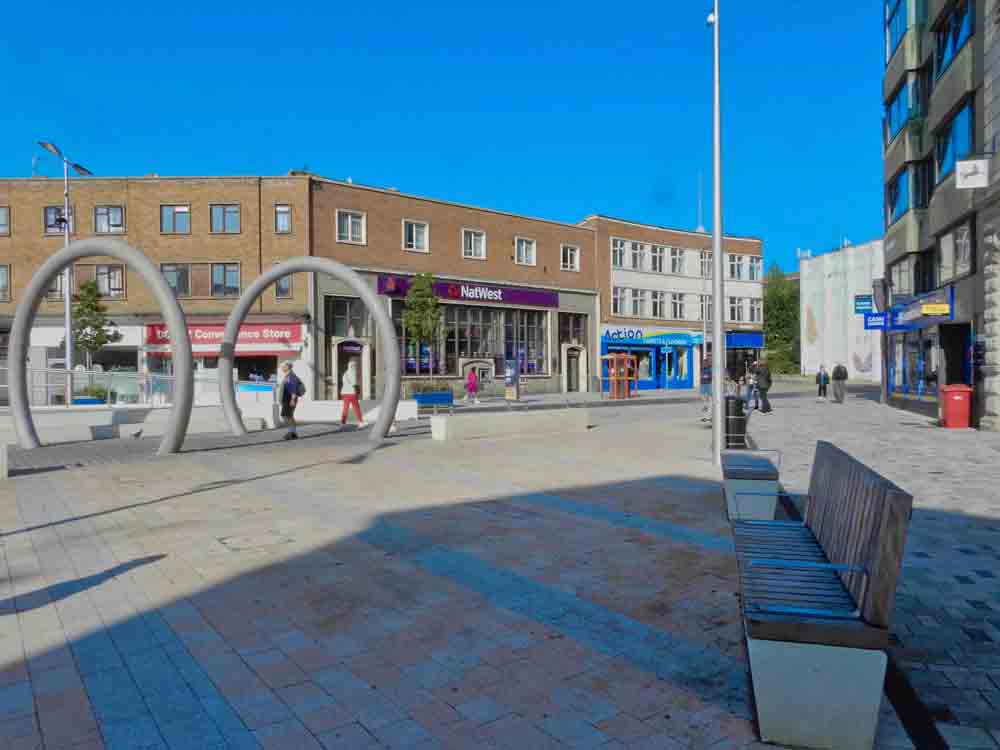
Other than the cruise shuttle there is little need for taxis or buses to get around downtown. Rental cars are available at moderate rates. There are several bus services available in Dover with Stagecoach being the most popular. For Stagecoach East Kent the cost of riding a bus in Dover can vary depending on the distance and the type of ticket you purchase. Single tickets for adults typically range from £1.50 to £3.50, while day passes and weekly passes are also available.
Attractions

Some of the top attractions to see in Dover, England are the Dover Castle, White Cliffs of Dover, Dover Museum*, South Foreland Lighthouse, and Samphire Hoe.
Dover Castle is a medieval castle with construction that began in the 11th century, shortly after the Norman Conquest of England in 1066. The exact date of the start of construction is not known, but it is believed to have been around 1066 or soon after. Over the centuries, the castle was expanded and modified several times to adapt to changing military needs. Today, it is one of the largest castles in England. The admission fees for Dover Castle generally ranges from £20 to £25 for adults and £12 to £15 for children.
Not to be missed is the Dover Museum which is home to the worlds oldes open water vessel and admission is free.

The National Trust offers guided walks along the cliffs, providing visitors with information about the history, geology, and wildlife of the area. Additionally, there are several private tour companies that offer guided tours of the White Cliffs of Dover**. These tours typically include transportation to and from the cliffs, as well as a knowledgeable guide who can provide insight into the area’s history and significance.

*More on the remarkable Dover Museum HERE.
The cliffs are composed of chalk a soft, white, porous sedimentary rock made primarily of calcium carbonate. It is formed from the accumulation of microscopic marine organisms called coccolithophores. These organisms have hard shells made of calcium carbonate, and when they die, their shells sink to the ocean floor. Over millions of years, the accumulated shells compact and harden into chalk. Chalk is commonly found in areas that were once covered by ancient seas, such as parts of England.
 The Intentional Travelers