
International Travel And Using ATMs
Some time ago traveling internationally meant getting foreign currency from your bank or going to a money exchange at your destination (never use the ones at the airport). Today things have changed a lot, credit cards are accepted everywhere and ATMs are common internationally.
Money Preferences
Credit Cards – Often the first choice when traveling is to use a credit card. They’re accepted almost everywhere and most credit cards have the advantage of fraud protection. One thing to get in the habit of doing is when using a credit card overseas always leave the transaction in local currency to avoid high transaction fees.
Money Exchanges – Most advice today suggests using ATMs over money exchanges and in most situations that’s good advice. There are, however, times when exchanges are a better choice. Often if the amount is small a money exchange is less expensive than an ATM. Also money exchanges now know that they are in competition with the banks and ATMs and are adjusting accordingly. If there is a convenient exchange nearby it doesn’t hurt to check the rates and the transaction is actually clear and fast with no worries about additional charges against your card.
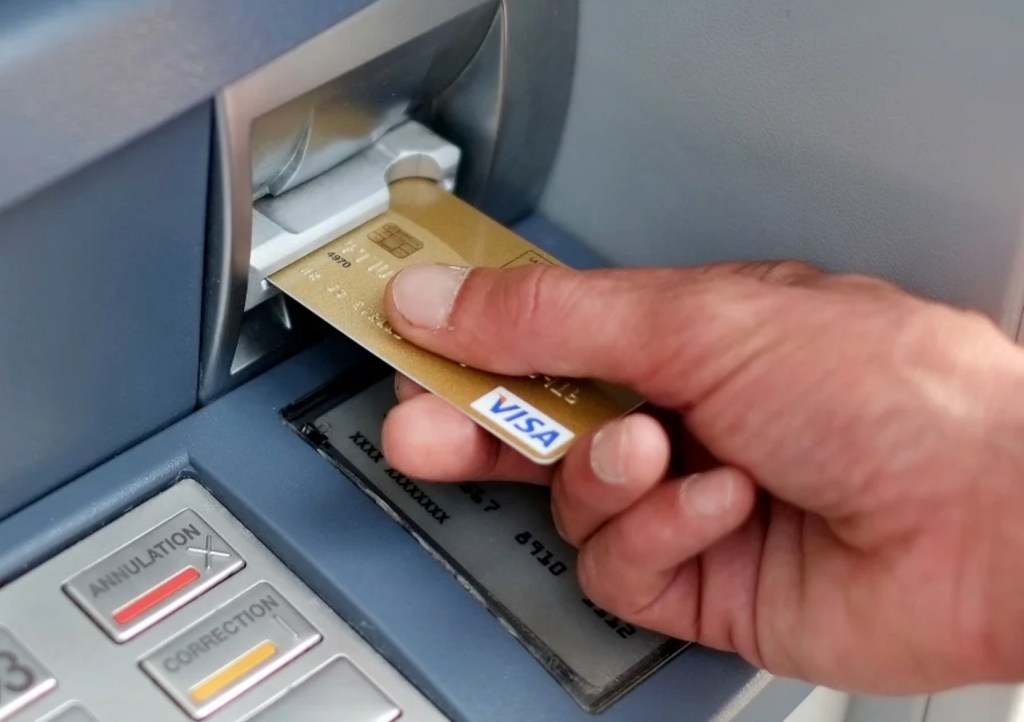
International ATMs – They’re everywhere and usually easy to use, but when it comes to international ATM machines, there are a number of them that are famous for high fees and poor exchange rates. Several options to look for that are considered to be reliable, fair and widely available ATM machines include:
Visa ATMs: Visa is one of the most widely accepted payment networks in the world, and their ATMs can be found in many countries. You can use your Visa debit or credit card to withdraw cash from these ATMs.

Mastercard ATMs: Similar to Visa, Mastercard is also a widely accepted payment network, and their ATMs can be found in many countries. You can use your Mastercard debit or credit card to withdraw cash from these ATMs with small or no fees.
Citibank ATMs: Citibank has a large network of ATMs around the world, and they offer fee-free withdrawals for Citibank customers.
HSBC ATMs: HSBC also has a large network of ATMs around the world, and they offer fee-free withdrawals for HSBC customers.
Barclays ATMs: Barclays has a large network of ATMs in the UK and around the world, and they offer fee-free withdrawals for Barclays customers.
It’s important to note that while these ATM machines are considered to be some of the best for international travel, you may still encounter fees for using them, especially if you are using a card from a different bank or financial institution. It’s always a good idea to check with your bank or credit card provider before traveling to see what fees might apply.
Kiplinger’s Personal Finance choice for best bank for frequent international travelers is Charles Schwab, followed by Capital One 360.
With the Schwab High Yield Investor Checking account, you won’t pay any fees on your checking account at all. That means no ATM fees when you use an ATM in another country, and no foreign currency conversion fee if you withdraw funds in another currency. However if you use an ATM outside their preferred network, the ATM operator may charge an additional fee.
Capital One 360 Checking Account for a debit card for international travel. Capital One doesn’t charge a foreign transaction fee on transactions made in other currencies, which means you can use your debit card for purchases without paying for the currency conversion. Also if you can locate a Capital One or Allpoint ATM while you’re traveling, you won’t pay an ATM fee on cash withdrawals either.
There are several international ATM machine companies and networks that charge high fees. Things to watch out for in Europe include:

Non-bank and independent networks: If you are using an ATM machine that is owned by a non-European bank or independent network, you will probably be charged higher fees for withdrawals and poor currency conversion rates. Avoid ATMs, such as Travelex, Euronet, Moneybox, Your Cash, Cardpoint, and Cashzone. They are famous for those high fees so pay attention to what service/network is operating the ATMs. Often they try to position theirs very near to bank ATMs hoping that travelers will not notice. Their machines are also famous for signs that claim “Free Cash Withdrawals” — it’s a lie but international travelers often will have no place to complain later.
Dynamic Currency Conversion (DCC): Some ATM machines offer DCC, which allows you to withdraw money in your home currency instead of the local currency. However, this service usually comes with very high fees and unfavorable exchange rates.
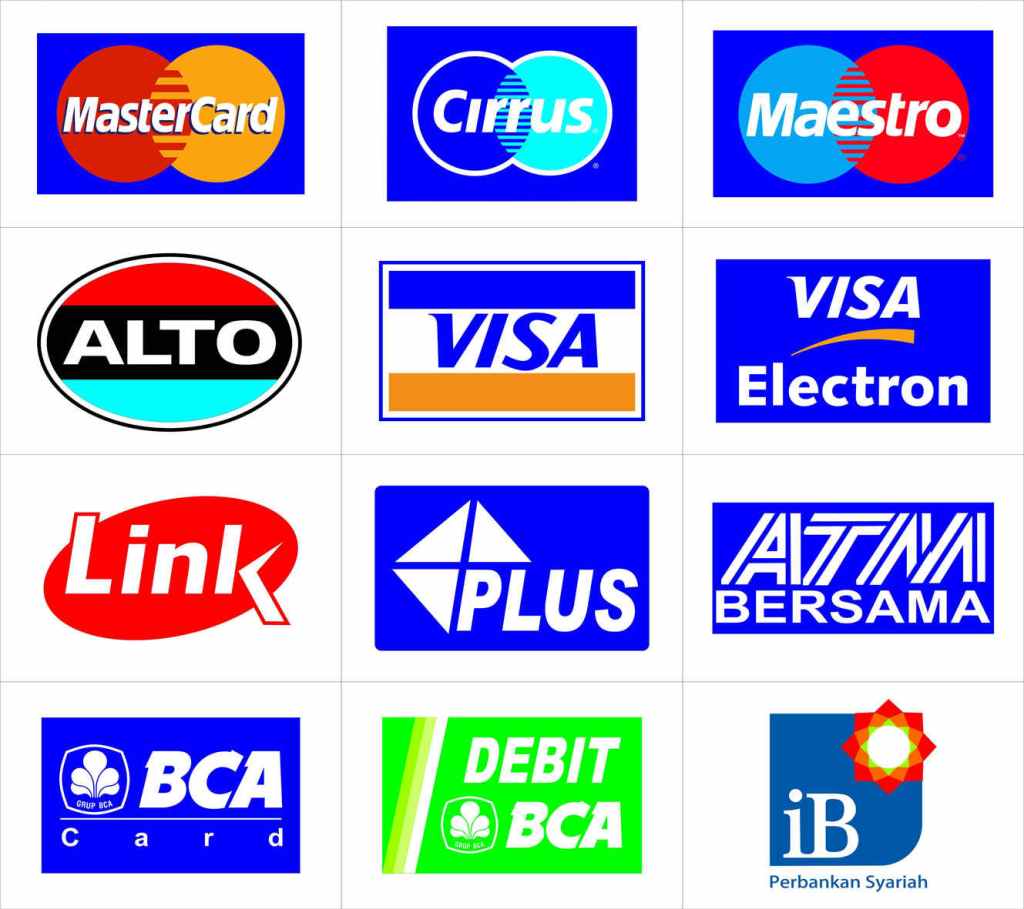
To avoid high fees when using ATM machines in Europe, it is recommended to use ATMs owned by major networks such as Visa, Mastercard, or Cirrus. Additionally, it is important to check with your bank about any international transaction fees or foreign exchange fees that may apply using your card overseas.
Also beware of ATMs as well as merchants that offer to convert your amount to US dollars. Often the conversion rate is much worse than your banks and may include transaction fees. Leave those transactions in local currency and let your bank make the calculation.
Using a debit card over a credit card can be beneficial, because it’s linked to your bank account. When you swipe, the funds are taken out of your checking account with no chance of getting charged interest. That means you won’t have to worry about repaying a credit card balance. On the down side most credit cards today offer protection from fraud transactions while many bank debit cards do not. These transactions are most vulnerable when you use your debit card to directly pay for a purchase while traveling or on the internet.
 The Intentional Travelers