
Actually it’s The Jones Act, 46 U.S.C. § 55102 and The Passenger Vessel Services Act, 46 U.S.C. § 55103.
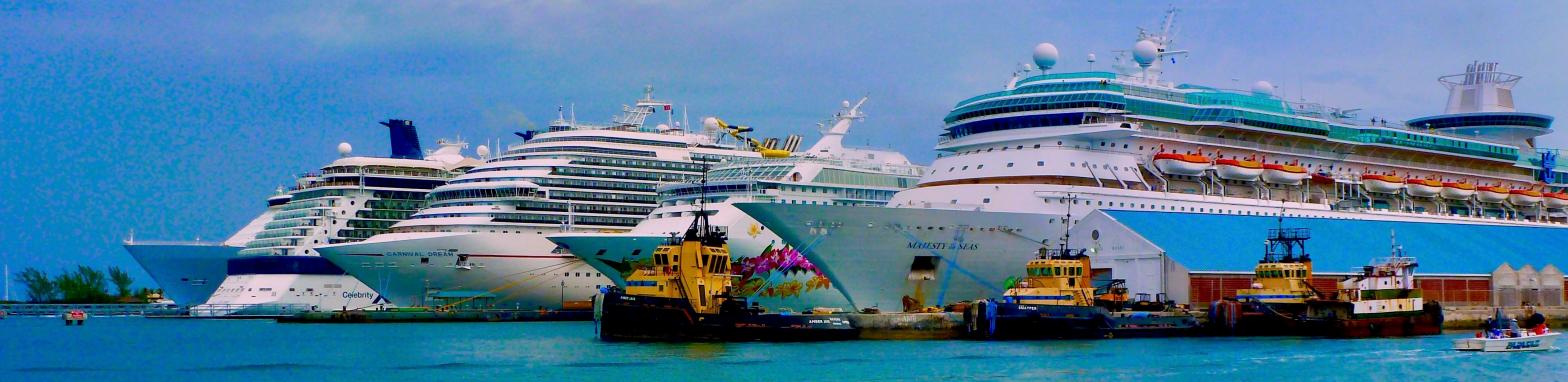
Ever tried to book back-to-back cruises and the cruise company says you can’t book it because it invokes the Jones Act? The problem is that literally all cruise ships* cannot allow you to embark on a ship in an American port and later allow you to disembark in another American port. If they do there are heavy fines involved per person.
For cruise ships it actually isn’t the Jones Act but is actually The Passenger Vessel Services Act, that applies, but The Jones Act is just easier to say. The Jones Act and The Passenger Vessel Services Act are 100-year-old regulatory relics instituted during the Wilson administration to protect America’s maritime industry. The short description says that you cannot transport cargo or passengers between two American ports unless you use ships built in American shipyards, flagged as an American ship and crewed by U.S. citizens. The problem for the cruise industry is America doesn’t build cruise ships any more, it is expensive to flag ships in the U.S. and even more difficult to staff ships with U.S. citizens.
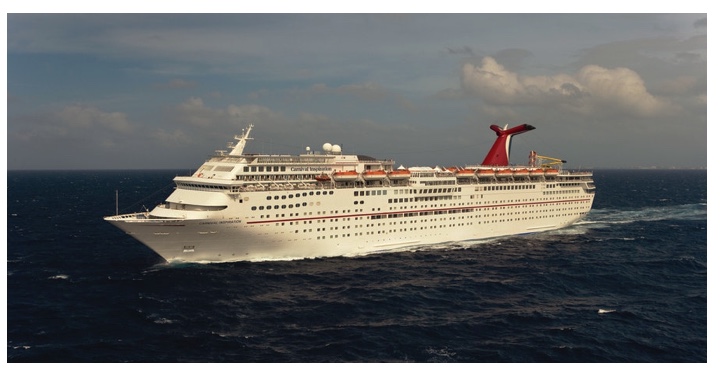
While it is a nuisance for the cruise industry it is a disaster for American business and our economy. As of 2016 there are less than one hundred tankers in the world that meet the Jones Act requirements. Because of this it is cheaper to ship U.S. oil to Europe from Texas than to refineries in New Jersey. What that means is our oil companies import more expensive oil while at the same time we export our oil. While complicated the Jones Act is one of the things standing in the way of our energy distribution. One example is that several times more oil moves throughout the United States by train than more energy efficient tankers.

One of the more insane things that happened as a result of the Jones Act occurred during the BP oil spill in the Gulf of Mexico. Norway dispatched three specialized ocean oil clean-up ships to help with the disaster. But when they reached the Gulf of Mexico the Obama Administration wouldn’t allow them to help because they would be violating the Jones Act, so the ships returned to Norway. Later the Trump administration actually temporarily suspended the Jones Act twice. Once to help move oil out of Texas after major hurricanes and to speed up aid to Puerto Rico after the devastating hurricane.
Currently Alaska has encountered a serious problem in trying to replace an aging fleet of ferries. The Alaska Marine Highway System, which operates these ferries in Alaska, is subject to the Jones Act. This means that all ferries carrying passengers or cargo between Alaskan ports must comply with the Jones Act requirements. The problem is that no current shipyards build ferries and if they order them from foriegn yards they will not be permitted to carry passengers between Alaska cities.
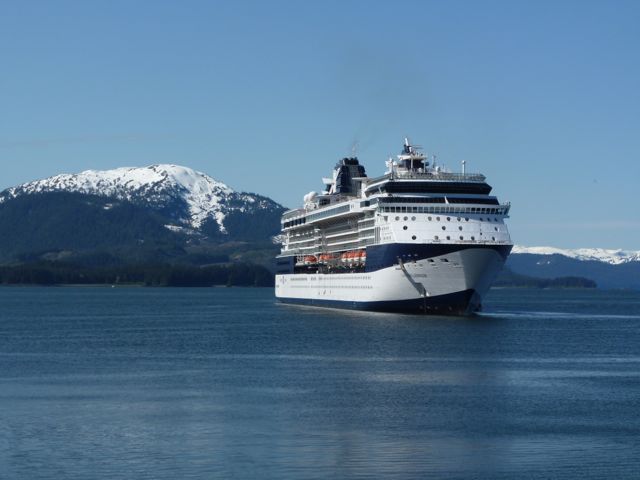
There have also been a number of locations where the cruise industry has wanted to serve the American traveler by embarking in one port and disembarking in another. Hawaii is one of those locations, with inter-island cruises as well as cruises originating on the West Coast. New England cruises and Alaska are two other cruise destinations that would benefit by not having the complications of the Jones Act. In the case of Alaska there are a number of popular week-long itineraries that go one way, but because of the Jones Act they depart out of Vancouver instead of the U.S. port of Seattle. Recently we wanted to take the last Alaska cruise of the year from Seattle and stay on for a cruise from Vancouver to Hawaii, but because we would embark in Seattle and disembark in Honolulu the Jones Act prevented it.
If you are a cruise fan maybe it’s time you suggest to your congressman that the Jones Act has outlived its usefulness. Even if cruising isn’t your thing you should still consider contacting your congressman. The Jones Act costs you money at the gas pump by adding one or two billion dollars to fuel transportation costs each year and also prevents economical use of LNG in Hawaii, Puerto Rico, the Virgin Islands and Guam. Puerto Rico is the most negatively impacted by a number of elements in the act. There are still a number lobbies that fight to keep the Jones Act from being repealed and that includes labor unions, like the long shoremen and law firms that work in maritime cases. It has been suggested a number of times that the act could be eliminated for our island territories at least and new laws could be passed designed to cover American labor impacted by the health issues involved. Unfortunately even though there are very few union jobs being protected by the act it seems that special interests still take priority in Congress over the interests of an uninformed public.

*There has only been one cruise ship built in an American shipyard in the past thirty years. It was the NCL Pride of America built in 2005 and is the only US-flagged cruise ship in the world. It was built to allow it to cruise the Hawaiian Islands.
 The Intentional Travelers