
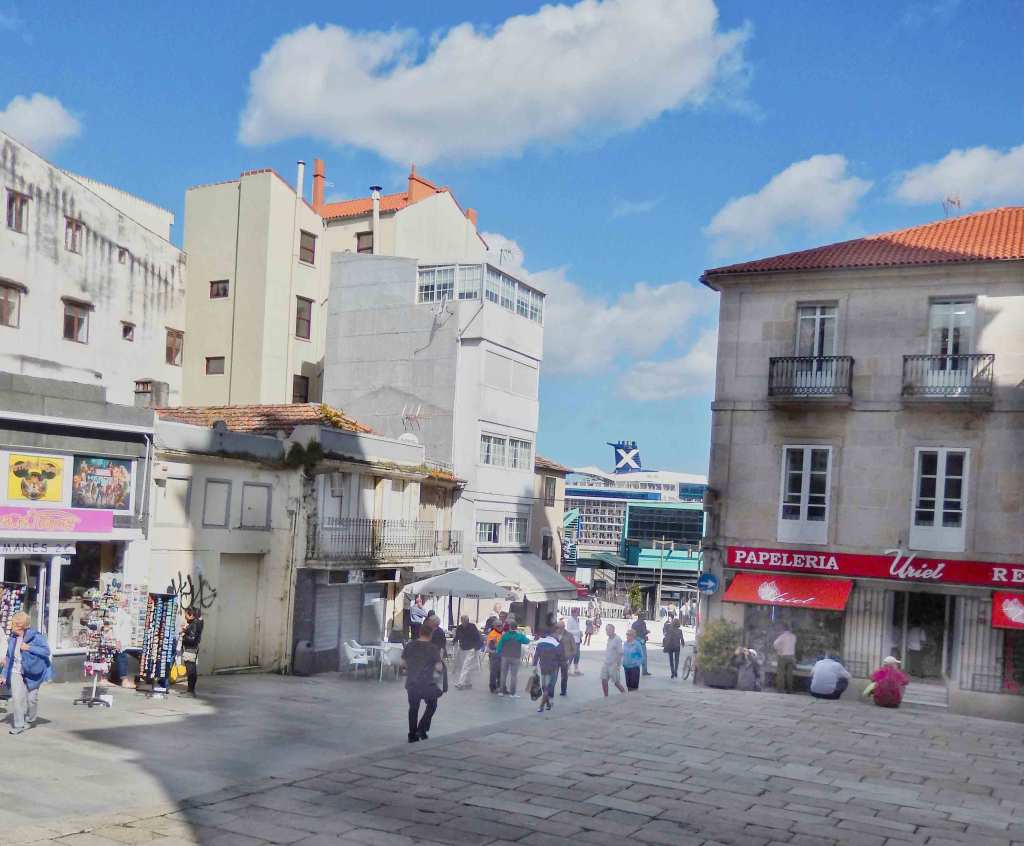
Vigo, is a port city located in the northwestern region of Spain, in Galicia. Its history dates back to ancient times, with evidence of human settlements in the area since the Paleolithic era. The first known settlers in the Vigo area were Celtic tribes, who established a settlement called “Vicus” around the 3rd century BC. The Romans later conquered the region and incorporated it into the Roman Empire. During the Middle Ages, Vigo was frequently attacked by Vikings and other imauraders. The town suffered from raids and pillaging until the 10th century when the region joined the Kingdom of Galicia.

In the 16th and 17th centuries, Vigo became an important port for maritime trade, especially with America. The city’s economy grew, and it became one of the main commercial hubs in Galicia. During that period Vigo was at times pillaged by pirates and the surrounding bay area often became a pirate refuge.
In recent times, Vigo has become a major fishing port and a center for Europe’s automotive industry. It is also known for its beautiful beaches and a vibrant cultural scene.
Where Your Ship Docks
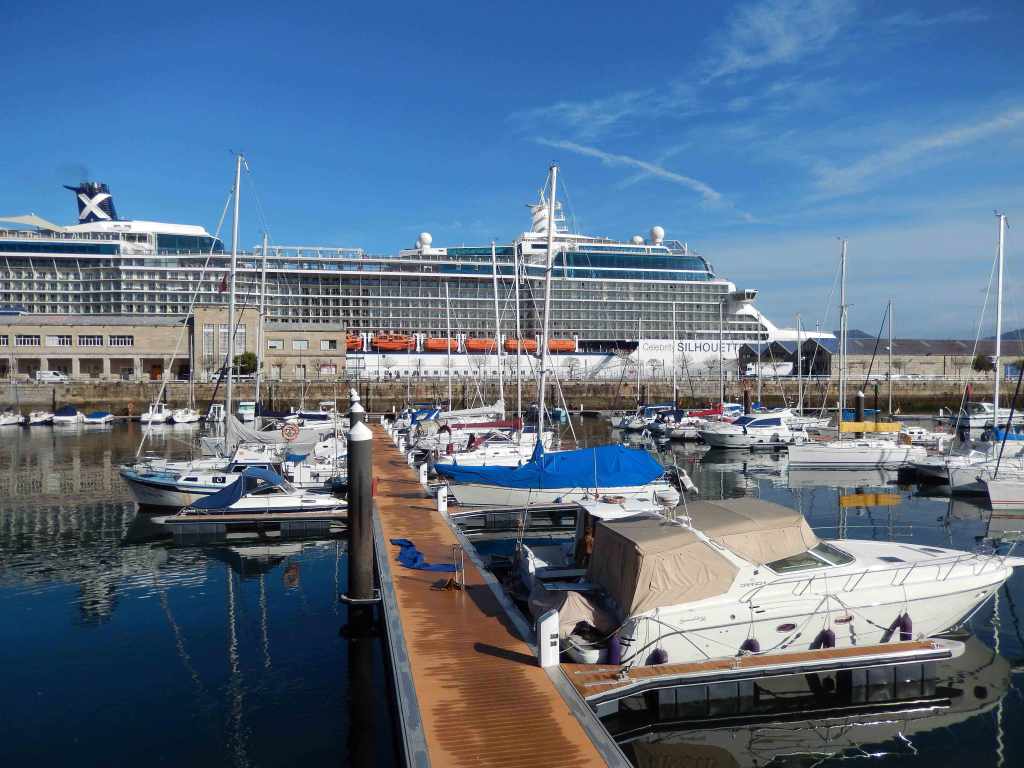
Vigo boasts a modern cruise ship dock and terminal with convenient facilities located very near the historic district.
Wheelchair Accessibility
Disembarking – This port provides a modern cruise terminal with built-in provisions for passengers using wheelchairs like ramps and elevators.
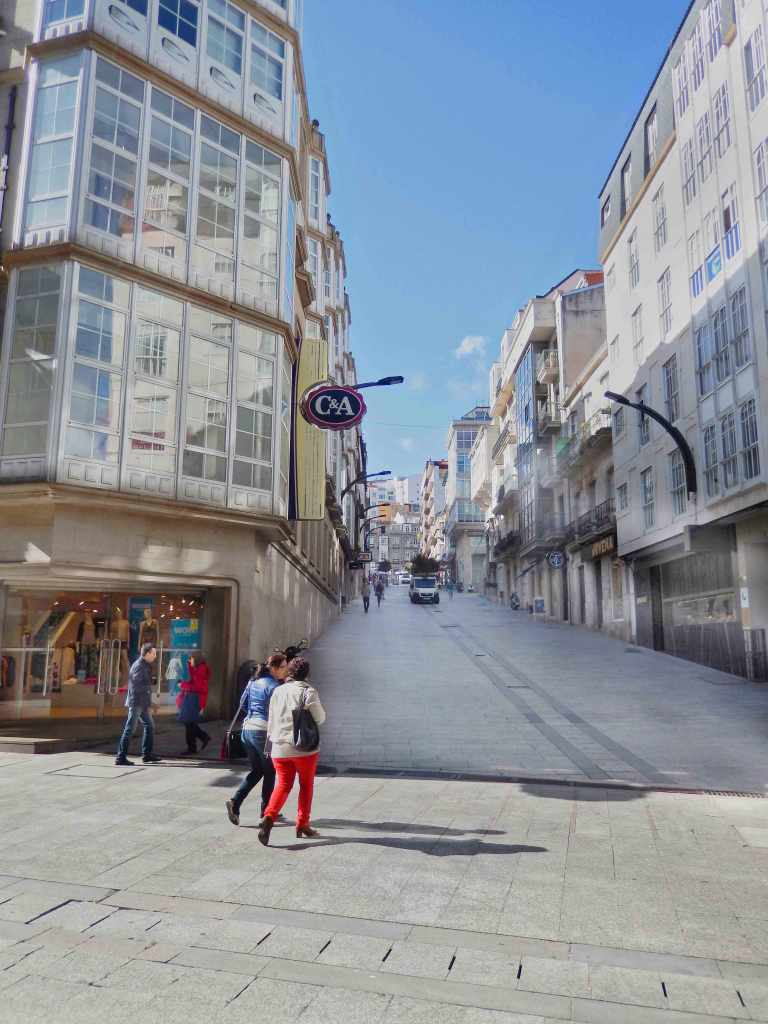
The Port City Characteristics – This port has an average wheelchair infrastructure typical of large cities. Near the port the area it is mostly level with good in sidewalks. Some areas may have pavers and intersection crosswalks may have curbs or other wheelchair obstacles.
Transportation
Vigo has a well-developed public transportation system that consists mainly of buses and taxis. The bus system is operated by Vitrasa and is modern, clean, and comfortable, and they run frequently throughout the day. There are also several taxi companies in Vigo that provide reliable and affordable transportation services.
Tourist Bus Pass
The city also offers a tourist bus pass. It is called the “Vigo Tourist Bus” and it allows you to hop on and off at various stops throughout the city. The pass is valid for 24 hours and costs around 12 euros. It is a great way to see the city’s main attractions and landmarks. You can purchase the pass at a Vigo Tourism Office or online.
Currency
Spain uses the Euro, most credit cards are welcome and ATMs are readily available.
Attractions
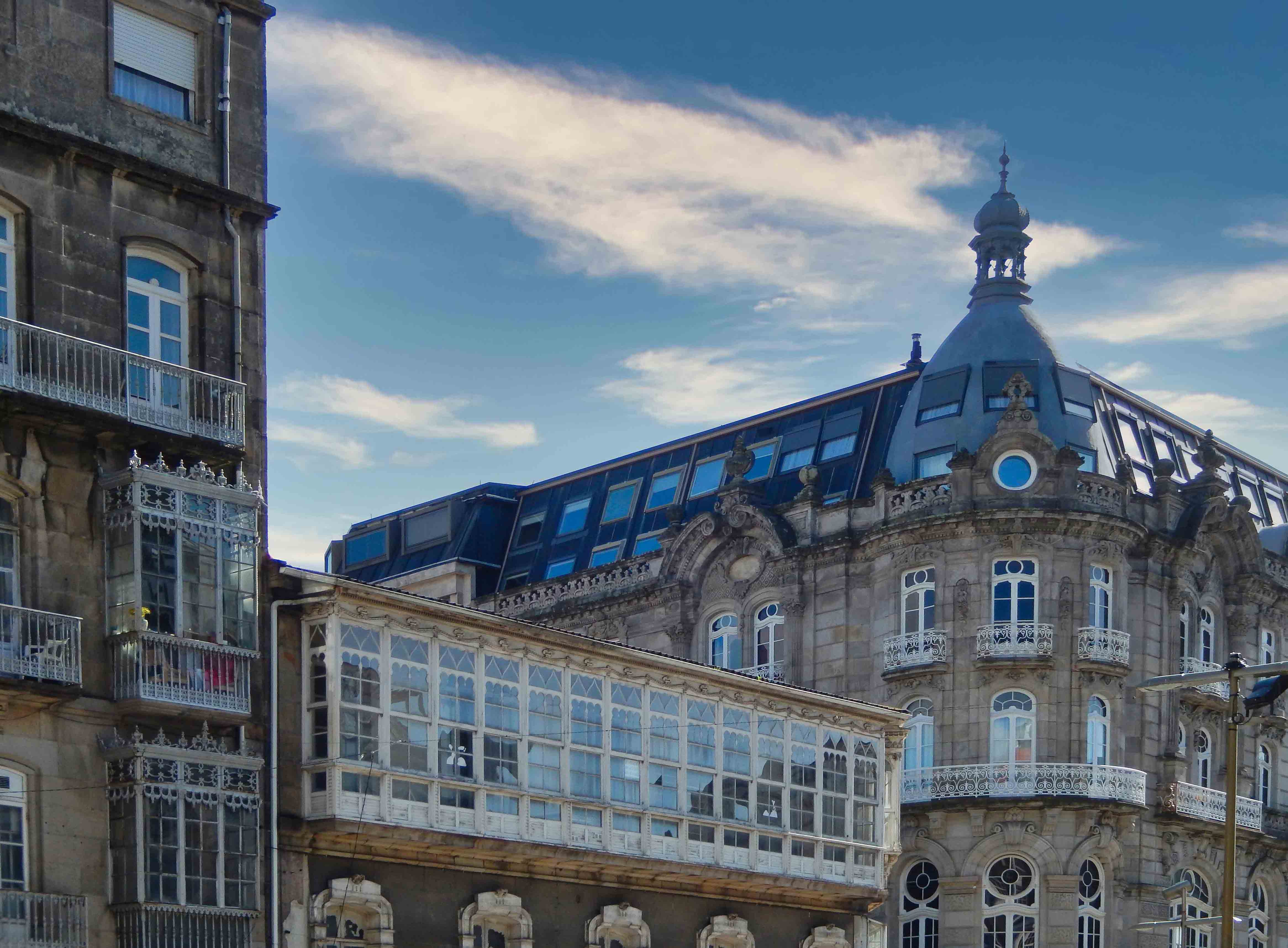



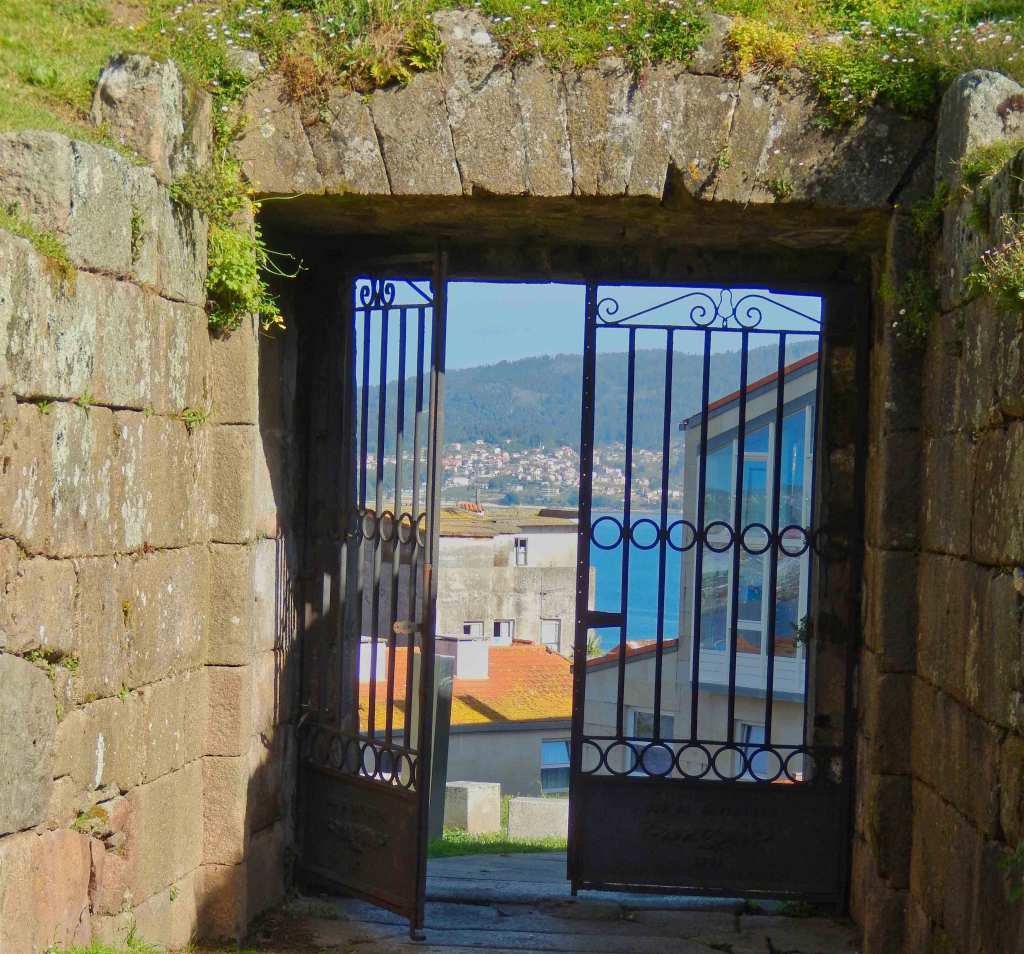
Things to do in Vigo, Spain:
Exploring the Old Town (Casco Vello): Take the time to stroll through the narrow streets of the historic quarter, visit the Santa Maria Collegiate Church, and enjoy the city’s charming atmosphere.
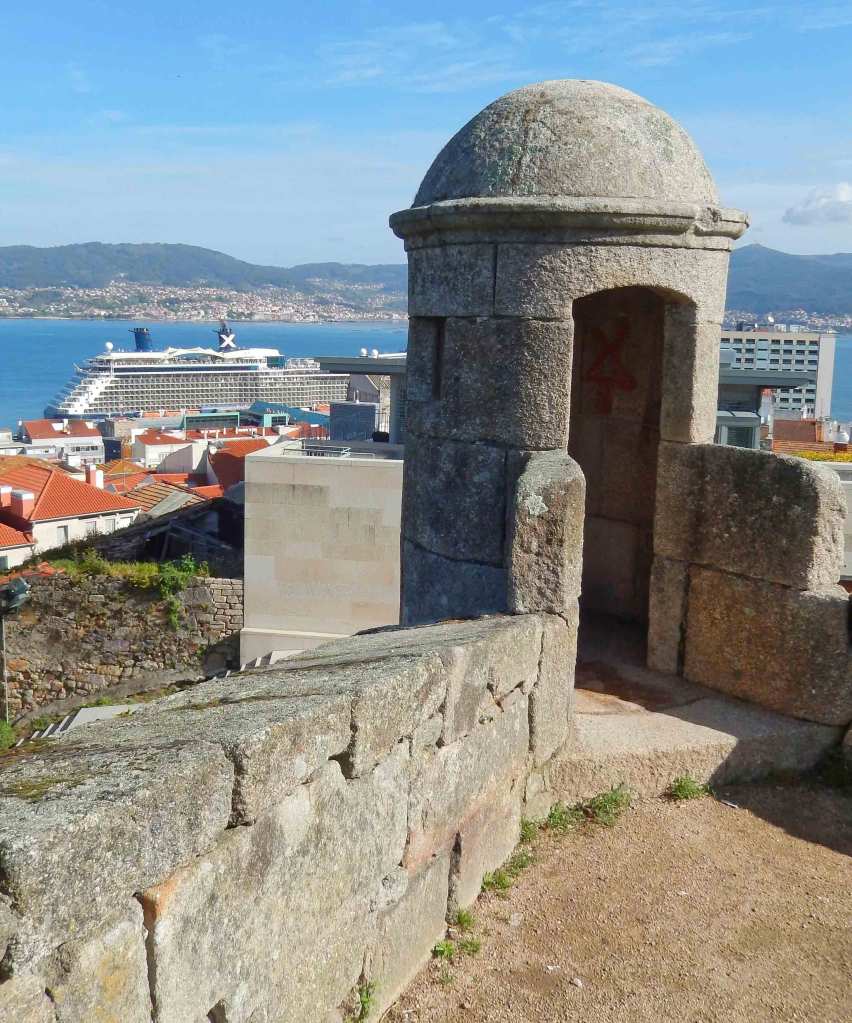
Visit Castro Fortress (Castillo de San Sebastian): This 17th-century fortress offers panoramic views of Vigo and the surrounding coastline. It’s a great spot for a leisurely walk or to watch the sunset.
Go and relax at Samil Beach: Located just a few kilometers from the city center, Samil Beach is a popular spot for locals and tourists alike. Enjoy the sandy beach, take a dip in the sea, or simply relax and soak up the sun.
Explore the Cies Islands: Take a boat trip to the Cies Islands, a stunning natural park known for its crystal-clear waters and pristine beaches. It’s a perfect spot for hiking, swimming, and enjoying nature.
Visit the Museum of Contemporary Art (MARCO): If you’re interested in art, don’t miss this museum located in the heart of Vigo. It houses a collection of contemporary art from both Spanish and international artists.
Seafood: Vigo is famous for its fresh seafood. Head to the port area or any of the local restaurants to savor delicious Galician cuisine, including octopus, mussels, and fish.
Take a boat tour of the Ria de Vigo: Explore the beautiful estuary of Vigo by taking a boat tour. You’ll have the opportunity to see marine life, visit small islands, and enjoy the scenic views.
Visit the Municipal Market (Mercado de la Piedra): This market is a great place to experience the local culture. Browse through stalls selling fresh produce, seafood, and other regional products as well as locally made crafts.

Castro Park: A beautiful park located on a hill in the center of the city, offering panoramic views of Vigo and the surrounding bay area.
Rande Bridge: A suspension bridge that connects Vigo with the neighboring town of Redondela, offering stunning views of the bay and the surrounding landscape.
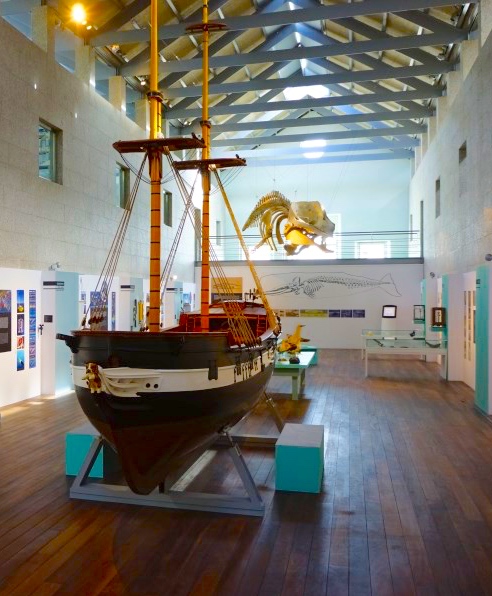
Of special interest is the Museo del Mar de Galicia, also known as the Museum of the Sea of Galicia. The museum is dedicated to the maritime history and culture of Galicia, showcasing a wide range of exhibits related to fishing, shipbuilding, navigation, and marine biology. The museum’s collection includes models of ships, fishing gear, navigational instruments, and a variety of marine specimens. The museum also features interactive displays and multimedia exhibits that provide visitors with a hands-on experience of Galicia’s rich maritime heritage.

 The Intentional Travelers
One thought on “Vigo, Spain A Port Of Call”