
Visiting Inverness and Loch Ness
While the city is a hub of the Scottish highlands it is actually most famous as the largest town near Loch Ness and the mythological monster that is claimed to live in its depths.

Still the city is the cultural capital of the Scottish Highlands and is situated on the banks of the Ness River where it flows into the Moray Firth beginning only twenty miles away in Loch Ness. This picturesque Scottish town considers itself the gateway to the legendary Loch Ness and does its best to celebrate the legendary Loch Ness Monster.
Local Points of Interest
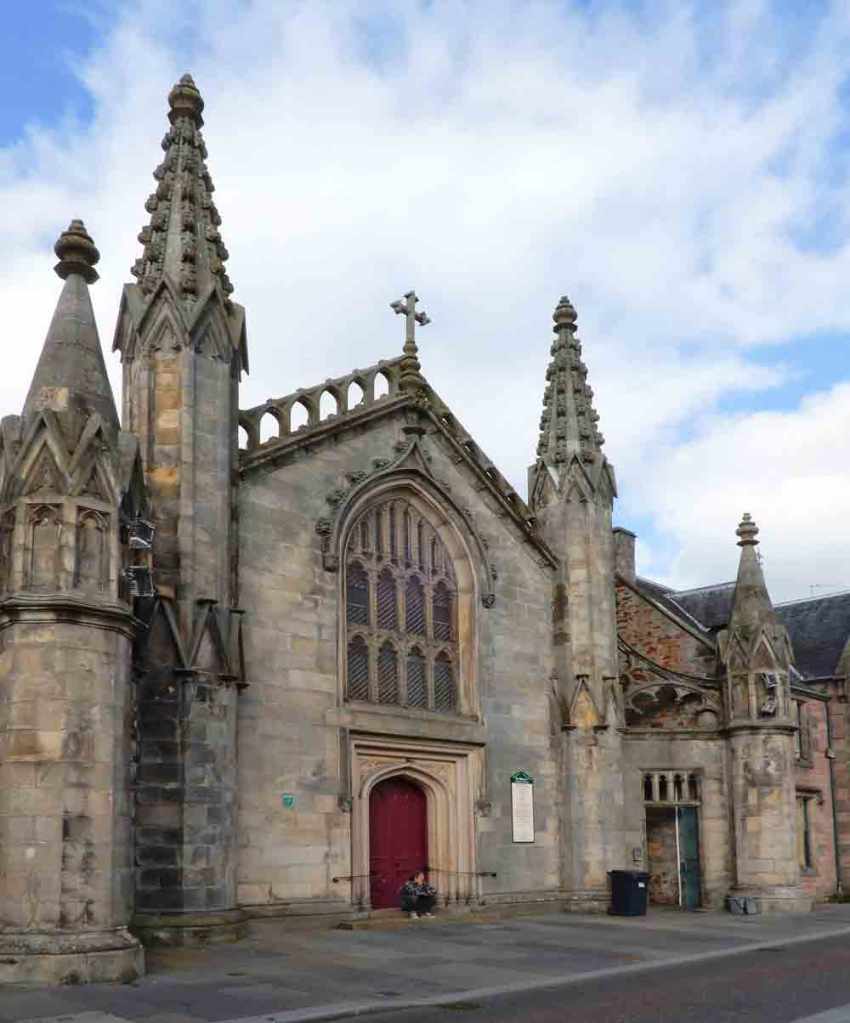
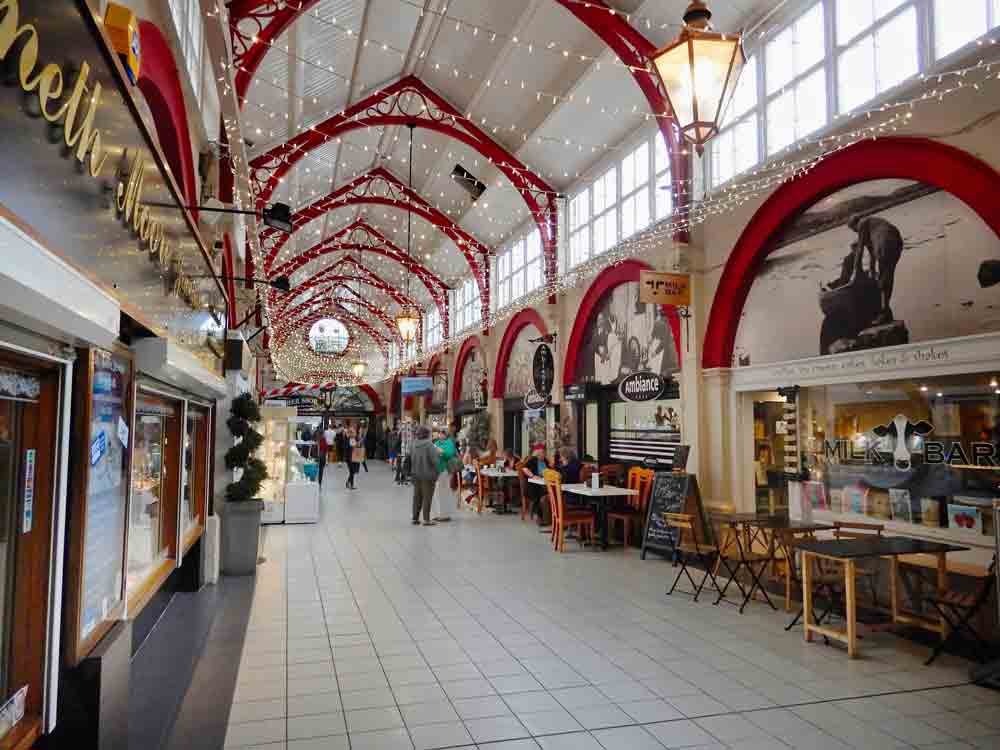
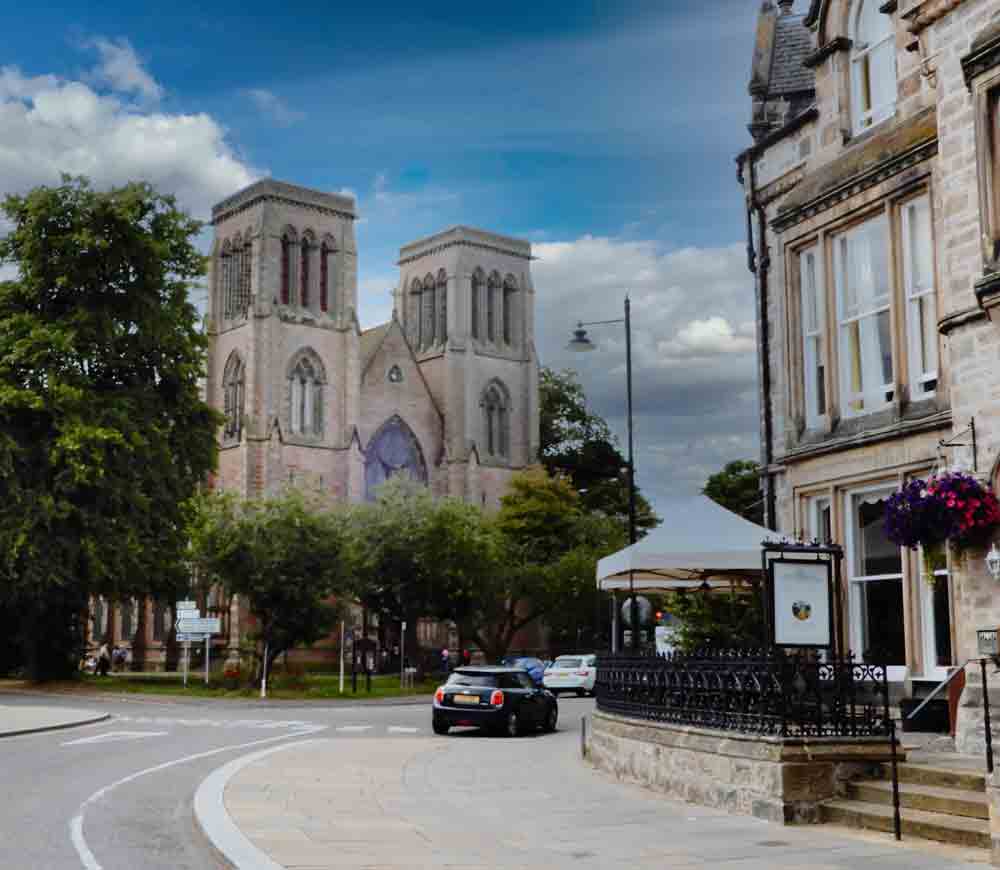
Its Old Town features Inverness Castle, the 19th-century Inverness Cathedral, the 18th-century Old High Church along with an indoor Victorian Market selling food, clothing and crafts. Also it’s the home of the contemporary Inverness Museum and Art Gallery that exhibits local and Highland history.
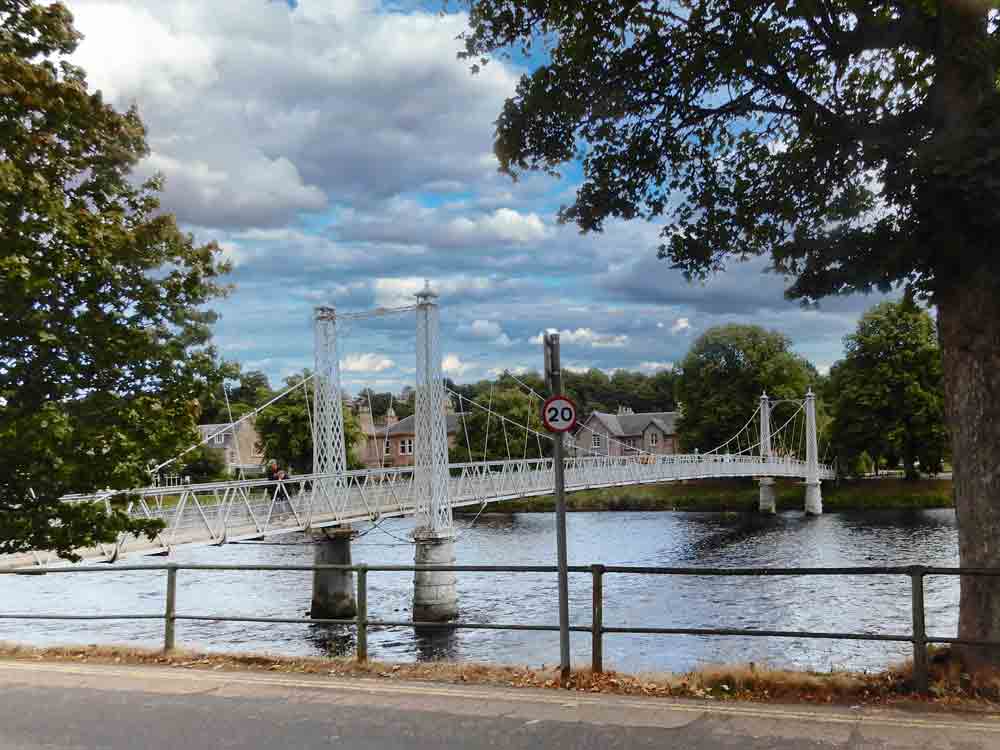
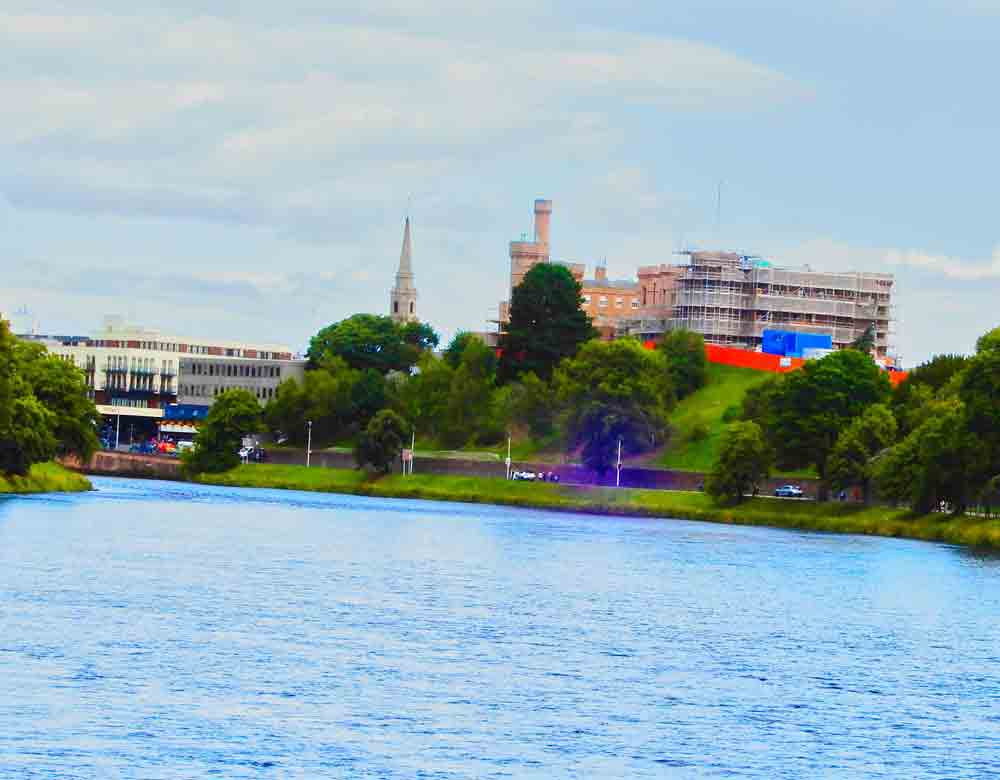
The River Ness flows through the heart of Inverness, with parks, scenic walks along its banks and the Ness Islands, a group of small islands connected by a pedestrian footbridges. The river offers a number of parks and trails for hiking.

The Eden Court Theatre is the arts and culture venue of the area and is a great place to catch a play, movie, or live performances.
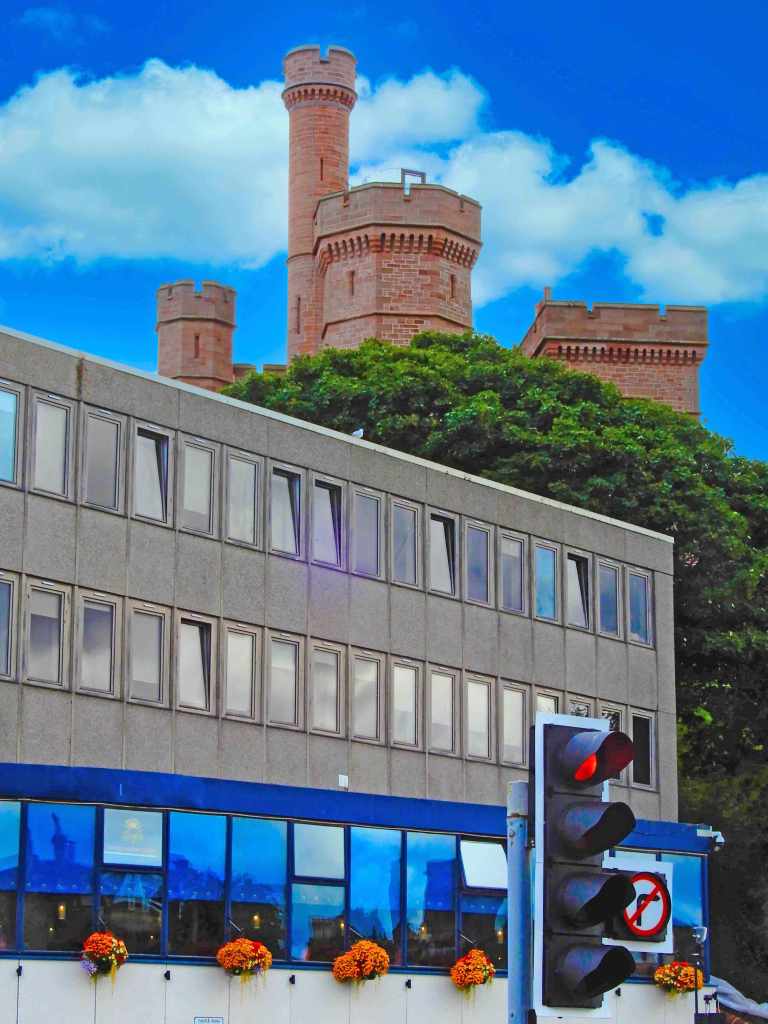
Inverness Castle – The original castle was built in 1057 by King Malcolm III, and was later destroyed during the Wars of Scottish Independence. The current castle was erected in 1836 and served as a courthouse until 2019, when it was transformed into a tourist attraction and cultural hub for the Highlands.

Loch Ness – a large inland lake made famous by the reports of a prehistoric monster inhabiting its depths. The legend talks about a mysterious creature said to inhabit the loch. The creature is commonly referred to as the Loch Ness Monster or “Nessie” for short. The legend has been the subject of much speculation and debate over the years, with many people claiming to have seen the creature or evidence of its existence. Despite numerous investigations and scientific studies, the mystery of the Loch Ness Monster remains unsolved but is most likely a hoax enhanced by a number of people over decades.
Culloden Battlefield – The Battle of Culloden was fought on April 16, 1746, near Inverness in Scotland. It was the final confrontation of the Jacobite rising of 1745 and resulted in a decisive victory for the British government forces. The battle lasted less than an hour, with the Jacobite army suffering heavy losses. The aftermath of the battle was brutal, with many Jacobite prisoners executed and others forced into exile. The site of the battle, Culloden Moor, is now a popular tourist attraction and is home to the Culloden Battlefield Visitor Centre, which provides an in-depth look at the history of the battle and its impact on Scottish history.


Clava Cairns – Clava Cairns is a prehistoric burial site located near Inverness. It consists of a group of three Bronze Age cairns surrounded by standing stones in a circular pattern. The site is believed to have been used for burials and religious ceremonies around 4,000 years ago. The Clava Cairns are considered to be one of the best examples of Bronze Age burial sites in Scotland
Fort George -A large 18th-century fortress near Ardersier, to the north-east of Inverness in the Scottish Highlands. It was built to pacify the Scottish Highlands in the aftermath of the Jacobite rising of 1745. The current fortress has never been attacked and has remained in continuous use as a garrison.
 The Intentional Travelers