
Credit Cards for International Travel
These are interesting times we live in when it comes to financially protecting ourselves. Just the simple pastimes of shopping and travel can expose us to financial fraud and it does seem to be getting worse. Several years ago our friends where cruising in South America and in one port they took advantage of telephones advertising ten minute calls to the U.S. for $5 which was cheaper than their cell service. When they got home they were notified that their credit card had gone on a shopping spree in Romania and when the charges for the phone came thru they were for over $50 instead of the advertised $5.
Over the years we have been notified a number of times about unauthorized use of our credit cards along with one incident of identity theft. One time someone bought gold coins online shortly after we left the country (several days before that a rental car agent had everything needed, the card information, a copy of my drivers license and she knew we were leaving the country?). Another time we were notified that we had purchased several bicycles in Rome while we were traveling in Europe (I think the information was stolen from checking into a hotel in Italy). Another time someone bought a batch of train tickets in Germany shortly after we booked a hotel in Europe thru booking.com. The one case of real attempted identity theft was slowed down because we had frozen our credit with the large agencies and was quickly caught by our identity theft protection service.

Even considering the above, with the wide international acceptance of credit cards there is no reason to not make them your primary resource for paying while you travel. Often it can save you money over making currency exchanges. One important thing to understand is that the best card for your everyday needs at home may not be the best card for international travel. You need to shop wisely.
For years our preferred domestic card has been the Discover Card because of its points program. It also advertises that they don’t charge international processing fees, which made it seem a good choice for traveling. Unfortunately this card doesn’t often work internationally. We’ve had repeated conversations with customer service and while they claim that it is accepted anywhere that takes the Diners Club Card we’ve learned that this is far from true internationally. It’s been rejected at so many shops and restaurants that we don’t even carry the card when traveling any more.
We have also experienced frequent problems trying to use the American Express Card. It seems that there are whole regions where businesses won’t accept it. On a recent trip to Barbados we couldn’t find anyone that would take American Express but took Visa and MC. We also had American Express shut down our card while overseas even though we told them we would be traveling and I still can’t understand why that happened.
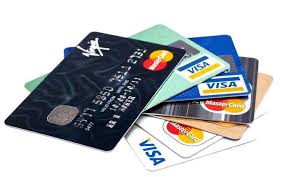
The good news is that Visa and Mastercard are accepted almost everywhere, which makes either one a good choice for the American traveler. There are some additional considerations in choosing a credit card for international travel.
- Wide Acceptance – As already mentioned some cards can be a problem internationally and our experience is that you cannot trust their claims. At this time the only two cards available in America we will use is Visa and Mastercard.
- Transaction Fees – Early on we learned that international transaction fees could add up quickly and you should select a card that doesn’t charge these fees. Of course there are exchange rates but you will pay those regardless of what card or exchange service you use.
- Travel, Credit Cards & Purchase Protection – The best example of this feature is insurance protection if you use a card to rent a car. All cards have a catalog of these benefits from extended merchandise warranty to travel life insurance and some cards are better than others in this regard.
- Earned Points and Rewards – This is a common feature of most cards today and are an important benefit for us. At home we select a card for payment that provides the greatest number of points for each use but internationally there are different priorities to consider.
- Security Policies –Fortunately the transition of most cards to imbedded chips has greatly improved security but there are still potential problems. Just to be safe we set up all our cards with notifications on all internet and phone charges. If possible we also prefer that notifications come by text message because often data isn’t available or affordable while traveling. We also notify the card companies of our travel plans but lately that doesn’t seem to be necessary –because of the chip most aren’t interested any more.
ATMs, Debit Cards And Money Exchanges
Some time ago traveling internationally meant getting foreign currency from your bank or going to a money exchange at your destination (never use the ones at the airport). Today things have changed a lot, credit cards are accepted everywhere and ATMs are common internationally.
Money Preferences
Credit Cards – Often the first choice when traveling is to use a credit card. They’re accepted almost everywhere and most credit cards have the advantage of fraud protection. One thing to get in the habit of doing is when using a credit card overseas always leave the charge in local currency to avoid high local transaction fees.
Money Exchanges – Most advice today suggests using ATMs over money exchanges and in most situations that’s good advice. There are, however, times when exchanges are a better choice. Often if the amount is small a money exchange is less expensive than an ATM. Also money exchanges now know that they are in competition with the banks and ATMs and are adjusting accordingly. If there is a convenient exchange nearby it doesn’t hurt to check the rates and the transaction is actually clear and fast with no worries about additional charges against your card.
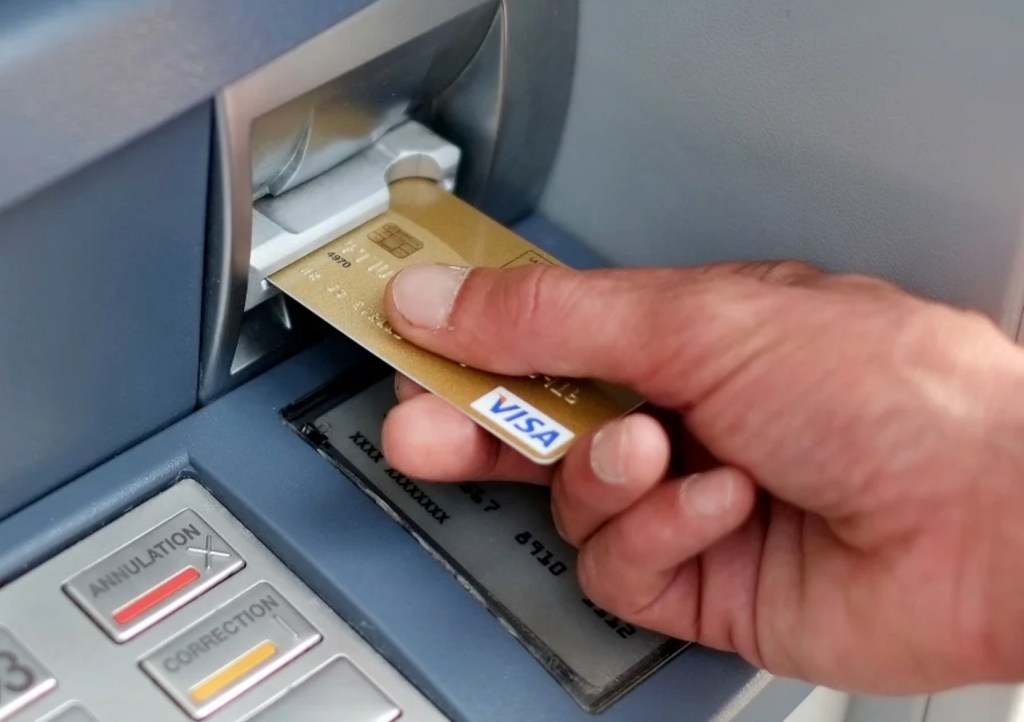
International ATMs – They’re everywhere and usually easy to use, but when it comes to international ATM machines, there are a number of them that are famous for high fees and poor exchange rates. Several options to look for that are considered to be reliable, fair and widely available ATM machines include:
Visa ATMs: Visa is one of the most widely accepted payment networks in the world, and their ATMs can be found in many countries. You can use your Visa debit or credit card to withdraw cash from these ATMs.

Mastercard ATMs: Similar to Visa, Mastercard is also a widely accepted payment network, and their ATMs can be found in many countries. You can use your Mastercard debit or credit card to withdraw cash from these ATMs with small or no fees.
Citibank ATMs: Citibank has a large network of ATMs around the world, and they offer fee-free withdrawals for Citibank customers.
HSBC ATMs: HSBC also has a large network of ATMs around the world, and they offer fee-free withdrawals for HSBC customers.
Barclays ATMs: Barclays has a large network of ATMs in the UK and around the world, and they offer fee-free withdrawals for Barclays customers.
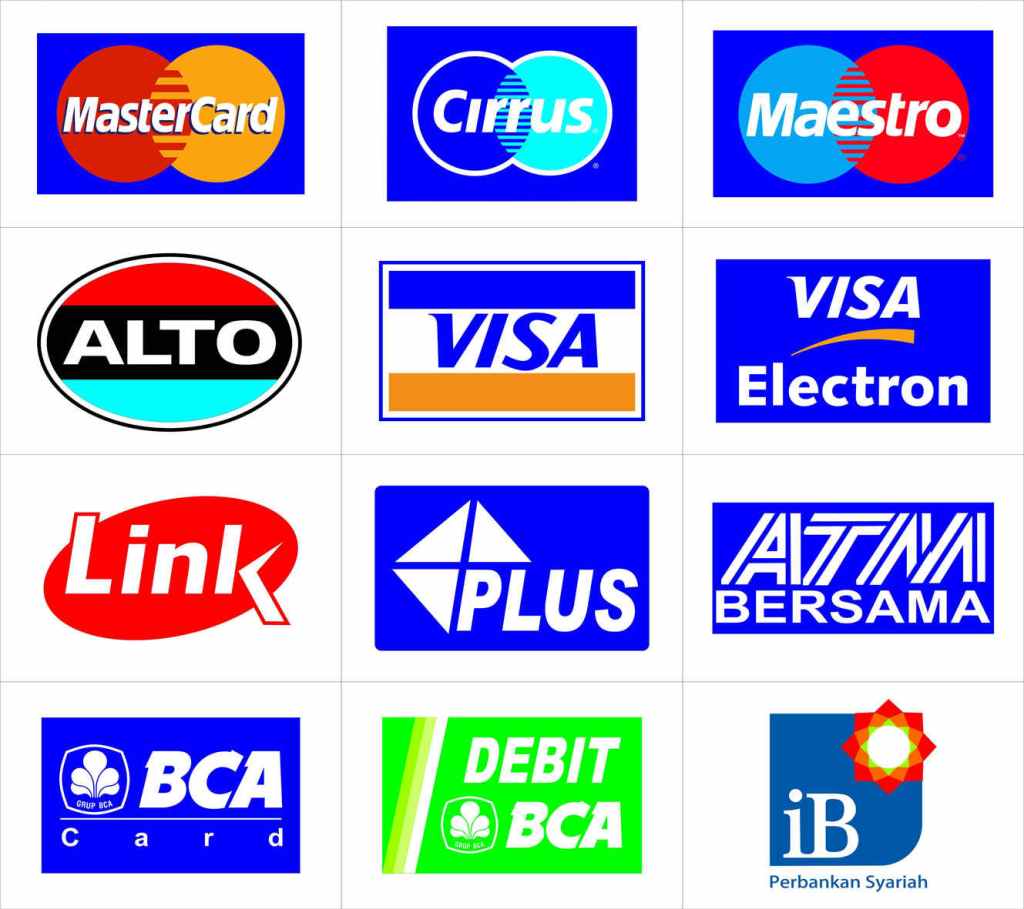
It’s important to note that while these ATM machines are considered to be some of the best for international travel, you may still encounter fees for using them, especially if you are using a card from a different bank or financial institution. It’s always a good idea to check with your bank or credit card provider before traveling to see what fees might apply.
Kiplinger’s Personal Finance choice for best bank for frequent international travelers is Charles Schwab, followed by Capital One 360.
With the Schwab High Yield Investor Checking account, you won’t pay any fees on your checking account at all. That means no ATM fees when you use an ATM in another country, and no foreign currency conversion fee if you withdraw funds in another currency. However if you use an ATM outside their preferred network, the ATM operator may charge an additional fee.
Capital One 360 Checking Account for a debit card for international travel. Capital One doesn’t charge a foreign transaction fee on transactions made in other currencies, which means you can use your debit card for purchases without paying for the currency conversion. Also if you can locate a Capital One or Allpoint ATM while you’re traveling, you won’t pay an ATM fee on cash withdrawals either.
There are several international ATM machine companies and networks that charge high fees. Things to watch out for in Europe include:

Non-bank and independent networks: If you are using an ATM machine that is owned by a non-European bank or independent network, you will probably be charged higher fees for withdrawals and poor currency conversion rates. Avoid ATMs, such as Travelex, Euronet, Moneybox, Your Cash, Cardpoint, and Cashzone. They are famous for those high fees so pay attention to what service/network is operating the ATMs. Often they try to position theirs very near to bank ATMs hoping that travelers will not notice. Their machines are also famous for signs that claim “Free Cash Withdrawals” — it’s a lie but international travelers often will have no place to complain later.
Dynamic Currency Conversion (DCC): Some ATM machines offer DCC, which allows you to withdraw money in your home currency instead of the local currency. However, this service usually comes with very high fees and unfavorable exchange rates.
To avoid high fees when using ATM machines in Europe, it is recommended to use ATMs owned by major networks such as Visa, Mastercard, or Cirrus. Additionally, it is important to check with your bank about any international transaction fees or foreign exchange fees that may apply using your card overseas.
Also beware of ATMs as well as merchants that offer to convert your amount to US dollars. Often the conversion rate is much worse than your banks and may include transaction fees. Leave those transactions in local currency and let your bank make the calculation.
Using a debit card over a credit card can be beneficial, because it’s linked to your bank account. When you swipe, the funds are taken out of your checking account with no chance of getting charged interest. That means you won’t have to worry about repaying a credit card balance. On the down side most credit cards today offer protection from fraud transactions while many bank debit cards do not. These transactions are most vulnerable when you use your debit card to directly pay for a purchase while traveling or on the internet.
Identity Protection

A number of years ago we weren’t concerned about identity theft – just didn’t think it was a high-risk problem. Over the past five or six years we have been victims more than once and now believe the protection is well worth the expense. Each recent attack was caught by our ID theft service quickly but we also take some additional steps to protect us.

We have used a couple of different services and our experience is they are very similar. We were however with Equifax and overseas when their data breach occurred and trying to deal with them was not a pleasant experience*.
For a good review on these services check out this article on Reviews.com.
I think one of the best things we do to protect ourselves is to freeze our credit reports on a regular basis. All three agencies allow for you to do this and some identity theft protection services make this an easy process. while reporting agencies claim that you have to have a suspicion of a problem to use this service nobody will challenge you about doing this. The result is someone else cannot successfully apply for a card or loan in your name if you credit report is frozen.

Your credit report contains information about your payment history that all creditors and lenders use to make credit decisions about issuing you credit. When you freeze your credit report, creditors and lenders can’t pull your credit report or credit score**. Since most banks require a credit check, an application for credit would likely be denied. You can freeze your credit report at all three major credit bureaus, but it must usually be done individually.
To freeze your report go online to Equifax, or call 1-800-349-9960.
To freeze your report go online to Experian, or call 1-888-397-3742.
To freeze your report go online to TransUnion, or call 1-888-909-8872.
Also these freezes automatically expire after 90 days so it must be repeated. One additional advantage is the warnings that you get from your ID theft company will greatly diminish.
*Equifax’s web site wasn’t functioning and if we got a call thru to their switchboard we spent almost an hour before giving up. We did send emails but they were never answered.
** This does work as I went to apply for a credit card that offered additional travel benefits and was turned down. They did send an email telling me my credit was frozen and if I would remove the freeze they would process the application again.
 The Intentional Travelers
One thought on “International Travel, Credit Cards, ATMs & Identity Theft”