

Immerse Yourself In The World Of Game Of Thrones
The location of a number of Game Of Thrones episodes, this ancient city invites strolling through and exploring. One of the most popular ports on The Adriatic.

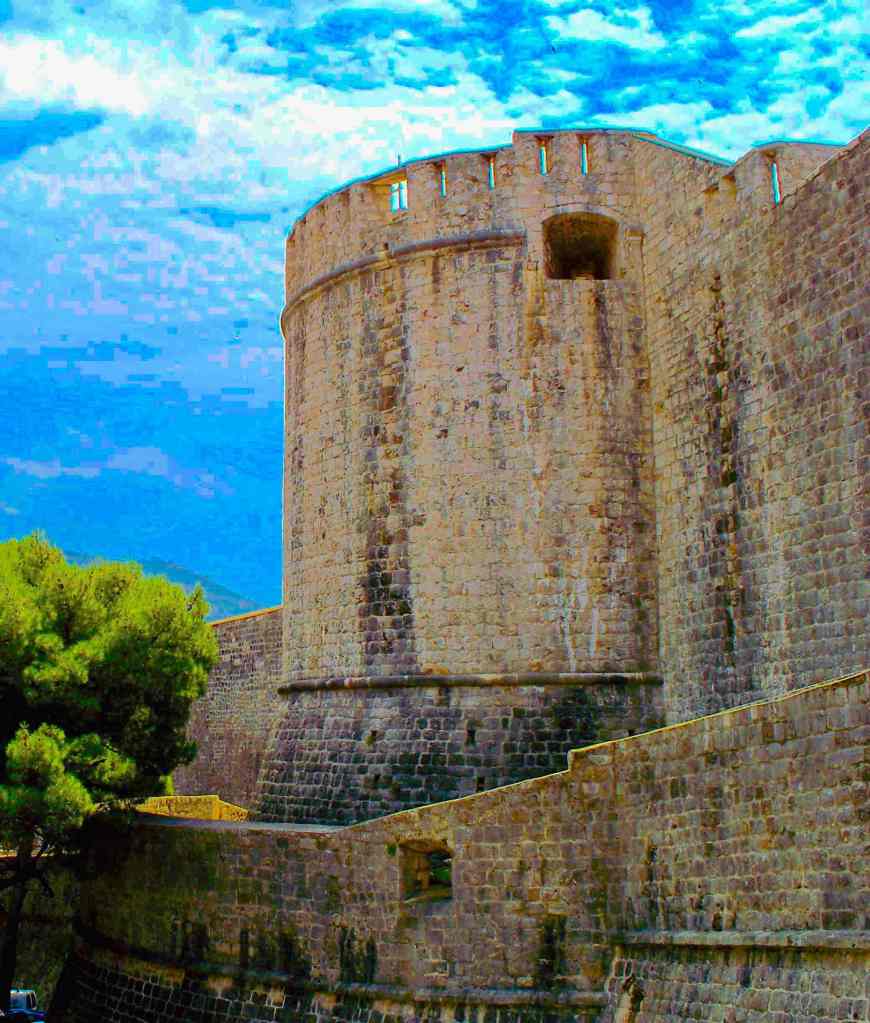
The Old City of Dubrovnik is where much of Game of Thrones was filmed and the town has used this to greatly add to the appeal of this already popular tourist destination. A short walk thru this town quickly shows why it was selected as a backdrop for this popular series. Scenes from the show take in the Pile and Ploče gates, St. Dominika street, the high city walls along with the Bokar fortress and the Minčeta tower.

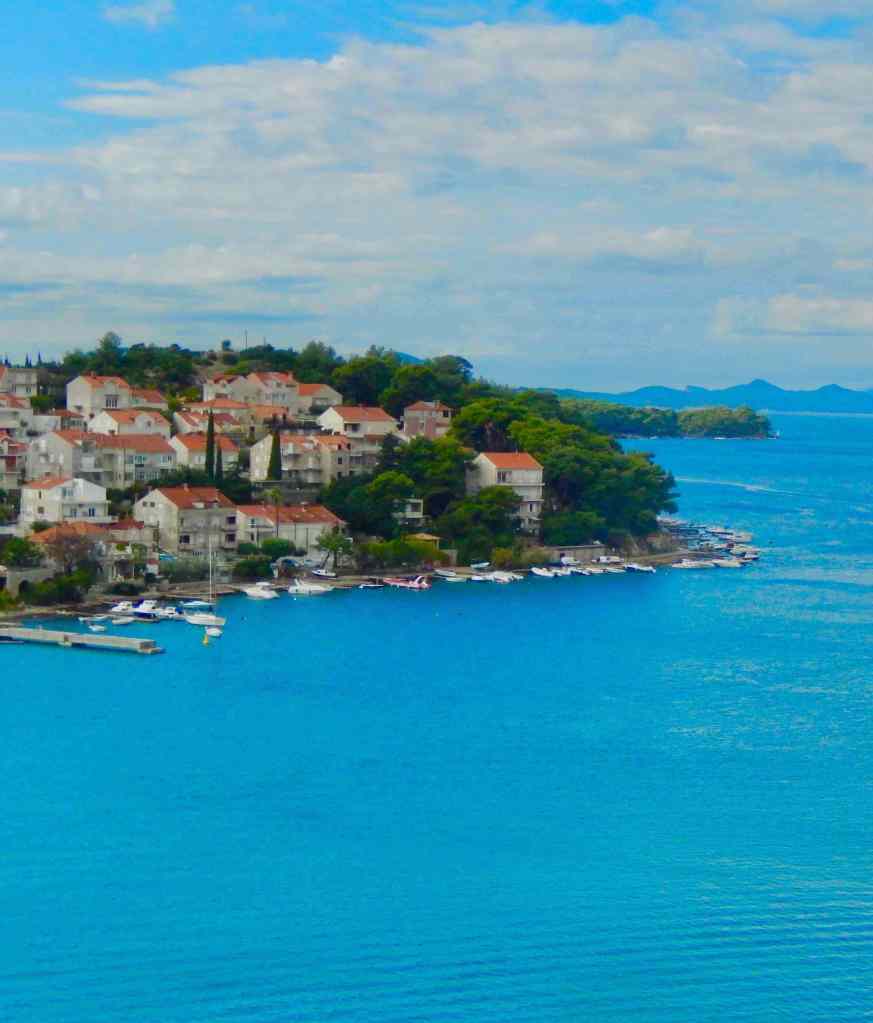
Dubrovnik is a beautiful city located on the Adriatic coast of Croatia, known for its stunning architecture, rich history, and breathtaking scenery.
The sea and surrounding hills are ruggedly beautiful and the Old Cities massive defensive walls and towers add a feeling of being transported back in time centuries.
Old Town: Dubrovnik’s Old Town is a UNESCO World Heritage Site and is known for its well-preserved Gothic, Renaissance, and Baroque architecture. You can explore the narrow streets, enjoy the stunning views from the city walls, and visit the museums and churches
Where Your Ship Docks
Dubrovnik’s main cruise port is located in Gruž/Kanatfig area (see map) about 2 miles from the historic Old town. Most of the cruise ships dock there although some cruise ships dock in front of the historic areas Old Port from where visitors go by tender to the dock.
The pier at Gruž/Kanatfig is right next to a large supermarket and a block from the city bus terminal.
Wheelchair Accessibility

Disembarking – This port has a developed cruise ship pier 2 miles out from the Old City and the ease of disembarking varies by the individual ships gangway designs. Some cruise ships will anchor nearer town and will use a tender dock that disembarks right in the historic Old Town. For passengers using wheelchairs there can be a moderate ramp incline to deal with in both locations.
Transportation

The main attraction for day visitors is the old city and there is enough to do and see to last a couple of days. Should you want to go exploring thru the area there is a good bus system in Dubrovnik and inexpensive fares can be purchased directly from the drivers. You will need to exchange some currency beforehand as they only accept cash. Taxis are available at Taxi Stands and are reasonably priced.
Currency – The official currency is the Croatian Kuna (HRK or K) with an exchange rate of about 1 HRK = US$0.15. Credit cards a readily accepted and there are also ATM machines which disburse HRK.
Recent History and Dubrovnik Attractions

In the early 1990’s, after the break-up of Yugoslavia, a civil war broke out in the region mostly along ethnic and religious divides and Dubrovnik was attacked and besieged by Serbian and Montenegrin soldiers of the Yugoslav People’s Army for seven months and suffered from repeated artillery shelling along with constant sniper fire. After the new peace and the restoration work in the early 2000s, Dubrovnik has become one of the top tourist destinations in the Adriatic Sea.
The Old Town of Dubrovnik was founded in the 7th Century by refugees from Epidaurus in Greece and is a UNESCO World Heritage site due to its historic importance. As soon as you cross over the drawbridge and enter the Pile Gate you will find yourself entering an ancient city that is brimming with amazing architecture and surrounded by the Adriatic on one side and the interior city walls on the other.
Visitors can take a walk along the city walls that surrounds the Old City. The old city is so large that the walk takes a couple of hours with breathtaking views of the Adriatic Coast as well as beautiful vantage points down on the old city. The walls stretch over 6365 feet and consist of the main wall, sixteen towers, three forts, six bastions, two corner forts (cantonatas), three pre-walls with several turrets, three moats, two barbicans, two drawbridges and one breakwater.

Dubrovnik city walls are opened all year-round. The busiest period of year is the peak summer months and busiest time of day is from 11 am till 3 pm. General admission tickets cost about US$10.00 and you can buy e-tickets ahead of time HERE.
Lovrijenac Fortress is one of the sights that can be seen from the wall, it is an impressive structure built on an outcropping rock next to the sea. It is located just outside the Western wall of the Old Town and was often featured in Game of Thrones. Fort Lovrijenac or St. Lawrence Fortress, often called “Dubrovnik’s Gibraltar”, is a fortress and theater outside the western wall of the city of Dubrovnik, 121 feet above sea level. Famous for its plays and concerts along with its importance in resisting Venetian rule. It overshadows the two entrances to the city, from the sea and land. There is an admission to Fort Lovrijenac and it can be crowded at times, so we recommend booking a tour or buying e-tickets ahead of time HERE.
While the Game Of Thrones is fiction there is a remarkable amount of real history within these old city walls.
Important Sights
Dubrovnik Cable Car: The cable car takes you to the top of Mount Srd, where you can enjoy panoramic views of Dubrovnik and the surrounding islands.
Lokrum Island: This beautiful island is just a short boat ride away from Dubrovnik’s Old Town. It’s a nature reserve with plenty of hiking trails, a botanical garden, and a beautiful beach.
Rector’s Palace: This Gothic-Renaissance palace was once the seat of power in Dubrovnik. Today, it houses a museum with exhibits on the city’s history and culture.

Stradun: This is Dubrovnik’s main street, lined with shops, cafes, and restaurants. It’s a great place to people-watch and soak up the city’s atmosphere.
Dubrovnik Cathedral: This Baroque cathedral was built in the 18th century and is dedicated to Saint Blaise, the patron saint of Dubrovnik.
History and the Republic of Ragusa
After the fall of the old Gothic Kingdom, the city was incorporated into the Byzantine Roman Empire. Because of that even in the medieval period, Dubrovnik still had a large Roman population. After the Crusades, Dubrovnik came under the control of Venice, with the other remaining Dalmatian cities. After the Peace Treaty of Zadar in 1358, Dubrovnik achieved relative independence as a protectorate of the Kingdom of Hungary.
Between the 14th century and 1808, Dubrovnik ruled itself as a free state, but it did pay an annual tribute to the Ottoman sultan who ruled most of the Balkins. The Republic reached its peak in the 15th and 16th centuries, when it rivaled the Republic of Venice and other independent maritime republics as military and trading city states.
 The Intentional Travelers
One thought on “The Historic Port of Call Of Dubrovnik, Croatia”