

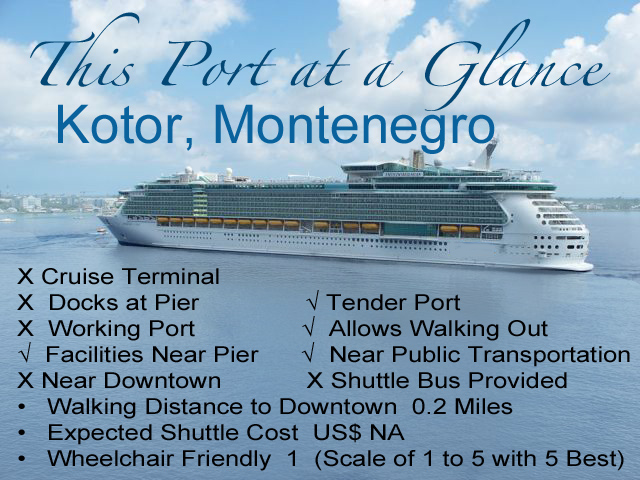
The Amazing Old Port City of Kotor, Montenegro
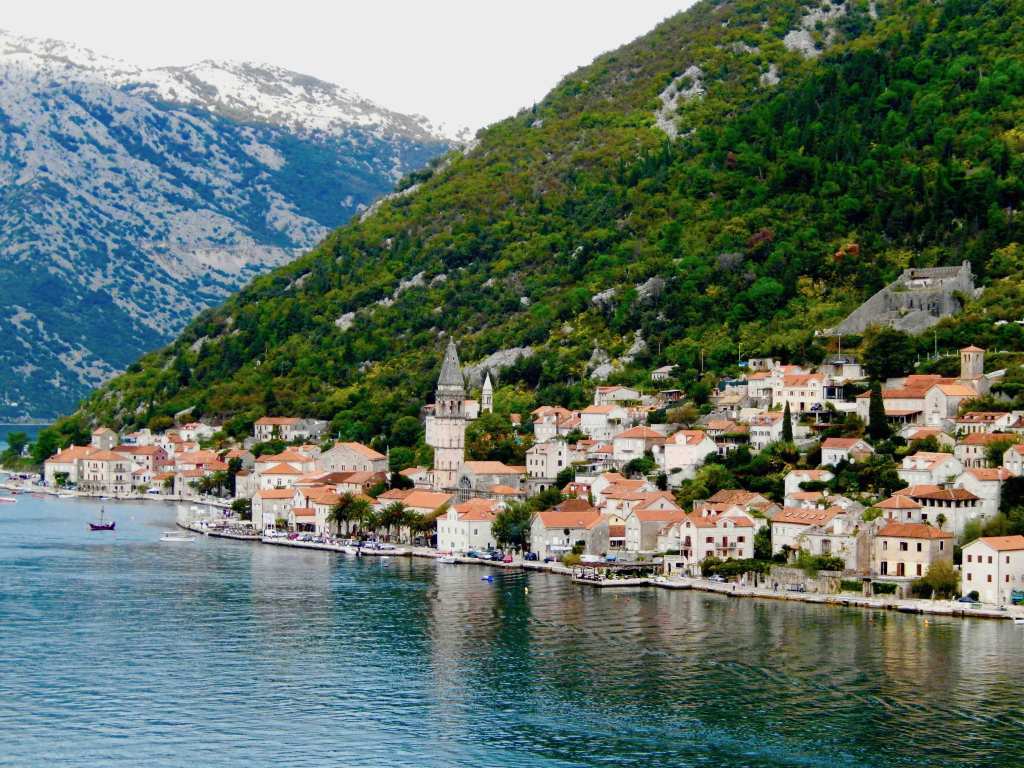
Sailing up the Bay of Kotor is an amazing experience as it’s ringed by steep limestone mountains and surrounded by fortifications built in the Roman era through the Venetian period. It is located on the Bay of Kotor and is deep inland from the Adriatic Sea. The bay is geologically a ria, which is a filled river canyon. Together with picturesque towns, the nearly shear limestone cliffs of the mountains of Orjen and Lovćen, Kotor offers a beautifully impressive landscape.

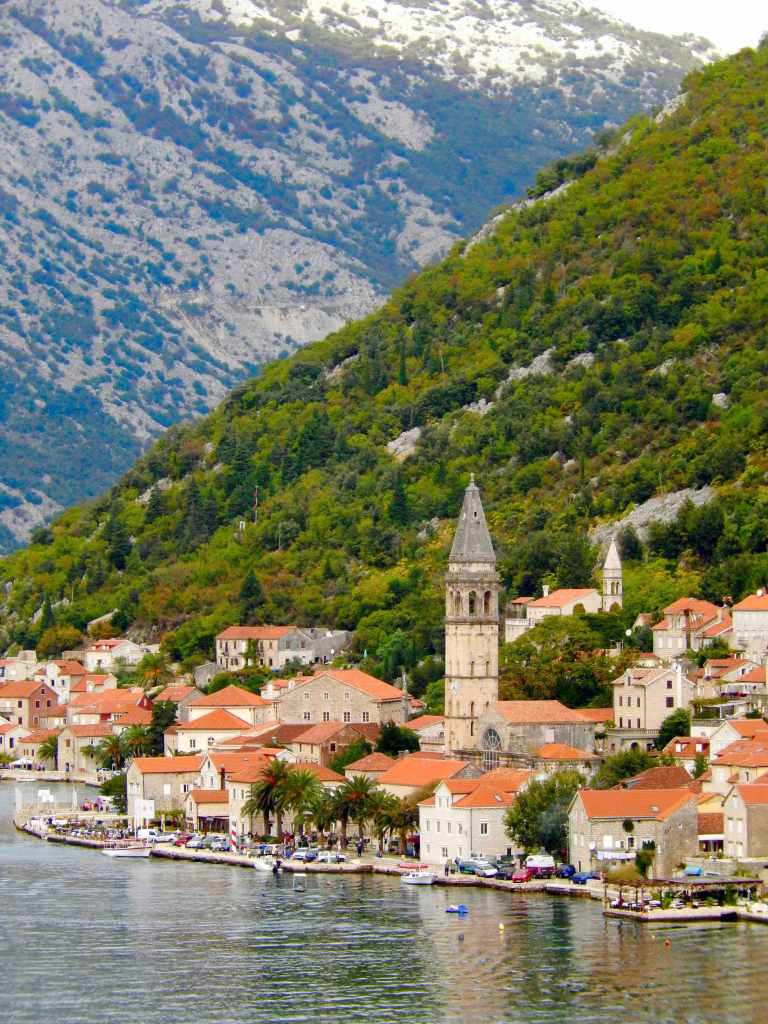
The current population of Kotor is under 15,000 and in recent years Kotor has seen an explosion of visitors, with a majority coming by cruise ship. The cruising industry has greatly expanded in the Mediterranean requiring an more offerings for port destinations. Kotor is the newest beneficiary of this offering and with the mild environment of the Gulf of Kotor, the spectacular natural scenery and the history of the old town this is an overwhelming port of call.
Where Your Ship Docks

While there is a pier that can accommodate smaller cruise ships most larger cruise ships anchor out making this normally a tender port. The good news is because of the protection of the mountains the waters are usually very calm. The pier and tender landing is the focus of a visitors center, tour buses and the Old Town of Kotor is only a short walk away. While there aren’t any public facilities at the port there are some in the old city along with a number of cafes and restaurants.
Transportation

Because of the rugged mountains that ring the area the town is somewhat isolated but it has ferries and limited train service. Some cruise ships offer a free shuttle service from the ship to the Old City but since it is only an easy and short walk it really isn’t necessary.
Bus Service – There are usually sightseeing buses operating out of the port when cruise ships are visiting.
Local Currency
The currency in Kotor is the Euro (€). You can also readily find ATM’s in the city and most major credit cards are welcome.The local language is Montenegrin, but most people speak English.
Things To See And Do In Kotor
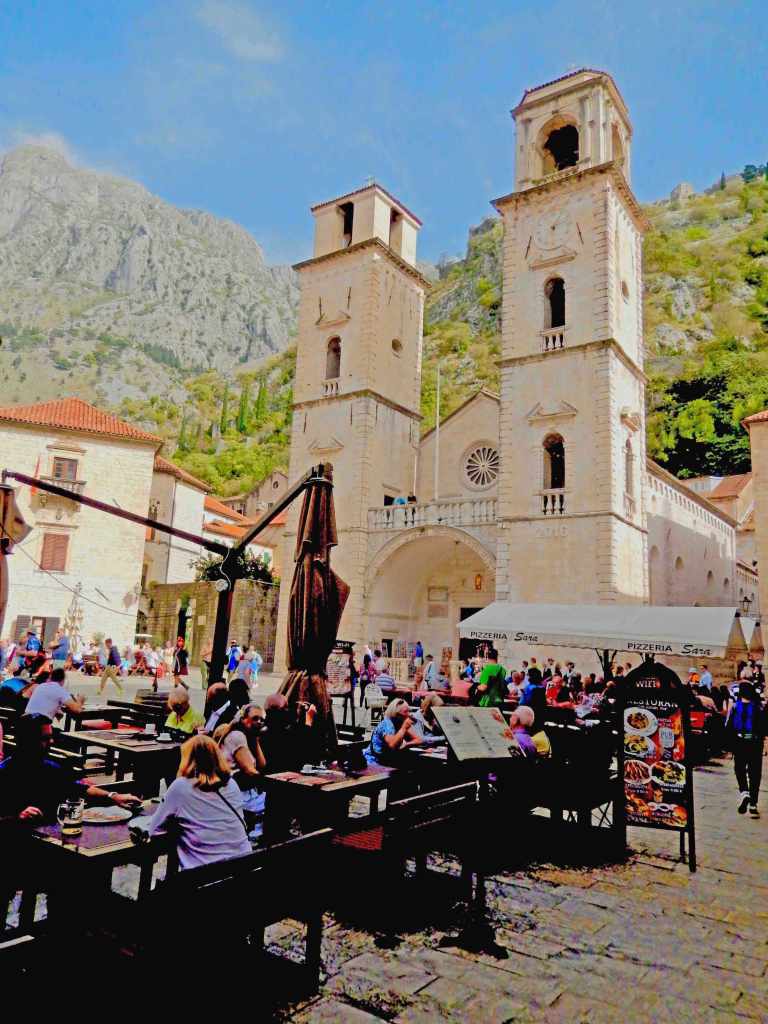
St. Tryphon Cathedral: This beautiful cathedral dates back to the 12th century and is a must-visit attraction in Kotor.
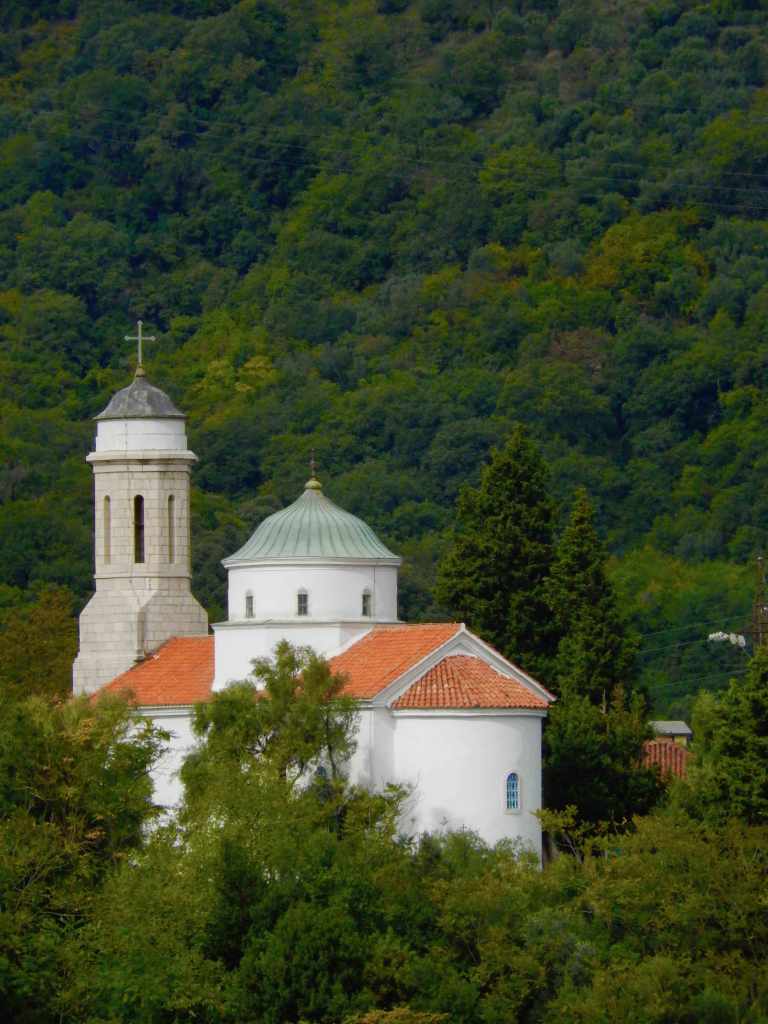
Kotor Fortress: The hike up to the top of the fortress is challenging, but the views of Kotor Bay from the top are absolutely breathtaking.
Maritime Museum: This museum showcases the rich maritime history of Kotor and Montenegro.
Boka Bay Cruise: It the body of water in front of old historic Kotor – take a boat tour of the stunning Boka Bay and enjoy the picturesque scenery.
Lovcen National Park: This national park is located just outside of Kotor and offers hiking trails, stunning views, and a chance to see Montenegro’s natural beauty.
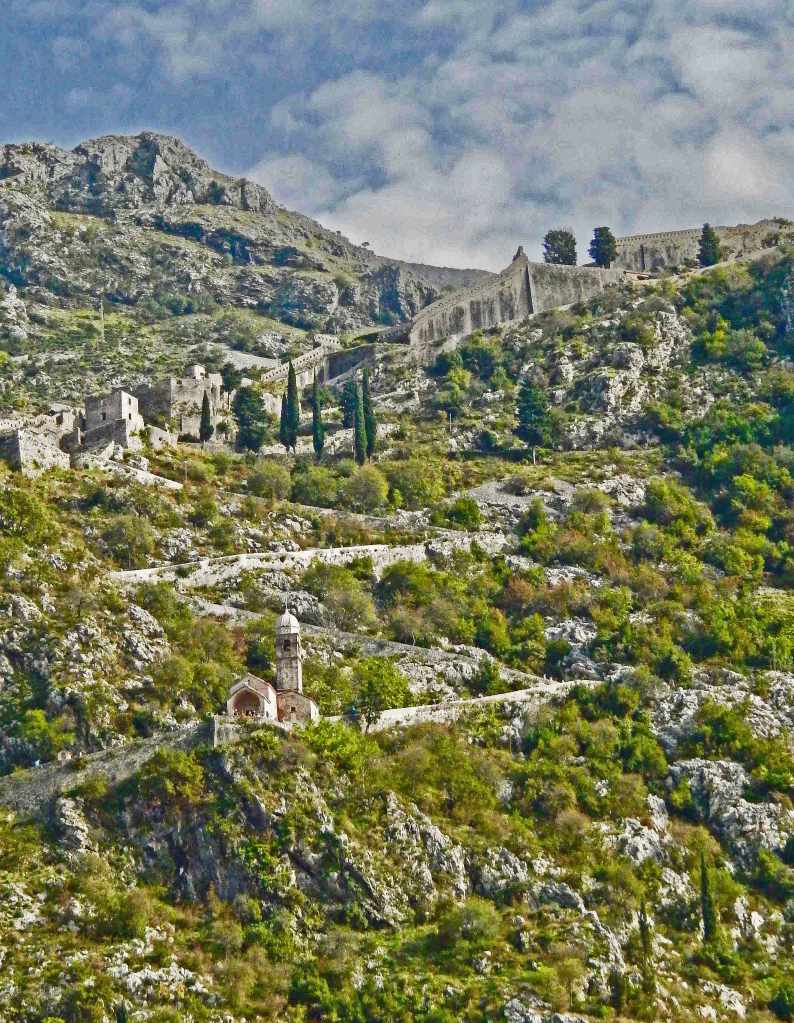
Lady of Remedy Church: Sitting far above the old town is the Lady of Remedy, along with the Byzantine Fort St. Ivan and the Chapel of St. John. The Lady of Remedy is a Roman Catholic church belonging to the Catholic Diocese of Kotor and dates from 1518. The church is perched on the steep slope of the St. John Mountain with a commanding view of the Old Town below. If you are in good shape you should consider taking the hike up the mountain over the stairs and trail cut into the rock of the mountain. The road (walking path) ascends from behind the Church of St. Mary Collegiate in the back of the old town.
The town of Kotor is part of a World Heritage Site named the Natural and Culturo-Historical Region of Kotor. The fortified city of Kotor was also included in UNESCO’s World Heritage Site list as part of “the Venetian Works of Defense between 15th and 17th centuries”.
The Lady of the Rocks: A small artificial island located in the Bay of Kotor in Montenegro. According to legend, the island was created over 500 years ago by two brothers who found an icon of the Virgin Mary and decided to build a church on the spot where they found it.
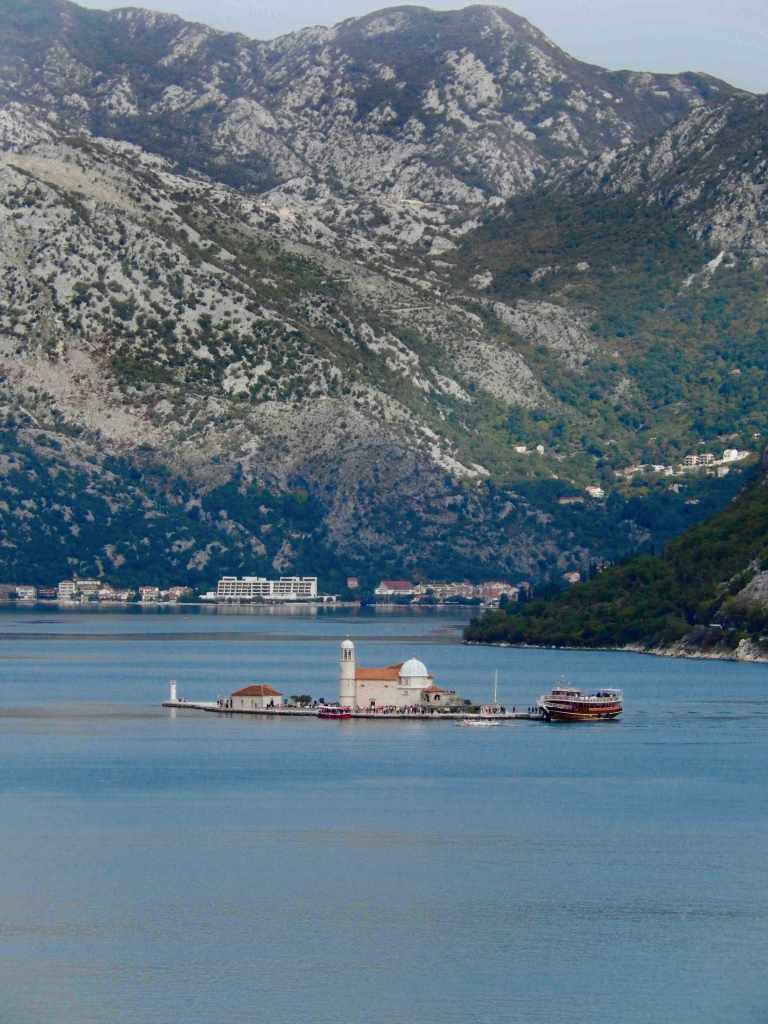
Over time, sailors passing by would throw rocks into the water near the island as a way of asking for safe passage. Eventually, the island grew larger and larger as more rocks were added. Today, the Lady of the Rocks is home to a beautiful church and museum, which houses a collection of silver votive tablets and other artifacts.
Every year on July 22, locals celebrate the feast day of the Lady of the Rocks with a procession and boat race. The island is also a popular tourist destination, with visitors coming from all over to see the stunning views of the Bay of Kotor and to learn about the fascinating history of this unique island.
History of Kotor

The town was first mentioned in Roman writings around 168 BC, and was known as Acruvium, and was part of the Roman province of Dalmatia.
The area has been fortified since the Middle Ages, when Emperor Justinian erected a fortress above Ascrivium in 535 AD, after expelling the Ostrogoths. Ascrivium was later sacked by the Saracens in 840. It was fortified with walls and castle near the peak of Saint Ivan by Constantine VII in the 10th century. It was one of the more influential Dalmatian city-states throughout the early Middle Ages.The city was part of Byzantine Dalmatia in that period, and the modern name of Kotor probably originated from its Byzantine name.
Wines of Montenegro

In Montenegro, grapes have been grown for over two thousands years and the Romans brought wine making to the region. With a perfect climate for vineyards, wine making has flourished in the region with two varietals of special note– dark “Vranac” and bright “Krsta?”. These wines are named for these grapes.

 The Intentional Travelers