
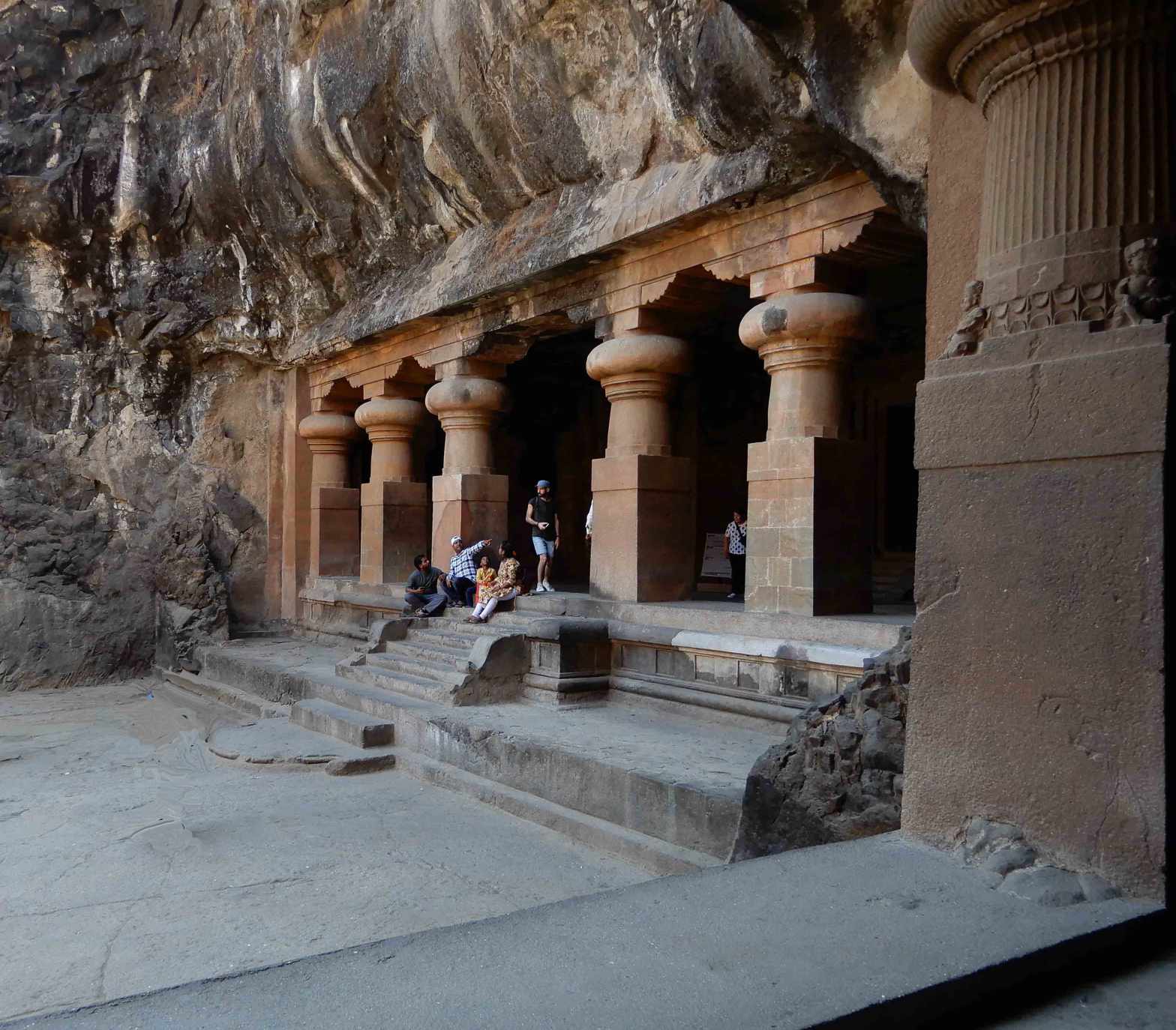

The Temple Caves on Elephanta Island are a must-see for anyone visiting Mumbai. They offer a unique glimpse into India’s rich cultural heritage and are a testament to the skill and artistry of the ancient Indian craftsmen. They are a UNESCO World Heritage Site and represent a collection of cave temples predominantly dedicated to the Hindu god Shiva. They are located on Elephanta Island, or Gharapuri (literally “the city of caves”), in Mumbai Harbour, Maharashtra, India. The island is located about 6 miles east of the city of Mumbai.
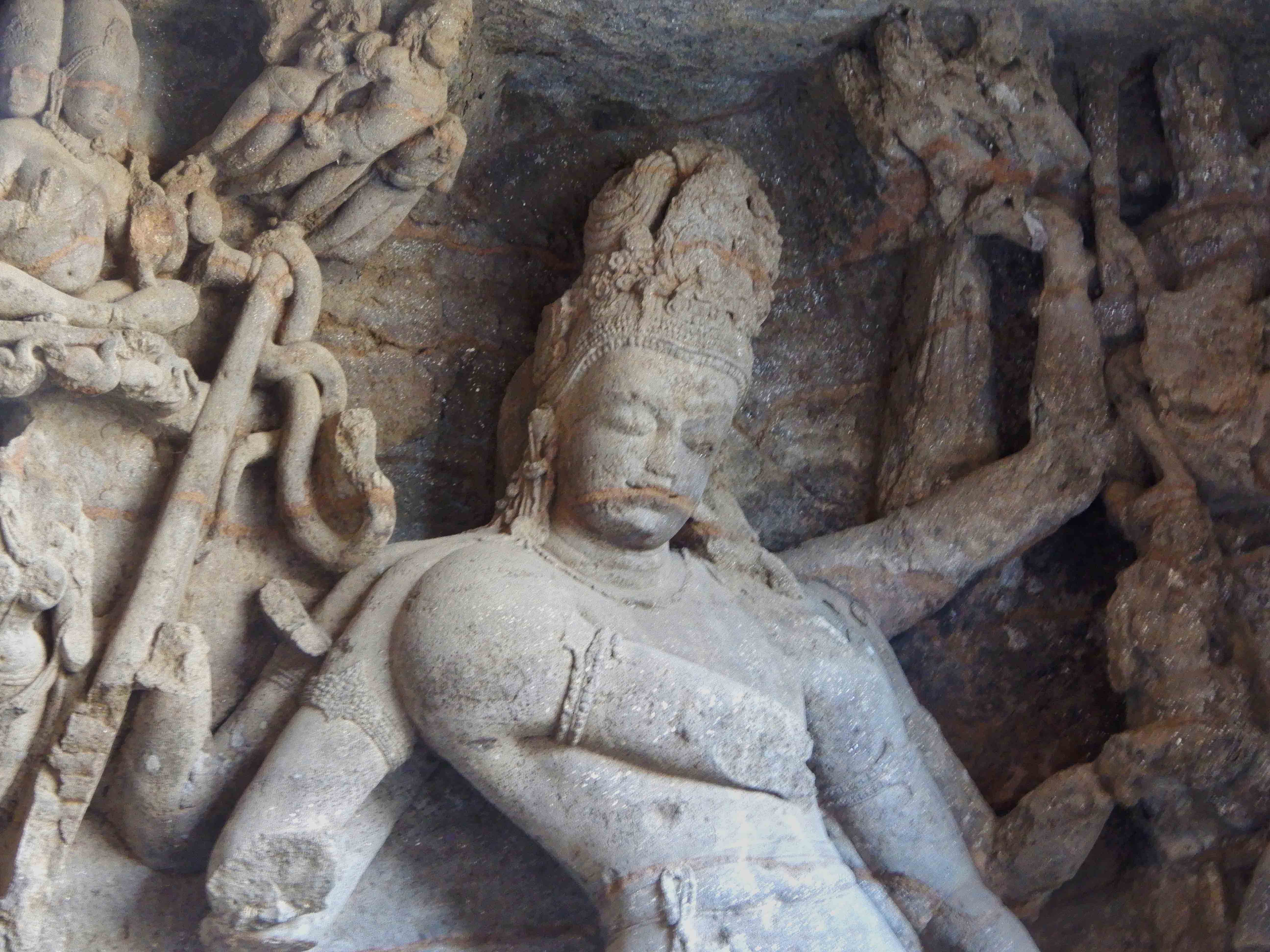


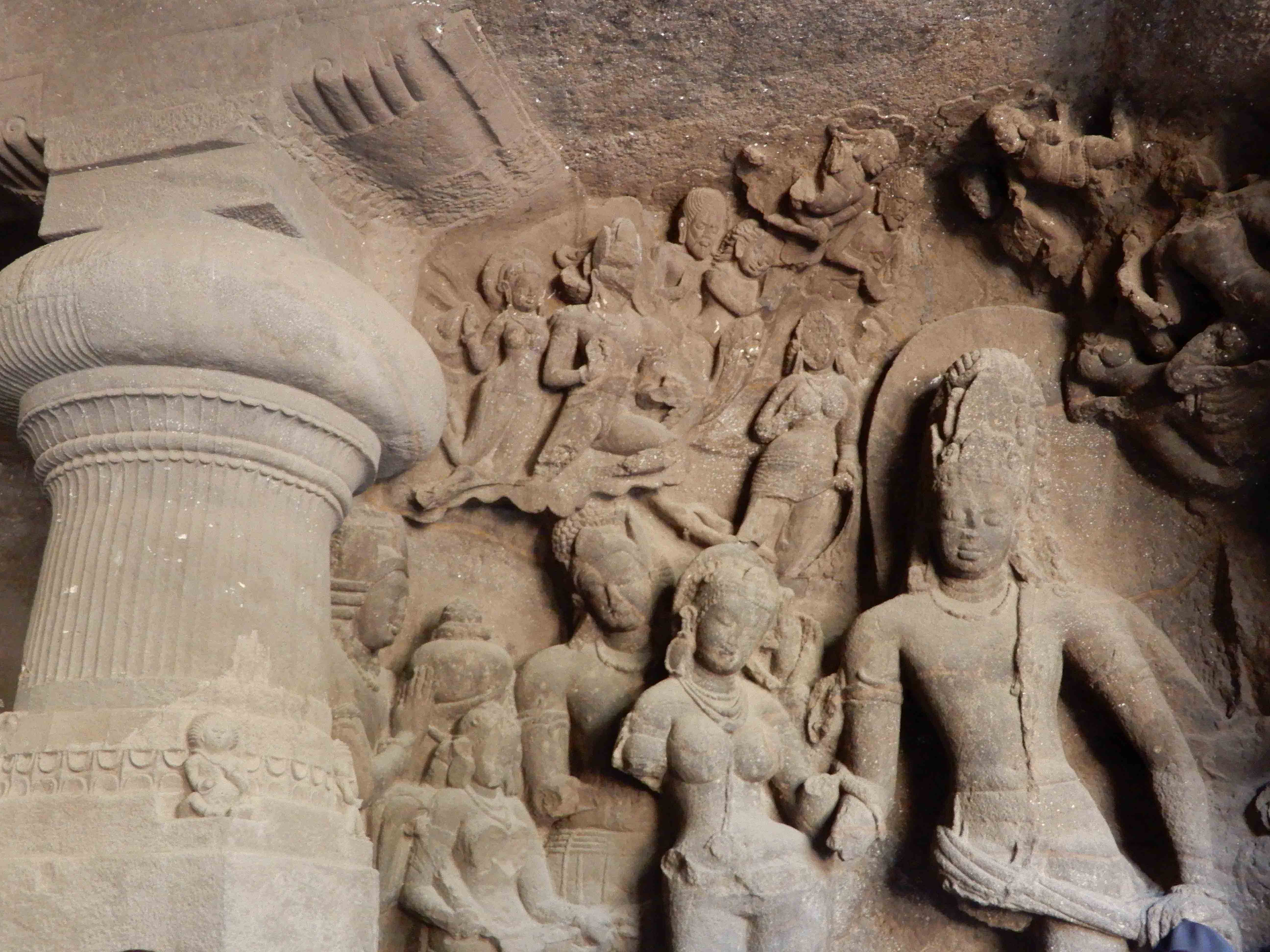
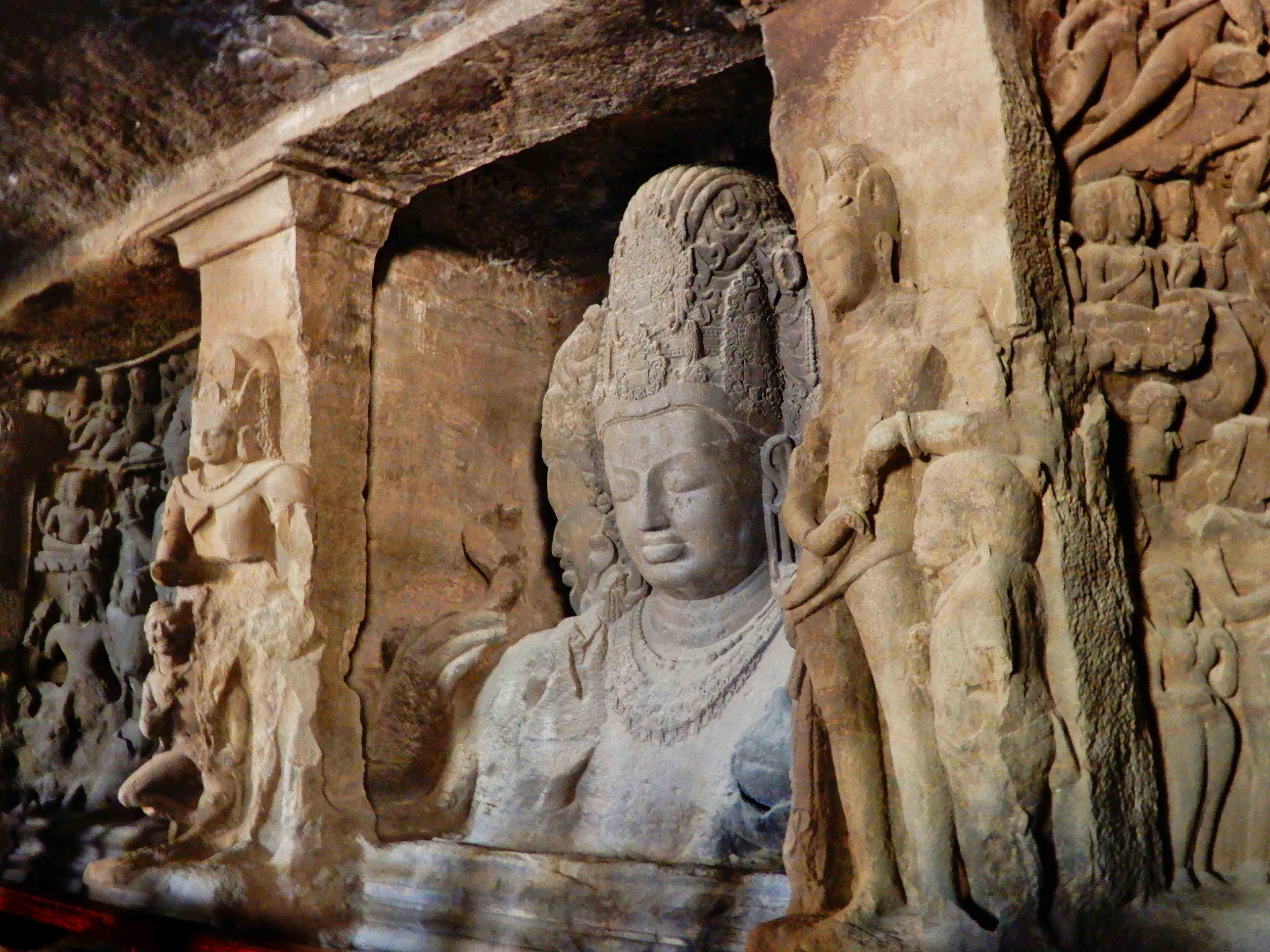
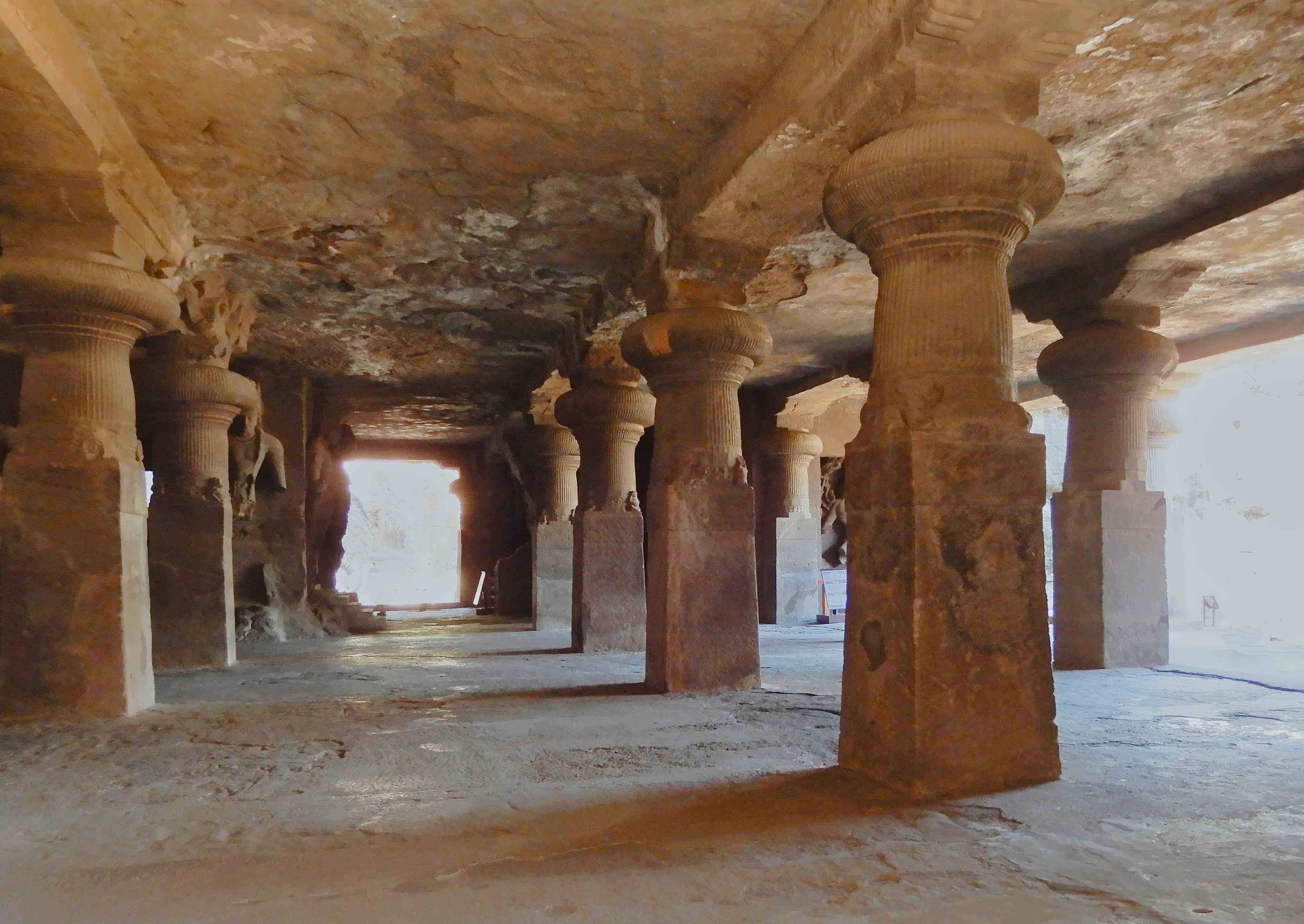
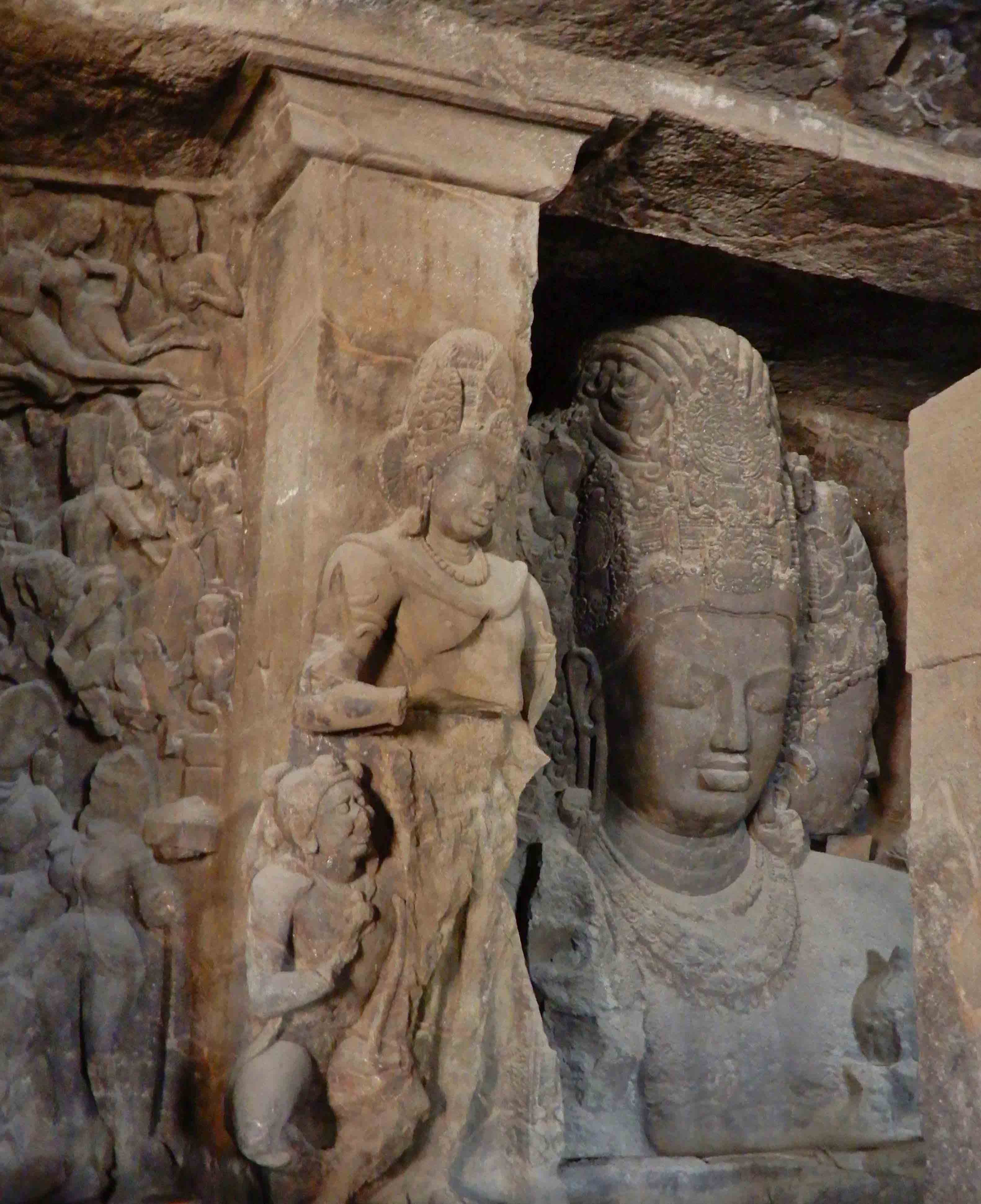
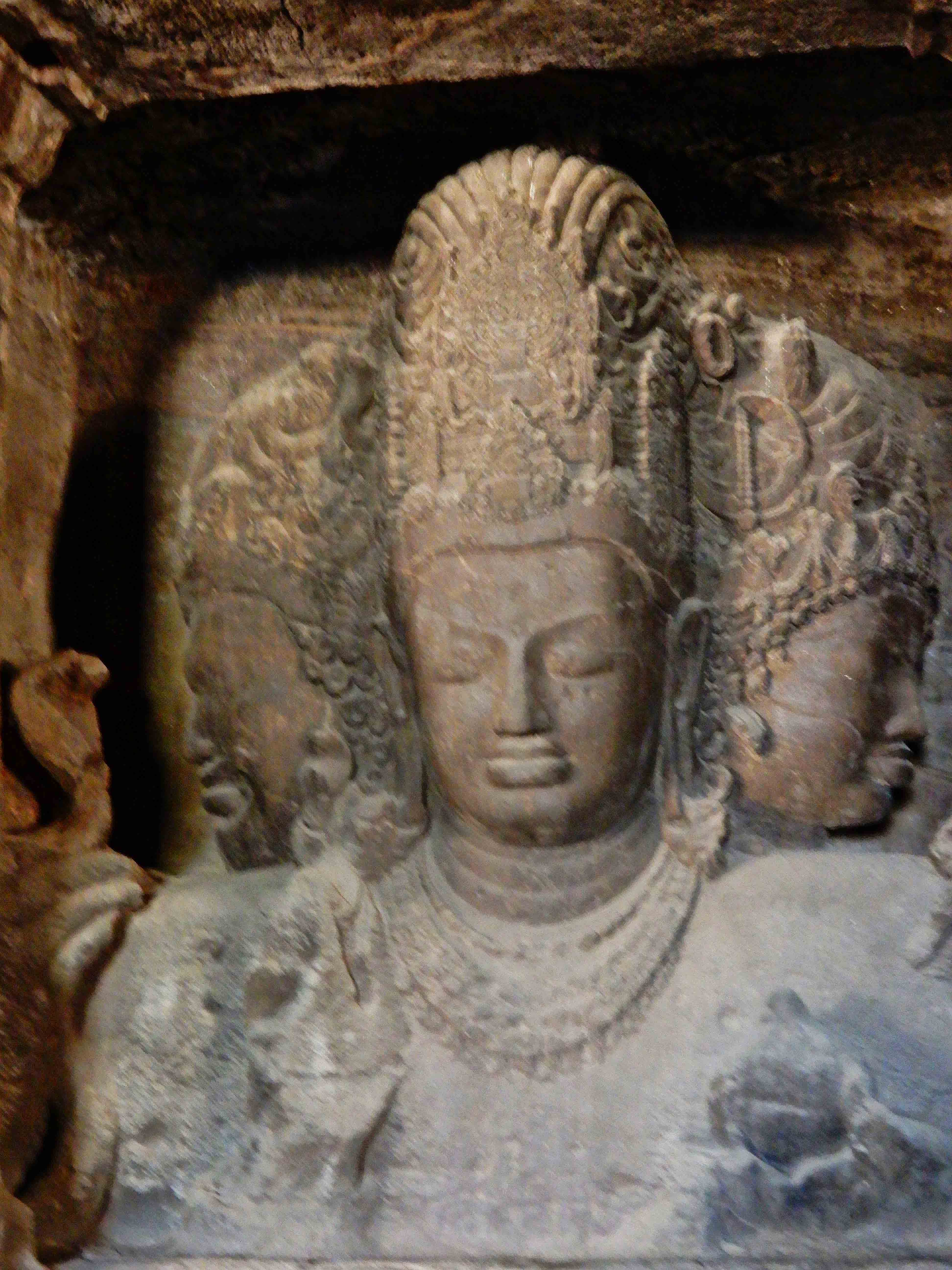
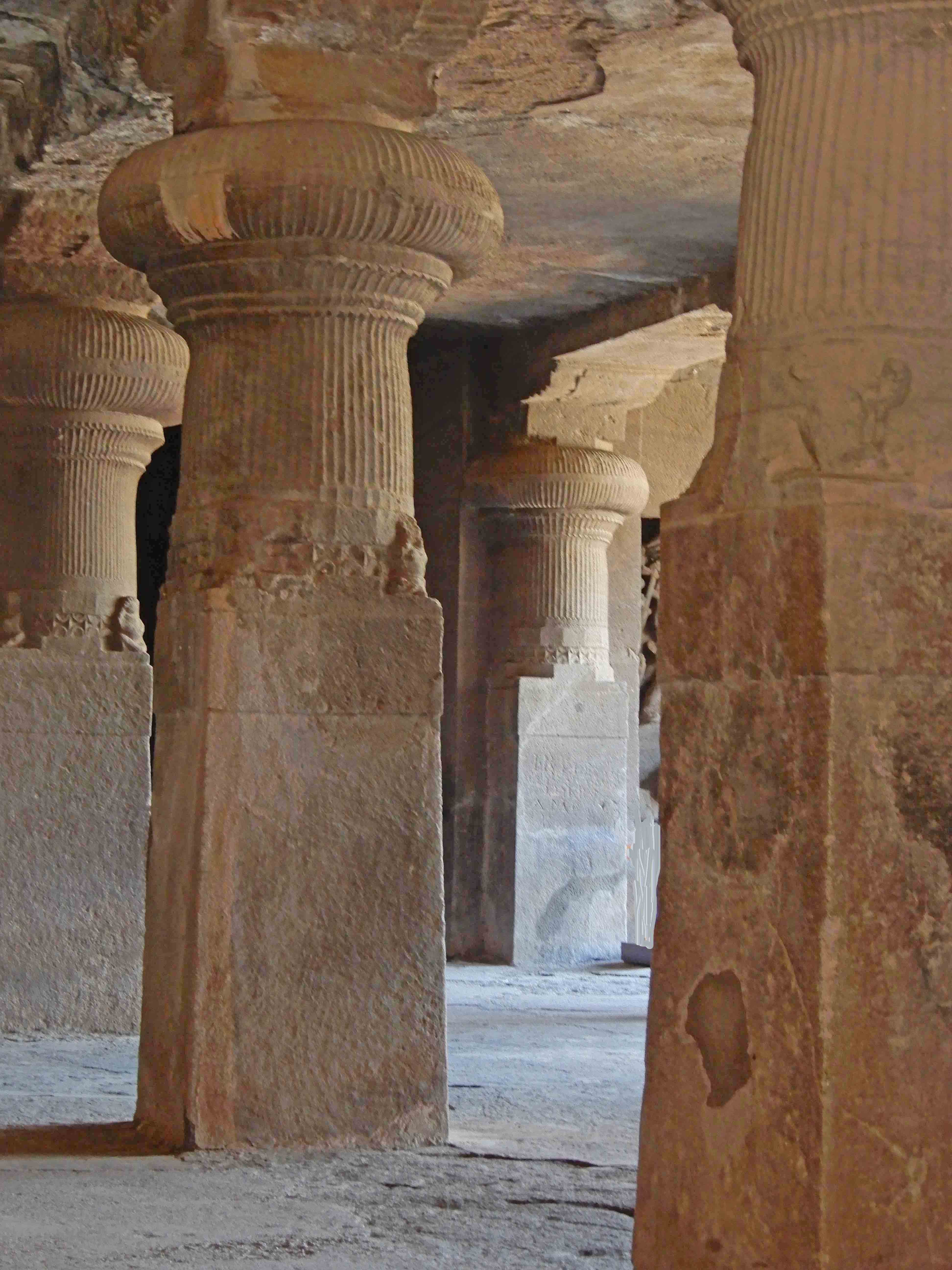
The Elephanta Caves are renowned for their rock-cut architecture and sculptures. The caves were carved out of solid basalt rock between the 5th and 8th centuries AD. The caves consist of five Hindu temples, with the main temple dedicated to Lord Shiva. The most famous sculpture in the caves is the Trimurti, a three-headed bust of Shiva representing his three aspects: the Creator, the Preserver, and the Destroyer.

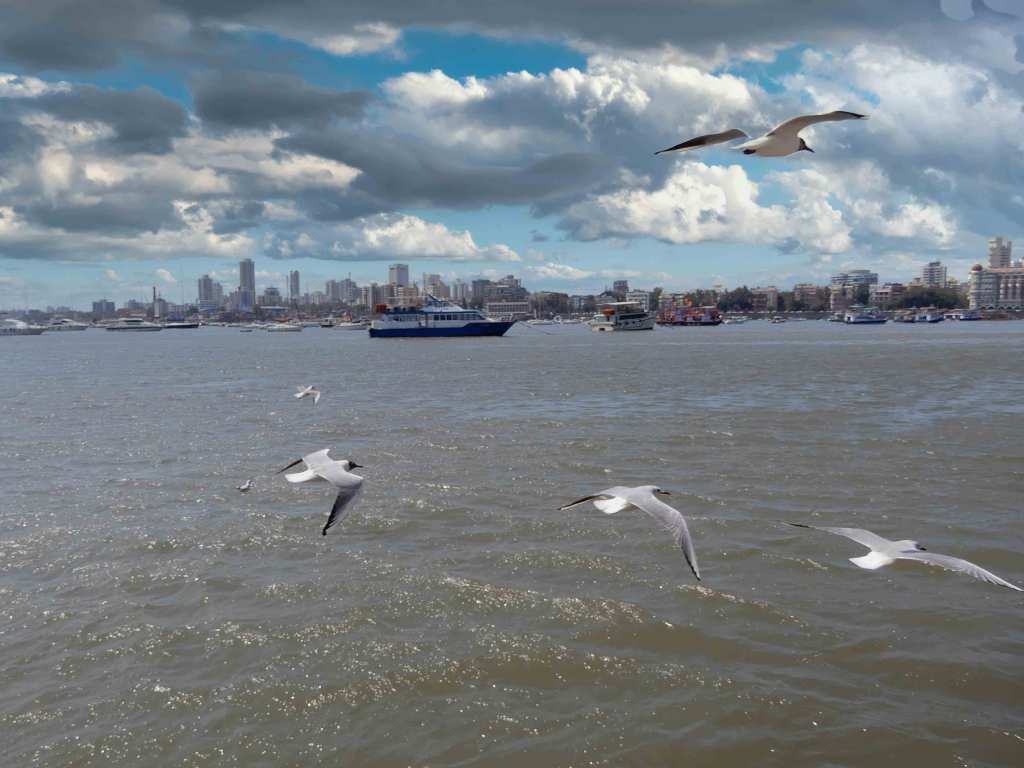
The Elephanta Caves are accessible by boat from the Gateway of India in Mumbai. To reach the Elephanta Caves, take a ferry from the Gateway of India in Mumbai. The ferry ride takes about an hour and offers stunning views of the Mumbai skyline and the Arabian Sea. The first ferry leaves the Gateway of India jetty at 9 AM, and the last return ferry, from Elephanta Island, is at 5:30 PM. You can buy the return tickets at the ticket counter in Gateway of India. Elephanta Island ferry prices vary between US$1.25 and US$2.00 per person depending on the boat. Cave admission for foreign tourist is approximately US$8 for adults and US$4 for children.
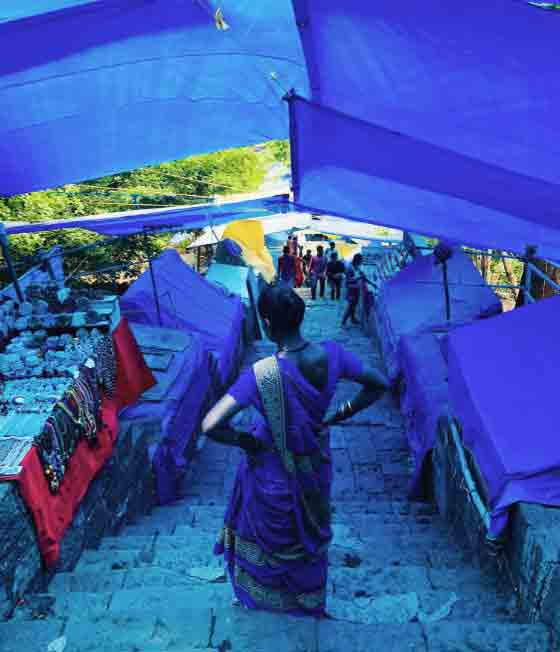


Once on Elephanta Island there is a visitor train from the pier to the base of the hill. Without the train the walk from the pier takes about 20 minutes and is quite irregular in some places. The train ride takes about 10 minutes and costs 10 rupees and the train runs every 15 minutes and takes about 10 minutes to reach the caves.
Walking Path Up To The Caves The walk up to the caves is a bit challenging, but it’s a great way to see the island and get some exercise. The path goes up concrete steps and is well-maintained and there are plenty of places to stop and rest along the way. There are also a number of craft and souvenir sellers stalls along the path. For those not able or willing to walk there are litters (hand carried chairs) to carry you up the trail. Pricing varies by temperature and demand but usually is surprisingly cheap.
 The Intentional Travelers