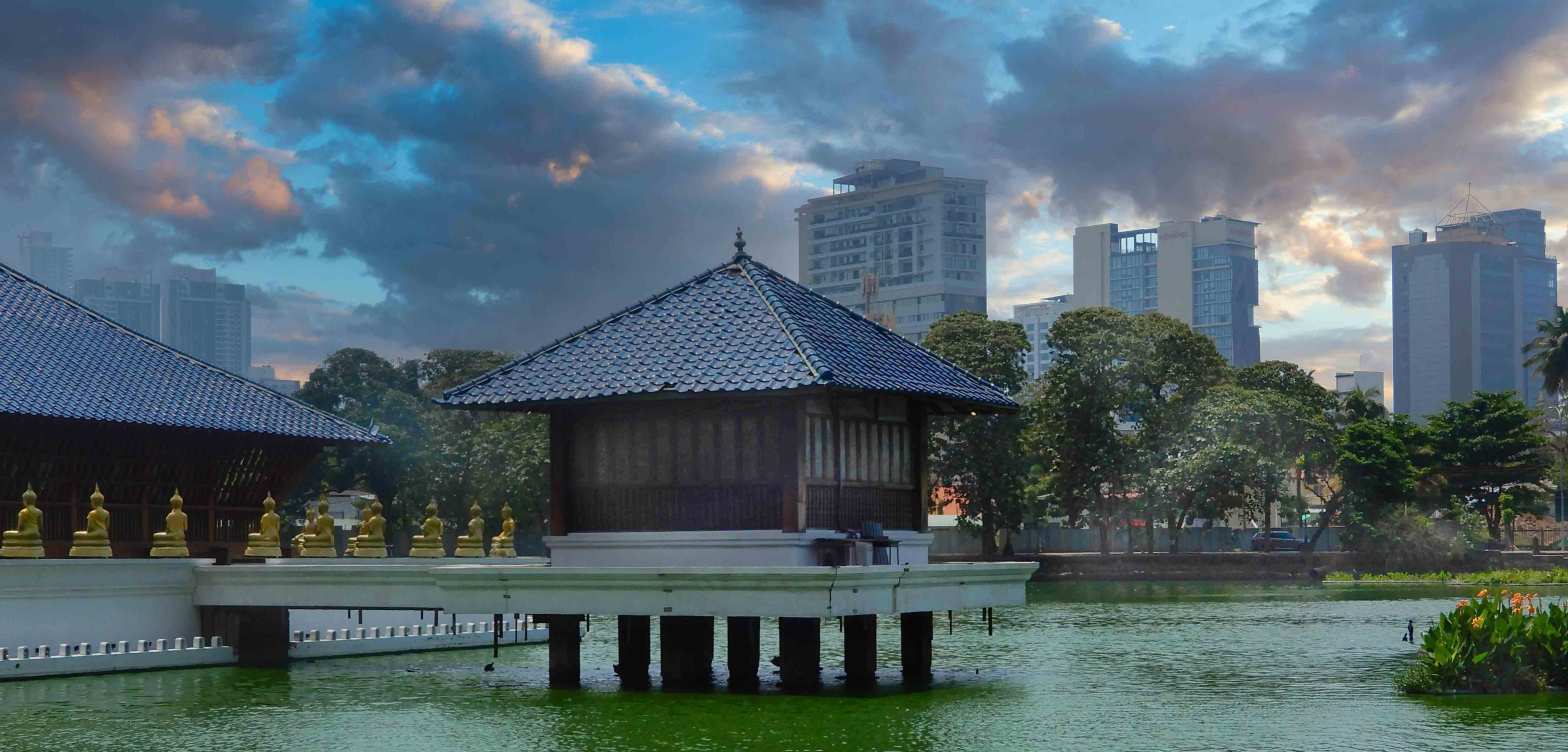
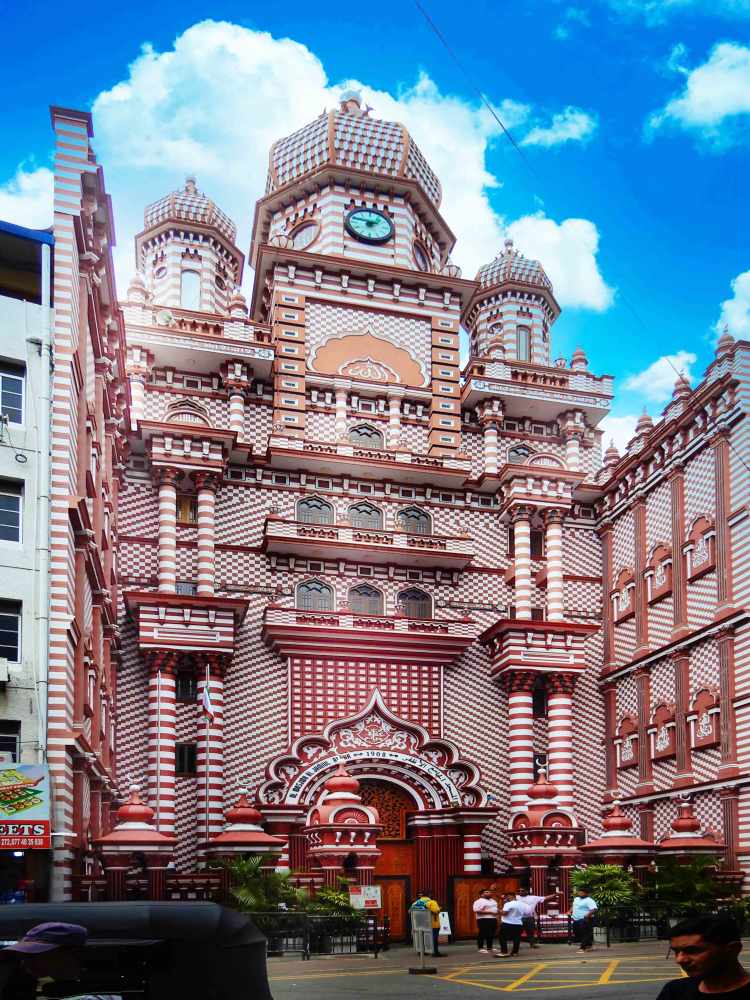
The Capital of Sri Lanka, Columbo is an interesting mix of a modern metropolis and traditional Asian city. Winding streets packed with small shops and stalls mixed in with skyscrapers, temples, city markets and parks. Sri Lanka is officially a Buddhist country, while Sri Lankans practice a variety of religions. About 70% of Sri Lankans are Buddhists, 12% are Hindus, 10% are Muslims, 7% are Christians.
Where Your Ship Docks
Cruise ships will dock in Columbo’s industrial port requiring a shuttle bus to get to the port entrance. There is no cruise terminal but you can expect to find vendors and money changers at the pier. At the port exit you are only a few blocks from downtown markets and tuk-tuks and taxis will be plentiful at the port entrance.


Wheelchair Users
Disembarking – This is a working industrial port without a cruise ship pier. Disembarking varies by the individual ships gangway design and a steep ramp or even stairs can be encountered. For passengers using wheelchairs there can be a difficult time disembarking.
Port City Characteristics – This port has an uneven wheelchair infrastructure typical of many Asian ports. The port area has few inclines but sidewalks are rare and ground can be broken. Outside the port intersection crosswalks may have curbs or other wheelchair obstacles.
Transportation
Buses: Colombo’s public transportation system is dominated by buses, with over 6,000 buses operated by the Sri Lanka Transport Board (SLTB) and some private companies. Buses, while a cost-effective way to get around the city, understanding routes and fares is a major challenge. They can also be crowded and slow during peak hours.
Taxis and Ride-sharing Apps: Taxis are readily available in Colombo, but they can be expensive. Ride-hailing apps such as Uber and PickMe are also popular options, offering competitive fares and convenience.
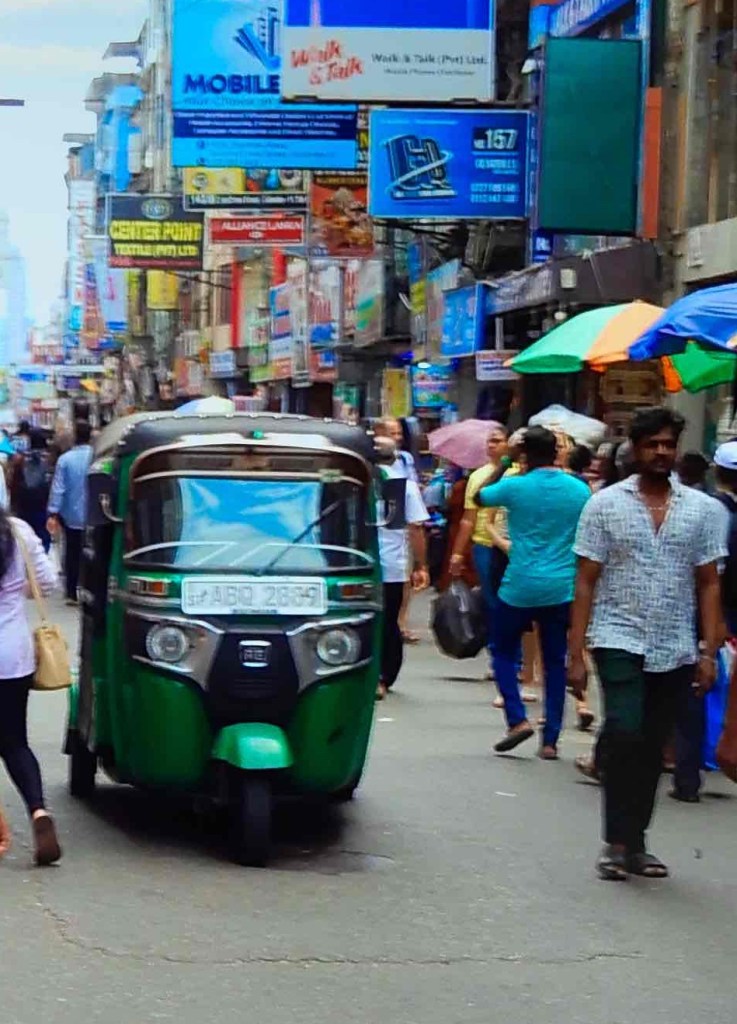
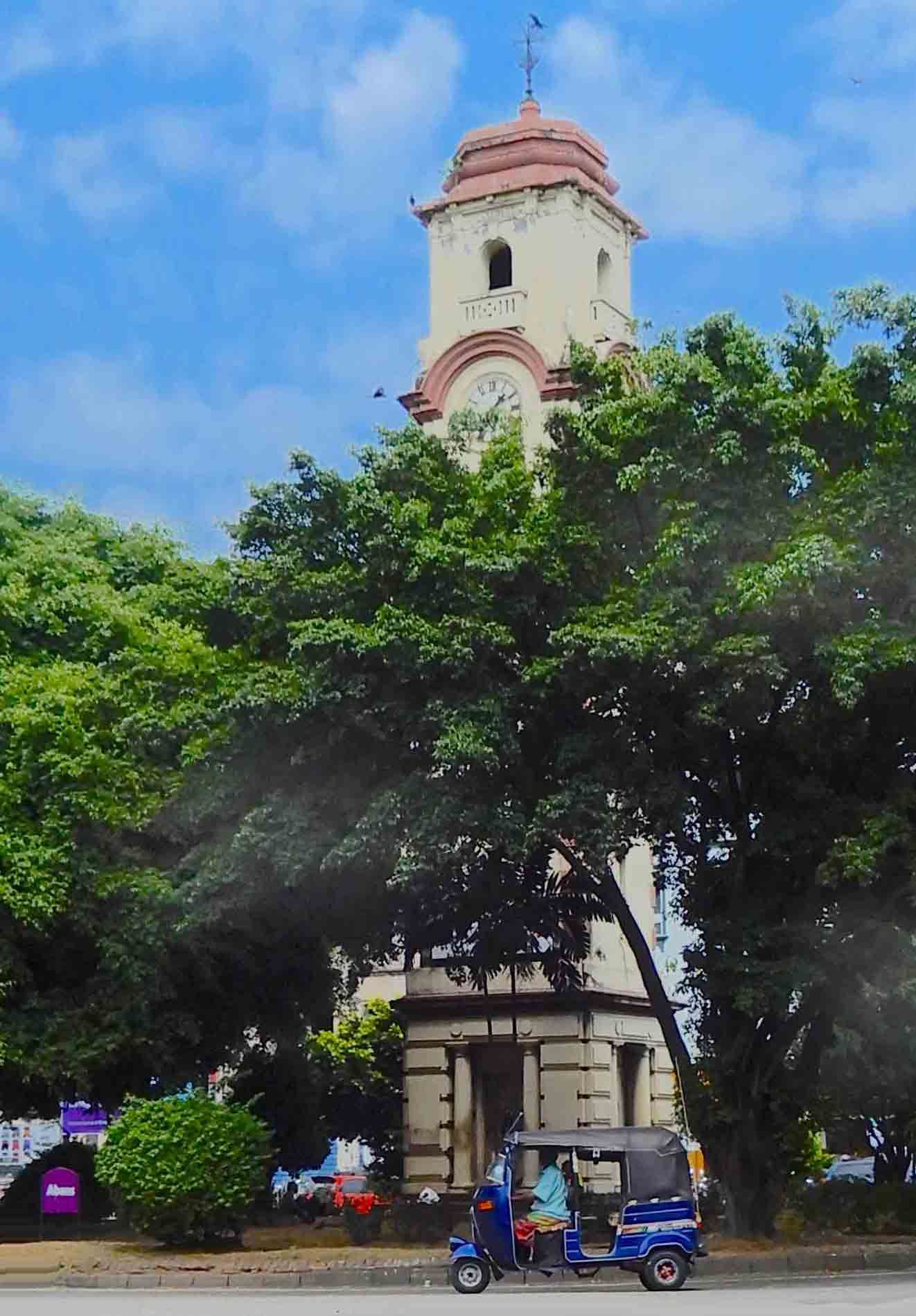
Tuk-Tuks: Three-wheelers, known as tuk-tuks, are a popular mode of transportation for short distances. They are relatively inexpensive and can navigate narrow streets, but they can be noisy and uncomfortable. They usually line up outside the port entrance and fares are negotiable.
Local Currency
The Sri Lankan Rupee (LKR) is the official currency of Sri Lanka. It is subdivided into 100 cents. Exchange Rates run approximately US$1 is equivalent to approximately 364 LKR. Most credit cards are accepted at most places but avoid have the transaction in US$. ATMs in Sri Lanka charge between LKR200 and LKR400. Some international cards are not charged an ATM fee at Bank of Ceylon ATMs, so they’re worth looking for. You will often get charged a fee by your own bank.

Shopping
Like much of Asia, Sri Lanka’s economy is based on small merchants selling from street stalls or city market places. While visiting take the opportunity to shop like a local. You’ll find everything from clothes to shoes, crafts, spices and produce for sale in those shops.

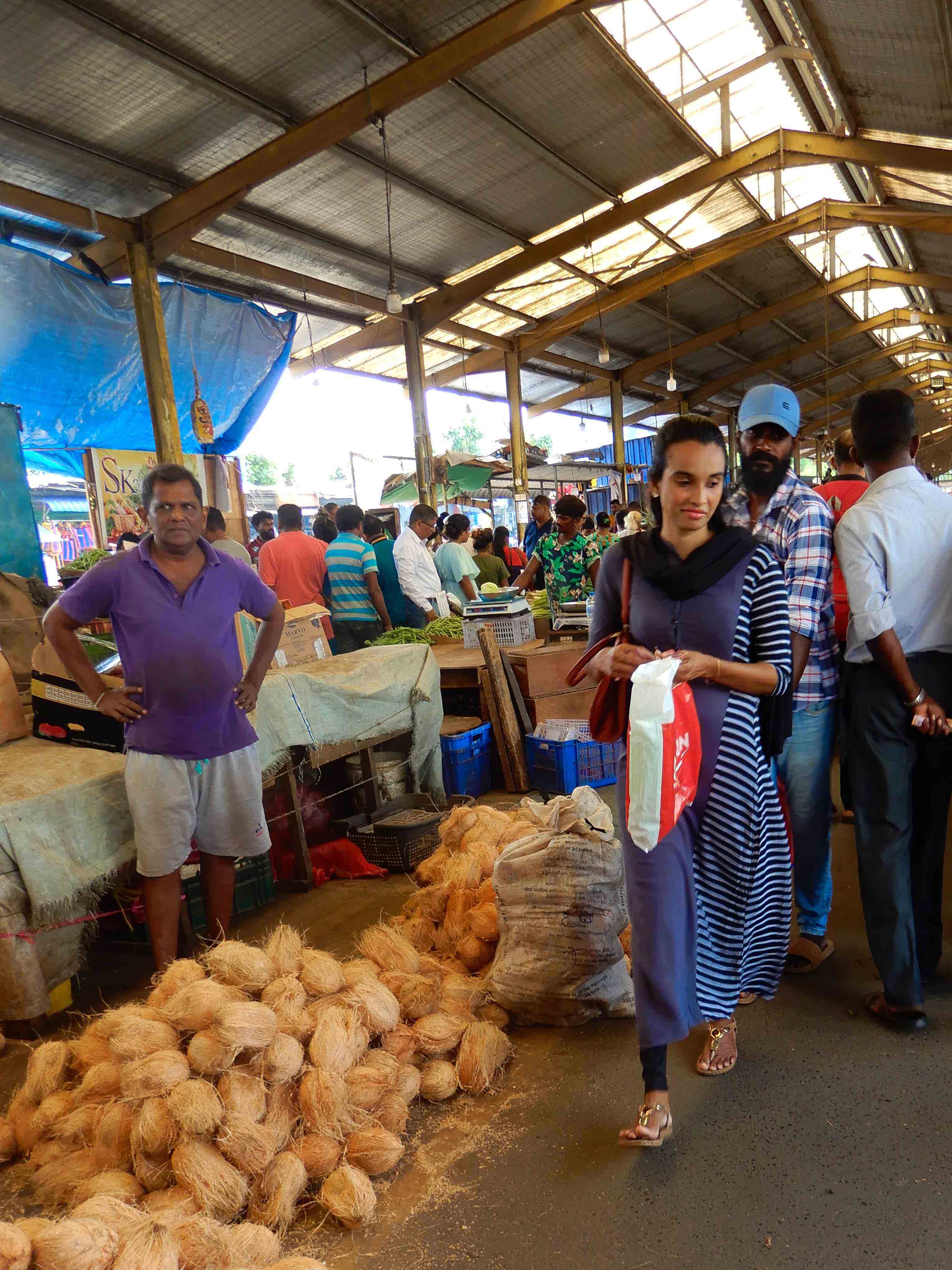
If you are looking for local gift items, tea should be at the top of the list. Tea is what made Ceylon (the name before Sri Lanka) famous and the country was one of the worlds biggest growers and exporters. After that look for spices, craft items, jewelry and clothes.

Attractions


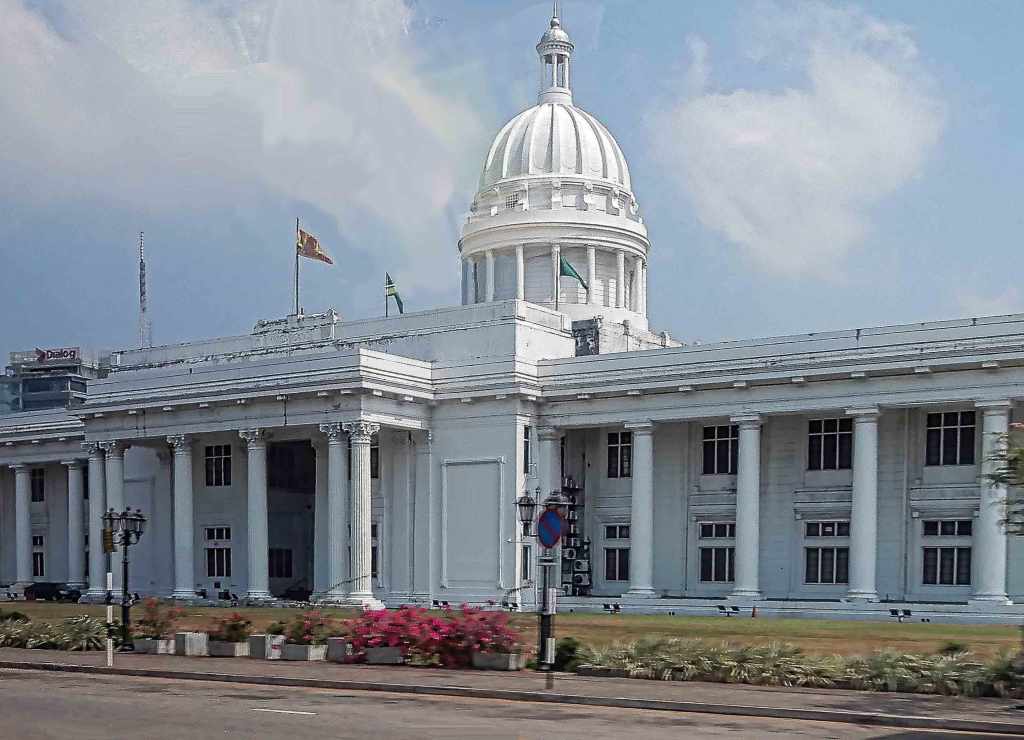
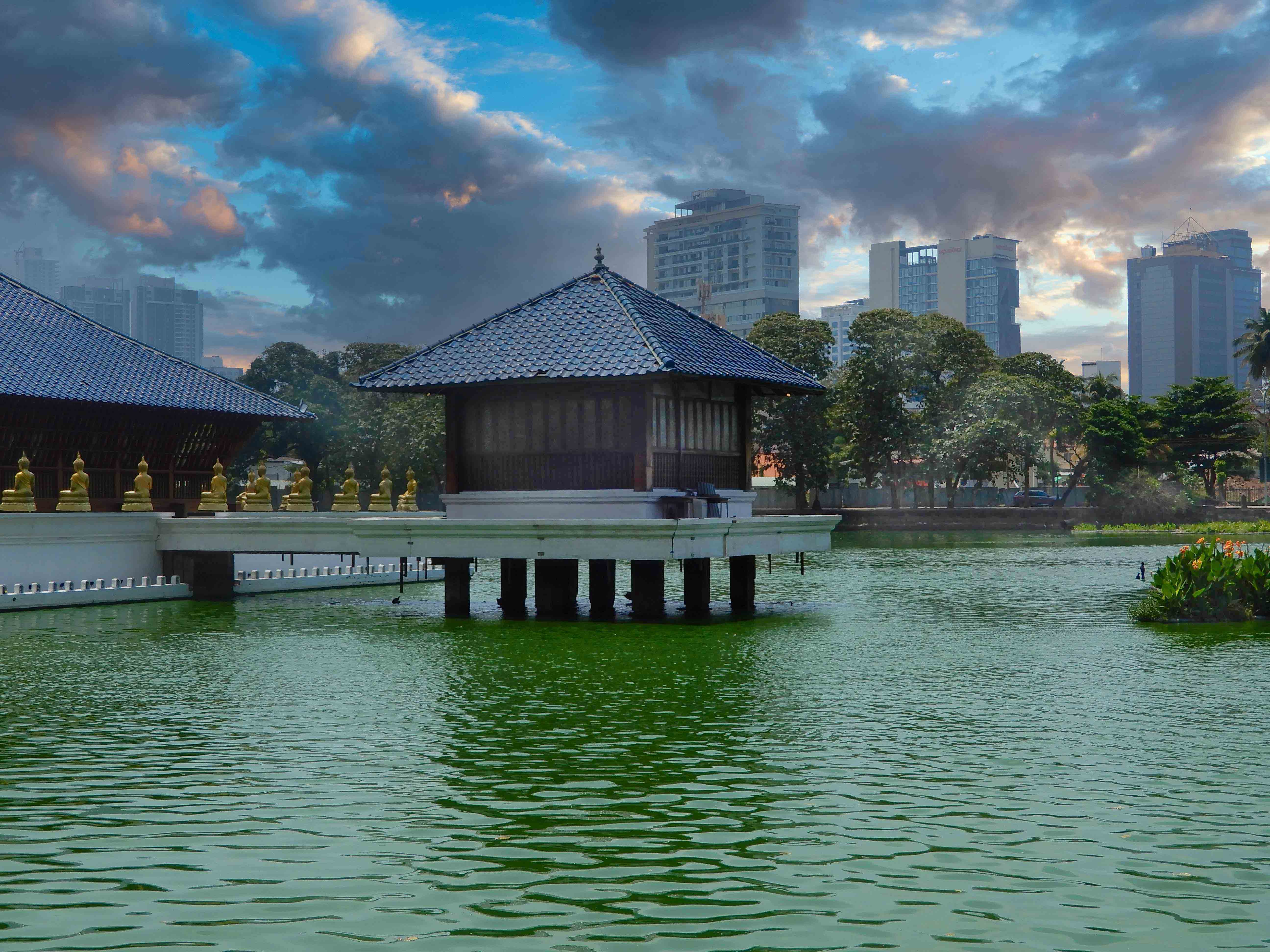
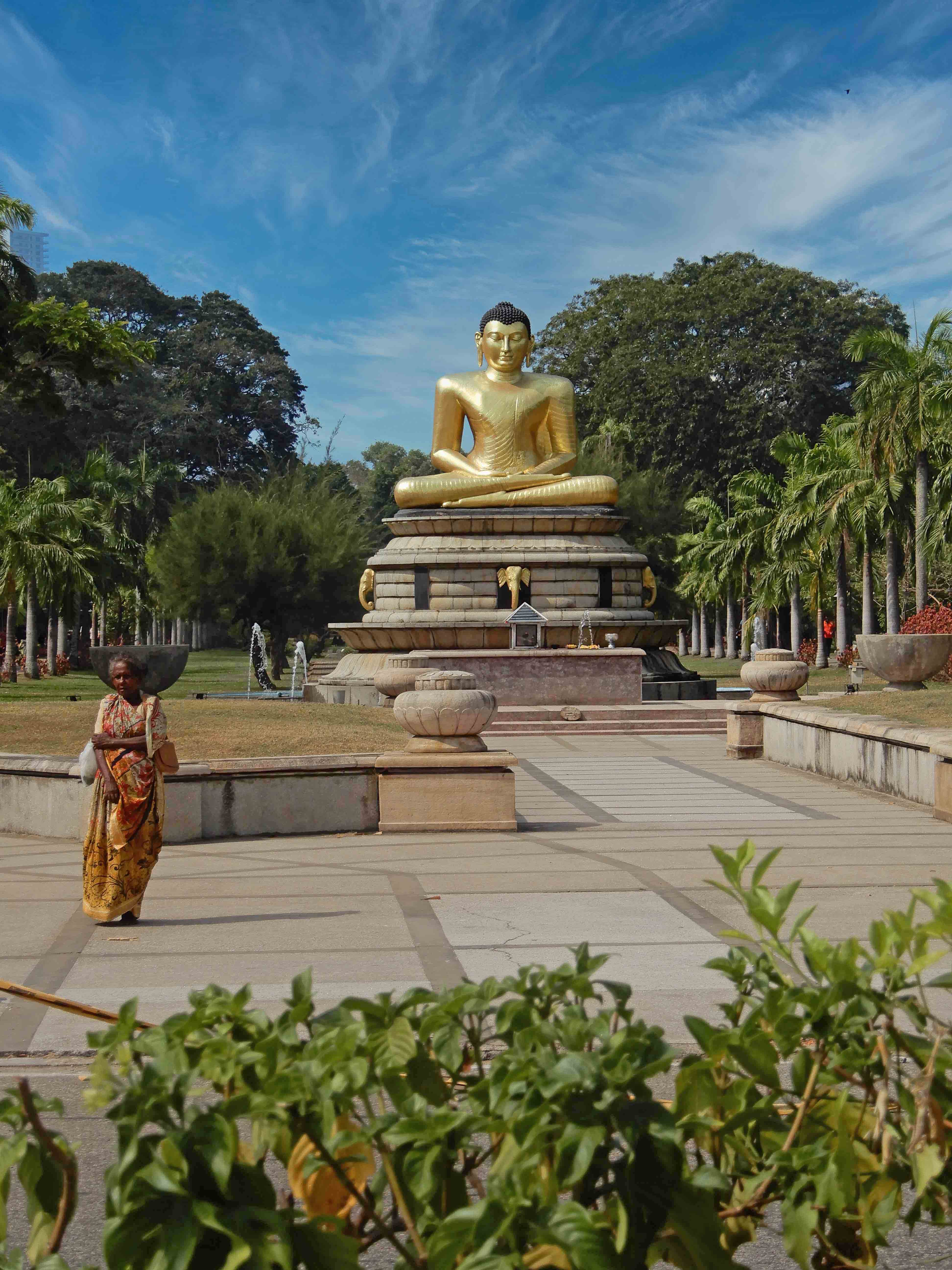
Columbo has a range of attractions worthy of a visit, such as the National Museum, Galle Face Green, Viharamahadevi Park, the Lotus Tower and the Old Parliament Building.
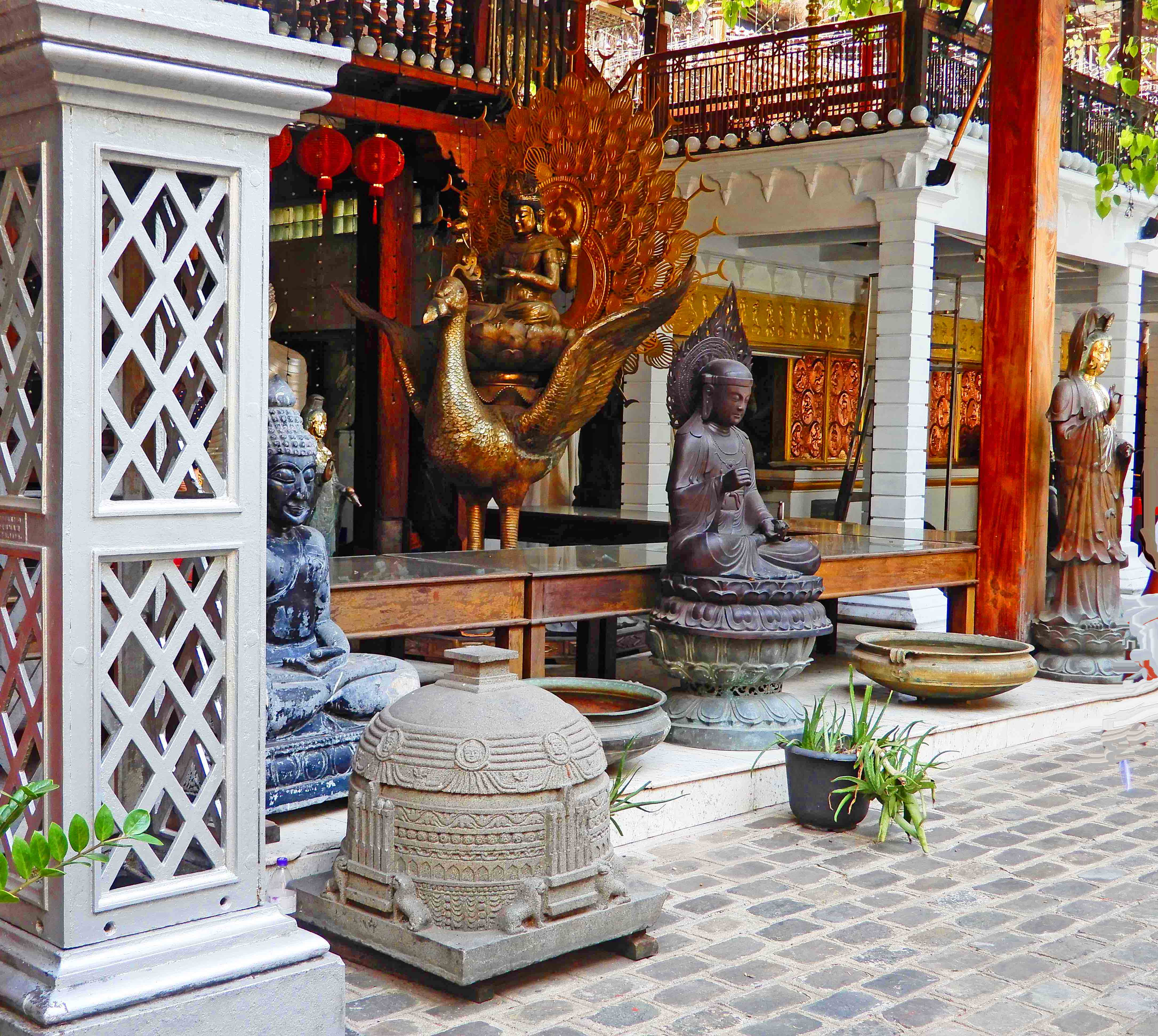
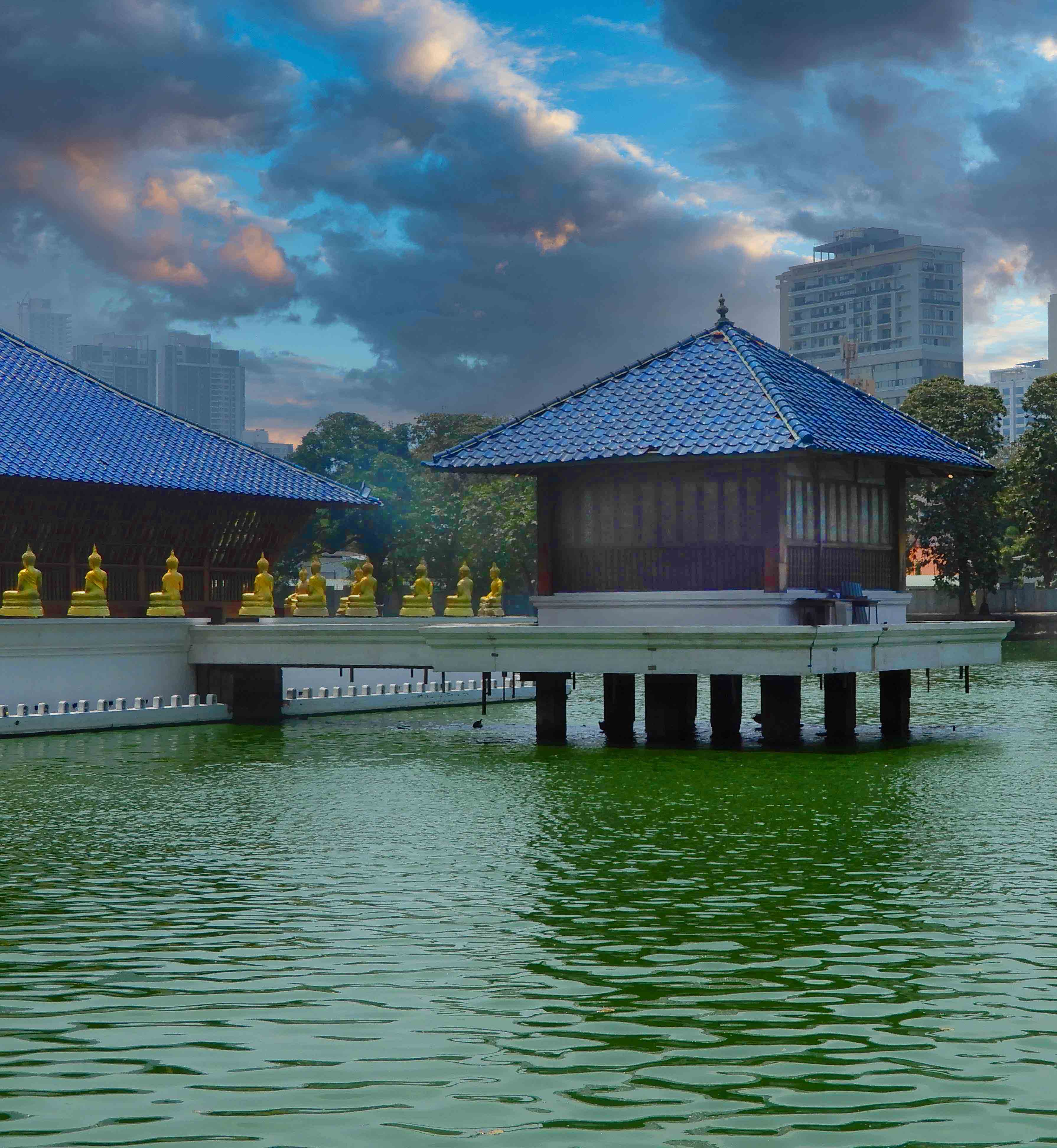
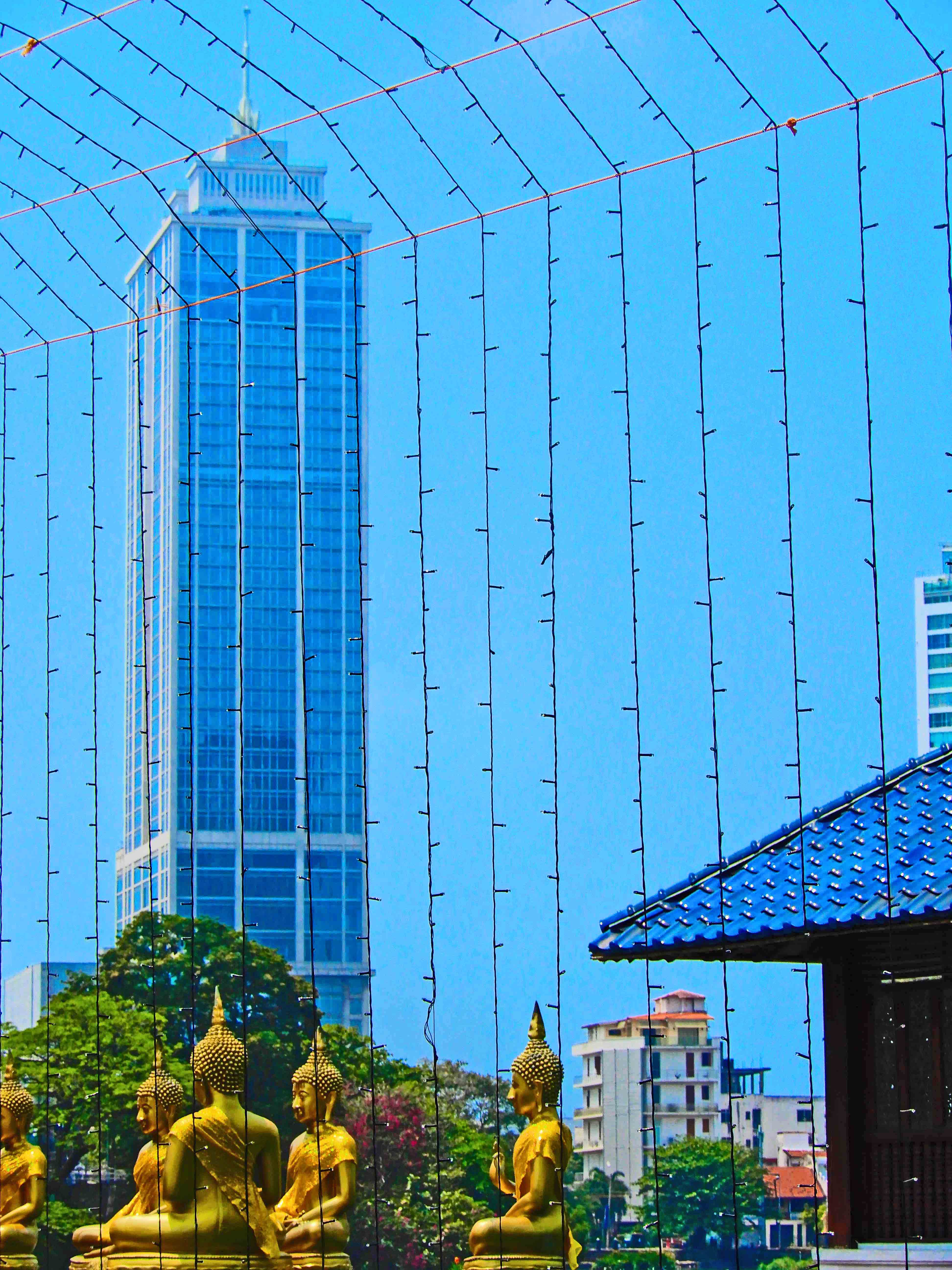
Of special interest is the Buddhist Gangaramaya Temple. It’s a prominent temple with a mix of Sri Lankan, Thai, Indian, and Chinese architecture, and it’s known for its vibrant religious activities and beautiful decorations. The temple also houses a museum and a library. If you’re interested in visiting Buddhist temples in Colombo, the Gangaramaya Temple is definitely the one to visit.

Outside of Columbo Sri Lanka boasts a rich cultural heritage, with numerous ancient temples, ruins, and colonial buildings. Some must-see attractions include the Sigiriya Rock Fortress, the Temple of the Sacred Tooth Relic in Kandy, and the Dutch Fort in Galle. Taking a train is an excellent way to visit these locations and seeing the Sri Lankan countryside by train is a fantastic experience.
Getting from Columbo Cruise Port to the Train Station
The Columbo Cruise Port is located approximately 2 miles from the Colombo Fort Railway Station, the main train station in Colombo, Sri Lanka. There are several ways to get from the cruise port to the train station, including taxi, tuk-tuk, or bus and it is near enough to walk.

Taxi
Taxis are the most convenient way to get from the cruise port to the train station. The fare is approximately 1,000-1,500 Sri Lankan rupees (LKR) (about $5-7 USD). The journey takes about 15 minutes, depending on traffic.
Tuk-tuk
Tuk-tuks are a cheaper alternative to taxis. The fare is approximately 500-700 LKR (about $2-3 USD). The journey takes about 20-25 minutes, depending on traffic.


 The Intentional Travelers