
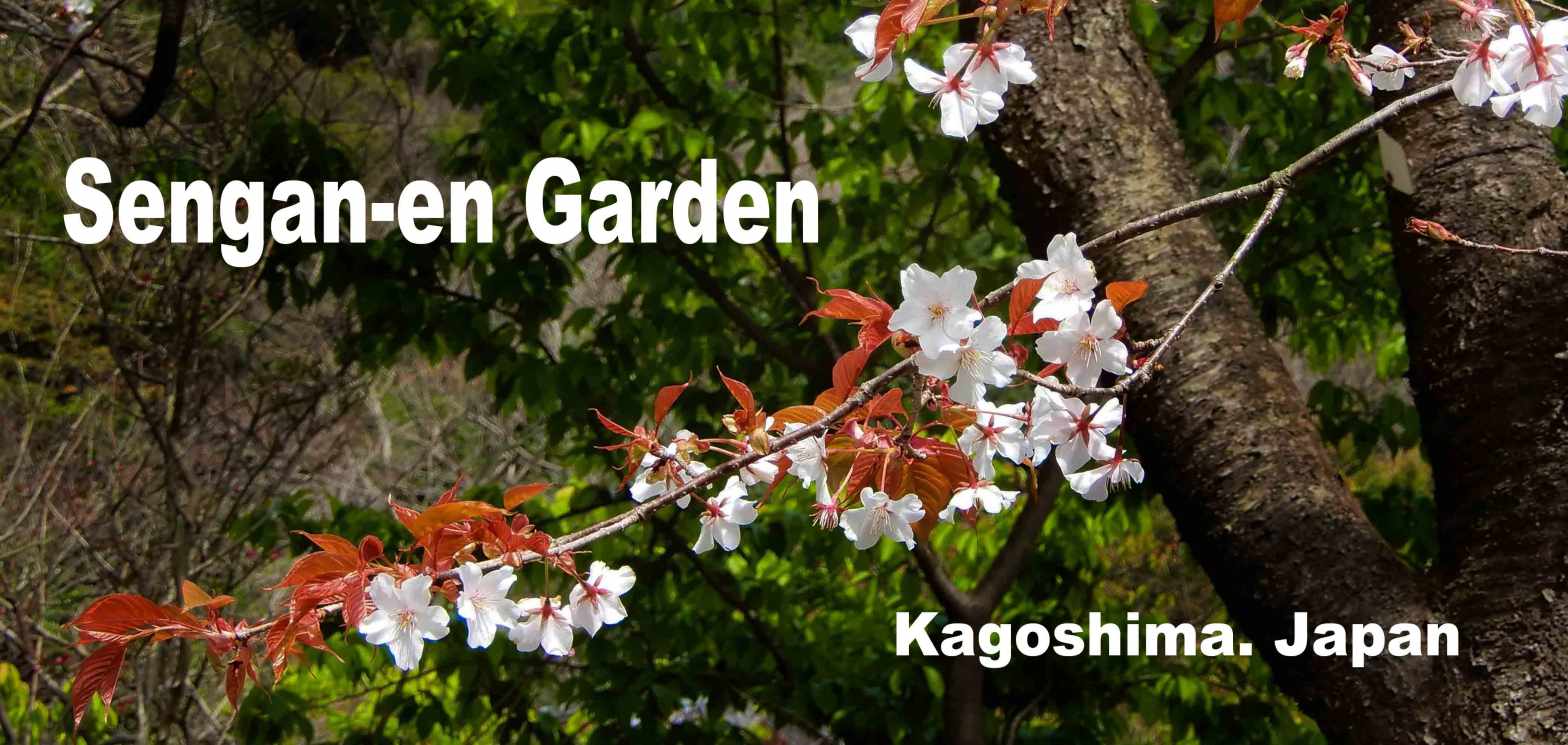
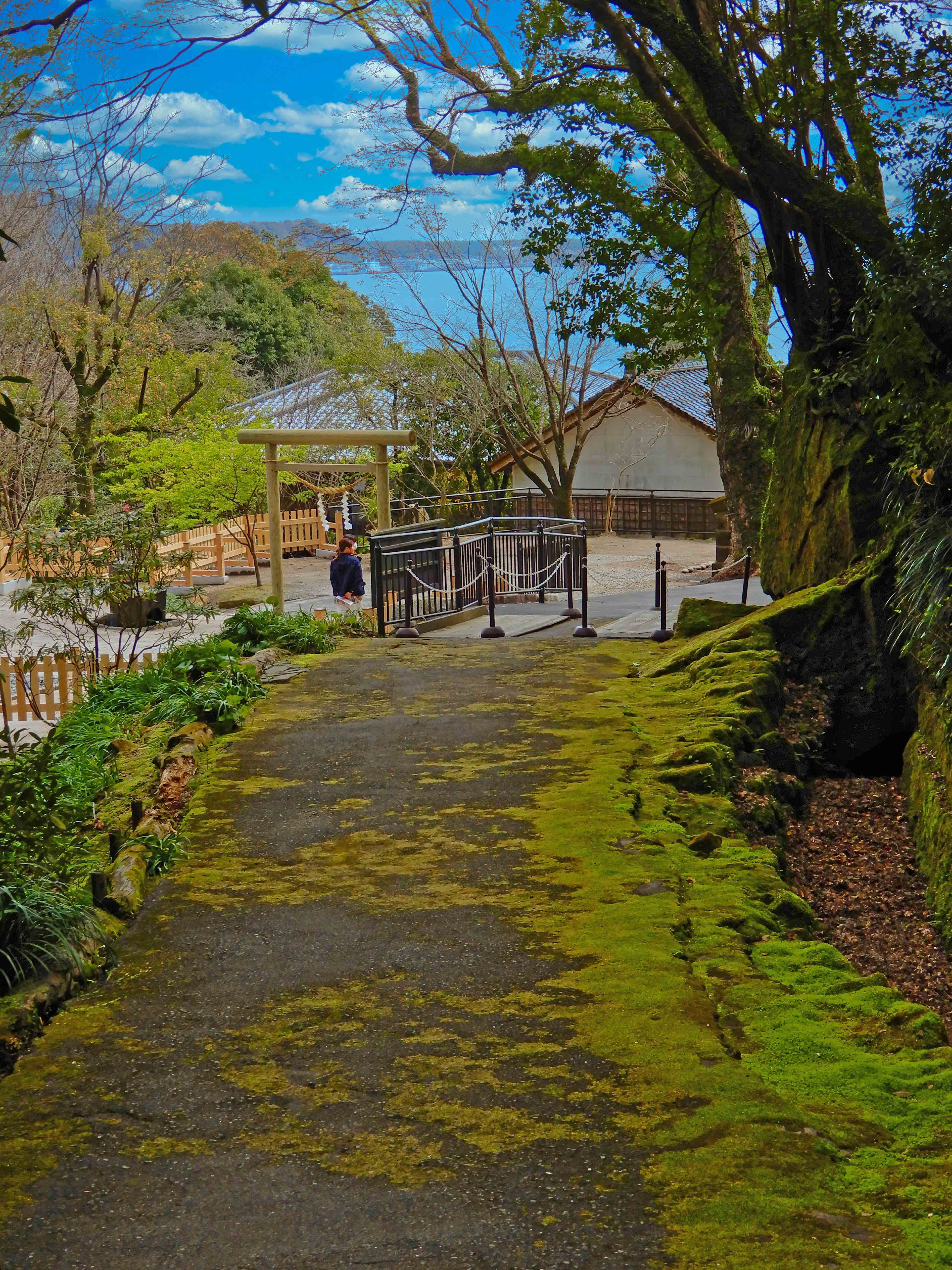
Sengan-en Garden is a traditional Japanese landscape garden boasting picturesque views of the Sakurajima Volcano, Kinko Bay and some interesting archeological sites. It was built in the 17th century by the Shimazu clan, who ruled the Satsuma domain for over 700 years. The garden boasts diverse features, including traditional Japanese structures, a pond, and a hilltop observation point offering panoramic views of the city and Sakurajima volcano.

Cultural Significance: Sengan-en Garden holds significant cultural value. It served as a stage for diplomatic negotiations between Japan and Western powers in the 19th century. The garden also houses the Sengan-en Museum, showcasing artifacts and exhibits related to the Shimazu clan and the history of Kagoshima.

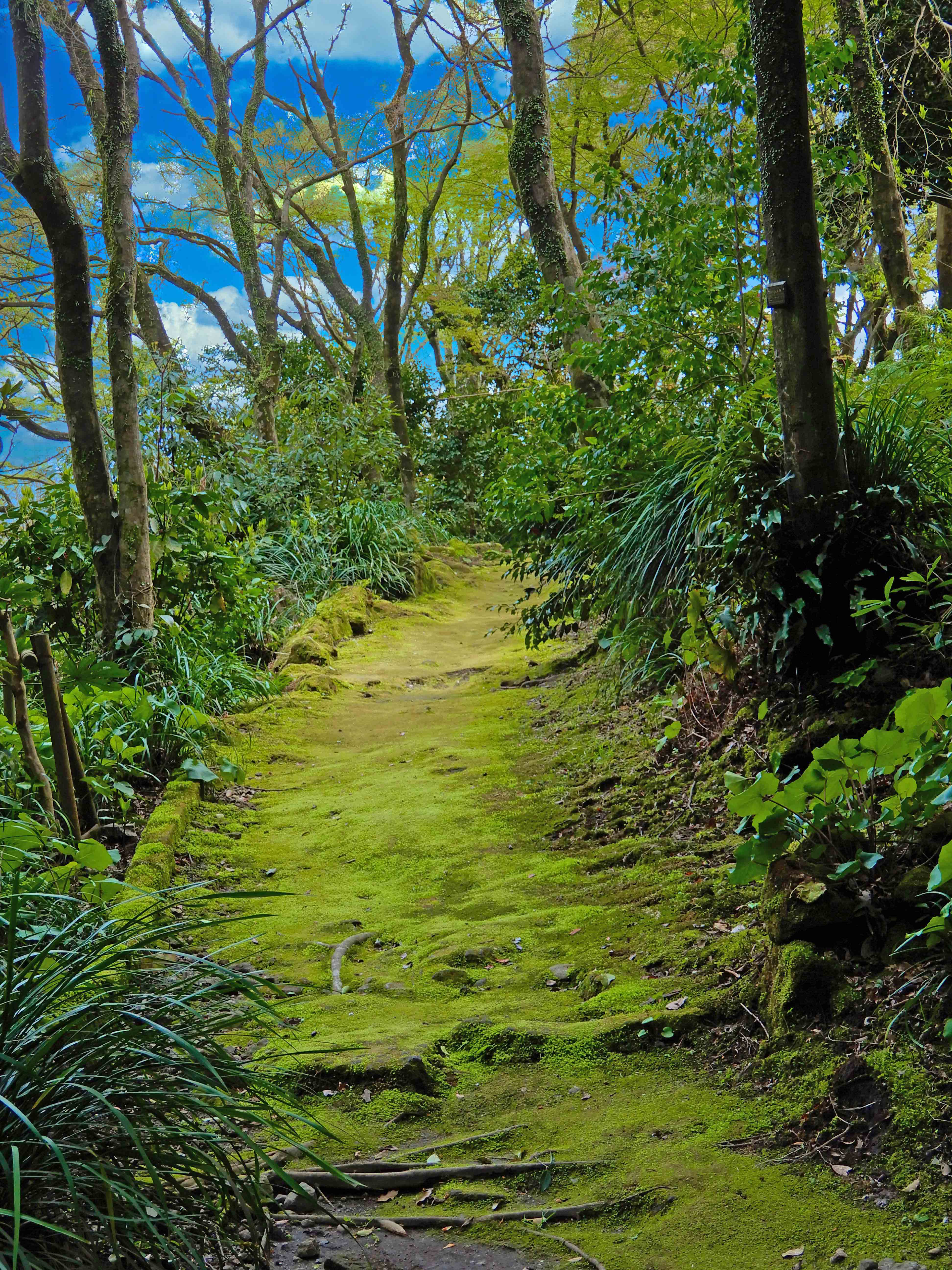
Scenic Beauty: Sengan-en Garden is renowned for its picturesque landscape. Visitors can stroll through the serene pathways, admire the meticulously maintained gardens, and enjoy the breathtaking views of the surrounding natural beauty. The garden is especially popular during the spring cherry blossom season and the autumn foliage season.


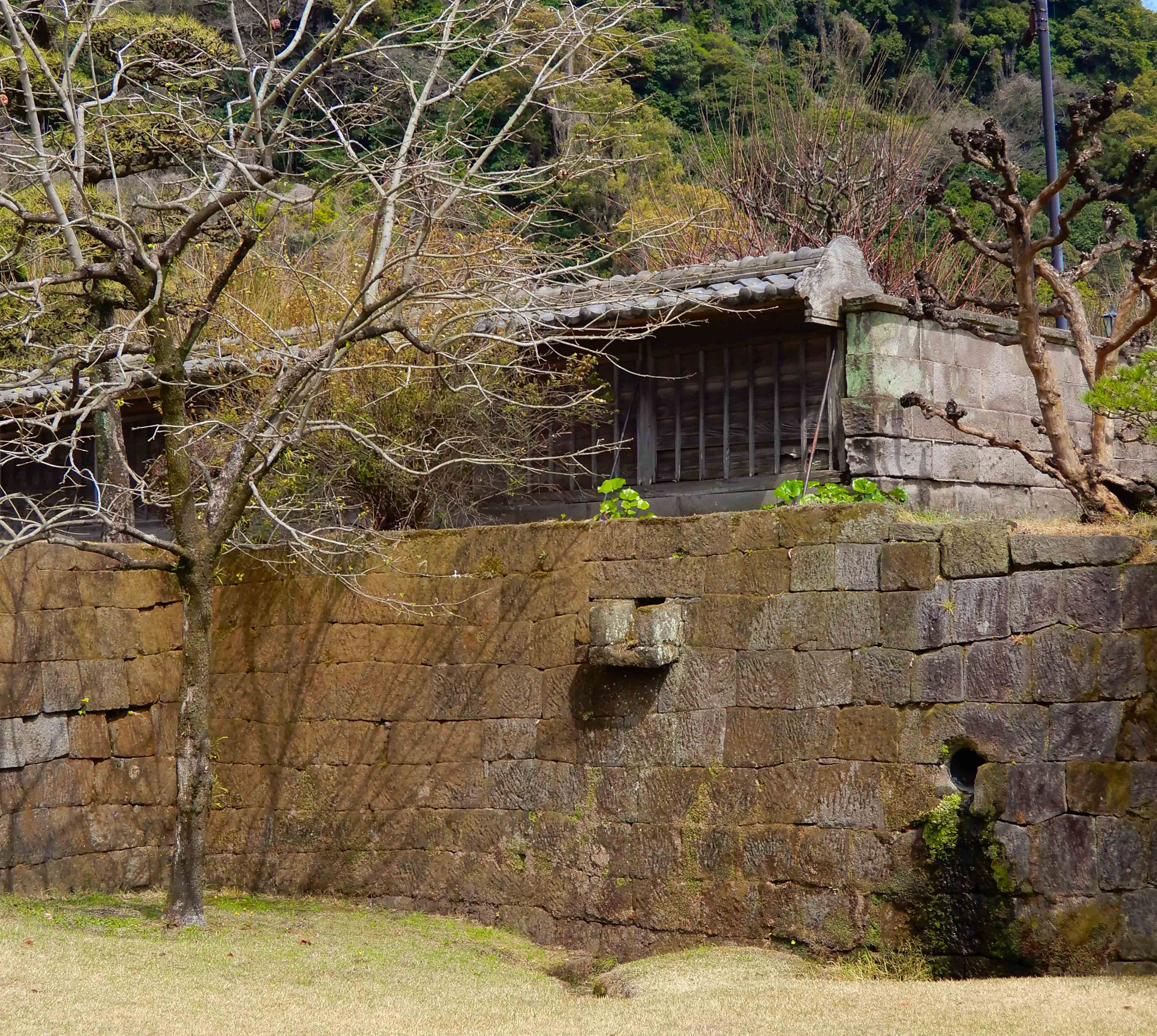
Located near the gardens is the remains of a reverberatory furnace

This cluster of western-style factories, Shuseikan, was built to strengthen Japan’s military. Satsuma Domain’s lord, Shimazu Nariakira, began directing the project in 1851 and iron manufacturing, ship construction, textile, and glass making were run here.
At the heart of all, there was a reverberatory furnace. Today, the foundation remains in Sengan-en. Reverberatory means a facility necessary for metal refining. It was used to melt iron needed to make cannons. The facility was designed based on a Dutch technical book. Back in those days, the main fuel was charcoal, and the water essential in the process of refining was brought from Sengan-en through a channel.
Besides iron manufacture, textile, glass making, printing and other innovations were promoted to accelerate Japan’s modernization.
 The Intentional Travelers