
Where Time Seems To Stand Still


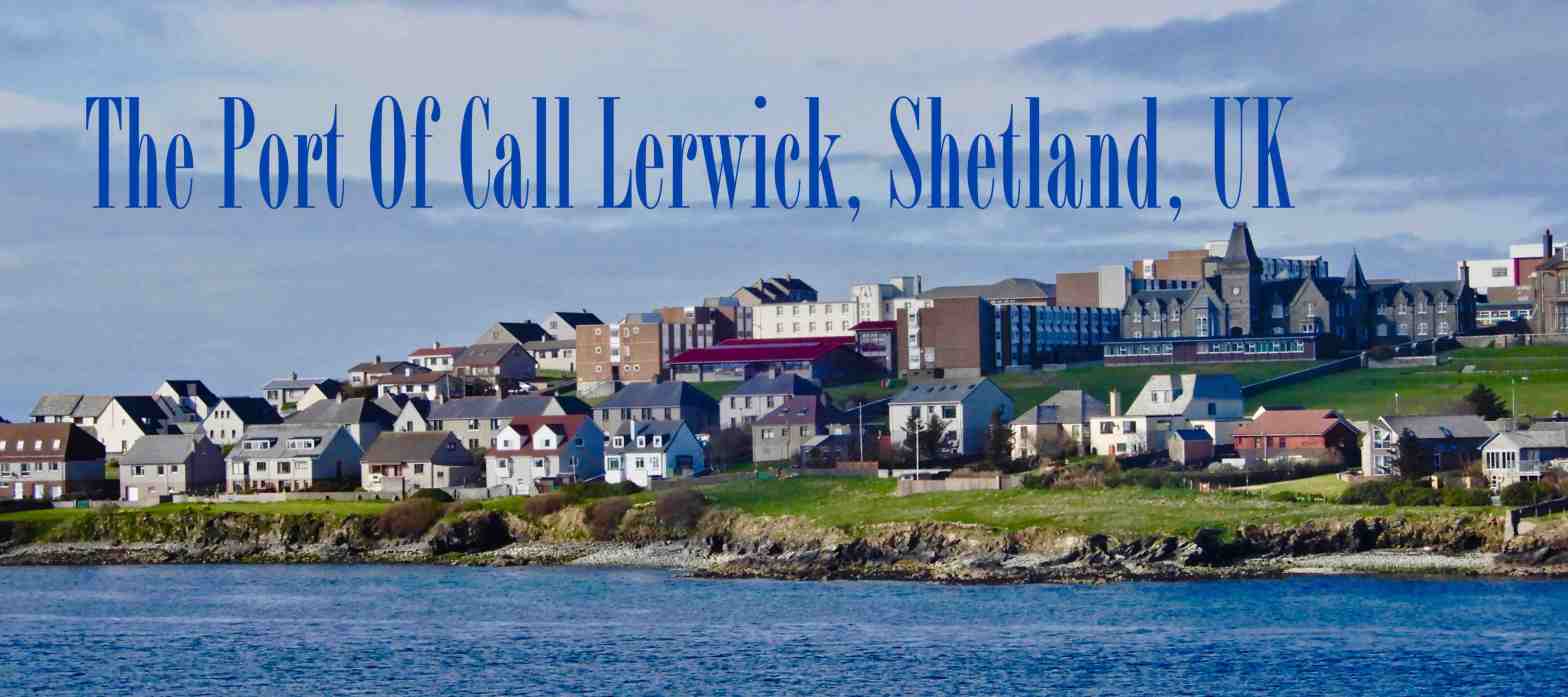
Located in the North Sea one hundred fifty miles north of Scotland is the Shetland Islands where modern opportunities and history meet. Most buildings in Lerwick, the major town in the archipelago, are made of local stone and have the appearance of being from a different era. Narrow alleys and streets don’t appear to have been made with automobiles in mind at all. The town owes its success to its location, finding shelter in the lee of the island of Bressay across the channel and its good harbor. The town takes its name from Norse meaning ‘mud-bay’ and was a safe harbor for Dutch fishermen in the seventeenth century. This town is a good base for exploring the Scandinavian history, beautiful seascapes and wildlife of the Shetland archipelago.

In the mid eighteenth century relations between the British and Dutch deteriorated and the British built Fort Charlotte in 1781 to protect what they believed was Scottish territory. After that the herring fishing brought a boom and a building explosion showed off the archipelago’s new wealth. In the twentieth century the North Sea oil bonanza again gave Lerwick, with its good port location, another economic boom.
Where Your Ship Docks

This is normally a tender port as large cruise ships cannot be accommodated at its piers. Wheelchair bound passengers will encounter challenges both in getting on tenders as well as disembarking at the pier. The tenders do tie up at a central harbor pier that is right in town.
Wheelchair Accessibility
Port Characteristics – This port has a moderate to steep geography where there are typically elevations and inclines to deal with. Otherwise wheelchair infrastructure is typical of western cities. The waterfront and near port area have moderate inclines in sidewalks but the city itself can be more difficult. There are narrow streets and numerous narrow passages with intersection crosswalks that may have curbs or other wheelchair obstacles.
Coat of Arms displayed in Lerwick

“Nemo me impune lacessit” is the motto on the Royal coat of arms of the Kingdom of Scotland and translates to “No one attacks me with impunity”, and has been loosely rendered in Scots as Wha daur meddle wi me? (in Scottish Gaelic Cha togar m’ fhearg gun dìoladh, ). It is also alternatively translated into English as No one can harm me unpunished.

The Broch of Clickimin is a large, well-preserved but restored broch (a broch is an Iron Age stone hollow-walled structure unique to Scotland) dating to the late Bronze Age and is located just a mile west of town.

Transportation
If you’re staying in Lerwick, walking is a great option as the town is relatively small and easy to navigate. You can also rent a bike to explore the surrounding areas.

If you want to explore further afield, taking a bus or hiring a car are good options. The bus service in Shetland is operated by the company called “Stagecoach”, and it covers most of the main towns and villages. Hiring a car is the best option giving you more flexibility and allows you to explore the more remote areas of the island. The islands rental agencies include:
- Bolts Car Hire: They have locations in Lerwick and at the Sumburgh Airport.
- Star Rent-A-Car: They offer car rentals at the Sumburgh Airport.
- Shetland Car Rentals: They offer car rentals at the Sumburgh Airport.
- Thistle Car Rental: They have a location in Lerwick and offer delivery to the Sumburgh Airport.
- Island Car Hire: They offer car rentals at the Tingwall Airport.
It’s always a good idea to compare prices and availability from different companies before making a reservation.
Local Currency
The Shetlands are part of Scotland so they use the British Pound. Credit cards are welcome and there are ATMs.
What To See
Fort Charlotte in the centre of Lerwick, Shetland, is a five-sided artillery fort, with bastions on each corner. The grounds and exterior battlements are open to the public and it offers good views of the towns harbor area. Today Fort Charlotte is managed by Historic Scotland, and is the base for Shetland’s Territorial Army. Visitors must call to get the keys to visit.


The Broch of Clikimin is an Iron Age structure that can be easily visited being only about a mile from the dock.
A better preserved structure is the Broch of Mousa that requires a boat ride but it is the best example of an Iron Age round tower or broch. It is on the small island of Mousa in Shetland, Scotland and is the tallest broch still standing and amongst the best-preserved prehistoric buildings in Europe.
The Shetland Islands are home to a large population of puffins, making this a good place for puffin-watching as well as bird watching in general. Within the Shetland Islands there are a number of places to see puffins, with some requiring only a short hike. Find a Lerwick puffin tour HERE.
Check Out These Additional Cruise Ports Of Call

Cruise Port Valencia, Spain
It’s difficult to understand why this Spanish port isn’t on more cruise itineraries. Just up the coast west of Barcelona it is Spain’s third largest city and features over two thousand years of history. A remarkably modern, clean and vibrant city, Valencia’s history goes back to the Romans and features a number of 13th and…


Cruise Port Mumbai, India
The Port of Call of Mumbai, India Mumbai International Airport officially is Chhatrapati Shivaji Maharaj International Airport (BOM), formerly known as Sahar International Airport. It is the second busiest airport in India in terms of passenger traffic. The first thing you’ll need to understand when visiting India is you’re going to be engaging with the…
Cruise Port Cape Town, South Africa
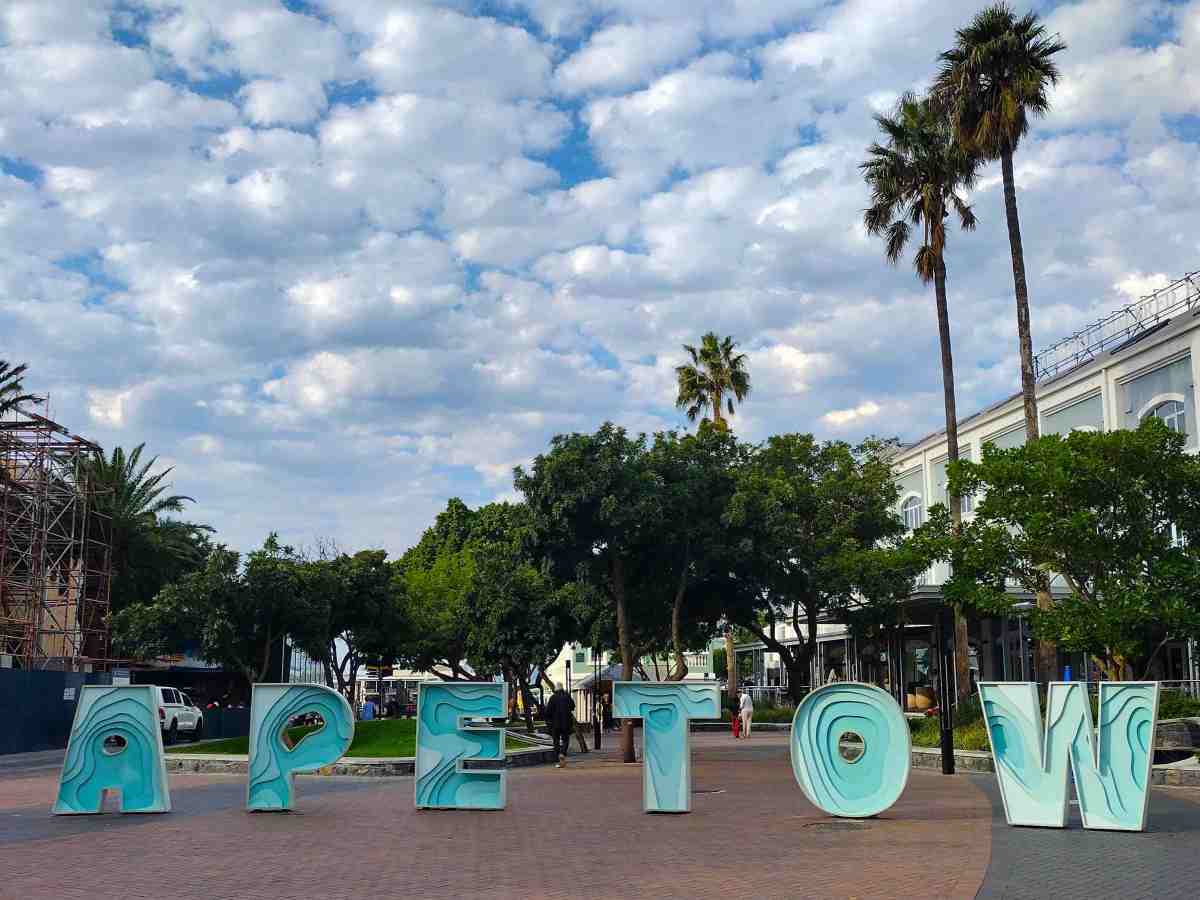
Whether Cape Town is a port of call or a departure port for your cruise, you’re in for an amazing experience. Cape Town, South Africa is a fantastic port of call featuring a rich culture, a modern look and feel, incredible landscapes (and seascapes), great restaurants and shopping. The city’s attractions include the Victoria and…

The Cruise Port of Kotor, Montenegro
The Amazing Old Port City of Kotor, Montenegro Sailing up the Bay of Kotor is an amazing experience as it’s ringed by steep limestone mountains and surrounded by fortifications built in the Roman era through the Venetian period. It is located on the Bay of Kotor and is deep inland from the Adriatic Sea. The…
 The Intentional Travelers