

Known in ancient times as the Pillars of Hercules, the twin mountains of Gibraltar in Europe and Monte Hacho in Africa mark the entrance to the Mediterranean. The Atlas Mountains stretch across northwestern Africa ending at a narrow straight that connects the Atlantic Ocean with the Mediterranean Sea known as the Strait of Gibraltar. On the northern side of the straight sits a massive geological formation known as the Rock of Gibraltar. From on top of the Rock one can look south and see the Atlas Mountains and to the north stretches a long, flat expanse in Spain.
The geology of Gibraltar suggests that it has more in common with the Atlas Mountains than Spain. The Rock is mostly made up of Jurassic limestone and dolomite, which was formed over 200 million years ago. Inside the Rock of Gibraltar are large caves that have been eroding from seeping water for millions of years. The mineral-rich water dripping from above inside these caves, leave behind deposits of calcium carbonate. Over time, these deposits build up and harden into the cone-shaped formations called stalagmites.


Another oddity that suggests the connection of Gibraltar to the Atlas mountains is a colony of apes believed to originally being from the Atlas Mountains and the Rif Mountains of Morocco, the Barbary macaque population in Gibraltar is the only wild monkey population in all of Europe.
St. Michael’s Cave is a large limestone cave system with impressive stalactites and stalagmites, known for its natural beauty as well as its historical significance. The limestone also contains fossils from marine life, providing insight into the region’s ancient environments.
In addition to the caverns the Rock has also been excavated for fortifications. Due to its strategic location overlooking the entrance to the Mediterranean Sea, the Rock of Gibraltar has played a significant role in military history. Large gun installations located in those caves provided commanding control over the passage of ships through the Strait of Gibraltar.


Here Are A Few Of Our More Recent Posts You Might Find Interesting…
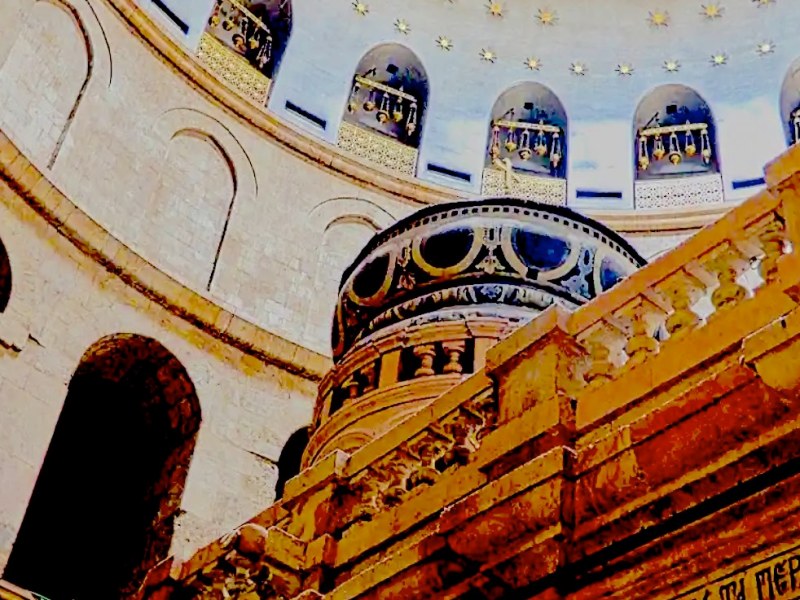
The Church of the Holy Sepulcher
The History Behind The Celebration Of Easter Without question the holiest site in all of Christendom is located in the Christian Quarter of Jerusalem. It represents the location where Jesus was crucified and where his body was laid to rest. Today there is a high level of certainty that the location has been actually identified.…

75 Places That Should Be On Your Travel Bucket-List
A collection of travel bucket lists for 2024. Cities, natural wonders, cruise itineraries and more collected from a number of sources…
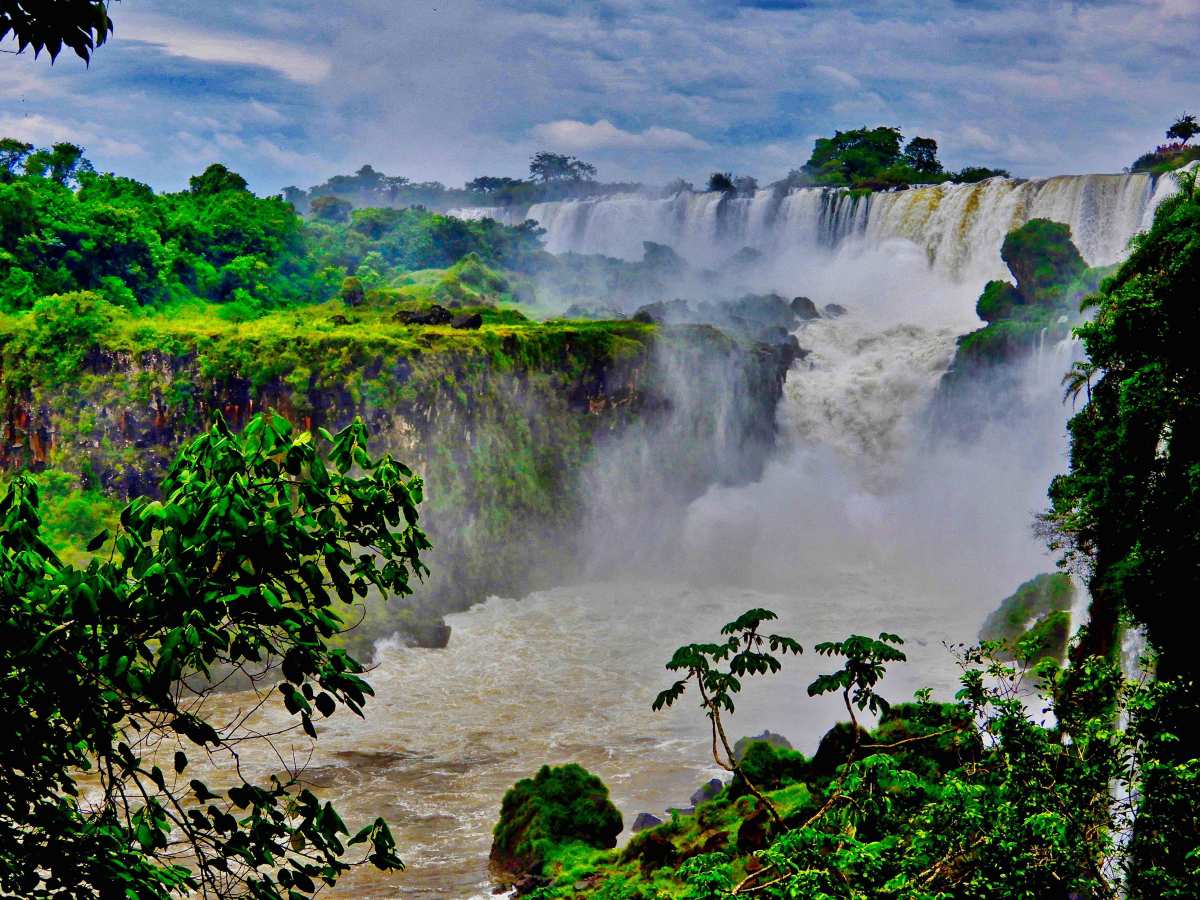
Exploring South America
with From Cartagena, Columbia to Ushuaia, Argentina the South American continent is an amazing land of natural wonders and human accomplishments. Explore the islands of the Galapagos or hike around Iguazu Falls, climb up to Machu Picchu or cruise through the Panama Canal. You can even cast off for a trip to Antarctica or walk…
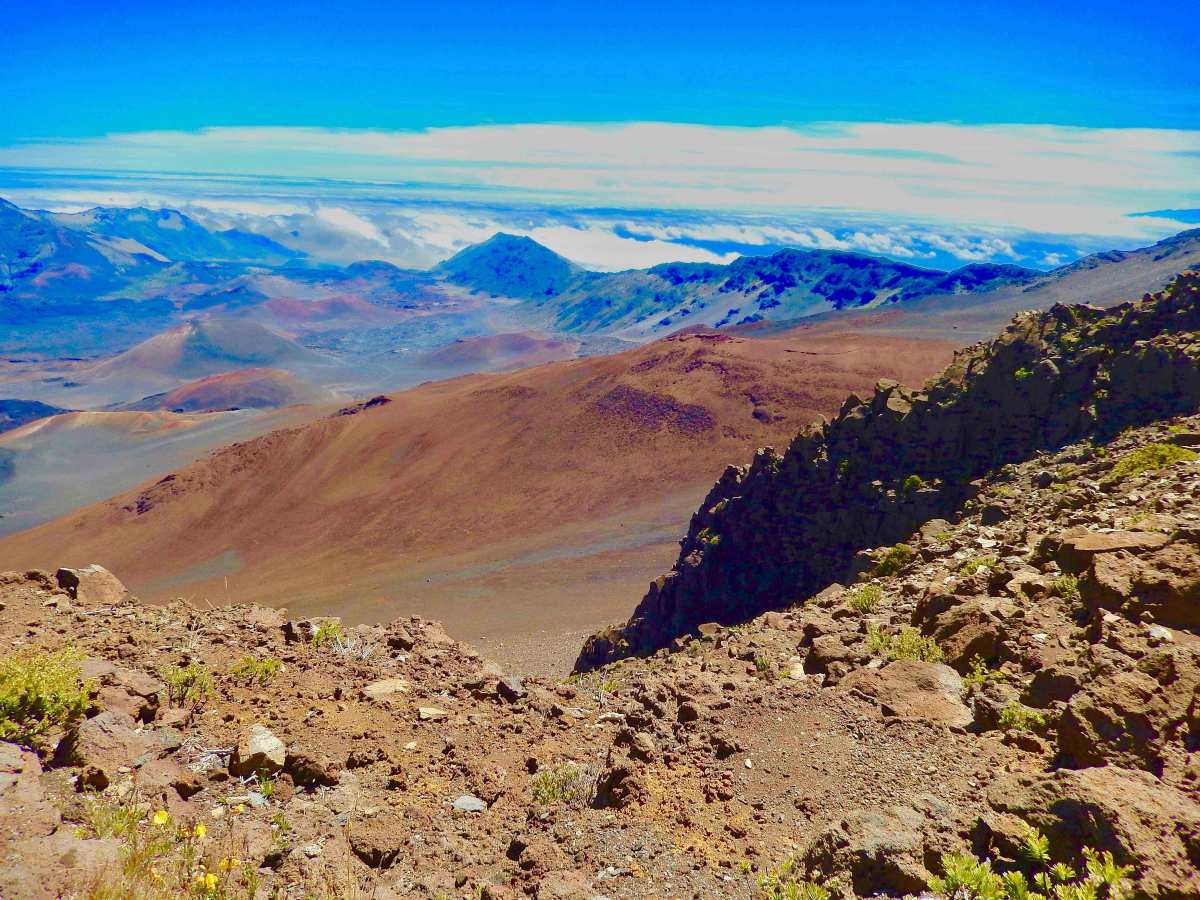
Where In The World #5?
It seems so other worldly, like Mars or the Moon but it’s right here on Earth. It’s so alien that the NASA space program uses it to test rovers and other equipment. Find the answer HERE. Here Are A Few Of Our More Recent Postings You might Find Interesting…
 The Intentional Travelers