

A Short Story

Utah’s Hogsback on Route 12
Several years ago we spent a couple of weeks checking off items on our bucket list in the National Parks of Utah. We rented a car in Salt Lake City, toured the parks and dropped off the car in Las Vegas.
One afternoon halfway through the trip we left Capital Reef National Park headed for our next hotel in the town of Panguitch near Bryce Canyon National Park. We came out of Capital Reef on Route 24 headed west and soon hit an intersection with Route 12 and 24. At the intersection Rt. 24 headed to the north, which is the way we had been told to go while Rt. 12 headed south. Just looking at the map it seemed like Route 12 was a much shorter trip. We turned left and headed south.
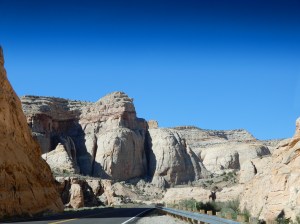

At this point I should add that the older I get the more nervous I am about heights. Already on this trip I had driven a couple of roads that had given me reason to pause. The entrance road up into Arches National Park was a bit scary to me. I’m not sure where this fear of heights has come from but when I was much younger I was fearless. Today I find it hard to believe that decades ago I hung one handed off high catwalks and jumped out of hovering helicopters into the ocean. I must admit that my wife has almost no real fear of heights.
The Anasazi State Park and Anasazi excavations
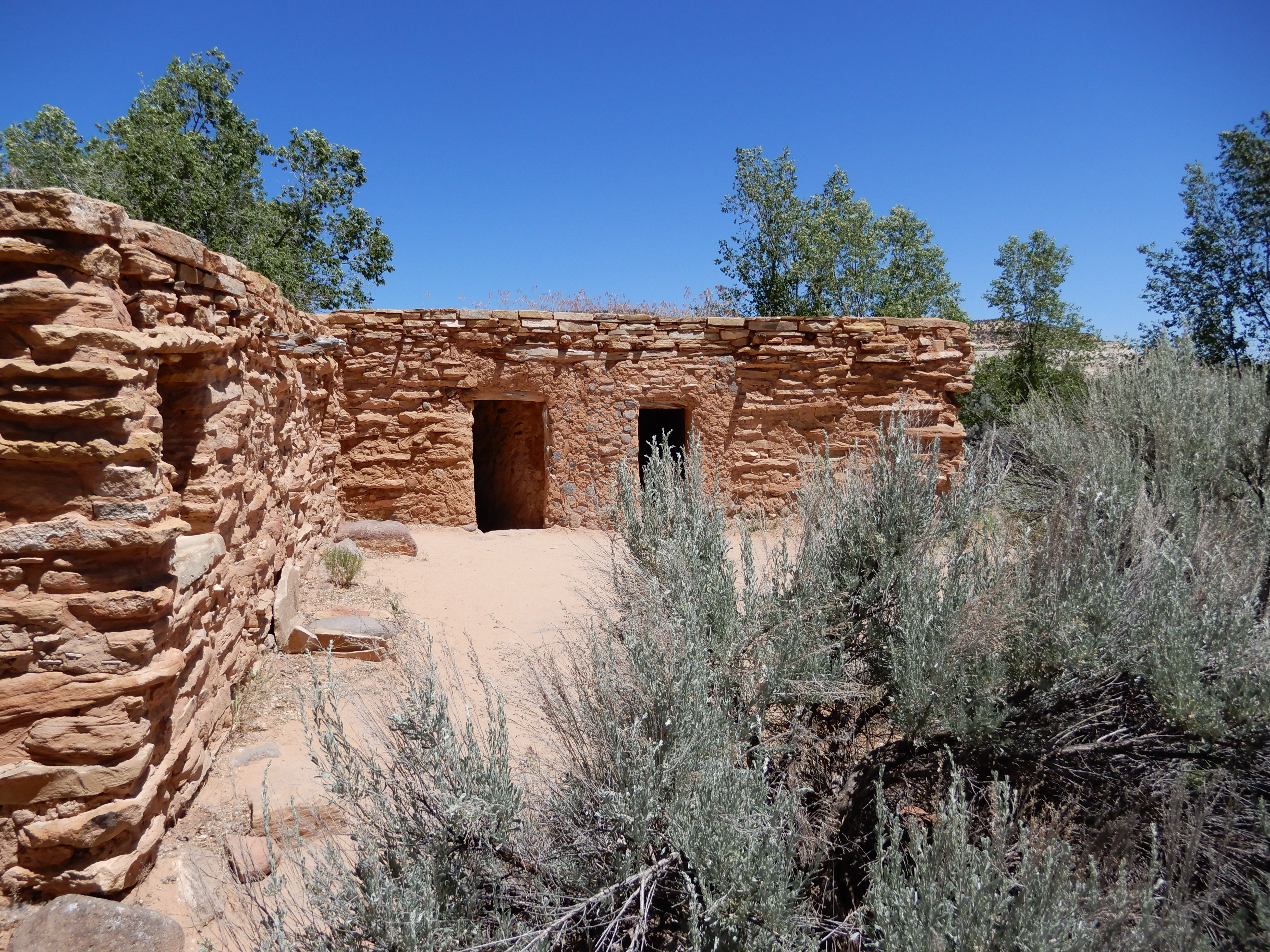
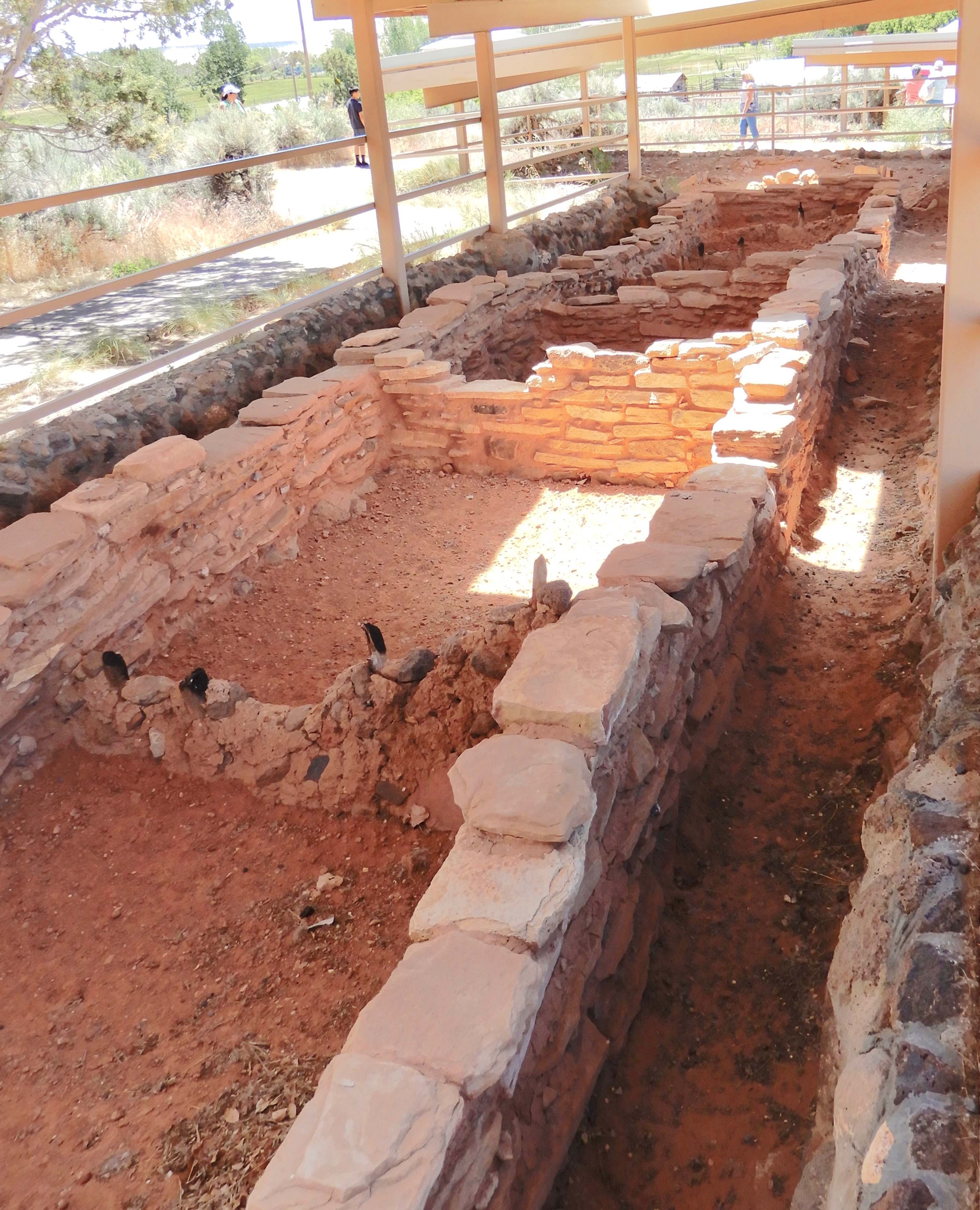
Some distance along this two lane Route 12, near Boulder Mountain we came across the Anasazi State Park and archaeological site. This was a lucky find and well worth stopping for a visit. It is the site of an excavation of an ancient Anasazi village with an interesting museum*.
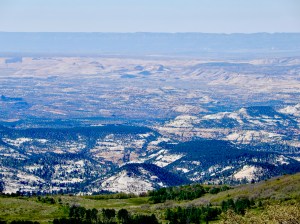
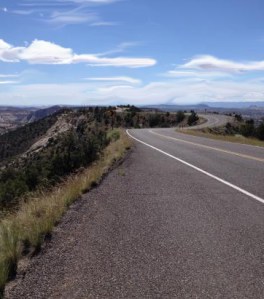
Back on the road we headed southwest again and soon came upon one of the scariest bit of road I can remember. Its called the Hogsback (or Hog Back) and it’s a narrow two lane road with, at times, barley any shoulder on either side. It rides along a ridge for about four miles with often steep drops of over a hundred feet on one side or the other and sometimes both sides at once. There were few guard rails and almost no room to pull off. The speed limit was between 25 and 35 mph and with my fear kicking in that seemed way too fast.
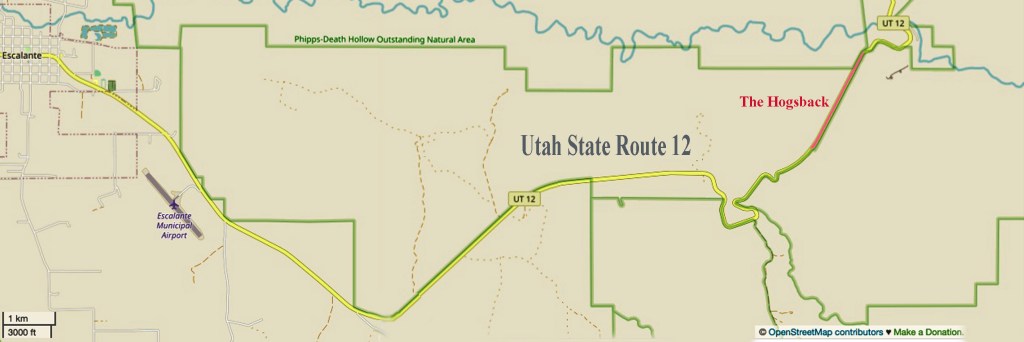
The good news was there was almost no traffic and the driver in the car ahead of us seemed really terrified. He crept along at 15 mph and never reached 20. Just fine with me. Not only did I feel safer but he gave me an excuse when eventually another car caught up to us.
A video of a drive along the Hogsback.
More About the Anasazi State Park

Anasazi State Park, located in southeastern Utah, is a fascinating archaeological site that showcases the history and culture of the Ancestral Puebloans, commonly referred to as the Anasazi. The park features excavations of a well-preserved ancient village and showcases reconstructed dwellings along with artifacts that illuminate the lives of these early inhabitants .
The site includes a museum that provides educational exhibits about the Anasazi’s agricultural practices, architecture, and social structures, enhancing the understanding of their sophisticated civilization . Additionally, the park is known for its scenic landscapes, making it a popular destination for hiking.
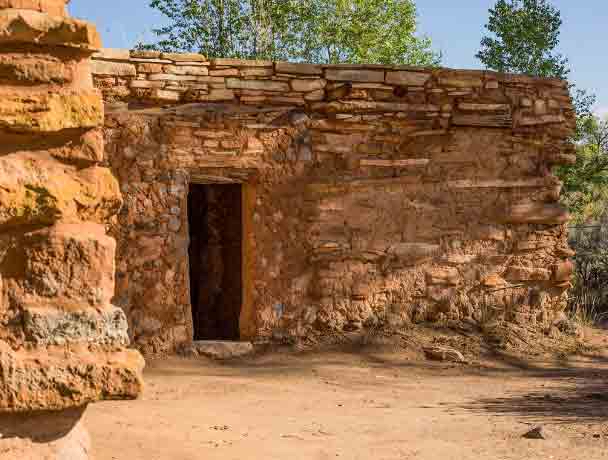
Visitors can engage in various activities, including guided tours and interpretive programs, which aim to foster appreciation for the cultural heritage of the region. Overall, Anasazi State Park serves as a vital resource for both education and recreation while preserving the rich history of the Ancestral Puebloans.
Who Were The Anasazi?

The term “Anasazi,” established in 1927, refers to the Ancestral Puebloans, an ancient Native American culture that thrived in the Four Corners region of the United States, encompassing areas such as Mesa Verde and Chaco Canyon. This term is often considered controversial, as it translates to “ancient enemies” in Navajo, and many prefer the term Ancestral Puebloans to honor their descendants.

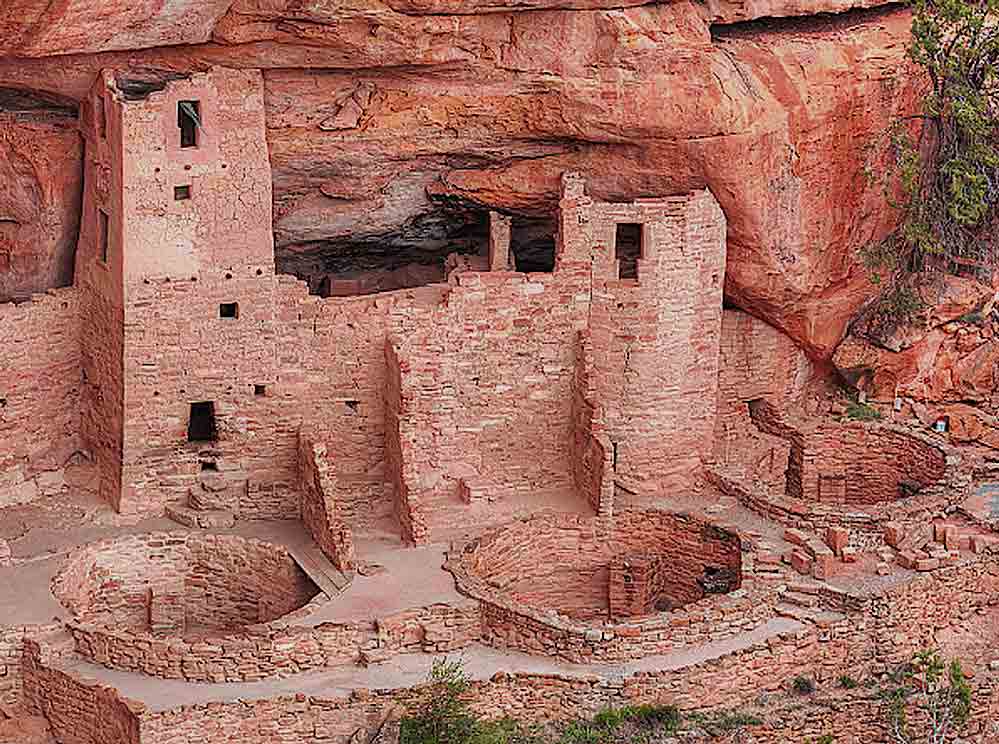
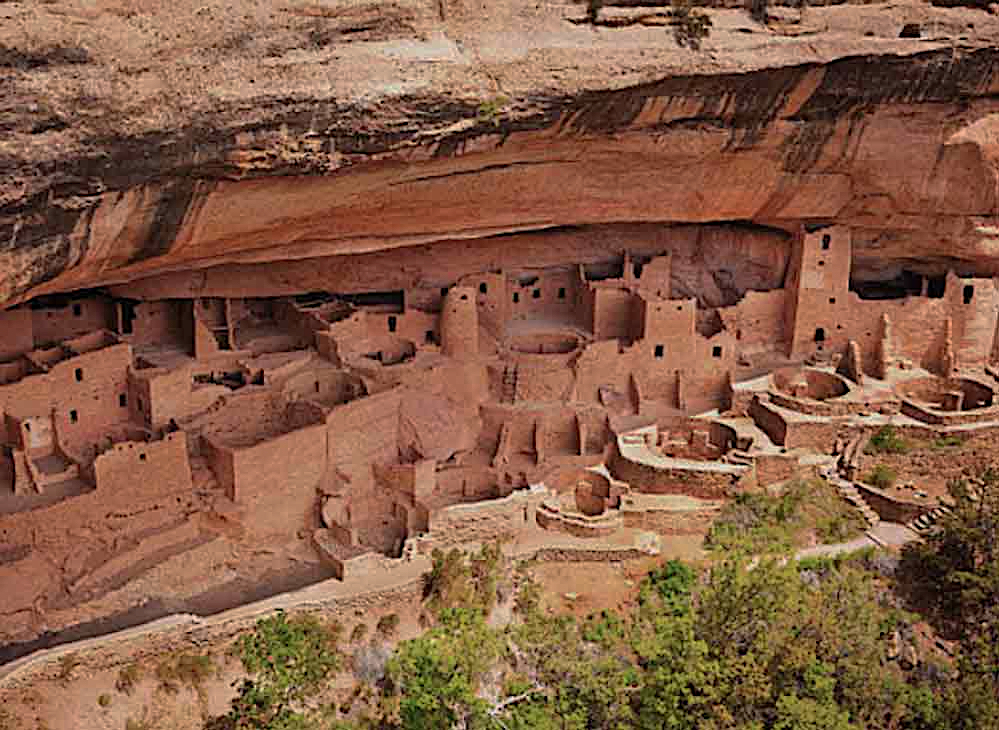
At their peak in the late 11th century, the Anasazi, particularly those in Chaco Canyon, dominated a vast territory in the American Southwest, which was larger than many contemporary European regions. This cultural center was pivotal for trade and ceremonial activities, influencing surrounding areas. The Anasazi culture is characterized by its impressive architectural achievements, including multi-story dwellings and intricate road systems that allowed for commerce and communication across the region.
Overall, the Anasazi represent a significant chapter in Native American history, showcasing advanced societal structures and cultural practices that have left a lasting legacy in the American Southwest.

Explore More of The Intentional Traveler







 The Intentional Travelers