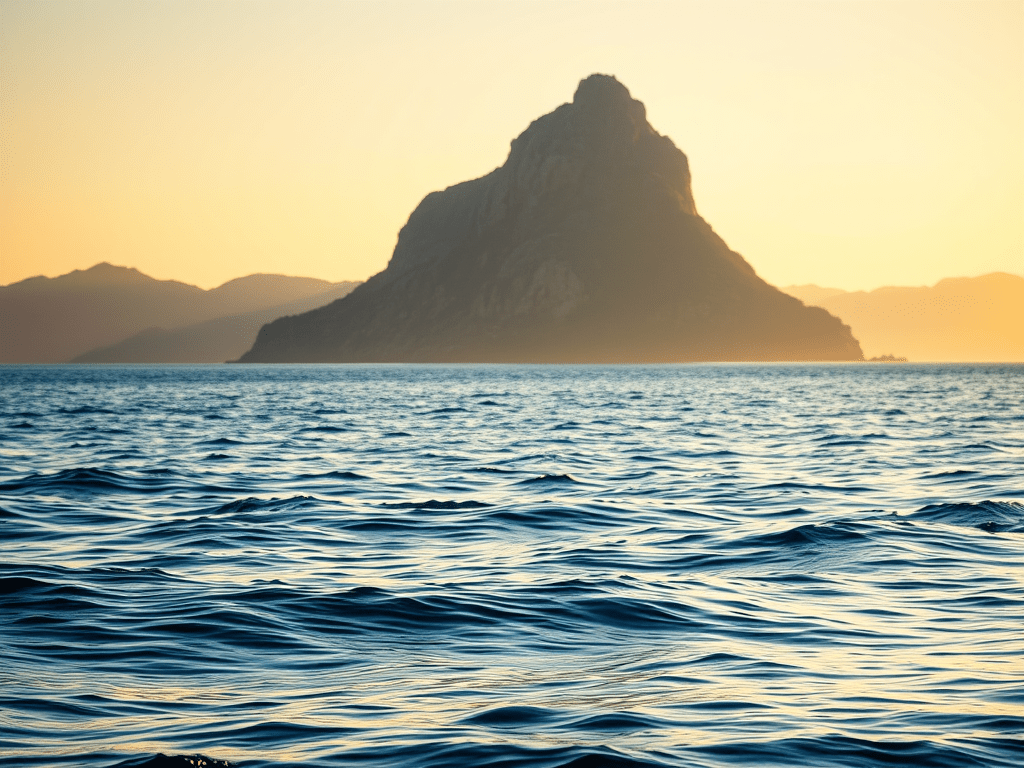

The Strait of Gibraltar and the Rock
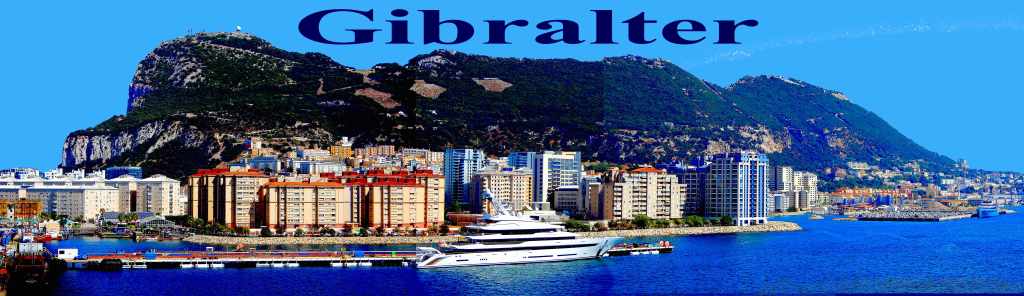

Originally referred to as the “Pillars of Hercules” referring to the promontories flanking the Strait of Gibraltar, considered in Greek mythology to mark the western limit of the known world, with the northern pillar being the Rock of Gibraltar and the southern pillar, being Mount Hacho in Ceuta or Jebel Musa in Morocco; the myth describes Hercules as having created the passage by separating the land, signifying the boundary between the Atlantic and Mediterranean.
In ancient times there are a number of references to the Strait of Gibraltar that accent its importance and significance to the early societies of the Mediterranean.

Heracles in Greek mythology, was also known as Hercules to Romans, Marduk to Phoenicians, and Indra to other middle eastern cultures, is one of the most renowned heroes of ancient legends, historically regarded as the son of Zeus and Alcmene.
The Straights of Gibraltar were first found being described in Phoenician legends around 1,150 BC, that describe the rocks, at each end of the Gibraltar Strait, and named the Pillars of Melqart, a representation of the Canaanite god Baal (god of rain, thunder and fertility), which soon after became linked to the legend of Heracles (Hercules) and were soon named the Pillars of Hercules.
In his poem Olympian 3, the ancient Greek writer Pindar in 5494 BC used the phrase “Pillars of Hercules” to describe the furthest limit that someone could reach in the known world. He used it to express that beyond this limit, neither the wise nor the unskilled should go.

The first Roman historical reference to the Strait of Gibraltar is associated with the term “Fretum Herculeum”, derived from the ancient name ‘Pillars of Hercules’. This indicates its significance in Roman geography and mythology. Roman writers like Pliny the Elder mentioned the Strait in their accounts, highlighting its role as a passage to the Atlantic Ocean.
The Strait of Gibraltar is a narrow strait that connects the Atlantic Ocean to the Mediterranean Sea, separating Europe from Africa. It is recognized as one of the busiest waterways in the world due to its crucial role in maritime navigation. At its narrowest point, the strait measures only 8 miles between Europe (Spain) and Africa (Morocco).
Throughout World Wars I and II and up to today, Britain maintains control over the Straits of Gibraltar, which was crucial for naval operations in and out of the Mediterranean. Controlled by the British since 1703, the Rock of Gibralter provided fortified heavy gun emplacements during the wars, allowing the targeting of any war ships transiting the straight.
You’ll discover lots of worthwhile and interesting travel ideas with The Intentional Travelers, and the best way to find what you’re looking for is to SEARCH here…





 The Intentional Travelers