The totem pole is often the graphic symbol representing Alaska but what exactly are these totems about? The history of totem poles is long and complex, dating back thousands of years. The first totem poles were likely created by the Haida people of the Pacific Northwest Coast, and the practice spread to other First Nation’s groups in the region, including the Tlingit, Tsimshian, and Kwakwaka’wakw.
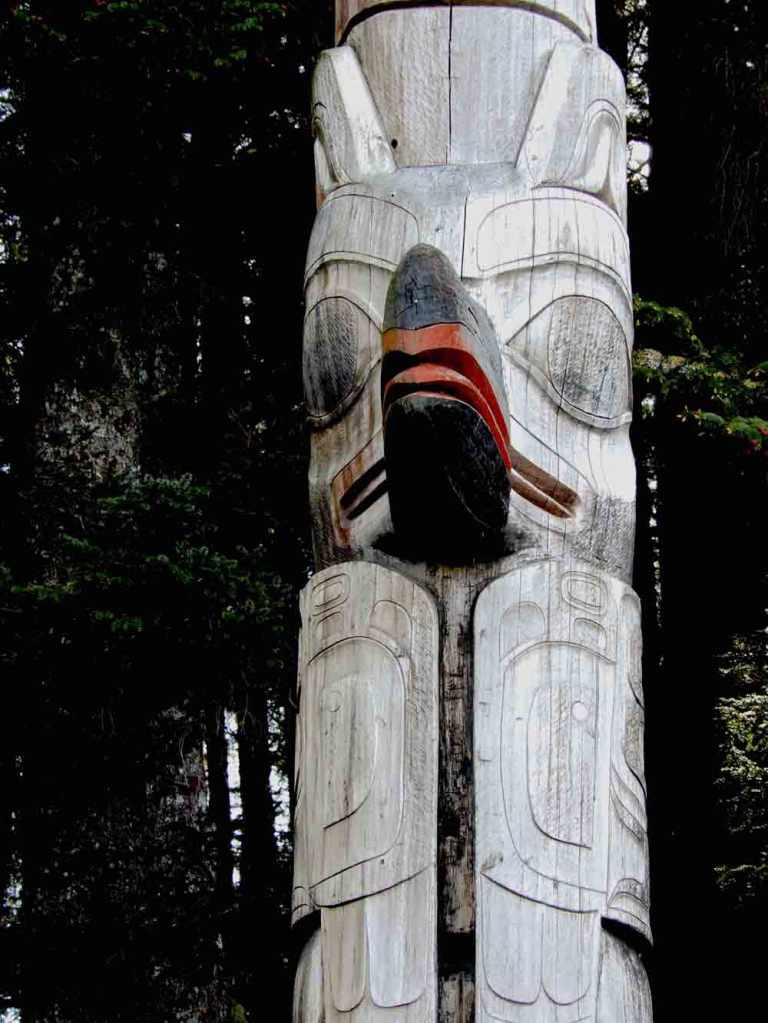
Totem poles are actually a tangible expression of a Native community’s history, values, and traditions. They are individual and group memories and stories being passed through families, clans and communities from one generation to another. These graphic carvings have, over the ages, developed a recognizable symbolism in hundreds of specific elements from the shapes in eyes, beaks, noses and different pictured animals. They are deeply imbedded into the identities of several Alaskan Native clans in the Southeast region. The word “totem” seems to refer to totemism, which was once believed to be part of the native American religion. While often the design may provide the totem pole a spiritual character it is inaccurate to ascribe a religious purpose as it is not considered a religious icon. Each aspect of a totem pole is as important and individualized as the animal it is based on. The most common clan associated with the totem poles seen in Alaska today are the Tlingit.

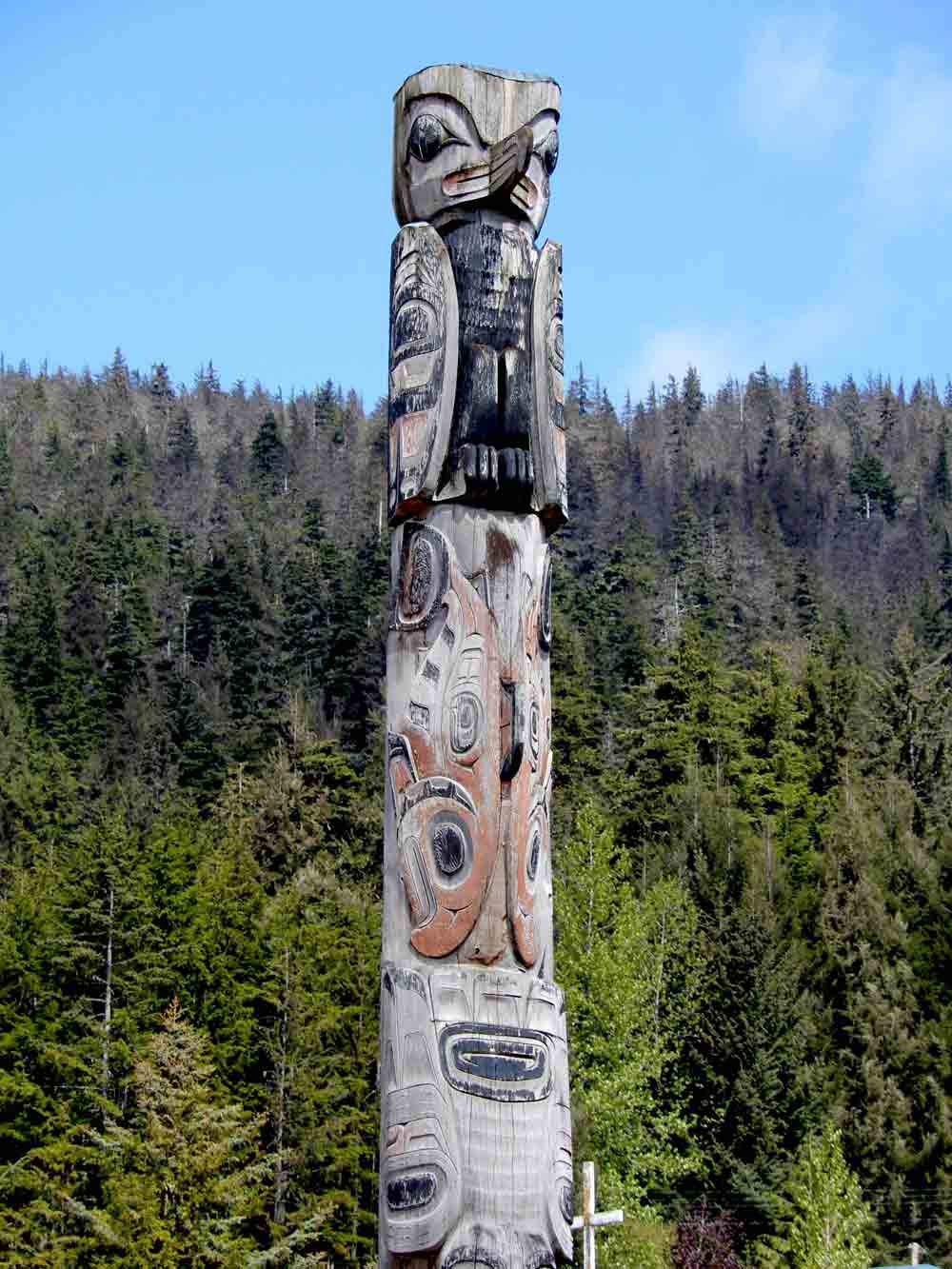
The actual purpose of a pole fills a number of different situations. It can tell the story of a family, celebrate an occasion and memorialize an event. A number are actually ordered or commissioned by individuals or clans from carvers. Some totem poles have even been created as an insult toward an individual. Consider it public shaming. The general structure of a totem pole includes a moiety, a clan animal, with various passive and aggressive animals being part of a clan crest. They can communicate a narrative, but mostly they celebrate a family’s lineage, validating the powerful rights and privileges that the family holds.

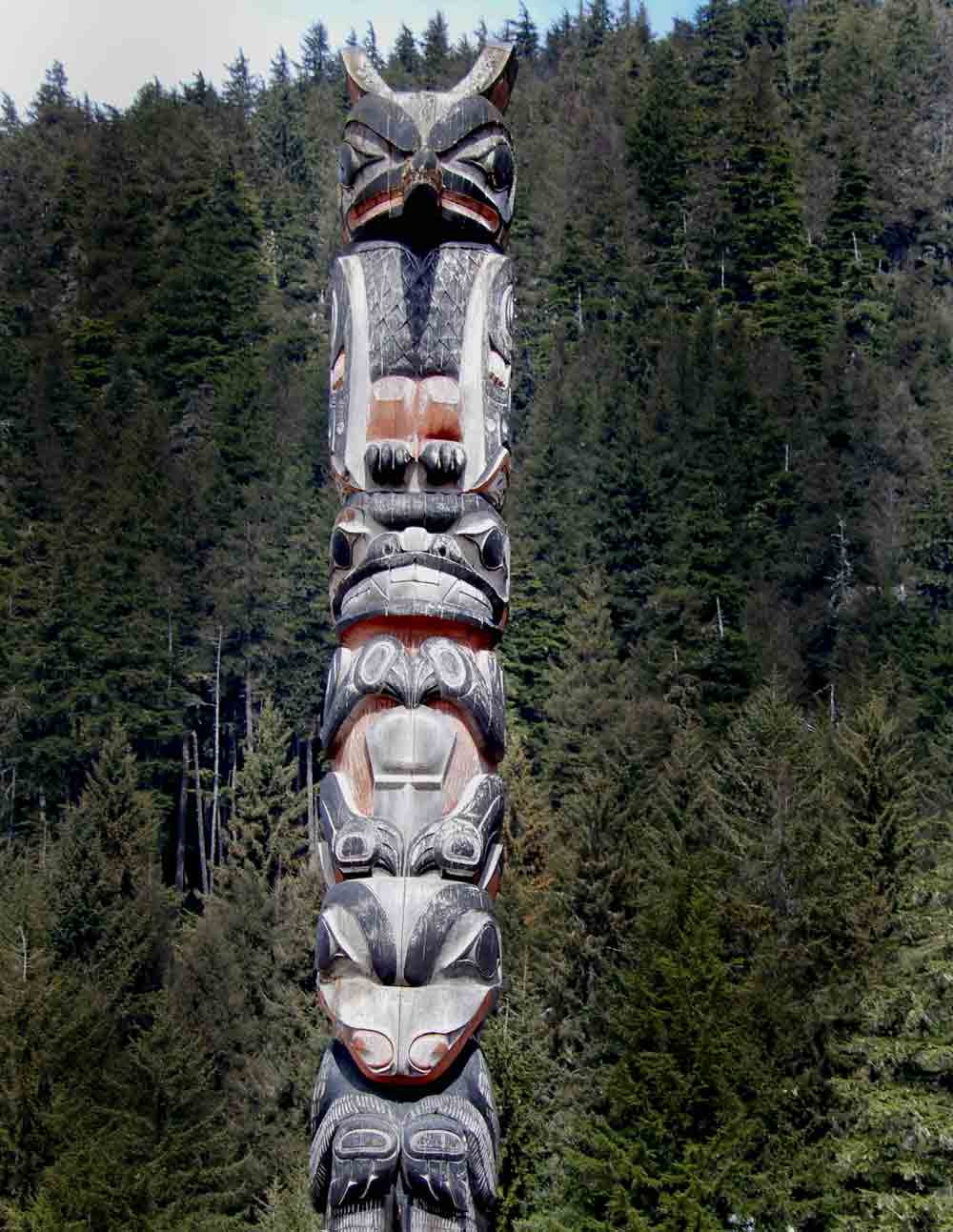
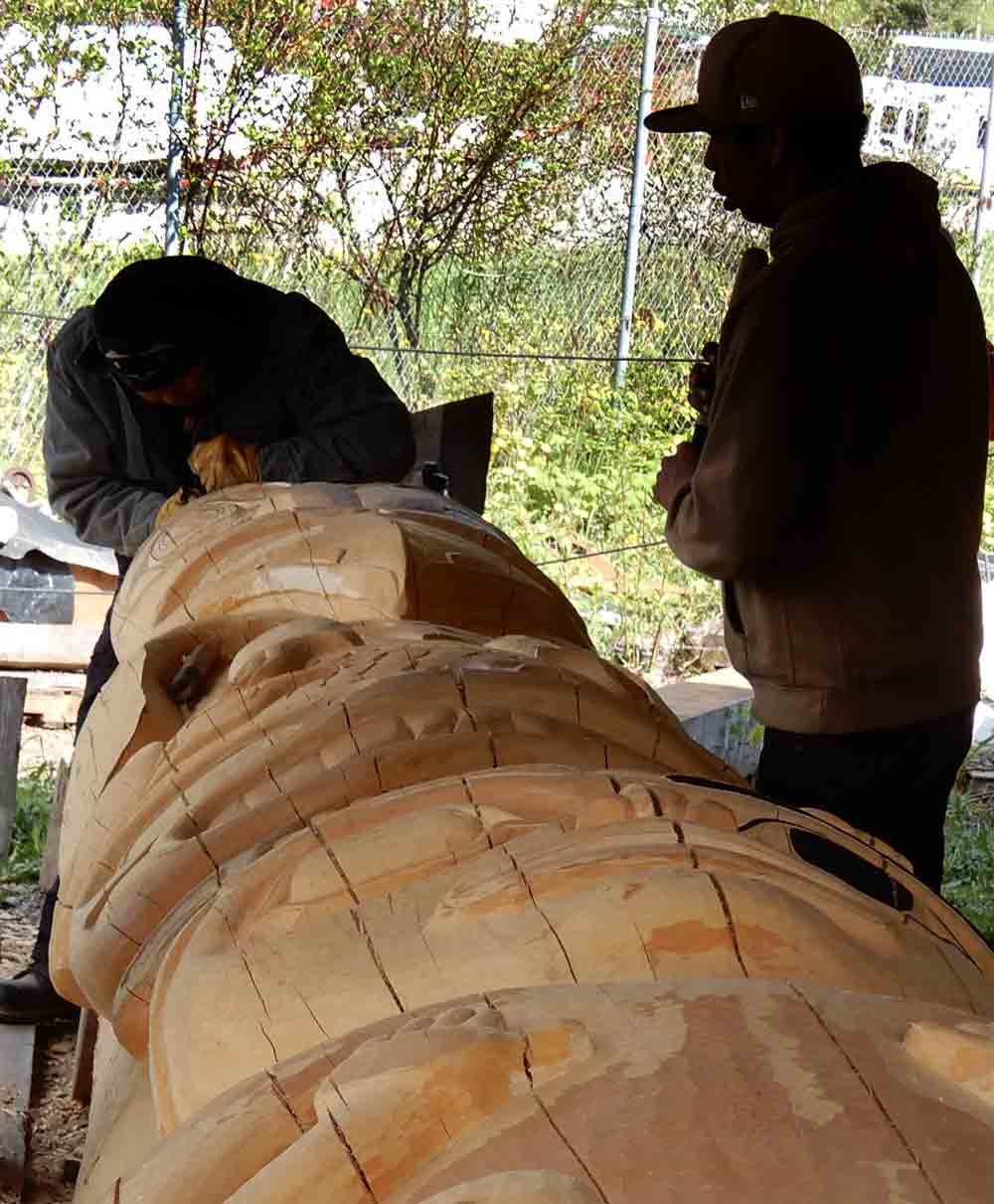
The tradition of totem pole carving declined in the late 19th century, as First Nations peoples were forced to adopt European lifestyles. However, there has been a resurgence of interest in totem pole carving in recent years, and there are now many active totem pole carvers in the Pacific Northwest. There are currently several projects in Alaska to keep the tradition of pole carving alive and to train young people in the traditions and skills of the craft.
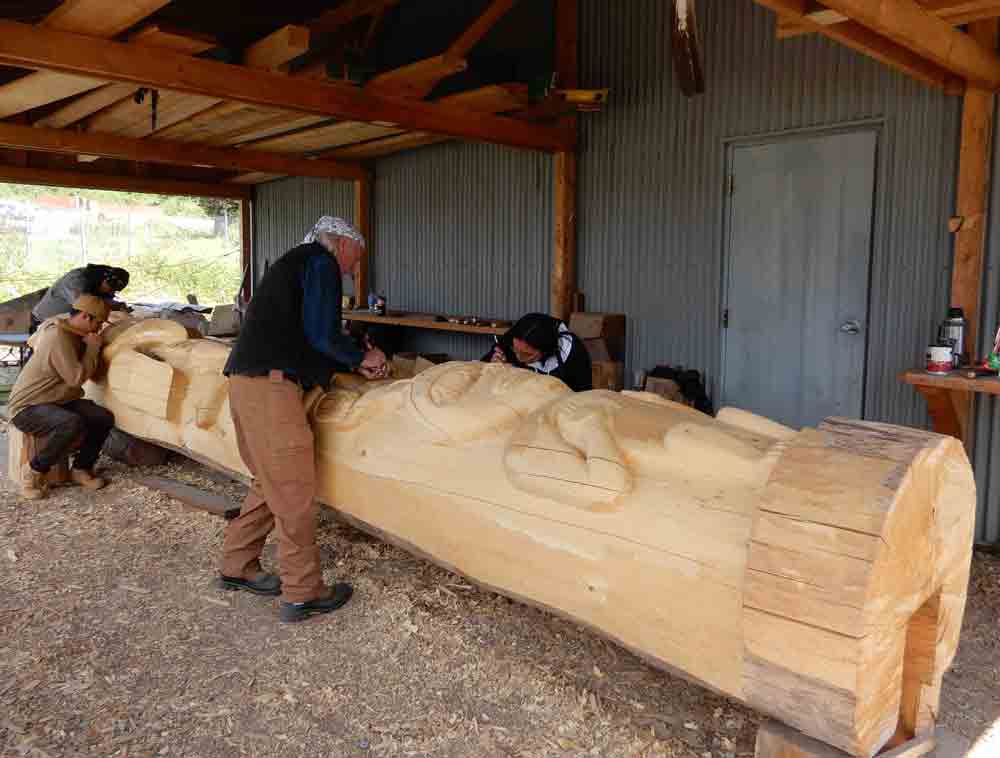
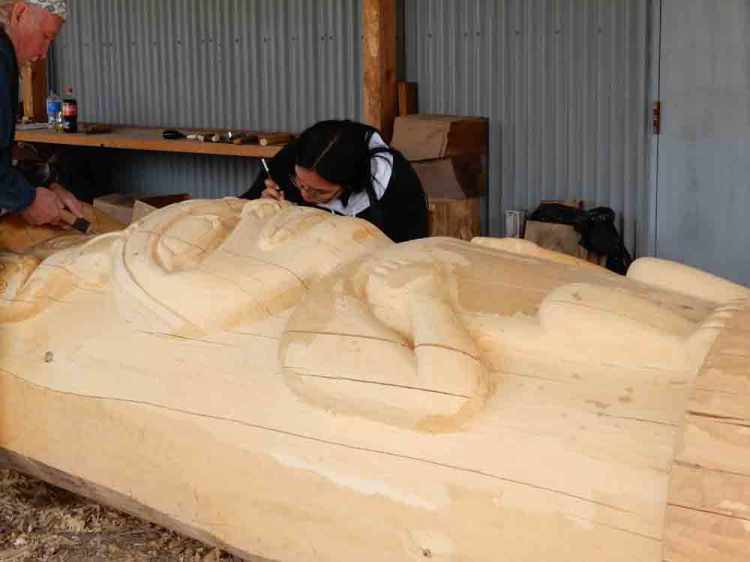
Hoonah Alaska is one of these totem carving projects teaching Tlingit Natives the process. Cruise guests visiting Icy Straight Point have the opportunity to watch a carving in process. It is a little over a mile from the cruise docks and there is an inexpensive shuttle bus available.

Totem Pole Park
Visitors to Sitka, Alaska have an opportunity to walk through Totem Park administered by the National Park Service. The totem pole collection was installed in 1906 and over the years, caretakers patched, painted and finally re-carved many of the poles. Although many of the original poles are gone their stories live on – along with the opportunity for visitors to discover them along the quiet wooded paths of the park.
Today, totem poles are still used by First Nations peoples to commemorate important events, tell stories, and mark clan ownership. They are also popular tourist attractions, and can be found in many museums and parks throughout the Pacific Northwest.
 The Intentional Travelers