

They are found everywhere on our planet and many can be extremely dangerous. Active, dormant or extinct they seem to draw people into visiting. Perhaps it is the ability to witness unfathomable power or its aftermath up close that draws people. Beyond that there are literally millions of people living under the threat of being killed by still active volcanos even today.
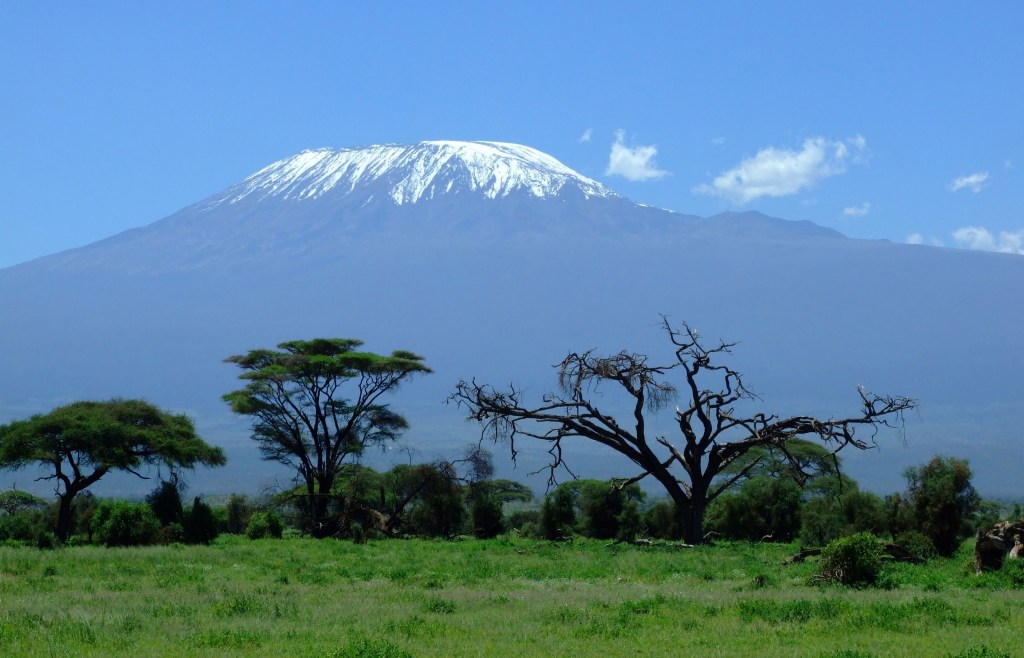
One of Africa’s iconic sights is Mount Kilimanjaro, a dormant volcanic mountain that has not erupted for over 360,000 years. However, it is still considered a potentially active volcano.
Mount Fuji in Japan with the last eruption occurring in 1707-1708, known as the Hoei eruption. It lasted for about 16 months and was one of the longest eruptions in history. Since then, Mount Fuji has been dormant and has not erupted again.

Alaska’s Mount Edgecumbe is located at the southern end of Kruzof Island, Alaska, about 15 miles west of Sitka and is considered still active.
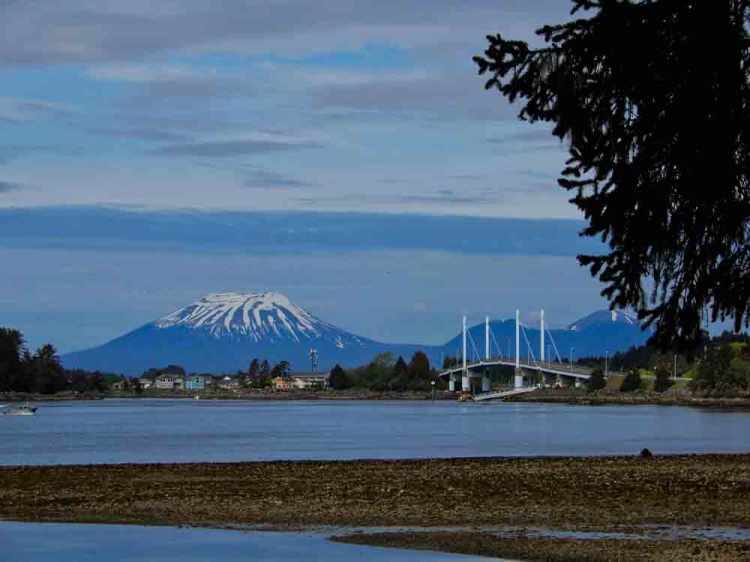

Mount Etna -Mount Etna, or simply Etna, is a very active stratovolcano on the east coast of Sicily, near the Metropolitan City of Catania, between the cities of Messina and Catania. It lies above the convergent plate margin between the African Plate and the Eurasian Plate and often produces regular lava flows down its slopes.

Hawaii’s iconic Diamond Head is one of the most recognized extinct volcanos in the world standing above Waikiki Beach on Oahu. The entire Hawaiian chain is a string of volcanic islands being created as the tectonic plate moves NNW over an active “hot spot”.

Kilauea is an active shield volcano in Hawaii and represents a National Park. It erupted in May 2018 and continued to spew lava and ash for several months, causing destruction and forcing thousands of people to evacuate. It remains a favorite tourist site.

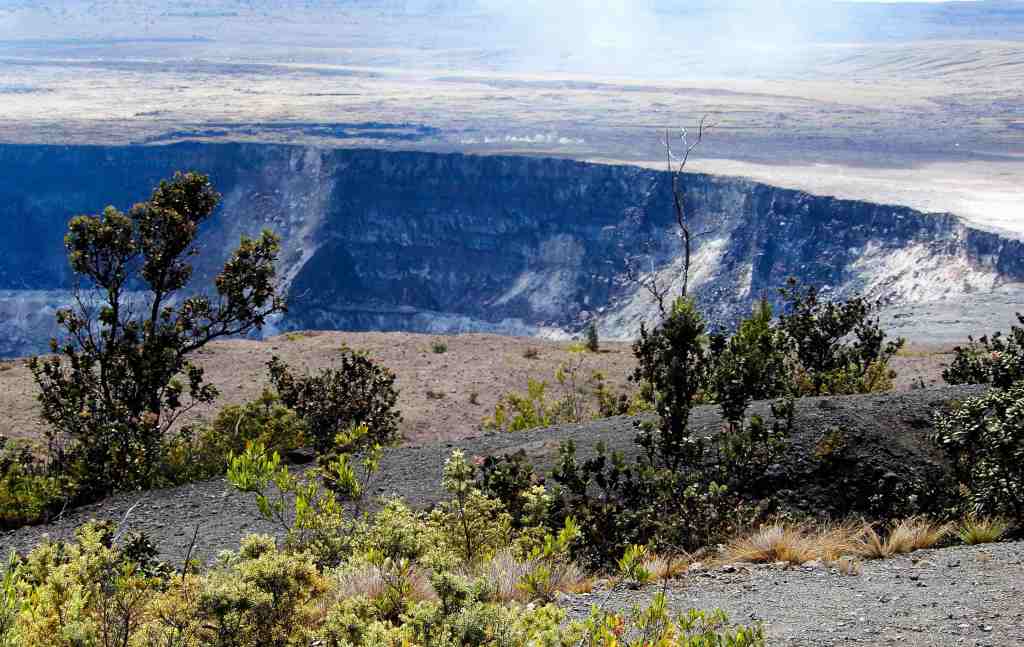
Another volcanic National Park in Hawaii is Haleakala with a summit that stands at 10,023 feet above sea level. While not extinct it has behaved itself in recent times.


Stromboli is an island volcano in the Tyrrhenian Sea, off the north coast of Sicily and one of the four active volcanoes in Italy. Cruise ships regularly pass the volcano while smoke and ash plumes from its top. Considering its activity it’s strange that there are two villages on the island.
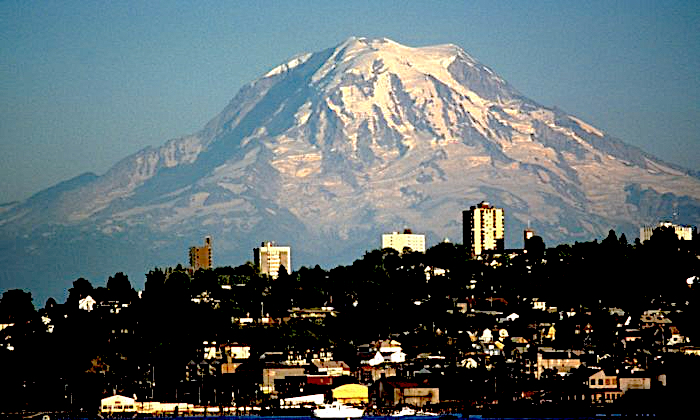
Mount Rainier is one of the two most dangerous volcanos in the world based on the size of the population threatened by an eruption. It is such a serious threat that Redmond schools actually conduct volcano evacuation drills on a regular basis. This volcano is a large active stratovolcano in the Cascade Range of the Pacific Northwest in the United States. The mountain is located about 59 miles south-southeast of Seattle, Washington.
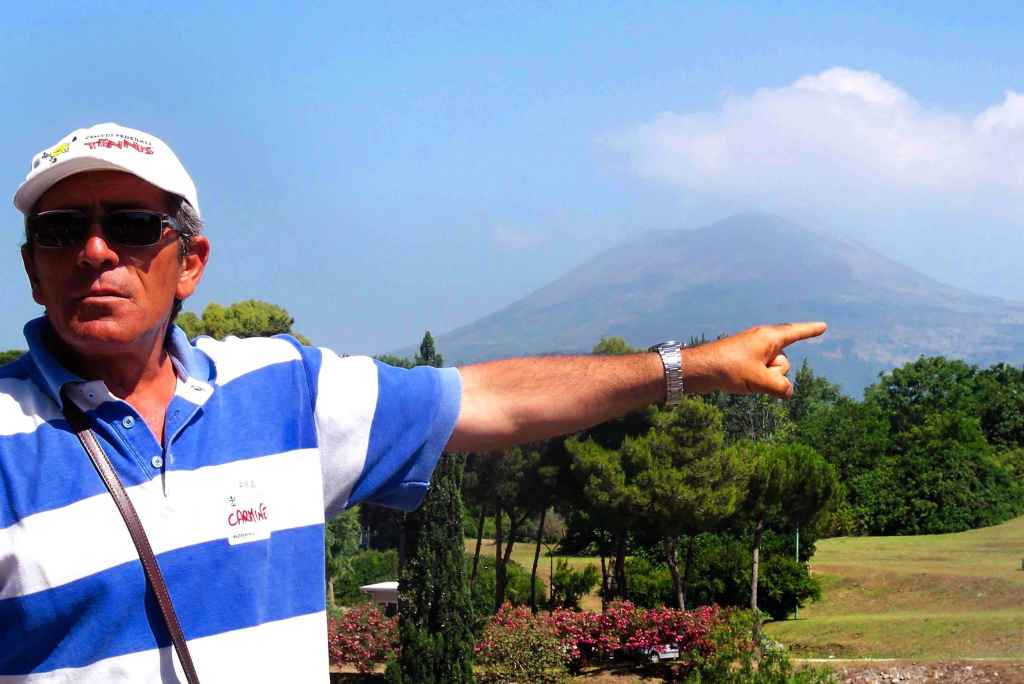
Mount Vesuvius is the other most dangerous volcano located in southern Italy, that threatens the whole metropolitan area of Naples. Vesuvius has erupted over 50 times in recorded history. The most famous eruption occurred in 79 AD, which completely destroyed the Roman cities of Pompeii and Herculaneum. The volcano is still considered active and is closely monitored.
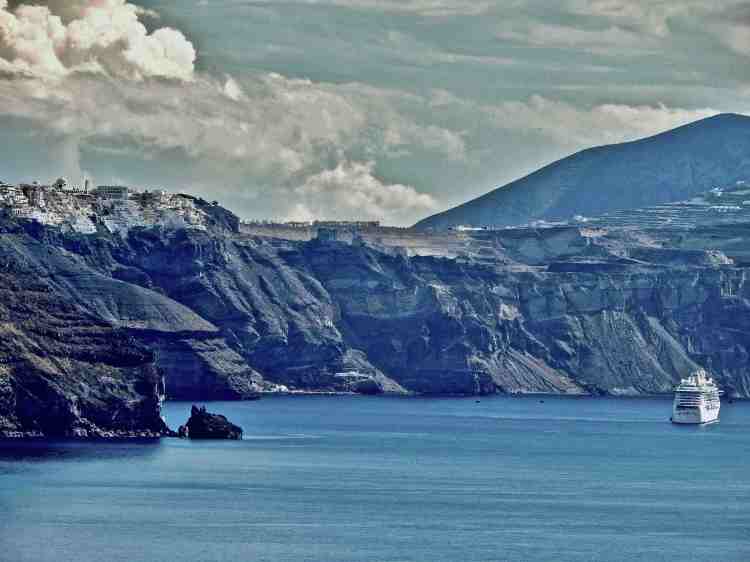
Santorini is the location of one of the civilized worlds largest volcanic eruptions. Known as the Minoan eruption it was a catastrophic volcanic eruption that devastated the Aegean island of Thera some 3,600 years ago. It destroyed the Minoan settlement at Akrotiri, as well as communities and agricultural areas on nearby islands and the coast of Crete. Subsequent earthquakes and paleotsunamis probably account for the end of the Minoan civilization. Today when cruise ships drop anchor they are in the caldera of Santorini in the center of the Christiana-Santorini-Kolumbo volcanic field, comprising the extinct Christiana Volcano and the island of Santorini.


Since 1950 volcanic eruptions have claimed thousands of lives worldwide with somewhere over 100 million people living dangerously close to volcanic threats. The following list of eruptions and deaths since 1950 and is nowhere near complete:
- 1951 – 2,942 killed Mount Lamington, Papua New Guinea
- 1964 – 25 killed Villarrica, Chile
- 1968 – 87 killed Volcán Arenal, Costa Rica
- 1979 – 9 killed Mount Etna, Italy
- 1980 – 57 killed Mt. St. Helens, United States
- 1982 – 1,900 killed El Chichón, Mexico
- 1985 – 23,000 killed Nevado del Ruiz, Colombia
- 1991 – 847 killed Mount Pinatubo, Philippines
- 1991 – 43 killed Mount Unzen, Japan
- 1993 – 79 killed Mount Mayon, Philippines
- 1993 – 9 killed Galeras, Colombia
- 1994 – 64 killed Mount Merapi, Indonesia
- 1997 – 19 killed Soufrière Hills, Montserrat, WI
- 2002 – 245 killed Nyiragongo, Congo
- 2010 – 353 killed Mount Merapi, Indonesia
- 2011 – 31 killed Nabro Volcano, Eritrea
- 2014 – 63 killed Mount Ontake, Japan
- 2018 – Up to 2,900 killed Volcán de Fuego, Guatemala
- 2019 – 22 killed Whakaari/White Island, New Zealand
- 2019 – 1 killed Stromboli, Italy
- 2020 – 39 killed Taal, Philippines
- 2021 – 69 killed Semeru, Indonesia
 The Intentional Travelers
So sad. I remember when Monserrat’s volcanic eruption rocked Caribbean news
LikeLike