
Getting ready for a trip can be very stressful. There are endless things to remember to do before you leave home and lots of things to remember to pack. The latter can be particularly important because sometimes, when traveling, you cannot find the items you need or they are very expensive on the road. This is where lists become really helpful.
People who travel a lot may keep the items they normally take with them in a drawer or in a box but infrequent travelers probably don’t do this. The best solution is to keep a list of all the items you will need and then check them off as you put them in your suitcase. This can include simple items like shampoo, conditioner, etc. or packs of cold medications, band aides and the like. If you’re traveling with children, a separate list of their items will also make for a happier journey for all.
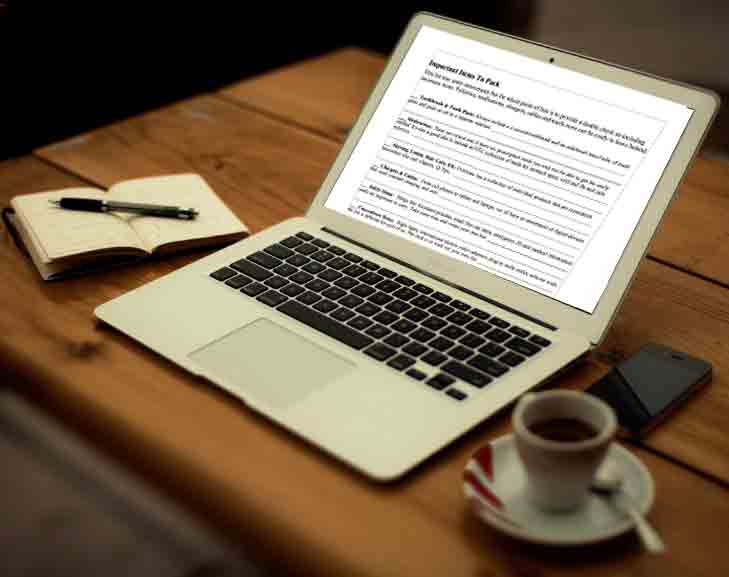
The other list that comes in handy is all of the things that need to be done before you head to the airport or get in the car for a road trip. This can include things like shutting off the ice maker and the hot water, backing up computers, charging electronic devices and even unplugging the coffee pot. Once these things are checked off your specific list, you will get on the road feeling a lot more relaxed, knowing that all your travel prep was taken care of.
Following are several check lists we use for getting ready to travel. At the end of this article is also a download link for an open source word processing document of these lists that can be customized for your use.
Get Your Home Ready Check List
🔲 Adjust or turn off air conditioner/heat: Adjusting your thermostat up (or down) while on an extended trip can actually save on energy usage. Provided you don’t live in an area of extreme temperatures there are times when you can actually turn heat/air off. Some experts however warn that allowing your house interior to get very hot or cold can cause a number of problems like cracking plaster or freezing pipes, so use good judgement here.
🔲 Shut off ice maker and empty the ice container: When an ice maker is on but sits idle for a long period, most will have a tendency for the ice to turn into a solid mass which is difficult to remove. There are some people who will suggest that if you’re gone for extended periods you could consider emptying the refrigerator and turning it off. Appliance people will warn against this as refrigerators can have major failures as a result. It’s better to use a small amount of electricity and avoid a major repair bill.
🔲 Dump trash: In the rush to leave it isn’t uncommon for garbage to be left inside by mistake. This is probably a mistake that won’t be repeated but add it to your list just to be safe.
🔲 Shut off hot water: This is a major money saver as keeping 20 or 30 gallons hot for weeks when nobody is home to use it is costly. However if you’re only going away for a few days reheating the water tank can actually cost more.
🔲 Shut off water: This recommendation is important to avoid damage to property from a pipe leak or a water heater failure.
🔲 Set lights on timers: Keeping you home looking occupied can discourage home break-ins and vandals. If your home is a smart home there are a number of options to randomize light patterns and even control home lights while traveling. In addition we also use a few plug-in single, digital timers with battery back-up that avoid issues with extended power black-outs.
🔲 Secure Garage Door: As an added precaution and to prevent access to the house through the garage, we secure the door with its slide bolt and pull the power from the electric door opener.

🔲 Stop mail: The USPS offers a hold mail service. There are options for having the carrier deliver at the end or for you to pick-up and they’ll hold for 30 days. You can set it up online at https://www.usps.com/manage/hold-mail.htm. If you’ll be gone for longer than 30 days you can set it up foirst to have you to pick-up at the post office (the’ll hold it an additional 2 weeks) and go online again and set it up for the carrier to deliver the second hold.
🔲 Close Toilet Lids (to prevent evaporation): If you’re gone for an extended period it’s a good idea to prevent evaporation in the toilets. Stretching a plastic wrap over the bowl and under the tank lid will significantly help. It’s easier to clean up some old water than to scrub out mineral lines inside the bowl.
🔲 Leave A Key With A Friend: While traveling there are dozens of situations that could come up that my require access to your home. Everyone should have a trusted neighbor or friend with a spare key and instructions on alarm codes or ways to enter.
🔲 Suspend Scheduled Deliveries: From newspapers to monthly supply deliveries to regularly scheduled services these should to be dealt with well before you head out.
Securing Your Property Check List
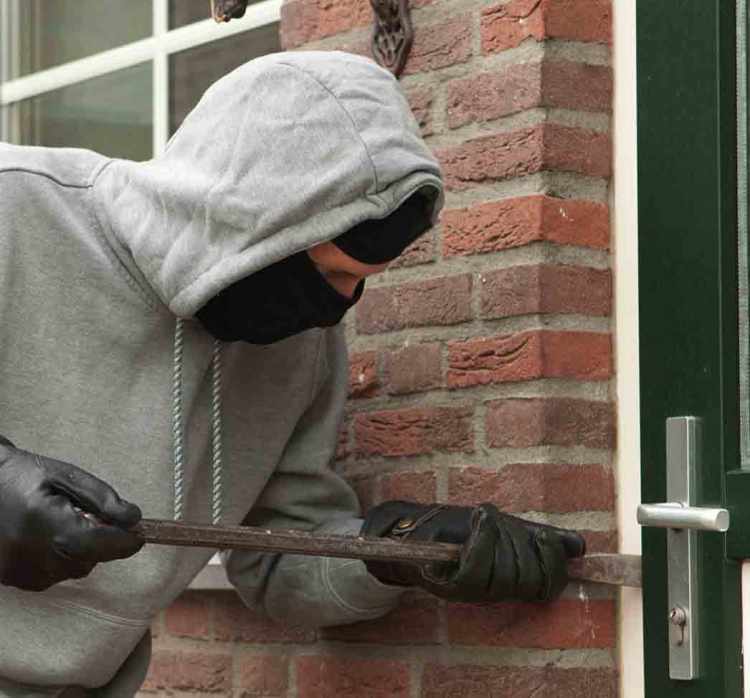
While there is no fool proof way to prevent someone from getting inside your house, making it significantly more difficult can often discourage them as it’s not worth their while. Today many homes are making use of alarm services but they can be expensive while other people don’t think their neighborhoods are safe and don’t warrant the expense. Still if you’re traveling for extended periods there are some simple steps you can take to make your home harder to get into.
Secure The Property:
While there is no fool proof way to prevent someone from getting inside your house, making it significantly more difficult can often discourage them as it’s not worth their while. Today many homes are making use of alarm services but they can be expensive while other people don’t think their neighborhoods are safe and don’t warrant the expense. Still if you’re traveling for extended periods there are some simple steps you can take to make your home harder to get into.
🔲 Lock Your Home: Install good quality dead bolts. Most hardware stores offer a wide selection of door locks and usually can offer advice on what best meets your needs. Most locks are reasonably easy to install yourself. Also pay particular attention to striker plates and the depth of dead bolts.

🔲 Secure windows: It’s always a good practice to double check all windows making sure they a closed completely and latched, especially those on the ground floor. In protecting your home some experts recommend applying break resistant film to the interior surface of the glass especially on ground floor windows. Using tinted films can also reduce heat gain from direct Sun.
🔲 Secure Sliding Glass Doors: The most vulnerable entry point on most houses are patio and deck sliders. There are a number of devices available that provide extra protection for sliding doors. The easiest and least expensive is a track lock that simply hand tightens on the track up against a door. Another good option is to drill a small hole through the door and track, afterwards push a pin, screw or nail through the hole. It also has the advantage of preventing lifting the door off its track. Another simple way to keep the door from sliding is to put a piece of wood on the track between the sliding door and jamb.

🔲 Secure Garage Door: As an added precaution and to prevent access to the house through the garage, secure the door with its track bolt and pull the power from the electric door opener.
🔲 Set Motion Controlled Lights To On: It has long been established that motion controlled outdoor lighting will often discourage break-ins. Motion lights draw attention and light up home entry points. If you haven’t considered these there are a number of economical options available including battery units.

🔲 Set An Alarm: For those that are particularly concerned about being away there are a number of home alarm systems available. Several are inexpensive and are easy to install by the homeowner. SimplySafe is a good system with the option of being remote monitored when needed.
🔲 Use A Vibration Door Alarm: A surprisingly inexpensive door alarm often known as a door handle alar can discourge break ins. Ranging from $10 to $40 they are designed to hang inside on the doorknob. They sound a loud alarm anytime the door handle is vibrated and most have a delay of 10 to 30 seconds that allow you to get inside and turn it off. If you are concerned about your safety in hotel rooms these are good travel safety devices.
Important Items To Pack Check List


This list may seem unnecessary but the whole point of lists is to provide a double check on including important items. Toiletries, medications, chargers, cables and much more can be costly to leave behind.
🔲 Toothbrush & Tooth Paste: Always include a a second toothbrush and an additional travel tube of tooth paste and pack on set in a separate suitcase.
🔲 Medications: These are critical and if there are prescription meds you may not be able to get the easily refilled. It’s also a good idea to include an OTC collection of meds for stomach upset, cold and flu and pain relievers.
🔲 Shaving, Lotion, Hair Care, Etc: Everyone has a collection of individual products that are considered necessities like nail clippers, Q-Tips…
🔲 Chargers & Cables: From cell phones to tablets and laptops, we all have an assortment of digital devices that need constant charging and care.
🔲 Safety Items: Things like document pouches, small first aid items, emergency ID and medical information cards are important to carry. Take some time and create your own list.
🔲 Convenience Items: Night lights, international electric outlet adaptors, plug-in multi outlet, suitcase scale, the list is different for each of us. The trick is to work out your own list. These lists were created in an open source word processor format that can be opened by most commercial software. Use them as a starting point for creating your own pre-travel check lists. They’re the best system we’ve found for organizing our packing and making sure our home is ready for us being gone for an extended period.
🔲 Lock Your Home: Install good quality dead bolts. Most hardware stores offer a wide selection of door locks and usually can offer advice on what best meets your needs. Most locks are reasonably easy to install yourself. Also pay particular attention to striker plates and the depth of dead bolts.
🔲 Secure windows: It’s always a good practice to double check all windows making sure they a closed completely and latched, especially those on the ground floor. In protecting your home some experts recommend applying break resistant film to the interior surface of the glass especially on ground floor windows. Using tinted films can also reduce heat gain from direct Sun.
🔲 Secure Sliding Glass Doors: The most vulnerable entry point on most houses are patio and deck sliders. There are a number of devices available that provide extra protection for sliding doors. The easiest and least expensive is a track lock that simply hand tightens on the track up against a door. Another good option is to drill a small hole through the door and track, afterwards push a pin, screw or nail through the hole. It also has the advantage of preventing lifting the door off its track. Another simple way to keep the door from sliding is to put a piece of wood on the track between the sliding door and jamb.
🔲 Secure Garage Door: As an added precaution and to prevent access to the house through the garage, secure the door with its track bolt and pull the power from the electric door opener.
🔲 Set Motion Controlled Lights To On: It has long been established that motion controlled outdoor lighting will often discourage break-ins. Motion lights draw attention and light up home entry points. If you haven’t considered these there are a number of economical options available including battery units.
🔲 Set An Alarm: For those that are particularly concerned about being away there are a number of home alarm systems available. Several are inexpensive and are easy to install by the homeowner. SimplySafe is a good system with the option of being remote monitored when needed.
🔲 Use A Vibration Door Alarm: A surprisingly inexpensive door alarm often known as a door handle alar can discourge break ins. Ranging from $10 to $40 they are designed to hang inside on the doorknob. They sound a loud alarm anytime the door handle is vibrated and most have a delay of 10 to 30 seconds that allow you to get inside and turn it off. If you are concerned about your safety in hotel rooms these are good travel safety devices.
Important Items To Pack

This list may seem unnecessary but the whole point of lists is to provide a double check on including necessary items. Toiletries, medications, chargers, cables and much more can be costly to leave behind.
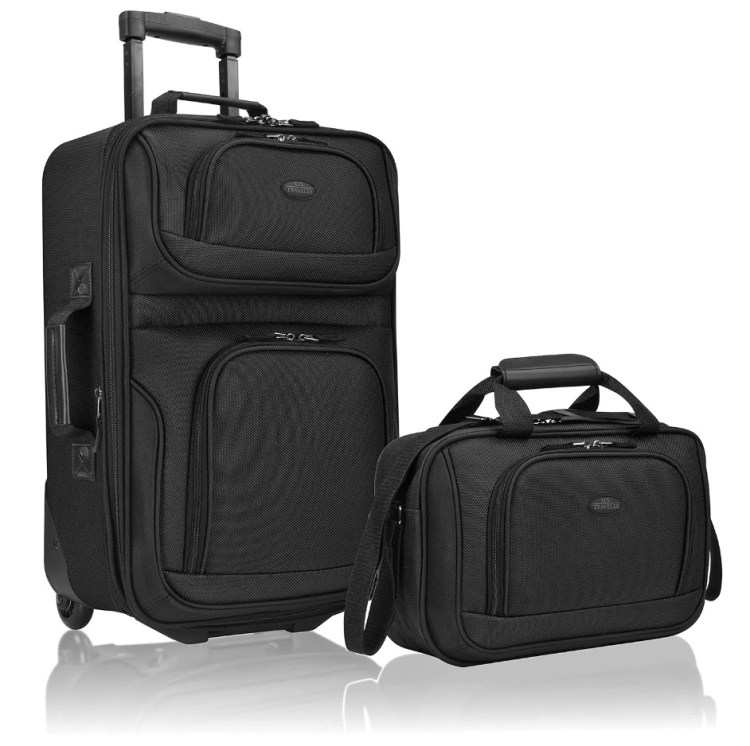
🔲 Toothbrush & Tooth Paste: Always include a a second toothbrush and an additional travel tube of tooth paste and pack on set in a separate suitcase.
🔲 Medications: These are critical and if there are prescription meds you may not be able to get the easily refilled. It’s also a good idea to include an OTC collection of meds for stomach upset, cold and flu and pain relievers.

🔲 Shaving, Lotion, Hair Care, Etc: Everyone has a collection of individual products that are considered necessities like nail clippers, Q-Tips…
🔲 Chargers & Cables: From cell phones to tablets and laptops, we all have an assortment of digital devices that need constant charging and care.
🔲 Safety Items: Things like document pouches, small first aid items, emergency ID and medical information cards are important to carry. Take some time and create your own list.
🔲 Convenience Items: Night lights, international electric outlet adaptors, plug-in multi outlet, suitcase scale, the list is different for each of us. The trick is to work out your own list.
Download A Copy Of Our Lists That can be easily edited in any word processor app to customize and print your own.
These lists were created in an open source word processor format that can be opened by most commercial software. Use them as a starting point for creating your own pre-travel check lists. They’re the best system we’ve found for organizing our packing and making sure our home is ready for us being gone for an extended period.
 The Intentional Travelers