
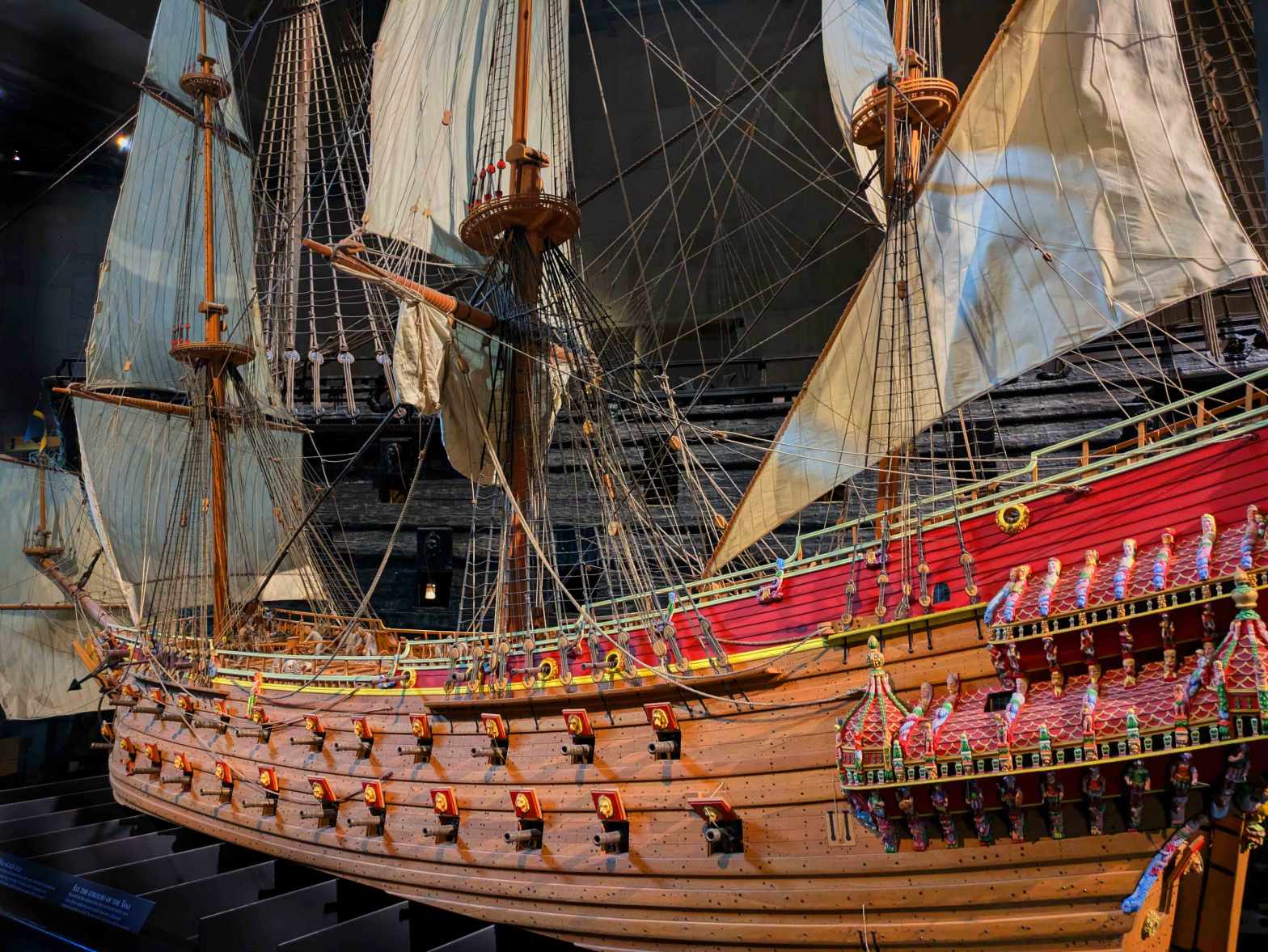

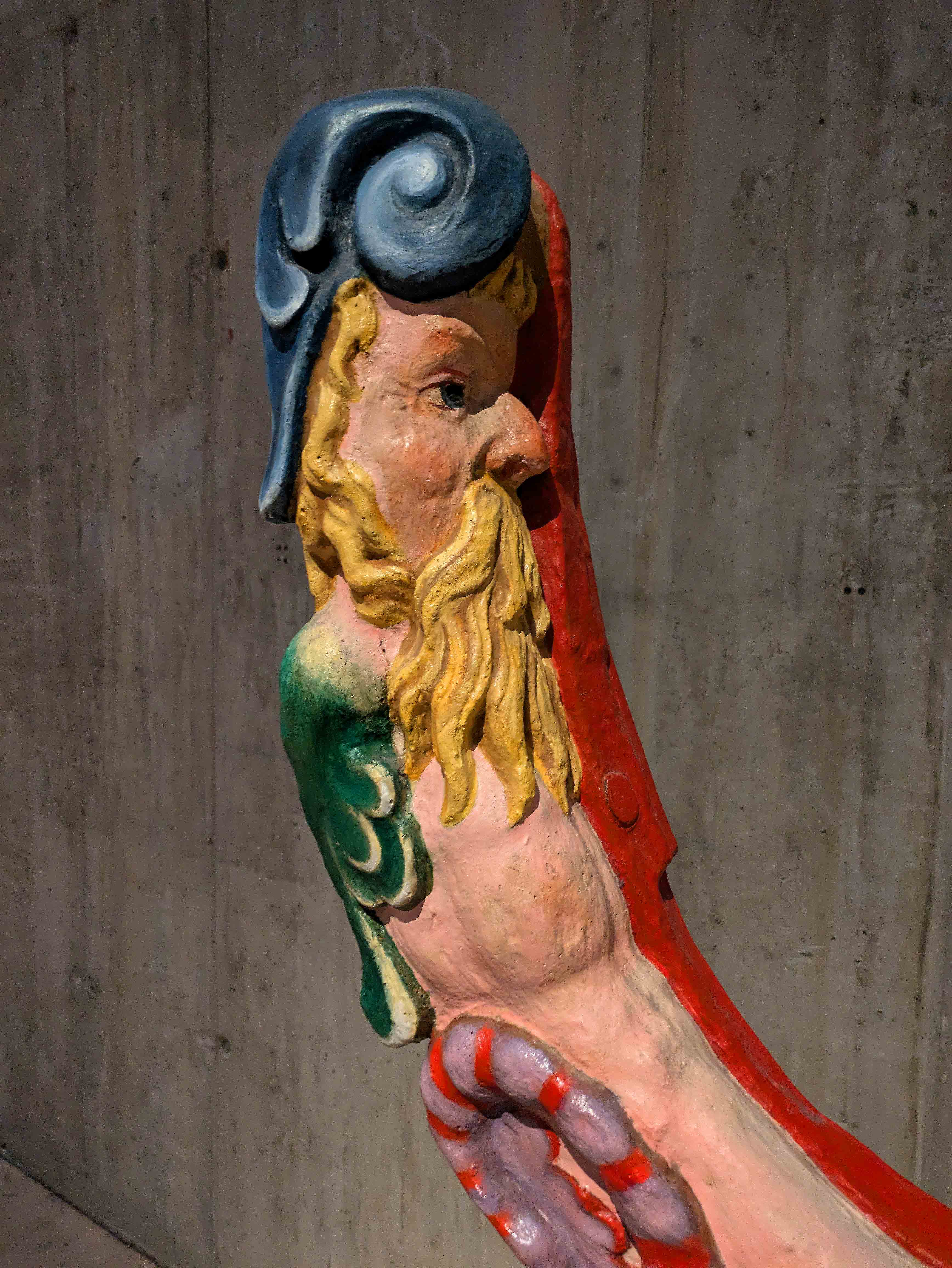
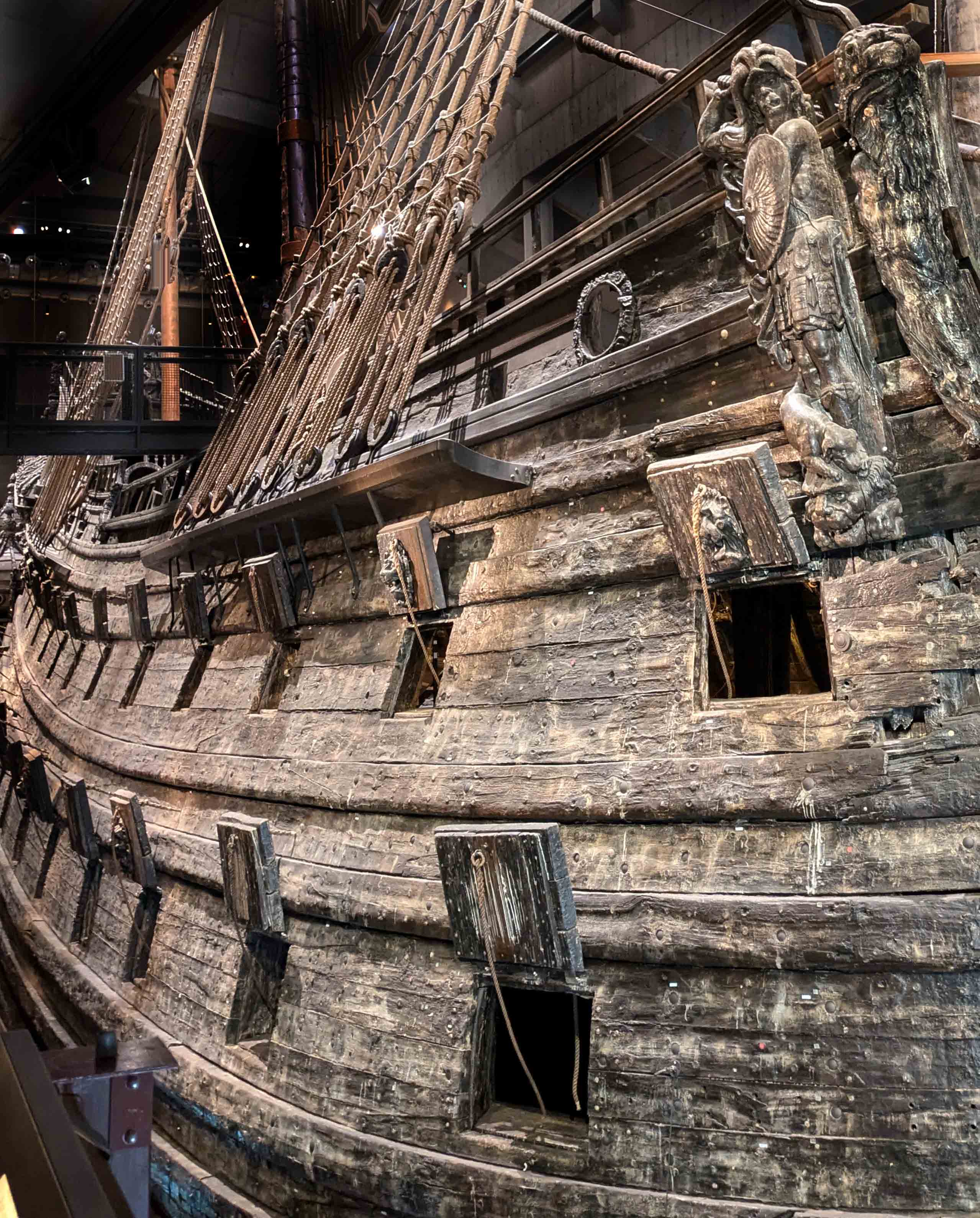
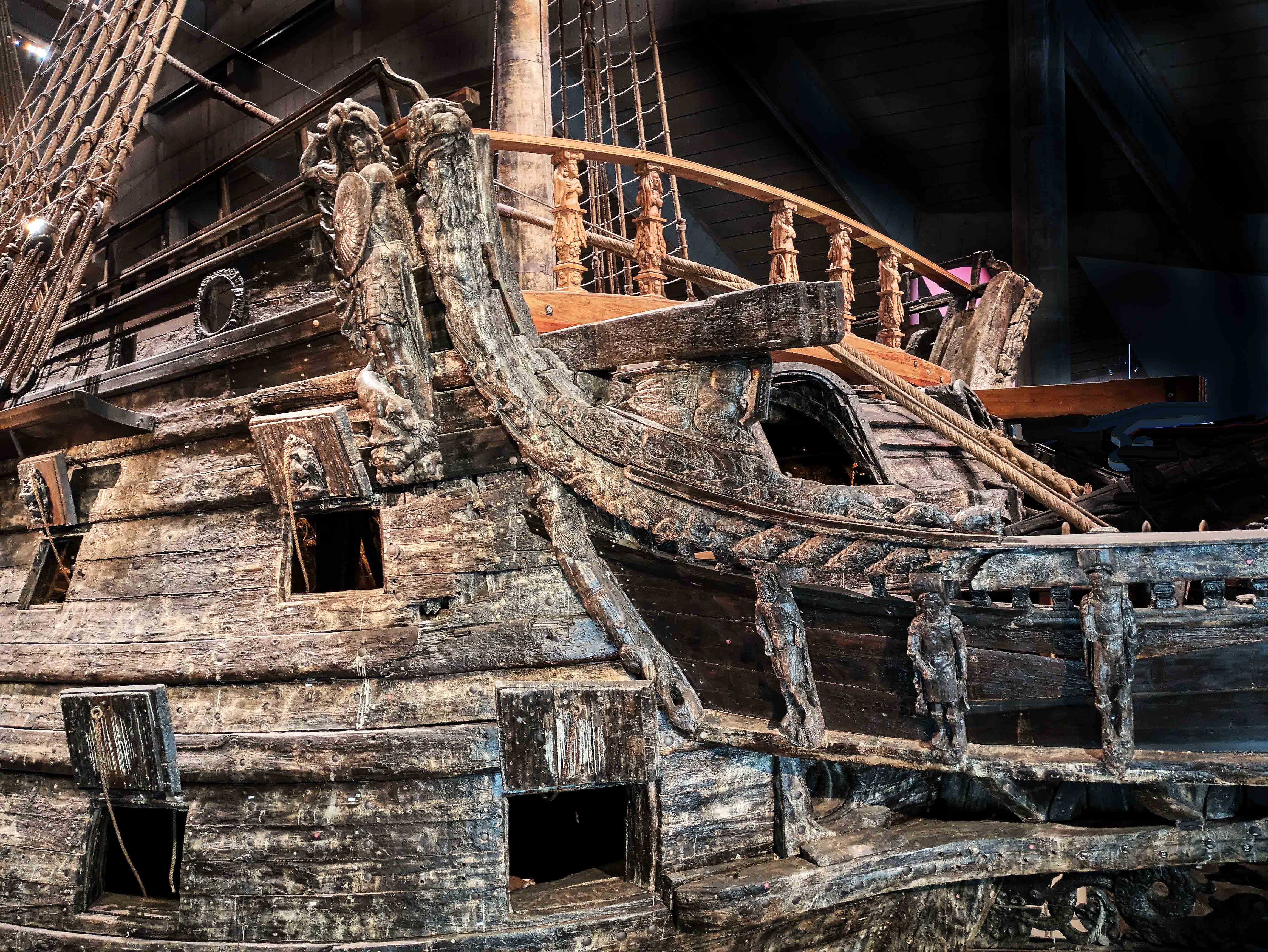
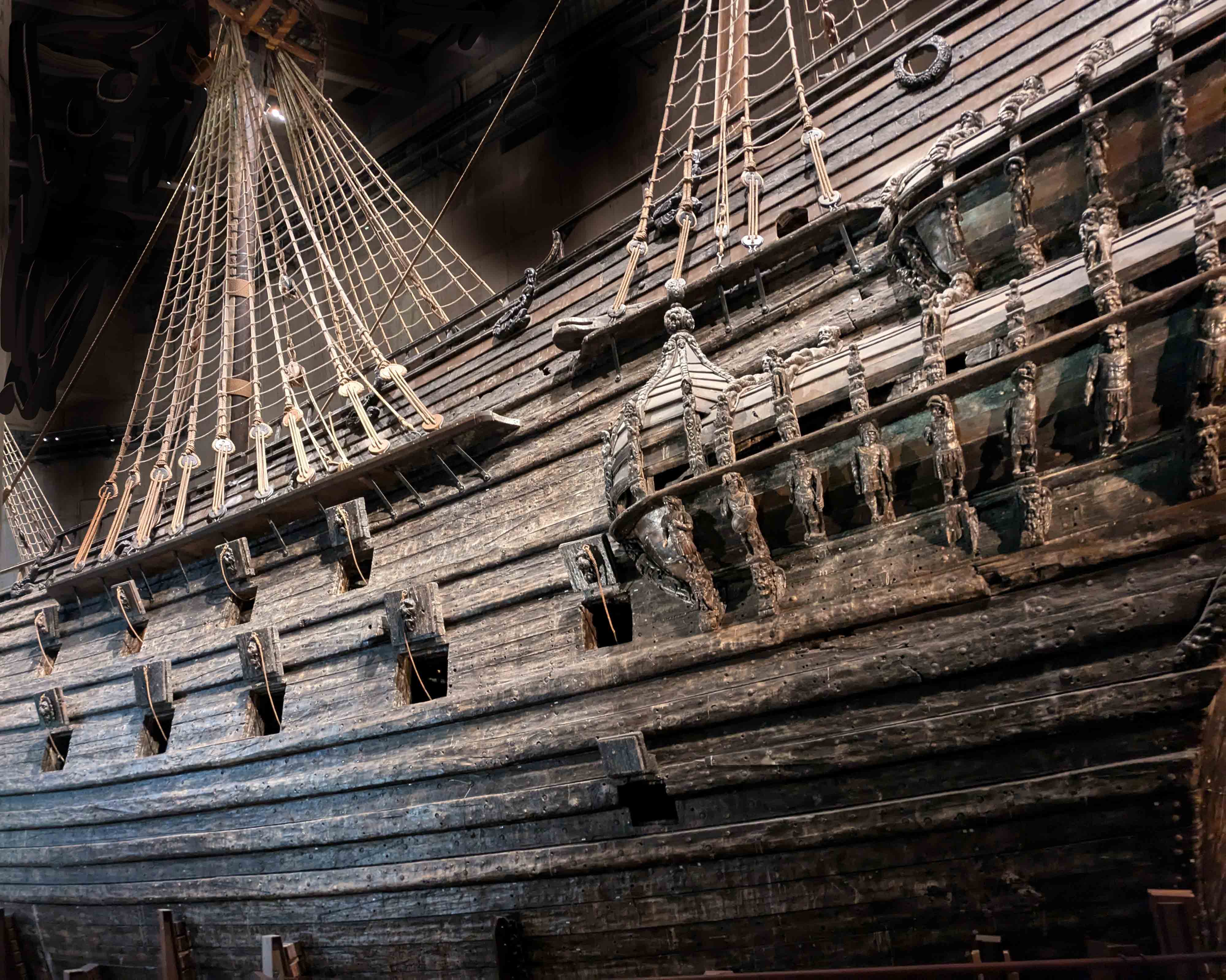
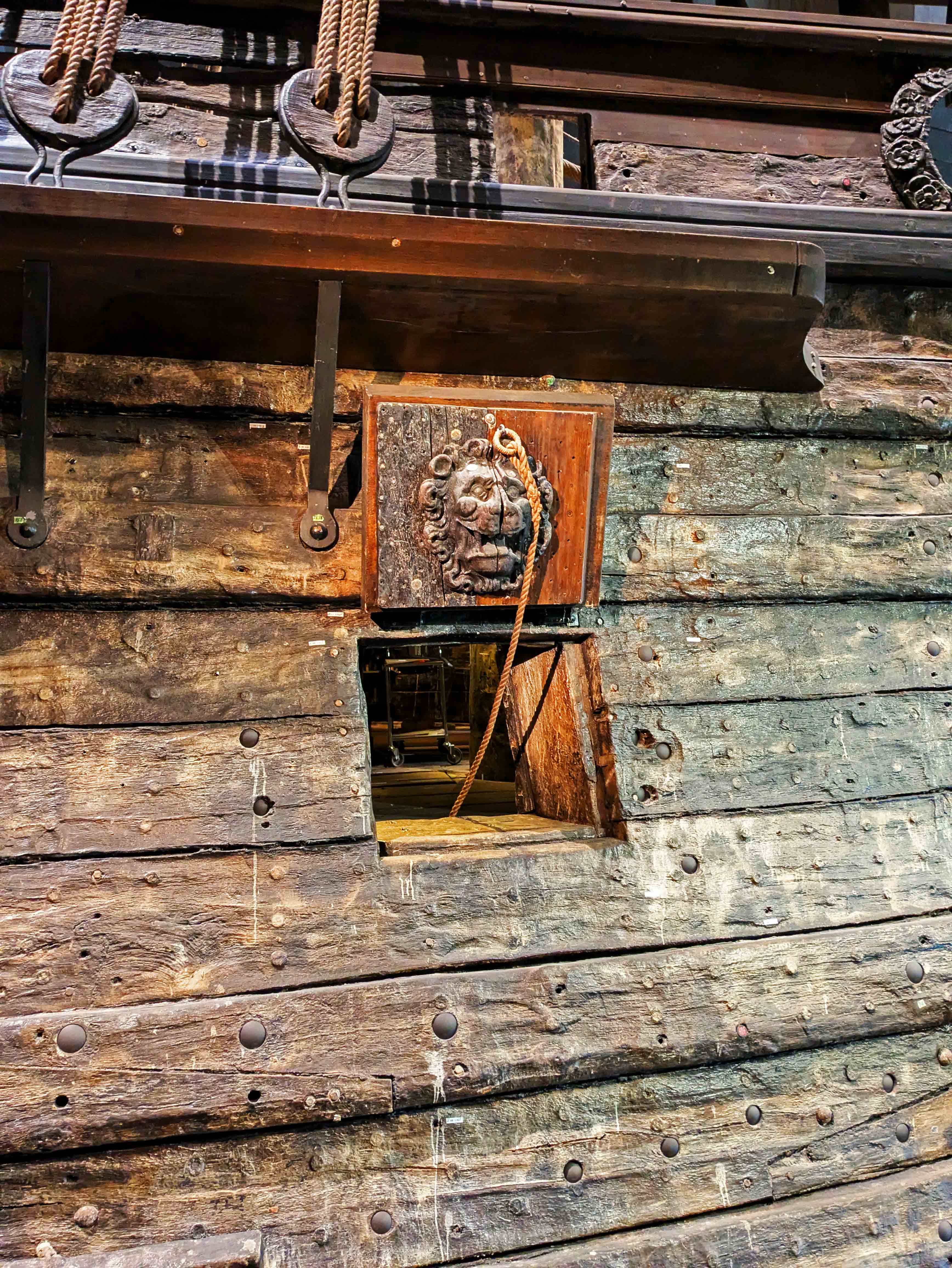
Unarguably, Stockholm Sweden’s number one attraction is a remarkable failure of incredible proportions and still a place not to be missed by anyone visiting Stockholm. It is the Vasa Museum and it’s the final resting place of a 17th-century Swedish warship. The ship is without a doubt the best preserved and most complete 17th-century ship ever found anywhere.
The Vasa Story
It was a beautiful morning in Stockholm on August 10, 1628 when the newly launched warship Vasa was to sail out on her very first voyage. She was 226-foot-long and was designed to be the most powerful European warship afloat. She boasted two gun decks holding 64 cannons, and would need a 450 man crew. One broadside from her canons was capable of firing 550 pounds of shot at an enemy ship, twice as much as any other ship at the time
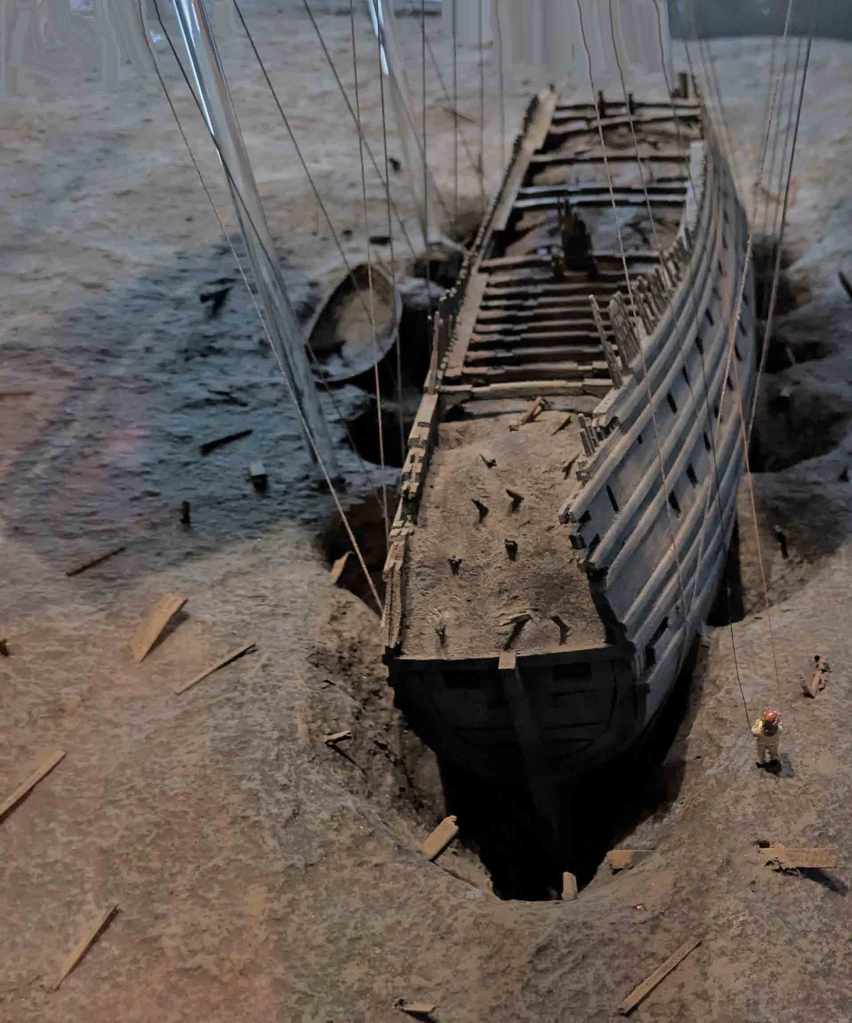
It was a calm day with a perfect breeze ready to fill her sails. After casting off the Vasa sailed just 3,000 feet before that light breeze pushed the magnificent ship way over on her port side. She quickly righted herself, but with the next mild gust she rolled even further and water poured into her open gun ports, and she took on huge amounts of water and quickly sank only 400 feet from land as a crowd of thousands watched.
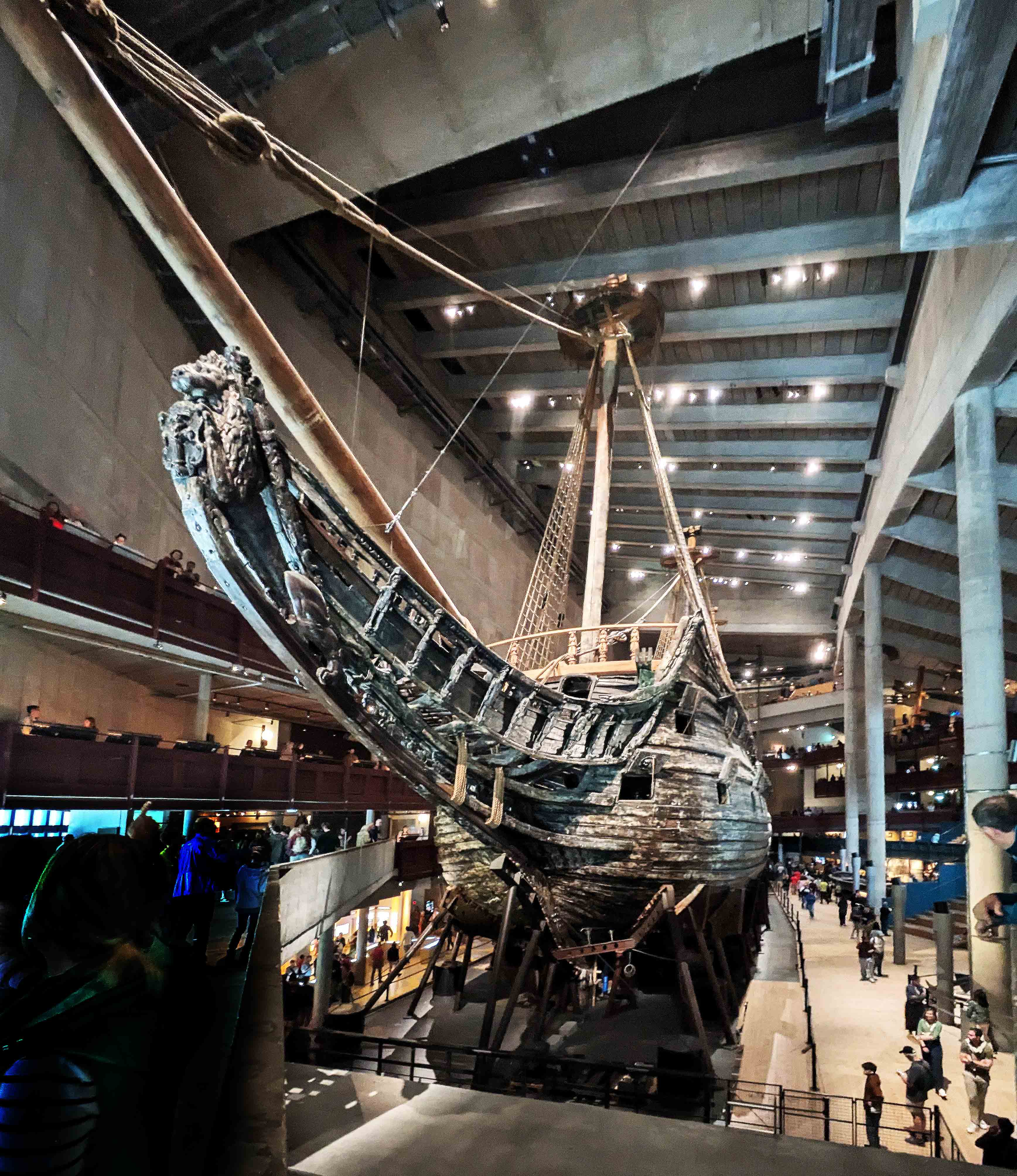
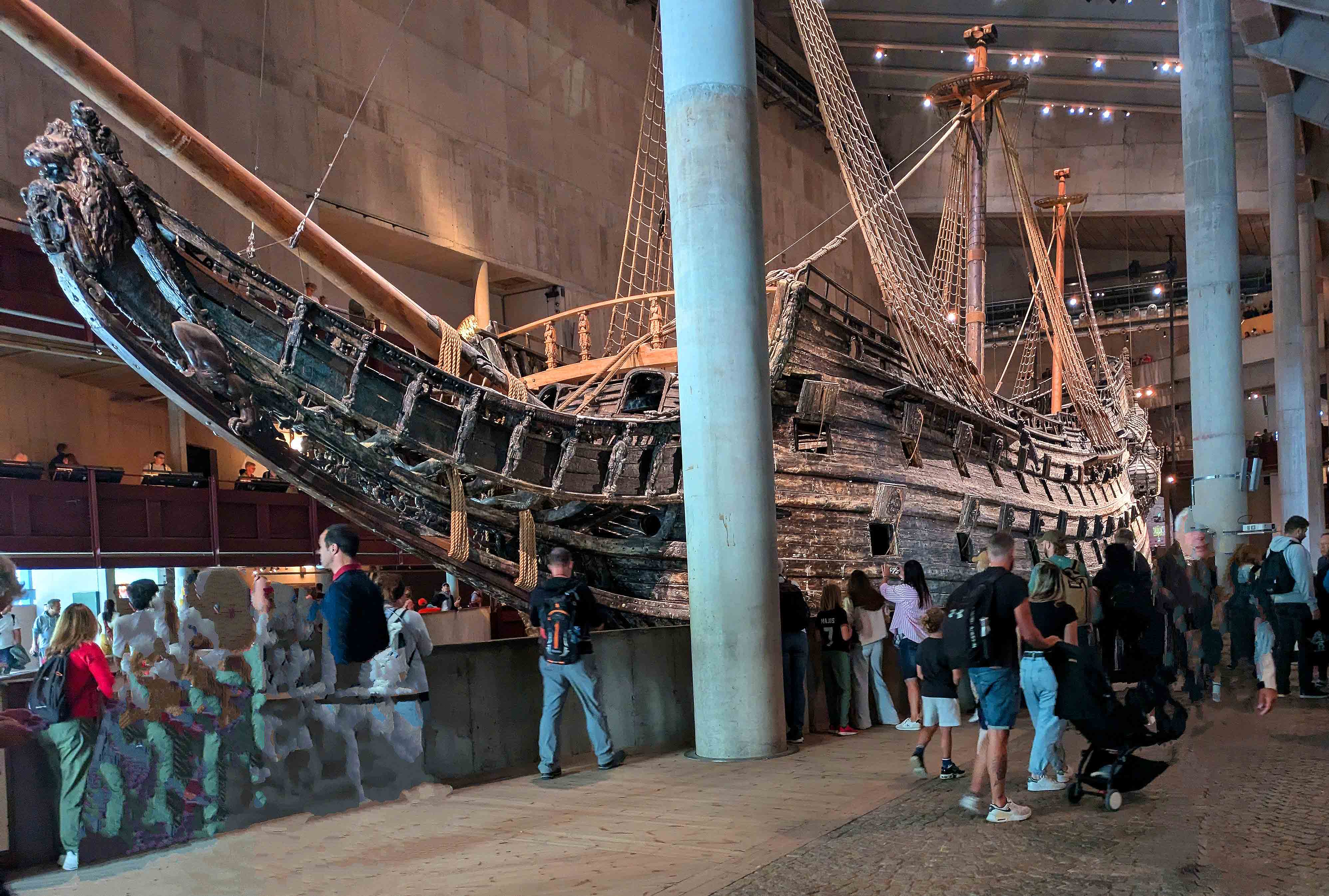
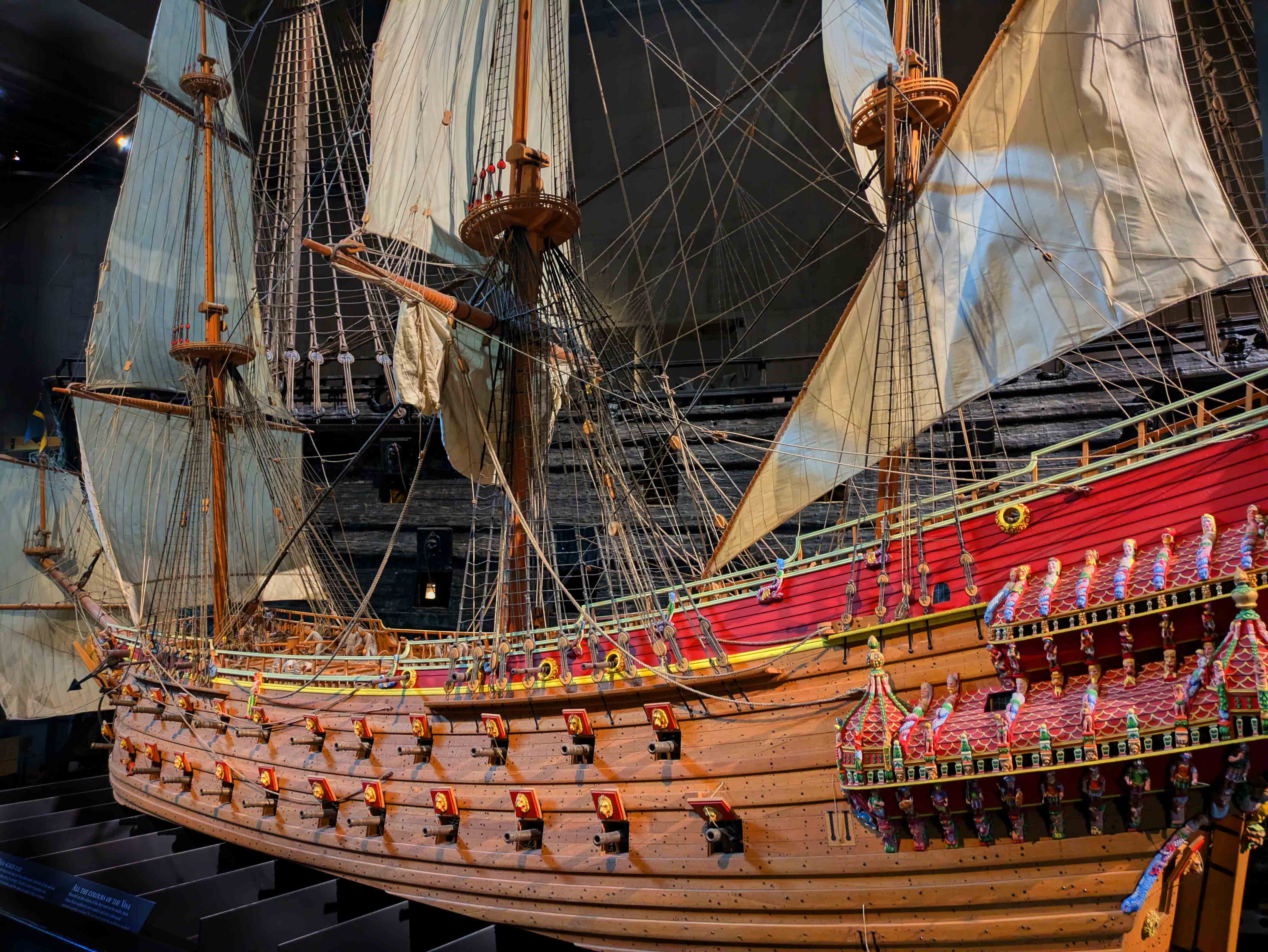
The Vasa Ship Today – The Vasa is a 17th-century Swedish warship that sank on its maiden voyage in 1628 and was salvaged in 1961. It is now a very popular museum exhibit in Stockholm. The Vasa Museum in Stockholm houses the ship and provides insights into its history, including the reasons for its sinking and the artifacts recovered from it.
Historical Background
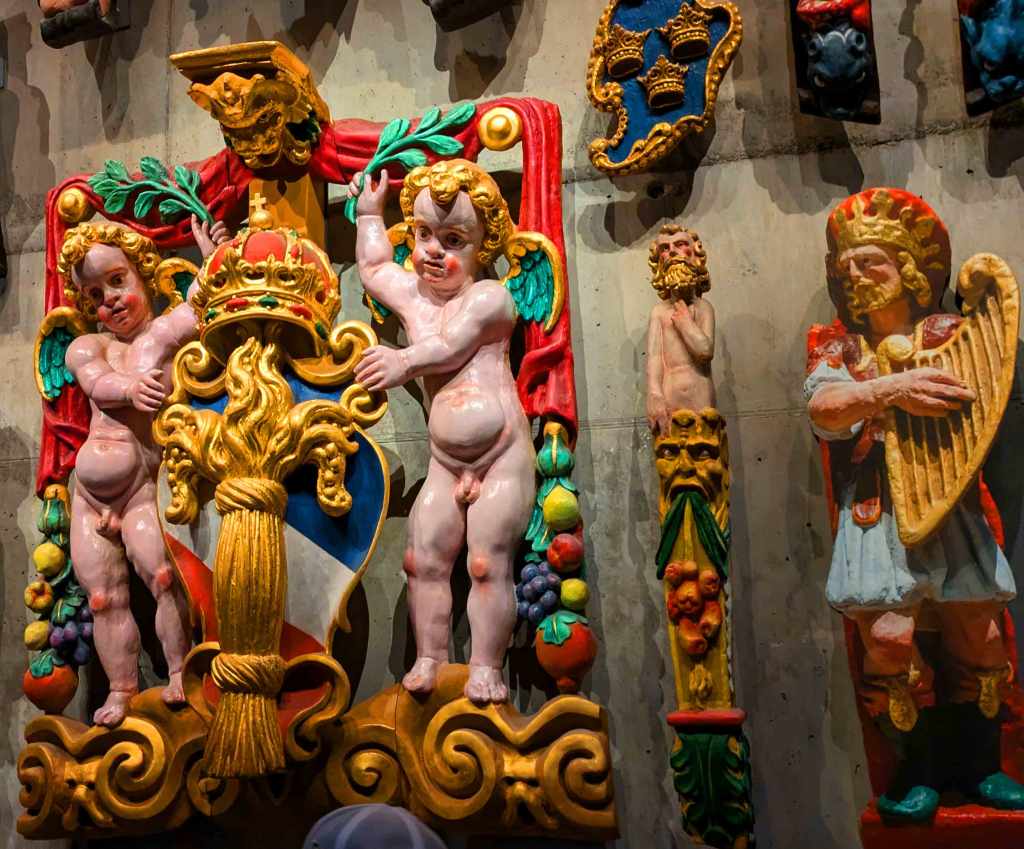
The Vasa was a 17th-century Swedish vessel, the mightiest warship of its time, that sank on its maiden voyage on August 10, 1628, with about 30 of the 150 persons aboard drowning.
The Thirty Years War raged in Europe, King Adolphus of Sweden decided he needed a stronger naval presence to keep his position of dominance in the Baltic Sea. He ordered several large warships to be built. From the beginning there were numerous problems: The head shipwright on the Vasa project died suddenly and the king took charge demanding constant modifications without much expert input.
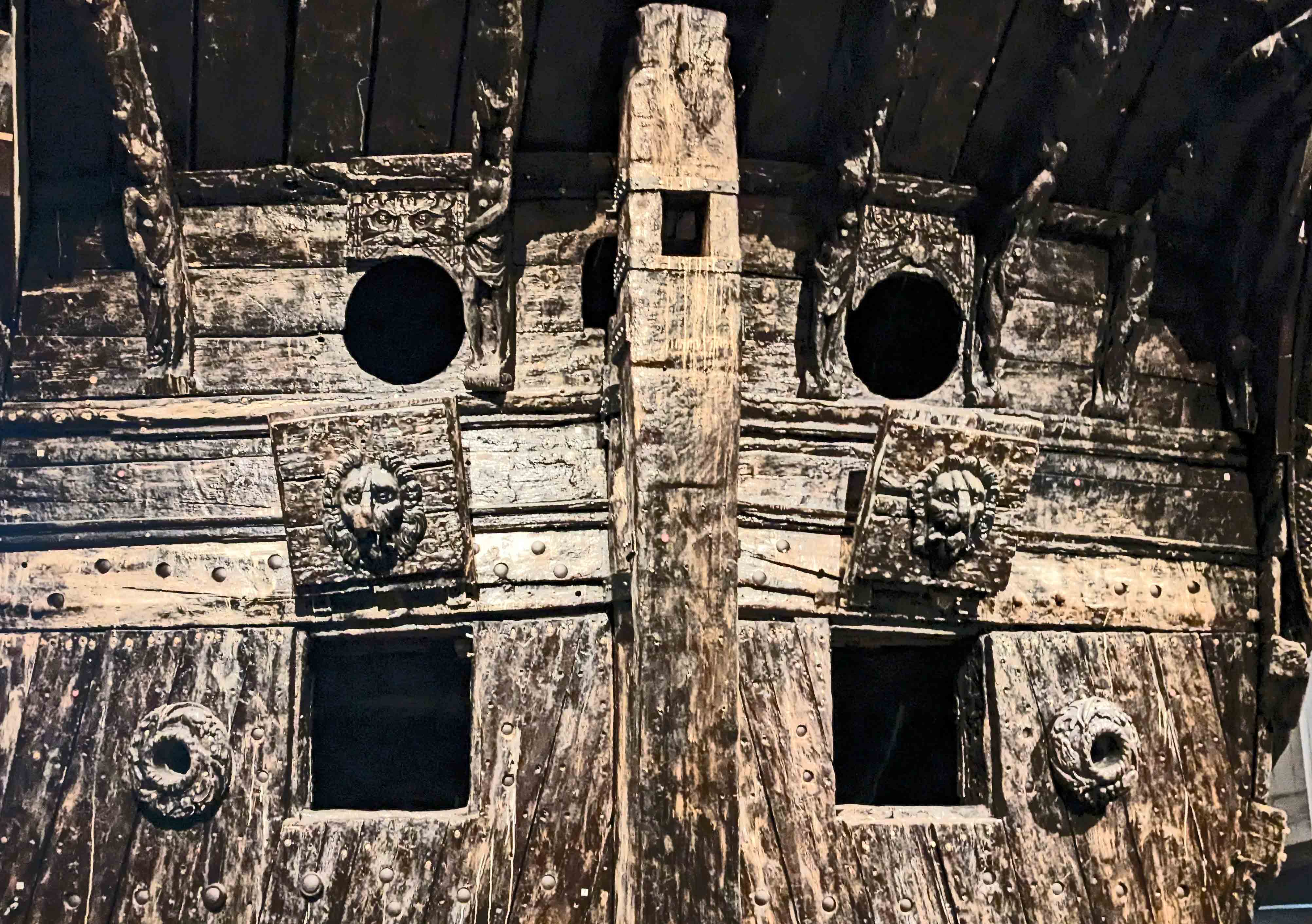
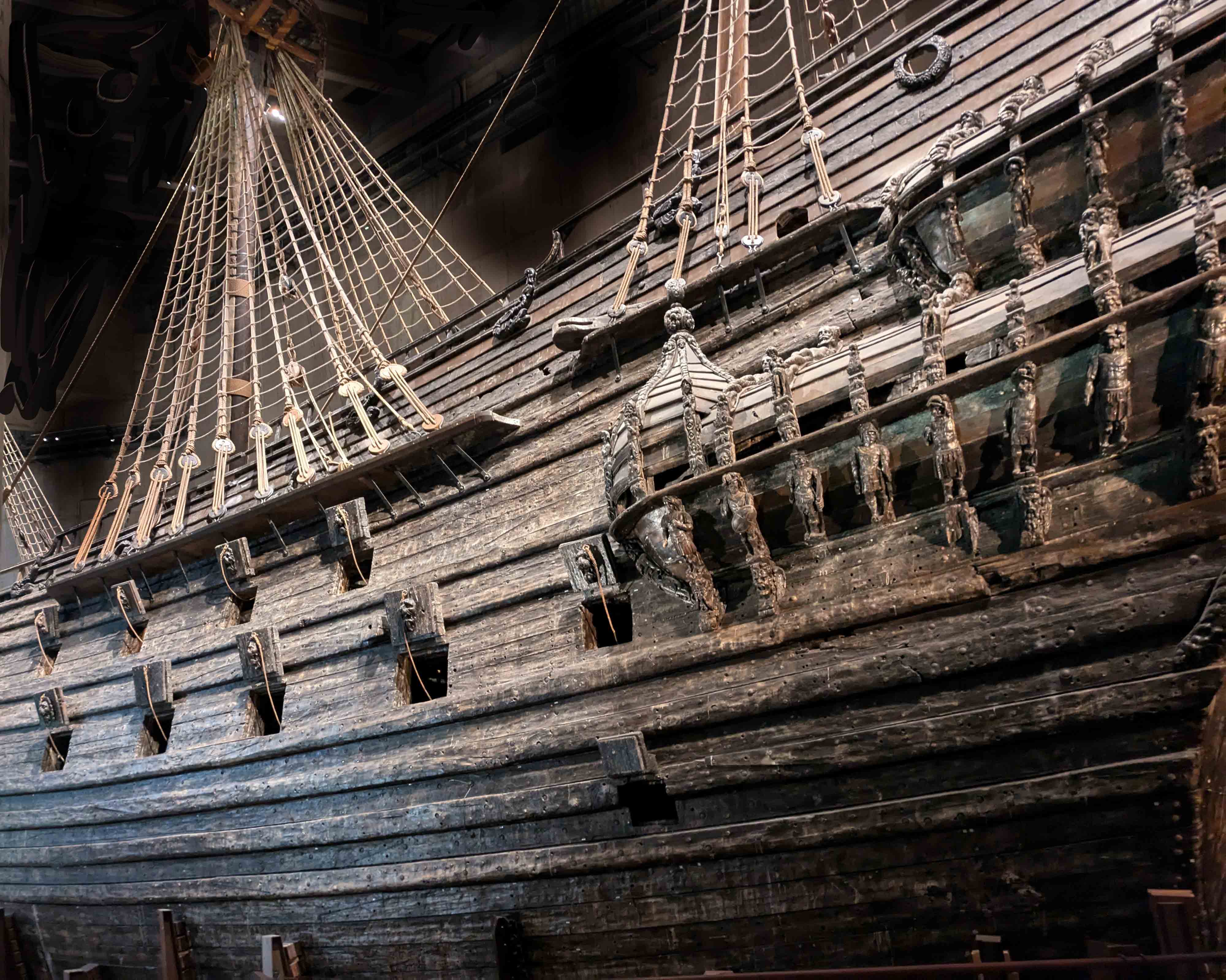
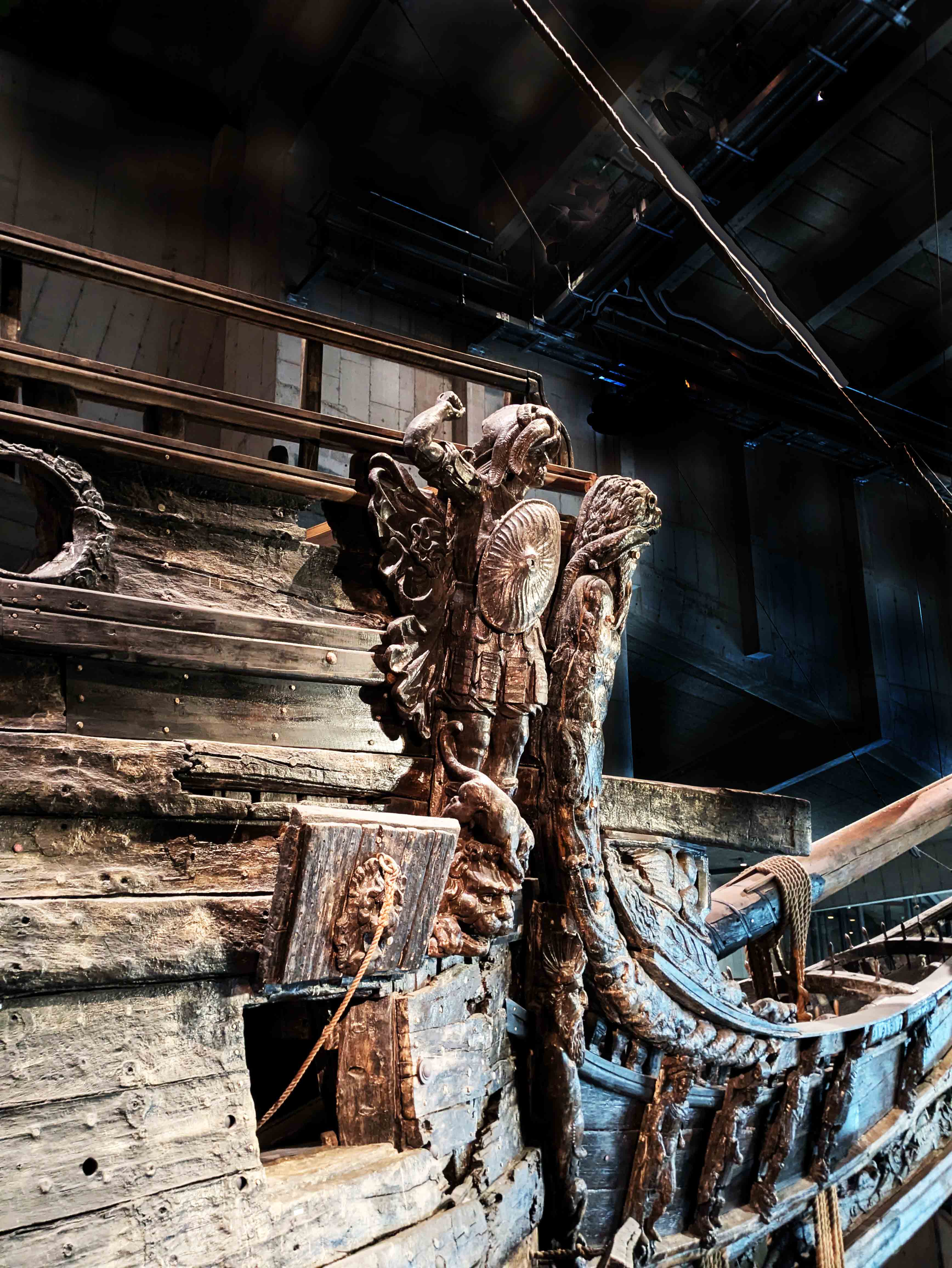
After many delays, the Vasa made her maiden voyage with a disastrous result. After the sinking King Adolphus blamed the ship’s captain, Söfring Hansson, who was immediately arrested. Soon after that the shipbuilders and the crew blamed each other but it soon became obvious that it was the actual design and construction at fault with the king himself had actually overseeing the project. Today analyses by naval architects and engineers determined that the ship’s very design caused the disaster and had she not rolled in the wind that day she likely wouldn’t have stayed afloat following firing her first full broadside.
The Vasa was raised from the floor of the channel on April 24, 1961, fully restored and put on display in her own museum building on the waterfront in Stockholm.

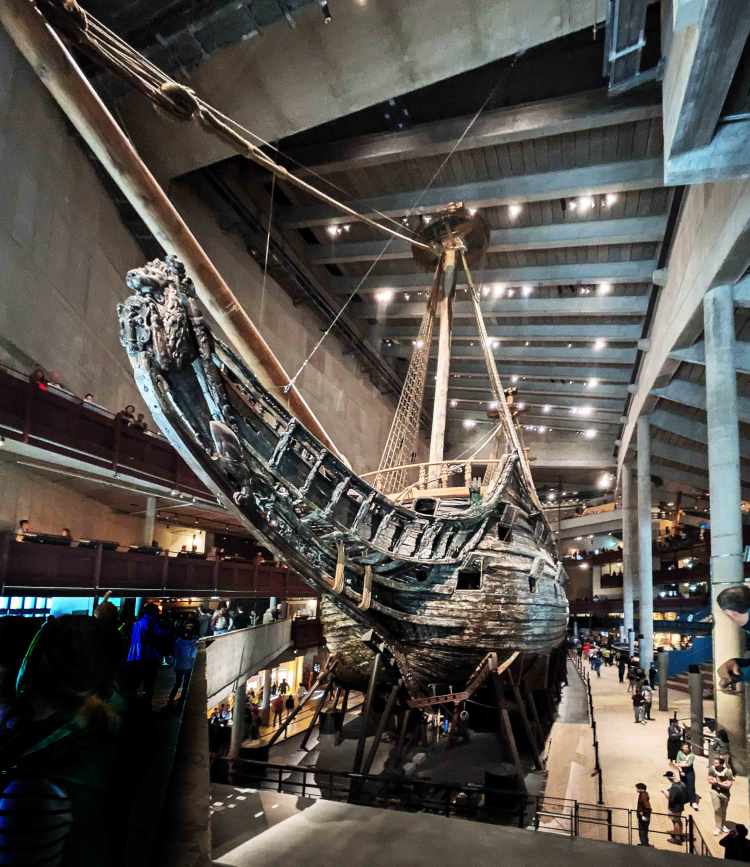
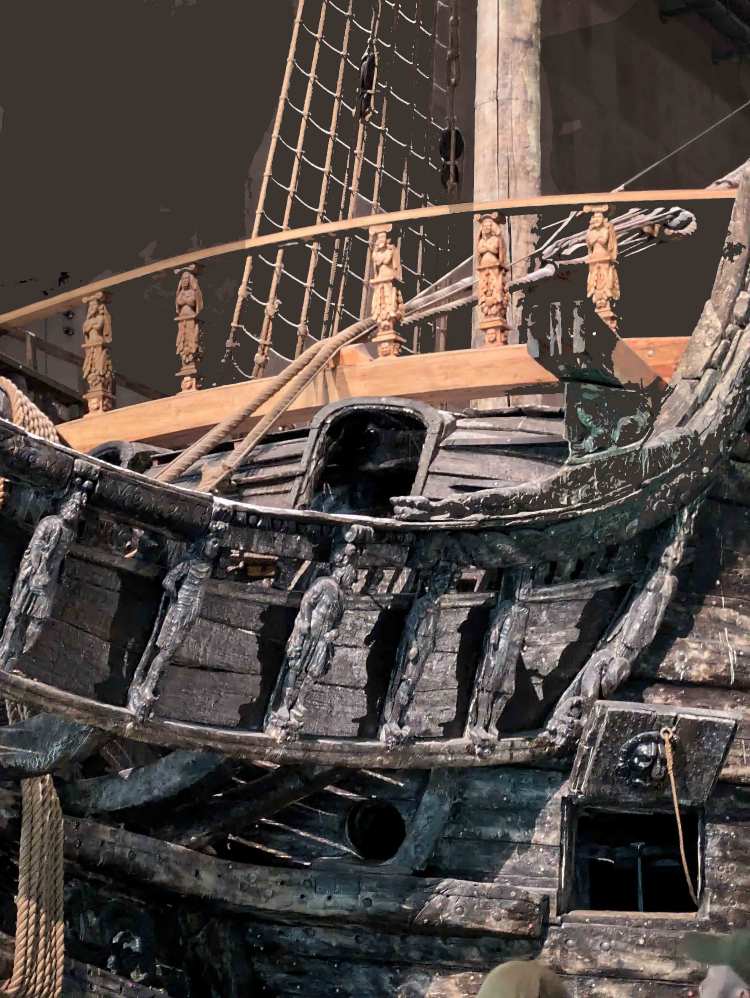
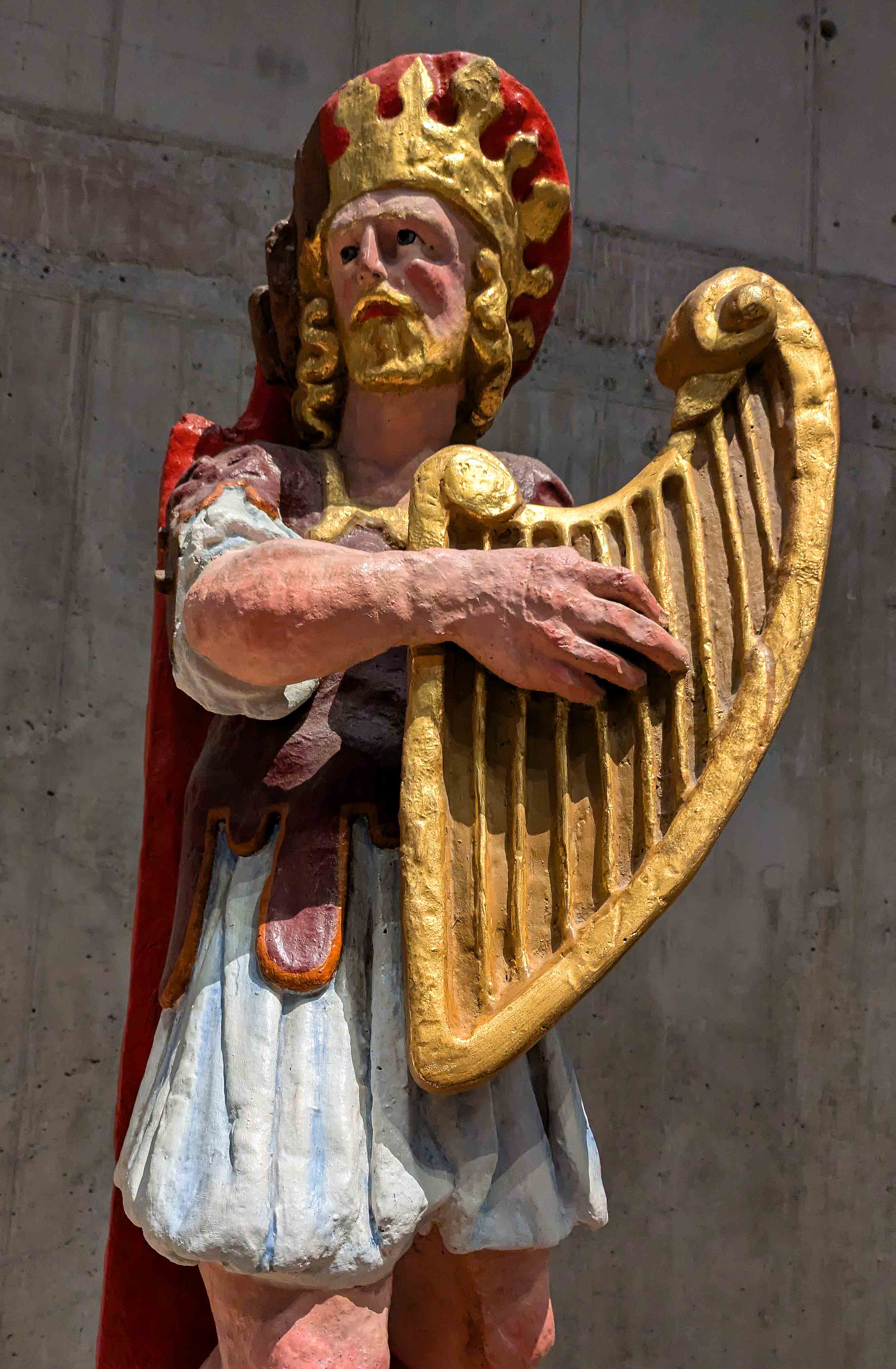
Visiting Tips – Because of the popularity there are often long lines to get in. Before you go purchase tickets on the Museum’s website HERE and store them on your cellphone. Oddly most people try and go early to beat the crowds which makes morning lines the longest with lines in the early afternoon often shorter.

 The Intentional Travelers
She is/was magnificent, although sounds like she was doomed from the start. A fantastic museum, saving this for future reference.
LikeLike
Thanks for visiting and we have a whole digital library of travelers suggestions. Better than any travel guide too.
LikeLiked by 1 person