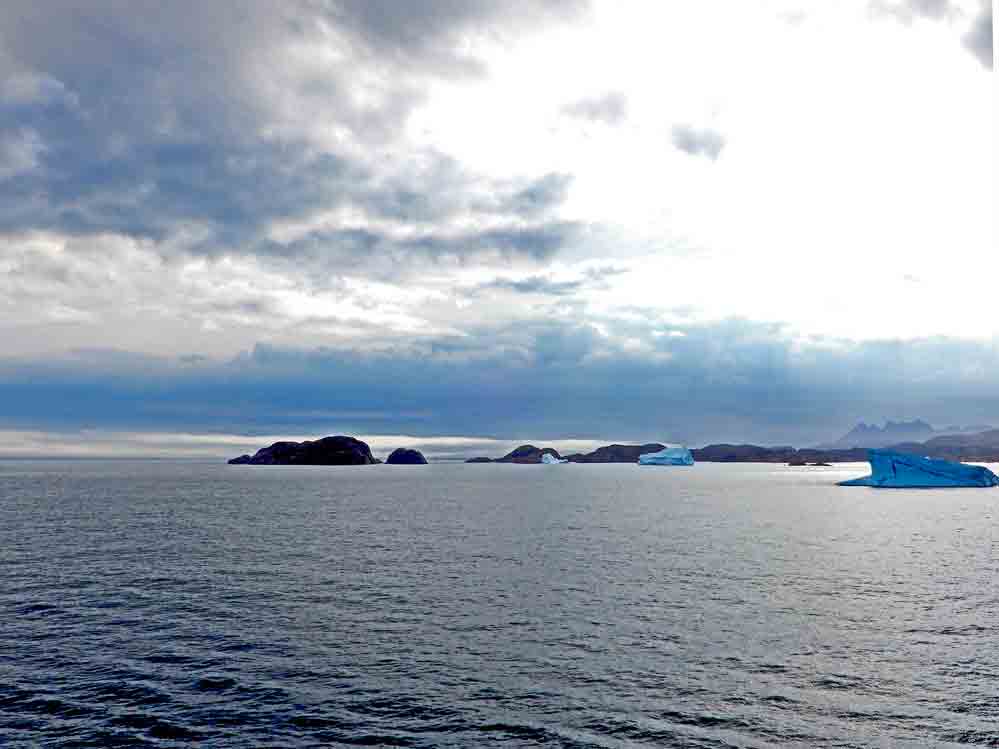

The place seems almost too inhospitable for people to live there, but about 57,000 Greenlanders call it home. Considering that this large island covers 836,000 square miles that’s a density of only 15 people per square mile, making it one of the worlds least densely populated places.
So What’s All This Fuss About Greenland?
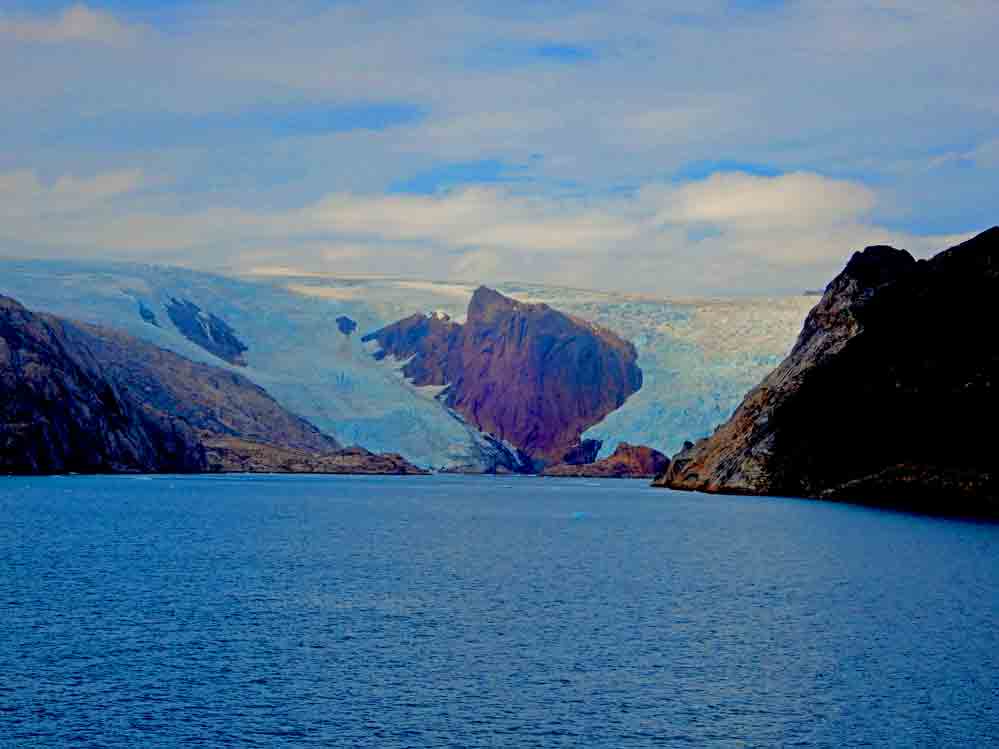
It is argued by some that Greenland holds immense natural resource value, primarily in crucial minerals like Rare Earth Elements (REEs), along with speculation regarding significant untapped oil, gas, gold, zinc, copper, and graphite, that could be worth trillions by some estimates. But exploration and extraction costs will be a major challenge as 80% of the surface of the island is locked up under a polar ice cap and it doesn’t look like it will be melting in the foreseeable future. For that reason the true value of Greenlands resources cannot be seriously evaluated because that Arctic ice sheet covering 660,000 square miles of Greenland.

The true value of Greenland is probably more about its location than its resources. The island is located in a very strategic position that could control access to a number of Northern Hemisphere land masses thus providing a defensive and offensive platform between geo-political advisories.
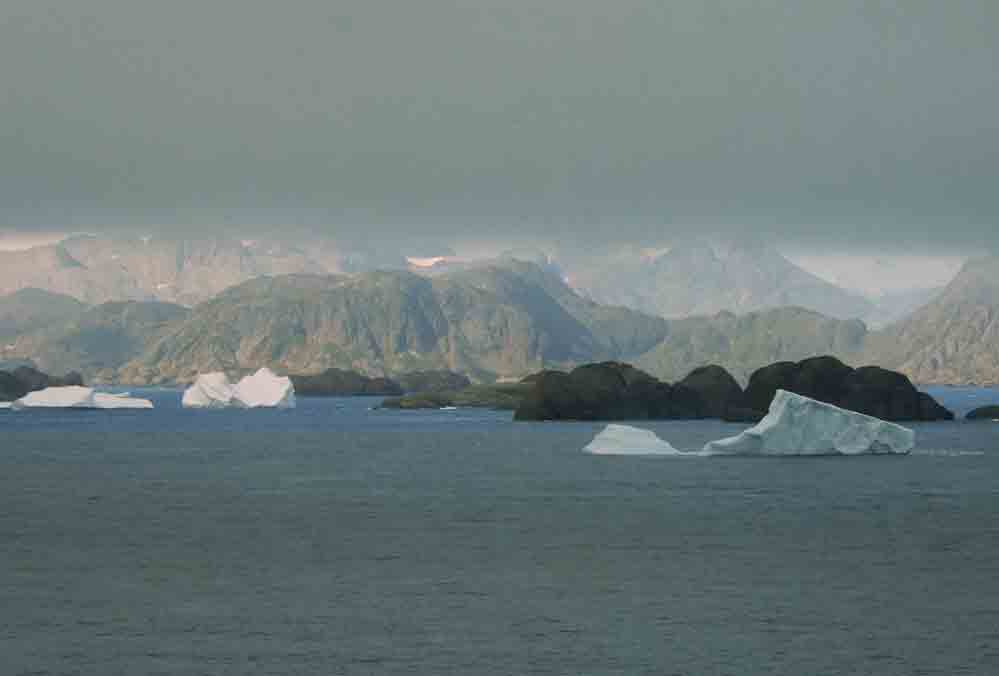
The people of Greenland and the cost of subsidizing their economy is actually a minor consideration as Greenland’s population is around only 57,000 people, making it the least populated country globally, with most residents living in coastal towns, primarily in the southwest. The population is predominantly Inuit Indians, with the capital, Nuuk, being the largest settlement, housing less than 20,000 people.

Looking down on Greenland from above the Arctic Circle demonstrates the strategic importance of this frozen island.
The people, along with Greenland’s government operations get about 87% of their economic needs in one form or another from Denmark. Denmark provides financial support to Greenland, with annual expenditures of around $700 million (that’s about US$12,500 per person). Under just one program Denmark provides an annual block grant of approximately DKK 3.9 billion (about USD 511 million), covering around 80% of Greenland’s total financial needs. Some reports indicate that the total subsidies from Denmark may exceed 4.5 billion kroner annually, further illustrating the reliance of Greenland’s economy on these funds and providing very little financial benefit back to Denmark.

Greenland: Survival in a Harsh Environment

Because the island is mostly covered in ice and rock there is little environment that will support many people. There is very little agriculture and most of the people live off the sea and some hunting.
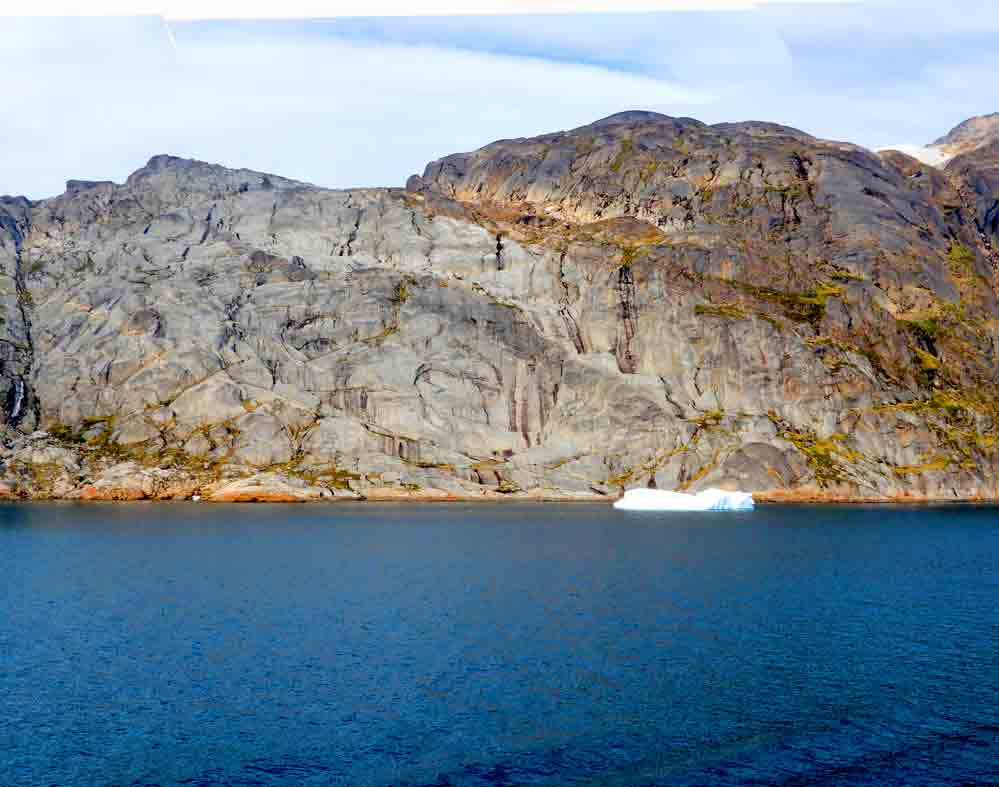
With the world’s growing number of cruise ships and a large population of cruisers looking for new destinations to visit, Greenland is currently experiencing a tourist boom.

Qaqortoq, the largest town in southern Greenland with a population of about 3,055 people is known for its colorful houses, rich Norse history and Erik the Red’s settlement.



Planning A Cruise? Start With The Intentional Travelers Port Guides









 The Intentional Travelers