Who Are The Inca?

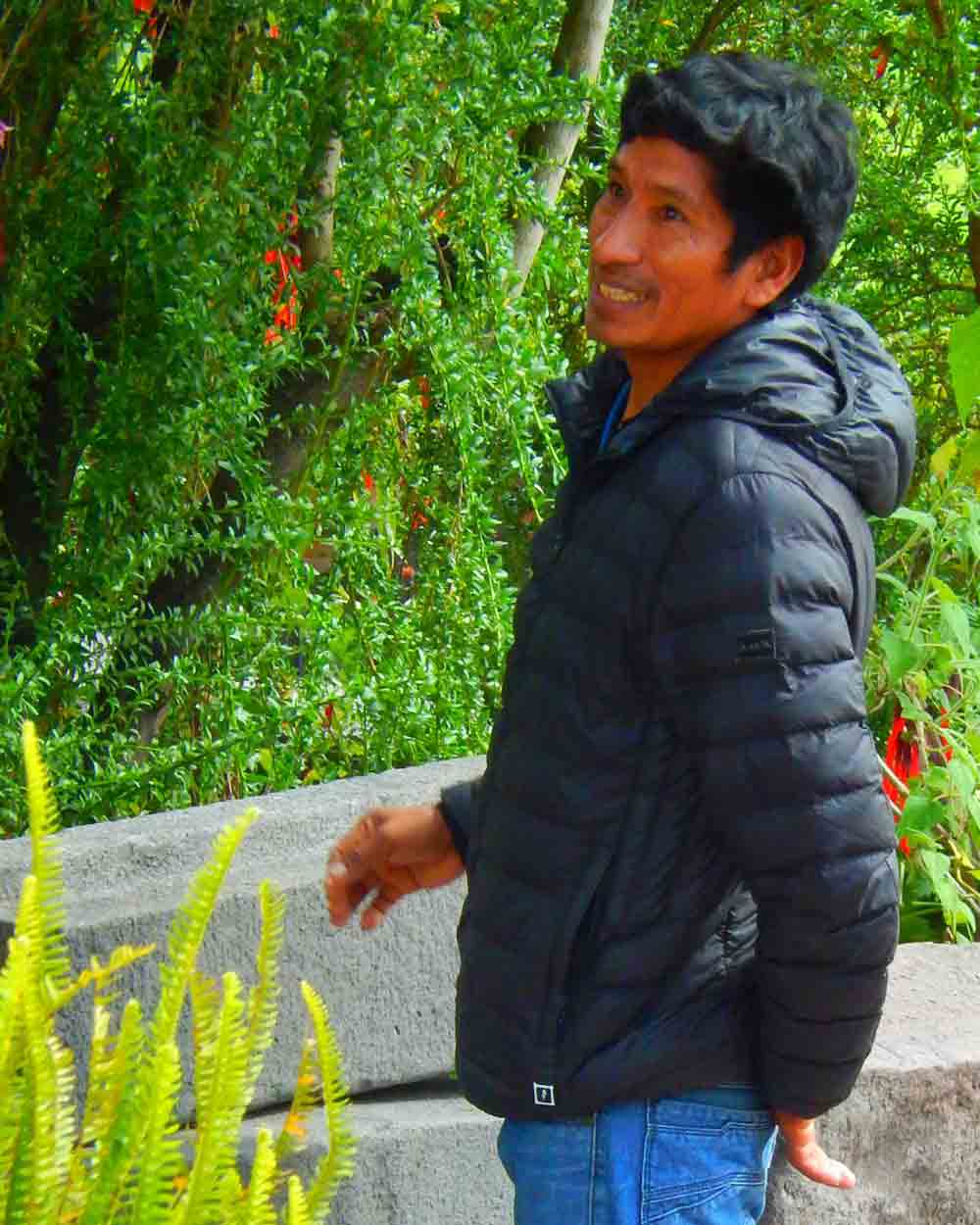
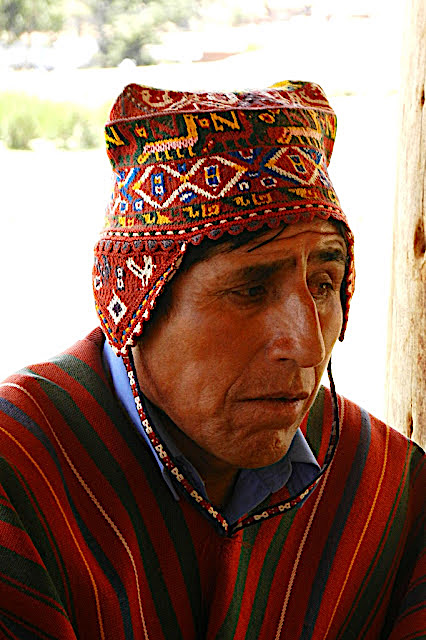
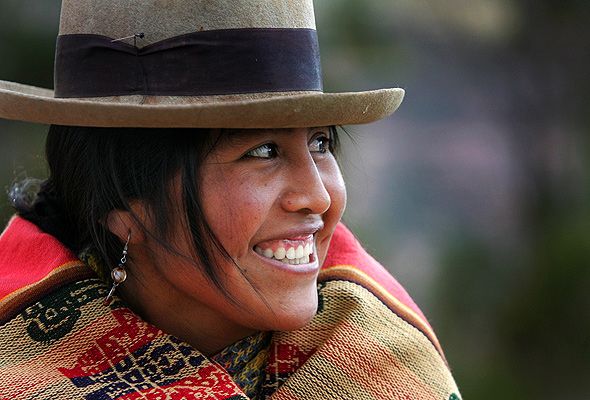
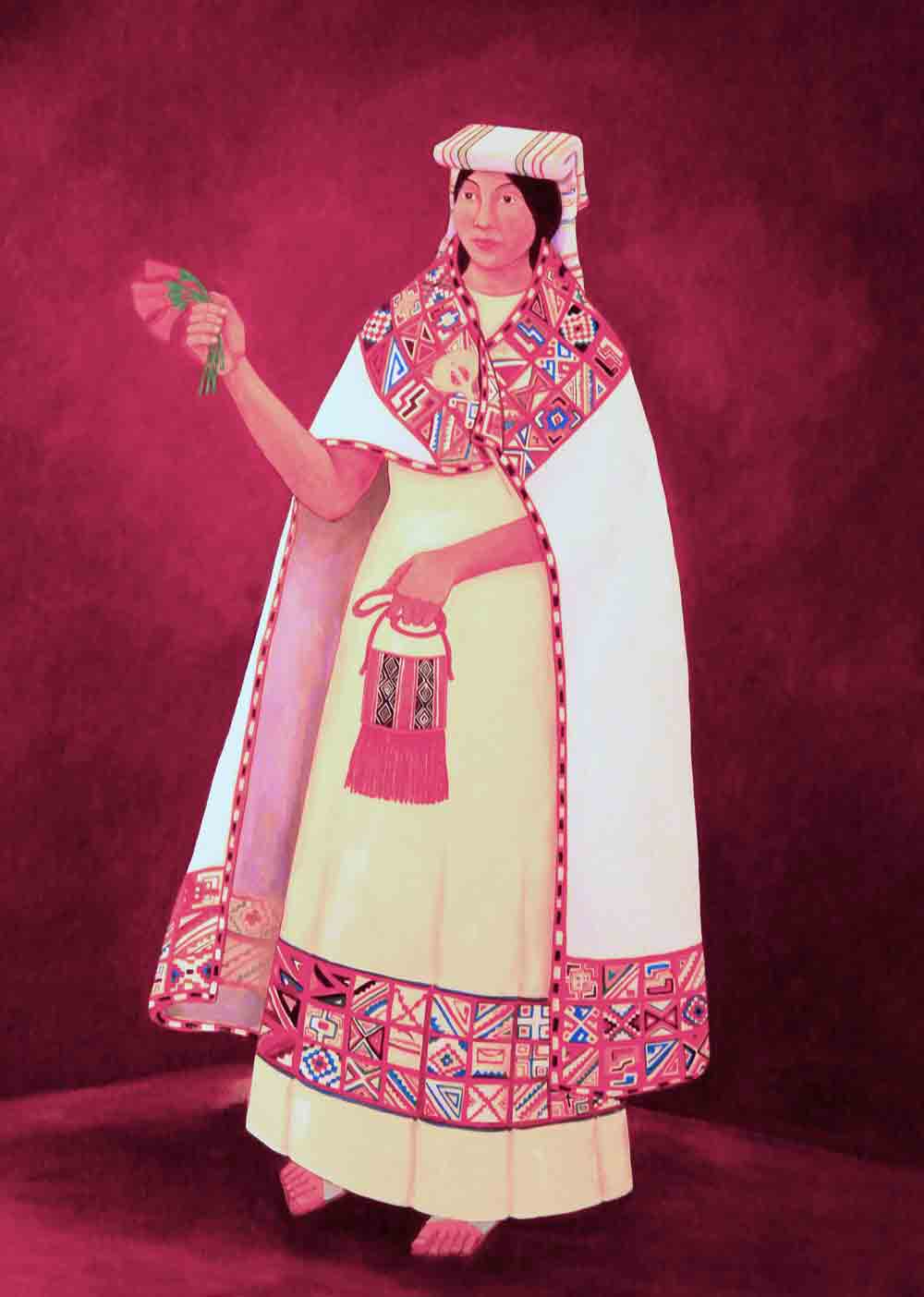
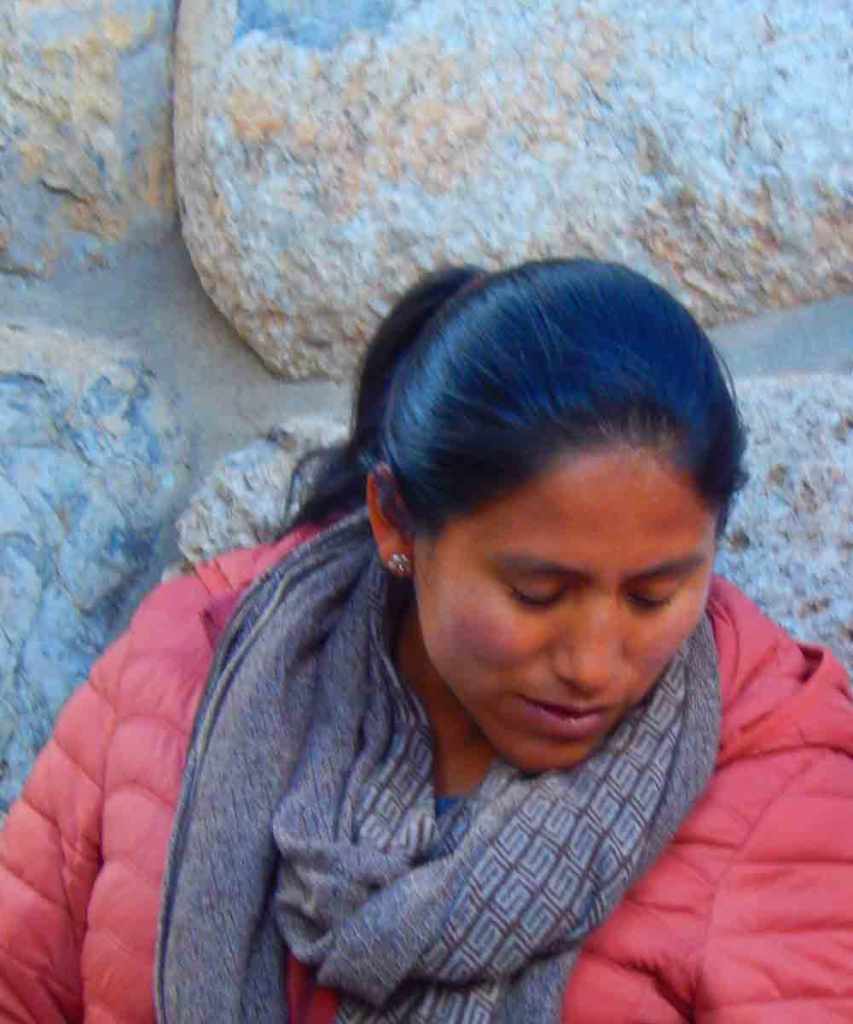
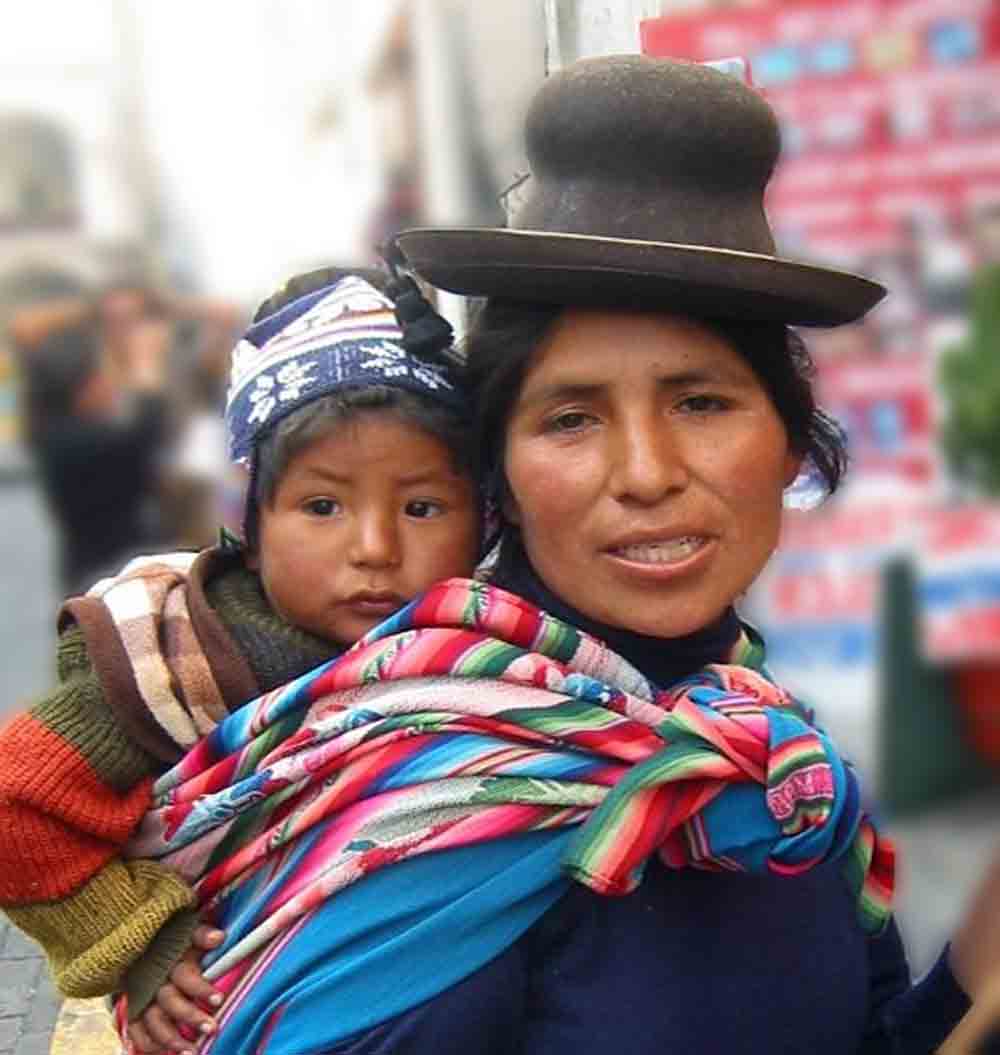
Actually the question should be ‘who was the Inca?’ While the indigenous peoples centered geographically on Peru are often referred to as Inca, the word Inca itself refers to the individual emperor – Inca or Inka means king or emperor of the empire.

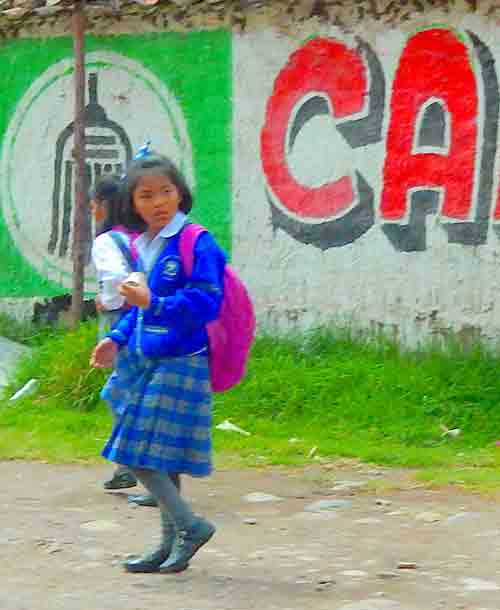
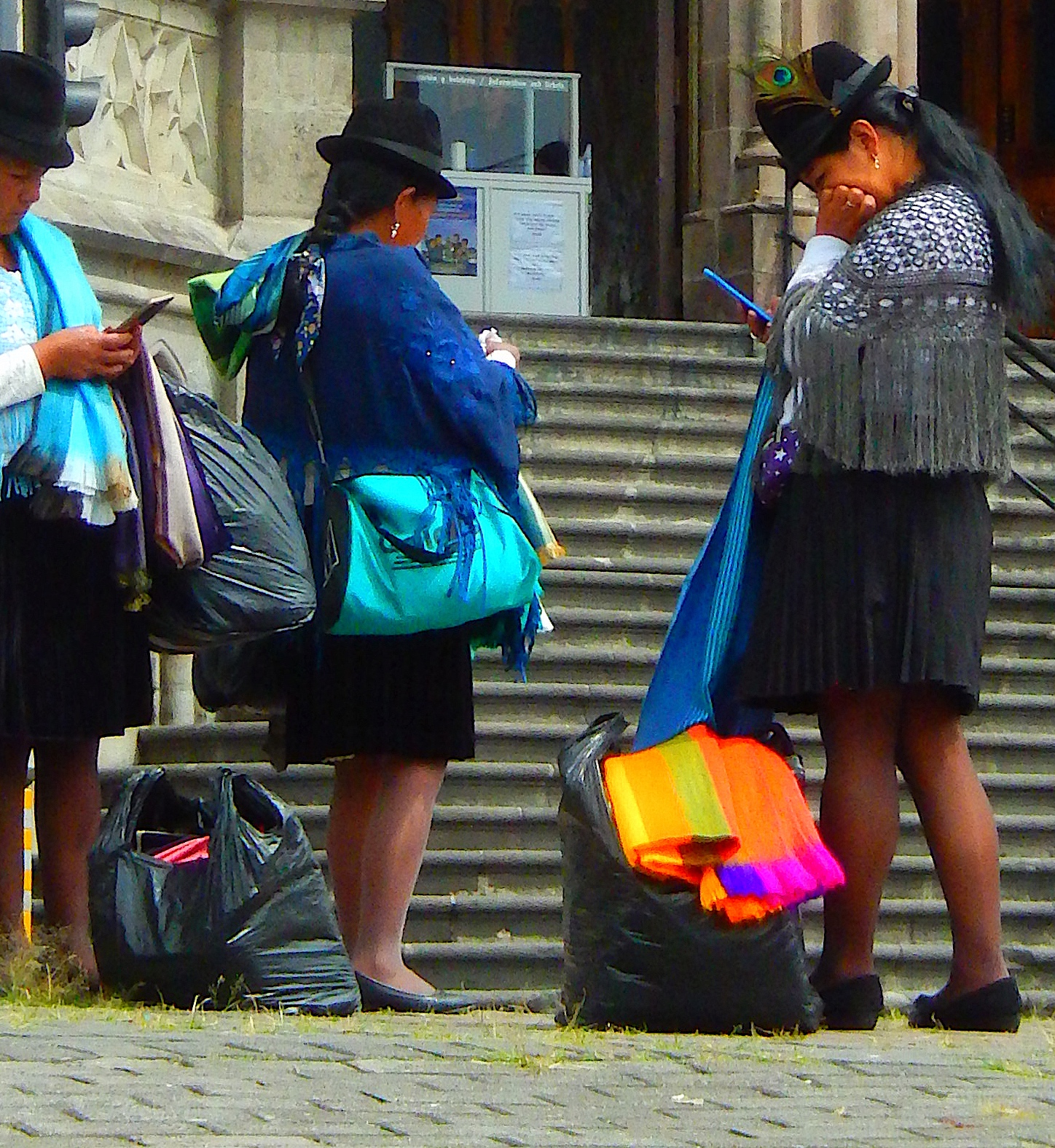
But as the name is most popularly used, the Inca are everywhere.

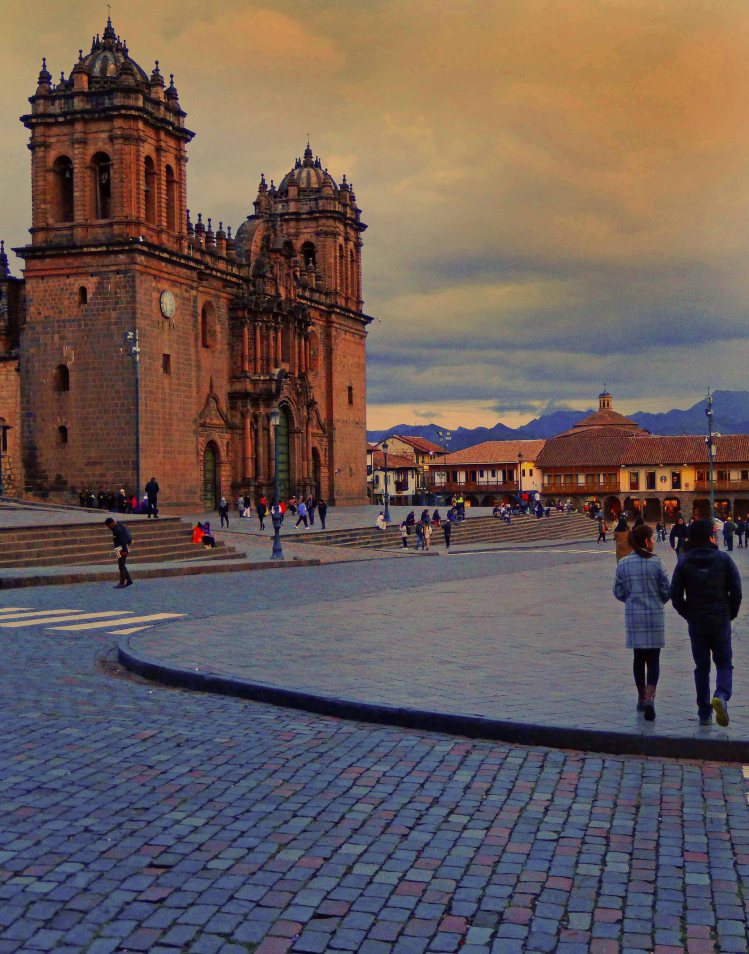
The Central Square In Cusco

The Rise Of The Inca Emperors

The Inca Empire started from its capital in Cusco, and expanded to control most of Peru, parts of Chile, Ecuador and Columbia. It was hugely successful because it integrated the knowledge of the societies they conquered and developed an administrative, political, military, economic and ideological system that allowed it to reach its peak in just a little more than a century and a half.
The Inka Museo In Cusco
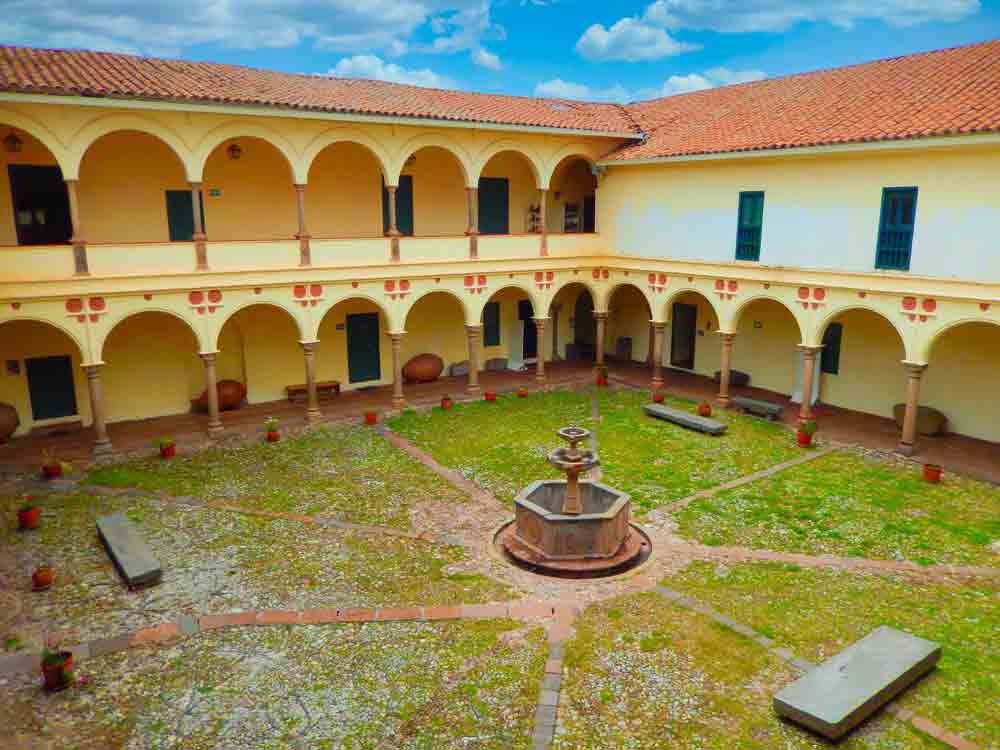
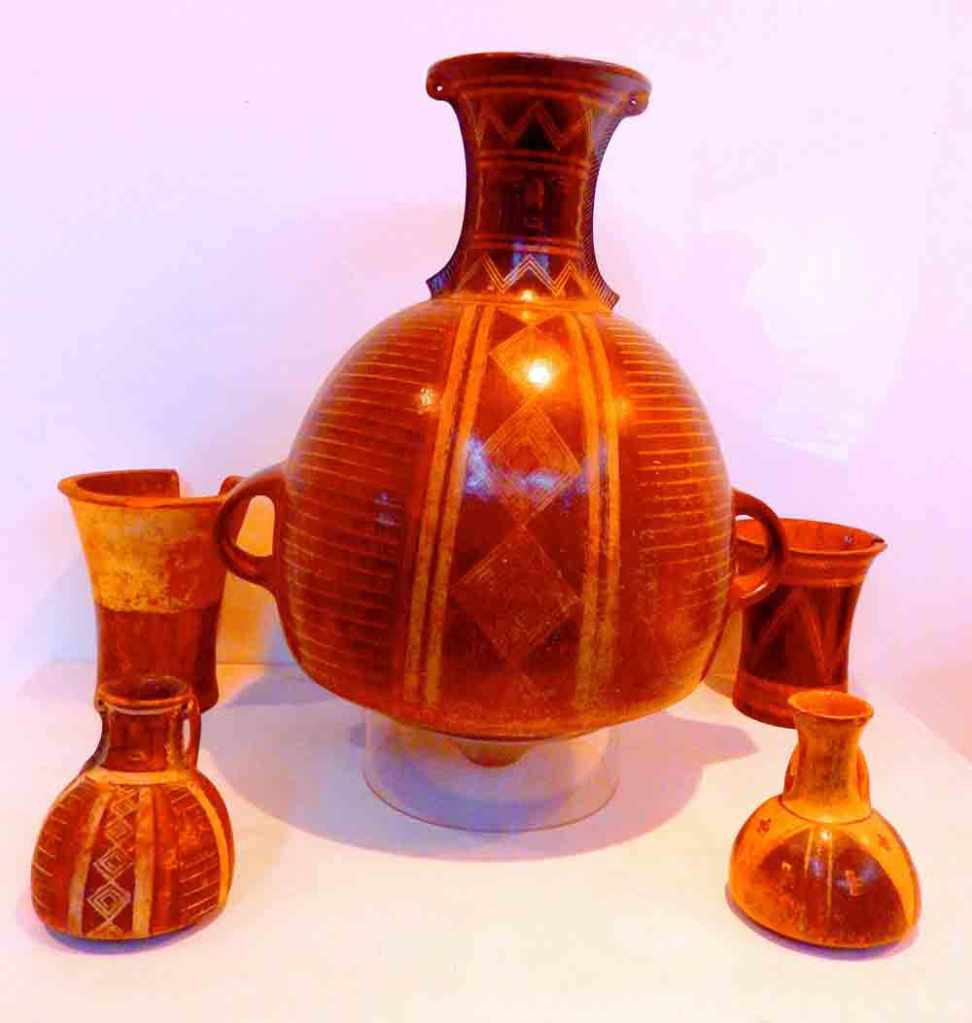
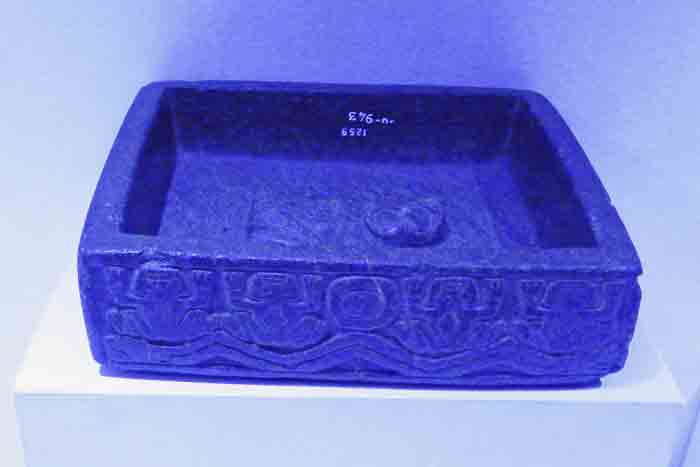
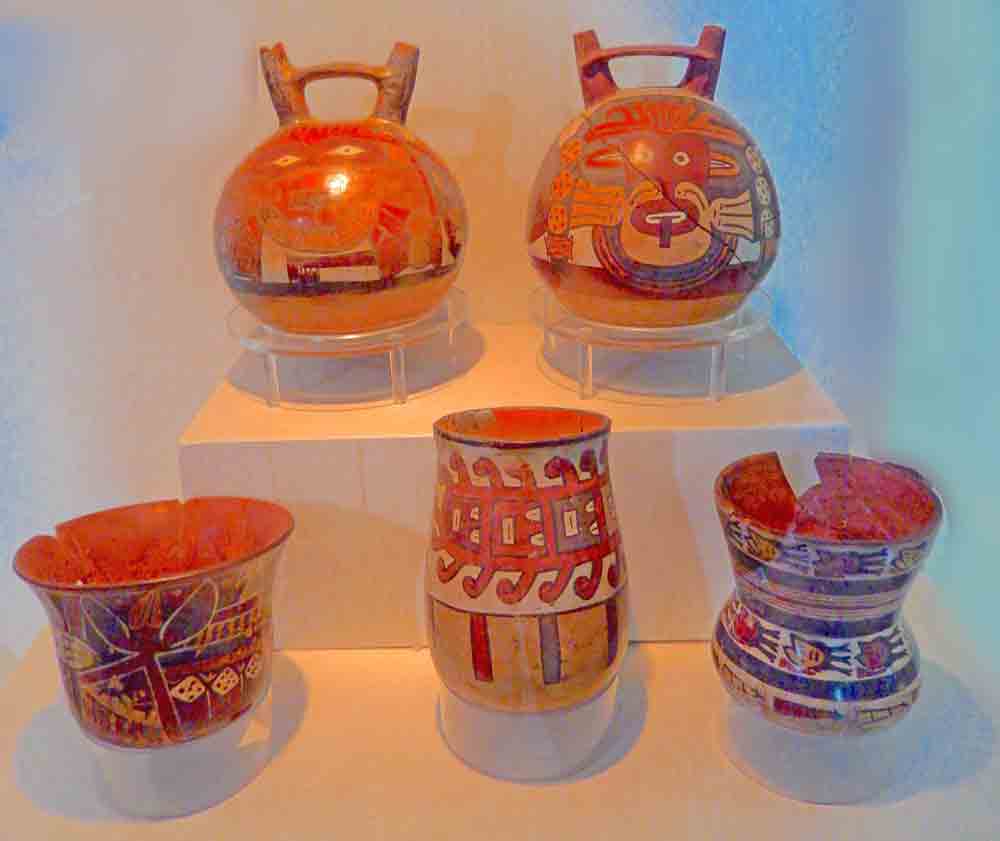
Interested in learning more about the Inca and other civilizations centered on Peru? The Inka (Inca) Museo is one of the best collections of artifacts from The Inca Empire along with collections representing additional significant civilizations in the region. The exhibits provide an excellent insight into Inca culture featuring ceramics, textiles, tools and even Inca burial chambers with half of the exhibits being in both Spanish and English. The museum is located a few steps from Cusco’s main square with admission costing US$8. About
The Short Lived Inca Empire

The Inca Empire first appeared in modern-day Peru sometime during the 12th century, arising from earlier pre-Inca indian groups in the region. These early groups are credited with creating the ancient Nazca Lines, immense drawings etched into the landscape and the pyramids of the Lima culture.

The Inca began expanding their lands with their fourth emperor, Mayta Inca Capac. However, they did not truly become a large empire until the eighth emperor, Viracocha Inca, in the early 15th century when he defeated the Ayarmaca kingdom to the south and took over the Urubamba Valley. He also established the Inca practice of leaving military garrisons to maintain peace in conquered lands.
Other Regional Indian Civilizations
Around 1000 BC the Chavin civilization developed in the northern Andes mountains from farming villages that dotted the region. The culture grew slowly at first, but in about 850 BC, it began to reach its peak when the Chavin people established their city, Chavin de Huántar on a coastal plain about 160 miles north of modern Lima, Peru. The Chavin peoples were skilled at metalwork, stonework, ceramics, tile work, textile weaving, dyeing methods, pottery, and bead making. After 500 BC, they started using llamas as pack animals to carry their goods up and down the mountains to Chavin de Huántar, which grew into a prosperous center for trade as well as religion. By about 300 BC, the influence of Chavin de Huántar was in decline and by 200 BC, the region contained only small, independent communities.

The Mochica culture arose about 200 BC to 600 AD and was located on the coast of northern Peru. These people left massive drawings of animals, birds, and geometrical patterns on the coastal plain that are known as the Nazca Lines. The people of the cities of Tiwanaku and Wari in the highlands were active from about 400 AD to 1000 AD, while along the coast the Sican culture, famous for its great pyramids, sprang up from the descendants of the Mochica peoples about 800 AD. Around the same time, more Mochica descendants further south developed their own culture, the Chimú. The Chimú were craftspeople, builders, and traders, but by 1470 AD, they were overrun and integrated into a more powerful culture, the Incas.

Early in the 16th century the Spanish began the conquest of the Inca Empire reaching Cusco around 1532 and by 1572, the last Inca outpost was conquered.

The Inca left behind evidence of an amazing culture and some of the worlds most amazing structures and altered landscapes, but left little little information about how they lived. The Inca had no written language except a complex system of tying knots in collections of string which is believed to be an accounting system. What they did leave is a bloodline that survives today in the people of Peru.

The Inka Museum In Cusco, Peru

Located up a side street in Cusco’s historic district sits a 17th century building called Casa del Almirante. The mansion was originally the estate home of Spanish Admiral Francisco Alderete Maldonado. The Inca Museum (Museo Inka) is located inside. The estate was built on the foundations of Inca buildings that were part of Tahuantinsuyo Inca Empire, under the rule the Inca Huascar.

Easy to find it is located on Cuesta del Almirante, 103, in Cusco, a short walk up from Plaza de Armas to Plaza Nazarenas.The Inka Museum is state-owned and managed by Cusco’s San Antonio Abad University.

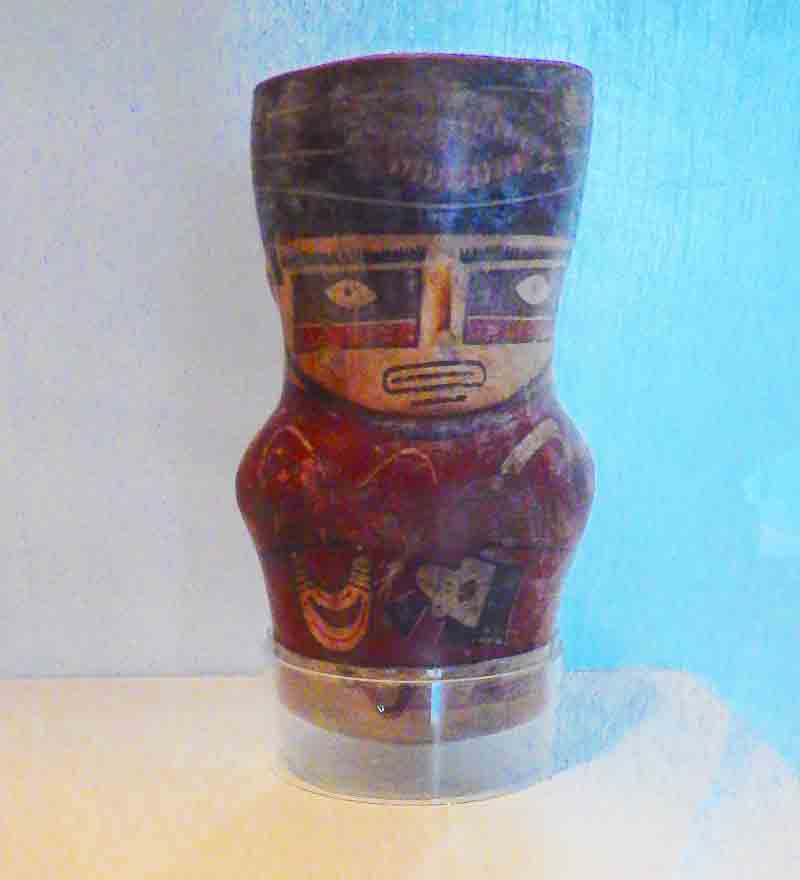
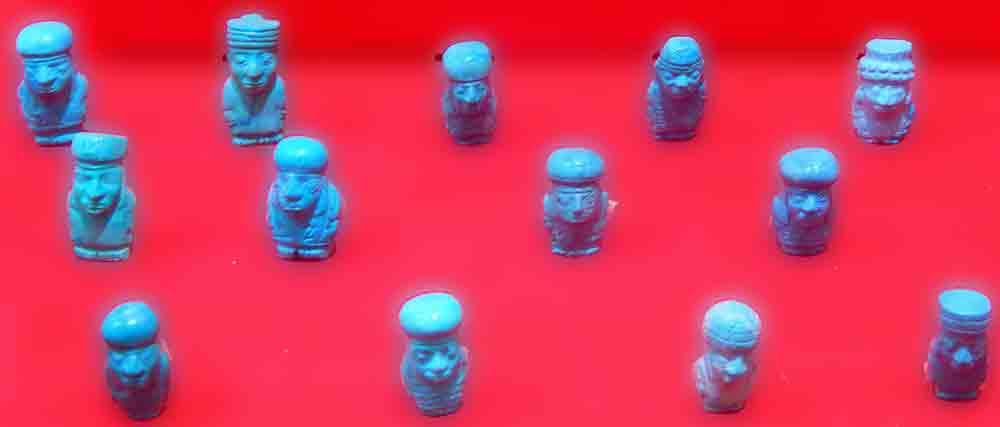
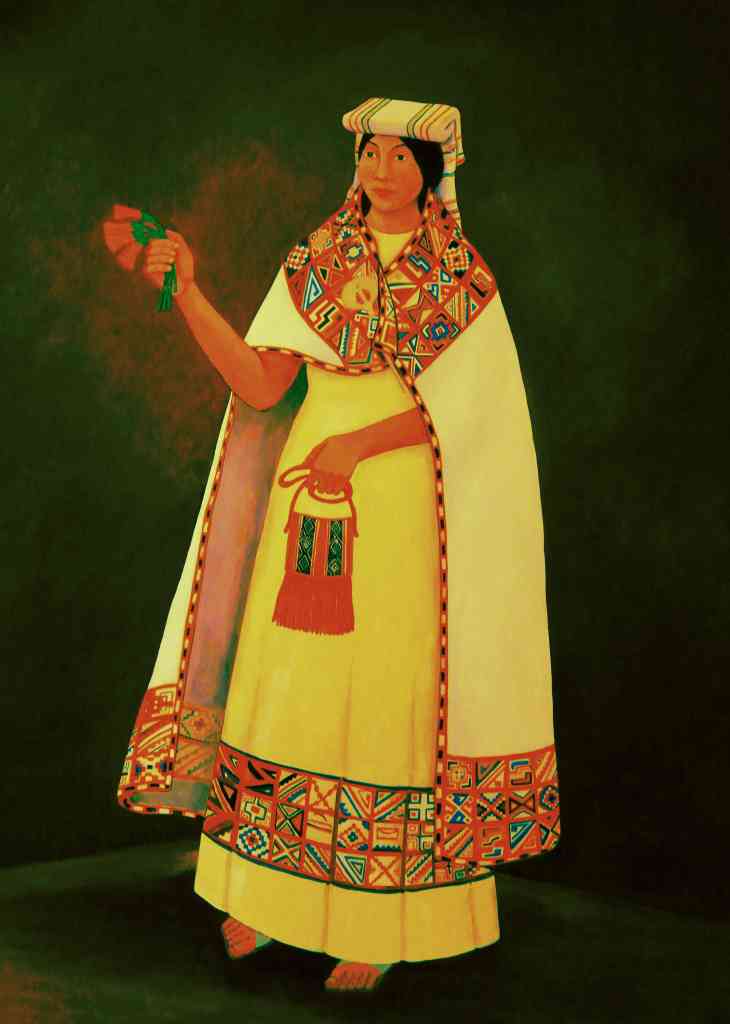
It is home to one of the best collections of artifacts from the Inca era but also contains artifacts from pre-Inca civilizations as well. Interestingly it also has exhibits demonstrating how Inca culture was impacted by the Spanish conquest and the changes colonial times had on the Inca ruling class and cultures. The largest area offers rooms of Inca jewelry, ceramics, textiles, vases and even furniture. The museum’s most notable items are contained in the world’s largest collection of queros, ceremonial Inca wooden drinking vessels along with a number of Inca mummies. 

The museum’s collection also features exhibits of pre-Inca native cultures that include:

The Chavín Culture was one of the most important of the pre-Inca cultures in the region. Dating from 1200 BC to 200 BC, its centers of worship were noted for the architecture along with the design of its terraces and plazas, surrounded by impressive carved stones.

The Marcavalle Culture, which flourished around 1000 B.C., was actually centered in Cusco at the same time the Chavin culture ruled outer Ica regions.

The Nazca Civilization flourished on the southern coast of Peru between 200 B.C. and 600 C.E. They settled in the Nazca region and other surrounding valleys and are principally known for the giant Nazca drawings.

The Wari, also known as Huari, were the first culture to use military force to conquer surrounding civilizations, they soon reigned over much of the highlands and coast of modern Peru. The Wari culture dated from about 500 to 1000 A.D.

Operation Hours – Admission:

From Monday to Friday: 8:00 a.m. to 6:00 p.m. 

Saturdays and holidays from 9:00 a.m. to 4:00 p.m.

Closed Sundays

Admission For The Inca Museum is about US$1.50 for Peruvians and US$3.00 for foreigners.

Singapore’s Fantastic Mass Transit

One of the worlds truly great subway systems is the Singapore MRT and it is a solid innovator. Many of their systems are recognized and implemented worldwide. If you are lucky enough to get to Singapore for a visit you must use the MRT to get around the city. From the time you arrive at the airport you can take advantage of this remarkable transportation system.

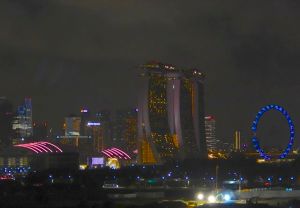
The Marina Towers and the Omni at night.

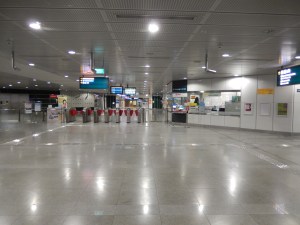
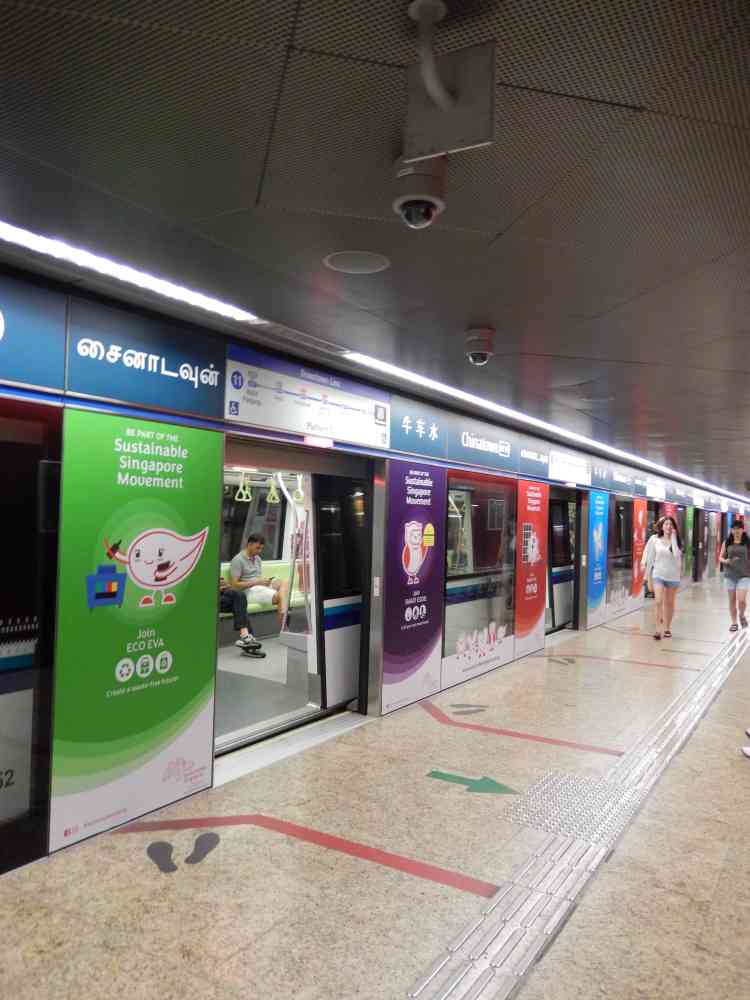
First thing you need to know is one of the official languages of Singapore is English and virtually all signage here is in English. So not understanding the language is not an excuse. Second, the MRT is spotless as is all of Singapore. Saying a place is so clean you can eat off the floor is a common expression but it might actually be true in the MRT.

MRT Station
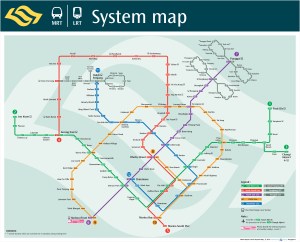
Click the map to download a printable pdf copy

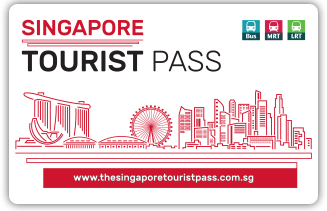
The Singapore Tourist Pass is a special ez-link card that offers tourists unlimited travel on Singapore’s basic bus services, MRT and LRT trains for the duration of the days purchased. You can now take in the sights and sounds of Singapore in the comfort of the island’s extensive MRT system and public bus network. If you are going to be in Singapore for a day or three you need a Singapore Tourist Pass. You can purchase the Singapore Tourist Pass at “Changi Recommends” counters at all Changi Airport terminals, SMRT Passenger Service Counters, and TransitLink Ticket Offices at Changi Airport or HarbourFront and all 7-Eleven stores. Be sure and have your passport.

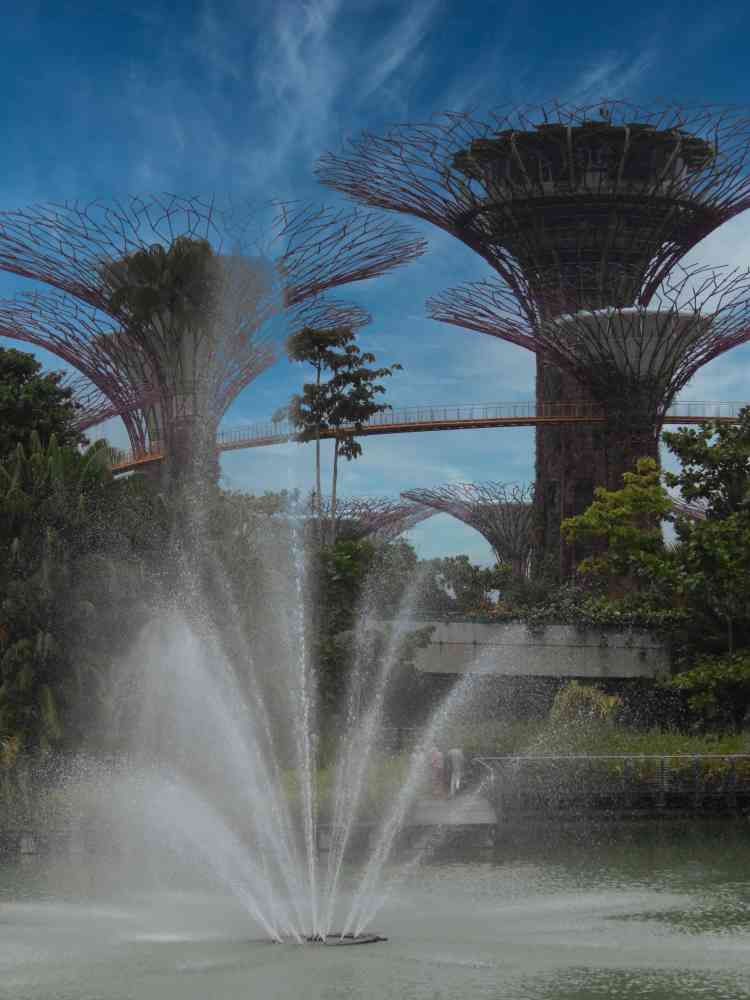
Gardens By The Bay

TOURIST 1-DAY PASS $10   2-DAY PASS $16   3-DAY PASS $20

The pass also requires a $10 rental deposit that is refunded when you turn in the card. You can collect your deposit at the airport before flying out.

If you don’t have a chance to get your ez-Link card the system offers an all-day ticket from the vending outlets in the stations. They are easy to understand and accept major credit cards. Since we were in Singapore three different times in some cases we found it cheaper to purchase one-way or roundtrip fares to specific destinations but in any case the fare on the MRT is a truly great deal.

With the MRT, even if you haven’t mapped out where you want to go it isn’t hard to figure out. The popular destinations are clearly named on the route map, like the Botanic Garden, Chinatown, Little India, Marina Bay, Bayfront, Promenade, HarbourFront and central Downtown.

Sentosa Island is a popular destination because there’s so much to do like special events, themed attractions like Universal Studios, spas, a rainforest park, and beautiful beaches. To get there take the MRT to Harbourfront stop and then either take the mono-rail train (follow signs) or take the popular walkway to Sentosa Island. You can also access the Singapore Cable Cars from the same HarbourFront MRT station. For the Singapore Cable Cars head towards Exit B that goes to the HarborFront Centre. Once there, cross the link bridge in order to reach the Singapore Cable Car station at HarbourFront Tower II.

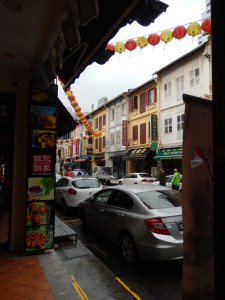
Chinatown

A final thought about the MRT and Singapore in general; the people are great. They are always trying to be helpful and friendly. While riding on the MRT young people kept insisting we take their seats (and I didn’t think I looked THAT old). Even the train kept telling us to “mind the gap and have a happy happy”…

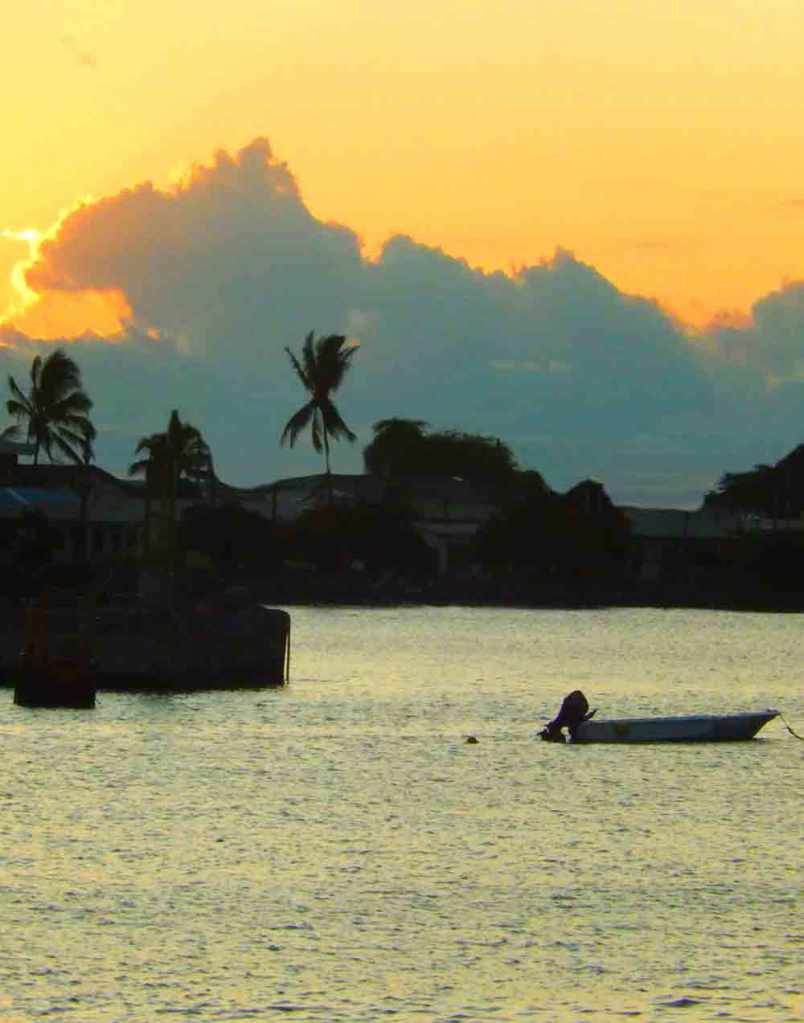
San Cristobal Sunset

Located on the equator some 625 miles west of Ecuador sits the Galapagos islands. Another day nears an end on San Cristobal the capital of the archipelago and the most populated island.  It’s only the fifth largest and is the easternmost island. San Cristobal island is what remains of three connected extinct volcanoes that originally erupted only five million years ago. Its name comes from the Patron Saint of seafarers, “St. Christopher.” 

Join us as we visit historic treasures, natural wonders and vibrant cities set against backdrops that are endlessly changing and visually magnificent. Celebrate a world of travel experiences with these decorating accessories that are perfect for framing.

Join Us – We understand that the last thing you may want is more emails cluttering up your inbox, but we promise we’ll work hard to make this worth your while. Give us a try and if we don’t live up to our promise all you need do is click the unsubscribe link in our emails.

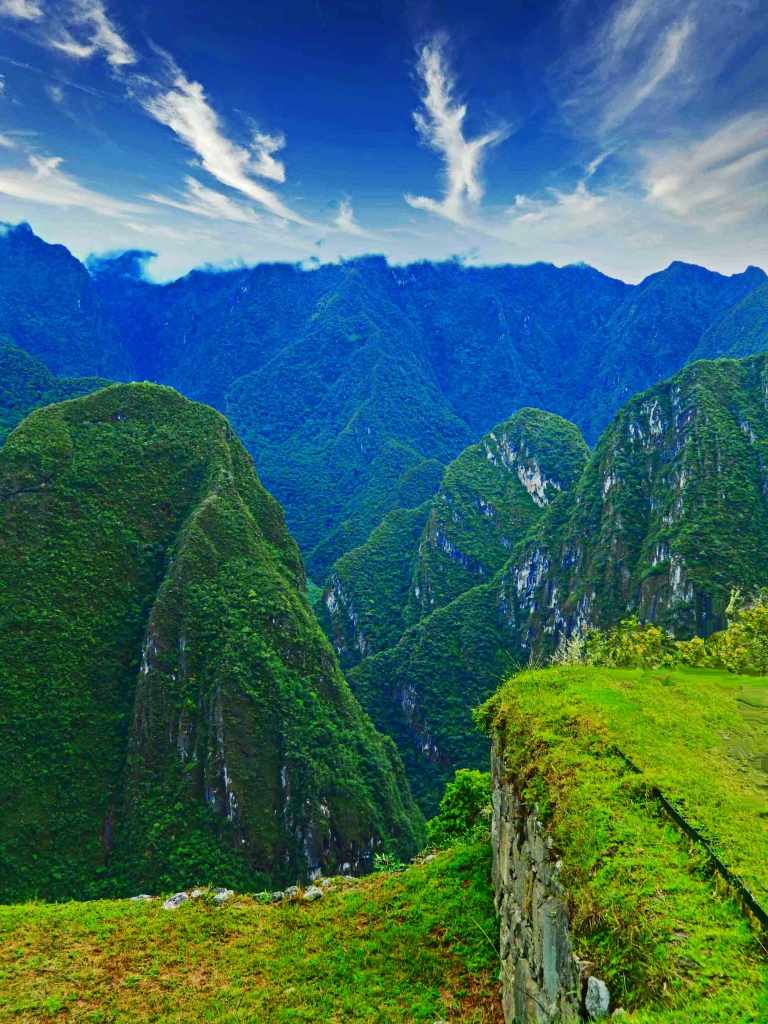
The View From Machu Picchu

Nestled amongst the peaks of the Andes, Machu Picchu is perched above the Urubamba River valley on a narrow saddle between two higher peaks—Machu Picchu (“Old Peak”) and Huayna Picchu (“New Peak”)—at an altitude of 7,710 feet. For an Inca emperor that’s one hell of view from your front porch. 

Join us as we visit historic treasures, natural wonders and vibrant cities set against backdrops that are endlessly changing and visually magnificent. Celebrate a world of travel experiences with these decorating accessories that are perfect for framing.

Join Us – We understand that the last thing you may want is more emails cluttering up your inbox, but we promise we’ll work hard to make this worth your while. Give us a try and if we don’t live up to our promise all you need do is click the unsubscribe link in our emails.

Sea Lions San Cristobal, Galapagos

Pictured is the harbor of Puerto Baquerizo Moreno, San Cristobal Galapagos. Sea lions are everywhere on San Cristobal. They take over beaches, walk along town streets and occupy park benches. Young pups approach children trying to play, “retired” bulls can be agressive and threatening but mostly sea lions just lay around and occasionally go for a swim. San Cristobal is the most visited island in the Galapagos, the fifth largest and the easternmost island in the chain.

Join us as we visit historic treasures, natural wonders and vibrant cities set against backdrops that are endlessly changing and visually magnificent. Celebrate a world of travel experiences with these decorating accessories that are perfect for framing.

Join Us – We understand that the last thing you may want is more emails cluttering up your inbox, but we promise we’ll work hard to make this worth your while. Give us a try and if we don’t live up to our promise all you need do is click the unsubscribe link in our emails.