Rising up in the middle of Lima, Peru is a most unusual pyramid. It dominates an upscale section of the city called Miraflores and is estimated to be 1,600 years old. Named Huaca Pucllana or Huaca Juliana it is a massive structure built from adobe and clay bricks in seven massive, staggered platforms.
The site has been an ignored part of the city that was locally viewed as a hill obstructing development. For decades parts of it were removed for building projects and road creation. serious excavation of the hill wasn’t begun until 1981 when multiple pyramids were exposed and ceramics, textiles and tools were discovered. Most recently in 2010, four intact mummies were found undisturbed in a chamber near the top of the structure.
Evidence suggests it was an important ceremonial and administrative center for the “Lima Culture”, a society which developed in the Peruvian Central Coast between the years of 200 AD and 700 AD. The Lima culture occupied the central coast of Peru and constructed Huaca Pucllana around 500 AD. At that time the region was rich farmland with canals branching from the Surco River. Among the Lima people were farmers and fishermen.
The builders of the pyramids used a method called the “library technique” laying these uniform adobe bricks vertically with open spaces in between. These spaces allowed the structure to absorb tremors of earthquakes which are common in the region. They also employed a trapezoidal shape making their walls wider at the base than at the top for additional strength. The central structure is over 80 feet tall with ramps, patios, and a lower main plaza. It was built primarily of these uniform adobe bricks, millions of them and simply stacked row upon row. Most archeologists believe that Huaca Pucllana used to be significantly larger. Unfortunately, during the last century, modern residents have hauled away bricks or built over top of parts of these ancient Lima ruins.
Lima, a city filled with colonial history, is the only capital in South America that touches the sea, and is hailed by many as the gastronomic capital of Latin America. The city boasts world-renowned chefs like Gastón Acurio and Virgilio Martínez. Making Lima the only city with two restaurants ranking in the top 10 of the World’s 50 Best Restaurants, Central and Maido.
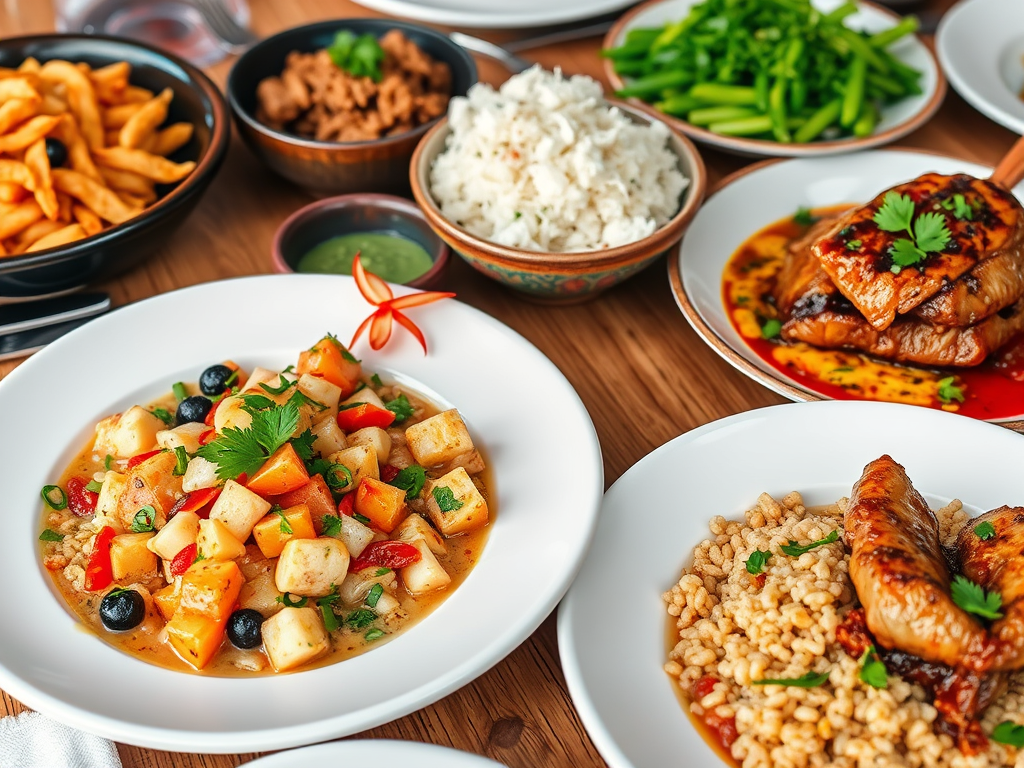
Peruvians love soup and Lima loves seafood. Claiming credit for originating Ceviche, a popular offering made of diced fish with lots of fresh lemon juice garnished with red onions, chopped cilantro, and other seafood. Popular local meats include deep fried pork, Cuy Chactado (fried guinea pig), Llama lean meat often grilled, added to stews or pan-fried. Traditional dishes make a lot of use of corn, potatoes and peppers with Rocoto Relleno (stuffed spicy pepper) being a common offering.
The city of Lima is one of South Americas largest metropolitan areas with a population of almost 13 million. Lima experienced most of its growth after 1960 going from less than 1 million to that 13 million from migration of people away from Peru’s rural areas. The city also spread out during that period increasing its area by seven fold.
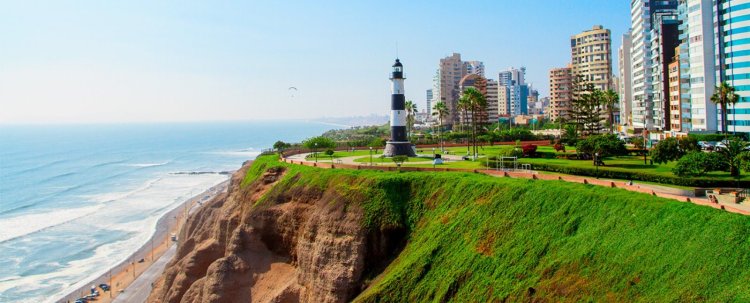
Geographically it sits on a coastal plain on cliffs above the Pacific Ocean. Because the prevailing winds come from the east with the Andes capturing most of the moisture and rain the region has an arid climate.
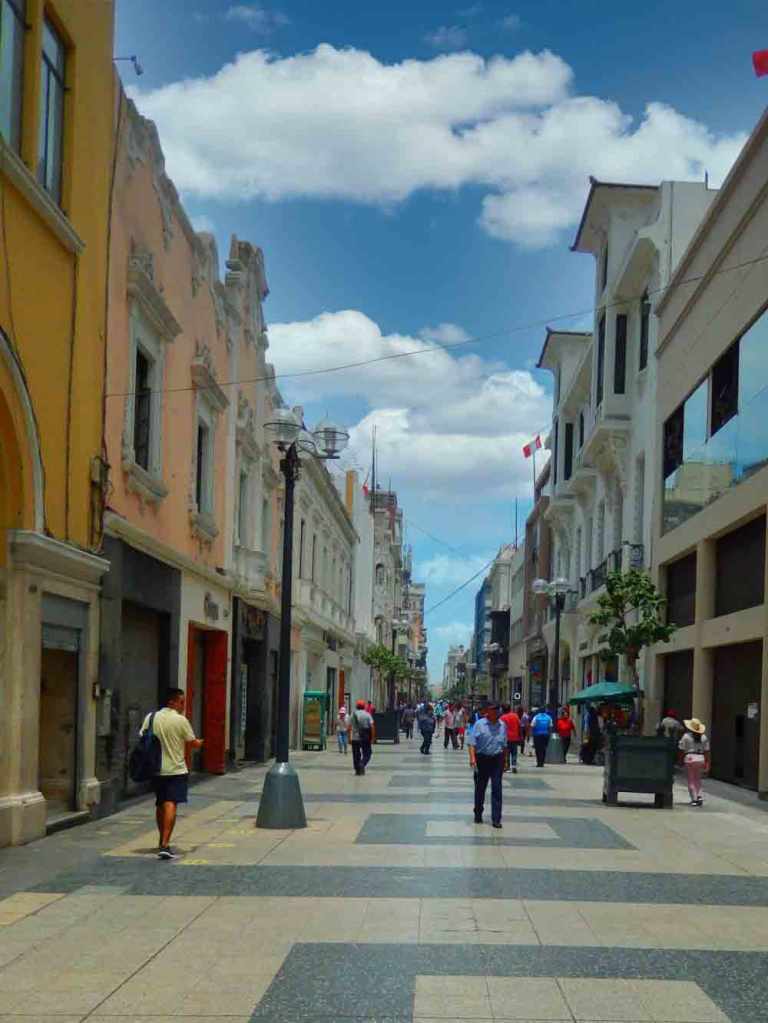
The city’s historic original area is today contained completely within the Miraflores District, home to upscale shopping, many good restaurants and hotels. Most visitors arrive by plane with the International Airport being an almost half hour drive to Miraflores. The best options at last check included:
Lima Airport Express Bus to Miraflores for about $6 per person taking 40-45 minutes (Reserve HERE)
A Tourist Shuttle Bus for about $10 per person taking 50 – 60 minutes
Taxi $20 – $25 taking 25 minutes
Attractions
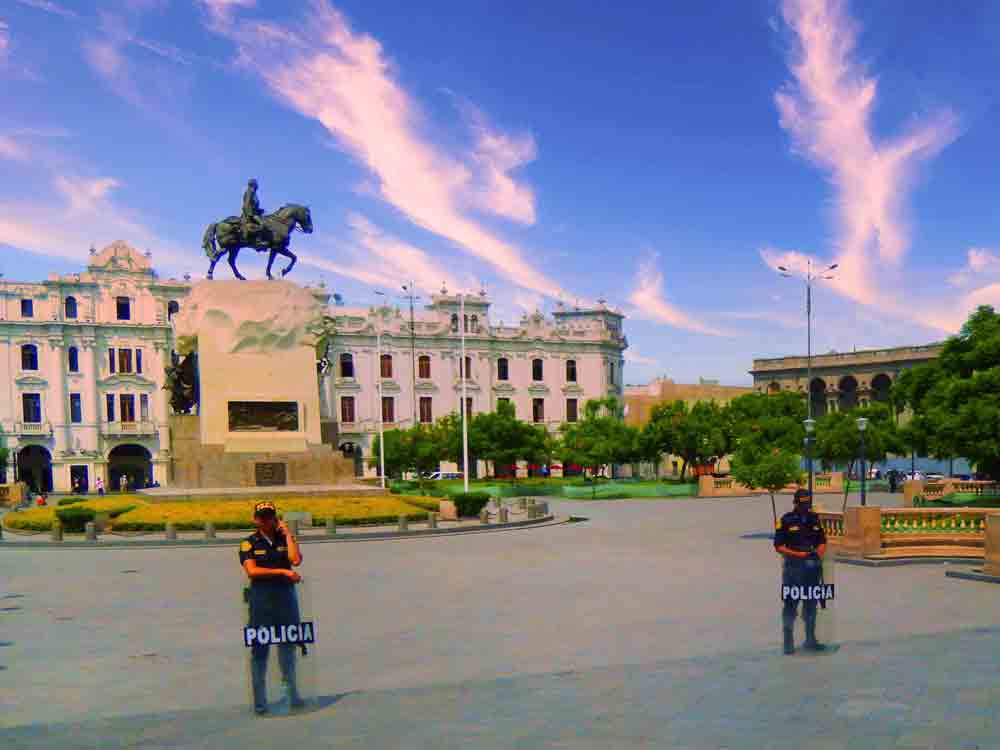
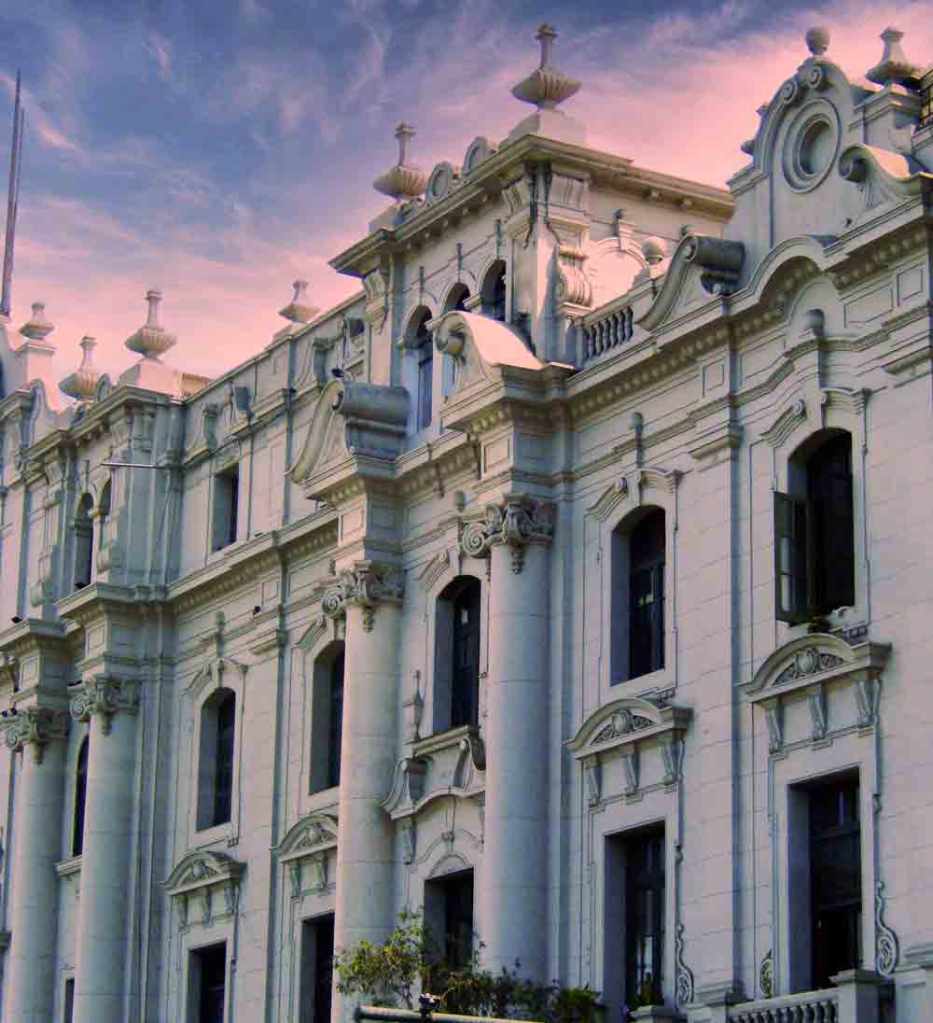
Recognized as the birthplace of Lima, the Plaza de Armas is still the heart of Lima and the location of the original Spanish colony dating to 1535. A must visit for every first-timer to Lima.
Located in the historic center of Lima, this main square is a must to visit with its bright yellow Municipal Palace, as well as the bronze fountain that dates back to the early 1650s.
Huaca Pucllana, an amazing archaeological site sits in the middle of the Miraflores neighborhood. The massive clay and adobe brick structure, which once functioned as a ceremonial site during the pre-Columbian era, dates back to 400 B.C. Since the excavation began in 1981, multiple pyramids, ceramics, textiles and tools have been discovered.
The church of Saint Francis of Assisi – Dating back to 1672, this baroque-style church named in honor of Saint Francis of Assisi is best known for the network of catacombs located underneath the chapel. The catacombs contain an estimated 70,000 remains dating back to the 17th century. The church and convent are also home to a library with approximately 25,000 antique texts dating back to the 15th century.
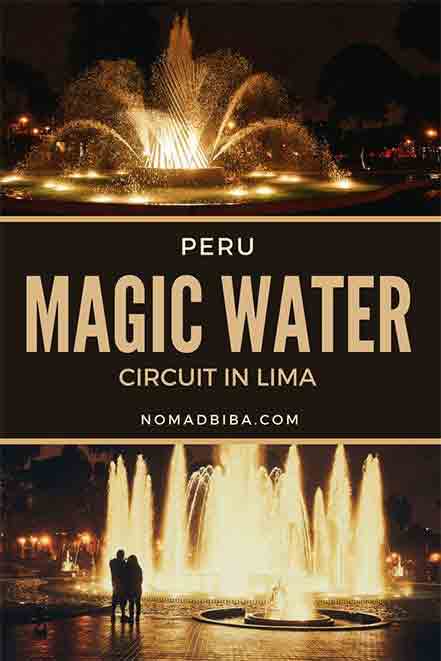
In the center of Lima is a park rivaling the fountains of the Bellagio in Las Vegas, it’s the Circuito Magico del Agua combining a landscape of fountains with 13 automated lasers it uses music to create a spectacular light show. The show tells the history of Peru with movies projected into the water fountains accented with the laser displays.
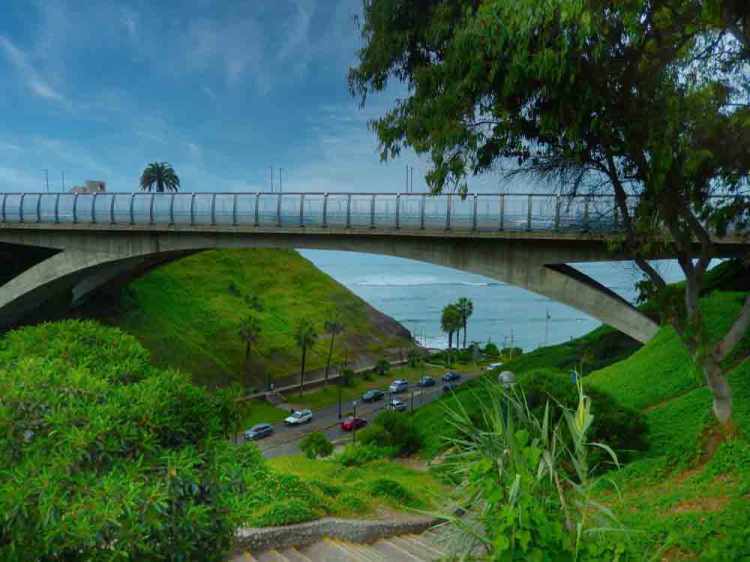
Lima is also famous for its cliffside pedestrian boardwalks provide amazing ocean views, and are always filled with locals and tourists. The Malecón is a 6-mile stretch of parks and boardwalks along the coast lined with upscale shops, restaurants, parks and a major shopping mall. Allow time for a long stroll or rent a bike from Lima Bike Rentals.
Another widely popular Lima attraction is the miles of beaches. Surfing is a major recreation here and surfing tournaments join a collection of ocean activities and sports.
Restaurants In Miraflores Worthy of Visiting
Miraflores is famous for its cuisine and there are literally hundreds of options from international names to small, local eateries. There are also numerous options for seeing reviews. including the Google map on this page. Bon Appetite!
CHÉ CHÁ Tea Bar & Food Station. ★★★★★ Peruvian, Bar $$ – $$$
Panchita. ★★★★ Peruvian, Grill $$$$
El Pan de la Chola. ★★★★ Bakeries, Pizza $$ – $$$
Astrid & Gastón. ★★★★★ Peruvian, Latin $$$$
La Mar Cevichería Peruana ★★★★★ Peruvian, Latin $$ – $$$
Alma Bar Restaurante. ★★★★★ Peruvian, Latin $$ – $$$
Lima, a city filled with colonial history, is the only capital in South America that touches the sea, and is hailed by many as the gastronomic capital of Latin America. The city boasts world-renowned chefs like Gastón Acurio and Virgilio Martínez. Making Lima the only city with two restaurants ranking in the top 10 of the World’s 50 Best Restaurants, Central and Maido.
Peruvians love soup and Lima loves seafood. Claiming credit for originating Ceviche, a popular offering made of diced fish with lots of fresh lemon juice garnished with red onions, chopped cilantro, and other seafood. Popular local meats include deep fried pork, Cuy Chactado (fried guinea pig), Llama lean meat often grilled, added to stews or pan-fried. Traditional dishes make a lot of use of corn, potatoes and peppers with Rocoto Relleno (stuffed spicy pepper) being a common offering.
The city of Lima is one of South Americas largest metropolitan areas with a population of almost 13 million. Lima experienced most of its growth after 1960 going from less than 1 million to that 13 million from migration of people away from Peru’s rural areas. The city also spread out during that period increasing its area by seven fold.
Geographically it sits on a coastal plain on cliffs above the Pacific Ocean. Because the prevailing winds come from the east with the Andes capturing most of the moisture and rain the region has an arid climate.
The city’s historic original area is today contained completely within the Miraflores District, home to upscale shopping, many good restaurants and hotels. Most visitors arrive by plane with the International Airport being an almost half hour drive to Miraflores. The best options at last check included:
Lima Airport Express Bus to Miraflores for about $6 per person taking 40-45 minutes (Reserve HERE)
A Tourist Shuttle Bus for about $10 per person taking 50 – 60 minutes
Taxi $20 – $25 taking 25 minutes
Attractions
Recognized as the birthplace of Lima, the Plaza de Armas is still the heart of Lima and the location of the original Spanish colony dating to 1535. A must visit for every first-timer to Lima.
Located in the historic center of Lima, this main square is a must to visit with its bright yellow Municipal Palace, as well as the bronze fountain that dates back to the early 1650s.
Huaca Pucllana, an amazing archaeological site sits in the middle of the Miraflores neighborhood. The massive clay and adobe brick structure, which once functioned as a ceremonial site during the pre-Columbian era, dates back to 400 B.C. Since the excavation began in 1981, multiple pyramids, ceramics, textiles and tools have been discovered.
The church of Saint Francis of Assisi – Dating back to 1672, this baroque-style church named in honor of Saint Francis of Assisi is best known for the network of catacombs located underneath the chapel. The catacombs contain an estimated 70,000 remains dating back to the 17th century. The church and convent are also home to a library with approximately 25,000 antique texts dating back to the 15th century.
In the center of Lima is a park rivaling the fountains of the Bellagio in Las Vegas, it’s the Circuito Magico del Agua combining a landscape of fountains with 13 automated lasers it uses music to create a spectacular light show. The show tells the history of Peru with movies projected into the water fountains accented with the laser displays.
Lima is also famous for its cliffside pedestrian boardwalks provide amazing ocean views, and are always filled with locals and tourists. The Malecón is a 6-mile stretch of parks and boardwalks along the coast lined with upscale shops, restaurants, parks and a major shopping mall. Allow time for a long stroll or rent a bike from Lima Bike Rentals.
Another widely popular Lima attraction is the miles of beaches. Surfing is a major recreation here and surfing tournaments join a collection of ocean activities and sports.
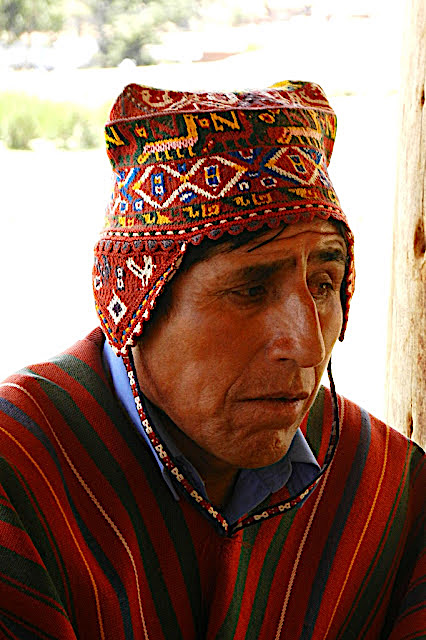
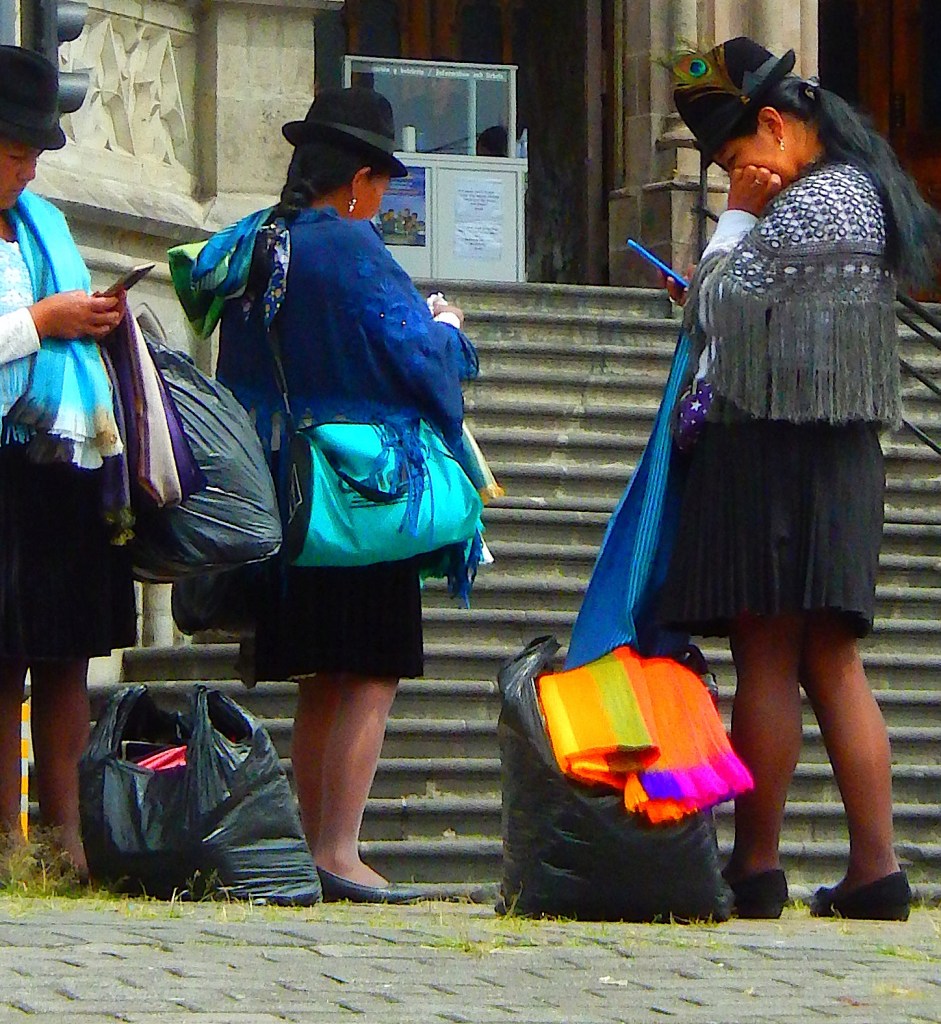
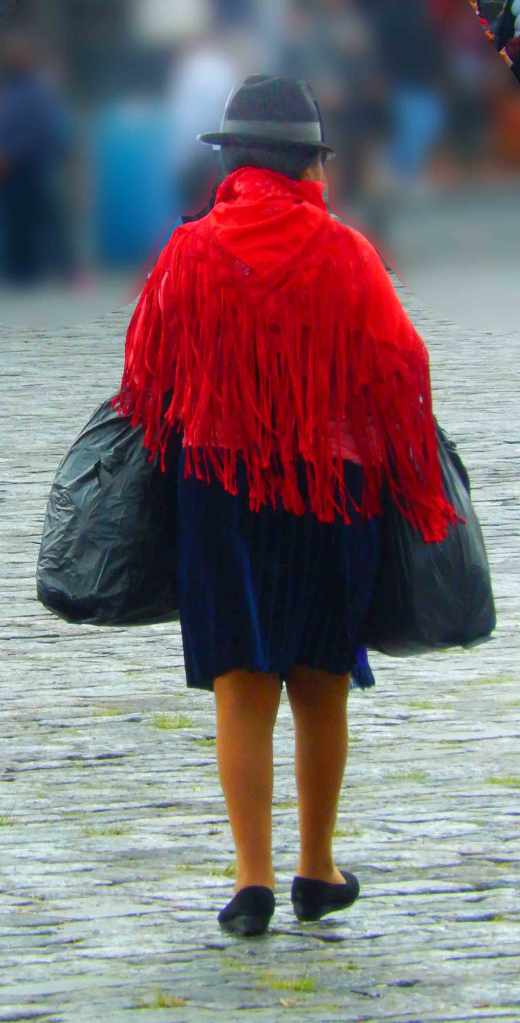
Every where you go in Peru people wear hats. Not just any hat though but specifically Peruvian hats. The people of Peru seem to see wearing hats as a major fashion statement. Three primary categories of hats are worn by Peruvians:
The Chullo – It’s an Andean style of hat with earflaps, made from alpaca, llama or sheep’s wool. Alpaca is preferred as its wool-like qualities help to insulate the wearer from the elements in the Andean Mountain region. Chullos often have ear-flaps that can be tied under the chin, to further warm the head.
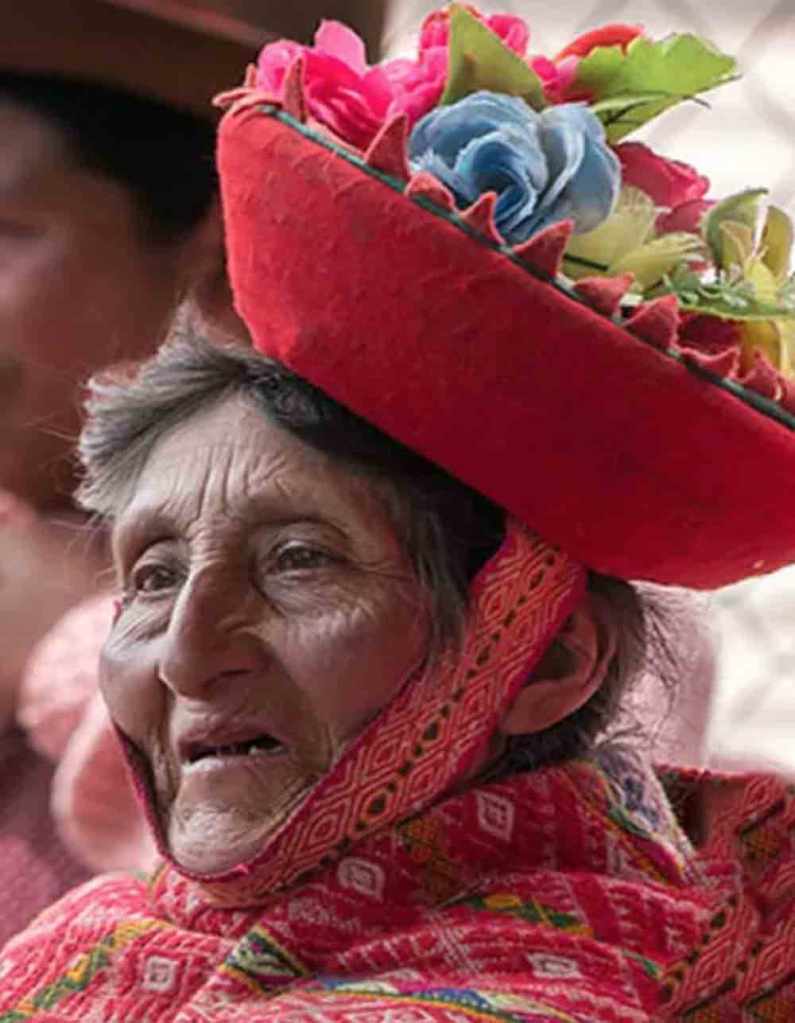
Traditional Felt and Straw Hats – These traditional hats have a regional character that often tell where the hat wearer is from along their family heritage. The red felt hat is called a montera and can be decorated with flowers, fruit and other accents. These are mostly worn by Quechua women throughout the Sacred Valley.
The Bowler – This is an English shaped felt hat with a rounded crown, originally created by the London hatmaker Thomas and William Bowler in 1849. Identified now by its shape you’ll find them in Peru made from felt along with tightly woven straw.
Chullos
According to Peruvian historian Arturo Jiménez Borja, the Chullo has its origins in the cultural exchange between Spaniards, who incorporated elements of their birretes and the original hat of the Andeans. The Chullo is an Andean style of hat with earflaps, made from vicuña, alpaca, llama or sheep’s wool. Alpaca has wool-like qualities that help to insulate its wearer from the harsh elements in the Andean Mountain region. Chullos often have ear-flaps that can be tied under the chin, to further warm the wearer’s head.
Bowler
Why are ‘bowler’ hats popular with Peruvian women? The popularity of bowlers starts with their origin in England about 1850. An English company wanted to supply the railroad workers of Bolivia and Peru with bowler hats. Unfortunately when they were delivered it was discovered the hats were much too small for the intended workers. To salvage the project the women were convinced the small bowler hats were a new fashion trend in Europe. The Peruvian bowlers popularity has remained with Peruvian even today.
Felt and Straw Hats
Some Peruvian hats appear to serve little function. However, they often tell other locals where the hat wearer is from and even their family affiliation. The red felt hat is called a montera and is often decorated with flowers, fruit and other adornments. These are worn by Quechua women throughout the Sacred Valley. In a number or regions when they’re worn at a certain angle, it tells others if the wearer is married, single or a widow.
At the urging of friends we joined them on a package tour to South America. With the exception of a bus tour featuring Yellowstone this was our first packaged travel tour. It was a 17 day tour with Exoticca from our U.S. airport that include Lima, Cusco, Sacred Valley, Machu Picchu in Peru, Quito, San Cristobal, Galapagos, Guayaquil in Ecuador and back home. The travel package included all hotels, some meals, 7 destinations, 7 sightseeing tours (that included a round trip train to Machu Picchu and admission and a round trip bus into the Amazon for a stay at an eco-lodge), and included 9 flights with all transfers to hotels and airports for a price under $3,000 per person.
While several years ago we planned our own trip from Buenos Aries to Iguazu Falls that beat the 1 to 3 day tour prices by over 50% this was way different. For comparisons I tried to duplicate this South American package tour by independently finding hotels and flights with allowances for local tours, transfers and known admission fees. After hitting over $7,200 for the two of us I gave up.
Reviews, Reviewers And A Grain Of Salt
First we have a perspective on travel that is based on decades of international travel. We’ve come to understand that it’s complicated and fraught with the unexpected and at times things just go wrong. Cancelled trains and delayed flights, lost reservations at hotels, drivers not showing up and worse. Our favorite expression is “I guess we’re not in Kansas anymore”.
We booked our trip through Exoticca Travel and having not done this before, we dove into checking reviews online. Some of our initial research was a bit discouraging. It seemed at the time for reviews of trips to Greece and North Africa the reviews were pretty harsh. The biggest complaint was nobody picked them up at the airport and some thinking the hotels had been downgraded. Looking at reviews for Exoticca for Peru and Galapagos things were much more positive. On TripAdvisor some moderators seemed to be holding a grudge that goes back years so we questioned what was going on with that?? TrustPilot was mostly positive but there are people who don’t trust the site.
Exoticca appears to be handling a large number of tours for our destinations. We started in Lima and there were Exoticca people in the hotel that had just come back from Machu Picchu and others heading out to the Galapagos the next day, while our group was on its way to Machu Picchu. We also had our share of encounters with people that didn’t seem to be pleased with anything that happened. Even though most of us were very pleased with the tour package I’m sure the grumps will be writing reviews*.
Taking into account price differences, I’ve now put together several collections of reviews on Exoticca and have decided they lean to the positive and considering the costs we will certainly use them again.
Our Experience
After booking with our friends we did have problems having Exoticca keeping our itineraries linked. They made a mistake on my name on official filings and couldn’t seem to correct it after weeks of trying. Weeks before departing they made some flight changes that were seriously unacceptable that we struggled to get fixed. I’ll admit it was a challenge communicating with them and getting fixes done.
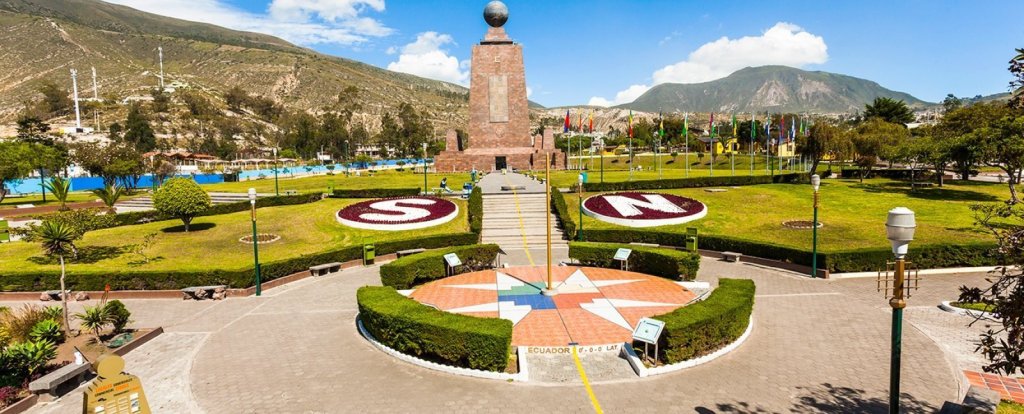
Middle of the Earth Ecuador
With that said, from the time we arrived in Lima we were taken excellent care of. We were met at every airport, even at 1:00 am and taken right to our hotel. All the hotels were very good and and so were the vans and buses. The local tour companies made sure we got to airports and helped us with boarding passes and checked luggage.
The experience at Machu Picchu could not have been better organized. They took care of railroad tickets, buses up the mountain and admission. The guide on the site was excellent and maybe they had something to do with great weather too. The Galapagos portion was handled very efficiently, the hotel was in a good location, the rooms clean and comfortable and the staff friendly and helpful.
For a secod opinion from a travel professional click HERE. In our opinion considering the tours cost we got way more than our money’s worth. We are right now deciding on another tour with Exoticca for Egypt later this year. We’ll let you know…
Planning A Cruise? Start With The Intentional Travelers Port Guides
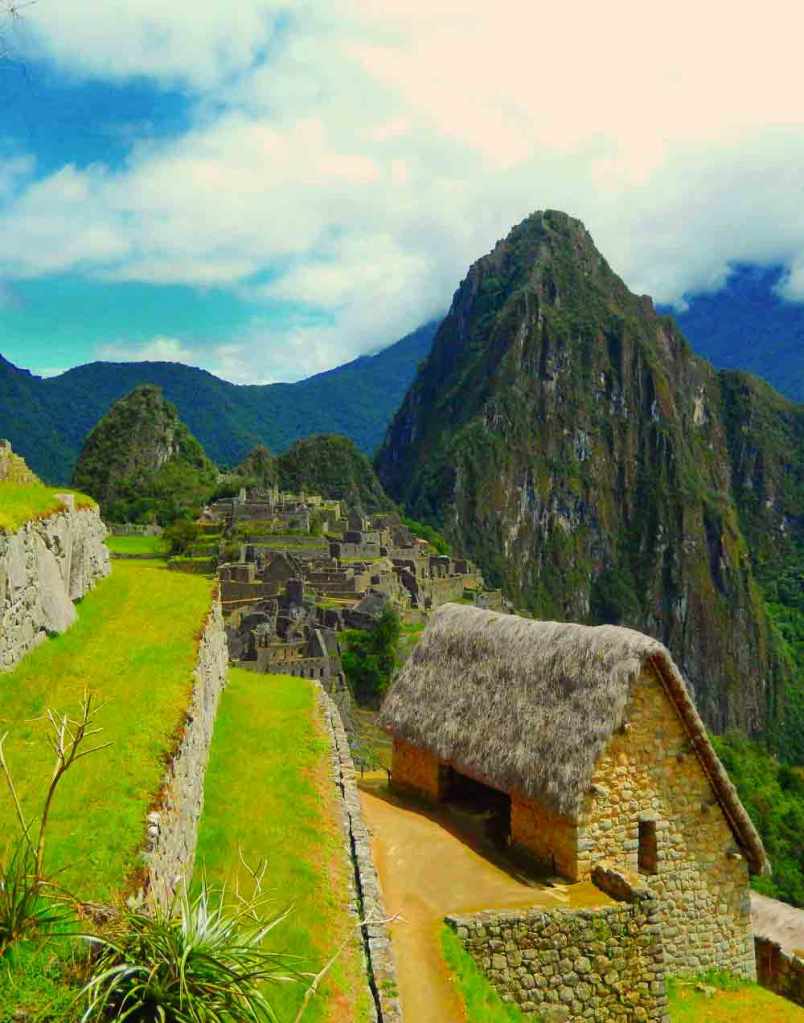
Entering the visitors gate into Machu Picchu leads you down a path with a wall made of rock on your left and views of distant mountains on your right. Climbing up a carved set of stairs you step out into a opening and the picture above is your first glimpse of the Inca stronghold. It simply leaves you speechless. The recently thatched building in the foreground is a store house, both peaks behind the site also have Inca terraces and structures at their tops and this is only the first impression.
Join us as we visit historic treasures, natural wonders and vibrant cities set against backdrops that are endlessly changing and visually magnificent. Celebrate a world of travel experiences with these decorating accessories that are perfect for framing.
Join Us – We understand that the last thing you may want is more emails cluttering up your inbox, but we promise we’ll work hard to make this worth your while. Give us a try and if we don’t live up to our promise all you need do is click the unsubscribe link in our emails.

















 The Intentional Travelers