Cruise Port Dublin, Ireland

Dublin is the capital and largest city of the Republic of Ireland. Situated on a bay on the east coast, at the mouth of the River Liffey. It lies within the province of Leinster and is bordered on the south by the Dublin Mountains, a part of the Wicklow Mountain range. Dublin has an urban population of 1,173,000 and is a vibrant, modern and a true international city divided by the River Liffey.

It is a very walkable city that features a large number of historical sights along with popular attractions and an exciting night life with a reputation for good restaurants and pubs. The best way to start seeing Dublin on your own is to locate a Tourist Information Center (I) as soon as you get into the city to pick up maps and get suggestions from the staff that are always eager to offer customized tips to match your interests.

Where Your Ship Docks

Port Location & Facilities – Smaller ships can come up the River Liffey closer to the City Centre while most large cruise ships berth in Alexandra Quay. Alexandra Quay currently is in an industrial port. It is about a mile and a half walk to get out of the port and to the edge of the city proper near 3Arena. There is currently no cruise ship terminal, so ships will have to use boarding ramps. For people with walking issues and wheelchairs it can be difficult. Most cruise ships will have arranged for shuttle buses into the city center (About $15 round trip on average). Taxis are also available but can be spotty after the morning rush. City bus service is not convenient to the ships.

Note: On our recent stop the ship did an overnight. We walked from the ship into the Temple Bar neighborhood and measured the trip at just under 4 miles total.

Transportation
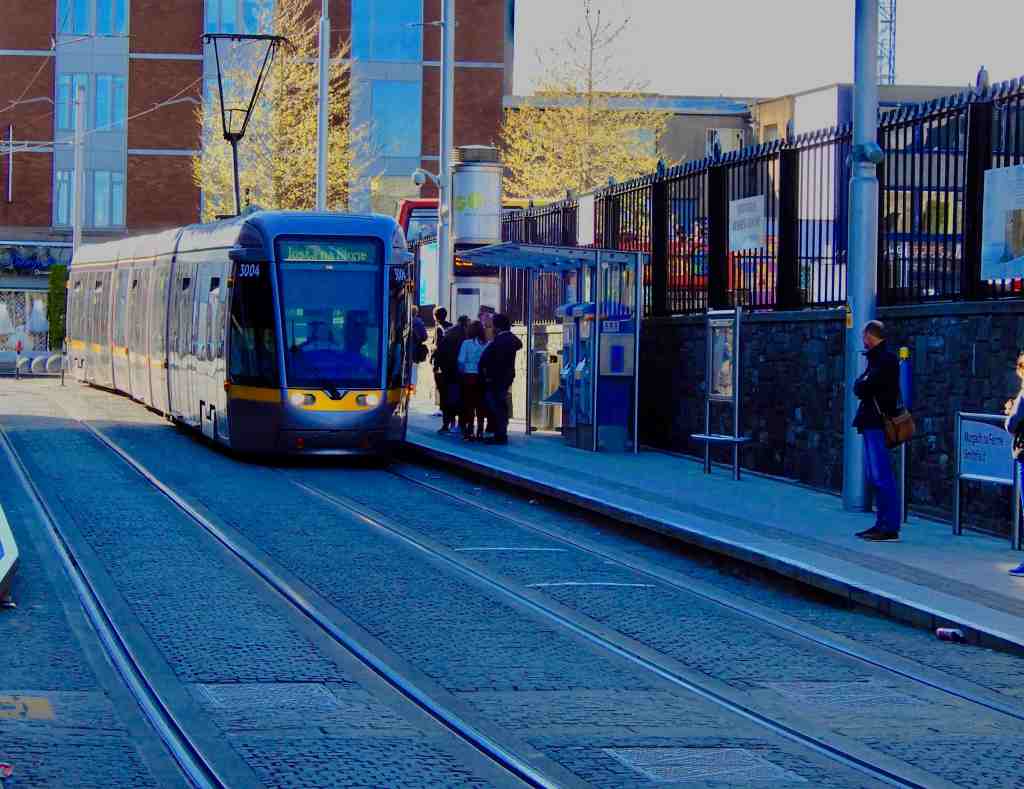
Public Transportation – There is a Visitor Leap Card that allows you to ride all busses and light rail (called LUAS) with 1 day (24 hours) – €10.00 and 3 days (72 hours) – €19.50 They can be purchased at a number of locations around the city and online. There is also automated bike rental system called Just Eat Dublinbikes that will also allow you to use the Leap Card.

Taxis – Taxi service is reasonably priced in Dublin. When cruise ships come in or are boarding/Disembarking there is likely to be a wait to get a cab. A recent ride from the port to a hotel in the CBD was €15 and from that hotel to the airport was €22.

Sightseeing Buses – The city has a number of sightseeing bus services that allow for hop-on, hop-off and currently average $20+ per person per day. There are also a number of good walking tours. For information check with a Tourist Information location (i).

Bikes & Scooters – There are very little in the way of hills in Dublin so bicycles and electric scooters are an easy way to get around Dublin. There are several options for renting with a large number of self-service locations around the city. Dublinbikes also has a 3 day ticket where you take a bike from one cycle stand, bike around town, and drop the bike off near your destination.

Currency

The Republic of Ireland is still a member of the European Union and the Euro is the local currency (€). Most major credit cards are welcome and ATM machines are everywhere.

Free Things to Do in Dublin

Chester Beatty Library and Gallery of Oriental Art – A world class collection with an impressive number of exhibits and galleries.

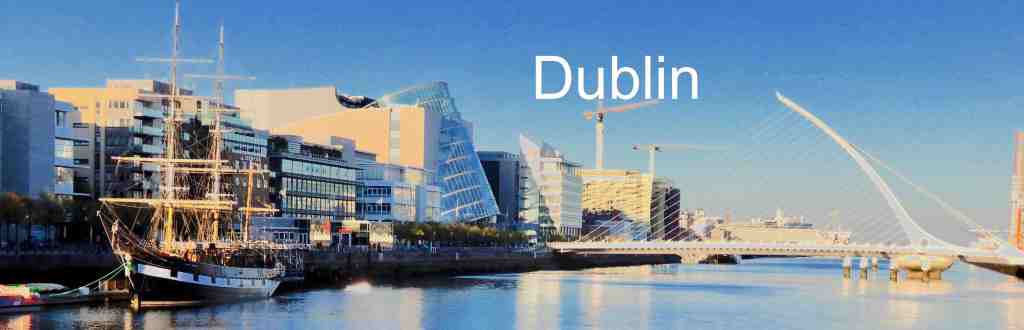
Millennium Bridge – A popular example of modernistic architecture over the Liffey River connecting two great very walkable river front trails.

Trinity College – Stroll through one of the worlds best eduction institutions featuring a number of historic sites.

College Green – An impressive open space that attracts locals and visitors alike.

Grand Canal – Spend a little casual time beside the water to rest and revive.

Irish Stock Exchange – Plan a visit and find out the importance of this place to the community.

St. Teresa’s Church – The center of Dublin’s religious life and a holy site.

Christ Church Cathedral, formally The Cathedral of the Holy Trinity, it is the cathedral of the United Dioceses of Dublin.

Ha’penny Bridge – Also known as the Penny Bridge, and officially the Liffey Bridge, is a pedestrian cast iron bridge built in 1816 over the River Liffey.

Dublins parks and gardens. In the center of Dublin is St. Stephens Green, a large and very popular park. The National Botanic Gardens is a couple of miles from central Dublin but not to be missed to view the country’s native plants in a gorgeous setting. The Hill of Tara has incredible views and can be found on any map of Dublin. Another is Phoenix Park known for its beautiful running paths. If traveling with kids, a great choice is to spend some time in The Dublin Zoo.

St. Stephens Green
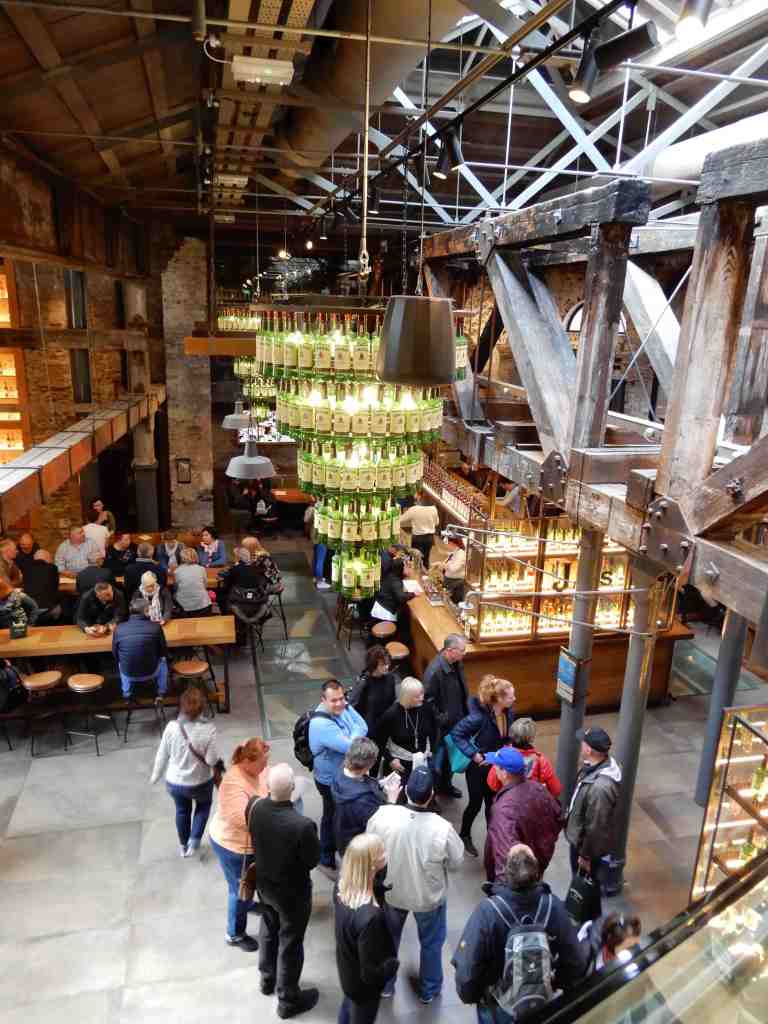
Jameson Distillery Bow St.

Stout and Whiskey Guinness Storehouse is a very popular tourist attraction at St. James’s Gate Brewery in Dublin, Ireland. Also Jameson Distillery Bow St. is the original site where Jameson Irish Whiskey was distilled until 1971. It is now another popular visitors centre.

The Famous Temple Bar Neighborhood

Dublin is famous for an incredible number of pubs with many featuring live music. Probably the most famous is the Temple Bar which has become the center of an entertainment district.

There are a number of other local attractions in Dublin that highlight the history of the city. Kilmainham Goal, once an infamous jail. Marsh Library has a vast collection of over 20,000 rare books. The Jeanie Johnston Tall Ship docked on the Liffey River, and th4 Famine Museum is one of the best places to learn about the history of Dublin. If you are interested in learning about the original inhabitants of Dublin, be sure to stop at Dublinia: Experience Viking and Medieval Dublin to see history presented in a fun and entertaining way.

Venice, Italy And Cruising

Please Note: Recently the port of Venice has been closed to larger cruise ships so if your cruise itinerary includes Venice the ship will likely dock in either Ravenna (Royal Caribbean & Celebrity) or Trieste (Holland & Princess). More on this change below.

There Will Always Be Venice

Venice remains one of the most popular travel destinations in the Mediterranean. Cruise ships regularly scheduled over-night stays in the port and now with the port changes many cruise itineraries will be providing overnight options in hotels.

This is an island city criss-crossed canals and is home to the iconic gondola. If you are planning your first Mediterranean visit or cruise we would still strongly recommend you selecting an itinerary that includes this marvelous city.

Grand Canal

Where Smaller Ships Dock

Smaller cruise ships will dock primarily at the cruise terminal of Venice called Venezia Terminali Passeggeri. The piers are located just to the southwest of the northern entrance to The Grand Canal and to the west of Piazzale Roma. Many piers are equipped with terminals that offer facilities and some shops.

Transportation

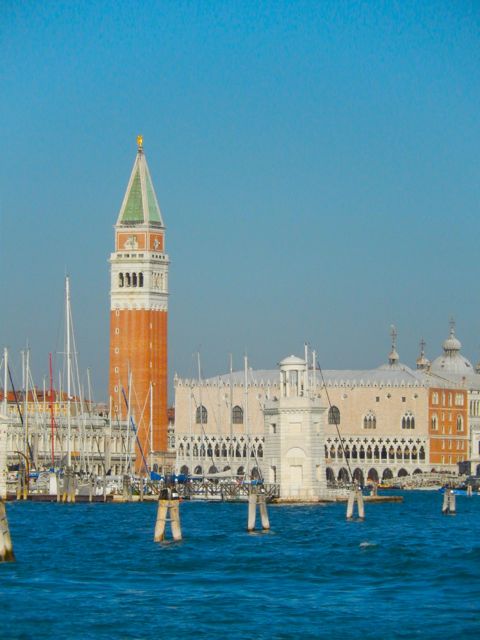
The main city is an island cut in half by The Grand Canal which acts as a sort of waterway main street. The heart of the city is centered around St. Marks Square (Piazza San Marco) which is the most popular destination for visitors.

Small boats for touring around the lagoon dock along Riva degli Schiavoni which is just east of St. Marks Square in front of the Doge’s Palace. Tours start at $25. From Piazza Roma, you also catch a water bus (vaporetto) on either Line 1 or Line 2 along the length of the Grand Canal to St Mark’s for about $12. Venice was built in the 5th century and is noted for art and architecture along with the iconic canals separating 118 small islands making up the metropolitan area.

Venice is a very walkable city and while the streets seem to zigzag throughout the city it is isn’t difficult to keep your bearings. Numerous directional signs will point the way to major destinations like the Rialto Bridge, which is one of two bridges across the The Grand Canal with additional markers pointing the way to St. Marks Square. The other bridge across The Grand Canal is a footbridge called the Ponte dell’ Accademia located farther south from the Rialto.

Currency

Italy uses the Euro and US Dollars are not readily accepted but most major credit cards are. You will also see a number of ATMs.

Attractions

Just strolling thru this remarkable city is the main attraction with its interesting neighborhoods, historic architecture, famous upscale shopping streets, open-air marketplaces and an endless assortment of incredible restaurants and cafes. Several trades have made Venice famous like mask making shops, art glass and art galleries. And of course there’s the annual Carnival.

A few of the more notable mask shops are Atelier Marega, Calle del Scaleter, 2940/B, Tragicomica, Calle dei Nomboli, 2800, Carta Alta Venetian Masks, Sestiere Giudecca, 796, Venice Masks by Alberto Sarria, San Polo 777, and Atelier Flavia, Sestiere Castello, 6010. The glass factories of Venice of which the most famous is Murano Glass Works are located on Murano Island, which is actually a series of islands linked by bridges in the Venetian Lagoon which can be reached by ferries.

Popular Tours

Guided 2 Hour Walking Tour of Venice. Don’t waste time getting lost amid bridges and crowds but instead explore with a guide to discover the highlights and history in minimal time. Includes the Rialto Bridge , St. Marks Square and the Basilica of Santi Giovanni e Paolo.

Murano, Burano and Torcello Sightseeing Tour. This sightseeing tour allows you to see three islands in the Venetian Lagoon in half a day. Visitors often visit Murano—well-known for its glass-blowing.

Skip the Line and Venice Walking Tour with St Mark’s Basilica. Discover the awe-inspiring St. Mark’s Basilica in Venice without the headache of long lines. Head to the front of the queue with your expert guide.

A Classic 30-Minute Gondola Ride (Average $40). Take a classic guided gondola ride along the Grand Canal and watch the sights of this incredible city glide by.
Cruise Ships & Venice

For years there have been groups and organizations protesting what many claim could be serious damage to the buildings and canals of the water city caused by the large cruise ships. This has been countered by other groups that believe that the city receives substantial revenues from the cruise lines for dockage fees tp passenger spending. Even with the results of two major studies finding that the damage caused by frequent storms is a much more serious threat than modern cruise ships the United Nations and its World Heritage arm still threw their weight against the cruise ships. Unfortunately the controversy surrounding the docking of large cruise ships in Venice has now been settled – Cruise ships above certain sizes (about 90%) are now banned from entering the Venice Lagoon.

Looking to Piazza San Marco

In response the cruise lines are setting up alternate ports that will still allow their passengers access to spend time in Venice. They are also providing other ports to replace Venice as a departure port. The two nearest ports with adequate docking are Ravenna and Trieste and for the time being the cruise lines seem to be selecting between the two. For example Royal Caribbean and Celebrity are focusing on Ravenna while NCL will be using Trieste.

Saint Mark’s Basilica

As you explore itineraries you’ll find a number of ships are staying overnight to allow plenty of time to visit Venice. Using buses Trieste is about a little over two hours to Venice (135 miles) with the Ravenna trip coming in between one and half to under two hours (105 miles). Another option that is also gaining traction is taking advantage of overnight hotel accommodations in Venice during your port stay.

If you are inclined to visit Venice on your own there are a number of affordable options to explore with bus service still topping the list:

Trieste to Venice

FlixBus operates a bus from Trieste to Venice that leaves every 4 hours. Tickets cost $12 to $15 (€10 – €13) and takes about 2 hours. Itabus also has service 5 times a day. By rail Trenitalia operates a train from Trieste Centrale to Venezia S. Lucia every hour. Tickets cost $12 to $24 (€10 – €21) depending on seat class and the trains take 2 hours and 5 minutes.

Ravenna to Venice

The best way to go to Venice from Ravenna is by bus, which costs about $10 (€9). The train to Venice, costs about $17 (€15) with trains about every hour. By bus or train the trip takes about 2 hours and 45 minutes to 3 hours with the bus being slightly faster but with less frequent service than the trains.

Málaga Spain A Cruise Port

Málaga, Spain, is a popular cruise destination on the Costa del Sol in the Mediterranean, and is located east of Gibraltar on the Alborin Sea,

The city of Málaga has been inhabited since prehistoric times, evidenced by the cave paintings of the Cueva de la Pileta (Cave of the Pool) and was originally established as a city by the Phoenicians some 3,000 years ago. The Phoenicians settlement at Málaga was called MALACA using the natural harbor as an important centre for salting fish. Málaga has seen a number of major transitions, being occupied and settled by the Romans and later became a major Muslim city in Spain. The Muslims were expelled after the area was conquered in 1487 by the Christian kings of Europe. Today it is a thriving modern city sitting along beautiful beaches in the heart of the Spanish Costa del Sol.

Where Your Ship Docks

Cruise ships dock at a terminal at Paseo de la Farola marina. The pier is right downtown and has a number of shops and cafes right on the marina and includes free public facilities. Getting into the main shopping district is less than five or ten blocks and the old city is just a little farther.

The shops along the Paseo de la Farola Marina.

Transportation

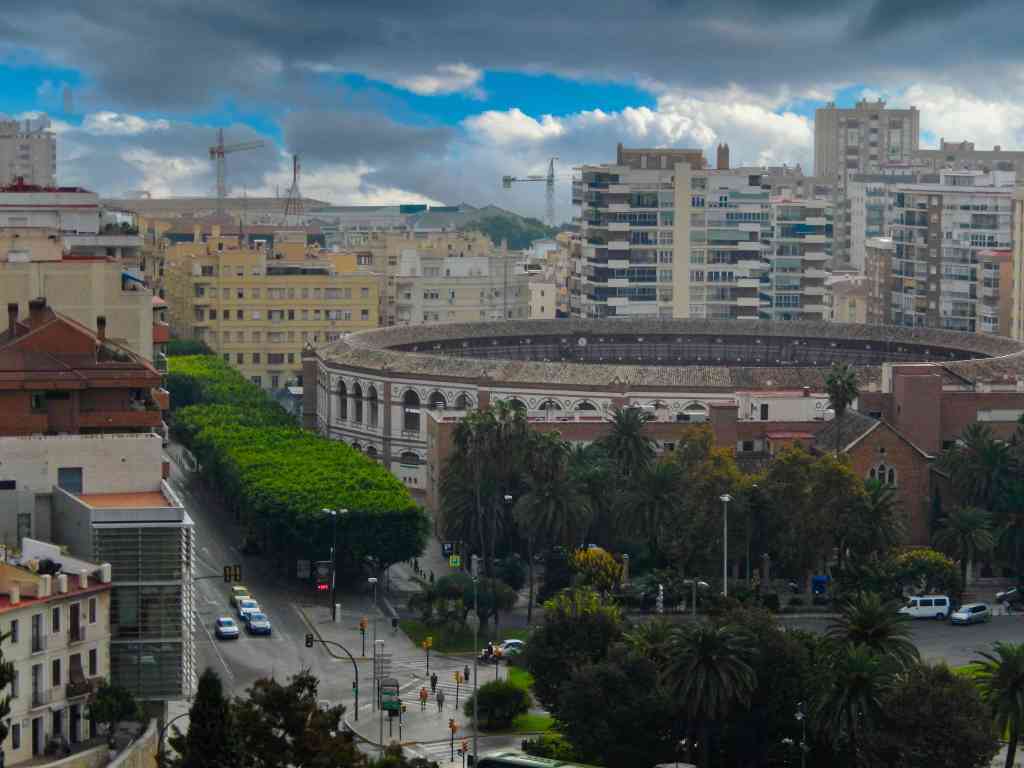
Downtown Málaga

While the city has good public transportation, within the city centre you can see practically all the main sights on foot, as most major attractions are found in the nearby historic district. Within the major urban area and in the nearby suburbs, Malaga’s city buses, commuter trains along with a city-bicycle hire service will take you anywhere you want to go. Malaga planning to open its new Metro lines in Spring 2022.

Malaga’s city buses are operated by EMT with about 50 lines that run all across Malaga. The central city bus routes operate every few minutes, from early morning until about midnight. A single bus ticket within the Malaga urban area costs 1.30€. You can also buy a 10 trip card for 8.30€.

Currency

The local currency is the Euro but most credit cards are welcome everywhere. There are also ATM machines available operated by a number of major banks and networks. To use cash you need to convert some money to Euros.

Attractions

Málaga is very proud of their favorite son, Pablo Picasso and the city is home to a wonderful museum and gallery dedicated to his works (Websites HERE and HERE).

Alcazaba

The Alcazaba Fortress of Málaga, Spain. This fortress palace, whose name in Arabic means citadel, is one of the city’s principle historic sites and is not only beautiful but holds commanding views of the city and harbor. Built by the Muslim Hammudid dynasty in the early 11th century, it is the best-preserved alcazaba (citadel) in Europe.

An exhibit of aftifacts in Alcazaba
Inside Alcazaba
The excavation of the Roman amphitheater that sits under Alcazaba
The road under the walls of the Castillo de Gibralfaro
A view of the Cathedral

The city also has a number of additional archaeological sites of interest including Roman amphitheater ruins in the old town and standing above the city on the Mount Gibralfaro summit is the Castillo de Gibralfaro another medieval Moorish fortress.

The Cathedral of Málaga is a Roman Catholic church constructed between 1528 and 1782 in the Renaissance architectural tradition. It only has one tower of the intended two completed. Located in the old town within an area defined by now missing portions of the medieval Moorish walls. The remains of Moorish walls still surround nearby Alcazaba and the Castle of Gibralfaro.

There is a local story that the second tower of the cathedral was never finished because the Málaga citizens sent the money intended for construction to America to support the American revolution. Not sure if this story is true but it is a popular local legend.

There are a number of spectacular caves outside Málaga but on a day in port you will need to make arrangements for a tour in advance. Many are poorly developed and would require you to be in good condition to visit. Perhaps the most famous is the Cueva de la Pileta (Cave of the Pool) located about 50 miles outside of Málaga. The cave features Paleolithic paintings which many believed to be over 20,000 years old along with the underground pool and cavern formations.

The Málaga Old City is a great location for cafes, restaurants and shops. Be sure and make time to stroll its narrow streets, have lunch at an outdoor cafe and browse its many galleries and shops.

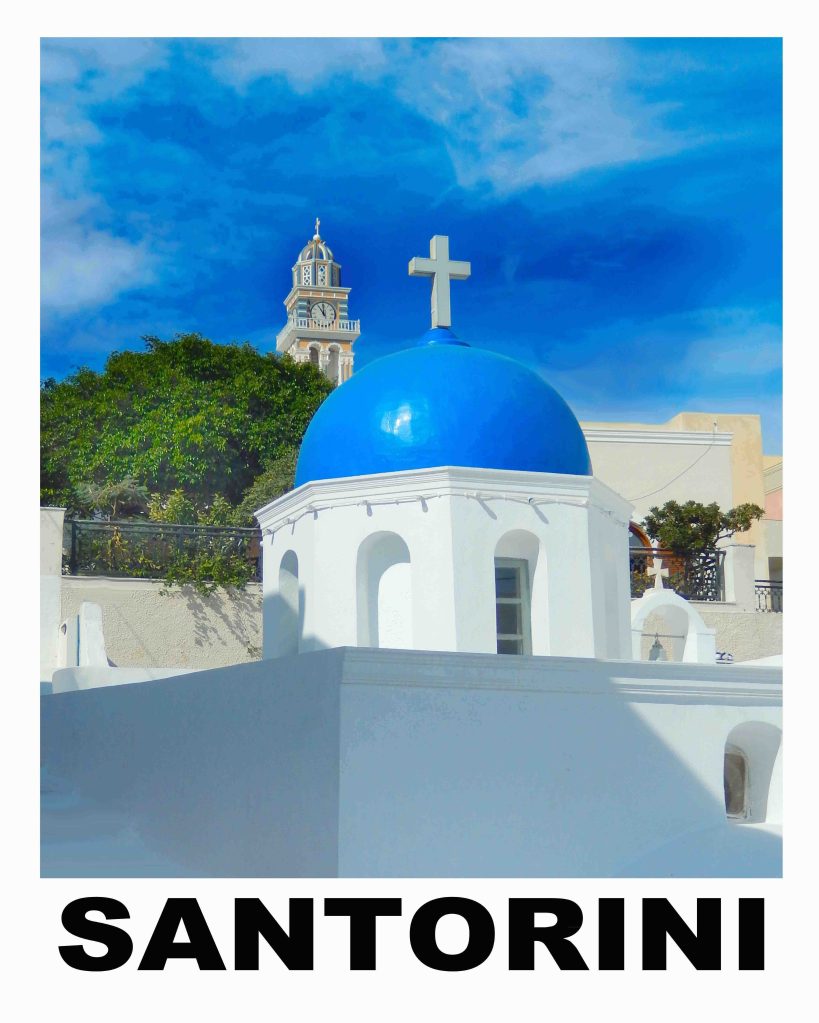
Todays Featured Poster • Santorini

Almost everyone refers to the island as Santorini but the islands official name is Thira (or Thera). Regardless this spectacular island in Greece is one of the geologic wonders of Europe. The islands five villages are Fira, Oia, Imerovigli, Firostefani, and Akrotiri and they all sit atop a strip of an ancient volcanic caldera offering spectacular views into the crater and out over the Aegean Sea.

These giclée prints are available in several sizes custom printed for each order on archival paper using fade resistant inks.

Join us as we visit historic treasures, natural wonders and vibrant cities set against backdrops that are endlessly changing and visually magnificent. Celebrate a world of travel experiences with these decorating accessories that are perfect for framing.

Haven’t Joined Us Yet? We Promise To Make It Worth Your While.

For The Classic Spooky Story Start With A Castle

Numerous legendary ghost and monster stories have been associated with the castles of Europe so to celebrate Halloween here are a few.

Bran Castle, Romania And A Vampire

Celebrated as Dracula’s Castle, Bran Castle is linked to the historical person who inspired Bram Stoker to write the novel Dracula. A regional ruler Vlad III Dracula, became known as Vlad the Impaler and he lived in Bran Castle in Transylvania. The real legend is just as scary as that of the vampire. The Ottoman Sultan Mehmed invaded the Balkans with an army of over 200,000 strong. To defend his kingdom Vlad III Dracula captured invading Turks and had them executed to scare away the invading army. Moving on Wallachia’s capital the Turks found the gates of the city undefended but surrounded by a “forest of the impaled” Turks. Vlad had the captured soldiers, about 20,000, impaled and displayed in front of the invaders as they advanced. After coming upon this horror, Mehmed and his army fled Transylvania immediately never to return.

Houska Castle, Czech Republic And The Door To Hell

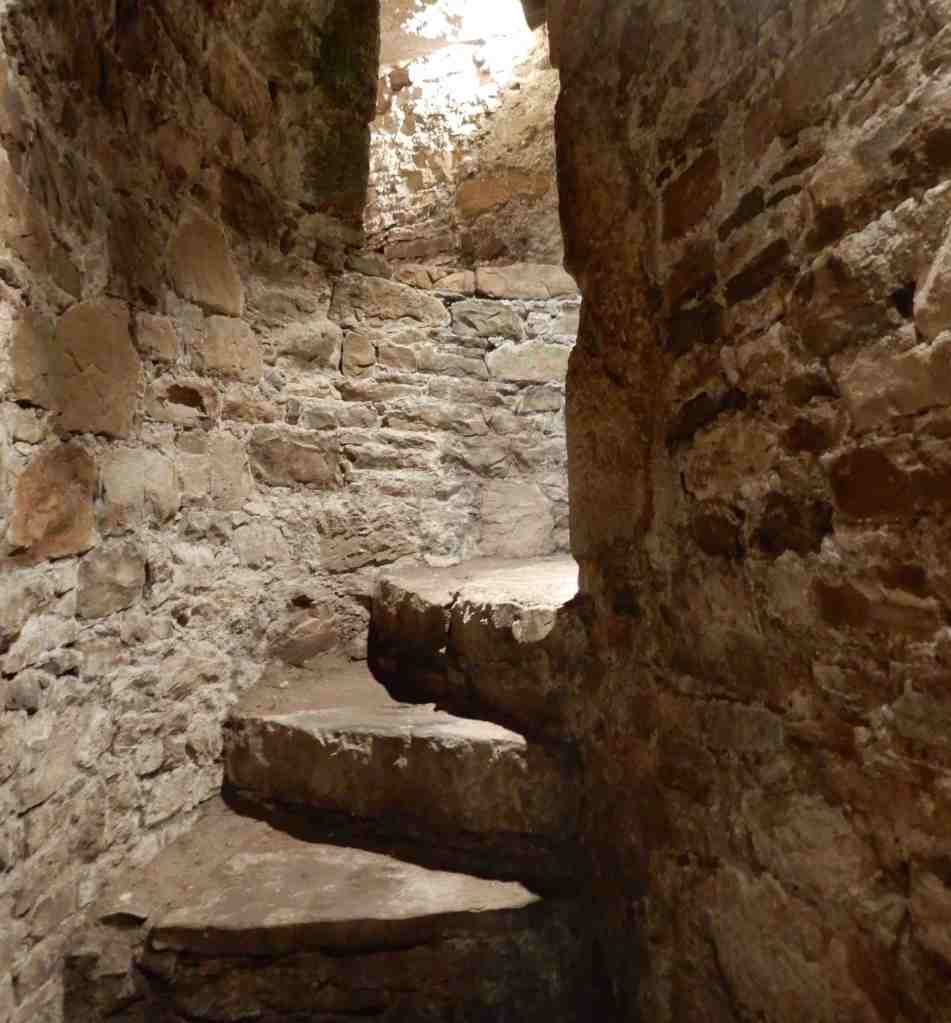
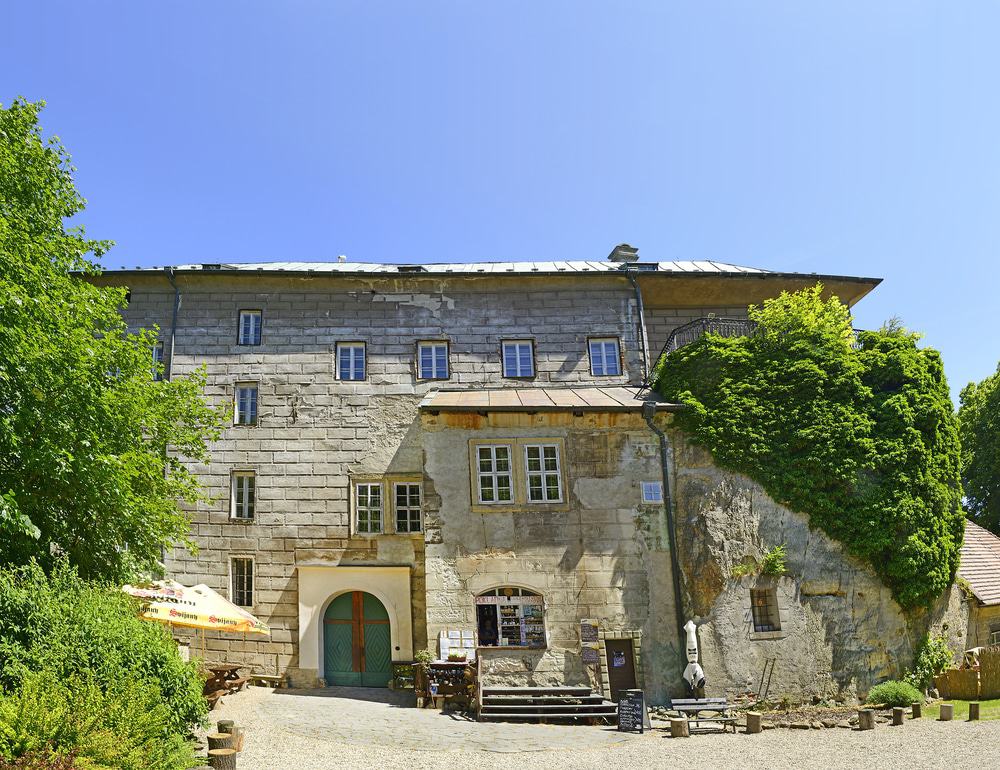
Located north of Prague is Houska Castle with no fortifications, no kitchen, and was not occupied when it was built. Inside a room in this castle is a large hole in the ground that many consider to be the gateway to hell. Houska Castle was deliberately built over this hole to seal up the gateway and keep demons from getting out. This part of the castle had all the doors filled in so the demons would be trapped inside the lower level.

The creepy legend says that before sealing it off, prisoners were granted pardons if they allowed themselves to be lowered into the hole by a rope. After the first prisoner was lowered in, he started screaming and when he was pulled back up he had aged 30 years.

A Haunted Newcastle Castle

The Castle, Newcastle, or Newcastle Castle is a medieval fortification in Newcastle upon Tyne, England, built on the site of the fortress that gave the City of Newcastle its name. The most prominent remaining structures on the site are the Castle Keep, the castle’s main fortified stone tower, and the Black Gate, its fortified gatehouse. The Romans first built it to guard a bridge over the River Tyne. It later became a cemetery and its Black Gate dates back to 1247 AD.

Visiting the castle people say you can hear footsteps in the empty corridors. Many visitors claim to have taken pictures that show images of a strange mist in the photographs. Claims of dark shadows and glowing orbs have also been known to turn up. In the Queen’s chamber many have claimed to hear sounds of chanting. One legend mentions the ghost of a lady who can attack and scratch people. There are reports of the smell of flowers near a staircases associated with the restless soul of a flower girl. She was reportedly locked up in the dungeon for a debt she owed and was raped, abused and beaten to death by a male prisoner.

Royal Caribbean’s Fleet of Ships

Royal Caribbean is famous for its family oriented programs onboard but there are plenty of other reasons why people select Royal Caribbean and come back time and time again. Some say it’s the food onboard, while others enjoy the onboard entertainment. Royal Caribbean has a large fleet that includes the largest cruise ships afloat. Itineraries are available that include short 3 or 4 day Bahamas cruises, longer Caribbean cruises, Alaska, Europe, Asia, Australia and even a few more exotic options.

Thinking about booking a Royal Caribbean cruise? Here’s a quick reference guide to the Royal Caribbean fleet and its various ship classes. There are also a collection of links to a number of individual Royal Caribbean ship deck plans.

Quantum Class

Ships include Quantum of the Seas (2014), Anthem of the Seas (2015), Ovation of the Seas (2016), Spectrum of the Seas (2019) and Odyssey of the Seas (2021).

Size: 168,666 to 169,379 tons.

Restaurants, bars and showrooms, with attractions that include bumper car pavilions and skydiving simulators. This class of ships also have glass-enclosed capsules mounted on mechanical arms that will take you soaring into the sky for an incredible view.

Oasis Class

Oasis class ships include Oasis of the Seas (2009), Allure of the Seas (2010), Harmony of the Seas (2016), Symphony of the Seas (2018), Wonder of the Seas (2022) and Utopia of the Seas (coming 2024).

Size: 226,838 to 236,857 tons. The Oasis-class ships are more than 20% bigger than any other cruise vessel afloat, and for those looking for options and excitement, there’s really nothing quite that compares.

Each of the Oasis-class vessels has three separate main pool areas, a kiddie splash zone, surfing simulator, a miniature golf course, a basketball court and even a zip line and an indoor ice skating rink. Inside the vessels, you’ll find more lounges, bars, restaurants and shops a huge casino, spas and theaters with Broadway-style shows.

Oasis-class ships also don’t even feel crowded as there is actually plenty of room. Royal Caribbean’s designers have created vessels that can carry thousands and thousands of people but still feel relatively uncrowded. You can have a quiet afternoon reading a book on a bench in the sometimes nearly empty, tree-lined Central Park area while just decks above thousands of passengers are partying away at the ship’s pools.

Radiance Class

Radiance class ships include Radiance of the Seas (2001), Brilliance of the Seas (2002), Serenade of the Seas (2003) and Jewel of the Seas (2004).

Size: 90,090 tons. Each of the vessels has more than a half-dozen places to eat including a main restaurant, casual buffet, steakhouse, Italian restaurant and Asian venue. There are three pools on each of the ships, whirlpools, a rock climbing wall, a miniature golf course, a sports court and an adults-only solarium. Each of the ships also has a theater, spa, casino and multiple bars and lounges.

What you won’t find on the ships, because of their smaller size, are all the bells and whistle attractions like ice skating rinks, surfing simulators, waterslides and bumper car pavilions that Royal Caribbean has on bigger ships.

Freedom Class

Freedom class ships include Freedom of the Seas (2006), Liberty of the Seas (2007) and Independence of the Seas (2008).

Size: 154,407 to 156,271 tons.

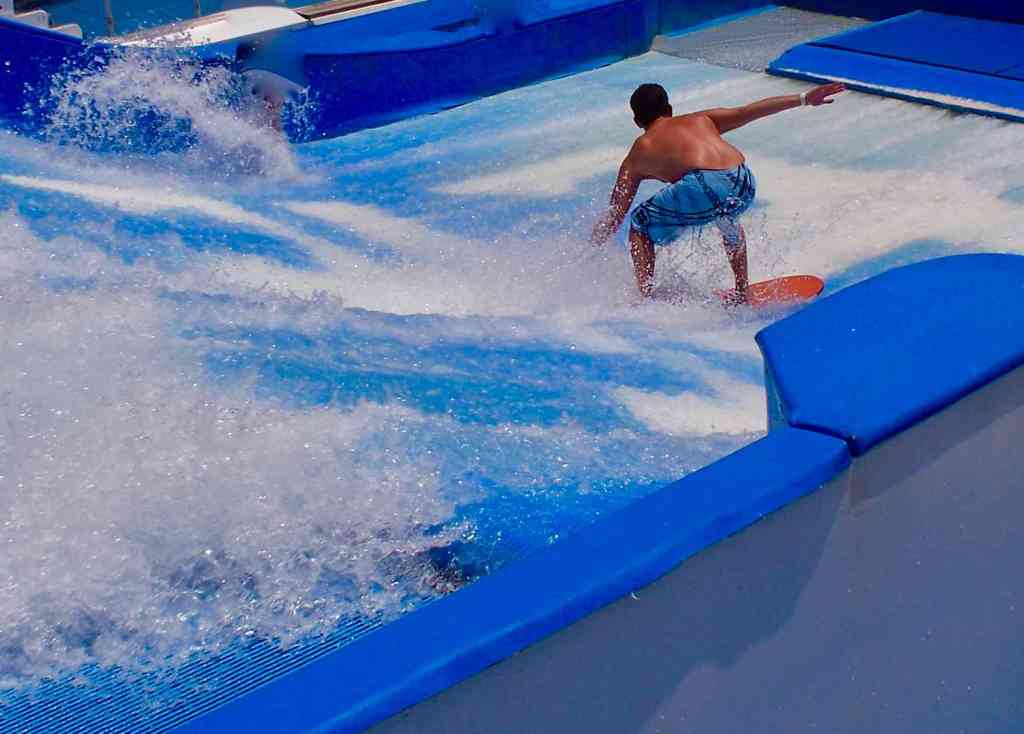
The Freedom-class ships feature a FlowRider surfing simulator on their top decks, multiple pool areas, a water park, a miniature golf course and a rock climbing wall on their top decks, which are among the most activity-packed at sea. Inside, Freedom-class ships there’s a mall-like Royal Promenade space filled with eateries, bars and shops that have become standard on bigger Royal Caribbean ships. They also have a large casino and spas.

Voyager Class

Voyager class ships include Voyager of the Seas (1999), Explorer of the Seas (2000), Adventure of the Seas (2001), Navigator of the Seas (2002) and Mariner of the Seas (2003).

Size: 137,276 to 139,999 tons.

The Voyager class ships include rock climbing walls and ice skating rinks. Voyager-class ships feature a mall-like Royal Promenade with bars, cafes and shops in their interiors. Several specialty restaurants with Royal Caribbean’s Chops Grille steakhouse and an Italian restaurant in addition to its main dining room and the casual buffet.

Vision Class

Vision class ships include Grandeur of the Seas (1996), Rhapsody of the Seas (1997), Enchantment of the Seas (1997) and Vision of the Seas (1998).

Size: 73,817 to 82,910 tons. Entering service in the 1990s, the Vision-class ships are the smallest of Royal Caribbean fleet, and they offer fewer onboard attractions and amenities than is typical for the line’s vessels. The top decks feature pools, whirlpools and sunning areas, typical for ships built in the 1990s.

Convenient Deck Plan Links

Looking for a cabin location or the layout of the top deck? These links will take you right to the individual ships deck plan.