A two minutes of video of the beautiful Blue Ridge Mountains of North Carolina and Virginia. Featured are scenes of the Mabry Mill , Mingo Falls, the Linville River and Linville Falls.
Enjoy the Zen of the moment…
A two minutes of video of the beautiful Blue Ridge Mountains of North Carolina and Virginia. Featured are scenes of the Mabry Mill , Mingo Falls, the Linville River and Linville Falls.
Enjoy the Zen of the moment…
It’s been some time since I read anything about the reintroduction of elk into the North Carolina mountains and I hadn’t given it any thought when planning our Blue Ridge Parkway trip. It was an unexpected encounter when we found elk in the forest.
Reintroduction of elk into Great Smoky Mountains National Park began in 2001 when 25 elk were brought from the Land Between the Lakes National Area of Tennessee. In 2002, the National Park Service imported another 27 animals.
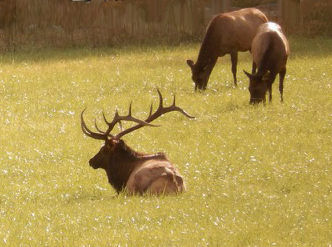
So far the elk seem to be improving the mountain forest environment as the elks’ grazing is active enough to stimulate good plant regrowth. They keep fields clear by keeping the grasses shorter and make it easier to navigate for smaller animals, such as rabbit or turkey, and also make it easier for birds of prey to search through the shorter grasses. They are also adding to the network of game trails in the forest. However the elk have been missing from this environment for over a hundred years and researchers are still studying the impact of their reintroduction watching for signs of stress.
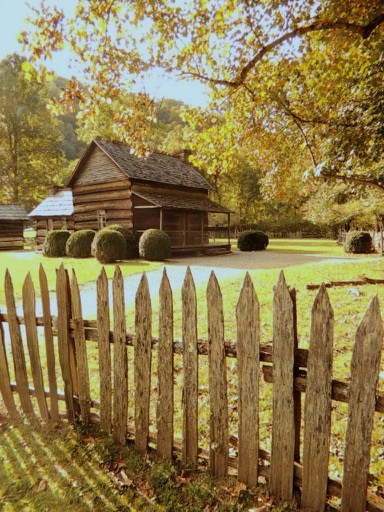
After our surprise at finding the elk grazing near the Oconaluftee Visitors Center on our first evening in the mountains we returned to hike a nearby forest trail early the next morning.
As we got to the Visitors Center there were again a number of elk cows in the meadow and within a half hour on the trail we could hear bull elk calls and vocalizations across the river. As we approached the Oconaluftee river a cow approached along with three calves and began to ford the river.
Within minutes a bull came out of the forest calling to the cow.
What an amazing beginning to our Appalachian expedition!
Most country’s histories are, to a significant extent, defined by war and in that regard the history of their military is an integral part of the nations story. On two recent trips we’ve taken the time to visit some remarkable museums. Both are incredible facilities that don’t just recount history but do it in a thoroughly engaging way.


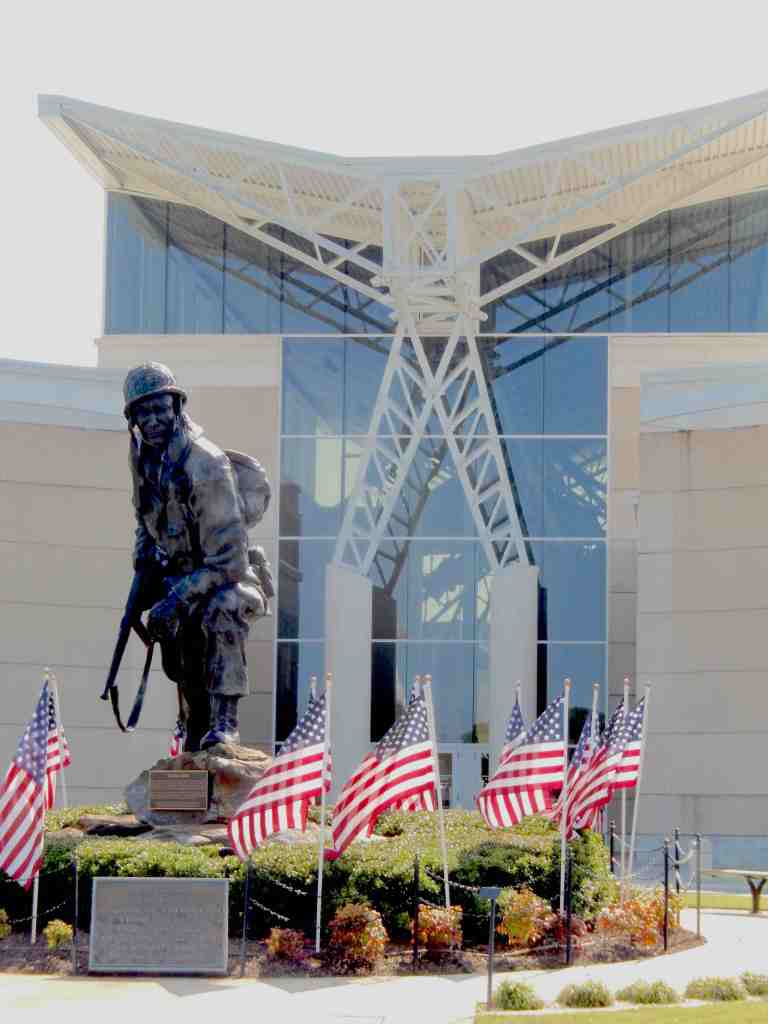
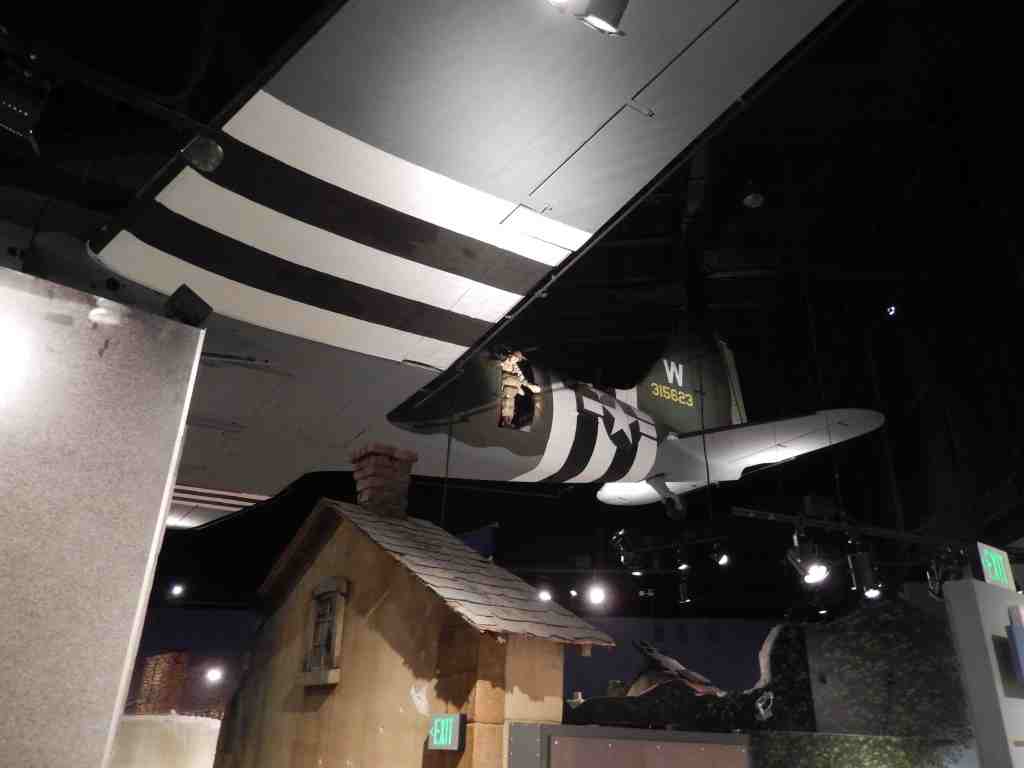
Just this week on our return from our Blue Ridge Mountain exploration we spent the night in Fayetteville, North Carolina and took a couple of hours to visit the U.S. Army Airborne & Special Operations Museum at Fort Bragg – 100 Bragg Blvd, Fayetteville, NC 28301 (910 643-2778).
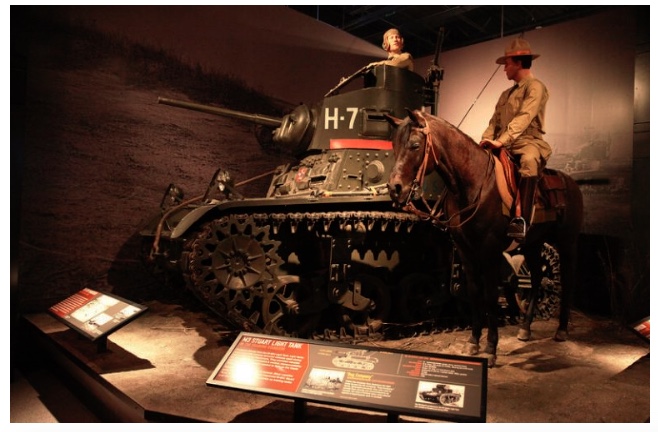
This fascinating museum tells the story of the various Army specialized warfare elements and the battles they were involved in. The exhibits cover the birth of Army Airborne, Rangers and Special Forces from World War II to the War On Terror. There are detailed exhibits on the key people involved in planning, creation and deployment of Army Special Operations forces along with large displays of men and equipment in the field.

Not long ago we also visited The National Infantry Museum at Ft. Benning, Georgia – 1775 Legacy Way, Columbus, Georgia 31903 (706 685 5800)

Very similar in size and scope to the Ft. Bragg museum, the infantry museum looks at the Army’s infantry divisions, the leaders and soldiers and their stories throughout America’s history.
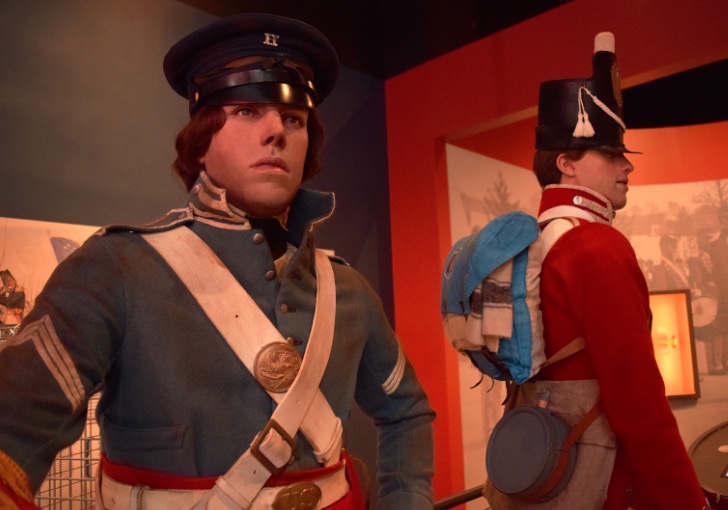

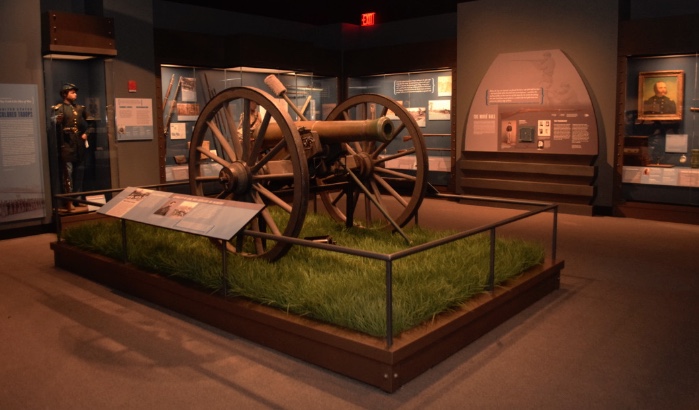

There are lessons being told in these buildings that every American should be exposed to and best of all these museums are free.
PLEASE NOTE: The Army Special Operations Museum is currently open but the Infantry Museum is closed because of the COVID-19.

The United States of America owes much of what it is today to a strip of land between the James and York Rivers as they flow into the Chesapeake Bay in Virginia. This strip of land is where the first successful English colony was established in America, was one of the locations where the political foundations of the American Revolution were laid and where the final battle was fought that won America its independence.
In 1607 three English ships, the Susan Constant, Godspeed, and Discovery, sailed into the Chesapeake Bay and 104 settlers set out to establish a settlement in North America. They named it Jamestown. Many of those first settlers died of disease and from Indian attacks but new arriving ships brought more settlers and by 1610 the colony was firmly established. An extended peace was established after the marriage of colonist John Rolfe to Pocahontas, the daughter of Powhatan the regional chief. During the 1620s, Jamestown expanded from the area near the original fort into a small town. It remained the capital of the Virginia colony until 1699 when the capital was moved eight miles northwest to the larger settlement of Williamsburg.

Thus began the successful English colonization of North America. Within less than another one hundred years, on that same strip of land General George Washington of the Continental Army would defeat the English army under the command of Lieutenant General Charles Cornwallis. That victory established the security of America as a new nation.
Visiting this area of Virginia is as near as you can get to traveling back in time to explore the beginnings of our nation.
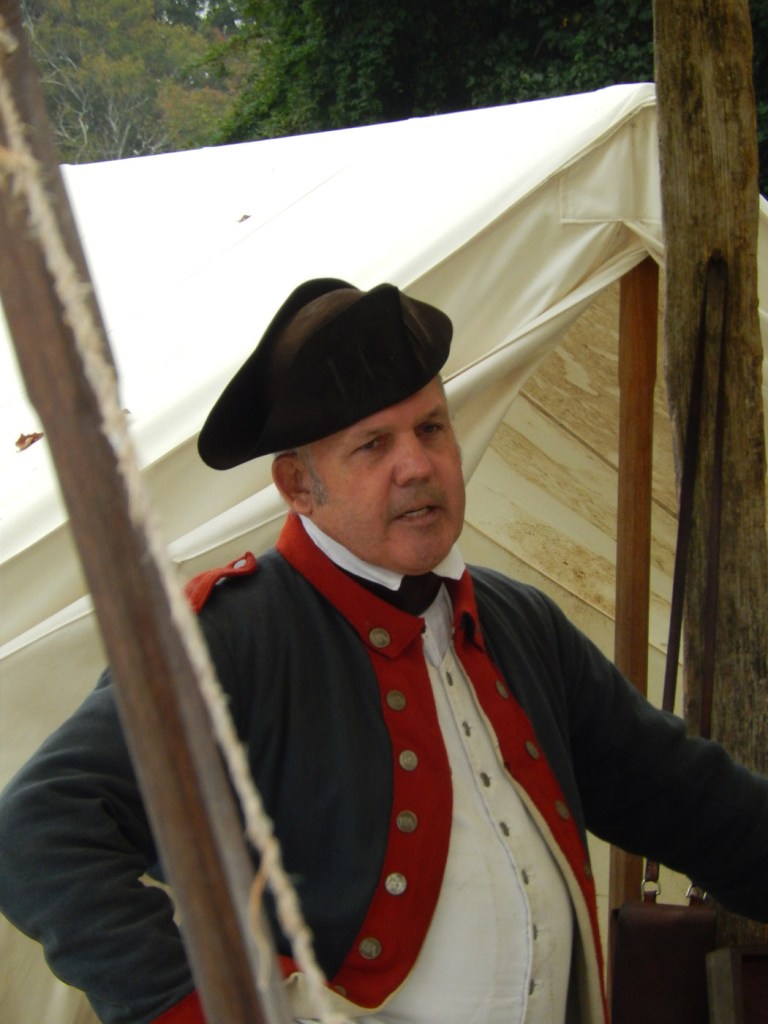
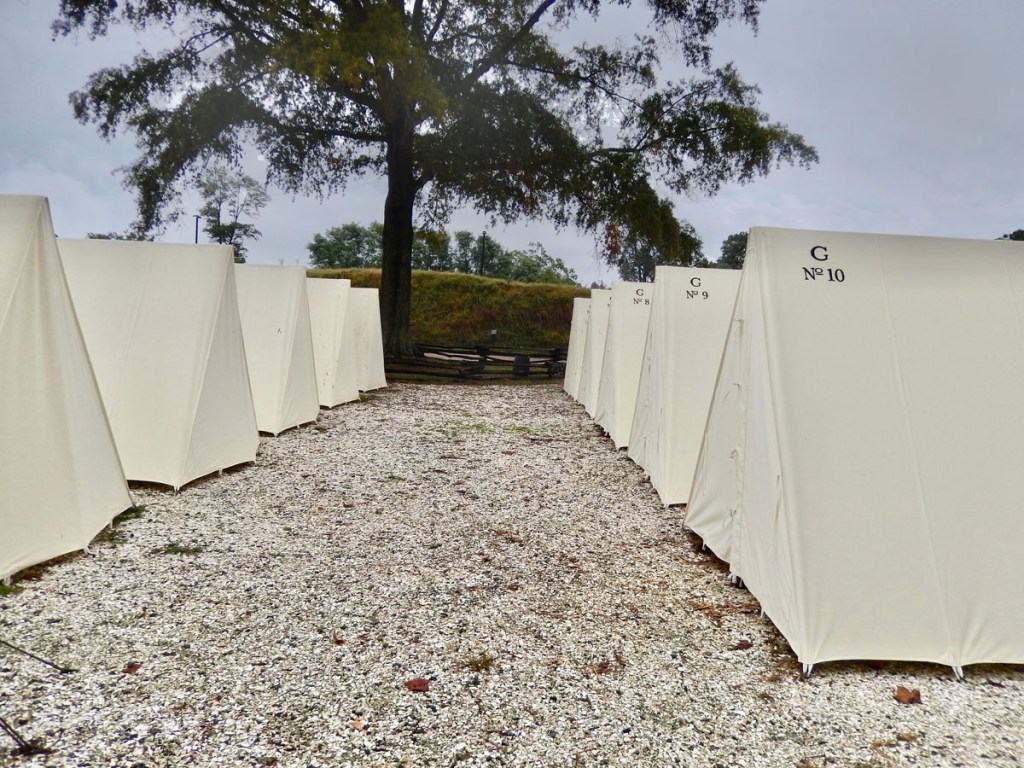
The Yorktown area features the Yorktown Battlefield National Park along with a truly impressive American Revolution Museum. On the property of the museum stands a reconstruction of a 1780’s period farm as it would have looked at the time of the battle along with a Continental Army encampment featuring live demonstrations.
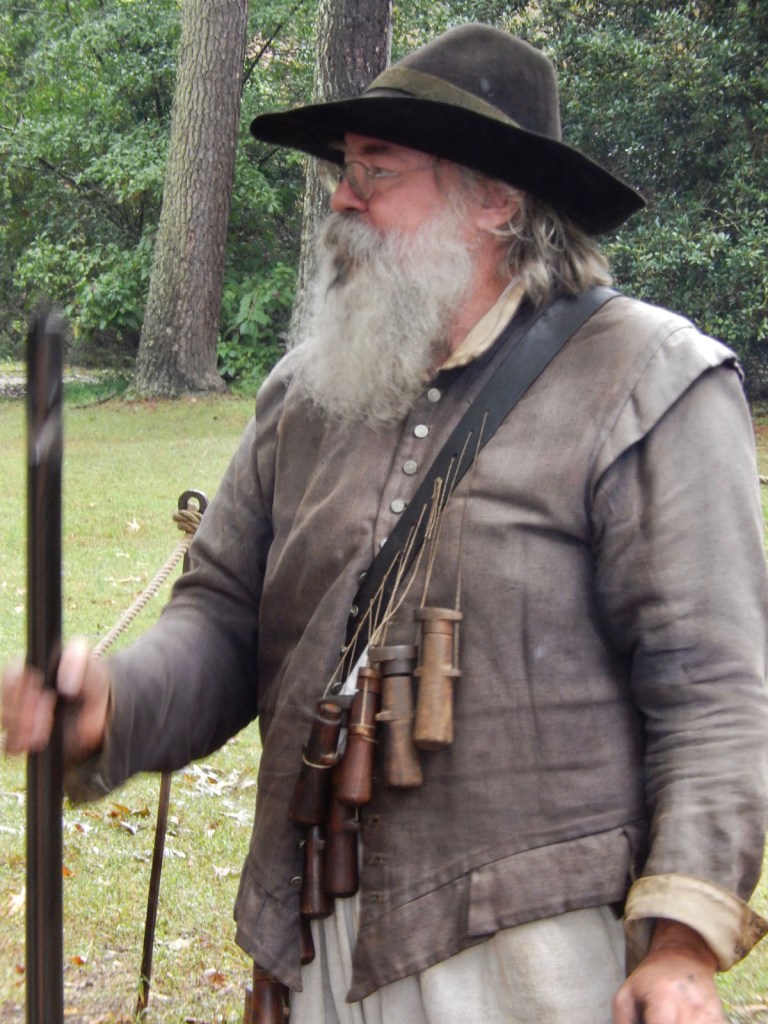
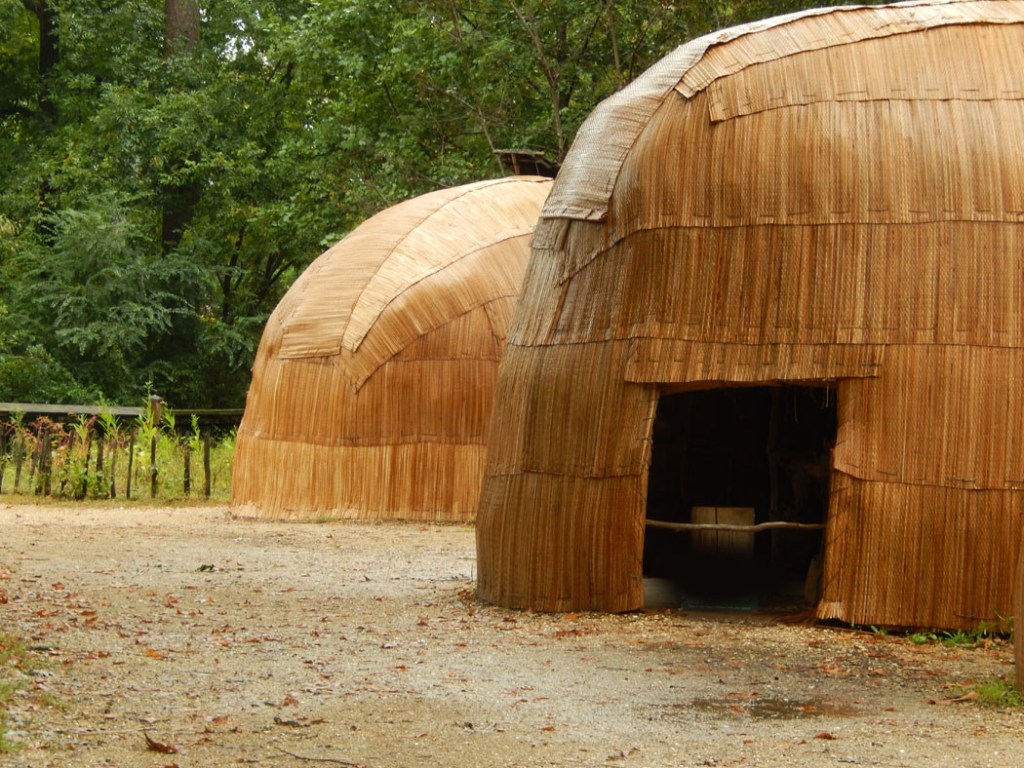
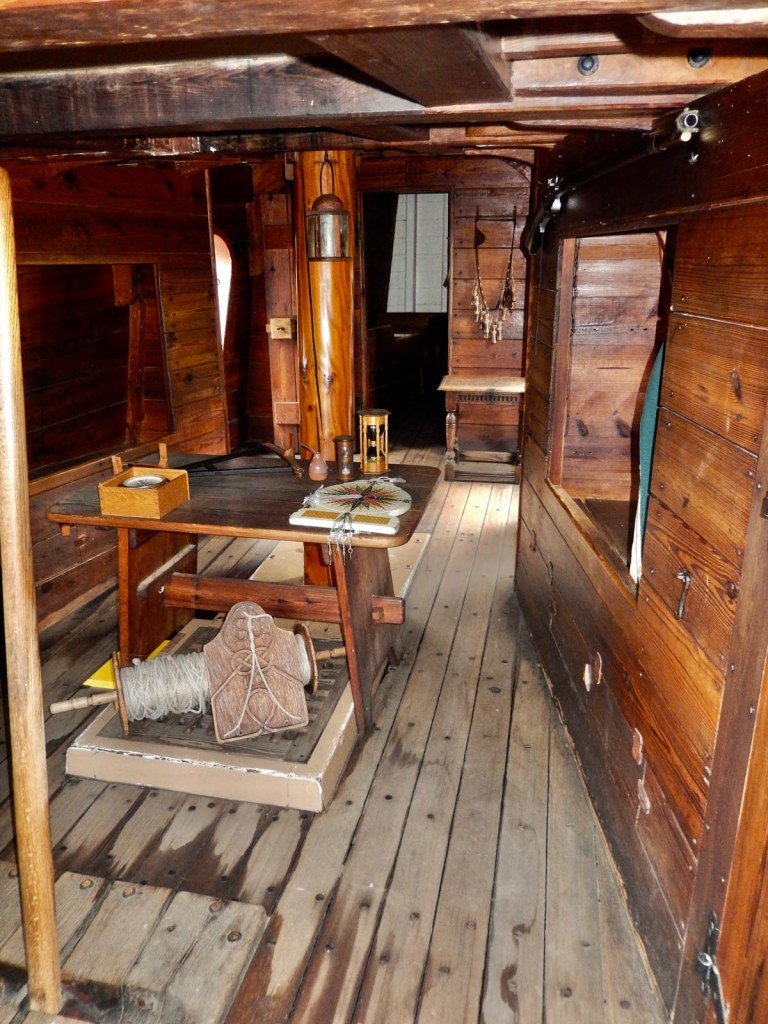
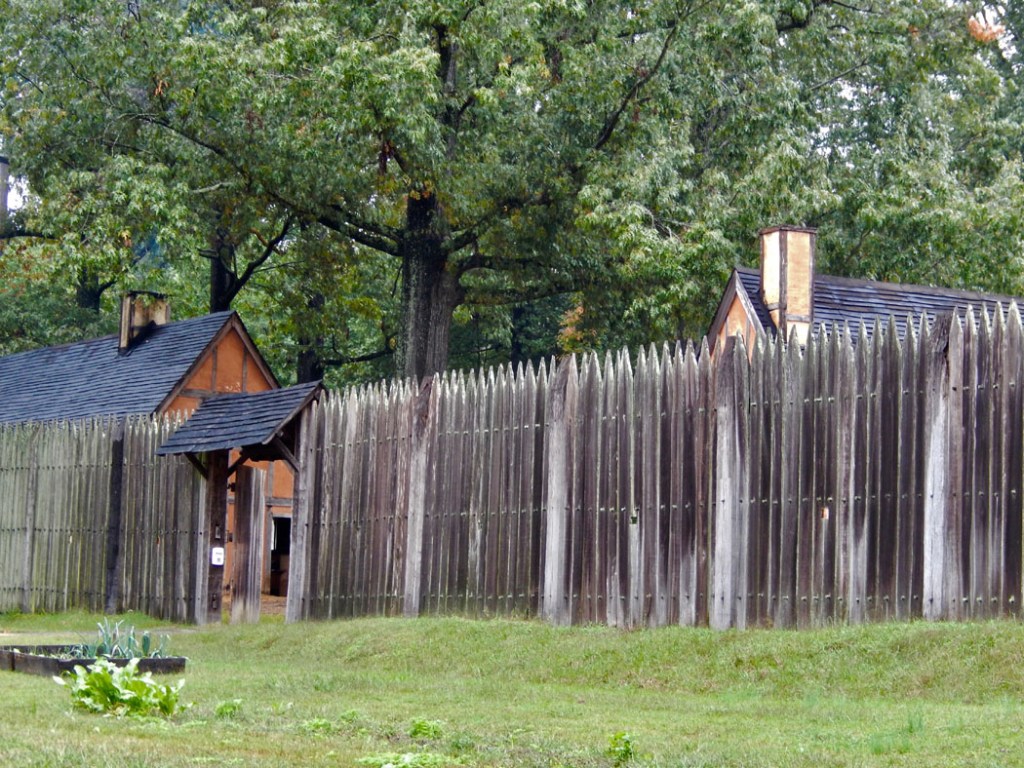
Not far from Yorktown is the Jamestown Settlement site. It features a demonstration Powhatan tribal village developed from drawings of the historic period. An informative museum dedicated to the history surrounding the Jamestown settlement and the people that made it possible, along with a replica of the original Fort James. Tied up on the river next to the fort are reproductions of the boats Susan Constant, Godspeed, and Discovery that carried the settlers to their new world. Also nearby is the archaeological site owned and managed through a private/public partnership between Preservation Virginia and the National Park Service to excavate and explore the site of the original fortified town.

Only a few miles away is Colonial Williamsburg, a living-history museum, restoration and development of a historic district on the site of the original Williamsburg, Virginia. Its 301-acre historic area includes several hundred restored and re-created buildings from the 18th century period, when the city was the capital of the colony of Virginia. Much of the site features people in period costumes working as they would have three hundred years ago.
Impressions of Colonial Williamsburg Virginia
If you really want to see where this nation was born come visit Tidewater Virginia.
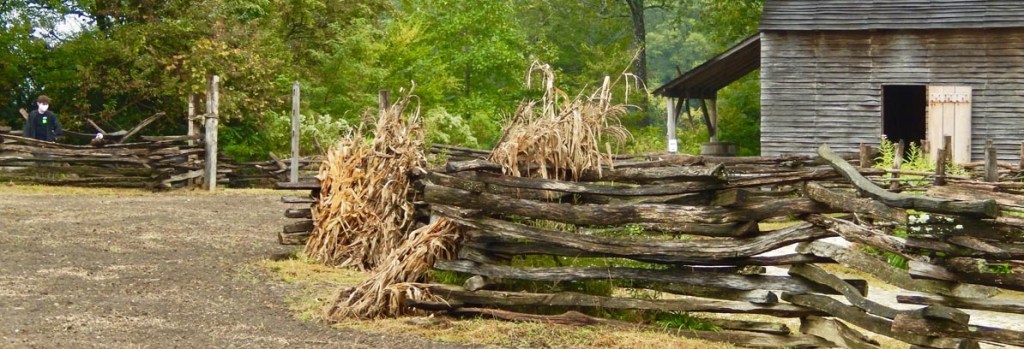

Traveling on this trip up the Blue Ridge Parkway is actually a return to my childhood. I have a connection to those mountain farms of North Carolina as my Father was born and raised on one and I remember spending time there off and on in the late 1950’s. At that time the farm had electricity but still no indoor plumbing. You hand pumped water and it was boiled on a wood-burning stove to fill a copper bathtub. I remember mornings splitting wood for the stove and walking across the yard at night to the privy. On the farm they raised crops (stringing green beans and shucking corn), kept hogs and chickens and had a couple of cows. While they had a radio for entertainment it only picked up one station but there was always guitars, fiddles and autoharps and on weekends there was a dance somewhere nearby. I still find it hard to believe how far we’ve come in the past number of decades.
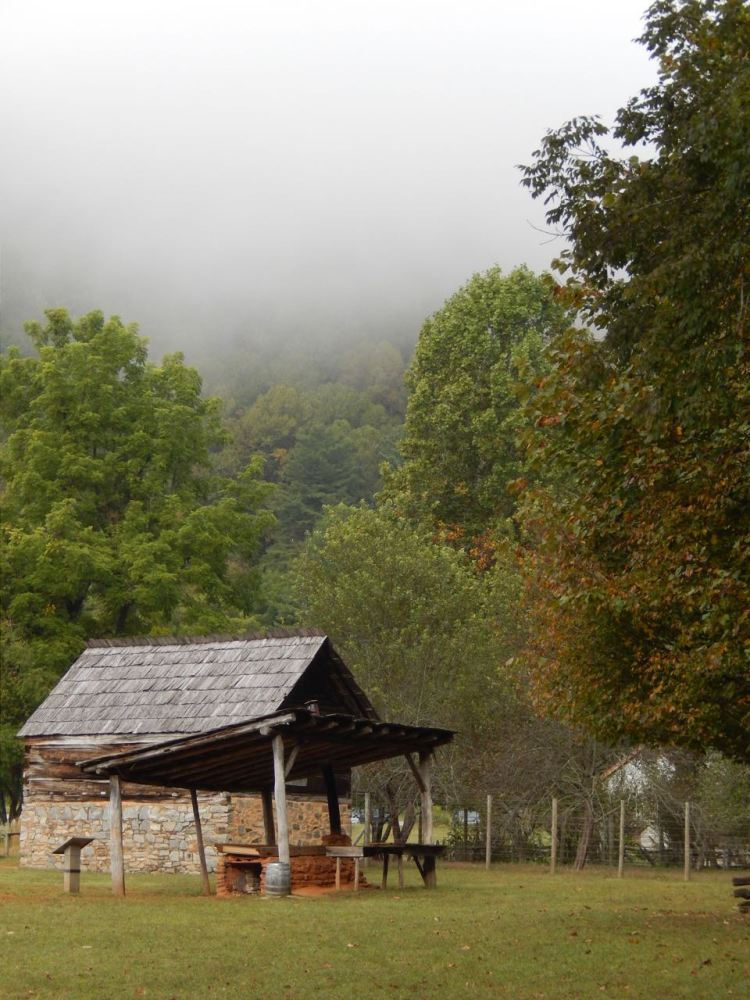
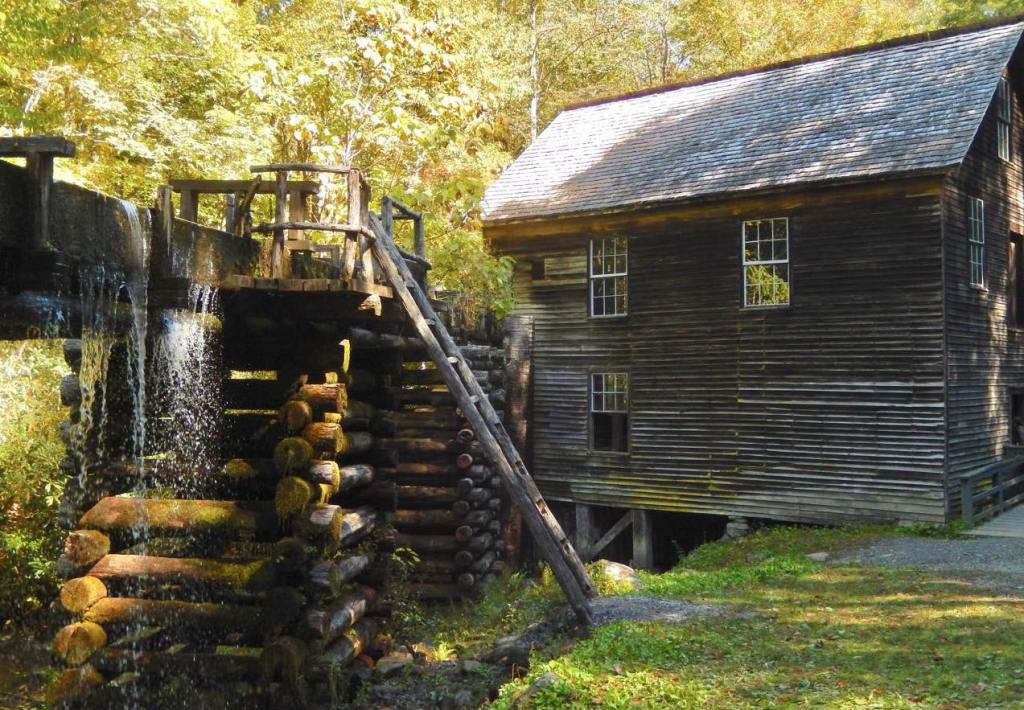
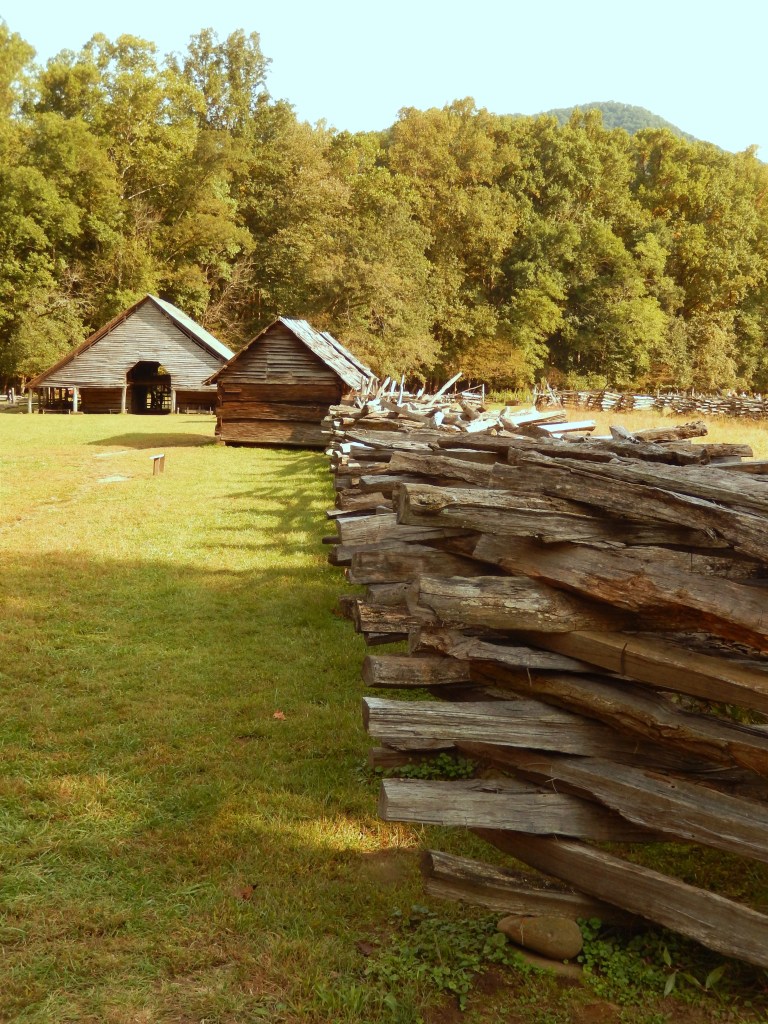
Today sitting on the mountainsides of the Smokey and Blue Ridge Mountains of Virginia and North Carolina are living history lessons covering the early years of America. Restored and preserved farms, mountain homesteads, water powered mills, apple orchards and historic names tell a uniquely American story.

The people who pushed west from the Atlantic coast and settled these mountains, beginning in the late seventeenth century were generally Scots, Irish and English. Those farmers and craftsmen were used to hard work and were not threatened by the harsh environment of these rugged Southern mountains.
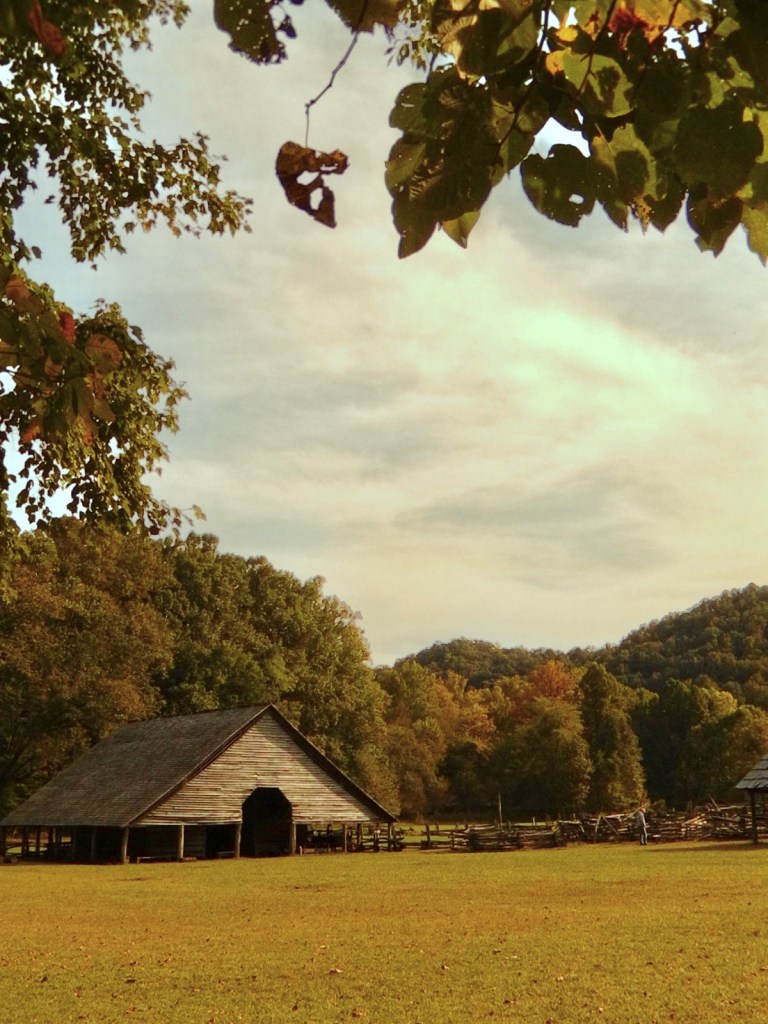
Many Scots left the British Isles and came to America in the early 18th century moving into the mountains of Virginia, North Carolina, and Tennessee. They were descendants of Scots who had survived decades of fighting against English invaders who had pushed them back into the hill country of Scotland and they held a strong belief in independence and a love of liberty. These harsh mountains reminded them of the mountainous lands of their Scotland.
Early English immigrants also migrated from the Tidewater regions of Virginia and North Carolina and were the descendents of original settlers in the colonies or were recent immigrants who found most of the best land taken and prices for existing homesteads beyond their means. There were also people of faith, such as Baptists, Presbyterians, and Quakers, and were leaving Tidewater in order to escape discrimination, persecution, and taxes levied by the English to support the Anglican Church in the colonies.
Like the Scots-Irish, the English settlers brought with them an intense devotion to the principles of liberty, law, and justice. In their heritage was the story of a long struggle for individual rights against centuries of oppression in England.
Not only do historic sites survive in these mountains but the very culture today is still a reflection of those early settlers heritage. Bluegrass music is a form of unique American music with roots in these mountains and is a sub-genre of country music. It is an American variation of Irish, Scottish and English traditional music. Bluegrass evolved from the music of those immigrants from England and Ireland, particularly the Scots-Irish. Irish ballads, jigs and reals are still common music forms found here and bagpipes, autoharps, fiddles, the tin whistle, flute and pipes are still popular in mountain music.

Irish step dancing is still a popular dance form in the mountains but is often expressed as clogging in the mountains today.
Scottish Tartans are still recognized in the Blue Ridge Mountains and the clans still gather each year at the MacRae Meadows on Grandfather Mountain for their Highland Games.

The strong beliefs in independence, democracy and religious liberty that permeated the mountain culture made these people dedicated supporters of the American Revolution. They were strong believers in the cause and provided many men to the Continental Army. The most notorious group from the western slopes of the mountains in Virginia, North Carolina, and what is now Tennessee and Kentucky were the Overmountain Men. The name came from the belief that they were outside the original thirteen colonies on the other side of the mountain.

They were American frontiersmen from western ranges of the Appalachian Mountains who took part in the Revolutionary War. While they were present at multiple engagements in the war’s southern campaign, they are best known for their role in the American victory at the Battle of Kings Mountain in 1780. The term “overmountain” arose because their settlements were west of, or “over”, the Appalachians, which was the primary geographical boundary dividing the 13 American colonies from the western frontier.
Because of the strong support in the mountains for the revolution these mountain people were very loyal to their new country and the government of The United States of America and contrary to popular opinions today, including many Southerners, they did not support secession and as states in the southern United States moved toward secession, a majority of Southern Appalachians supported the Union. These people were mostly small, independent farm families that held little sympathy for and were very politically opposed to the planter-dominated Southern Democratic party. In 1861, a Minnesota newspaper had actually identified 161 counties in the Southern mountains, which the paper referred to as “Alleghenia”, where Union support remained strong.

While these people were strong Unionists and opposed secession they also saw themselves as citizens of their individual states and when their legislatures voted to secede, some, out of loyality, shifted their support to the Confederacy. Nowhere in the country was the pain of brother fighting against brother more real than in the mountains, hollows and valleys of Virginia, the Carolinas, Georgia and Tennessee.
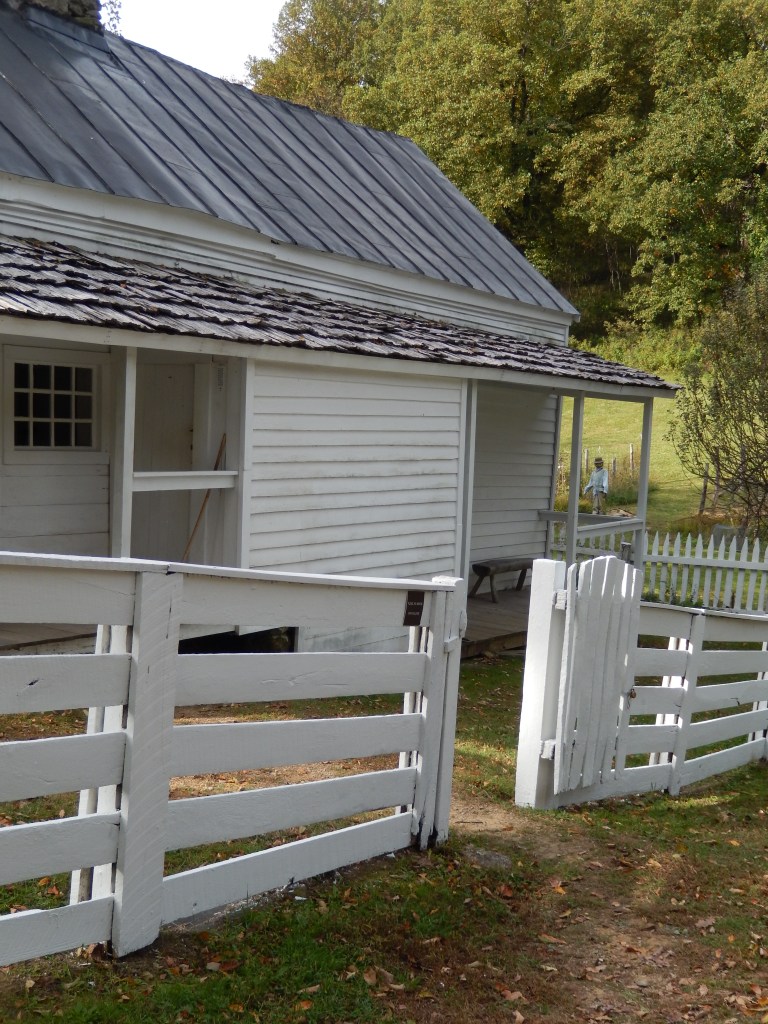
Fifty years after the Civil War most mountain communities remained isolated with a way of life stuck in the early nineteenth century. As American cities rushed into the twentieth century many mountain farms still had no indoor plumbing or electricity. Cooking and heating was done with wood much as their grandparents had done.
The Rural Electrification Act of 1936 was designed to provided for the installation of electrical distribution systems to serve isolated rural areas of the United States like the mountains of Appalachia and with the TVA (Tennessee Valley Authority) it began to provided electricity to the rural south in order to help stimulate the economy and industrialize the region. As ambitious as it was it didn’t happen overnight and by 1950 its own records indicated that it was less than one third of the way to the goal.
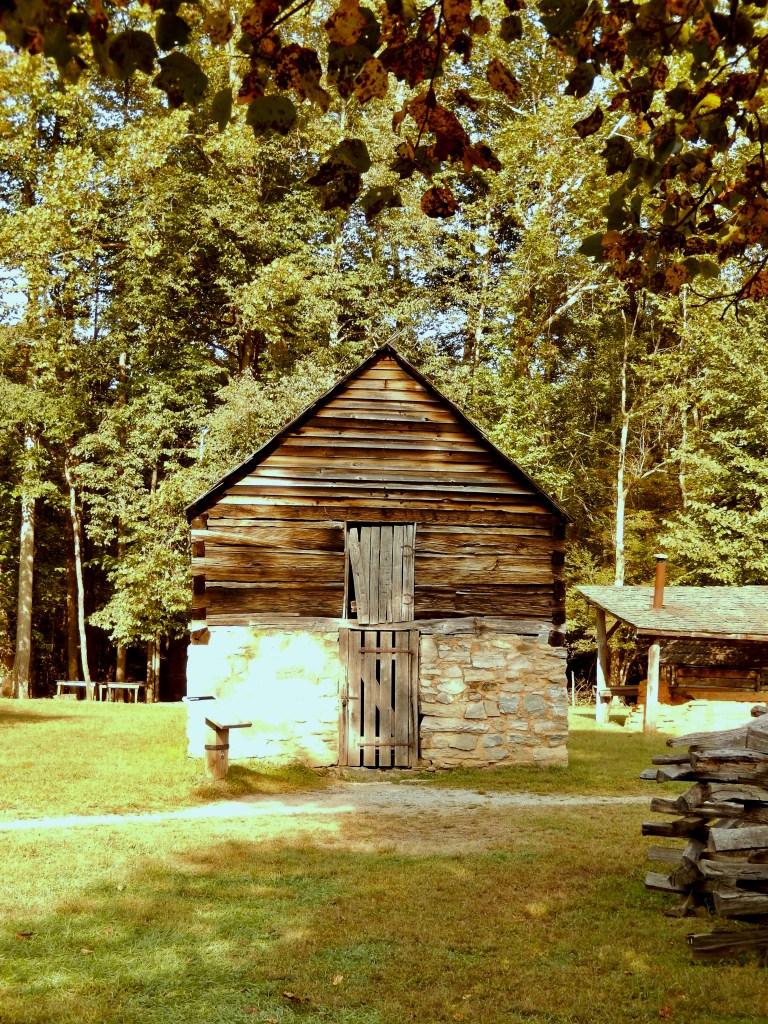
If you have the opportunity to visit the Smokeys or Blue Ridge Mountains don’t overlook these incredible windows into our countries beginnings and not so distant past.
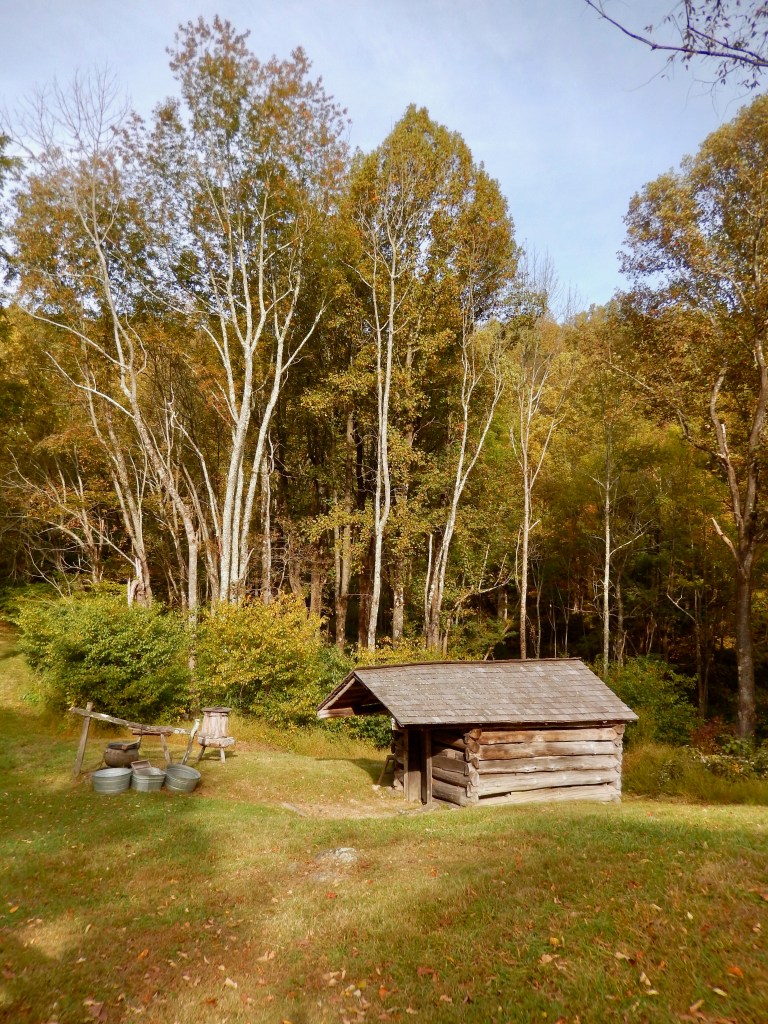
Fall Colors On The Parkway


As Fall approaches the leaves of trees begin to go through a change as chlorophyll production slows and eventually stops. The old chlorophyll in the leaf begins to decompose, and when it’s all gone, the leaf’s underlying color is exposed. Nights becoming progressively cooler is one of the major triggers of this process.
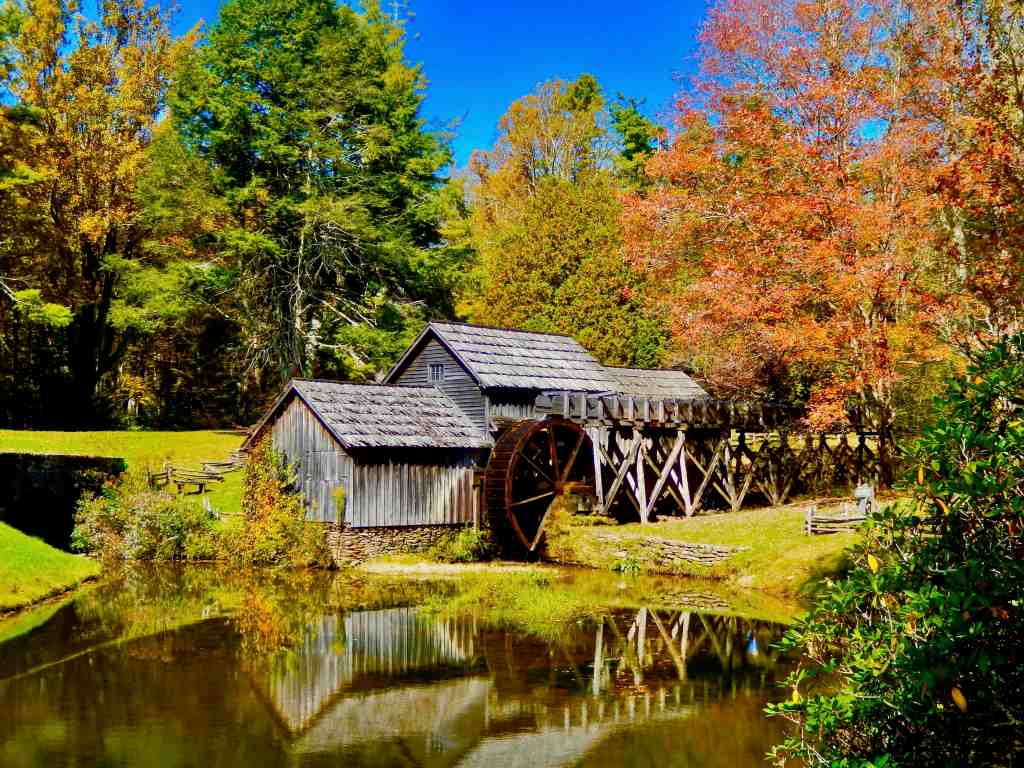
The Fall colors begin in the Northern United States and follow the cooler temperatures in the higher latitudes as they travel South. The first hints of fall color also start off at the higher elevations, then day by day, sweep down the mountain’s slopes to the lower elevations and into the valleys and lowlands.


As we planned our hiking trip up the Blue Ridge Parkway we hadn’t given much thought to the changing colors, but as we traveled north from our start in Cherokee, within a couple of hundred miles it was obvious we were going to see a significant change during the trip. In the Smokey Mountains there were trees dotted here and there showing some color change but mostly the forests were still a verdant green. By the third day around Linville Falls the fall colors were spreading along the mountain sides. By the time we got to Roanoke, Virginia the bright colored trees were taking over the forests.



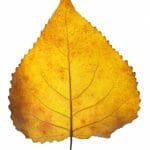

One of the things that makes the Fall forest so spectacular is the wide pallet of leaf colors on display. The dogwood, sourwood, and blackgum trees turn a gorgeous deep red. Tulip-trees and hickories turn bright yellow while sassafras trees show off a vivid orange. The red maples often are the real stars of the show with a multi-colored brilliance ranging from intense yellow, through shades of orange to a bright red. The oaks bring their own touch to the show with darker muted shades of russet and maroon. Evergreen trees including Virginia pine, white pine, hemlock, spruce, and fir add a nice contrasting green to the scene which often seems to enhance the colors of the hardwood trees.


For 2020 October is prime time for leaf colors as they flow down through the mountains of Virginia into the Carolinas and on to Georgia. By mid-October the Skyline drive should be in full color and by early November much of Georgia should be approaching high color.




 The Intentional Travelers