Adventures In Paradise • Exploring The South Pacific

Exploring The Islands Of The South Pacific
Often ignored and even discounted, the Polynesian Empire was one of the largest geopolitical regions on Earth. Established by seafaring navigators thousands of years ago a broad range of Polynesian peoples moved freely between thousands of Pacific islands. Their migration into the Pacific Ocean began as early as 50,000 years ago, thousands of years before humans populated the American continents. Originating with peoples from Southeast Asia and Korea, they moved out to sea settling lands east of a line that runs between Borneo and Sulawesi, that included Australia. 30,000 years ago, they had reached New Zealand, New Guinea, the Bismarck Archipelago, and the northern Solomon Islands. By 3,000 years ago, these seafaring people began expanding into the furthest regions of the Pacific, settling islands like Vanuatu, Fiji, Samoa, and Tonga, north to Tahiti and Hawaii and the far eastern extent of the Polynesian Pacific Ocean perhaps even settling the southwest coast of South America.

The Polynesian islanders didn’t experience any major population and cultural changes until just 500 years ago when the European explorers, traders and colonialists appeared in the Pacific. Over just a couple of hundred years colonial outposts, plantations and mining operations introduced forced labor and slavery to the region. Many islanders were relocated to places like Australian sugar plantations, while millions of Indian laborers were relocated onto a number of islands to supplement local populations.
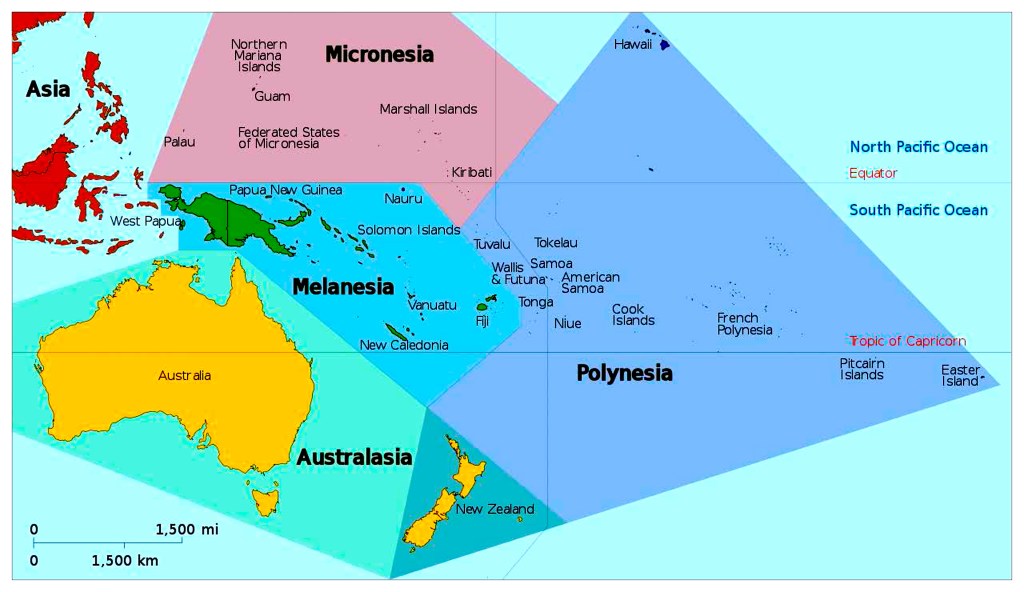
In addition to the designation of Polynesia, the Pacific region is divided into two additional cultural, geological and political regions named Micronesia and Melanesia.

Micronesia is a region in the western Pacific Ocean that comprises thousands of small islands, divided into several countries and territories, including the Federated States of Micronesia, Palau, the Marshall Islands, and Guam. These islands are known for their rich cultural heritage, diverse ecosystems, and strategic geopolitical importance.

Melanesia is a subregion , consisting of several islands located in the southwestern Pacific Ocean. It includes countries such as Papua New Guinea, Solomon Islands, Vanuatu, and Fiji. The region is known for its rich cultural diversity, with over 1,000 distinct languages spoken across the islands, making it one of the most linguistically diverse areas in the world. Geographically, Melanesia is characterized by its mountainous terrain and tropical rainforests.

Modern day Polynesia’s mixed racial populations are a result of those colonial processes, along with the upheavals in the region that resulted from World War Two. Still the islands of the Pacific are popularly viewed as paradise thanks to books like Michener’s Tales of the Pacific, Hollywood movies and television shows like Adventures in Paradise.

Cruising The South Pacific

A number of cruise ships regularly offer itineraries that cross the Pacific, visit Hawaii, Tahiti and the South Pacific islands. For more information on Hawaii click HERE and Tahiti HERE.

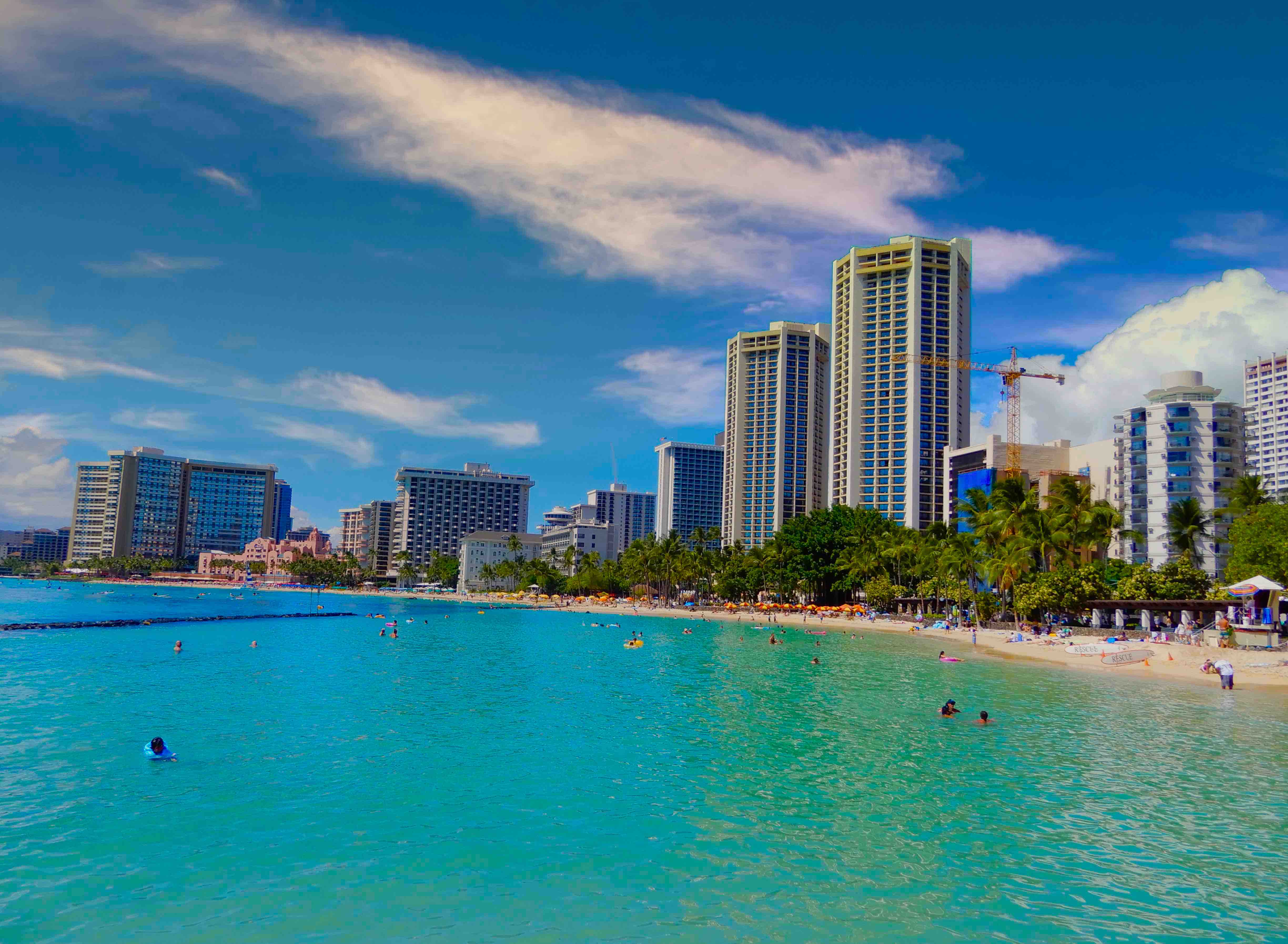
Hawaiian Islands –are part of a small group of Polynesian islands north of the Equator they comprise an archipelago of eight major volcanic islands, including Kauaʻi, Oʻahu, Molokaʻi, Lānaʻi, Maui, and the island of Hawaiʻi itself, which is the youngest and largest among them.Each island showcases its unique character and attractions; for instance, Oʻahu is famous for its legendary surf spots, while Kauaʻi is celebrated for its breathtaking mountainous landscapes. After Japan this archipelago is the most populated and developed in the Pacific Ocean.
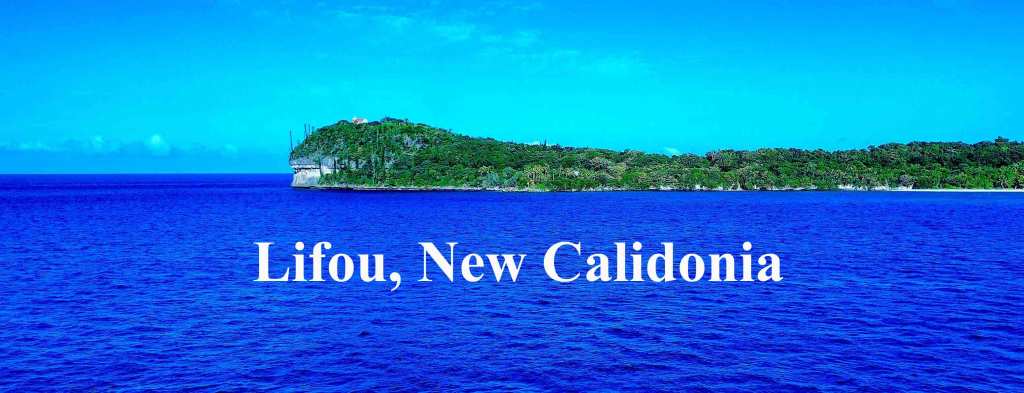
New Caledonia – a French overseas territory located in the southwest Pacific Ocean, known for its unique blend of Melanesian and French cultures. The territory comprises several islands, with the largest being Grande Terre, where the capital city, Nouméa, is situated. New Caledonia is recognized for its stunning biodiversity and extensive coral reefs, which are part of the UNESCO World Heritage-listed lagoon system.
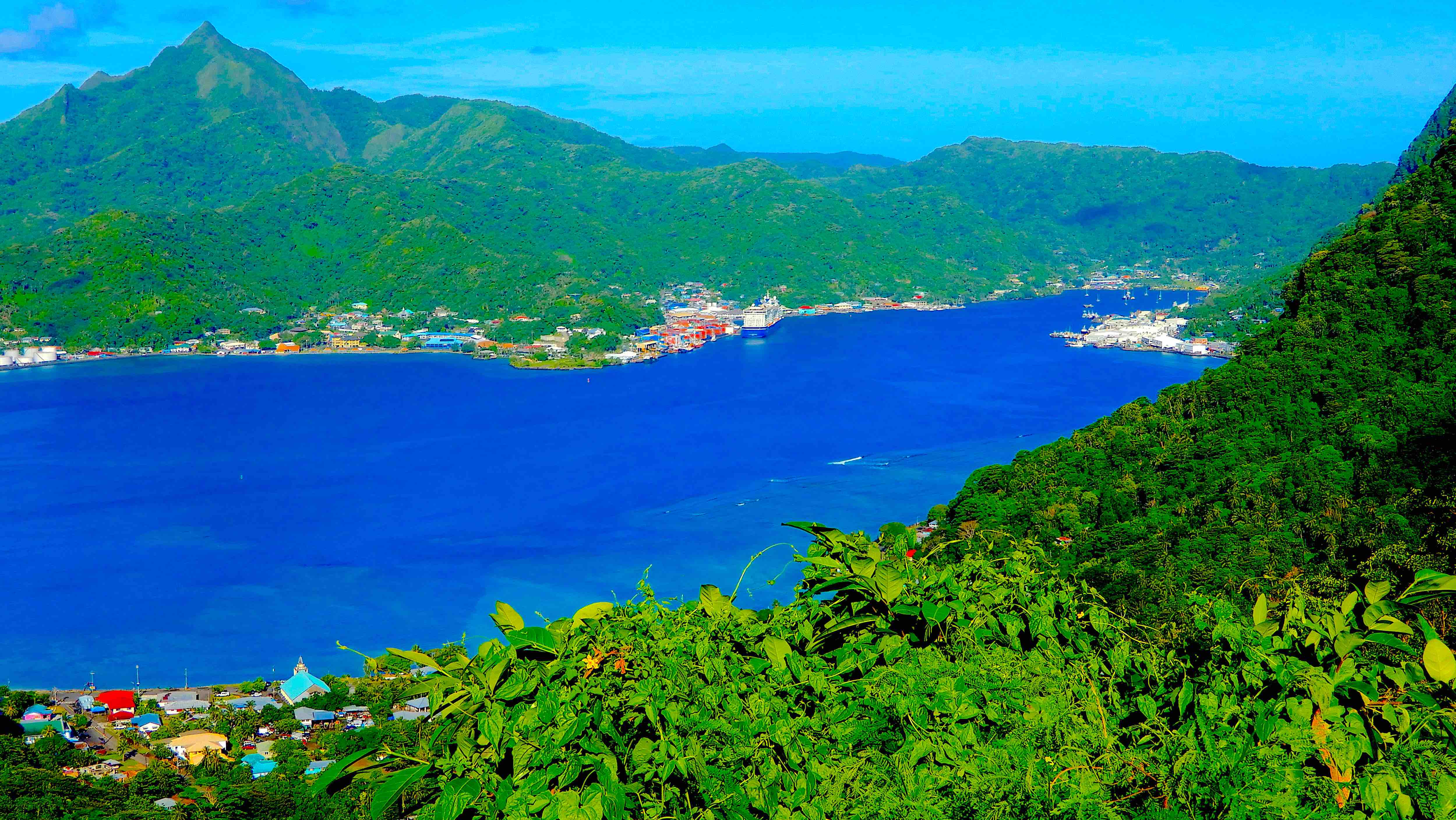
The Samoan Islands – a beautiful archipelago located in the central South Pacific, covering an area of approximately 1,170 sq miles. This group of islands is part of Polynesia and consists of two main territories: Samoa and American Samoa. The islands are situated about 1,600 miles northeast of New Zealand, making them a significant geographical feature in the region.
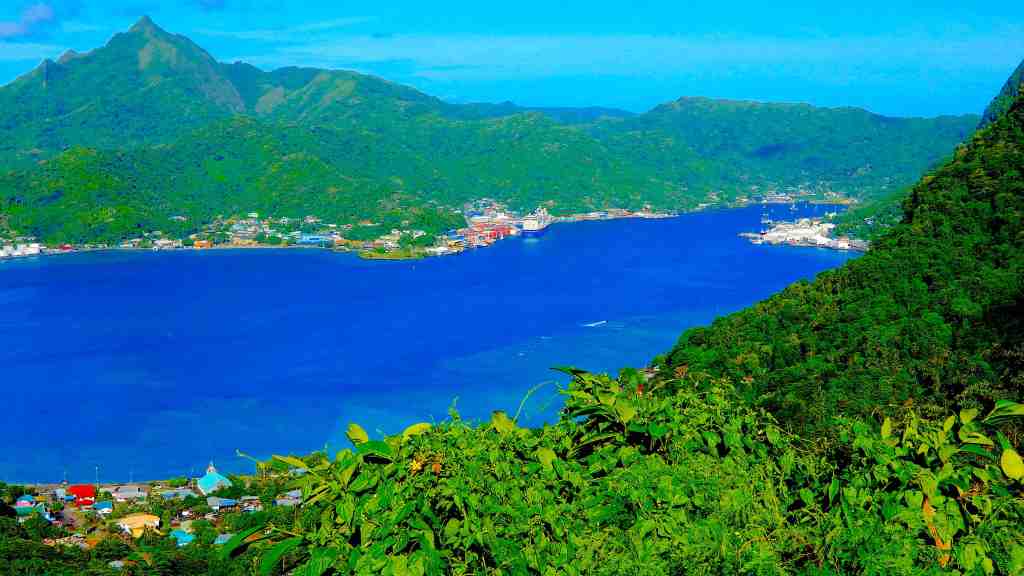
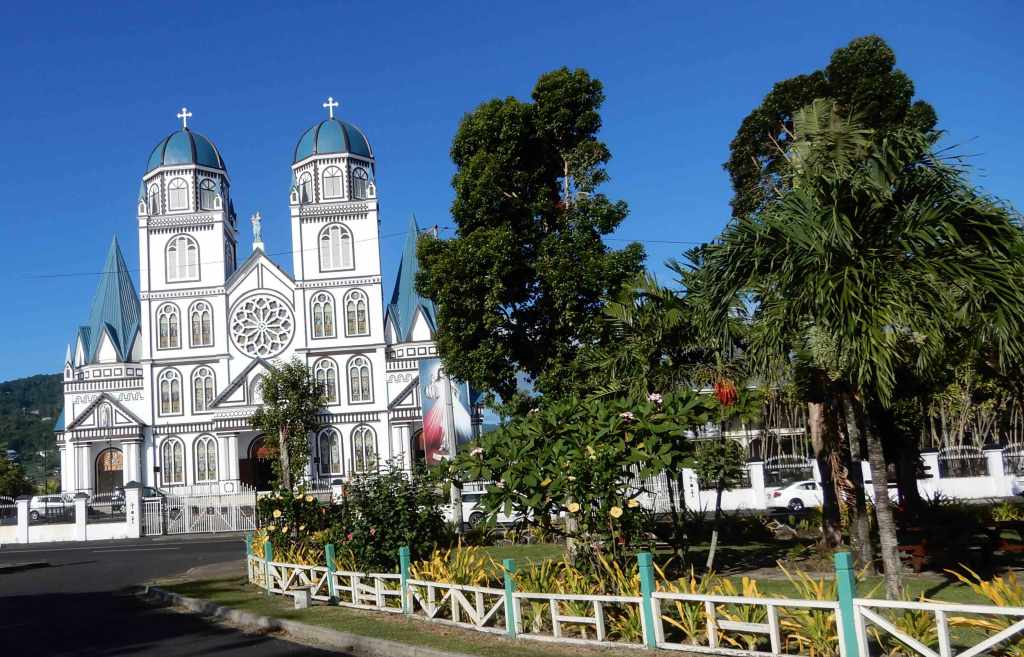
American Samoa
Samoa

Fiji – an archipelago located in the South Pacific Ocean, known for its stunning natural beauty and unique culture. Comprising over 300 islands, the country features diverse landscapes, including mountains, lush rainforests, coral reefs, and beaches, making it a popular destination for tourists. The capital city, Suva, is situated on the largest island, Viti Levu, and serves as the political and economic center of the archipelago nation.
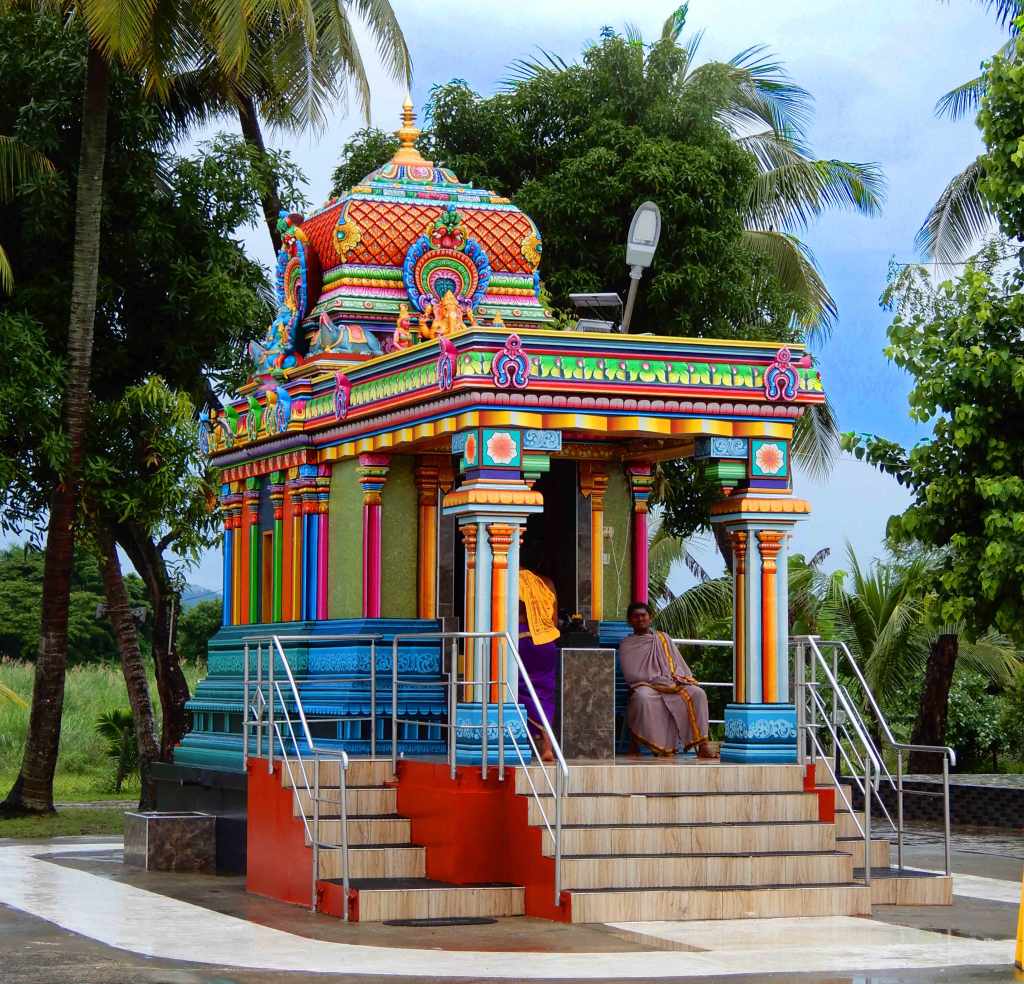
Hindu Temple on Fiji

The Society Islands – a stunning archipelago located in the South Pacific Ocean, part of French Polynesia. Comprising 14 islands, the most notable among them being Tahiti, Moorea, and Bora Bora, each renowned for their breathtaking landscapes, coral reefs and vibrant cultures.
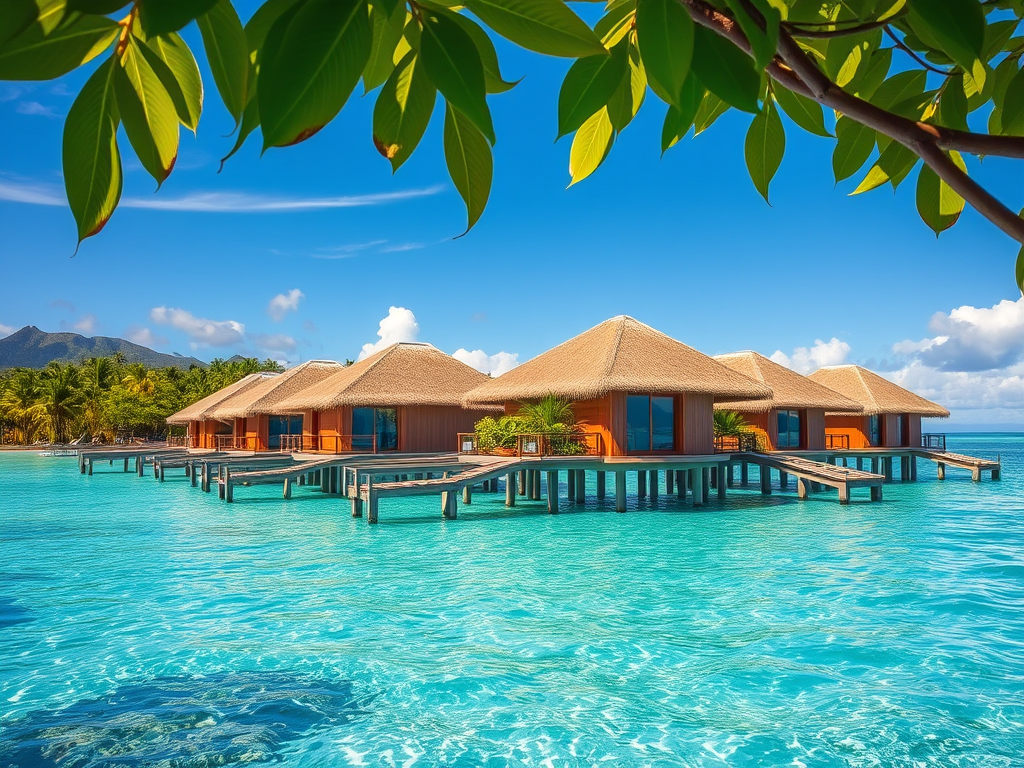
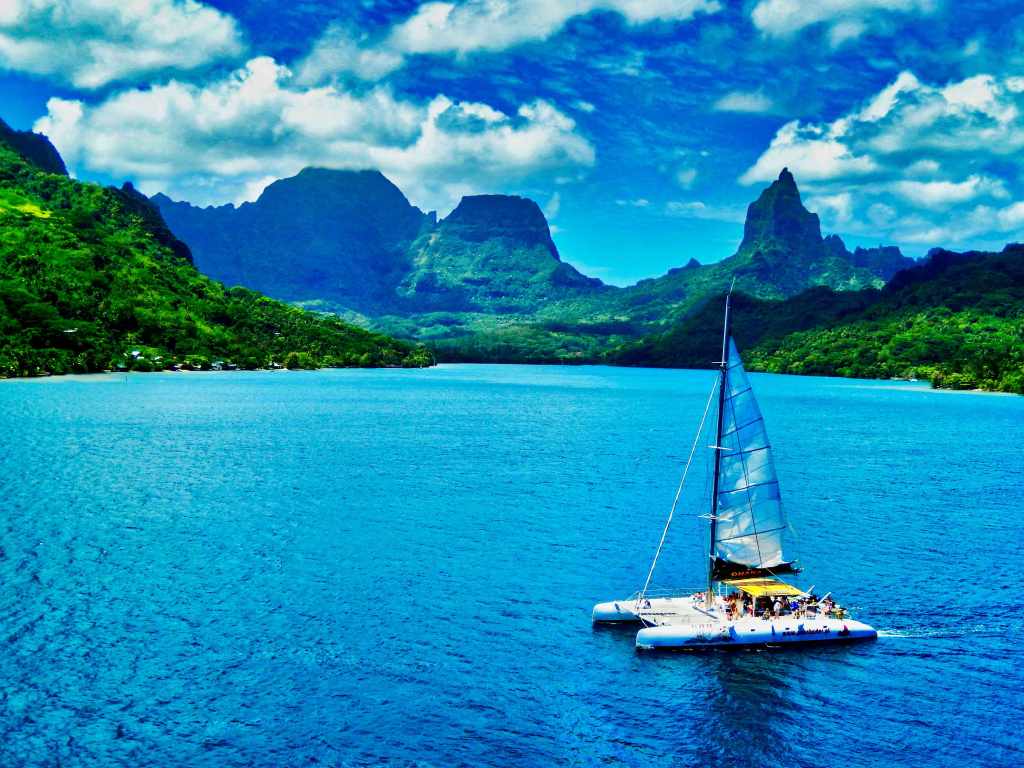
Tahiti

Vanuatu – a South Pacific Ocean nation made up of roughly 80 islands that stretch for 900 miles. The islands are famous for scuba diving coral reefs, its underwater caverns and wrecks of WWII-era ships. Harborside Port Vila, the nation’s capital and economic center, is on the island of Efate. The city is home to the Vanuatu National Museum, which explores the nation’s Melanesian history and culture.

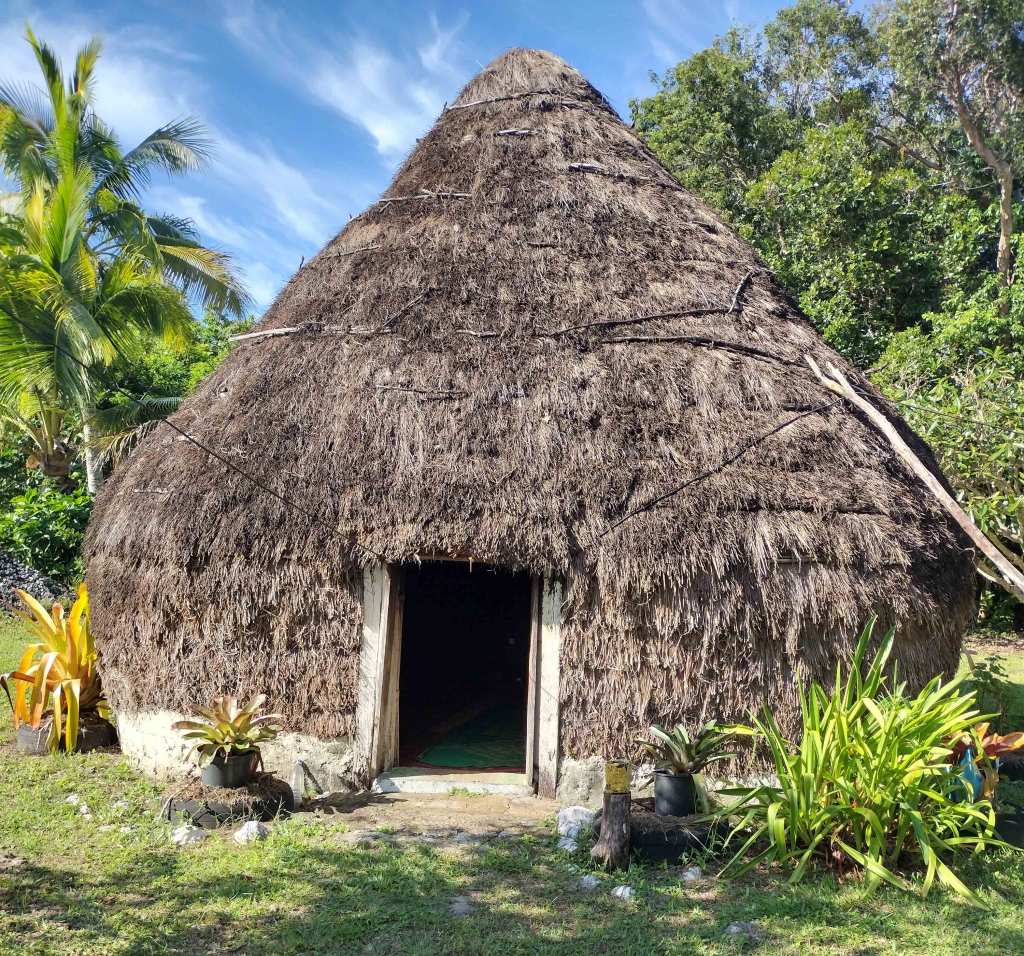
Lifou

Tonga – an archipelago known for its stunning natural beauty and rich cultural heritage. Comprising over 170 islands, the country is divided into three main groups: Tongatapu, Haʻapai, and Vavaʻu. The capital city, Nukuʻalofa, is situated on Tongatapu. Tonga’s unique culture is heavily influenced by its Polynesian roots, which are reflected in traditional music, dance, and art. The Tongan language is widely spoken, and the country maintains a strong sense of community and family values.
Pago Pago, And A Historic Samoan Disaster

A Disaster In American Samoa

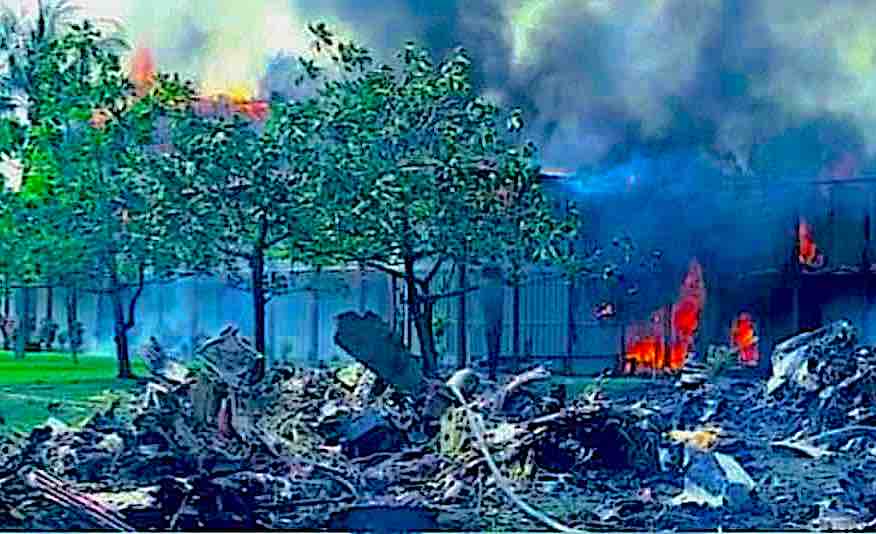
Plane Crashes near Pago Pago hotel

The very size of place has a lot to do with what makes something a disaster instead of perhaps a serious accident. Consider that in a place like Tokyo a traffic accident that kills seven people would be reported in the news but be forgotten in only a few months, while in Samoa with a population of 20,000, it would be remembered for decades. Such is the case of a plane crash in Pago Pago some 45 years ago.

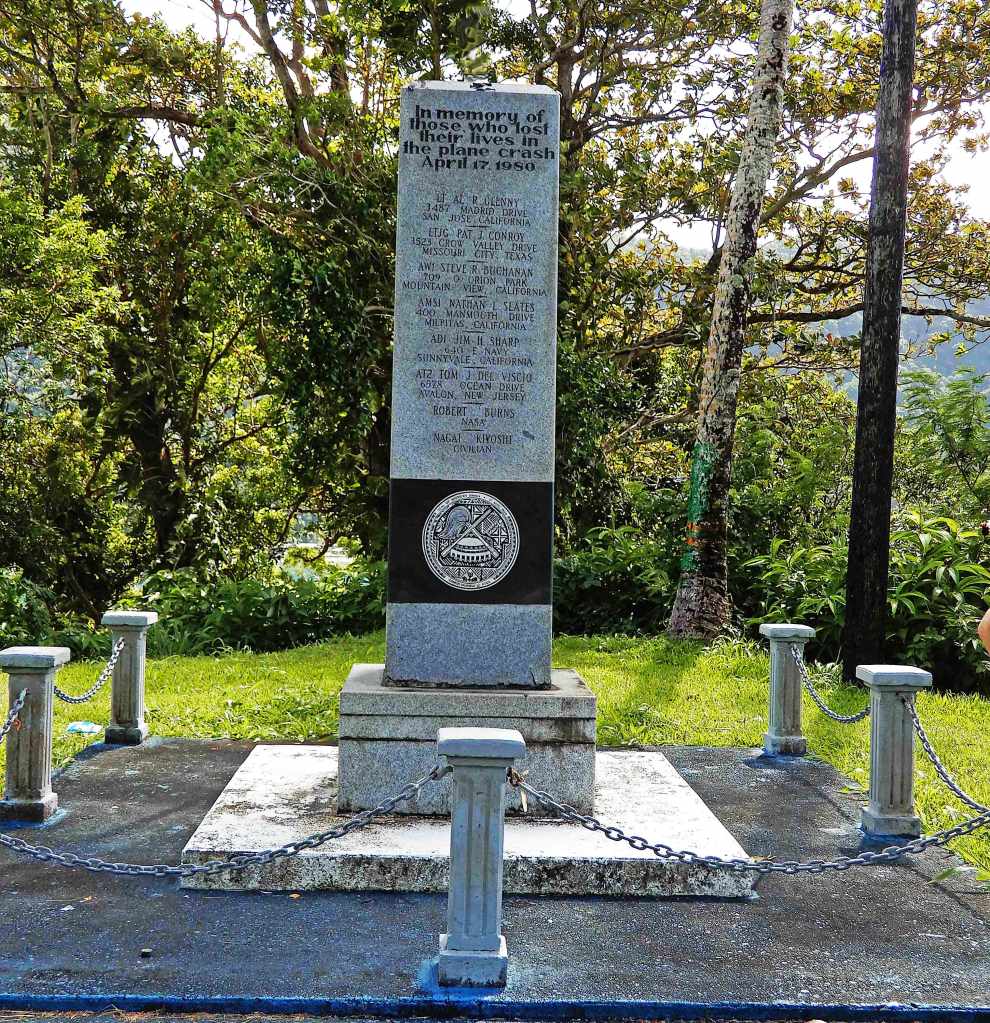
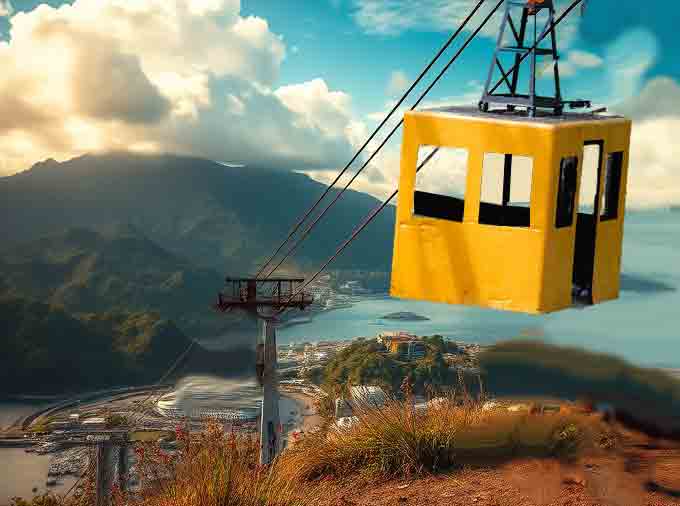
The cable car spanning the American Samoan harbor of Pago Pago was a favorite tourist attraction in the 60s and 70s, until a military accident on April 17, 1980. It was a U.S. Navy plane inbound to the Pago Pago airport that snagged the cable car cables and crashed outside the historic Intercontinental-Rainmaker Hotel during Samoa’s Flag Day celebration in the capital. The U.S. Navy in Honolulu reported seven persons died in the resulting crash, including all six crewmen on the plane and a visiting tourist on the ground.

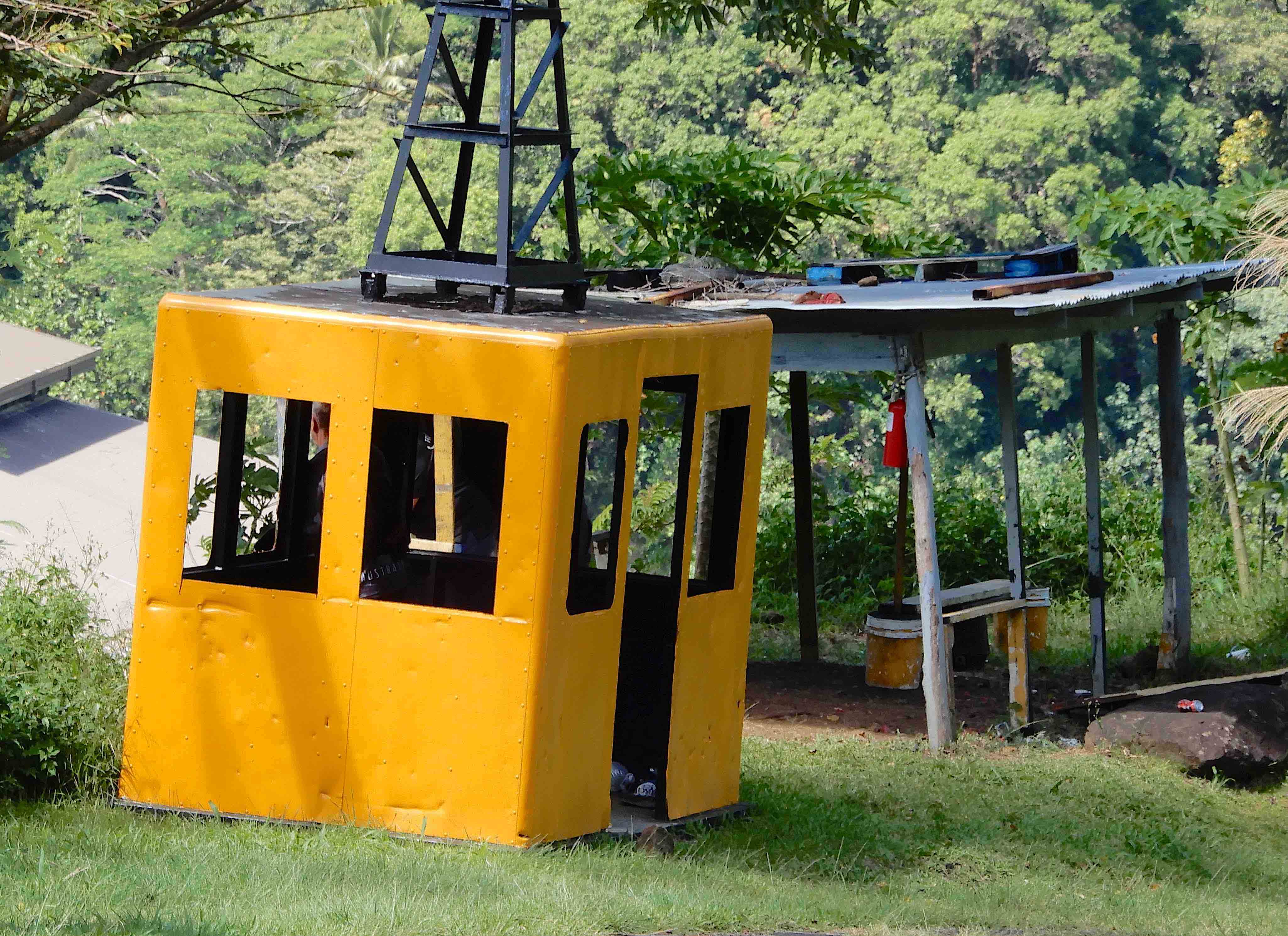
At the time, as it spanned the harbor, it was the longest cable car in the world over water. After the disaster a monument was erected on top of Mauga o Alii hill in memory of those who died and nearby sit the rusting remains of the cable support structure and a cable car. The cable car has never been repaired or replaced and hasn’t operated since the accident.

Before the disaster visiting cruise ships would sail under the cable car stopped in the middle of the harbor while flowers were thrown down onto its decks. It’s been recently reported that the government is looking into the feasibility of restoring and upgrading the cable car to put it back into service with maybe a zipline coming back across the harbor and perhaps a restaurants and visitors center on top of a mountain. It was a popular tourist attraction, and could be a popular tourist attraction again.


Where Sydney Shops Since 1898

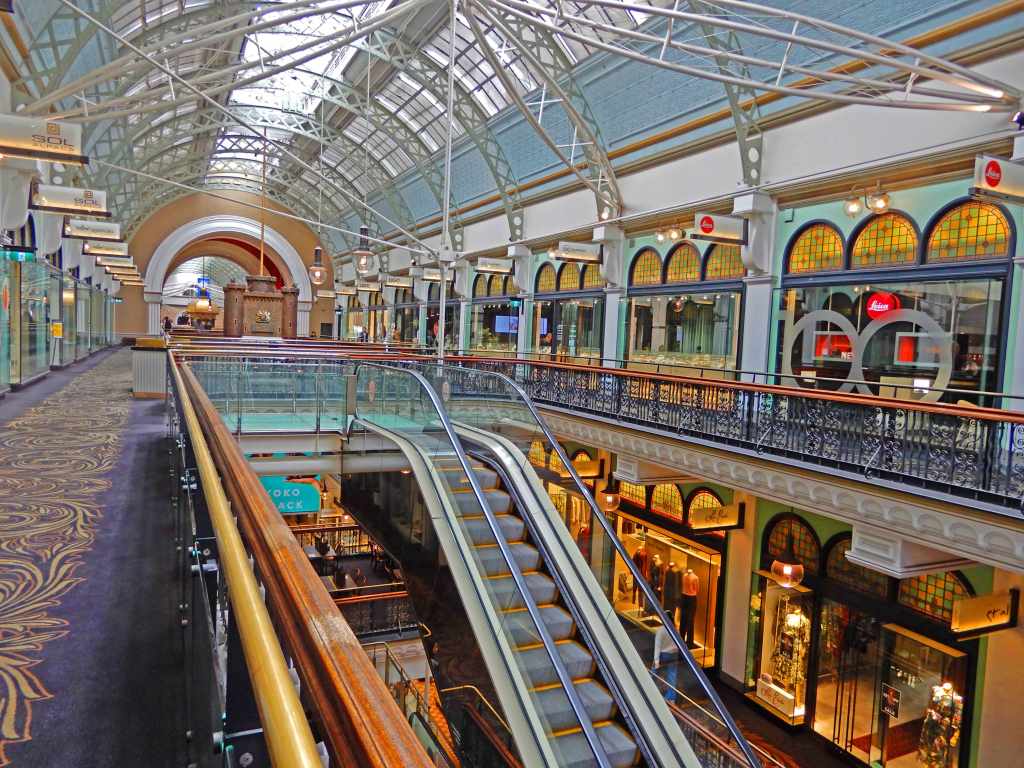
The Queen Victoria Building In Sydney, Australia

It may not be Sydney’s most iconic architectural achievement, nor the number one tourist attraction but mention QVB to any Sydneysider and you’re sure to get a reaction. It’s not just a shopping center it’s a historic landmark with it’s own city tram stop.

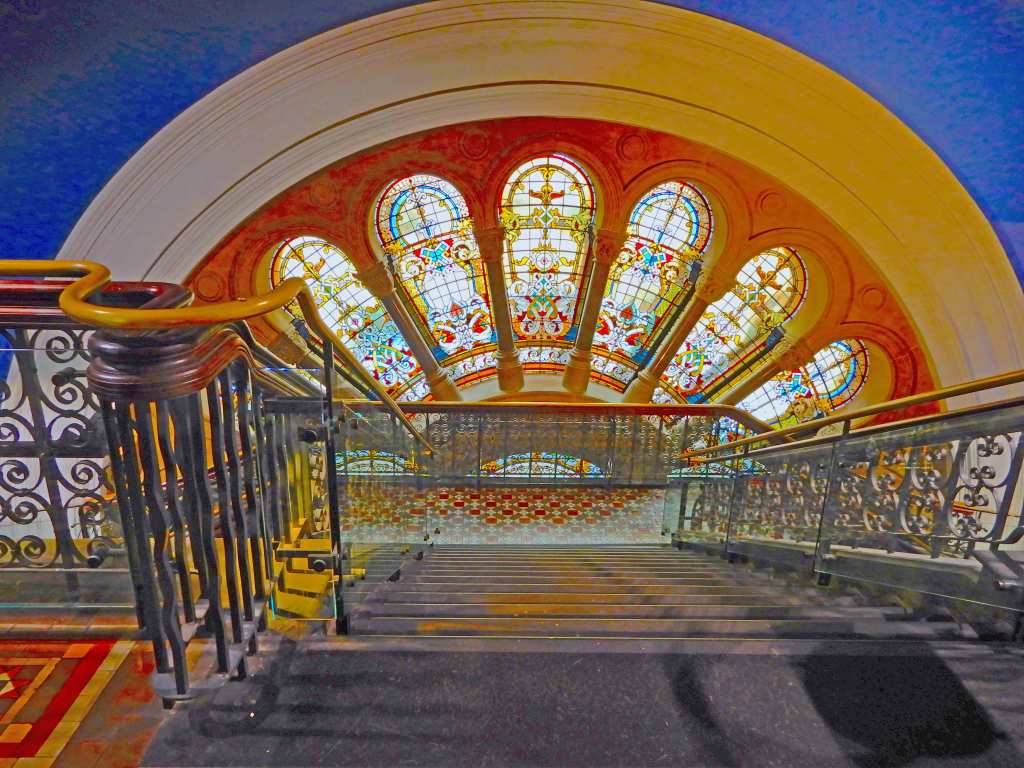
The Queen Victoria Building (QVB) in Sydney is a historic shopping center known for its stunning architecture and vibrant atmosphere. Completed in 1898, the building was designed by architect George McRae in the Romanesque style, featuring a distinctive dome and intricate stained glass windows. Initially intended as a marketplace, the QVB has evolved into a premier retail destination, housing a variety of high-end boutiques and cafes.

The building underwent significant restoration in the 1980s, which helped preserve its historical features while modernizing its facilities for contemporary use. Today, the QVB is not only a shopping hub but also a popular tourist attraction, drawing visitors to its architectural beauty and historical significance. Visitors can explore its many levels, which showcase both local and international brands, as well as enjoy cultural events and exhibitions held within its walls. Overall, the Queen Victoria Building stands as a testament to Sydney’s rich history and architectural heritage.

Current stores include popular premium names along with a number of very exclusive shops, several cafes and food venues. For the current QVB directory click HERE.

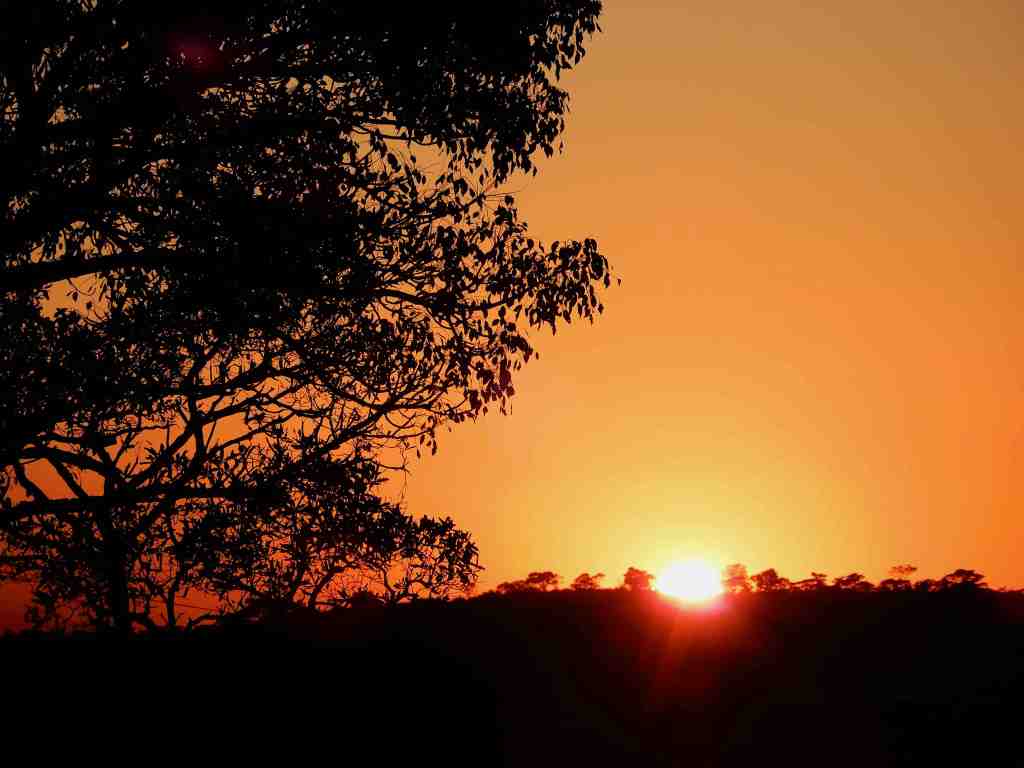
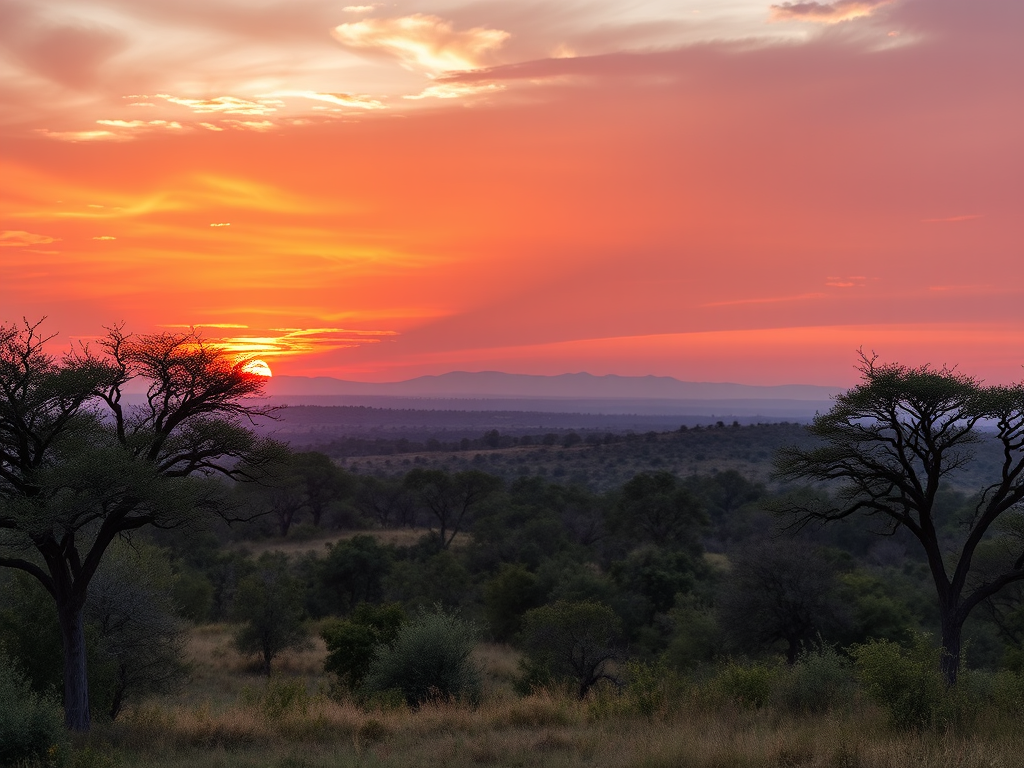
Todays Image • An African Sunrise

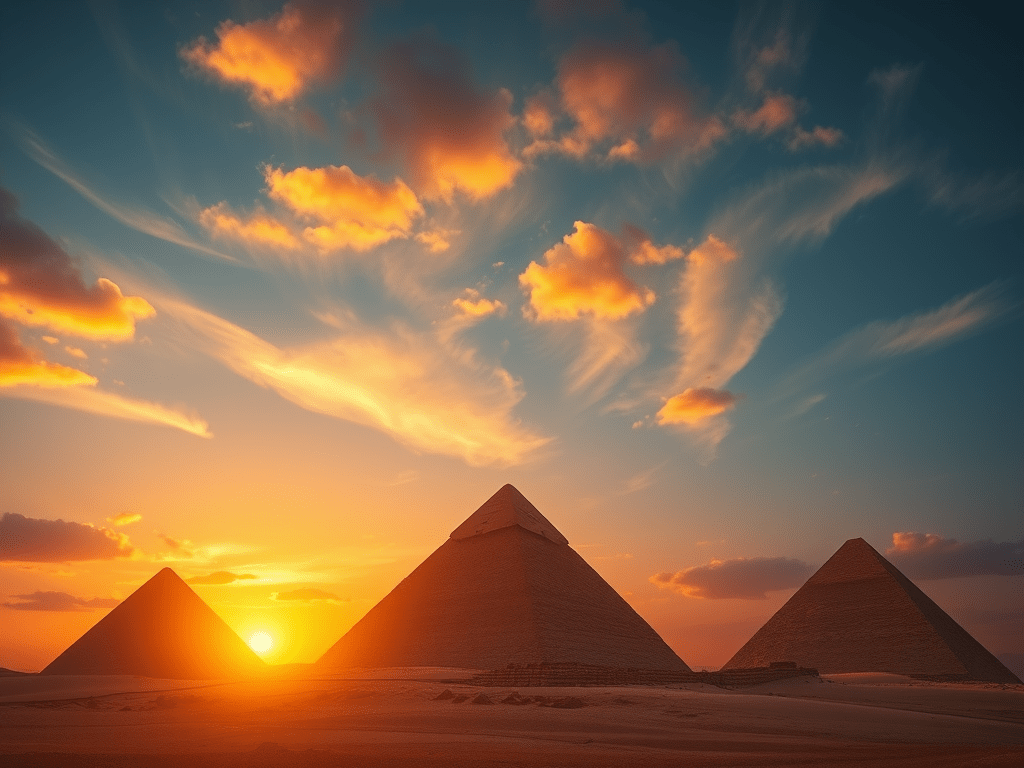
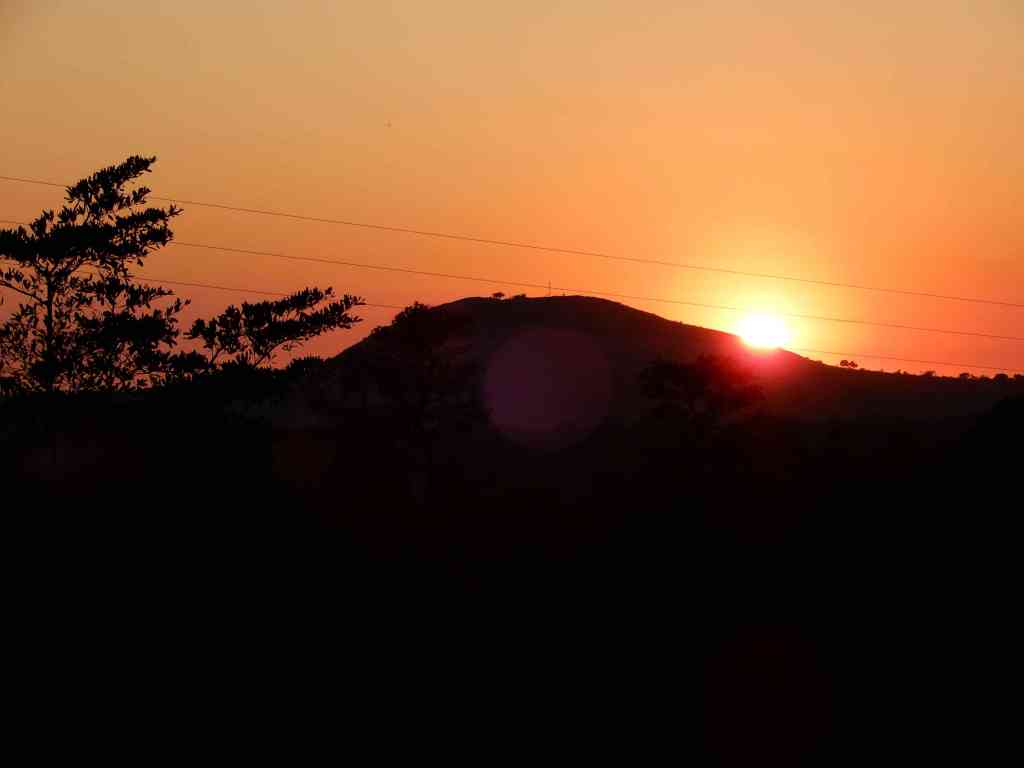
Maybe it’s the climate or perhaps it’s something to do with the landscape but South Africa seemed to have the most amazing sunrises.

Sunrise Kruger National Park

Often people we meet have praised sunrises over the Sahara as the best they’ve seen but on a recent trip we felt that often getting up for a Sahara sunrise wasn’t worth the lost sleep compared to sunrise in South Africa from Kruger to the Cape of Good Hope…

Sahara Sunrise

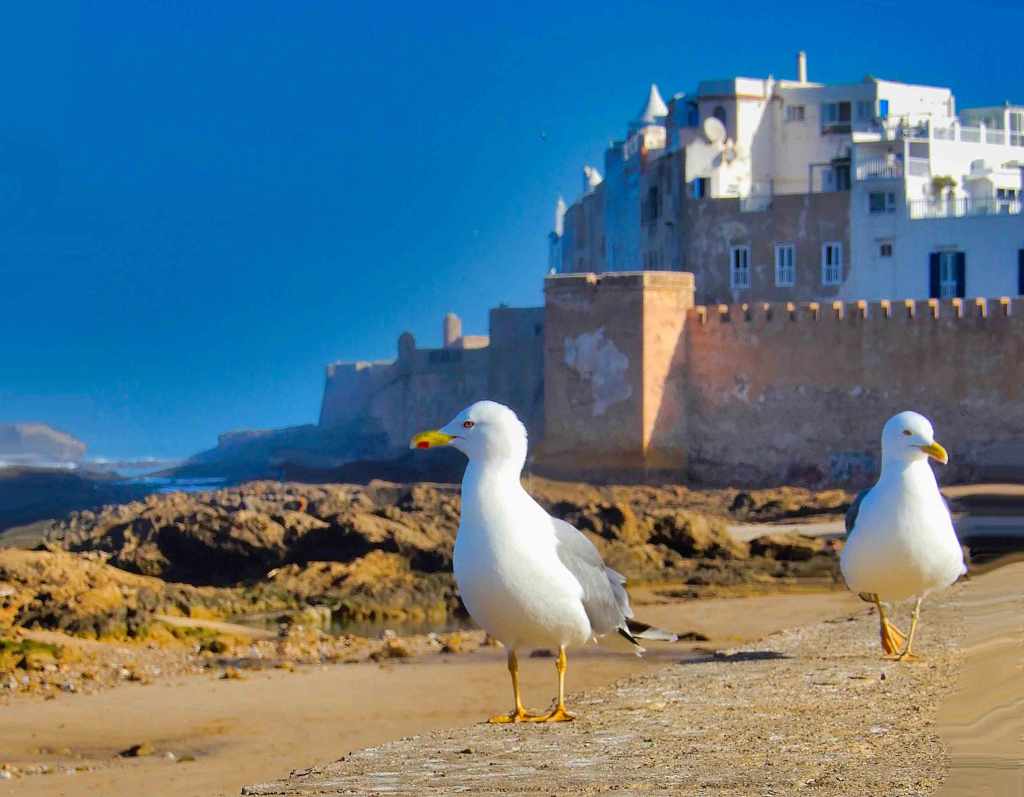
Todays Image • Seagulls Essaouira, Morocco

Seagulls walk the sea wall in front of the fortified city of Essaouira

On the northwest coast of Morocco is the Atlantic coastal city of Essaouira that’s a popular beach resort of historic importance. Essaouira’s history goes back at least 2,500 years, with the first mention found in the 5th century BC. It became a trading post, later fortified with a medina and expanded by King Juba II. The Portuguese expanded the fortress there in the 16th century, when the city was known as Mogador. In the 18th century, Sultan Mohammed III commissioned the construction of a modern port.

A Moroccan medina is a historic district found in many Moroccan cities, often located inside a walled area and characterized by narrow, winding streets, with vibrant souks. These medinas often feature a blend of Islamic and Berber influences, showcasing intricate tile work, ornate doorways, and bustling public squares or souk. A Moroccan souk is a traditional open-air market, a central hub of daily life in Moroccan cities and towns. Souks are not just shopping destinations but also social gathering place.

In Samoa Flying Foxes Rule The Sky


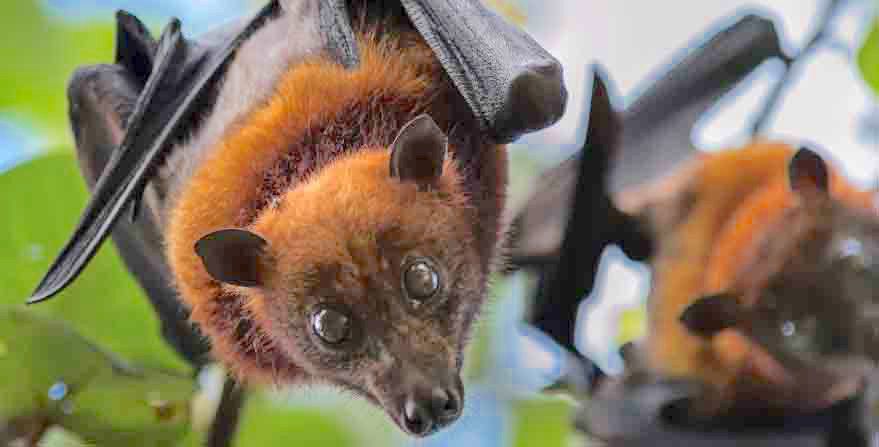
Because of the isolated nature of the South Pacific islands there is very little in the way of native land mammals to be found. The Samoan islands are typical with the Samoa flying fox and two other bats being the only wild mammals. Compared to other environments around the world there is little diverse birdlife in Samoa, with honeyeaters, doves and the tooth-billed pigeon (Didunculus strigirostris) being the most common. Most wildlife associated with these islands are migratory sea birds and marine life like sea turtles.

Several flying foxes in a tree

Samoa’s native mammals are limited to three species of bats, which are crucial to the ecosystem. The Samoa flying fox, also known as Pteropus samoensis, is the most common native species and is a species of fruit bat found almost exclusively on these islands. This bat plays a crucial role in the ecosystem as a pollinator and seed disperser, contributing to the health of tropical forests. The are particularly striking due to their size, with wingspans reaching up to 3 feet. They are active both day and night, making them a unique sight in the Samoan sky.

American Samoa

The Intentional Travelers Guide to over 150 cruise ports of call