
The French Society Islands, An Adventures in Paradise
This group of islands is deep in the Pacific Ocean south of the Equator, making the French Society Islands a bit remote for regular cruise itineraries. A majority of cruise itineraries stop here as part of trans-Pacific repositioning cruises.
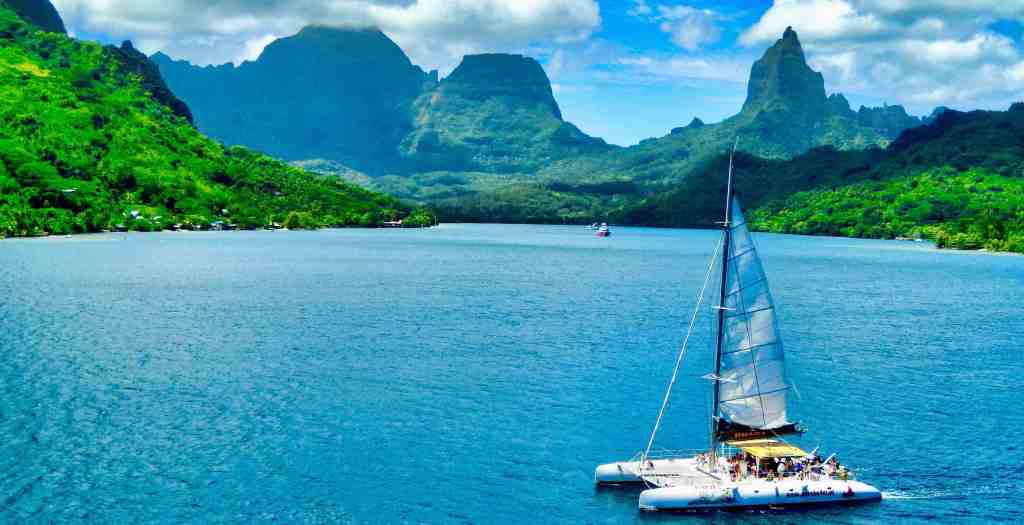
They’re named the French Society Islands, but they are better known by the individual island names Tahiti, Bora Bora and Moorea with Tahiti being the largest. Tahiti and its sister islands attract most visitors to its crystal clear waters, spectacular coral reefs and upscale beachfront and over-water resorts and most come to stay for a week or more. These islands also provide a rich blend of natural beauty, cultural experiences, and thrilling activities for all types of travelers.
Tahiti is part of a volcanic chain formed by the northwestward movement of the Pacific Plate over a fixed hotspot similar to the process that formed the Hawaiian Islands. Tahiti consists of two old volcanoes—the larger Tahiti-Nui in the northwest and Tahiti-Iti in the southeast connected by an isthmus. Tahiti-Nui was the first eruption that formed Tahiti as a volcanic shield cone between 1.4 million and 900,000 years ago. Tahiti-Iti probably formed about 250,000 years later.
Where Your Ship Docks
In Papeete, Tahiti there are piers capable of docking large cruise ships right in the center of Papeete’s waterfront. Within a couple of blocks there are public facilities an the outdoor market building and numerous shops.
For visiting Bora Bora and Moorea ships will anchor out and use tenders to take passengers ashore. While both of these islands are famous for their resorts they are still significantly rural without much of a central town. Near the tender docks on both islands there are some shops and facilities and usually craft stalls are set up nearby when cruise ships are visiting
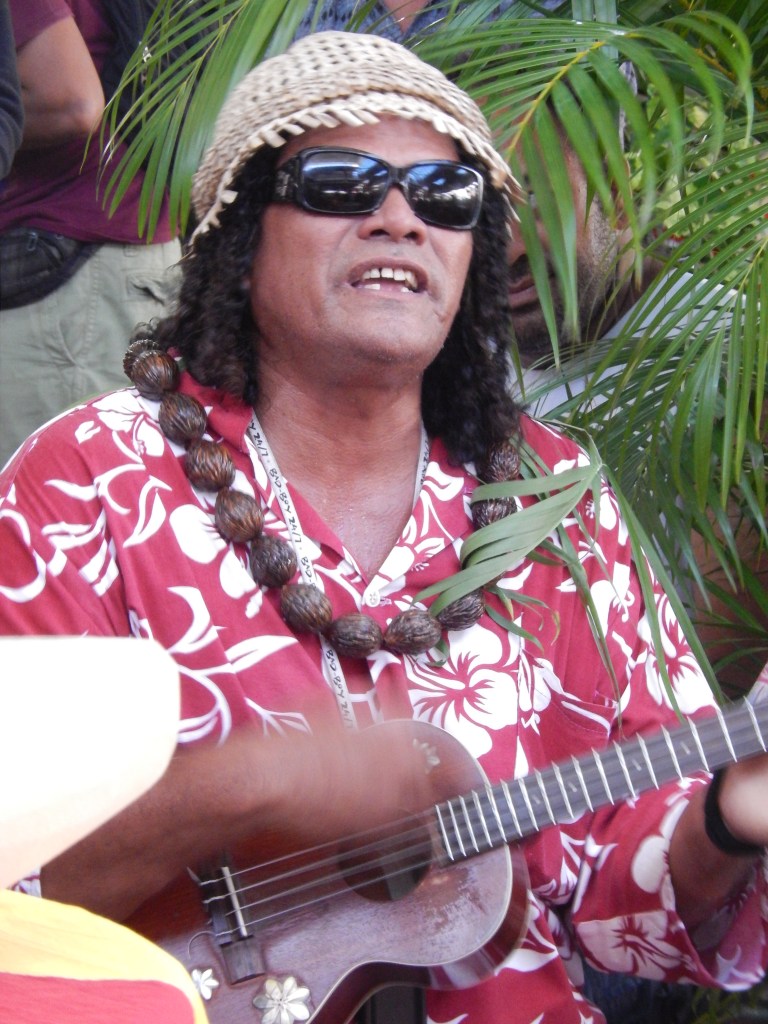


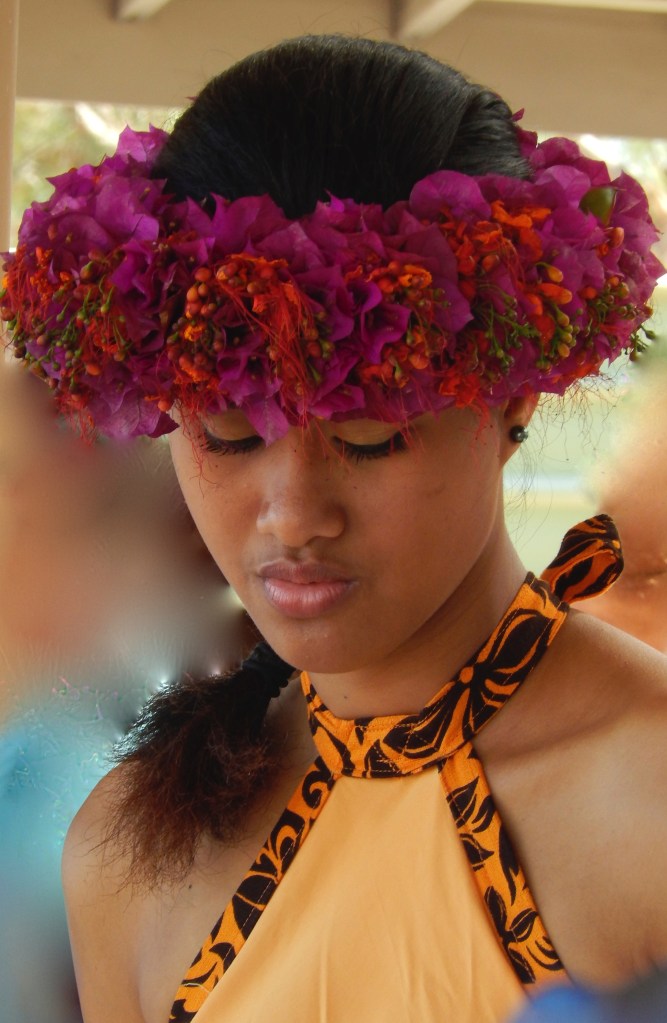
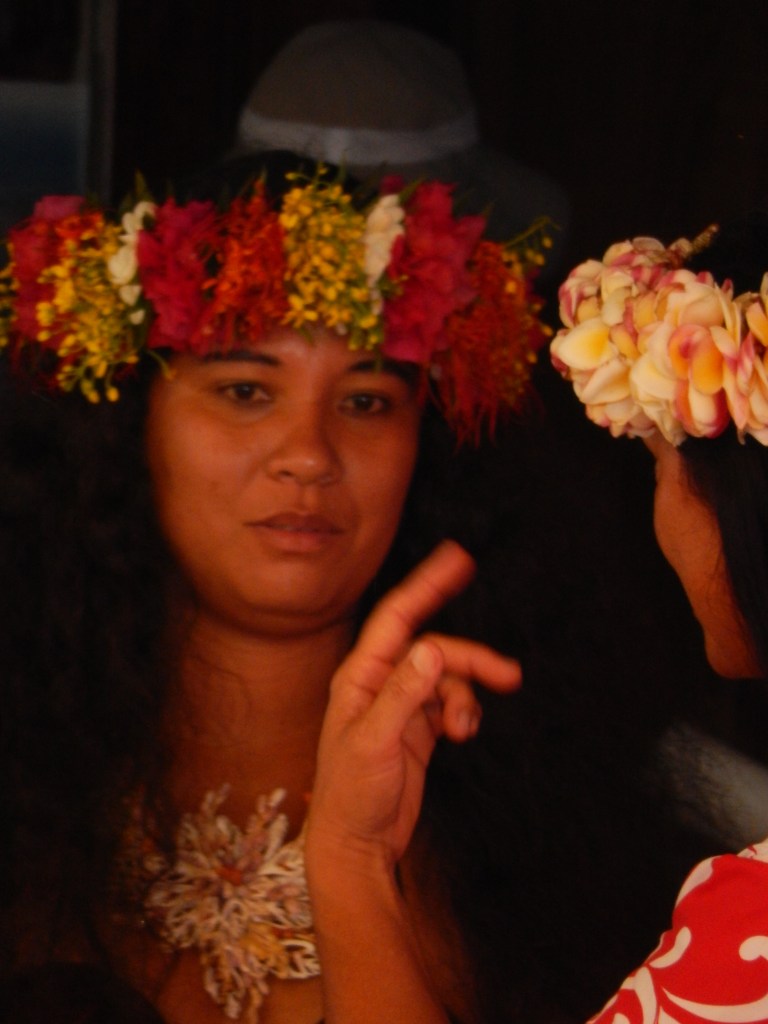

Tahiti has a long and rich history. The islands were first settled by migrating Polynesians as early as 500 BC. They were later discovered by European explorers during the 16th century but there is controversy over who was the first. The islands were eventually colonized by France and remain French today. In August 1768, Captain James Cook set sail from England to visit Tahiti to observe the Transit of Venus across the Sun and mapped several island groups in the southern Pacific that had been previously discovered.

Getting Around – Except for taking a ships tour, the best way to see these islands is to rent a car. There are several major rental companies and day rates are moderately priced.
On average, expecto bethe cost of a rental car is around $45 per day, although prices can start as low as $26 depending on the provider and the time of booking. Major rental companies such as Avis operate at the Papeete Airport, offering services from early morning until late at nigh.
For those planning visiting nearby Moorea or Bora Bora, there are options to rent a car in Papeete and take it on the ferry, or you can choose to rent directly on Moorea for convenience. When booking, it’s advisable to compare various rental deals to find the best rates and watch out for hidden fees. Besides the major rental companies there are some local choices:
- Tahiti Rent / Parc Tahiti 689 87 73 47 86
- Tahiti Easy Car 689 87 72 19 75
- Pacifica Rents Aéroport de Tahiti
Language – The islands official language is French and outside of the resorts few locals speak English so you may have issues being understood.
Money – The islands use the French Pacific Franc equal to about one US penny. Some places will accept Dollars but don’t count on it. Credit cards are welcome almost everywhere. and ATMs are available.
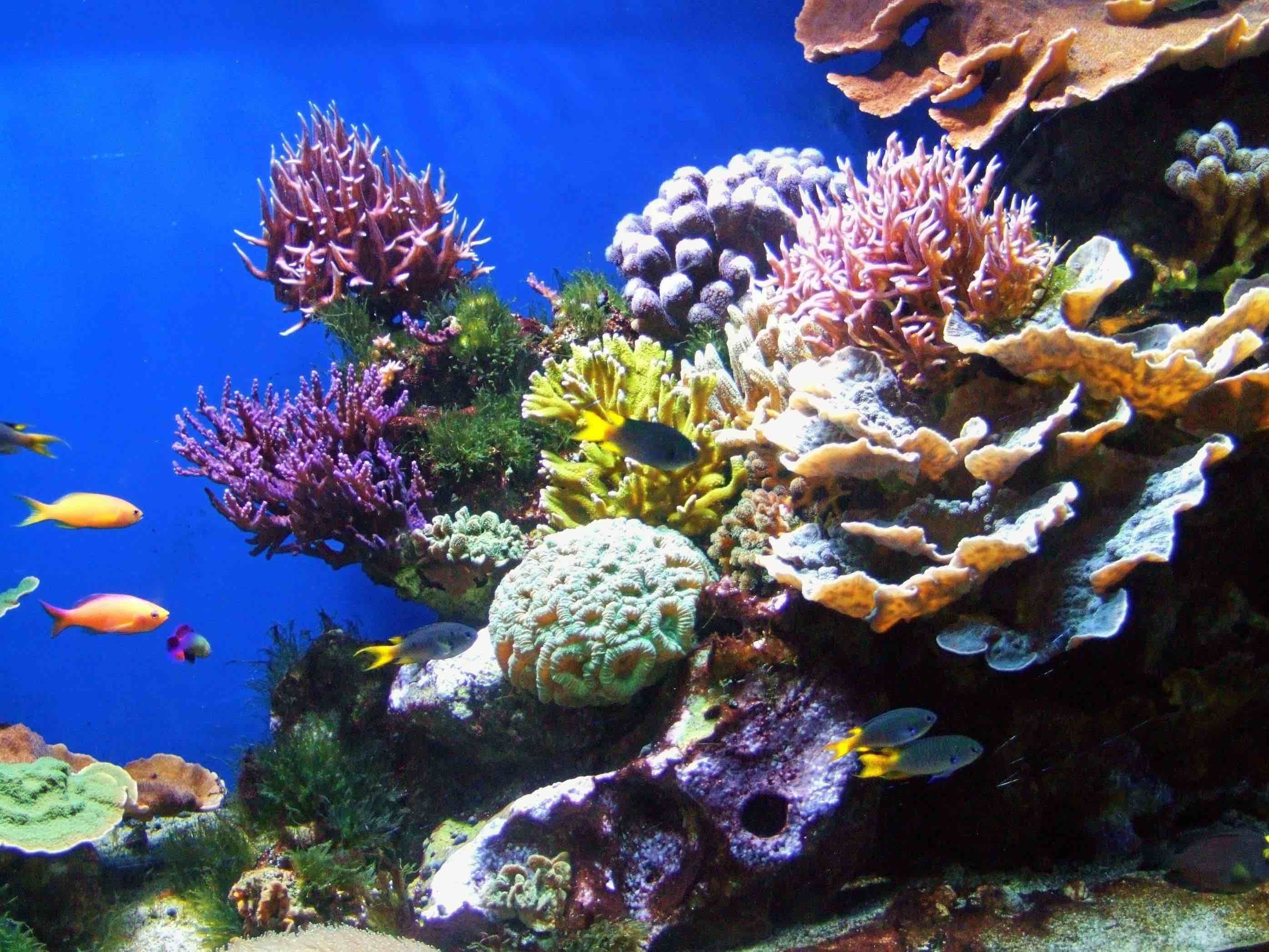

Diving & Snorkeling
Diving in Tahiti offers an extraordinary experience for both novice and experienced divers, with diverse underwater landscapes and a rich marine ecosystem. The Tuamotu Archipelago is particularly renowned for its stunning coral reefs and deep walls, making it a top destination for diving enthusiasts-

Attractions & Annual Events
Farerei Haga – Mid September, a cultural and tourist event takes place over a whole week with the contribution of the surrounding atolls. Fields days coconut husking, stone lifting, braiding. Evenings: traditional songs and dances. Tourists are encouraged, the event is free and located on the Papaputa land.
Pacific International Documentary Film Festival – Early February the FIFO is the audiovisual event that makes Tahiti the documentary film capital of Oceania. It brings a selection of documentary films before an international jury. A succession of film screenings, free workshops, conferences.
Moorea Marathon – In late October is the most important sports event on the island of Moorea. The Moorea Marathon since 1988 welcomes runners from all over the world and its course ranks it among the worlds most challenging.
The Tahiti Pearl Regatta – in mid May a sporting regatta that brings together between 40 and 50 sailing boats, or 250 to 300 crew members from around the world.
Papeete, Tahiti celebrates the Mutiny on the Bounty Festival each year in late October which usually offers an opportunity to hear lectures on history, buy T-Shirts, souvenirs and books. Papeete is the governmental center of The Society Islands with Jardin de l’Assemblée de la Polynésie Francé being the house of the assembly.

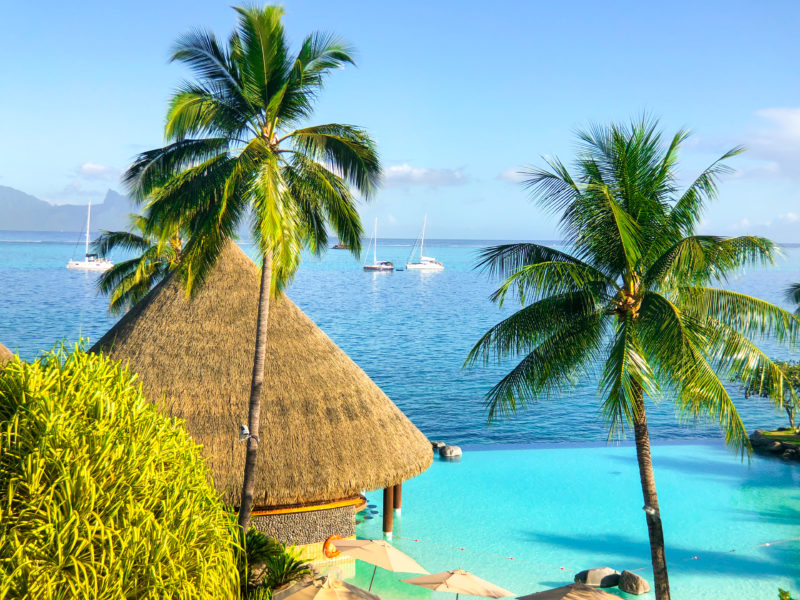
While Tahiti is short on historic sites there is the Notre Dame Cathedral, a historic building with a mix of Colonial and Gothic styles. It is a Catholic church opened in 1875 and is noted for housing three bells in its tower. The truth is that most people don’t visit these islands for history but for the beaches and clear azure waters and coral reefs. The islands are surrounded by coral reefs that act to protect these islands from storms and the diving is some of the best in the world. There are fewer resorts on Tahiti than the other islands with only three really highly rated hotels, the InterContinental Resort Tahiti being the top rated.
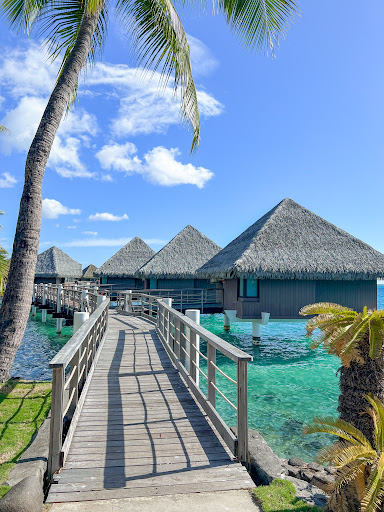
Bora Bora seems to offer the better selection of beaches with a dozen four star resort properties including the iconic Bora-Bora Pearl Beach Resort with its over water bungalows (in season rates start at US$600 a nite).
While Moorea is beautiful it’s Bora Bora that steals the show for scenery. It includes breathtaking towering peaks, natural lagoons and spectacular coral reefs circling the island. If you’d like to spend time in these islands this is the island to come back to.

The Intentional Travelers Guide to over 150 cruise ports of call












 The Intentional Travelers