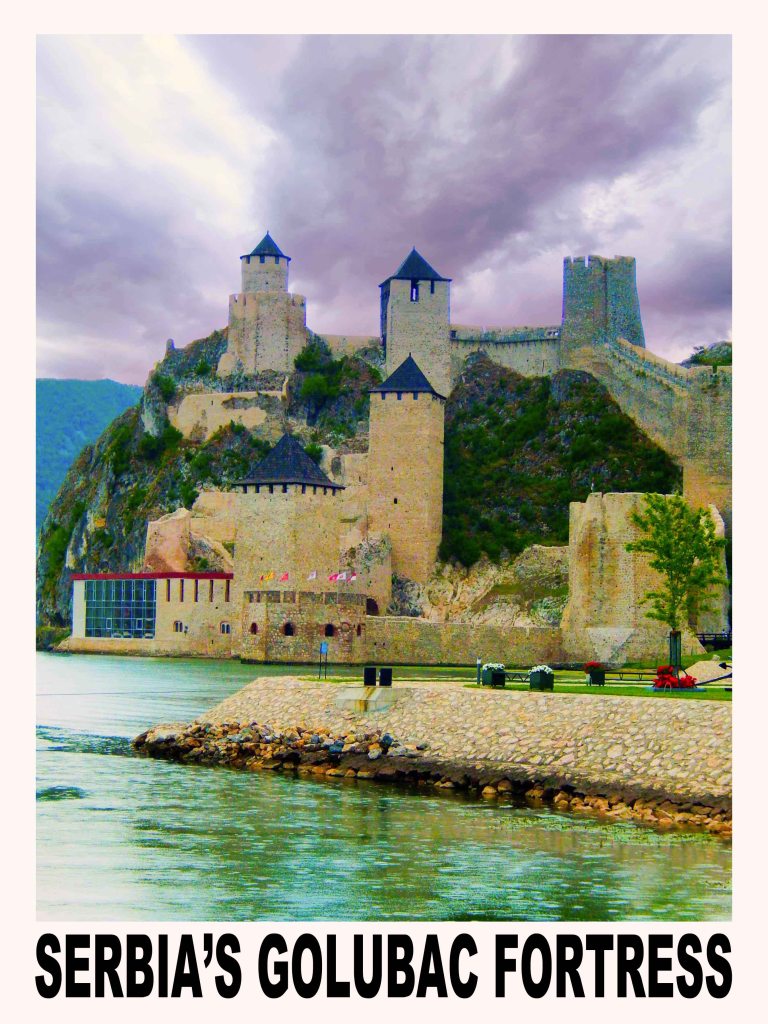
In Serbia the Golubac Fortress stands watch on the Danube River. It guards the entrance to the Iron Gate, the largest river gorge in Europe that cuts through the Carpathian mountains These giclée prints will soon be available in several sizes and styles, custom printed for each order on archival paper using fade resistant inks.
Join us as we visit historic treasures, natural wonders and vibrant cities set against backdrops that are endlessly changing and visually magnificent. Celebrate a world of travel experiences with these decorating accessories that are perfect for framing.
The Capital of Portugal, Lisbon is a fascinating city full of history, monuments, impressive bridges and vintage street cars. And these are just a few of the reasons that draw people to this extremely interesting city. Lisbon is built up the steep sides of several hills that provide magnificent views from their tops. Several of these “miradouros” (viewpoints) are capped with parks and overlooks offering memorable vantage points high above Lisbon.
Join us as we visit historic treasures, natural wonders and vibrant cities set against backdrops that are endlessly changing and visually magnificent. Celebrate a world of travel experiences with these decorating accessories that are perfect for framing.
Haven’t Joined Us Yet? We Promise To Make It Worth Your While.
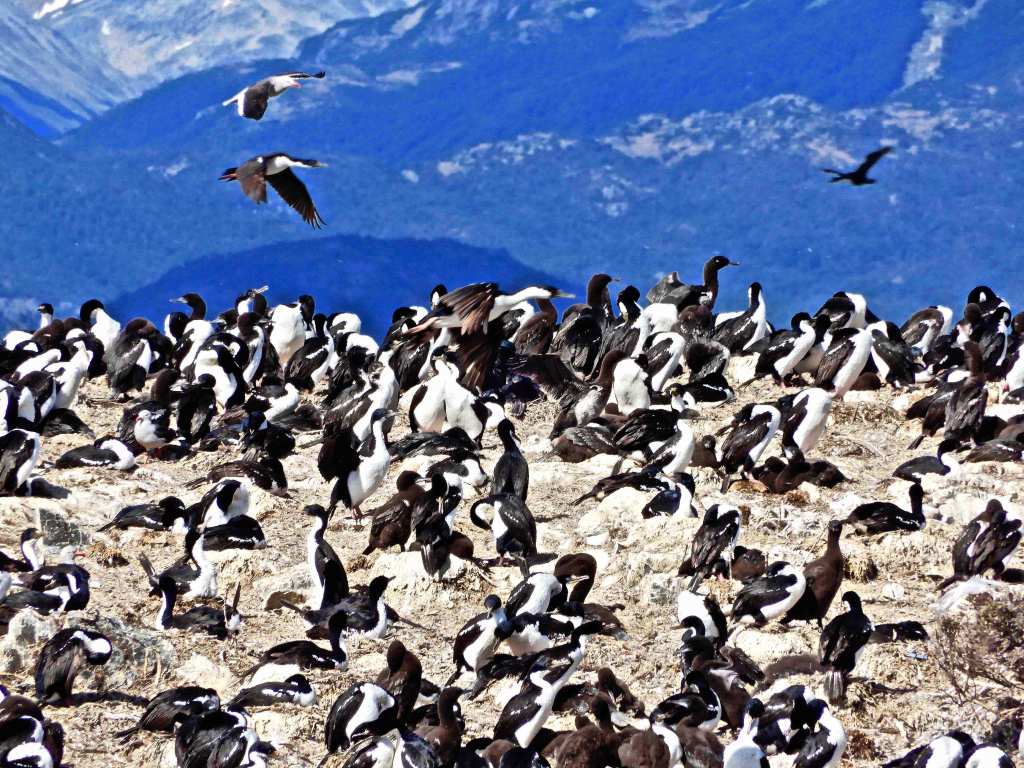
Nesting season in the Southern Hemisphere is usually January through April and on a visit to Terra del Fuego and the Beagle Channel it was difficult to wrap our heads around the sheer numbers of seabirds everywhere.
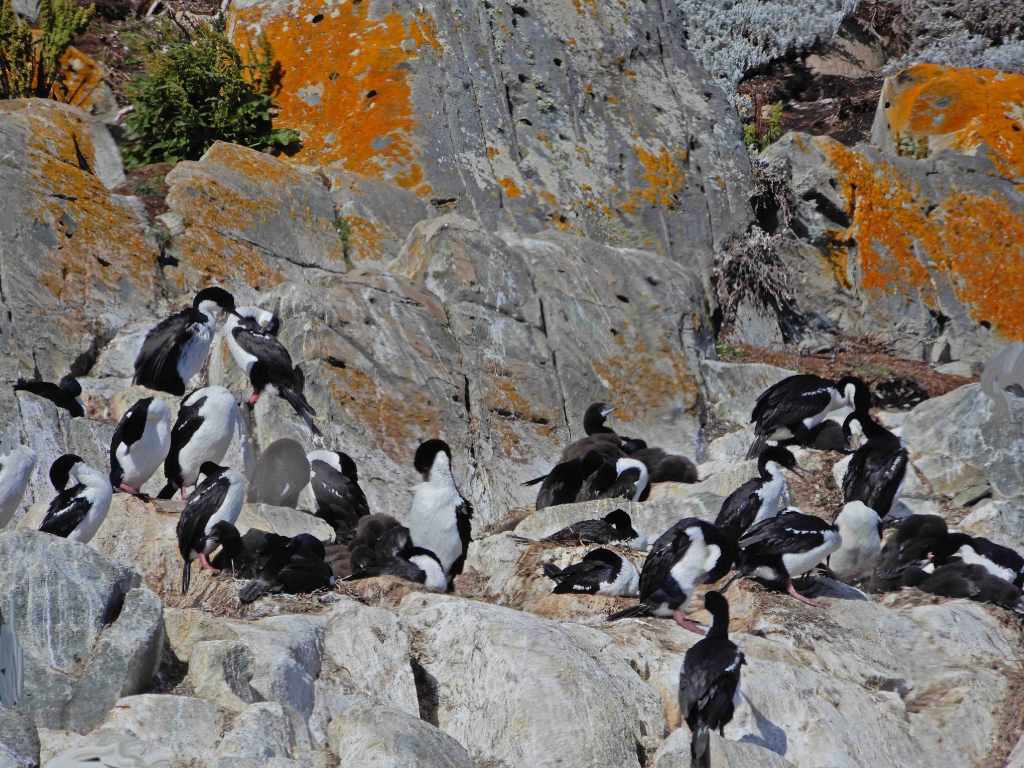
Magellanic Cormorants are hardy and rather shy sea birds, building nests on steep cliff faces overlooking the water. They are less gregarious than other cormorant species and often nest in single pairs rather than in colonies.
This is a seabird that feeds in marine waters and the range of the Cormorant is limited to coastal areas, and is not typically found away from large bodies of water.
Looking for good information on ports of call? Descriptions on using public transportation or visiting international cities? Sign up and follow us as we explore the world.
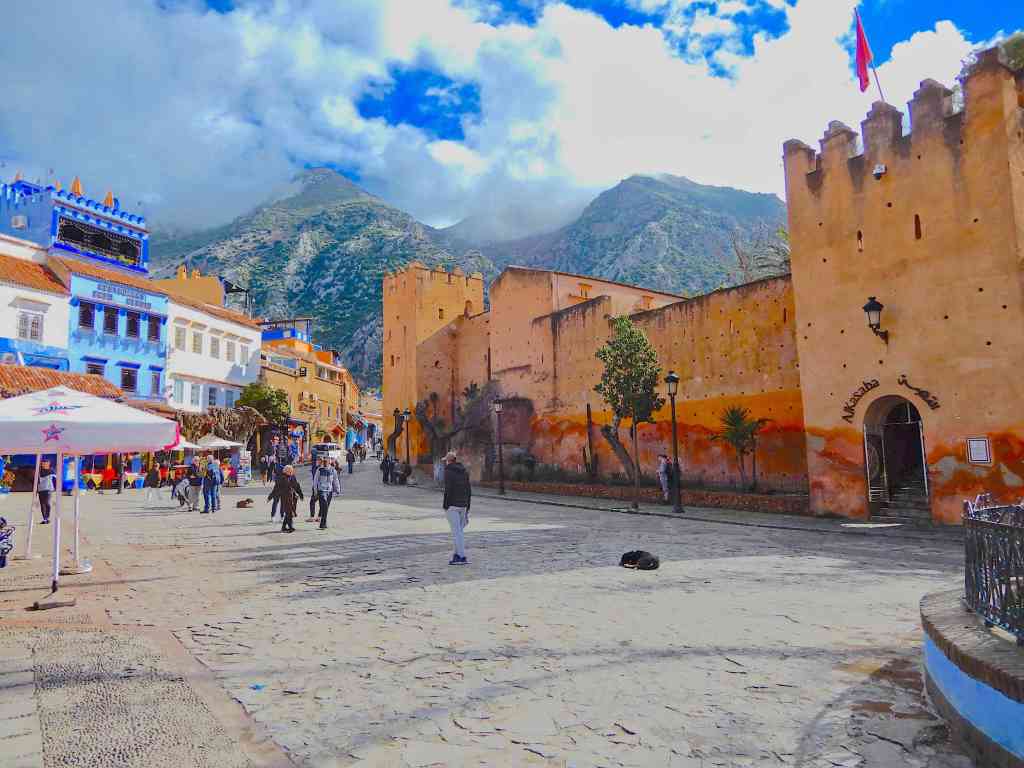
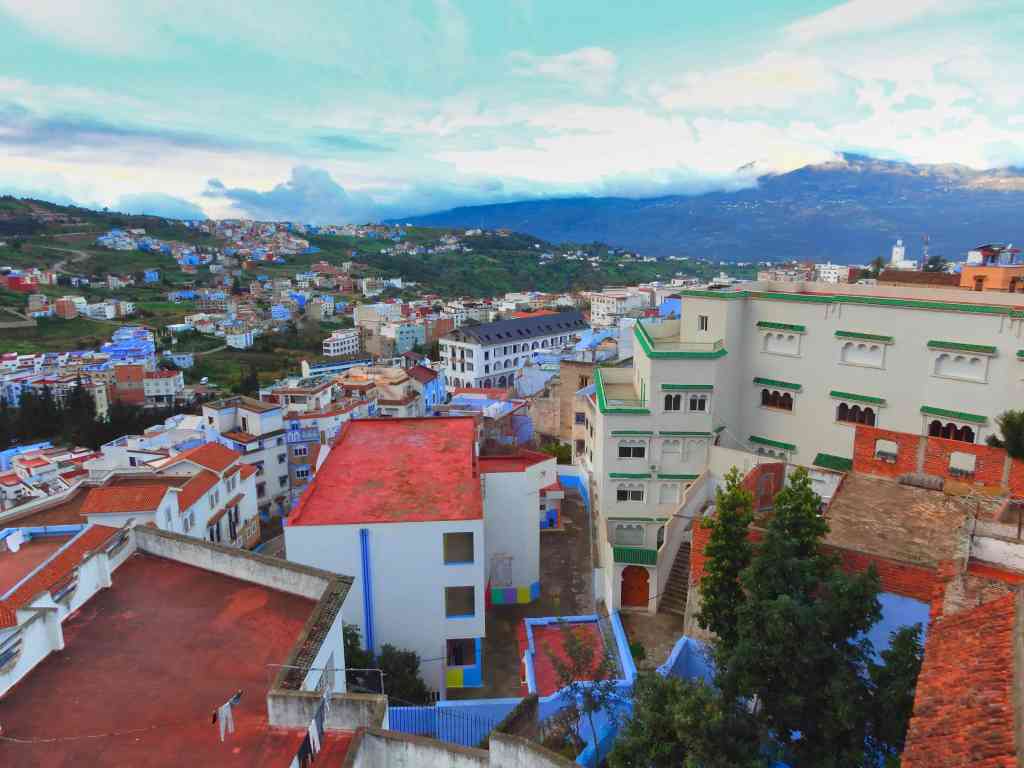
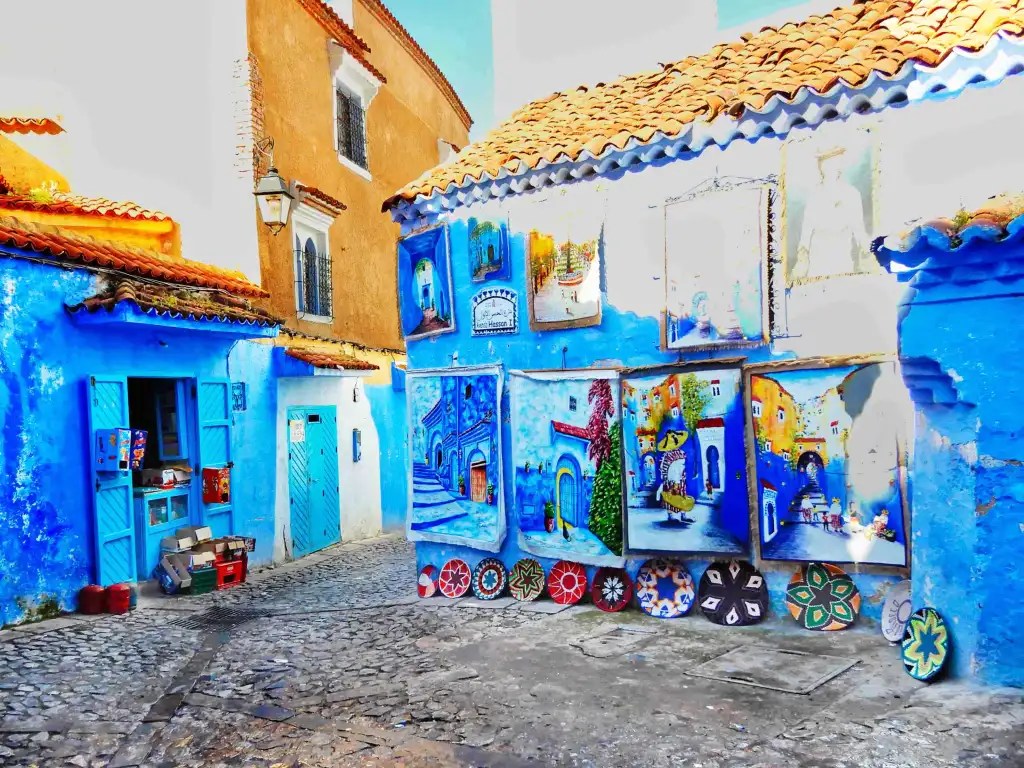
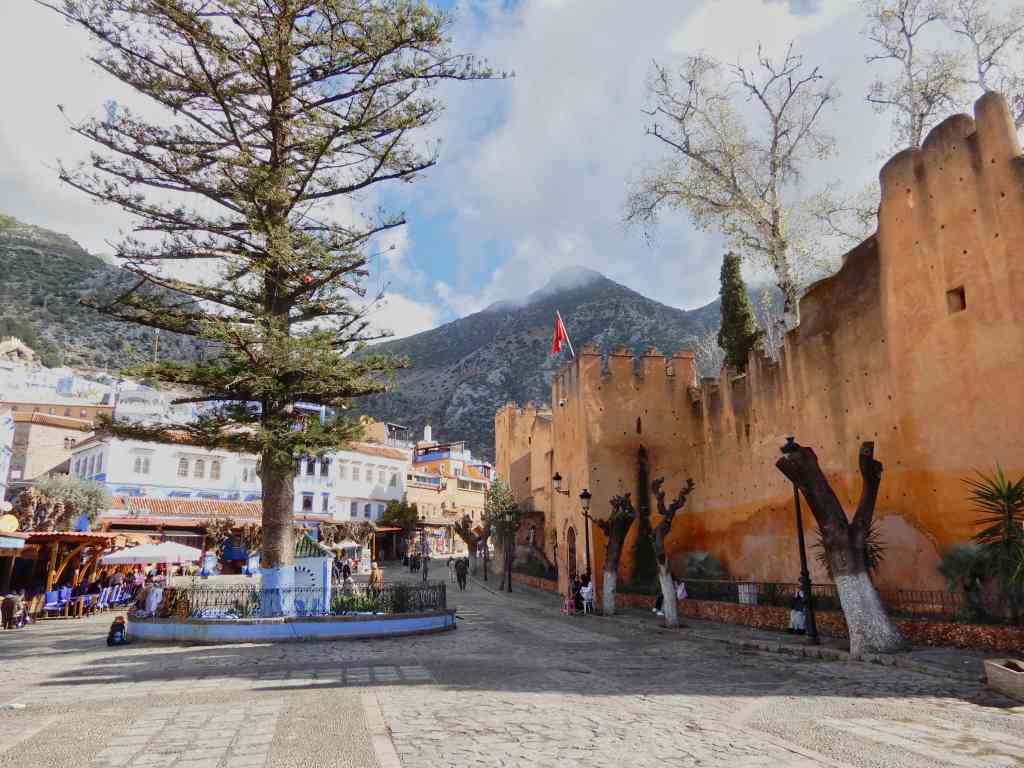
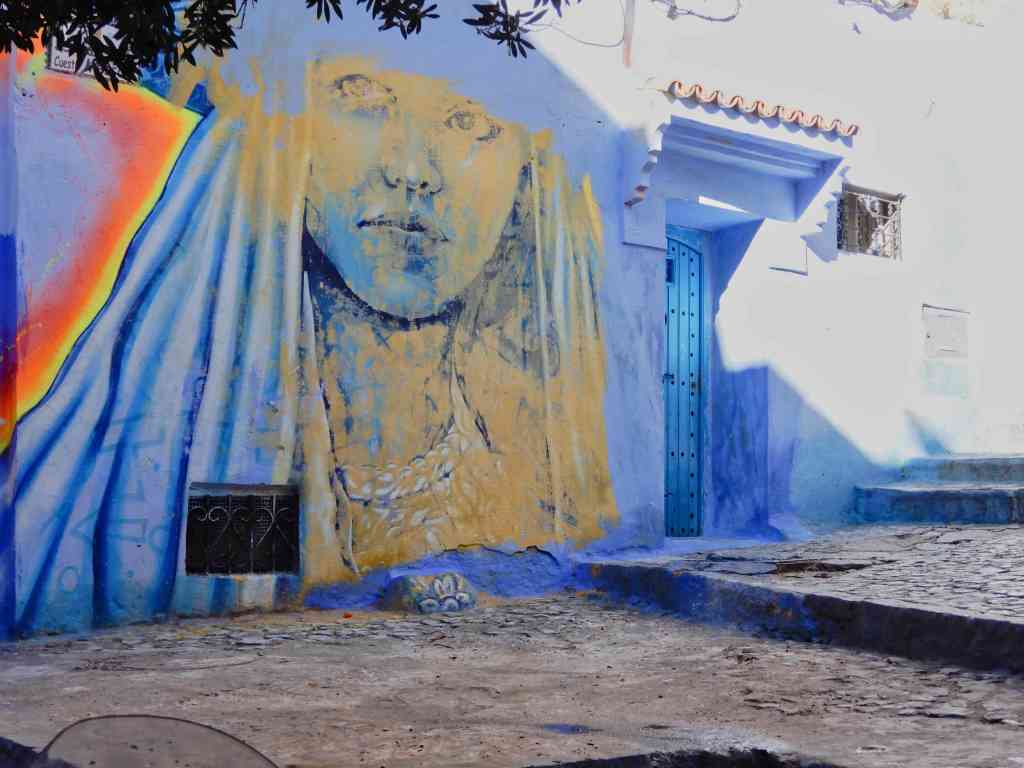
Nestled in the Rif Mountains of Morocco, the Blue City of Chefchaouen is a unique and mesmerizing destination that’s world renowned for its striking blue-painted streets and buildings. Wander through its narrow, winding alleys with every corner offering a new shade of blue. Take time to explore the vibrant souk, sample delicious Moroccan cuisine, and enjoy breathtaking views of the surrounding mountains. This enchanting city is a photographer’s paradise!
Chefchaouen has a rich history, being founded in 1471 as a small kasbah and with its location it has often been a refuge for people fleeing persecution, contributing to its diverse cultural heritage. Deep in the Rif Mountains, it’s famous for its numerous hiking trails and breathtaking views with nearby attractions that include the Akchour Waterfalls and the Talassemtane National Park.
The town is known for its artisanal products, including woven blankets, pottery, and leather goods.
Markets and shops showcase local craftsmanship, making it a great place for serious shopping. Unlike larger cities, Chefchaouen has a laid-back vibe, making it ideal as a getaway from urban bustle where visitors can enjoy leisurely strolls through the narrow streets, enjoy Moroccan tea in local cafes and traditional Moroccan dishes such as tagine and couscous in it numerous restaurants.
Accessible by bus from major cities like Tangier and Fes it is also a favorite stop for guided tours. Because of the city’s popularity there are a number of excellent hotels like the Dar Qaysar Chefchaouen that provide good value in the center of the Medina. Chefchaouen is a must-visit for anyone traveling to Morocco, offering a unique experience that combines stunning architecture, rich culture, and natural beauty.
You’ll discover lots of worthwhile and interesting travel information on The Intentional Travelers, and the best way to find what you’re looking for is to SEARCH here…
Some More Recent Posts From The Intentional Travelers You Might Find Interesting:
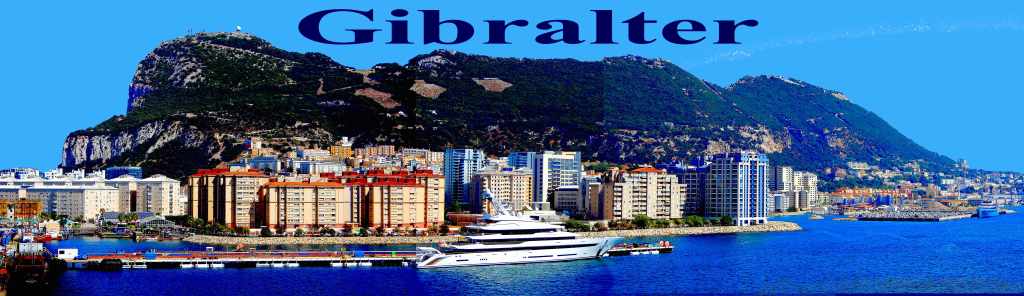
Originally referred to as the “Pillars of Hercules” referring to the promontories flanking the Strait of Gibraltar, considered in Greek mythology to mark the western limit of the known world, with the northern pillar being the Rock of Gibraltar and the southern pillar, being Mount Hacho in Ceuta or Jebel Musa in Morocco; the myth describes Hercules as having created the passage by separating the land, signifying the boundary between the Atlantic and Mediterranean.
In ancient times there are a number of references to the Strait of Gibraltar that accent its importance and significance to the early societies of the Mediterranean.
Screenshot
Heracles in Greek mythology, was also known as Hercules to Romans, Marduk to Phoenicians, and Indra to other middle eastern cultures, is one of the most renowned heroes of ancient legends, historically regarded as the son of Zeus and Alcmene.
The Straights of Gibraltar were first found being described in Phoenician legends around 1,150 BC, that describe the rocks, at each end of the Gibraltar Strait, and named the Pillars of Melqart, a representation of the Canaanite god Baal (god of rain, thunder and fertility), which soon after became linked to the legend of Heracles (Hercules) and were soon named the Pillars of Hercules.
In his poem Olympian 3, the ancient Greek writer Pindar in 5494 BC used the phrase “Pillars of Hercules” to describe the furthest limit that someone could reach in the known world. He used it to express that beyond this limit, neither the wise nor the unskilled should go.
The first Roman historical reference to the Strait of Gibraltar is associated with the term “Fretum Herculeum”, derived from the ancient name ‘Pillars of Hercules’. This indicates its significance in Roman geography and mythology. Roman writers like Pliny the Elder mentioned the Strait in their accounts, highlighting its role as a passage to the Atlantic Ocean.
The Strait of Gibraltar is a narrow strait that connects the Atlantic Ocean to the Mediterranean Sea, separating Europe from Africa. It is recognized as one of the busiest waterways in the world due to its crucial role in maritime navigation. At its narrowest point, the strait measures only 8 miles between Europe (Spain) and Africa (Morocco).
Throughout World Wars I and II and up to today, Britain maintains control over the Straits of Gibraltar, which was crucial for naval operations in and out of the Mediterranean. Controlled by the British since 1703, the Rock of Gibralter provided fortified heavy gun emplacements during the wars, allowing the targeting of any war ships transiting the straight.
You’ll discover lots of worthwhile and interesting travel ideas with The Intentional Travelers, and the best way to find what you’re looking for is to SEARCH here…
Some More Recent Posts From The Intentional Travelers You Might Find Interesting:
A favorite destination on Alaska cruise itineraries this glacier is tucked up inside one of Alaska’s larges fjords.
Dawes Glacier is a major tidewater glacier located on Endicott Arm off the Misty Fjords in Alaska, characterized by its towering ice wall, which is as much as four hundred feet tall. This glacier provides a constant spectacle of calving ice falling off its face.
You’ll discover lots of worthwhile and interesting travel ideas with The Intentional Travelers, and the best way to find what you’re looking for is to SEARCH here…
Some More Recent Posts From The Intentional Travelers You Might Find Interesting:















 The Intentional Travelers