Top Destinations in Morocco: Must-See Cities and Sites

Explore Fascinating Morocco

Morocco boasts a fusion of Berber, Arab, and French cultures with touches of Spanish and Portuguese thrown in, offering a unique blend of traditions and customs that you’ll find reflected in its architecture, music, and cuisine. You’ll find Moroccans to be warm and hospitable, making social interactions a common occurrence.

Our recent trip to Morocco was planned for ten days traveling around the country and covering 1,200 miles. The trip started in Casablanca and finished in Marrakech with visits to Rabat, Chefchaouen, Fes, camping in the Sahara, crossing the High Atlas Mountains, and stops in Ouarzazate and the beach town of Essaouira.

Casablanca • The economic hub, Casablanca is Morocco’s largest city and serves as its economic and business center, influencing commerce across the region. A cultural melting pot, the city boasts a unique blend of Arab, Berber, European, and African cultures, reflected in its diverse cuisine and architecture.
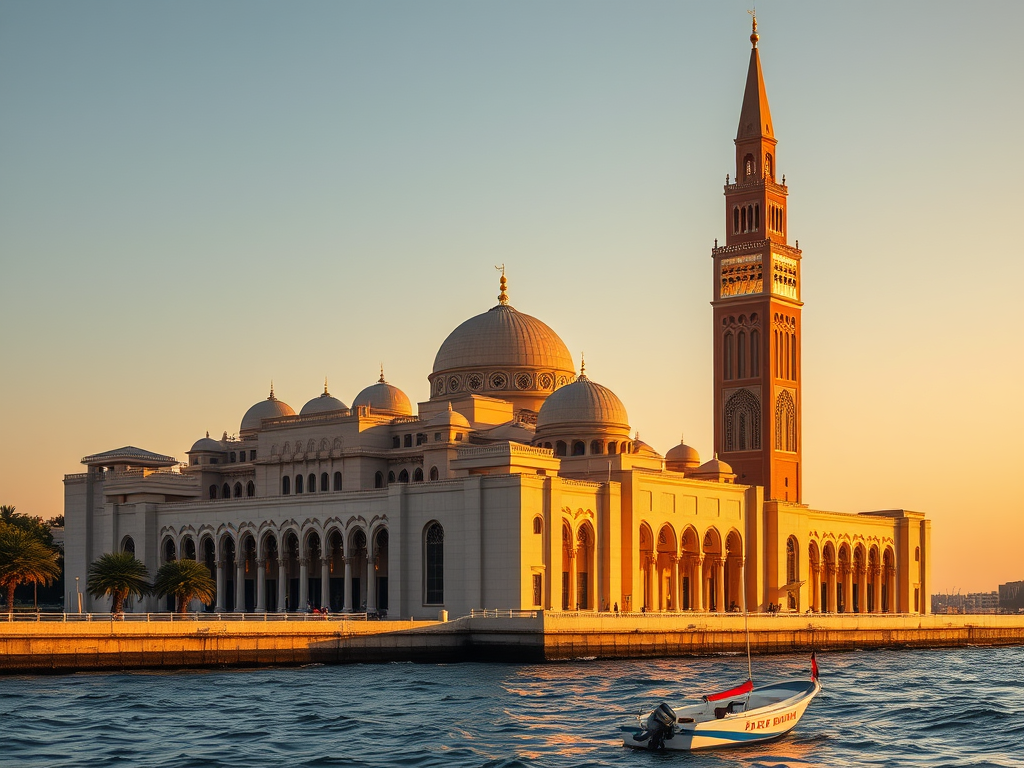
Rabat • One of Morocco’s four imperial cities, rich in history and architecture, reflecting the influences of various dynasties. The capital city, Rabat showcases a blend of modernity and tradition, making it one of the cleanest and safest cities in the country.

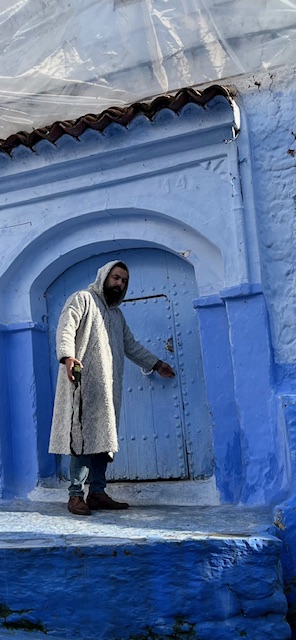
Chefchaouen • Often referred to as the “Blue City,” it is renowned for its stunning blue-washed buildings creating a tranquil and picturesque atmosphere. Nestled in the Rif Mountains, Chefchaouen serves as a gateway to beautiful mountain scenery, perfect for outdoor enthusiasts.

Fes • Known as the spiritual and cultural capital of Morocco, is often referred to as the ‘Mecca of the West’ and the ‘Athens of Africa’. The city features historic architecture, notably the extensive medina, which is one of the best-preserved old towns in the Arab-Muslim world.

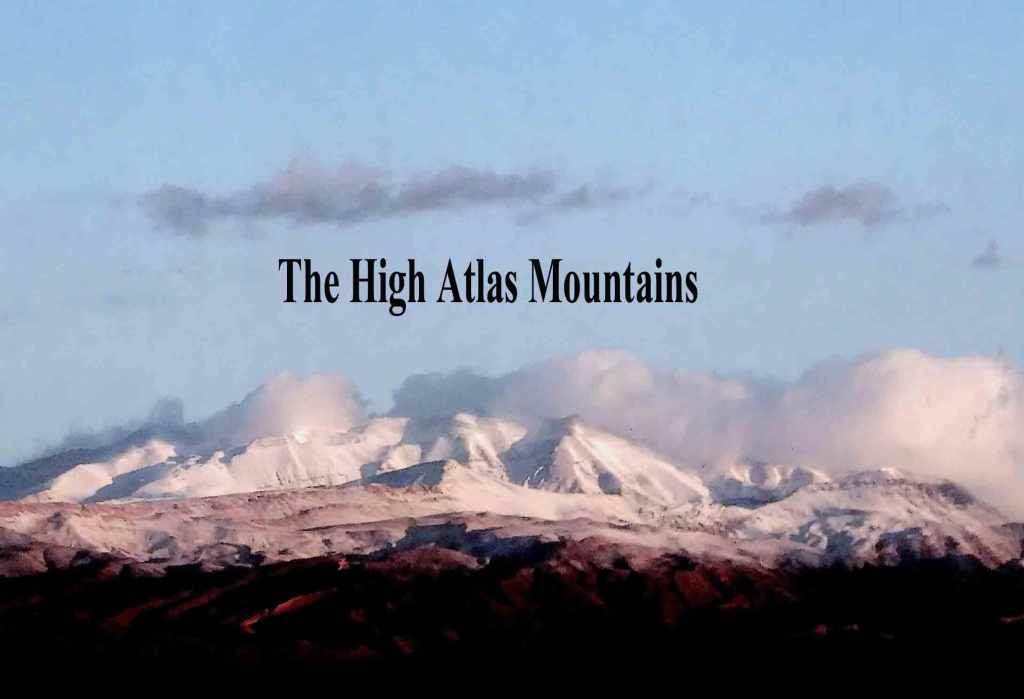
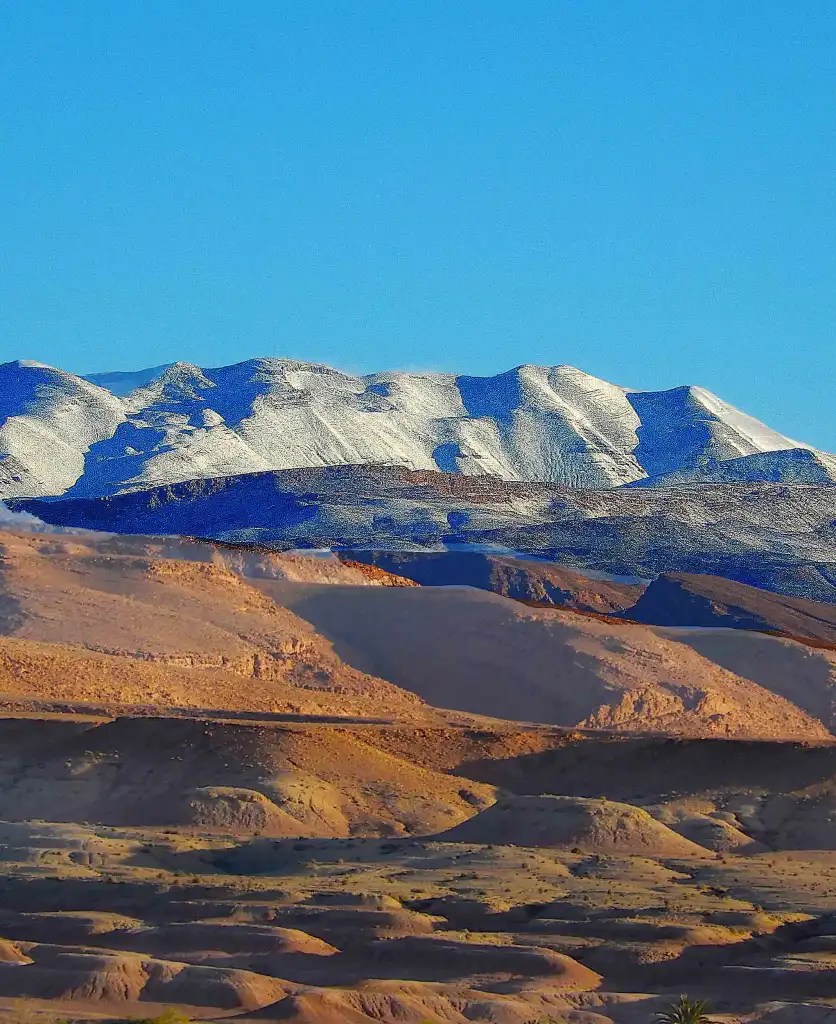
High Atlas Mountains • The most prominent section of the Atlas range, running diagonally across Morocco and reaching heights over 12,000 feet. The region is primarily inhabited by the Berber people who engage in agriculture and pasturing livestock in the range’s fertile valleys.
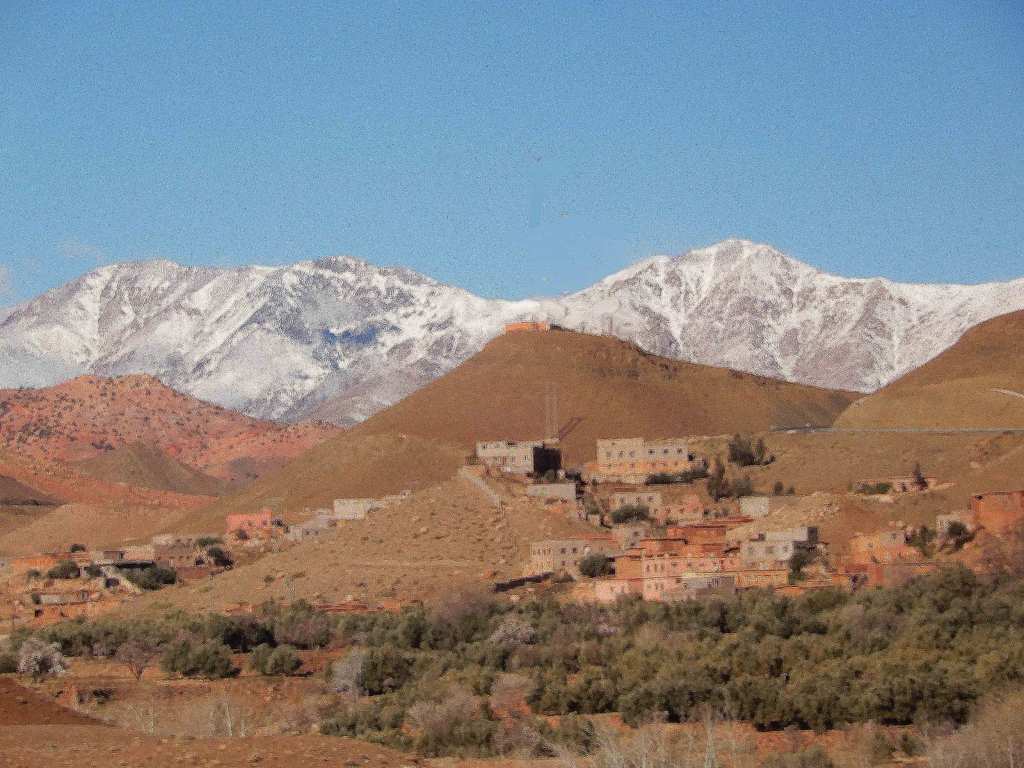
Ouarzazate • Often referred to as the ‘door of the desert,’ serves as a gateway to the Sahara and offers stunning scenery, including palm groves and vast desert landscapes. Known for its film industry, Ouarzazate is nicknamed ‘Africa’s Hollywood,’ featuring famous sites like the Kasbah Taourirt and Ait Ben-Haddou, a UNESCO World Heritage Site.
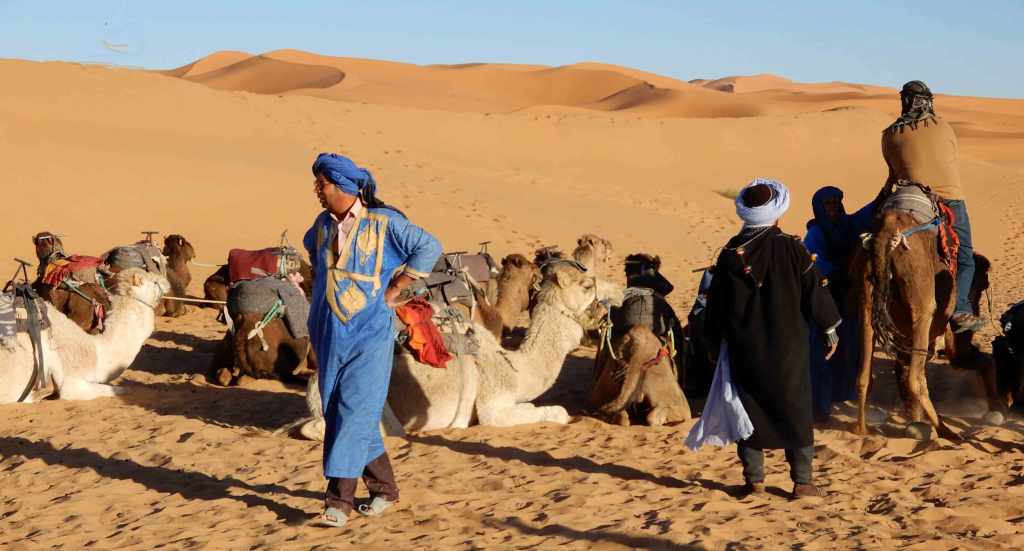
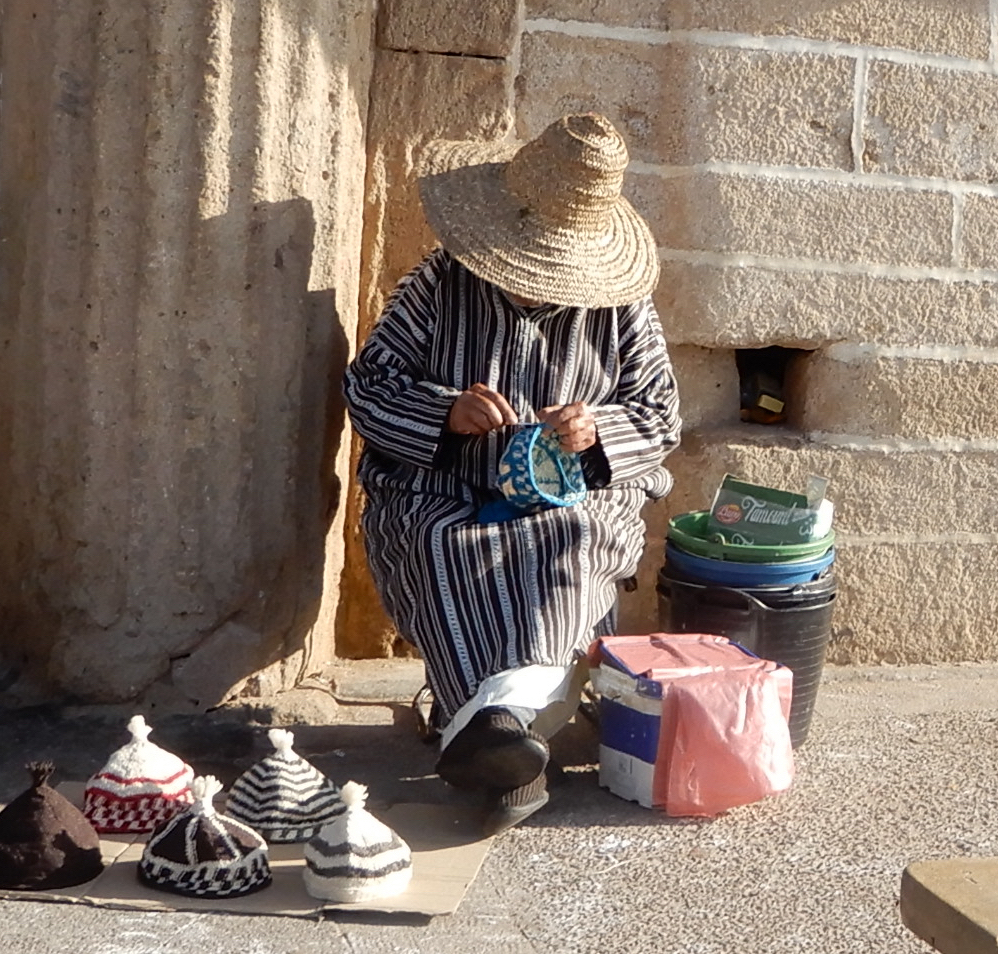
Essaouira • Formerly known as Mogador, it is a port city with a rich history, rebuilt in its current form by Mohammed III in 1764 and recognized as a UNESCO World Heritage Site for its 18th-century architecture. The city is known for its unique multicultural environment where Muslims and Jews coexisted, featuring 37 synagogues interspersed among mosques, showcasing a rich tapestry of cultural heritage. Offering coastal charm, Essaouira’s bustling medina, maze-like streets, and lively vibe create an artsy atmosphere that attracts visitors seeking an authentic Moroccan experience.

Marrakech • An ancient city known as one of Morocco’s four imperial cities, featuring a UNESCO World Heritage Site medina filled with rich history and culture. The city is famous for its vibrant souks, Jemaa el-Fna square, and remarkable structures like the Kutubiyya Mosque, creating a unique cultural atmosphere.


Key Definitions

Medina – A medina in Morocco refers to the old, historical part of a city, characterized by narrow streets, bustling markets, and traditional architecture. It often serves as the cultural and social heart of the city.

Casbah – The term ‘casbah’ refers to a fortified part of a city, often featuring a citadel and historic buildings, especially in North Africa.

Souk – a marketplace or a street market, commonly found in cities like Marrakech, known for a vibrant atmosphere and a variety of goods. It plays a vital role in the social and economic life of Moroccan communities. Traditionally, souks have been crucial for trade and cultural exchange, serving as centers for commerce and social interaction among locals and travelers.

Oasis – In an arid landscape an area with access to water, either a stream, river or well. Morocco is blessed with a number of large oases. In the south of Morocco, in the region of Tinghir-Ouarzazate, Zagora, is the largest Oasis in the world. It is a breathtakingly beautiful landscape that combines the desert with flowing water, green islands and rich valleys.

USEFUL LINKS FOR ADDITIONAL MOROCCO INFORMATION

You’ll discover lots of worthwhile and interesting travel information on The Intentional Travelers, and the best way to find what you’re looking for is to SEARCH here…

Some More Recent Posts From The Intentional Travelers You Might Find Interesting:

Morocco’s High Atlas Mountains

SITE SUBSCRIBERS PLEASE NOTE: If you’re viewing this post in an email, please take a moment to click the Read On Blog text located in the upper right of this page.That is the only way to record your visit in our sites traffic data.


The highest peak in the High Atlas range is Toubkal, which reaches an elevation of 13,671 ft. The range extend approximately 700 miles across Morocco, separating the Atlantic and Mediterranean climates. The High Atlas is not only famous for its scenery but also for the Berber villages that inhabit its slopes, adding cultural interests to the region.

You’ll discover lots of worthwhile and interesting travel information on The Intentional Travelers, and the best way to find what you’re looking for is to SEARCH here…

Some More Recent Posts From The Intentional Travelers You Might Find Interesting:

The Burqa In Morocco

SITE SUBSCRIBERS PLEASE NOTE: If you’re viewing this post in an email, please take a moment to click the Read On Blog text located in the upper right of this page.That is the only way to record your visit in our sites traffic data.

An Update On Our Recent Post On Moroccan Clothes

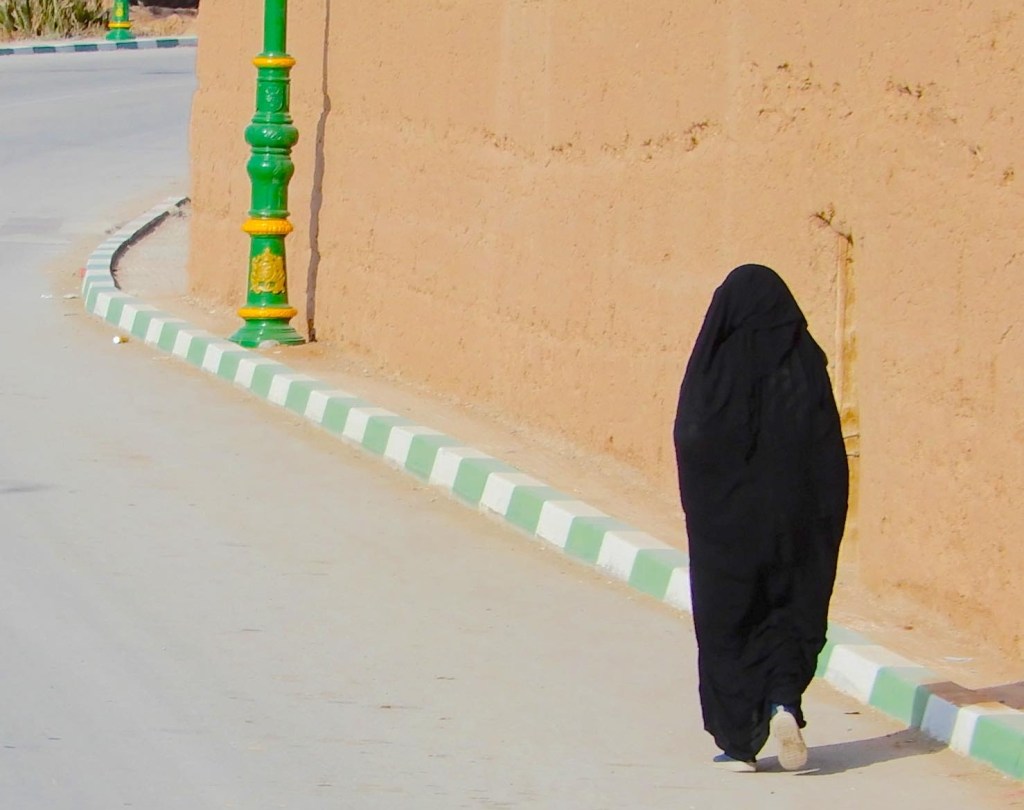
Burgas are pretty common in North Morocco and a bit more rare in the south. Besides the burqa you will often find places where women often are wearing veils. It wasn’t until after the trip and doing research that I discovered that the Moroccan Government is trying to get people to abandon the wearing of burqas and veils. Within the past decade the king has decreed that the future of Morocco is dependent on a population that includes highly educated women enjoying equal status with men that resulted in new laws being enacted.

Morocco now has a policy that effectively bans the wearing of burqas (and full face veils) in public, prohibiting the sale, production, and import of them, meaning women are not allowed to wear burqas in the country; however, other forms of hijab (headscarves) are not explicitly banned, though some restrictions may apply in certain settings like government workplaces.

Key points about Morocco’s burqa policy

  • Ban on full face veils: – The Moroccan government has banned the wearing of burqas, also known as niqabs, which completely cover the face.
  • No manufacturing or sale: – This ban includes the manufacturing, marketing, and sale of burqas within the country.
  • School restrictions: – The Ministry of Education also prohibits the wearing of niqabs in schools.
  • A moderate interpretation of Islam: – Morocco is considered to have a moderate interpretation of Islam, so while head coverings are common, the full face veil is no longer widely accepted.

Enforcement has had problems and often is confronted with the question of who is the offender. Is it the woman wearing the burqa or the man forcing her to wear it?

You’ll discover lots of worthwhile and interesting travel information on The Intentional Travelers, and the best way to find what you’re looking for is to SEARCH here…
Some More Recent Posts From The Intentional Travelers You Might Find Interesting:

Exploring the Hassan II Mosque: A Casablanca Landmark

SITE SUBSCRIBERS PLEASE NOTE: If you’re viewing this post in an email, please take a moment to click the Read On Blog text located in the upper right of this page.That is the only way to record your visit in our sites traffic data.

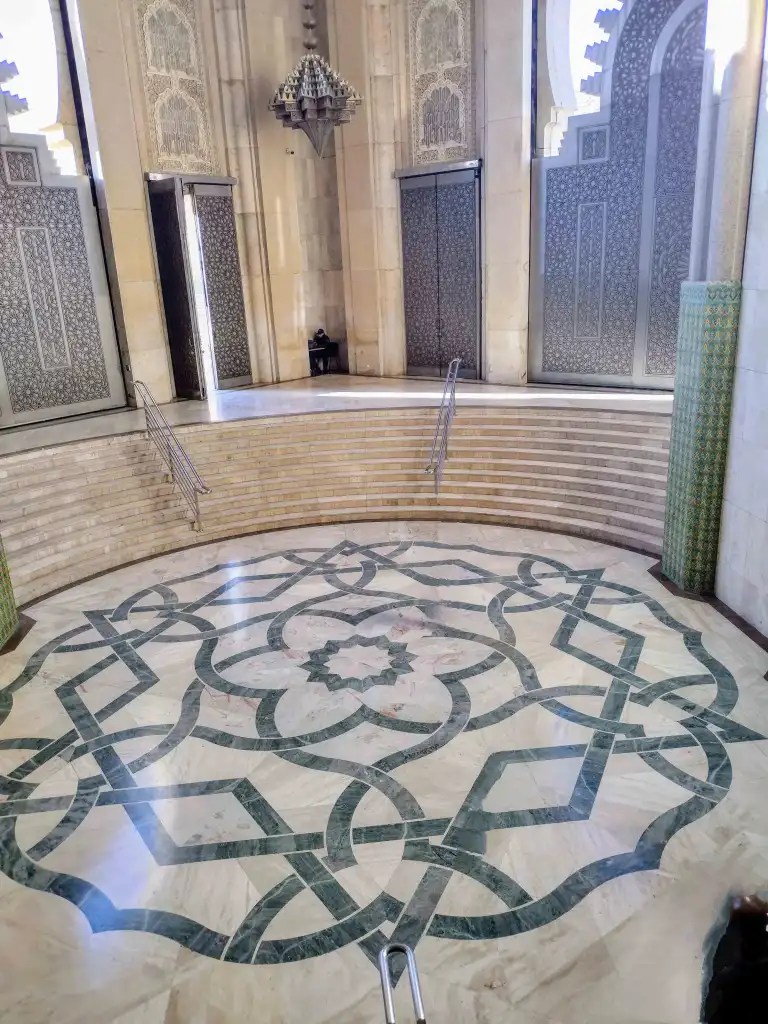
Hassan II Mosque in Casablanca

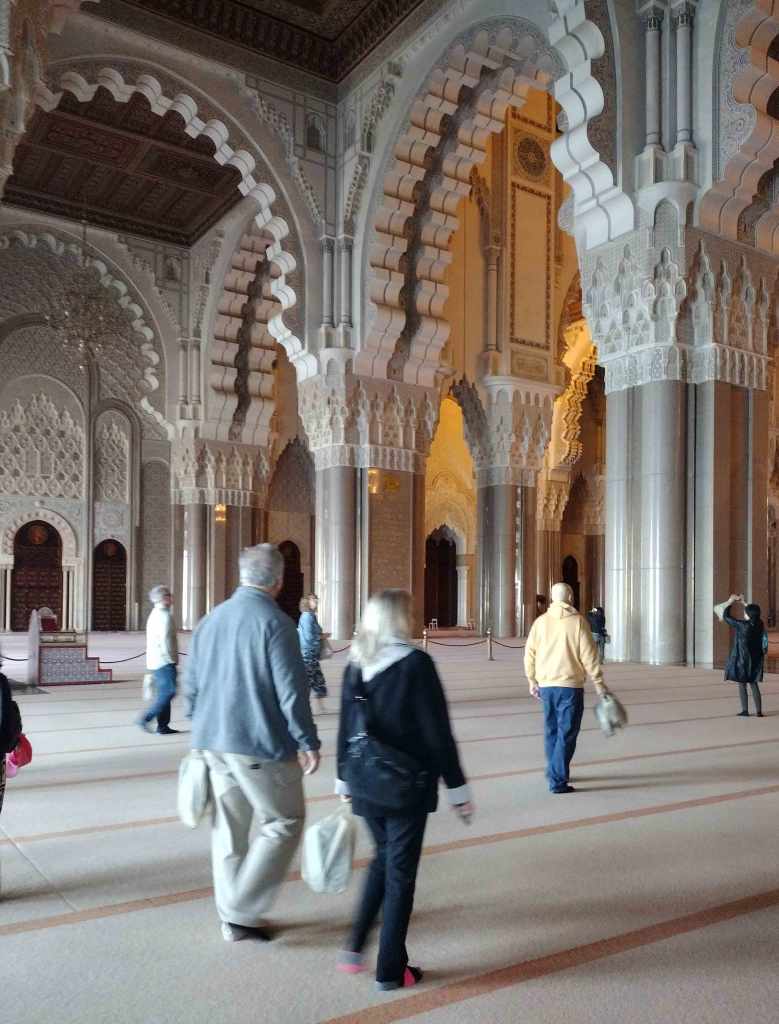
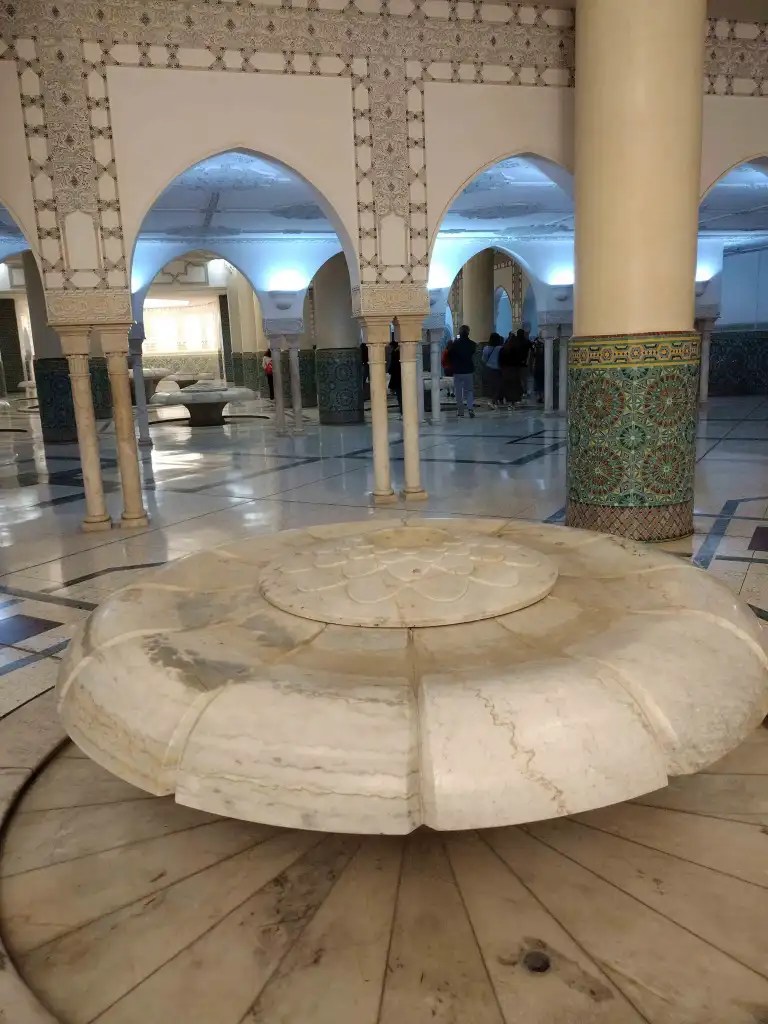
A recent addition to the Casablanca shoreline the Hassan II Mosque is actually constructed on a massive foundation platform that extends out into the Atlantic. Its location is of great significance in Islam as water is a symbol of life, purity, mercy, and divine power. It is a basic human right and a gift from God.

The Hassan II Mosque in Casablanca, Morocco was commissioned by King Hassan II in 1986 and completed in 1993. The mosque is a symbol of Morocco’s cultural identity and Islamic tradition.

It was esigned by French architect Michel Pinseau and constructed to withstand earthquakes as well as. the salt in the air.

Major Features

  • It is one of the largest mosques in the world
  • The prayer hall can accommodate over 25,000 worshippers
  • It features a 689-foot minaret
  • The mosque is a masterpiece of contemporary Arab-Muslim architecture
  • The mosque complex contains a Koranic school, a hammam, a public library, and a large green area.

You’ll discover lots of worthwhile and interesting travel information on The Intentional Travelers, and the best way to find what you’re looking for is to SEARCH here…

Some More Recent Posts From The Intentional Travelers You Might Find Interesting:

Understanding Moroccan Culture through Clothing

SITE SUBSCRIBERS PLEASE NOTE: If you’re viewing this post in an email, please take a moment to click the Read On Blog text located in the upper right of this page.That is the only way to record your visit in our sites traffic data.

The Islamic faith is deeply imbedded in the culture of Morocco if not in the nation’s laws and regulations. A majority of restaurants and cafes do not serve alcohol even though Moroccan law allows it. Literally, everywhere you go, you’ll hear the call to prayer five times a day and the locals mostly seem to ignore it. When it comes to clothing, there are no real laws applied to dress for men or women but a large number of the people continue to wear traditional kaftans, hijabs and even burqas* in some areas.

For Moroccan men, the traditional Moroccan jubba is still popular. It is a long, loose, floor length outer dress that usually includes a hood. It is worn as an outer garment over the gandoura. The gandoura is a traditional, loose-fitting robe worn in Morocco by both men and women. It’s a staple of Moroccan culture dating back before the introduction of Islam and is still popular today.

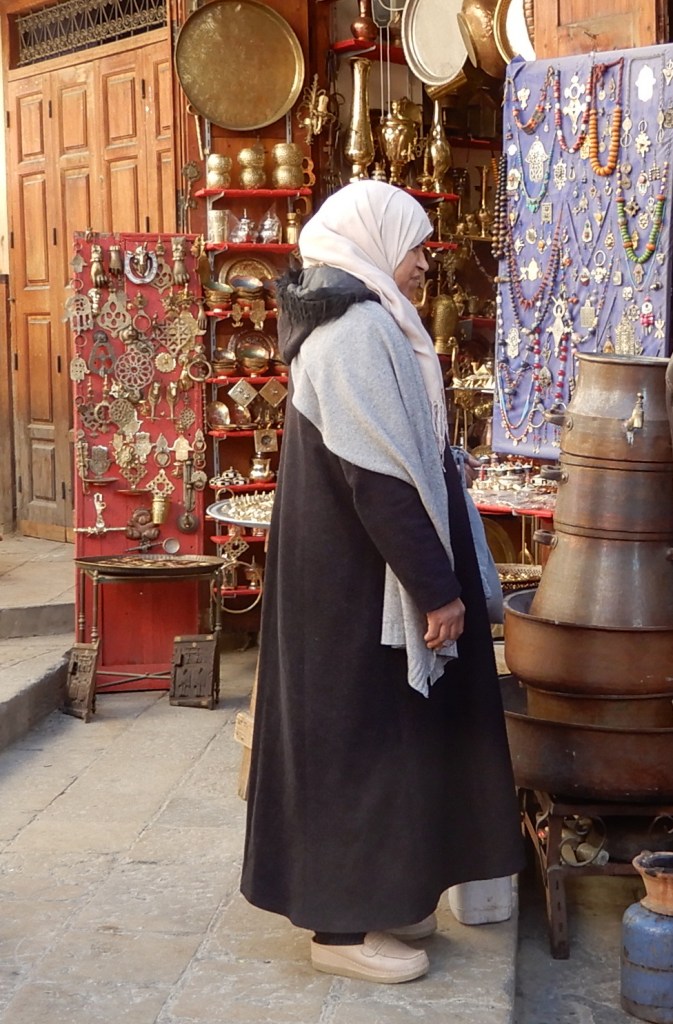
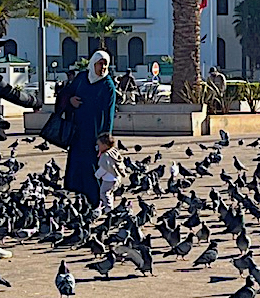
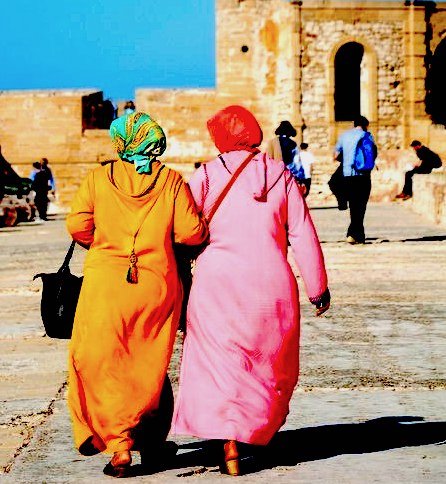
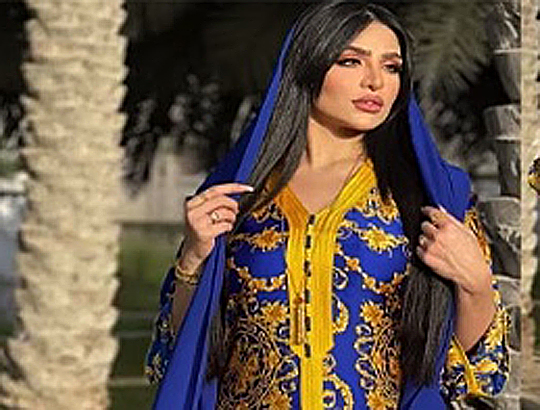
For women out in public, a kaftan with a hijab is the most common dress, but in major cities western clothing is starting to gain in popularity. The kaftan is a long flowing robe that is often worn with a hijab which is a headscarf covering the woman’s hair and neck. This combination is worn almost exclusively in rural areas and small towns. The styles often change by region. In many places they are solid black but in a few areas they are white. You’ll also discover locations where the kaftans can be made of colorful prints and in major metropolitan cities they are becoming a high fashion statement. The wearing of these, however, is a personal choice and not enforced by Moroccan law.

Today women’s clothing in Morocco varies between the northern and southern regions as well as urban and rural areas. In cities like Casablanca the kaftans are reserved for special occasions and are usually highly styled and decorated, with Western styles becoming common everyday wear.

Northern cities like Marrakech maintain more of a connection to traditional Moroccan attire and even burqas are still very common.

*In recent years Morocco has adopted a policy that effectively bans the wearing of burqas (full face veils) in public, prohibiting the sale, production, and import of them, meaning women are not allowed to wear burqas in the country; however, other forms of hijab (headscarves) are not explicitly banned, though some restrictions may apply regarding the covering of the face or in certain settings like government workplaces.

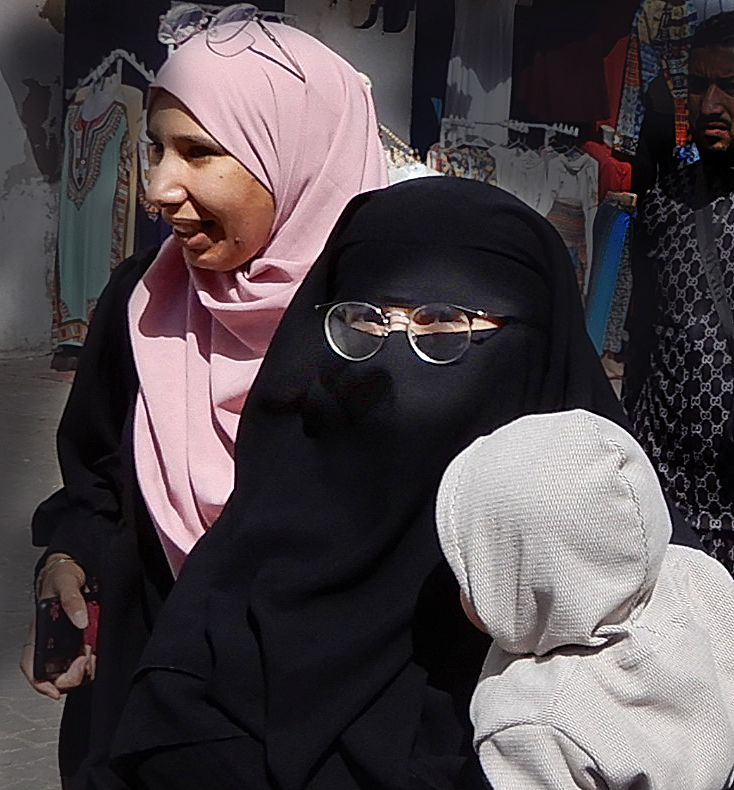
In the course of two weeka traveling around Morocco we say a lot of burqas, but this young lady above really stood out. If it’s possible to make a fashion statement while wearing a burqa her glasses are IT!

You’ll discover lots of worthwhile and interesting travel information on The Intentional Travelers, and the best way to find what you’re looking for is to SEARCH here…
Some More Recent Posts From The Intentional Travelers You Might Find Interesting:

Port of Call Barcelona, Spain

One of Europes major cruise ports Barcelona is worth a couple of days spent exploring, sampling the food and visiting the shops. Easy to get around in and very walkable.

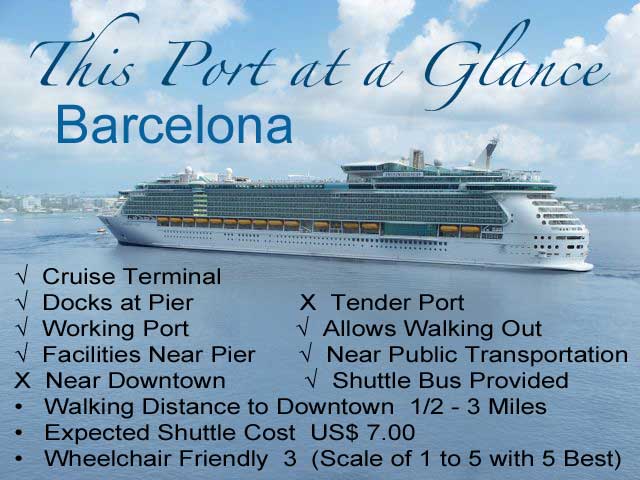
Information at a glance for Barcelona

Port of Call Barcelona, Spain

Barcelona is one of the two largest cruise ports in the Mediterranean and is used as an embarkation port as well as a popular port of call. The city is a modern and historic place with a number of iconic neighborhoods and attractions. If you are cruising out of Barcelona do not miss the opportunity to spend a couple of extra days visiting this vibrant city.

The Poble Espanyol

Where Your Ship Docks

Barcelona Harbor

The entrance to the Barcelona ports and the port shuttle bus stop is at Plaça de les Drassanes just south of the Columbus Monument. The location is very near the foot of La Rambla, a major street which runs through the city centre. For cruise ships there are generally three major port terminal areas. Most cruise ships are docked at Adossat Quay Terminal which is the farthest out and is serviced by a shuttle to the La Rambla area. This includes terminals A, B, C and D.

Wheelchair Accessibility

Disembarking – Depending on location this port has a developed cruise ship terminal or only a pier where the ease of disembarking varies by the individual ships gangway designs. The nearest pier disembarks near into downtown while some piers are a couple of miles farther. For passengers using wheelchairs there can be a moderate ramp incline to deal with in both locations.


Port City Characteristics – Barcelona has a well developed wheelchair friendly infrastructure. The port area is flat or has few inclines. Intersection crosswalks have few issues with curbs or other wheelchair obstacles

There are also 3 terminals at the World Trade Centre pier called North, South and East terminals and are much closer to the Columbus Monument on the waterfront at La Rambla.

The third terminal is Sant Bertrand, and it to is near the World Trade Center (refer to our cruise terminal map). Sant Bertrand is usually used for ferries to the Balearic Islands.

The Shuttle – The T3 PORTBUS (the “Blue Bus”) runs a circuit from all cruise port terminals to near the monument of Christopher Columbus. The tickets for the T3 need to be purchased with cash on the bus itself.

At this writing the tickets cost: Single ticket: €3.00 including a return ticket: €4.00

The Sagrada Familia

Many of the cruise ships also provide a shuttle bus for their passengers for free or a small charge.

Walking – The nearest cruise terminal to La Rambla is about a 15 minute walk. However the major cruise terminals, which are furthest from La Rambla are about a mile and a quarter (2 Km) from the Columbus Monument. From Christopher Columbus monument to La Rambla is about a 5 minute walk, and the nearest Metro is Drassanes (Green Line, L3), which is another 5 minute walk.

Transportation

Barcelona Metro – Barcelona has a good transit system that is excellent for getting around the city. The Barcelona Tourist Travel Pass (also known as the HolaBCN card) is a transport pass specifically designed for tourists. Once purchased it enables you to have unlimited journeys on the Barcelona public transport system which includes the TMB buses from Barcelona Airport to the city centre, the Airport metro from both T1 and T2, the Airport train to the city centre, the entire metro underground system in the whole of the city, the TMB buses that run in the city centre and the suburban tram system. Barcelona Card gives you unlimited transport on the Barcelona transport system (metro, bus, tram). It can be purchased in advance of your trip (save 10%). The Transport Card can be purchased for 2 to 5 days with a 2 day card at €16.40.

There are also a number of tour buses like Hop Off Hop On and you can find more information HERE.

Taxi – A taxi from the port to the city centre is normally less than 10 minutes with a fare of about €20.00. A Taxi to Barcelona airport from the cruise port should take about 25 minutes with a fare: of €30.00 – €35.00.

Currency

Spain uses the Euro and most major credit cards are welcome. ATMs are readily available

Tipping


Tipping follows a general tipping culture similar throughout European countries. Tipping is appreciated but not mandatory. If service charges are included in your bill, rounding up or leaving small change is customary. In restaurants, leaving between 5-10% of the bill is a common practice if you are satisfied with the service. Tipping tour guides is usually based on the tour cost with a few dollars being a minimum. For taxi drivers or service staff, rounding up the fare or leaving a small tip is often sufficient.

Major Sights

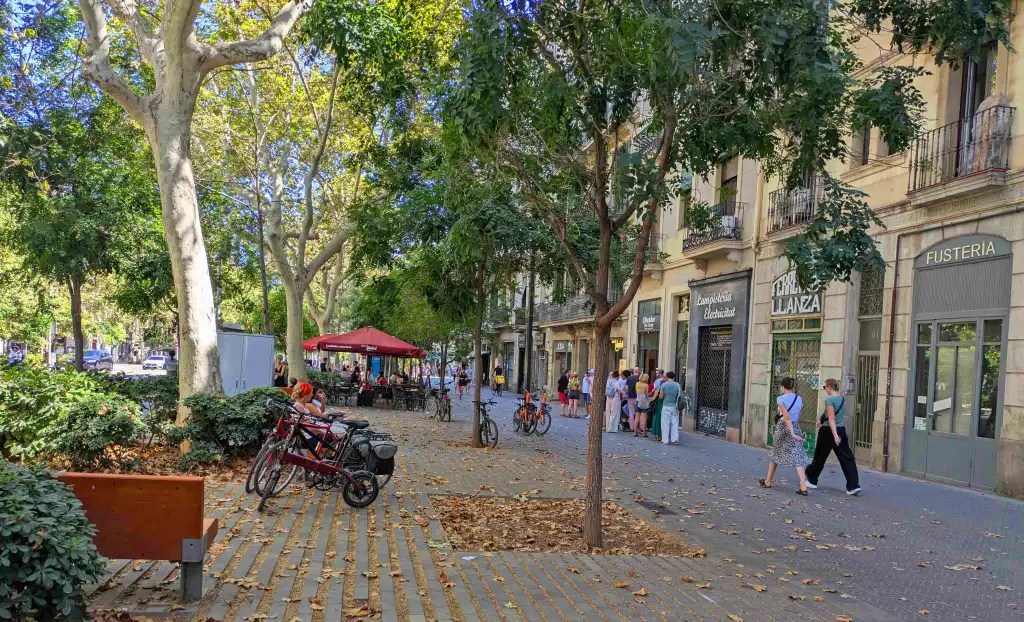
Barcelona is a city steeped in culture and history and many think it is the city itself that is the main attraction. From great food to an exciting night life, from the old Gothic quarter to the modern shopping districts this is a truly remarkable city.

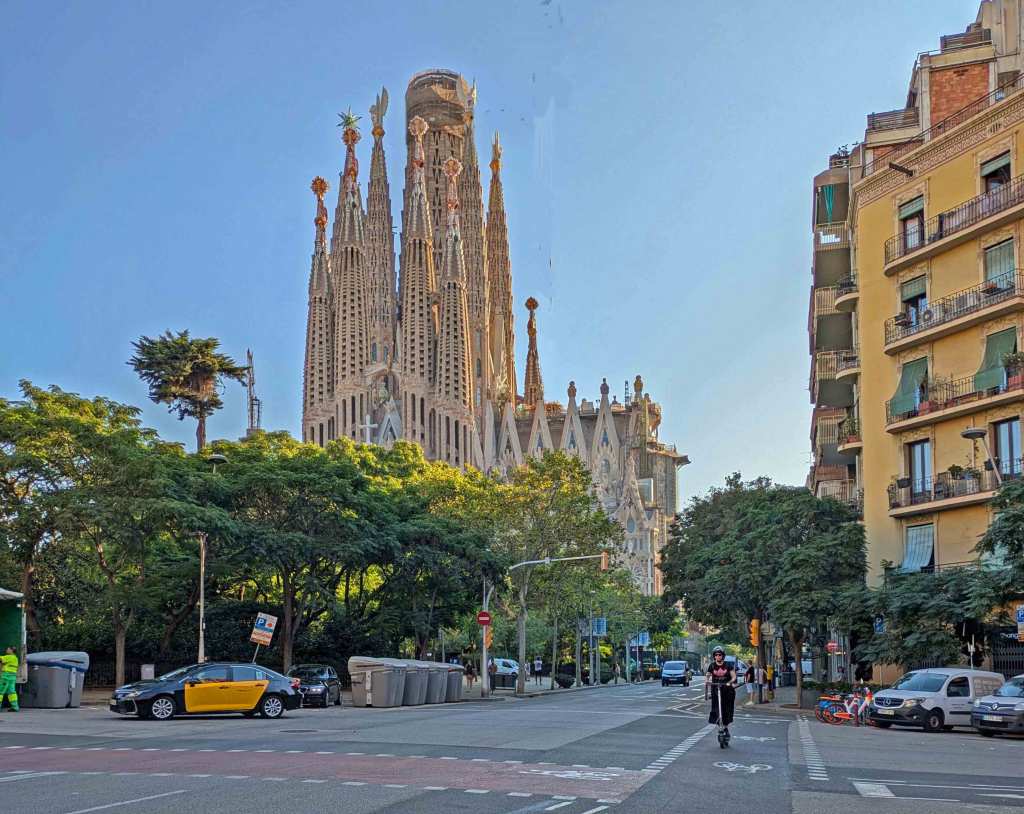
Barcelona is famous for the fantastic architecture of Antonio Gaudí, whose buildings can be found scattered around the city. The most famous can be found along Passeig de Gràcia where you will find La Pedrera and Casa Batlló. There is also the Parc Güell which is a incredible park designed by Gaudí himself. The most notable of Gaudí’s works is the Sagrada Familia, the huge, still unfinished Basilica.

The Gothic Cathedral in the heart of the Gothic quarter is a must-see as is a walk up Las Ramblas. Make sure to save time to explore the winding side streets with their shops, cafes and restaurants.

There are also a number of great museums in the city. The MACBA (museum of modern art) and the CCCB next door are worth an hour or two. The Picasso and the permanent Dalí exhibition in the Gothic Quarter are always worth a visit. The Caixa Forum is a museum which has different art exhibitions every month. It is just off Plaça Espanya, on Avenida Marques.

If you have more than a few hours be sure and visit the Poble Espanyol, an open-air architectural museum in Barcelona. Located approximately a quarter mile away from the Fountains of Montjuïc. It was built for the 1929 Barcelona International Exposition (Worlds Fair), and the museum consists of 117 full-scale buildings replicated from different places in Spain. Together it makes up a small town recreating an urban atmosphere. It is full of cafes, restaurants, small shops and exhibits.


Sagrada Familia A stunning basilica designed by Antoni Gaudí, known for its unique architecture and ongoing construction begun in 1882. Park Güell Another masterpiece by Gaudí, this colorful park is filled with artistic structures, gardens, and breathtaking views of the city. The Gothic Quarter is the historical heart of Barcelona, filled with narrow medieval streets, charming plazas, and an array of boutiques and cafes.