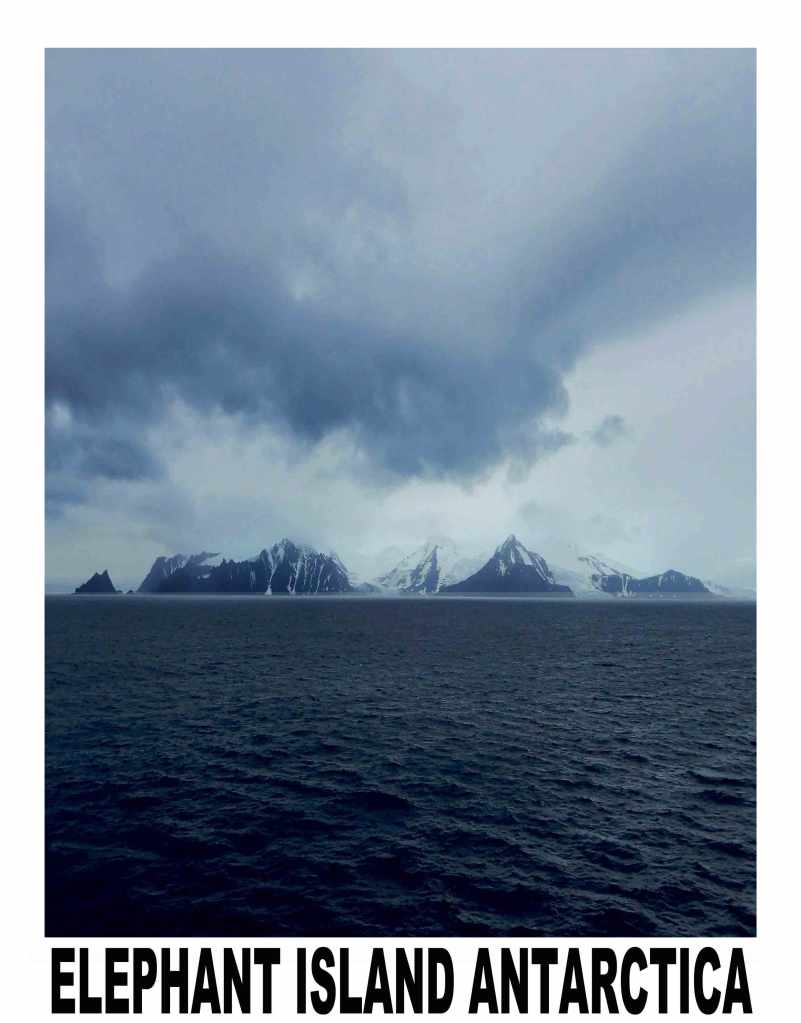
The Most Inhospitable Place On Earth. Elephant Island is an ice-covered, mountainous island off the coast of Antarctica in the outer reaches of the South Shetland Islands. The island’s name is attributed to either its elephant head-like shape or more likely the sighting of elephant seals by Captain George Powell in an 1821 expedition. It is most famous for the epic survival story of Shackleton Antarctic Expedition’s harrowing journey to Elephant Island and rescue.
We are working on making The Intentional Travelers photographs again available as giclée poster prints as well as digital downloads.
Join us as we visit historic treasures, natural wonders and vibrant cities set against backdrops that are endlessly changing and visually magnificent. Celebrate a world of travel experiences with these decorating accessories that are perfect for framing.
Haven’t Joined Us Yet? We Promise To Make It Worth Your While.
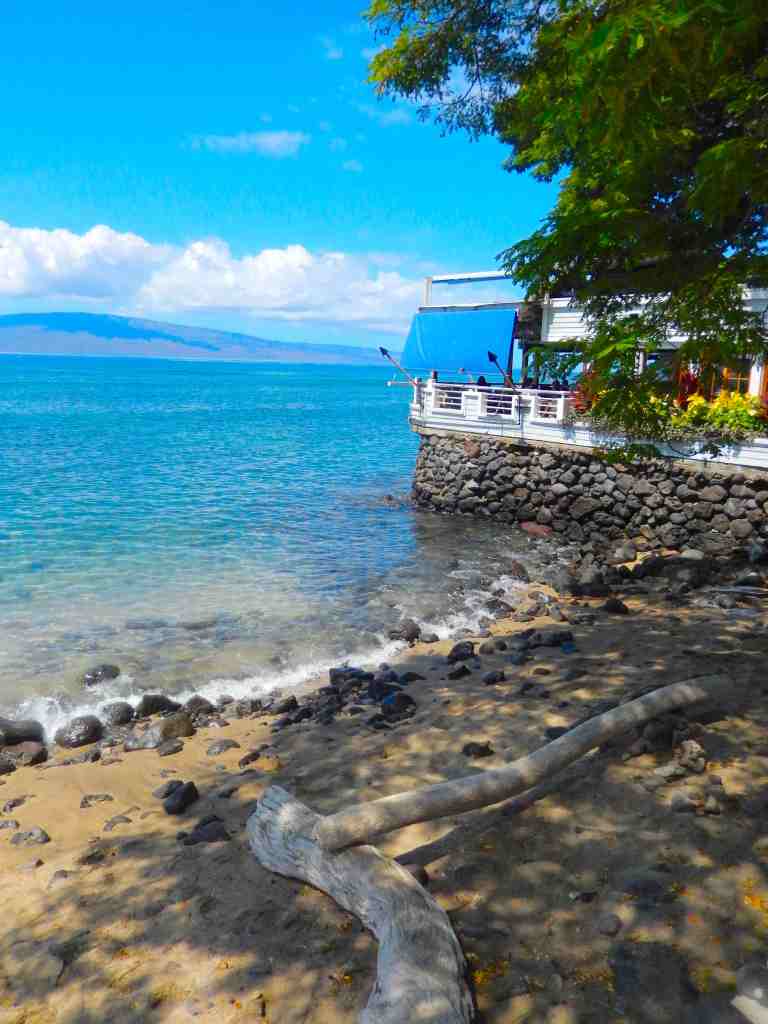
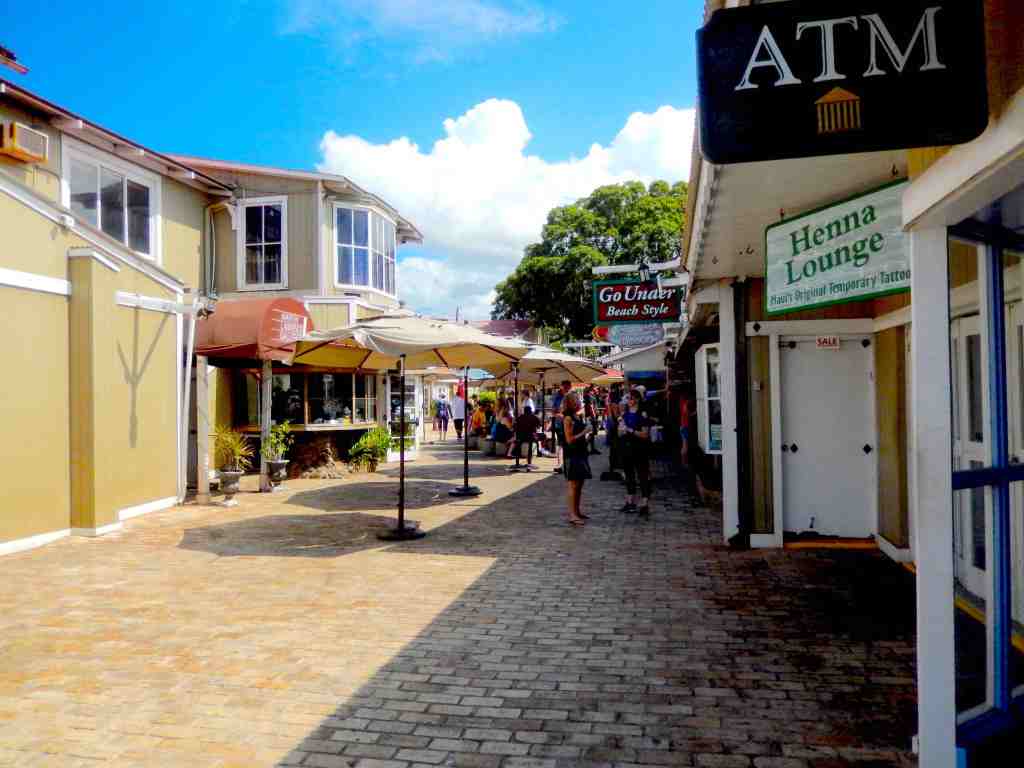
Lahaina is the cruise port of call for the gorgeous island of Maui, a port famous for its miles of beautiful white sand beaches. Lahaina has excellent shopping in a central area famous for its galleries. The tender landing is near to a beach with plenty of beach shops and great restaurants serving up Hawaiian cuisine. Be sure and stop for a shave ice.
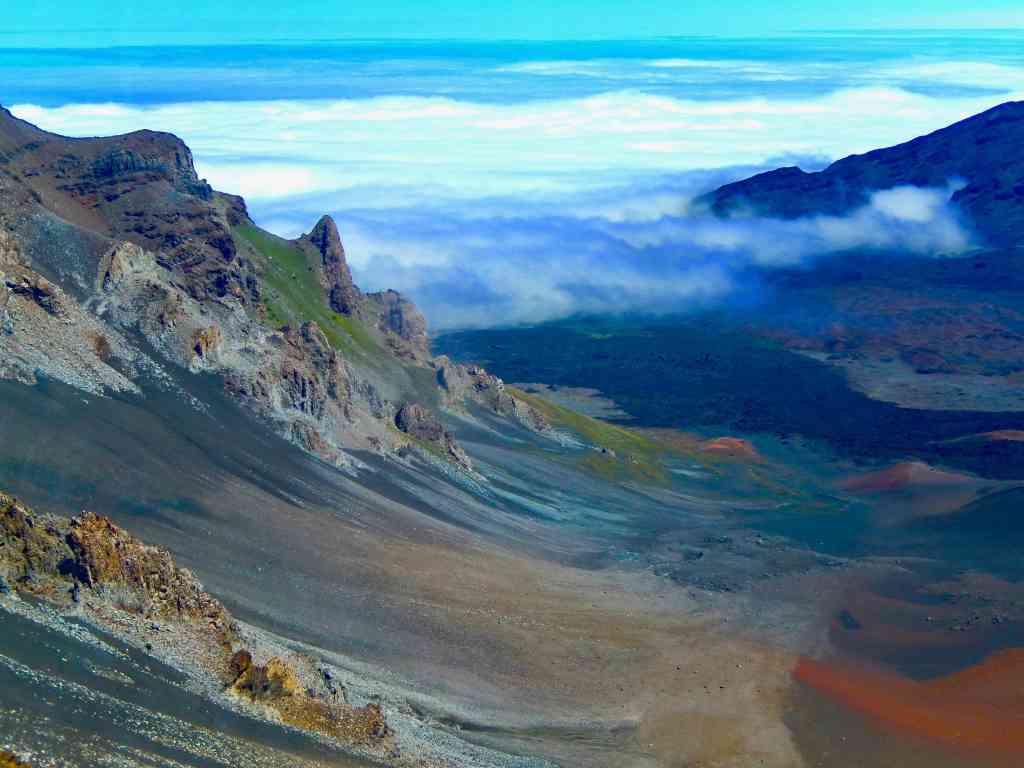
The island of Maui is actually two volcanic cones with a flat plain connecting them. The larger volcano is Haleakala rising 10,023 feet out of the Pacific and boasting the largest crater in the world some 20 miles across . It is still considered active with eruptions spaced many years apart. The scenic Haleakala National Park is known as the “house of the sun” setting the stage for a breathtaking range of landscapes—and skyscapes. The other volcano is Puʻu Kukui rising above the town of Lahaina.
Where You Dock
Lahaina is a tender port with boats landing in the towns marina. The town is very walkable with the major parts of the town being four or five blocks back from the waterfront and extending up and down the waterfront for three-quarters of a mile.
There are a number of public beaches only a short distance from the marina area as well.
Transportation
Click this map to download our pdf copy
For getting around the island Maui has rental cars, taxis, a bus service, and a train. The buses and train run between resort areas and are great for shopping and getting to major beaches.
The Baldwin Home Museum
The Maui Bus service consists of thirteen bus routes and provides service in and between various Central, South, West, Haiku, Kula and Upcountry Maui communities. All of the routes are operated seven days a week, including all holidays. No transfers are given on any of the routes. All routes cost $2 per trip and there are no transfers ($1 for those over 55) and there is a day pass for $4. From the tender dock it is a short walk to the Wharf Cinema Center where four bus routes connect.
If you’d like to explore the entire island renting a car is recommended. For specific destinations taking a tour is the best option for limited time schedules.
The island of Maui is shaped like a figure eight 45 miles long and 25 miles wide, with the well known Hana Highway being the main scenic route along the north shore east around Haleakala to the eastern tip.
Money
The U.S. Dollar is the only regularly accepted currency with major credit cards welcome and ATM machines easy to find.
Island Attractions
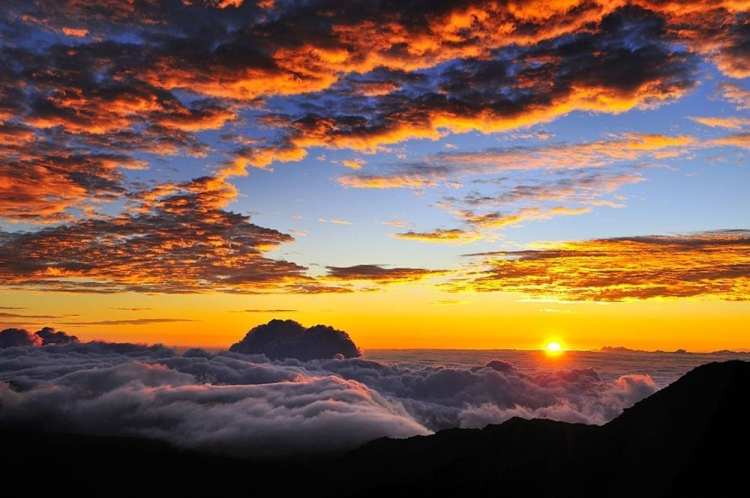
Haleakala National Park, where you can hike to the summit of a dormant volcano and watch the sunrise
Road to Hana, a scenic drive with waterfalls, beaches, and lush rainforests
Lahaina, a historic whaling town with shops, restaurants, and art galleries
Kaanapali Beach, a beautiful stretch of sand with clear water and great snorkeling
Iao Valley State Park, a lush valley with a famous needle-shaped rock formation
Sunrise from Haleakala
Up on Haleakala
Haleakala National Park – In addition to the appeal of a tropical paradise, beautiful waters and great beaches the real center of attention is Haleakala. There a few places on Earth where you can go from sea level to over ten thousand feet in only a dozen miles, as the crow flies. The road climbs at a gentle rate and the view from the top is breathtaking. It is recommended that visits should be scheduled early in the day as it is common for the peak to become wrapped in clouds later in the day because of its height and the trade winds,.
The Town of Lahaina has a long and varied history. The earliest settlers of Maui date back to around 450 A.D or earlier. In 1802, King Kamehameha declared the Maui town of Lahaina the capital of his Hawaiian island kingdom. He built a brick palace on the shores of Lahaina and you can see the ruins in the middle of town along with other royal buildings and residences on a site called Moku`ula. Lahaina served as the seat of government for over 50 years, until the capital moved to Honolulu.
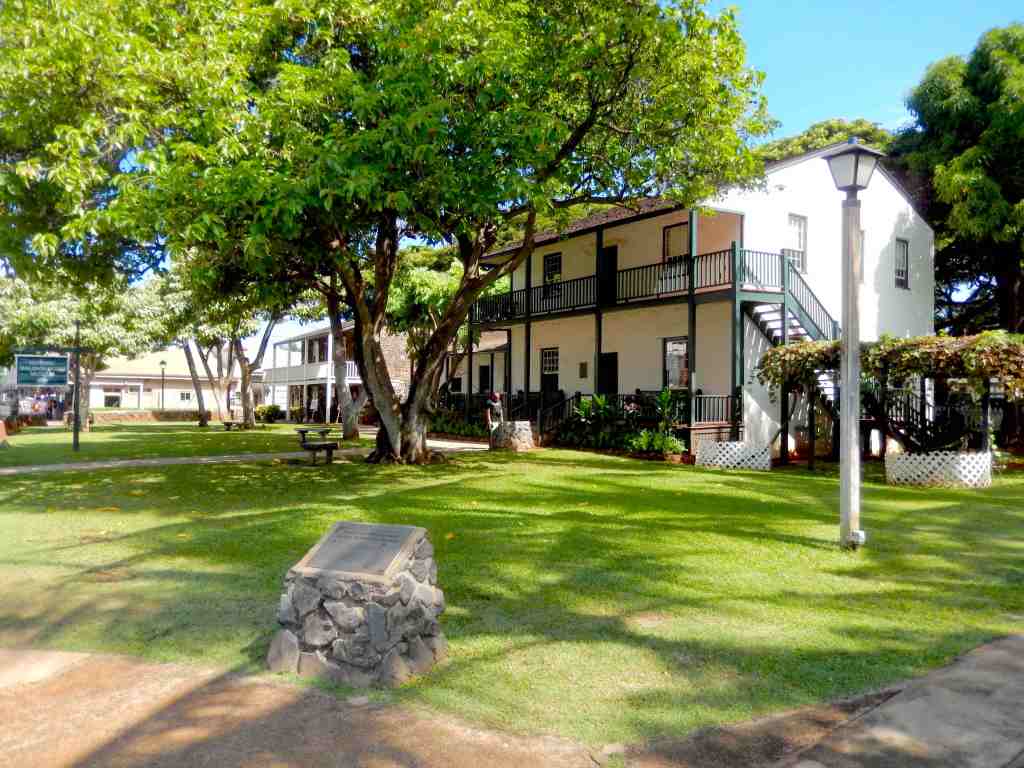
In the 1800s, Lahaina was also a major whaling port and fishing town, thanks to its harbor and a location on the major whale migration routes. You can learn more about this historic town by visiting exhibits at the Baldwin Home Museum and the Lahaina Restoration Foundation. Baldwin and other missionaries taught the Hawaiians to read and write in both English and Hawaiian. They established the high school above Lahaina while descendants of the Baldwins went on to develop the irrigation system and sugar cane industry on Maui.
The center of town is Lāhainā Banyan Court (a Park) near the waterfront with the oldest tree on Maui at its centerpiece.
The Road to Hana is a scenic drive along the northeastern coast of Maui, famous for its stunning views of waterfalls, beaches, and lush rainforests. The road stretches for about 64 miles and has over 600 curves and 50 bridges. Some of the popular stops along the way include:
Paia Town, a charming surf town with unique shops and restaurants
Twin Falls, a beautiful waterfall with a swimming hole
Waianapanapa State Park, a black sand beach with sea caves and hiking trails
Seven Sacred Pools, a series of waterfalls and swimming holes in Oheo Gulch
The Road to Hana is a full-day trip, so plan accordingly.
Kaanapali Beach is a beautiful stretch of sand on the west coast of Maui. It’s known for its clear water, great snorkeling, and beautiful sunsets. The beach is lined with resorts, restaurants, and shops, making it a popular destination for tourists. Some of the popular activities at Kaanapali Beach include:
Snorkeling and scuba diving to see the colorful marine life and coral reefs
Parasailing and jet ski rentals for a fun day on the water
Sunset catamaran cruises to enjoy the beautiful views of the ocean and coastline
Beachfront dining and shopping at the Whalers Village shopping center
The island is famous for whale watching and depending on the season there are a number of whale watching tours available in Lahaina.
Shopping Opportunities
Hilo Hattie – most popular store for the largest selection of Hawaiian clothes and souvenirs.
Wharf Cinema Center – 3-level building with stores and restaurants across from the Banyan Tree in Lahaina.
Hot Island Glass – watch glassblowing of decorative glass sculptures.
Moana Glass – learn glassblowing and make your own glass art.
Makai Glass – large viewing gallery to watch glass art production.
Lahaina is the cruise port of call for the gorgeous island of Maui, a port famous for its miles of beautiful white sand beaches. Lahaina has excellent shopping in a central area famous for its galleries. The tender landing is near to a beach with plenty of beach shops and great restaurants serving up Hawaiian cuisine. Be sure and stop for a shave ice.
Tucked in between Brazil and Argentina along the South American coast is the county of Uruguay. Its capital and major port is the city of Montevideo where over half of the countries total population of just three million live. A frequent port on many South American cruise itineraries the city is located near where the Rio de la Plata flows into the Atlantic Ocean. It is two-hundred fifty miles down river and east of Buenos Aries.
Where Your Ship Docks
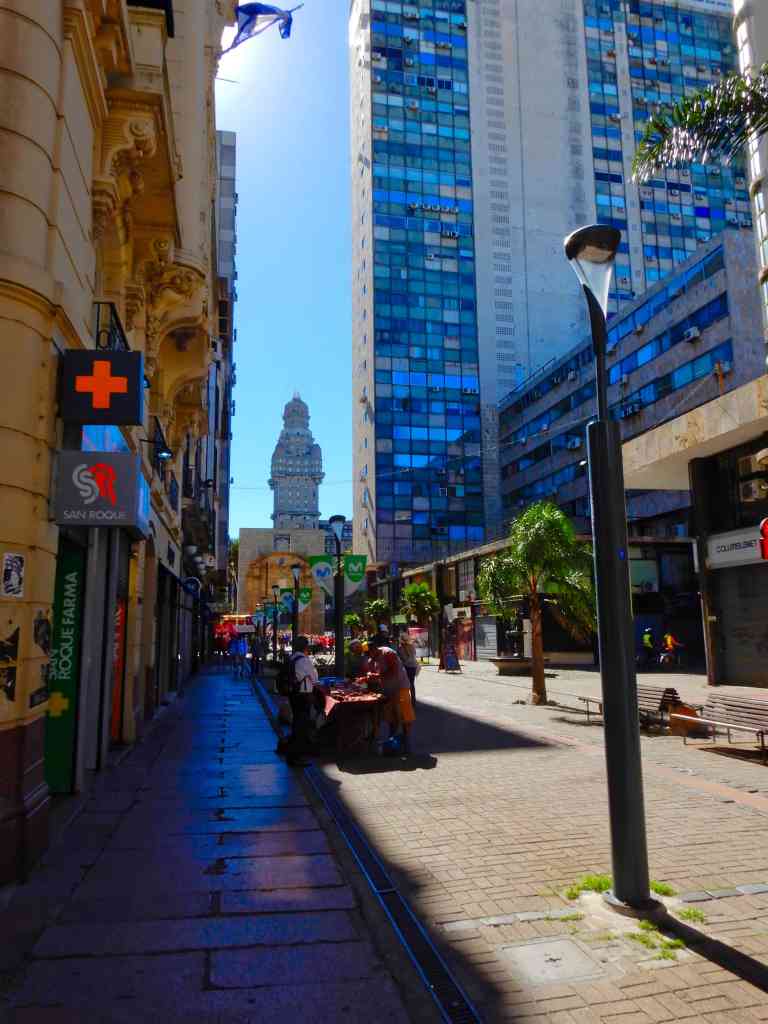
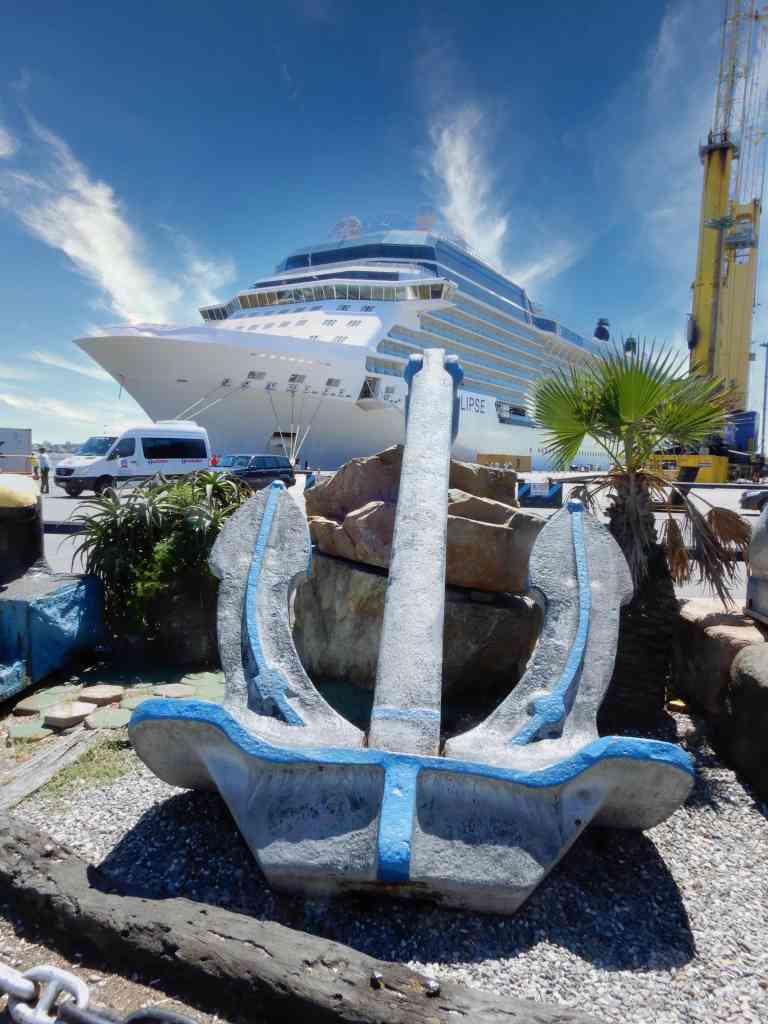
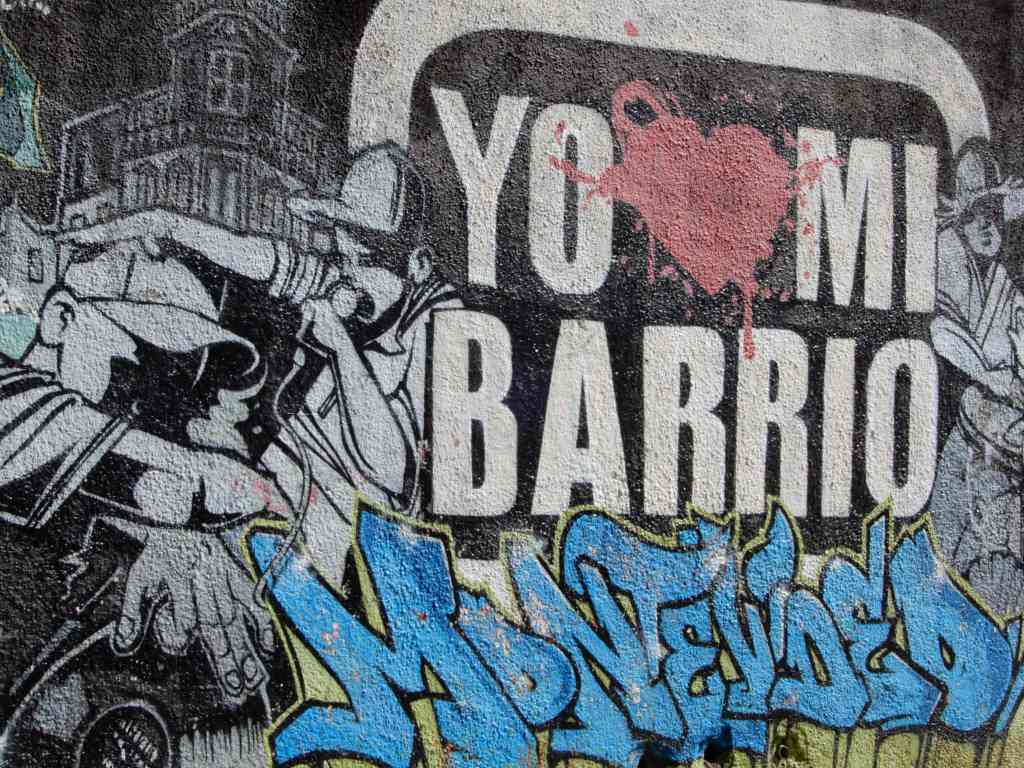
Cruise ships normally dock at the Terminal Puerto De Montevideo which sits at the tip of a peninsula which covers most of the Tres Cruces barrio. A barrio is neighborhood or district and Tres Cruces means “three crossings”, referring to the three major transportation routes which meet in the area. The port is well developed but does not offer a terminal adjacent to the pier. However only a couple of blocks outside the port is a shopping district and public restrooms are available in the Port Market*.
Wheelchair Accessibility
Disembarking – This port has a developed cruise ship pier but the ease of disembarking varies by the individual ships gangway designs. For passengers using wheelchairs there can be a moderate ramp incline to deal with.
Port City Characteristics – This port has a well developed wheelchair friendly infrastructure. The port area is flat or has few inclines. Intersection crosswalks have few issues with curbs or other wheelchair obstacles.
Transportation
While Montevideo is a large metropolitan area, Tres Cruces is the heart of the historic city with most of the sites within walking distance of the port. Getting outside this area usually requires a taxi. While Taxis are common they are not cheap as gasoline is very expensive here. A majority of drivers only speak Spanish so be prepared with written names of your destination. Expect to pay about UYU100 for a ten minute ride. Tipping is not usual, but rounding up is common.
Montevideo is not a large city and it has a very efficient public bus transportation system. Getting around by bus is not difficult but you may need to use some Spanish. With a little help from a cellphone translator you’ll find the people are very friendly and eager to help you with which bus route you need to take to get to your destination.
Getting To and From the Airport. A shuttle is available between the airport and downtown for about UYS 800/950 or about US$45. A taxi should cost about UYU 1500 or US$70.
Currency
Currently a Uruguay Peso (UYU) is worth about US$0.03. Most merchants in popular tourist areas will gladly accept Dollars and Euros and most major credit cards can be used. If using currency expect small change to be in Uruguay Pesos.
Attractions
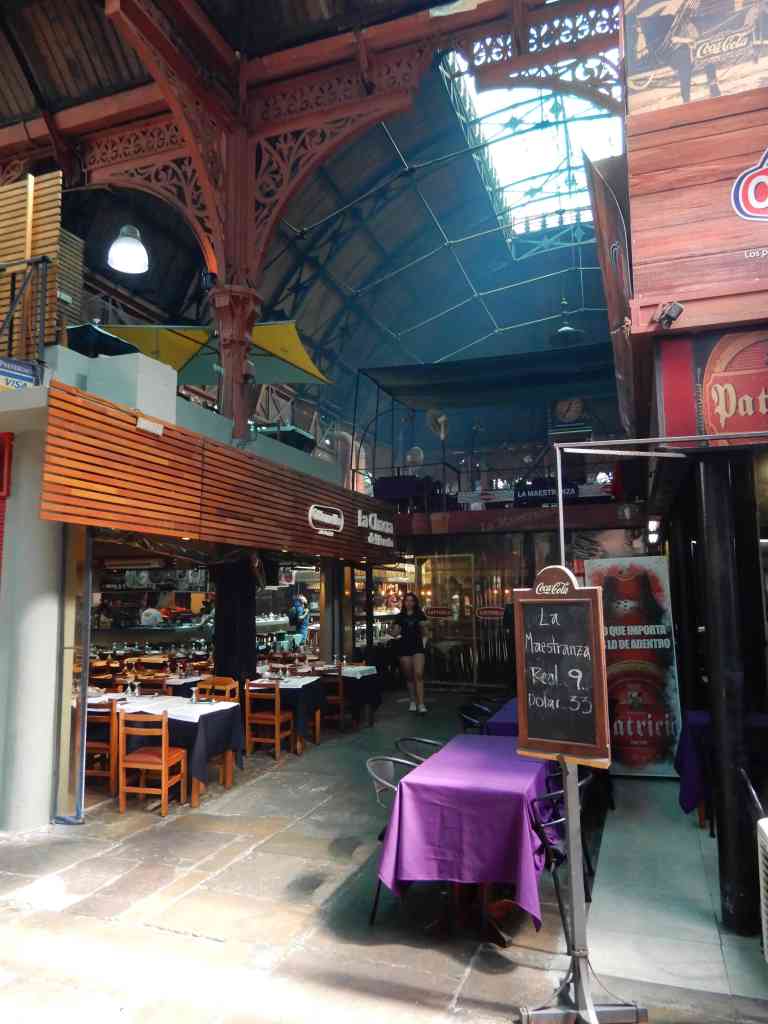
Just outside the port is the Mercado del Puerto The Port Market a historic market located in the Ciudad Vieja (Old City) of Montevideo. It’s a popular destination for foodies, as it’s known for its delicious grilled meats, such as beef, pork, and lamb. The market is also home to many artisanal shops selling souvenirs, leather goods, and other local products. The atmosphere is lively and bustling, especially on weekends when there is live music and street performers. If you’re a meat lover, the Mercado del Puerto is definitely worth a visit! is Outside are street stalls and local shops and inside the main pavilion is a collection of cafes, bars and restaurants. The area is particularly famous for its steak houses.
Within the Tres Cruces area are a number of other attractions of interest:
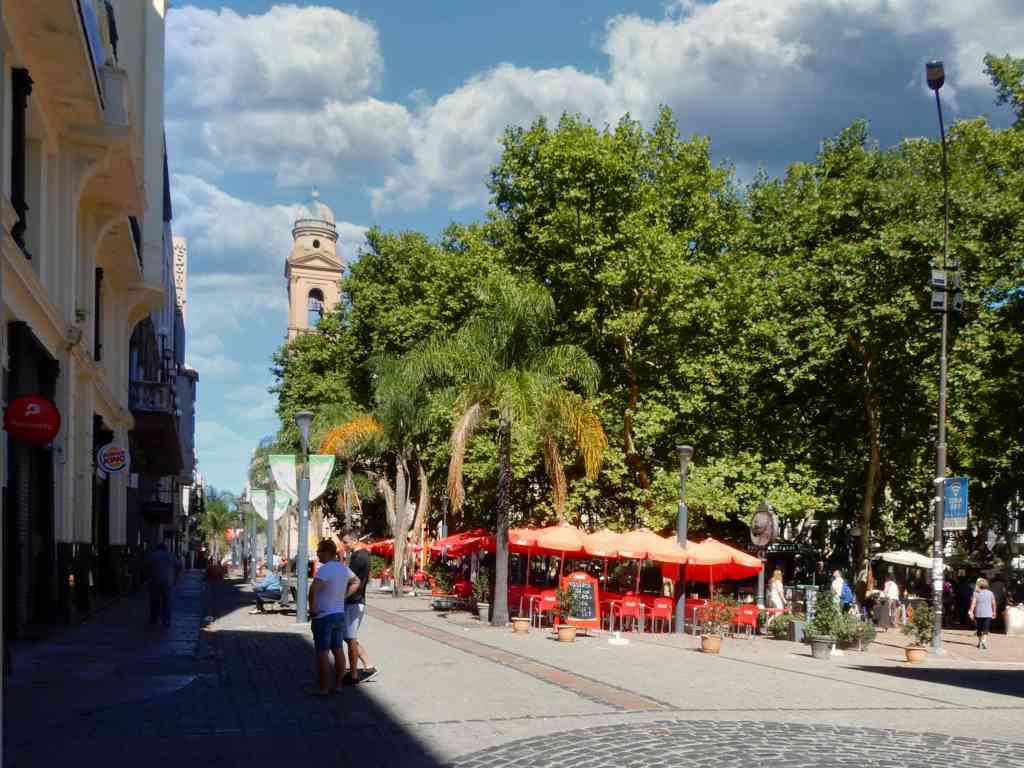
The Old City (Ciudad Vieja) is the historic district of Montevideo, located in the heart of the city. It’s a charming neighborhood with narrow streets, colonial architecture, and many landmarks and museums. Some of the most popular sights in the Old City include the Plaza Independencia, the Cathedral of Montevideo, the Cabildo, the Solís Theatre, and the Mercado del Puerto. The neighborhood is also home to many restaurants, cafes, and bars, making it a great place to spend an afternoon or evening.
The Rambla is a long coastal avenue that stretches along the shore of Montevideo. It’s a popular spot for locals and tourists to go for a walk, run, bike ride, or simply enjoy the beautiful views of the Rio de la Plata. Along the Rambla, you’ll find many parks, beaches, restaurants, and bars. Some of the most popular spots include Pocitos Beach, the Montevideo sign, and the Rambla de Montevideo Monument.
The Legislative Palace (Palacio Legislativo) is a beautiful building located in the Aguada neighborhood of Montevideo. It houses the legislative branch of the Uruguayan government, and it’s considered one of the most impressive buildings in the country. The palace was built in the early 20th century and features a neoclassical style with many ornate details, such as sculptures, frescoes, and stained glass windows. Guided tours are available for visitors who want to learn more about the history and architecture of the building.
Locks Fountain at Av. 18 de Julio
Ramírez Beach, a wide sand beach & popular hangout
Galeria SOA, Candombe pedestrian Curuguaty
Palacio Diaz at Av. 18 de Julio
Ciudadela at Av. Intendente Municipal Juan Pedro Fabini
Fountain Plaza Cagancha at Dr. Enrique Tarigo
Galería Caubarrere Convención at Restos de la muralla de la Ciudadela at Buenos Aires
Mausoleo de José Gervasio Artigas at Prócer de los Orientales
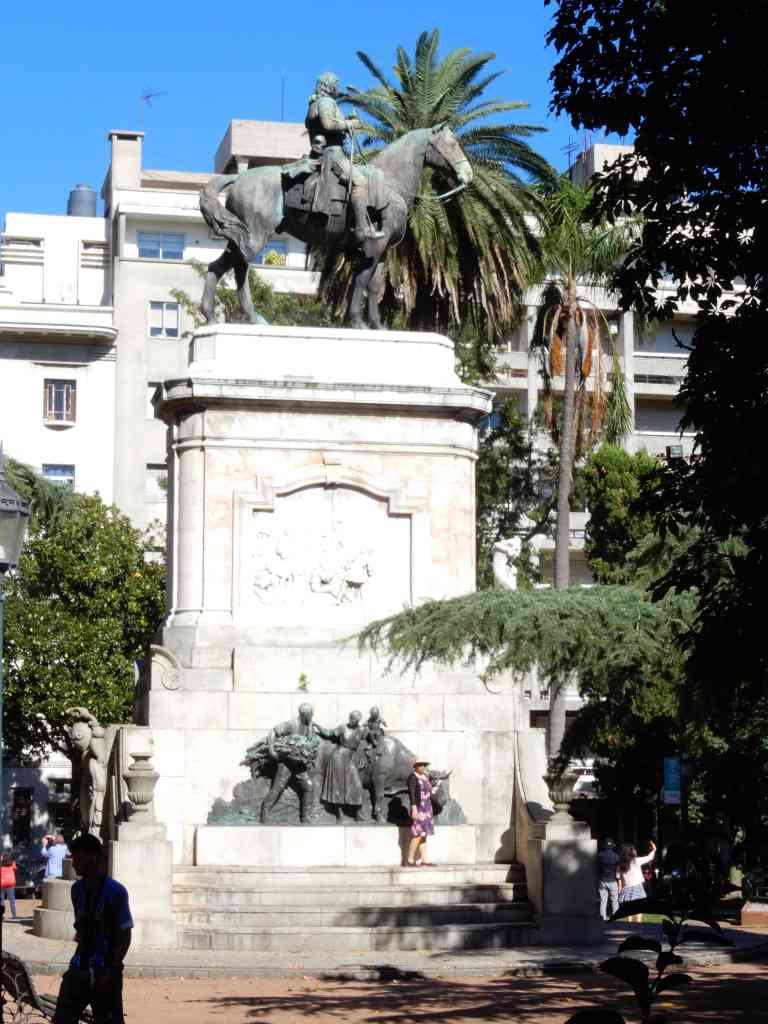
Monument at Plaza Independencia
The Black Gallery Arte Contemporáneo at Calle Perez Castellano
Monumento a Atilio Narancio
Palmera de Juana de Ibarbourou at Manuel Vicente Pagola
This is a common sight throughout Europe in late spring and early summer when these storks migrate up from Africa. The white stork (Ciconia ciconia) is unique among Europe’s other large birds, by being closely connected with human habitation. They build their nests mainly on roofs and chimneys and in much of Europe these elegant birds are considered good luck.
Join us as we visit historic treasures, natural wonders and vibrant cities set against backdrops that are endlessly changing and visually magnificent.
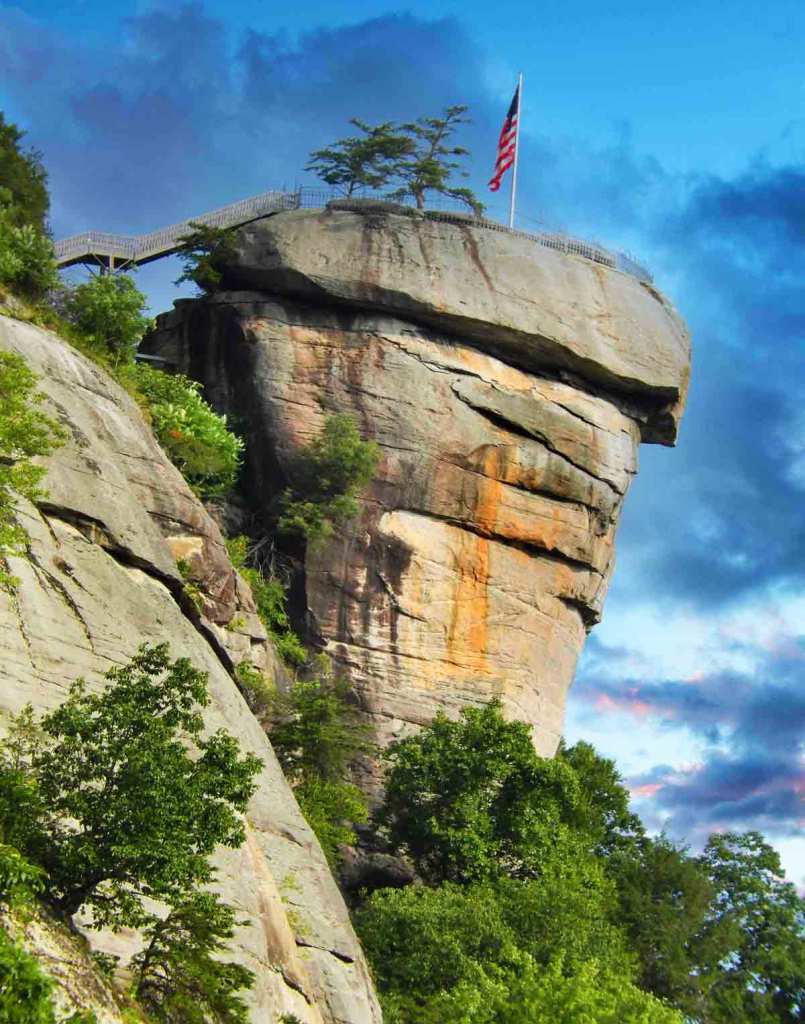
Featuring an iconic geological landmark, Chimney Rock State Park is located in the mountains of western North Carolina. Sitting above the Broad River and the small tourist town of Chimney Rock, the park is popular for its miles of hiking trails and Chestnut Falls. It was also the location for shooting the more recent movie The Last Of The Mohicans.
Join us as we visit historic treasures, natural wonders and vibrant cities set against backdrops that are endlessly changing and visually magnificent.
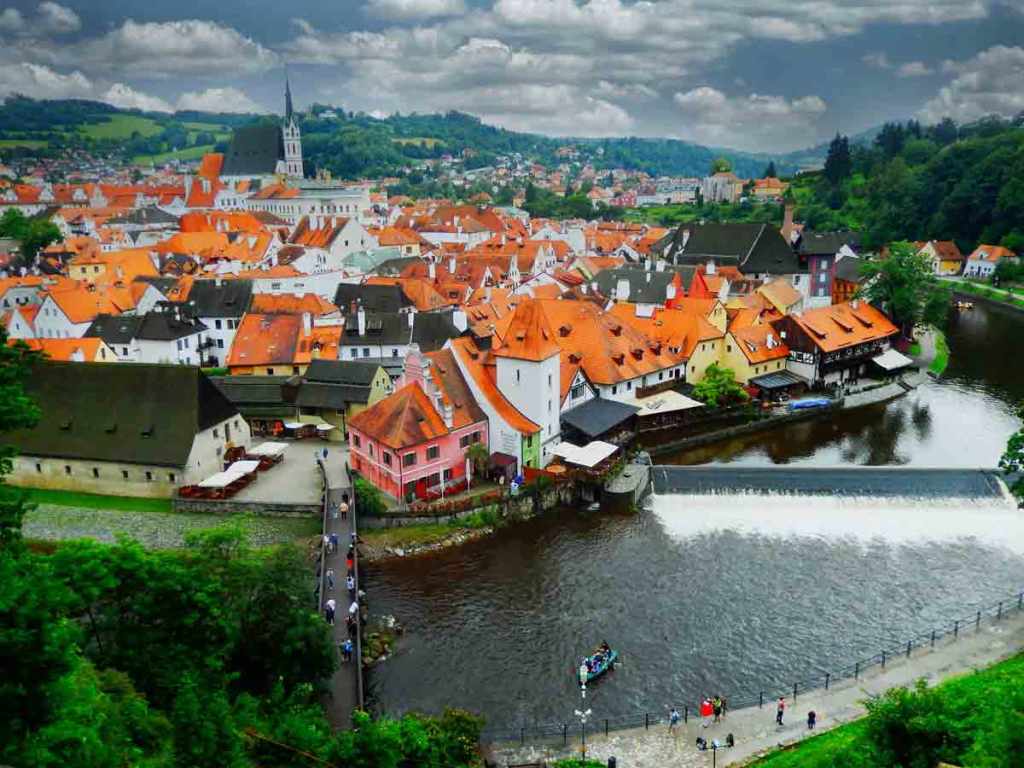
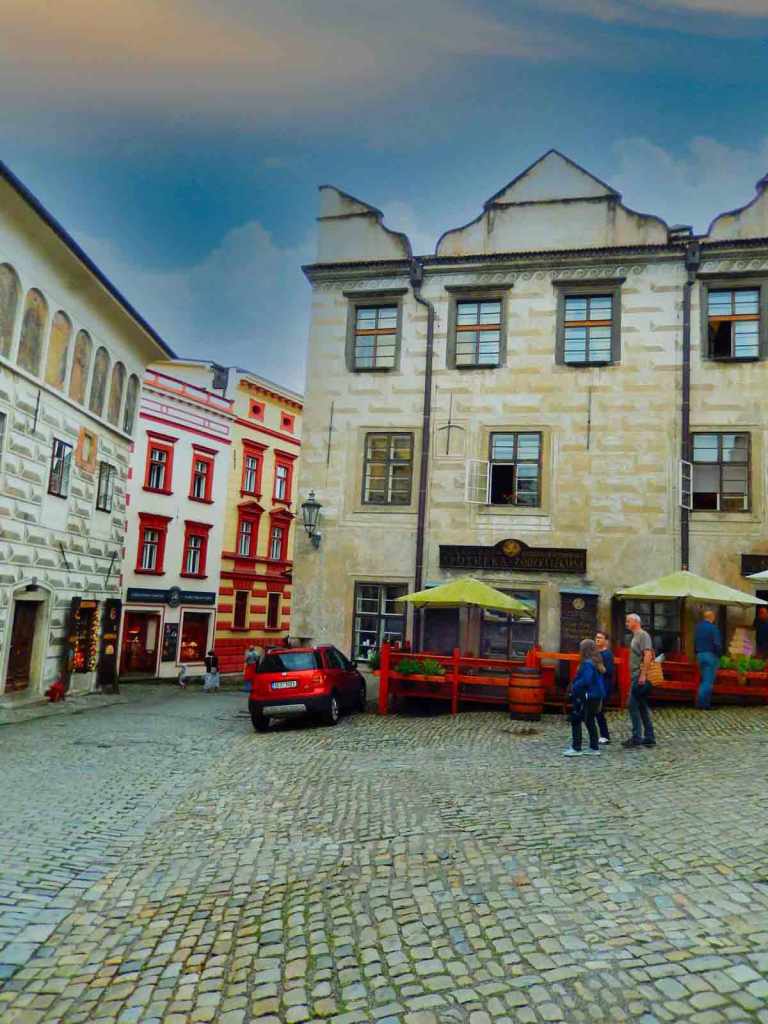
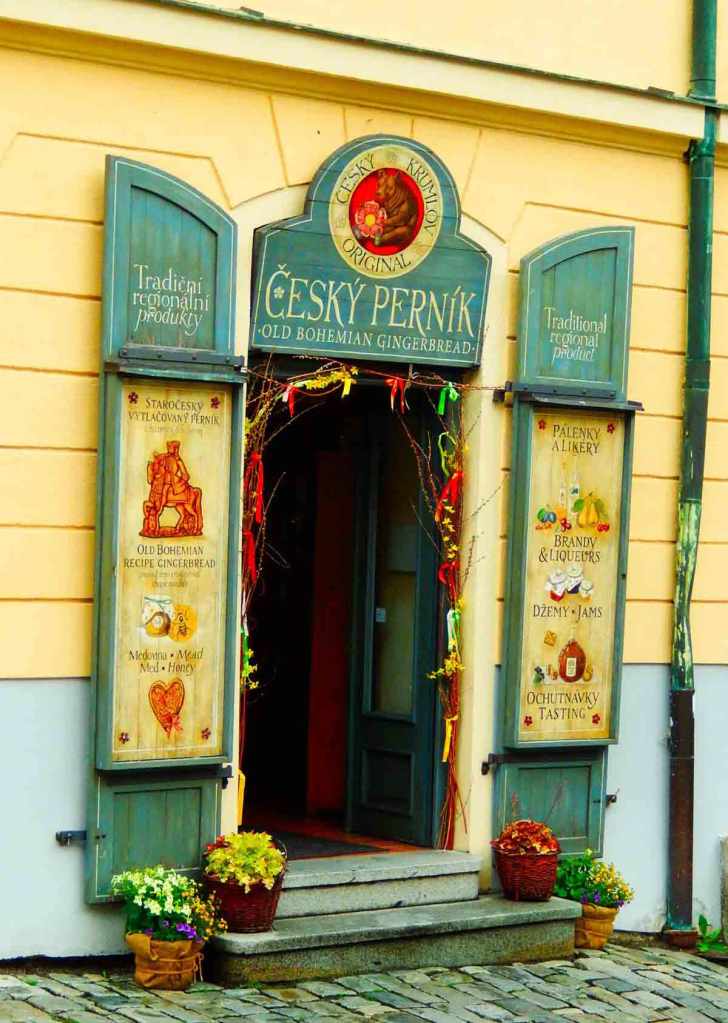
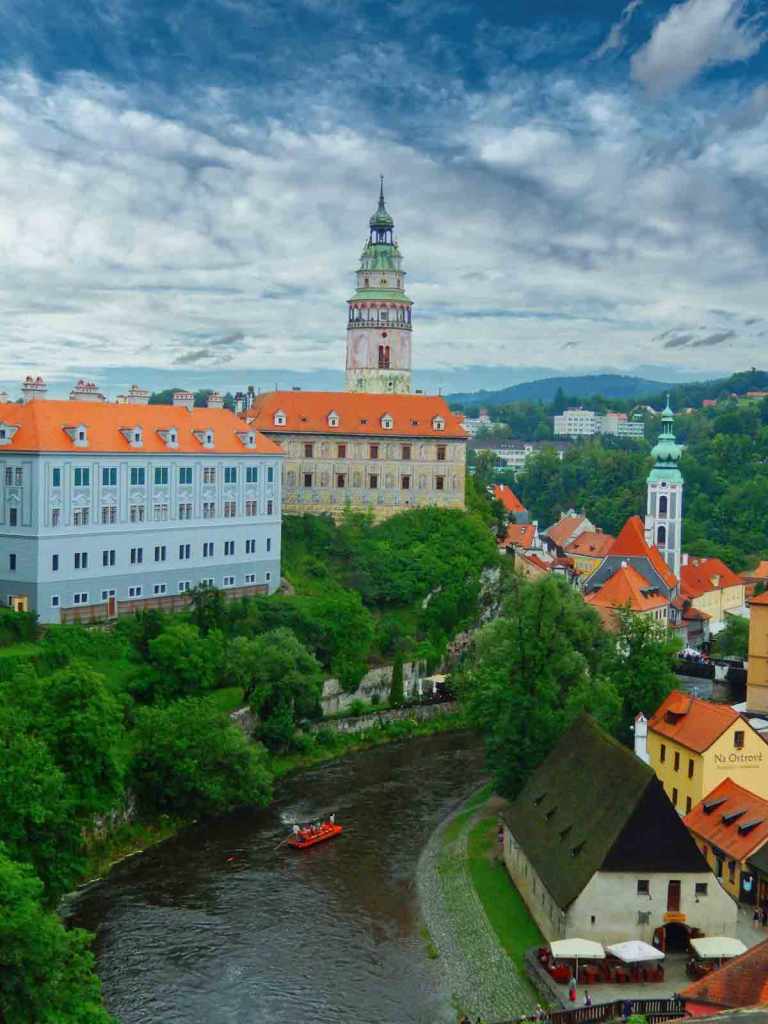
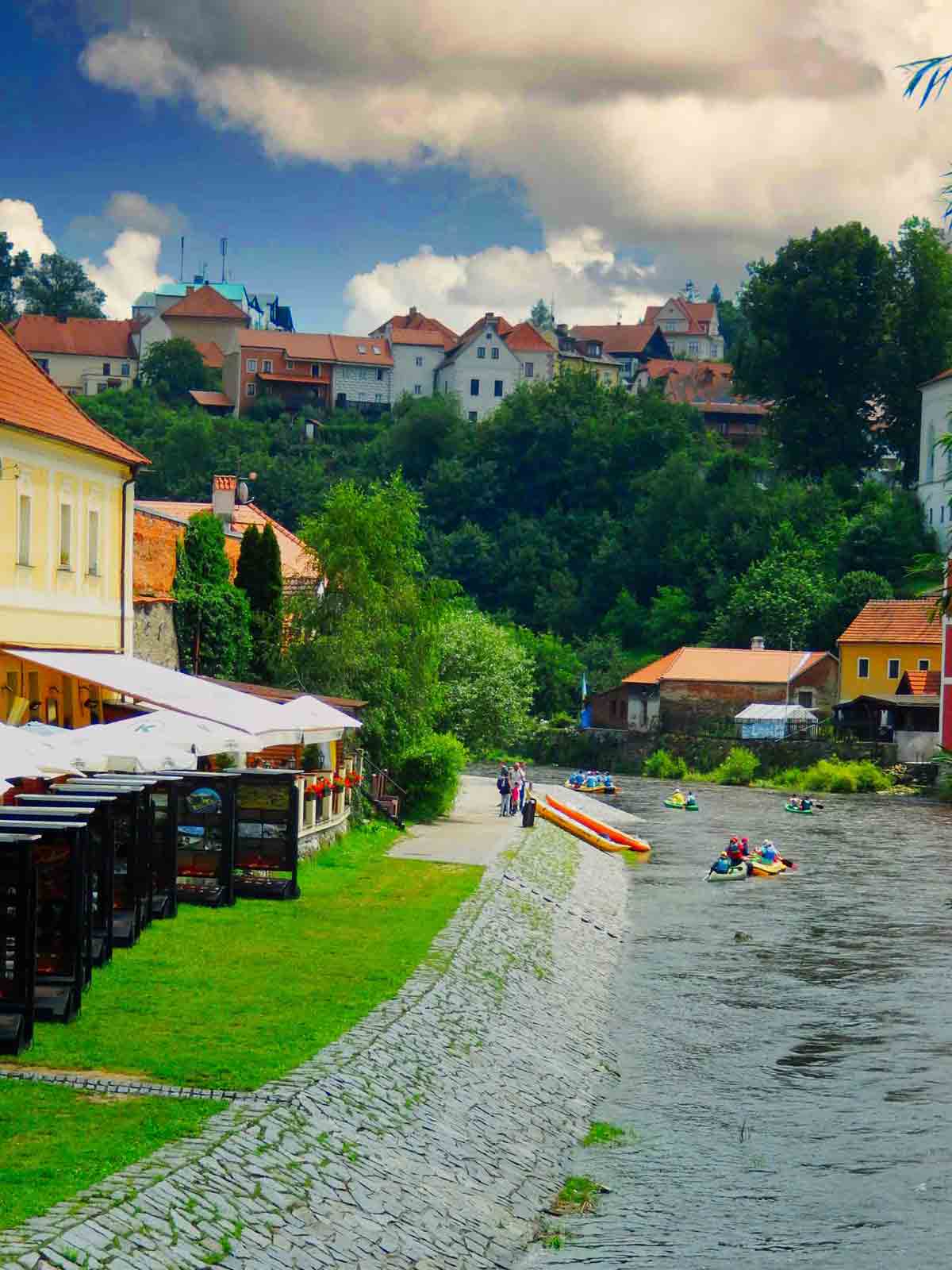
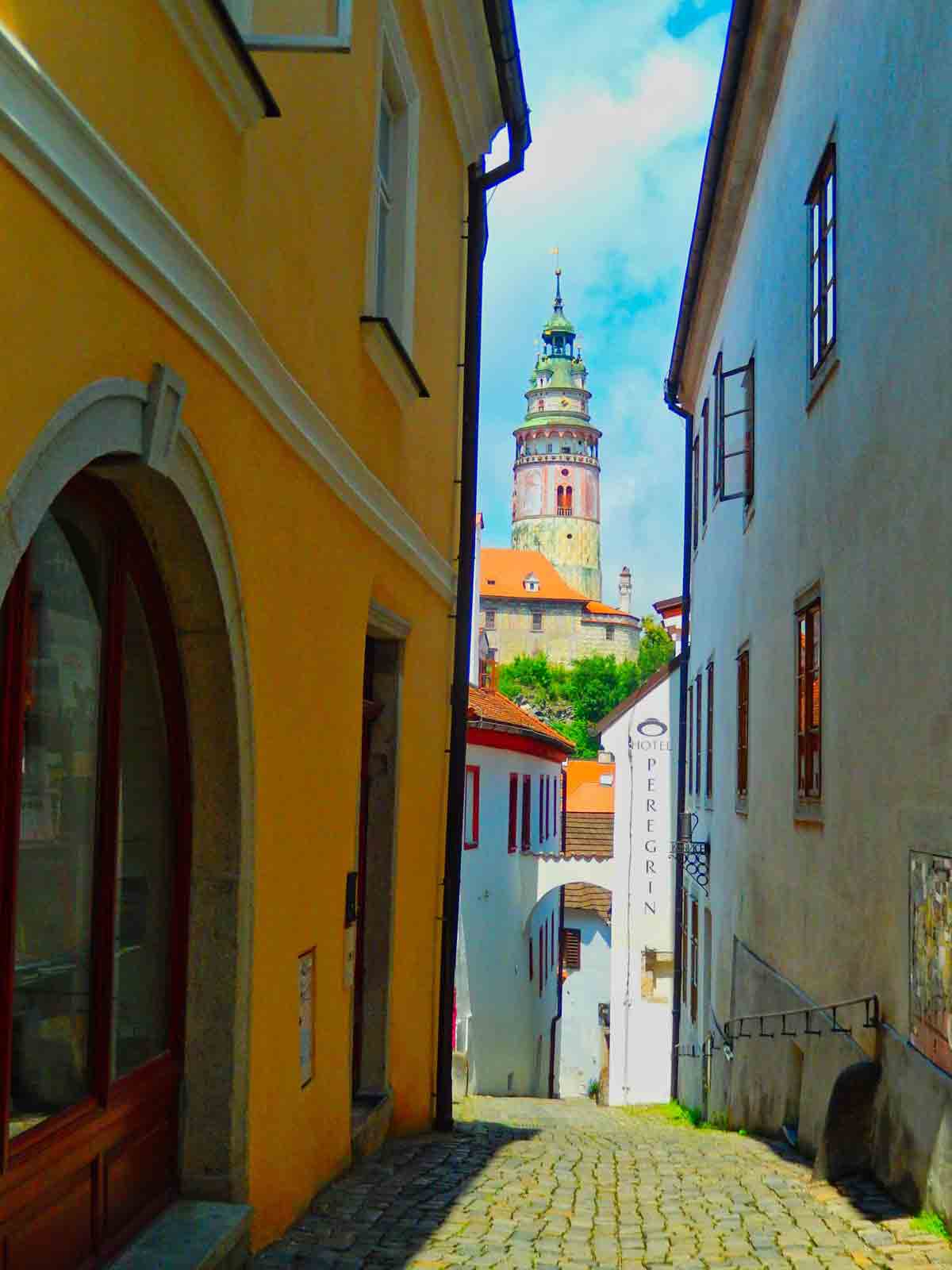
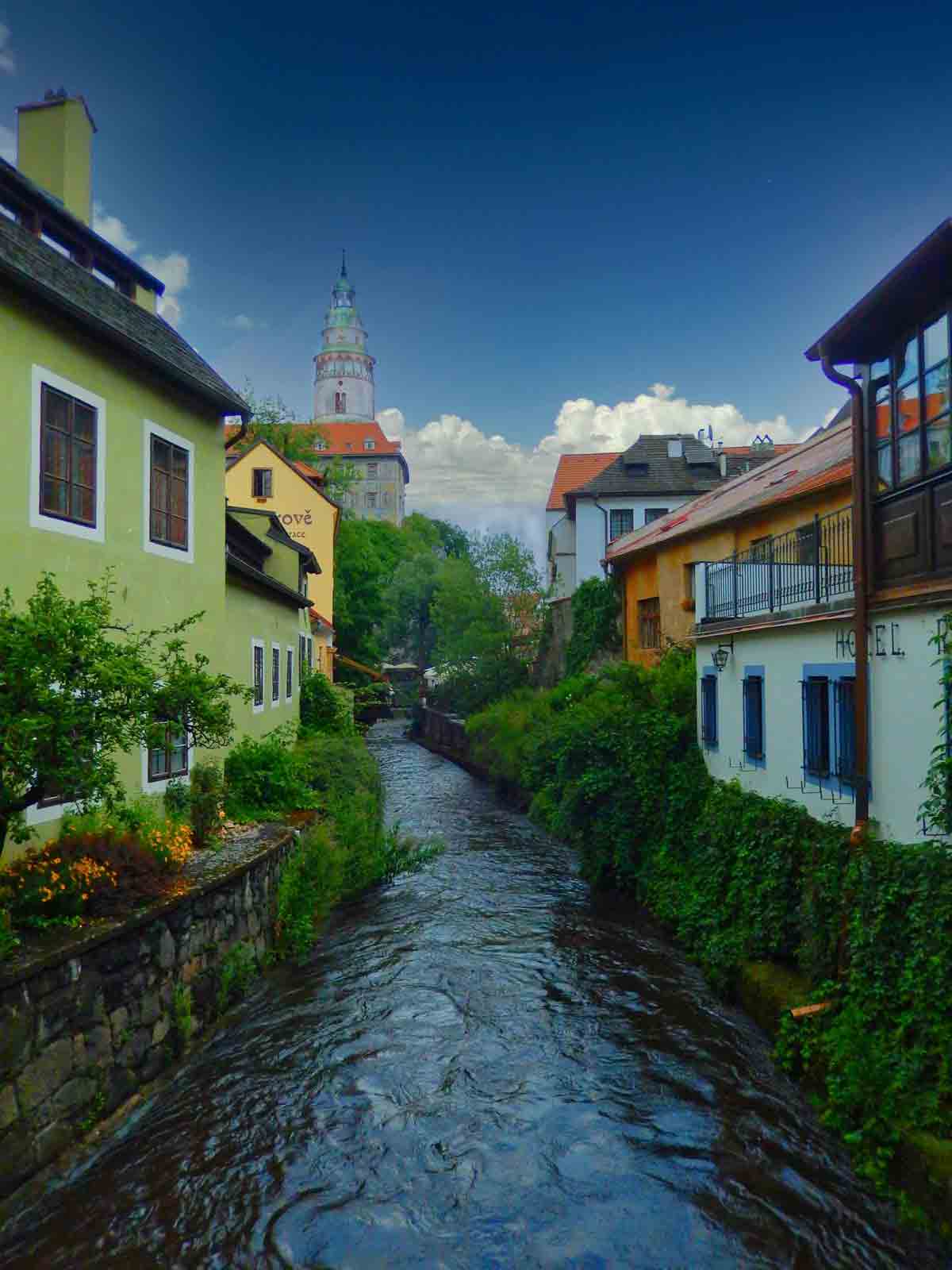
In South Bohemia in the Czech Republic, is a small town featuring a castle on a hill, a small river flowing right through its middle and quant streets with picturesque pastel buildings. It is often referred to as Europe’s most beautiful town. Welcome to Český Krumlov four hours south of Prague, it’s bisected by the Vltava River and watched over by a 13th-century castle. While there are a number of people who will argue over the title of Europe’s most beautiful town it is without question in the top ten.
The historic center of the town was added to UNESCO’s World Heritage List in 1992. The castle incorporates Gothic, Renaissance and baroque elements, and includes a large garden and an original 17th-century baroque theater. Český Krumlov has mostly remained unchanged over the course of centuries and is one of Europe’s best examples of a historic European town. There were many such towns all over Central Europe, but most of them suffered damages during wars or their architectural heritage was destroyed in order to make space for more “modern” buildings.
Český Krumlov has worked at preserving its heritage by keeping old architecture and maintaining the original street layout. Just walking the streets and admiring the beautiful old architecture is an experience. The town is actually located on a horseshoe bend of the Vltava river and often gets very busy as it is a favorite location for canoeing and rafting, especially on weekends. Add to that more than a million tourists visiting each year and the town can be crowded at times.
Český Krumlov Castle (Státní hrad a zámek Český Krumlov) is the most important feature of the town. Its history dates back to the 13th century when it was founded by the Vítkovci (Witigonen) family. It was rebuilt in the Renaissance style in the 16th century. At that time the castle was owned by the Rosenbergs. Members of this family were prominent Bohemian aristocracy and many of them were great patrons of the arts.
The Emperor Rudolf II of the House of Habsburg bought the Český Krumlov dominion in the early 17th century. Its current form of a large Baroque residence castle owes to Johann Christian I von Eggenberg, who undertook its remodeling in the 1680s.
The bloodline of the Eggenbergs died out in 1719 and the town with the castle became property of the Schwarzenbergs. After World War II it was transferred to the Czechoslovak government. It remains in state-ownership today. It is the second largest castle complex in Czechia (after Prague Castle) and one of the largest in Europe.
There is an entrance fee providing access to a number of historic exhibits. One of the favorite sights in the castle is its unique Baroque Theatre and the characteristic round castle tower is open to be climbed for spectacular views of the town.
The Church of St. Vitus (Kostel svatého Víta) also stands out on the town skyline, competing with the castle. The church was built in the Gothic style in the early 15th century.
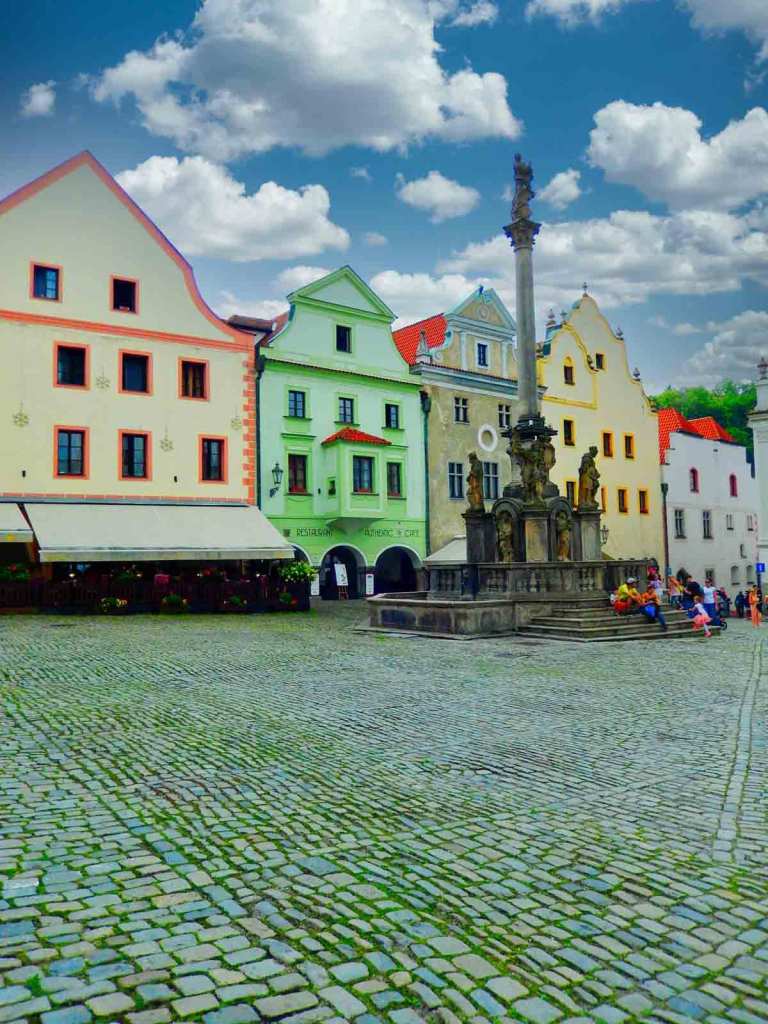
Unity Square (Náměstí Svornosti) is the center of the historic Town. The beautiful square features a Renaissance town-hall from the 16th century and a Marian plague column making the square one of the most beautiful town squares in all of the Czech Republic if not all of Central Europe.
Latrán is another section near the Inner Town located in the northeastern part of the town, near the castle. There is a high concentration of Gothic and Renaissance buildings in the Latrán quarter.













 The Intentional Travelers