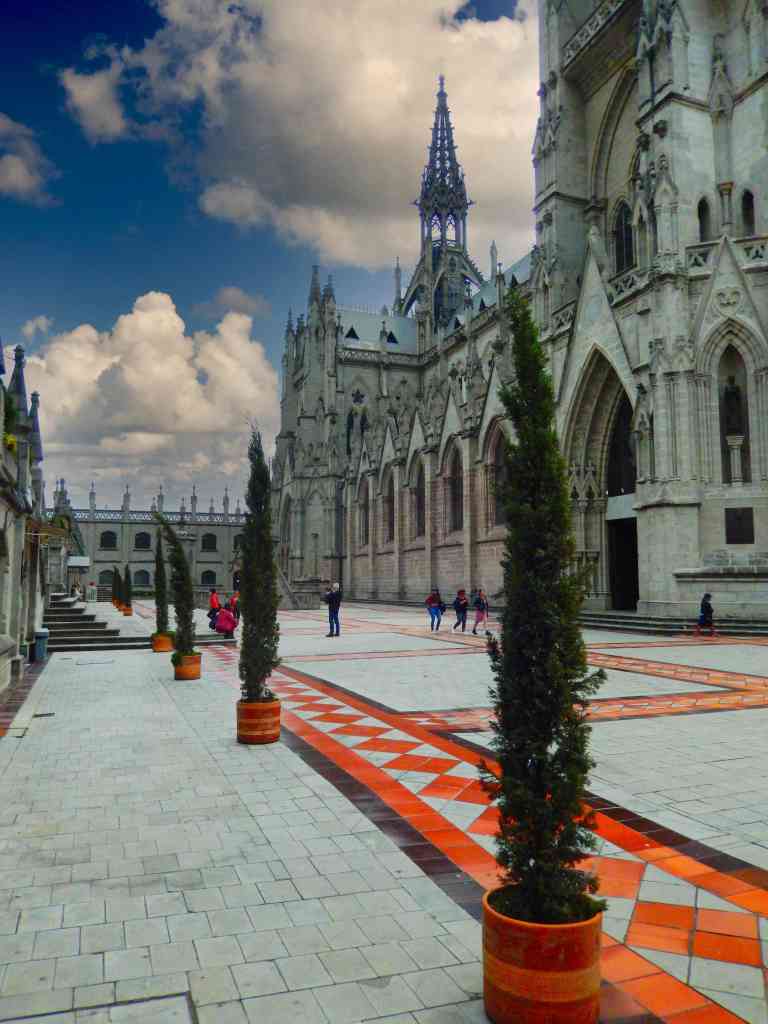
The Basilica of the National Vow is a new Gothic style cathedral, considered to be the most significant religious site in Ecuador in terms of design, and one of the most impressive in South Americas. This basilica was inspired by Notre Dame in Paris; its construction began in 1892 and was completed in 1988. The Basilica of the National Vow is famous for its gargoyles on the facade, featuring numerous animals of Ecuador like alligators, turtles, boobies, monkeys, pumas and more.
Join us as we visit historic treasures, natural wonders and vibrant cities set against backdrops that are endlessly changing and visually magnificent.
Join Us – We understand that the last thing you may want is more emails cluttering up your inbox, but we promise we’ll work hard to make this worth your while. Give us a try and if we don’t live up to our promise all you need do is click the unsubscribe link in our emails.
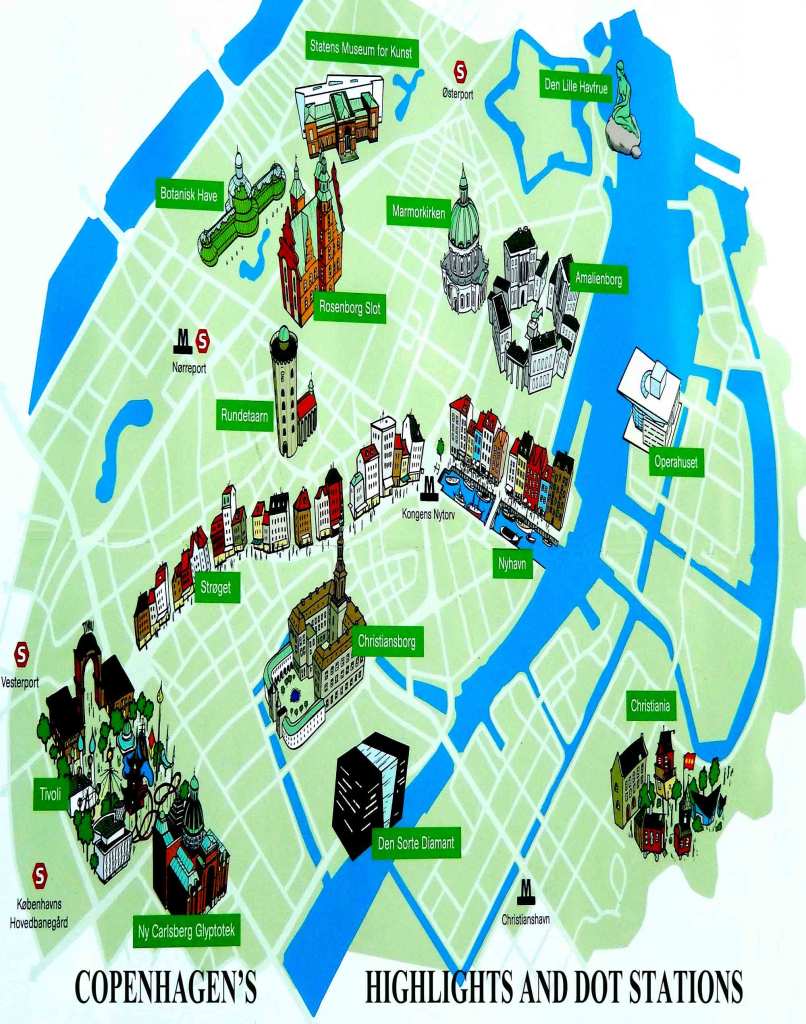
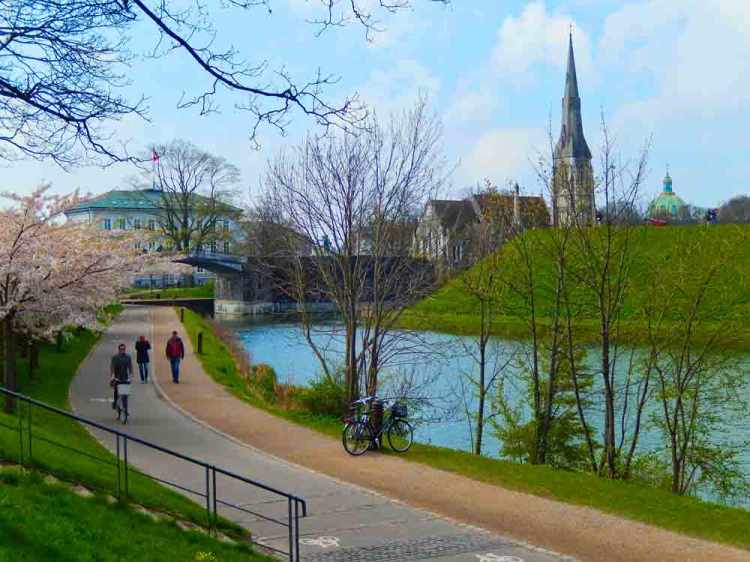
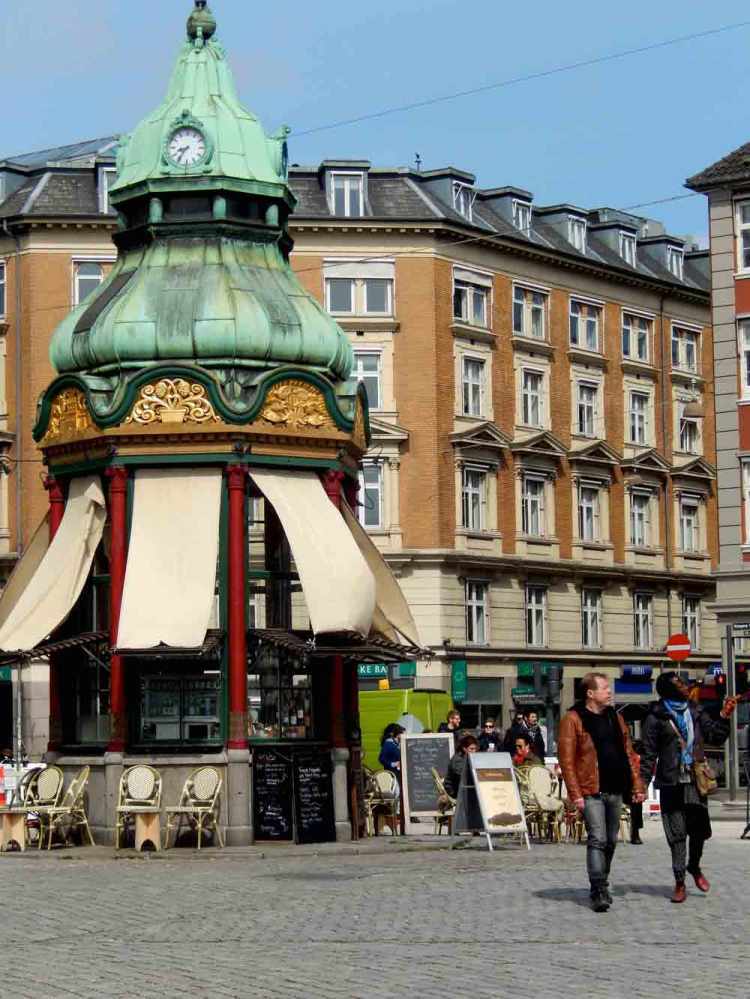
The city’s historic centre is remarkable with culture, great restaurants, attractions and fun things to do. To enjoy Copenhagen consider visiting Tivoli Gardens, exploring Nyhavn, checking out the Little Mermaid statue, visit Christiansborg Palace, and take a canal tour.
The heart of this city is Copenhagen Central Station, bordering the trendy Vesterbro. It is a gateway to all public transportation in and around Copenhagen. There you will find buses, taxis, local S-trains as well as regional trains which will take you to the airport. Copenhagen Central Station is home to a post office, supermarket, bakery, food service, a pharmarcy, shopping center, baby changing facilities, bathrooms, showers and luggage storage.
Where Your Ship Docks
Copenhagen has three cruise terminals: Langelinie, Nordre Toldbod and Ocean Quay. Both Langelinie and Nordre Toldbod are near to the city center and offer good walking routes along the waterfront. If your ship is docked at Langelinie don’t miss taking a short walk along the water passing right by the famous Little Mermaid statue.
Transportation
Copenhagen has an efficient public transportation system that includes buses, trains, and metro. You can buy tickets at ticket machines located at train stations, metro stations, and many bus stops. It’s also possible to purchase tickets through the DOT web site HERE or with the DOT Mobilbilletter app. Visitors interested in using public transportation should purchase a City Pass which includes unlimited travel on buses, trains, and metro for a set number of days, starting at DKK 80 (approximately US$13) per day. It’s worth noting that children under the age of 12 travel for free when accompanied by an adult with a valid ticket. It’s very important to remember to validate your ticket before boarding. For more information or to buy tickets click HERE.
To get from Langelinie to the city center take bus route 26 that runs from Langelinie to the city center and takes approximately 20 minutes. Alternatively, you can take a train from Østerport Station, which is about a 15-minute walk from Langelinie,
To get from Ocean Quay into the city center, take the metro from the nearby stop called “DR Byen” and get off at “Kongens Nytorv” station. From there, you can easily walk to many of the city’s attractions or transfer to other public transportation options.
From Nordre Toldbod take a bus, which has regular schedules and stops at various locations in the city center.
Wheelchair Accessibility
Disembarking – Depending on where your ship docks disembarking varies by the individual ships gangway designs. For passengers using wheelchairs there can be a moderate ramp incline to deal with in all locations. Generally Copenhagen has a well developed wheelchair friendly infrastructure. The port area is flat or has few inclines. Intersection crosswalks have few issues with curbs or other wheelchair obstacles.
Currency
The local currency is the Danish Krone with 1 Krone is equal to $0.15 US Dollar. Credit cards are welcome and ATMs are plentiful. Of special note is the Danish use of digital paying. Even vending machines only accept tap and pay usually from cell phones.
Attractions
First Copenhagen has many sights to see and activities with many of them free:
Visit the Little Mermaid statue, which is one of the most famous landmarks in Copenhagen and is free to see.
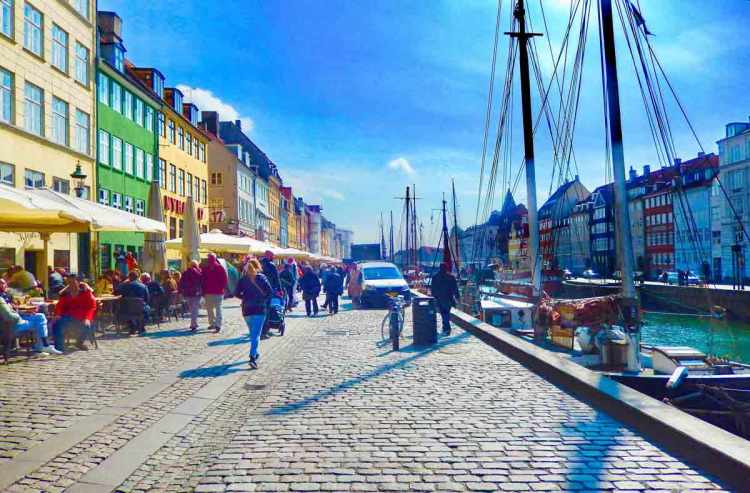
Check out the colorful houses of Nyhavn, which is a picturesque harbor area with plenty of photo opportunities.
Take a stroll in the beautiful Botanical Garden, which is home to over 13,000 species of plants.
Explore the historic district of Frederiksstaden, which is filled with beautiful architecture and landmarks such as Amalienborg Palace and the Marble Church.
Visit the National Museum of Denmark, which has free admission and showcases Danish history and culture.
Christiansborg Palace
Amalienborg Palace – visit for the changing of the guard each day at noon.
Experience 800 years of royal history at the awe-inspiring Christiansborg Palace.
Walk along the Strøget, which is one of the longest pedestrian shopping streets in Europe and is perfect for people watching.
Visit 6 museums on 1 ticket at Parkmuseerne museum district
Parkmuseerne is Copenhagen’s green museum district with six museums situated in and around three historical parks in the city center.
Tivoli Gardens – Magical Tivoli Gardens is Copenhagen’s central theme park. And one of the oldest in the world.
The David Collection Copenhagen – The largest collection of Islamic art in Scandinavia.
The Hirschsprung Collection – This glorious gallery showcases Danish art from the 19th and early 20th century, including the best of the Danish Golden Age.
Natural History Museum of Denmark – Marvel at meteorites, fossils and a piece of the moon at this natural history museum.
SMK – The National Gallery of Denmark – Denmark’s largest art gallery, SMK has an outstanding collection of Danish and international art.
Rosenborg Castle – A royal hermitage set in the King’s Garden in the heart of Copenhagen.
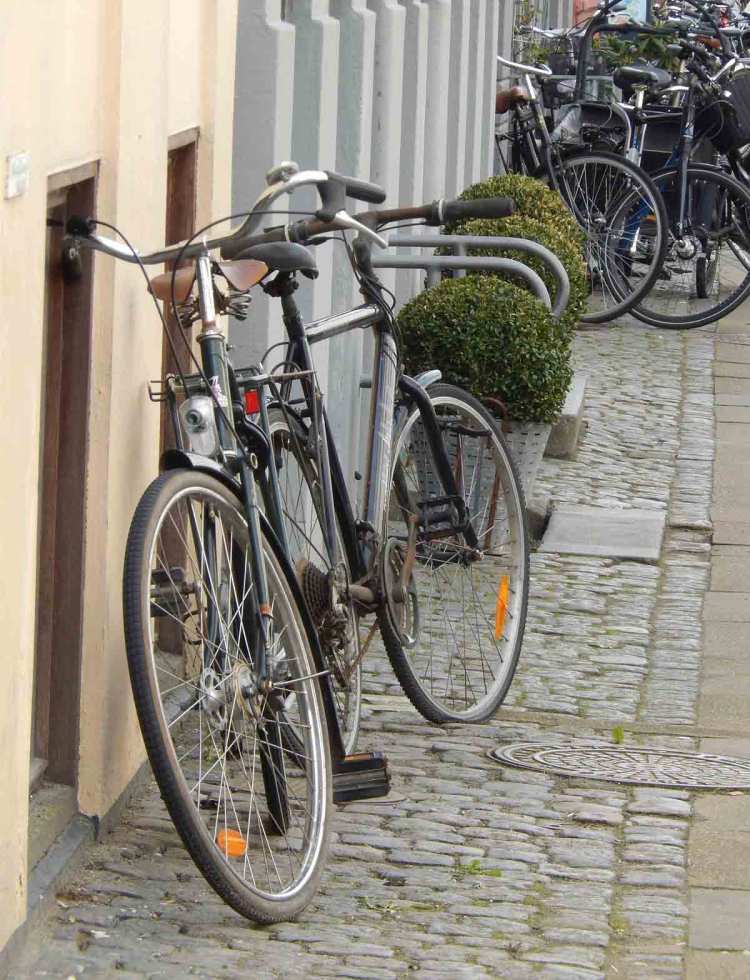
Take a bike ride along the many bike paths throughout the city, which is a great way to see Copenhagen like a local.
Food
Copenhagen is known for its diverse food scene, blending traditional Danish cuisine with international flavors. Here are some popular food and drink options to try in Copenhagen:
Smørrebrød: This traditional Danish open-faced sandwich typically consists of rye bread topped with various toppings such as pickled herring, smoked salmon, or roast beef.
Danish pastries: Copenhagen is home to some of the best bakeries in the world, offering a wide variety of delicious pastries such as cinnamon rolls, danishes, and kringle.
Hot dogs: Copenhagen has a long-standing love affair with hot dogs, which can be found at street vendors throughout the city.
Craft beer: Denmark is known for its craft beer scene, and Copenhagen has a wide variety of breweries and beer bars to choose from.
Aquavit: This traditional Scandinavian spirit is often served as an aperitif or digestif and pairs well with many Danish dishes.
Coffee: Copenhagen takes its coffee seriously, and there are many cafes throughout the city serving up high-quality coffee and pastries.
A little over an hours drive from Disney World or Busch Gardens, Tampa is another theme park with special appeal for the three to eight year old set and it won’t bust the family budget. Located on the grounds of the old and iconic Cypress Gardens this Legoland has a decidedly Florida flavor.
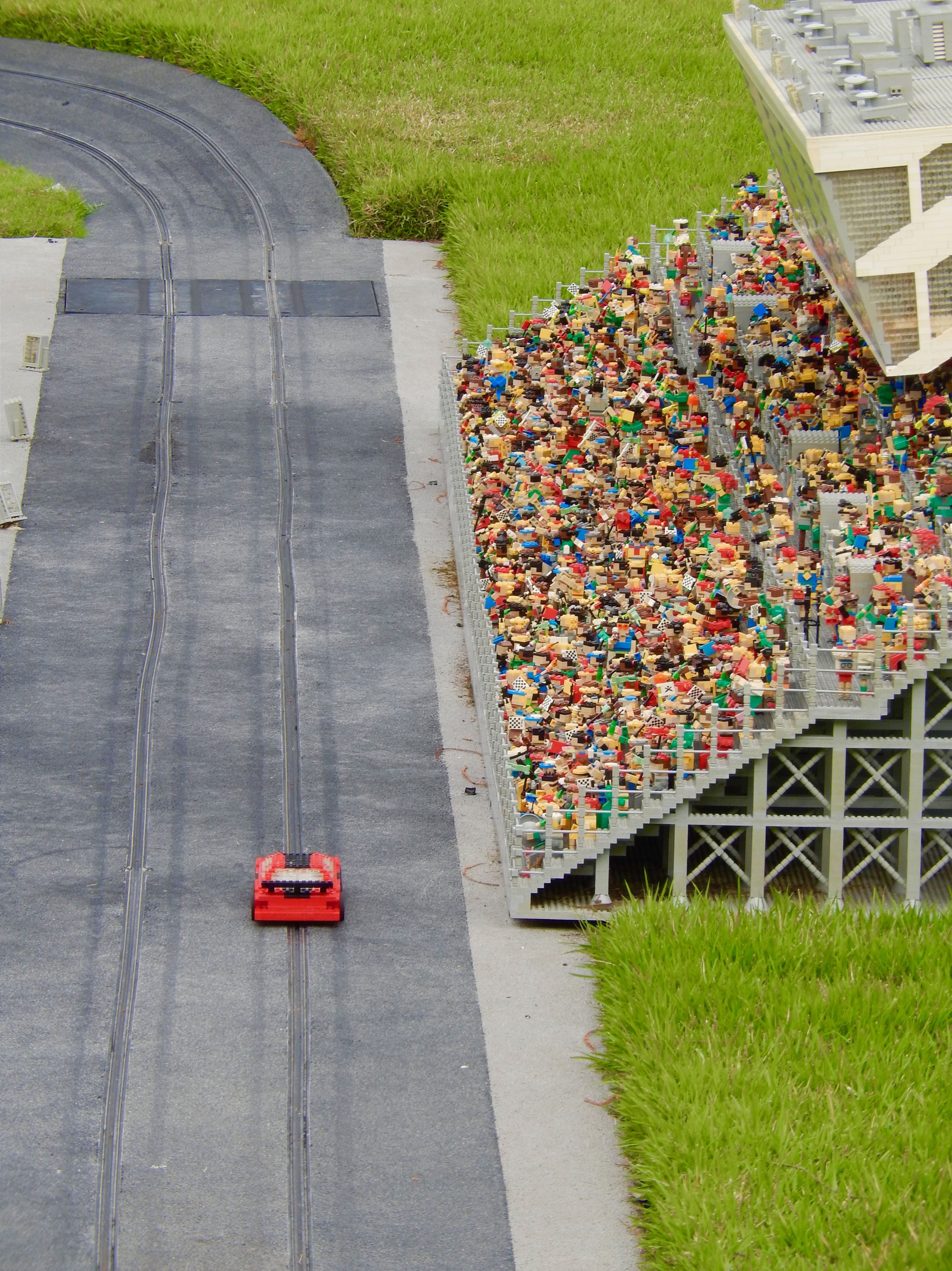
While it has a few nice thrill rides like an old fashioned roller coaster and a drop tower ride, the bulk of the entertainment is intended for a younger and more timid crowd. Lego cars and a Lego train ride. A mechanical Lego horse track (picture), bumper boats (below) and even a kiddie sized roller coaster.
We spent a day in Legoland with our six year old grandson and he had a fantastic time.
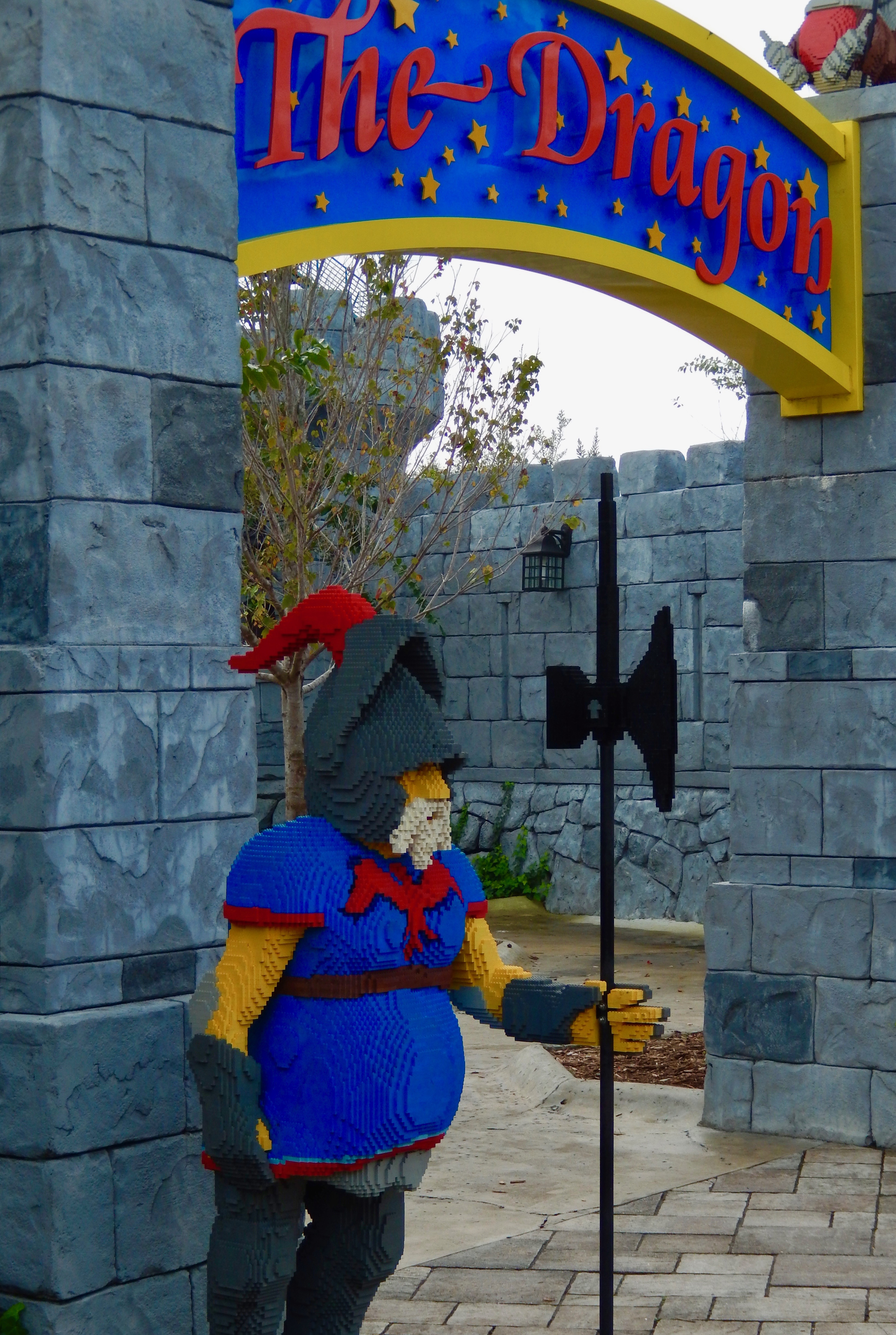
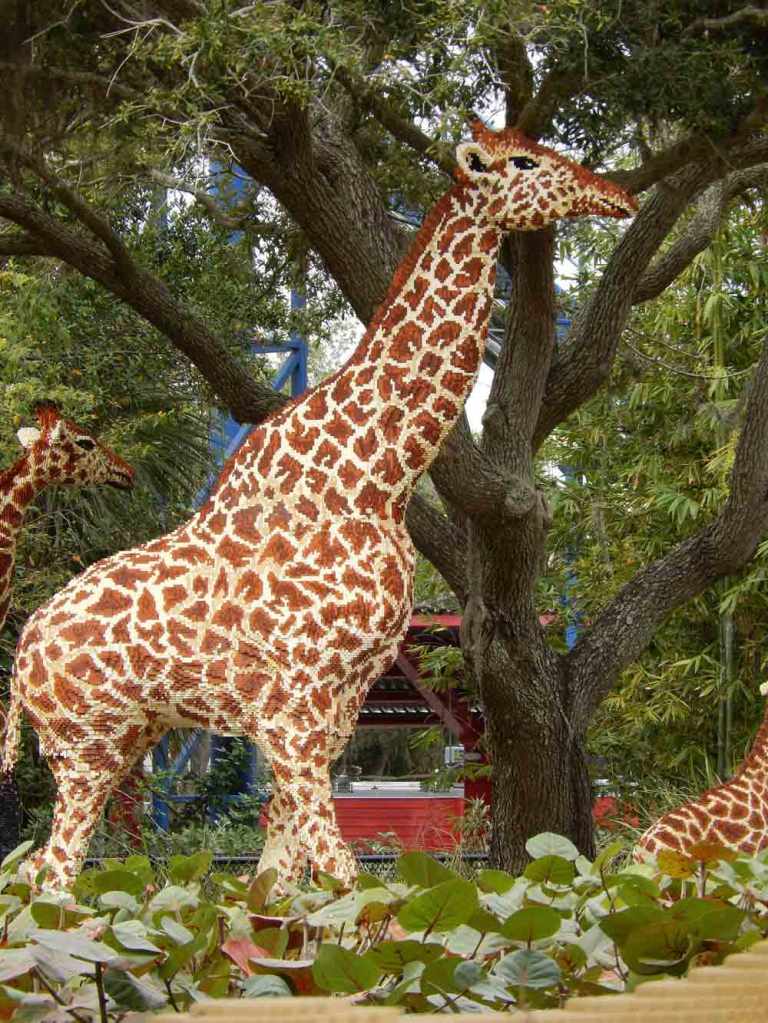
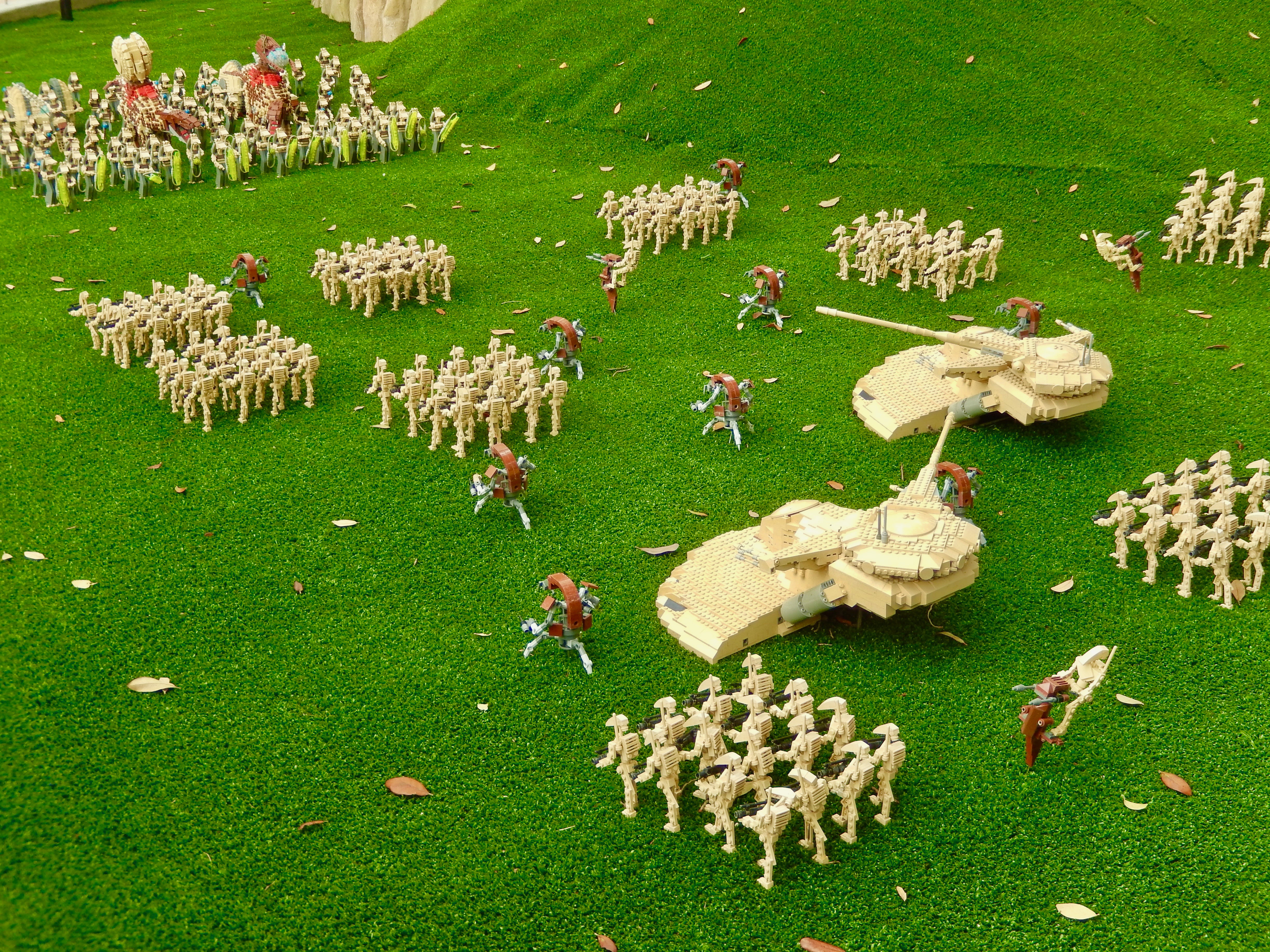
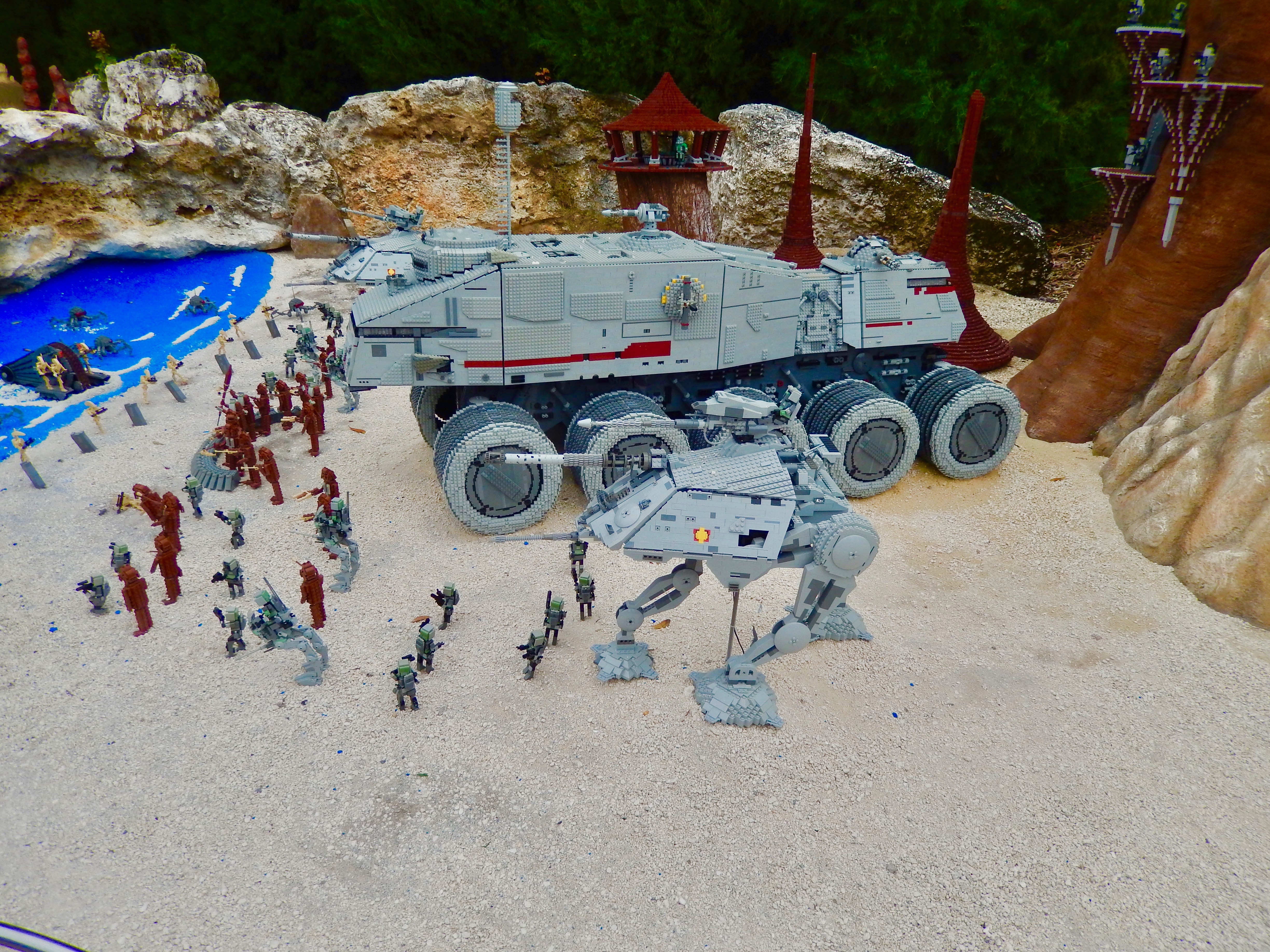
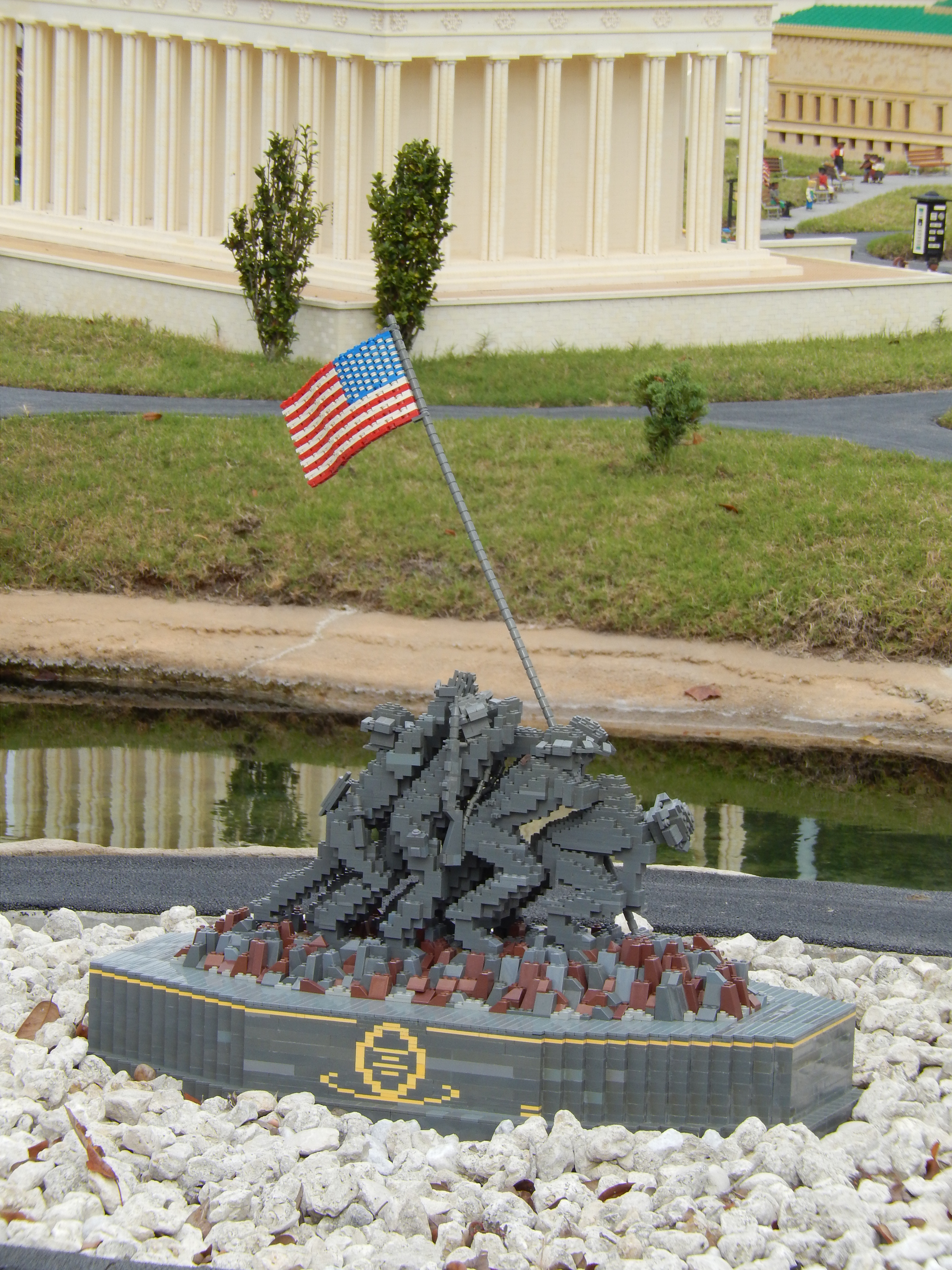
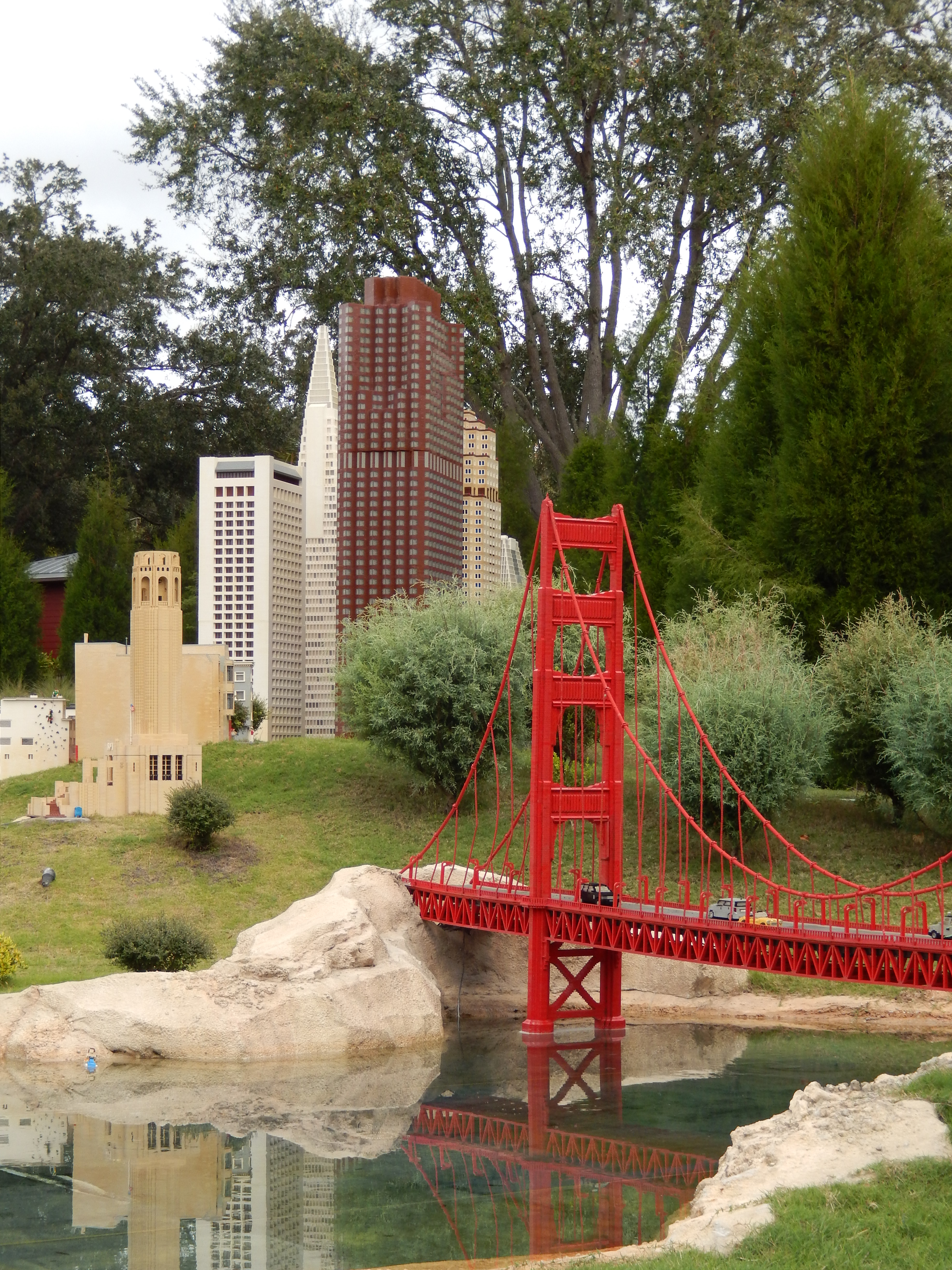
Everybody loves Legos and even the senior citizens in the group will be impressed with the Lego constructed model scenes. They included the monuments of Washington D.C., Key West Florida and the Kennedy Space Center. In addition there were pirate fleets and Star Wars scenes and all were amazing. As you travel thru the park there are Lego built full size animals and characters at every turn. Monkeys sit in trees, deer and otters stand in a woodland area with a lake and waterfalls. It really is a lot to take in for just one day.
Legoland Water Show
There is still a water show at the lake where water-skiers in the tradition of Cypress Gardens preform, but this time it is Lego characters on skies and in mini speed boats . It was a fast paced action story that will even keep the younger kids attention. It’s included with park admission. If you’re visiting with kids a good time should be had by all.
Legoland Water Park
There’s also a Legoland Water Park for a day of fun in the sun. From the Lego wave pool, Joker Soaker, an interactive water play area, lazy river, tube slides and body slides, kids will soak up the fun with lots of fun water activities. Find more information HERE.
Make It A Two Day Legoland Experience
Legoland Resorts
Legoland also has three resorts attached to the park. A new Pirate Island Hotel, the LEGOLAND® Hotel and one focused on the thrifty family called the LEGOLAND Beach Retreat. We spent a night there just to see what the resort was all about and it more than gains the approval of its intended guest demographic – young children aged two to ten.
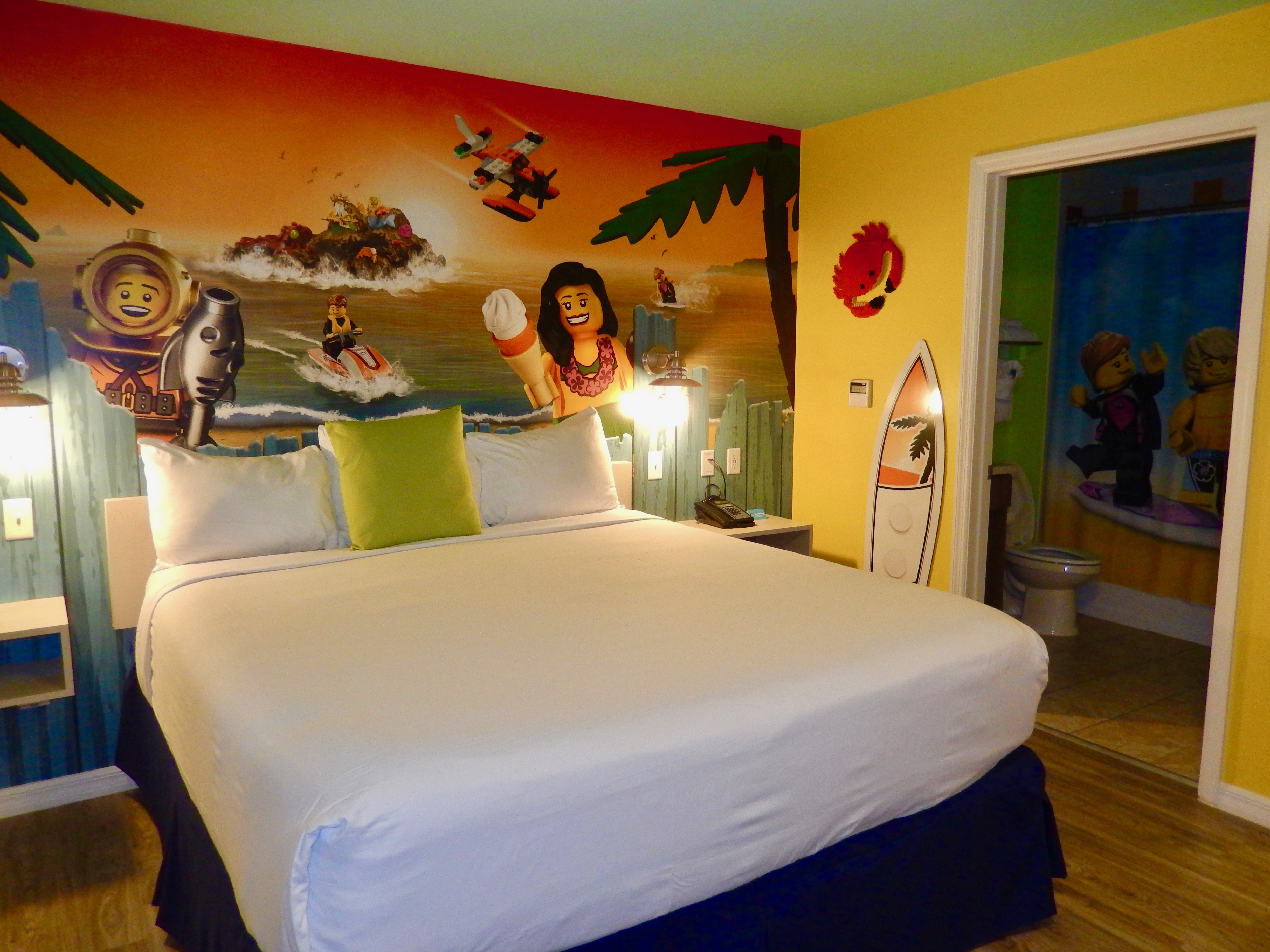
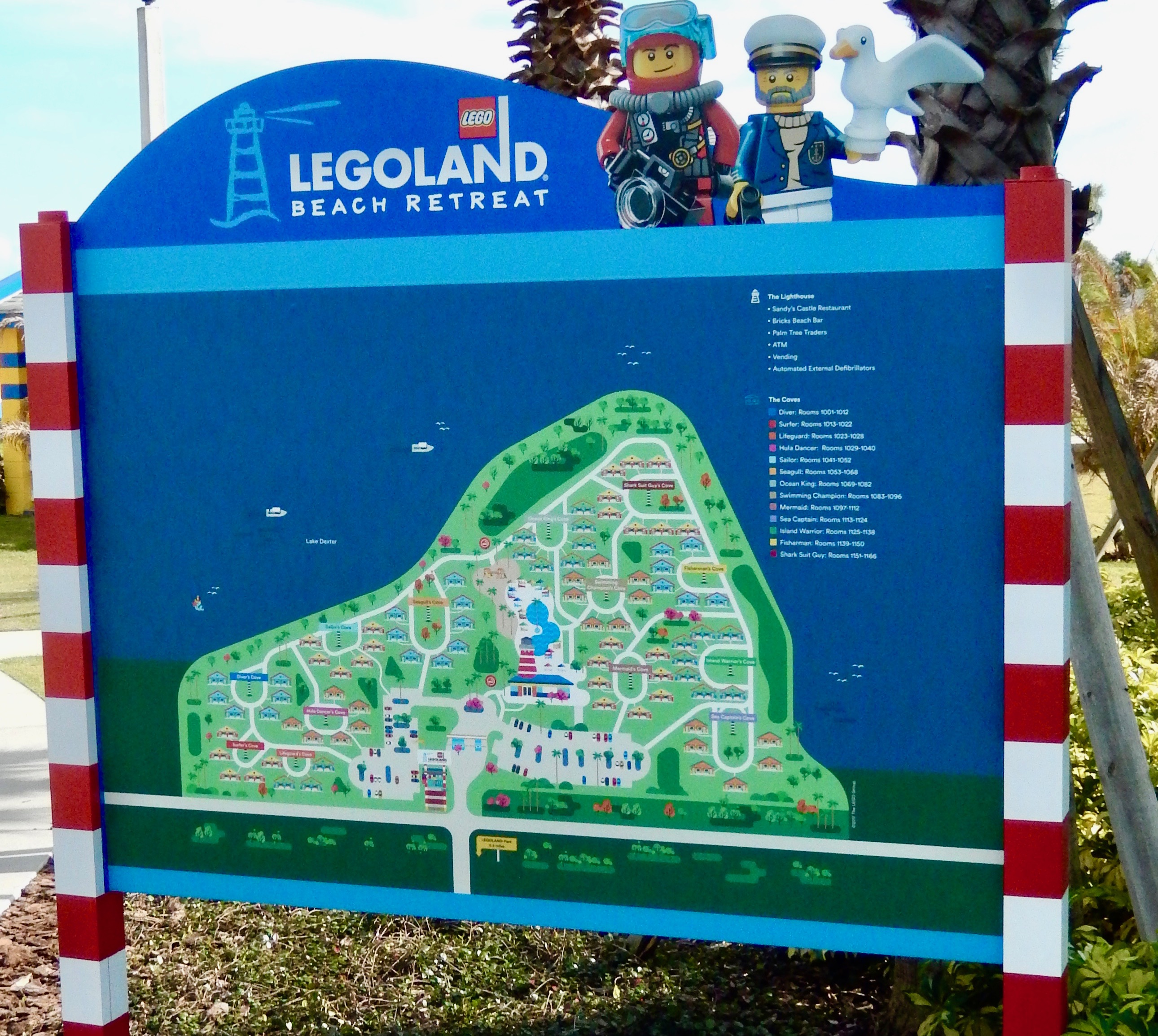
The rooms are cinderblock constructed duplexes, but with their bold painted block scheme, they look just as if they are made of giant Legos. Each accommodation features a king bed in the main room along with a smaller kids room featuring bunk beds. Decorations are all Lego with a beach theme. The duplexes are clustered around villages with each village featuring a playground in the center. At the clubhouse building there’s a kid friendly restaurant, a swimming pool and a large lighthouse feature. In the evening the restaurant features photo ops with meet the Lego characters. There’s also a swap desk for trading Lego character figures.
LEGOLAND Beach Retreat
Some adults have been critical of the discount character of the Lego Beach Resort but the small intended target customer will be thrilled with their time there. It’s like a really fun kindergarten recess, a sleep over and theme park all rolled into a family vacation!
It is less than two and a half hour train ride from Sydney, Australia out to Katoomba in the Blue Mountains making it a great day trip.
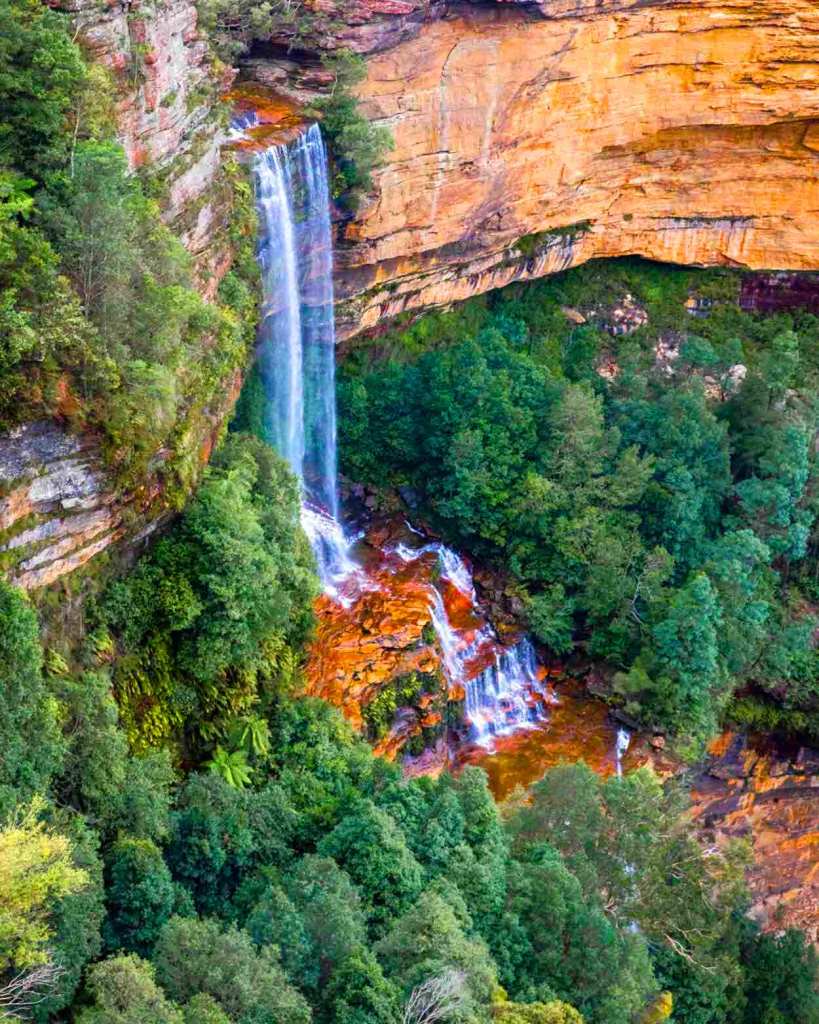
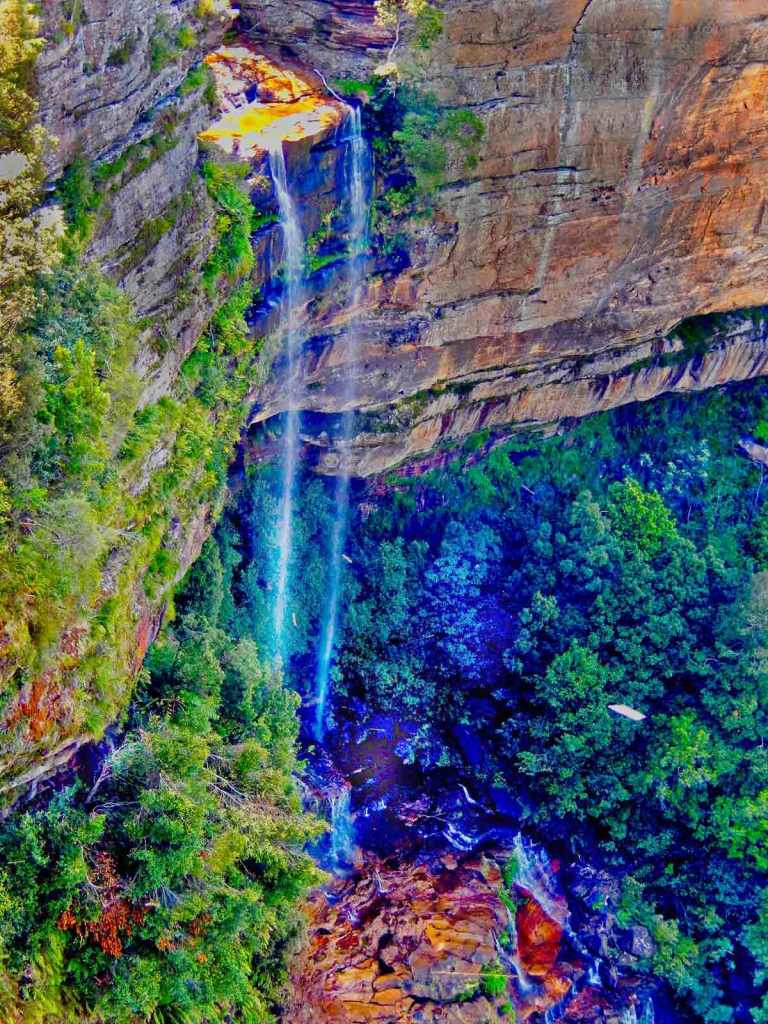
Katoomba Falls – Pretty much everyone who visits the Blue Mountains plans on seeing Katoomba Falls, whether it’s from one of the many fantastic viewpoints on hiking trails, or from taking a cable car from Scenic World. It’s one of Katoomba’s must popular activities. Our recommendation is to take the 1.7 mile Katoomba Round Walk, which offers several great overlooks, and if you don’t want to do the whole trail you’ll reach a great viewing overlook at on a half mile in.
Join us as we visit historic treasures, natural wonders and vibrant cities set against backdrops that are endlessly changing and visually magnificent.
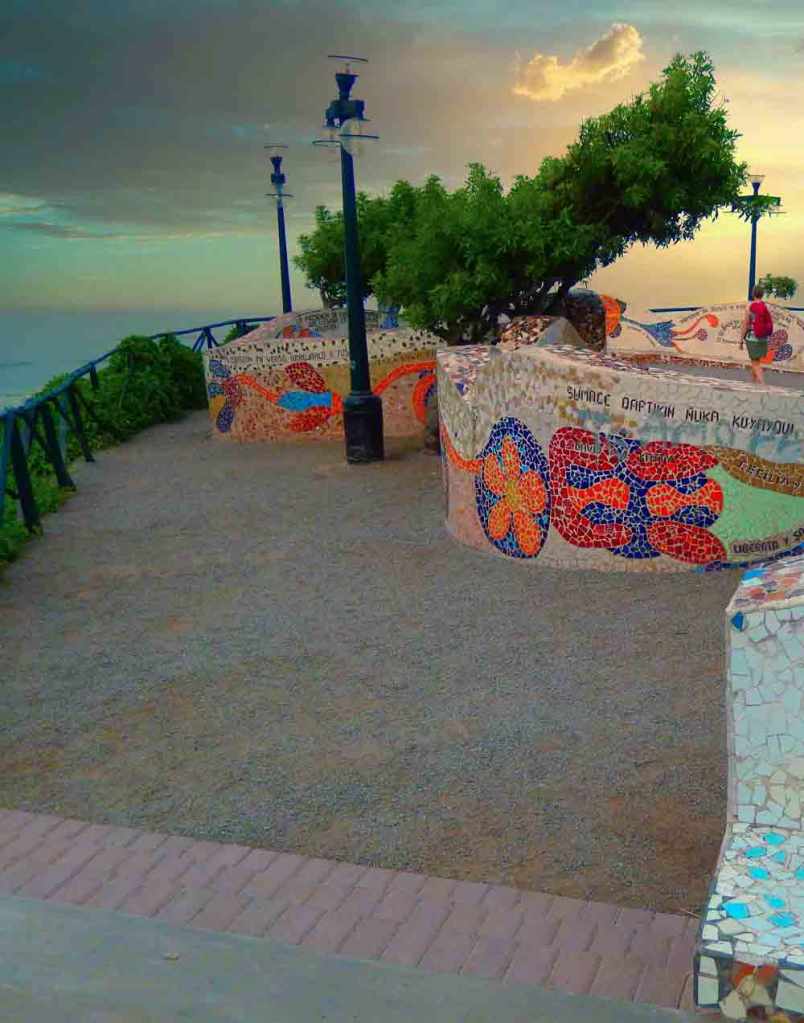
There’s a small park that gets a lot of attention located in Miraflores on the Malecon de la Reserva (a six mile cliff top pedestrian walkway). It’s the Parque del Amor and it’s just after the bridge at the intersection with Malecon Balta. This attractive little park is dedicated to Lima’s lovers and it provides a stunning view of the Bay of Lima from high up on the cliff top.
The park took its inspiration from Parc Güell in Barcelona, Spain designed by the famous Spanish architect Antoni Gaudí in 1926. In the middle of this beautifully Lima park stands a sculpture by the famous Peruvian sculptor Víctor Delfín entitled El Beso (The Kiss). To add to the lovers theme there’s a major event in the park each Valentine’s Day where young couples compete for money in the longest kiss contest staged beneath the statue.
Join us as we visit historic treasures, natural wonders and vibrant cities set against backdrops that are endlessly changing and visually magnificent. Celebrate a world of travel experiences with these decorating accessories that are perfect for framing.
Join Us – We understand that the last thing you may want is more emails cluttering up your inbox, but we promise we’ll work hard to make this worth your while. Give us a try and if we don’t live up to our promise all you need do is click the unsubscribe link in our emails.
It was an unthinkable landscape with massive torrents of water fifty to a hundred miles wide sweeping over the land. The flowing water was up to fifty feet deep in places and it swept away hills and carved out canyons. This apocalypse covered much of North America, Europe and Asia with huge amounts of life of all kinds simply drowned and swept away as well. Farther south vast areas of the Earth that hadn’t seen much rain for hundreds and hundreds of years (maybe 1,000s) were also now being swept by floods as torrential rains filled the skies lasting for month after month. Over a surprisingly short period of a thousand years the worlds ocean levels climbed by fifty to seventy five feet as the ice age glaciers rapidly began melting. This is what much of the Earth was like 13,000years ago and it lasted for 5,000 years as the planet accelerated out of the “ice age”.
A few months ago a Netflix series called Ancient Apocalypse by Graham Hancock was recommended to me. My initial impression was that it was another wild piece of speculation like Chariot’s of the Gods, but it did get me thinking. One of the more interesting things about the series is the reaction it received from the professional archaeological community, who mostly referred to it as pseudoarchaeological theories with little scientific basis.
Watching the series I found many of his claims a bit out there but it did bring a perspective to ancient history that seemed to warrant more consideration. I’m a bit of an archaeology nut but I realized that most of my knowledge is based on reading about isolated archaeological sites and cultures or fragmented generalizations. What did the transition from ice age to modern times actually look like? I had always looked at Noah’s flood as an allegory without much historical evidence but this got me thinking and I had to do some research.
I started by assembling scientific information from recognized authorities like NASA and the USGS into a chronological order. Some of what I found startled me as I realized that there wasn’t just an ice age that ended and the current Holocene Epoch begins. The transition actually had to be in a number of cataclysmic steps.
For perspective, consider the annual Alaska thaw that begins in early May as spring arrives. The melting snow and thawing ice flood valleys as streams become rivers that bulge over their banks. Between May and June the spring runoff contains enough water to cover one quarter of the entire state of Alaska to three feet deep – that’s over 145,000 square miles. Imagine multiplying this by a thousand and have it last for thousands of years! Following is my simple timeline regarding the ice age and archaeological evidence of human settlements, all based on recognized and widely accepted scientific sources. Let me know what you think.
A Chronological History Of The Ice Age And Related Human Activities
300,000 to 250,000 years ago Neanderthals established in Europe and into the Caucuses.
200,000 to 75,000 years ago Homo Sapiens are still living only in Africa.
115,000 to 11,700 years ago marks the beginning and end of the most recent Ice Age.
72,000 to 60,000 years ago Homo Sapiens start migrating out of Africa.
60,000 years ago sea level is 200 feet lower than present day.
60,000 to 50,000 years ago Homo Sapiens Spread over Europe, the Middle East, across Asia and into the Asian southern islands across land bridges.
53,000 years ago (c. 51,000 BC) Homo Sapiens establish the Indigenous Peoples culture of Australia.
40,000 years ago the last confirmed date for any known Neanderthal habitation site.
33,000 years ago the growth of Ice Age glacial ice sheets starts to accelerate.
27,000 years ago (c. 25,000 BC) Cro-magnon (Homo Sapiens) cave paintings of Altamira, Spain.
23,500 years ago ice growth reaches the Last Glacial Maximum (LGM) sea level reaches 350 feet lower than present day.
23,000 years ago (c.21,000 BC) a stone wall is constructed in Theopetra Cave, Thessaly, Greece
20,000 years ago (c.18,000 BC), continental glaciers began a measurable retreat and sea level starts to rise. Earliest likely time for human migration into the Americas.
17,000 years ago, (c.15,000 BC) Lascaux Cro-magnon cave paintings, Montignac, France
15,000 years ago (c. 13,000 BC) Sea level 320 feet lower than present. Believed most active period for human migration into the Americas.
15,000 years ago (c. 13,000 BC), the Glacial Lake Missoula ice dam bursts, flooding the North American area of Southwest Canada, Washington, Oregon and Idaho. Similar floods probably occurred north of the Great Lakes and the Canadian Maritimes as well as in Siberia, Mongolia and Northern China.
15,000 years ago (c. 13,000 BC) The Iron Gates Mesolithic culture of the Danube River in Romania and Serbia maintained several villages.
14,500 to 12.900 years ago an abrupt acceleration in average temperatures occurs (2.5 to 4° C) triggering a rapidly increasing loss of glacial ice and sea level rise (1,600 years of rapid glacial melt). Sea level 250 to 200 feet lower than present levels.
12,900 to 11,700 years ago is referred to as The Younger Dryas period with a rapid decline of temperatures from 4 to 10° C resulting in new growth of glaciers and drier weather conditions over much of the temperate Northern Hemisphere and tropics.
12,500 years (c.10,000 to 11,000 BC) Stone carved structures at Göbekli Tepe, Turkey.
11,900 plus years ago (c.9,900 BC) Village of Tell Qaramel, Syria.
11,700 years ago marks the beginning of the current Holocene Epoch.
10,000 years ago (c. 8,000 BC) Sea level 150 feet lower than present.
10,000 years ago (c. 8,000 BC) stone towers of Tell es-Sultan (Jericho) West Bank.
9,000 years ago (Circa 7,000 – 5700 BC) Jiahu villages China.
7,000 years ago (Circa 5,000 BC) Sea level 40 to 50 feet below modern day level.
6,000 years ago (Circa 4,000 BC) Hal Saflieni Hypogeum Cave complex Malta.
5,500 years ago (Circa 3,500 BC) Oldest organized culture in Egypt.
5,500 years ago (Circa 3,500 BC) Beginnings of the Bronze Age Minoan civilization on Crete.
5,300 years ago (Circa 3,300 BC) The Indus Valley Civilization begins in India.
5,000 years ago (c. 3,000 BC) Stonehenge built in England.
4,500 years ago (c. 3,000 BC) seas near present level.
3,990 years ago (c. 1,990 BC) rise of the first great Egyptian Kingdom.
3,600 years ago (c. 1,600 BC) Thera (Santorini) erupts destroying much of the Minoan civilization.
3,500 years ago (c. 1,500 BC) rise of the Mycenaean civilization in Greece, which ended about 3,200 years ago.
2,800 years ago (c. 800 BC) rise of the major Greek civilizations.
Gunung Padang complex, Java, Indonesia dating not established – arguments range from 10,000 to 20,000 years old.

























 The Intentional Travelers