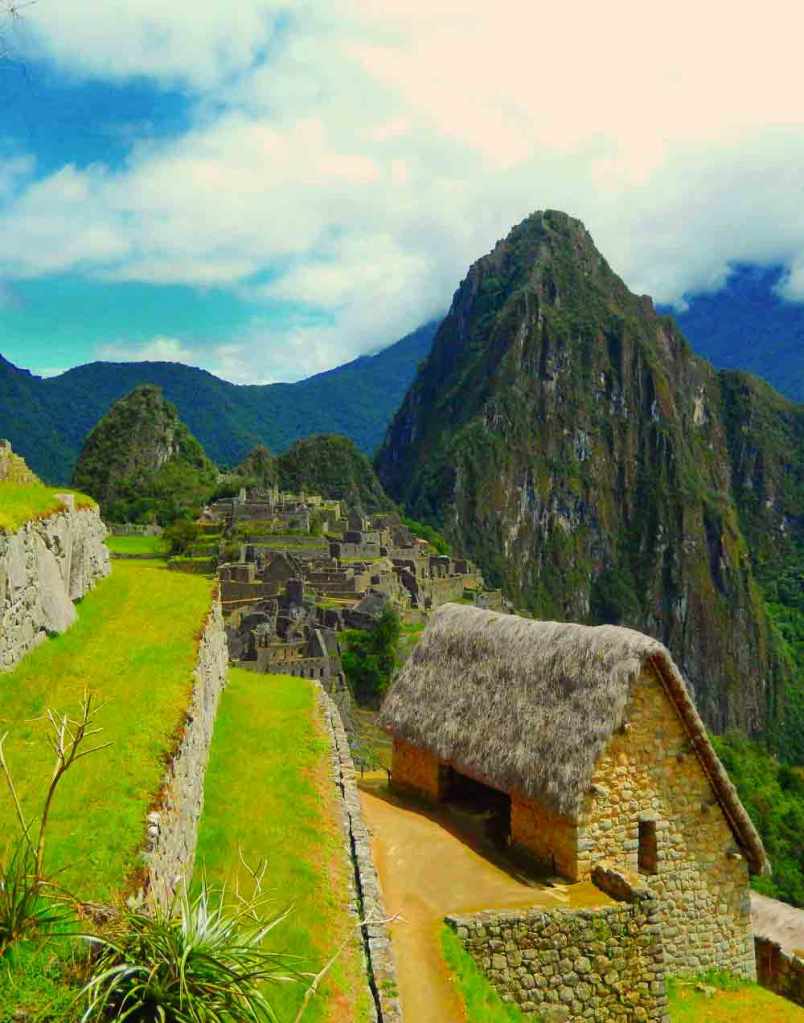
Entering the visitors gate into Machu Picchu leads you down a path with a wall made of rock on your left and views of distant mountains on your right. Climbing up a carved set of stairs you step out into a opening and the picture above is your first glimpse of the Inca stronghold. It simply leaves you speechless. The recently thatched building in the foreground is a store house, both peaks behind the site also have Inca terraces and structures at their tops and this is only the first impression.
Join us as we visit historic treasures, natural wonders and vibrant cities set against backdrops that are endlessly changing and visually magnificent. Celebrate a world of travel experiences with these decorating accessories that are perfect for framing.
Join Us – We understand that the last thing you may want is more emails cluttering up your inbox, but we promise we’ll work hard to make this worth your while. Give us a try and if we don’t live up to our promise all you need do is click the unsubscribe link in our emails.
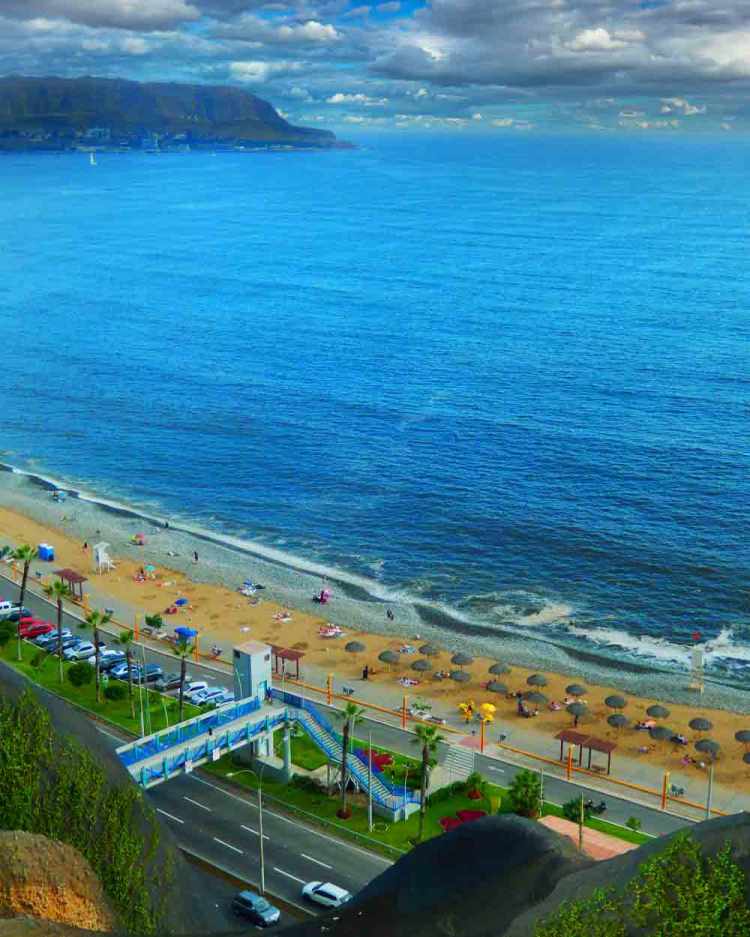
Lima beach in Miraflores, Peru viewed from the amazing El Malecón. Imagine eleven miles of beautiful beaches laid out right next to metropolitan Lima. The beaches are below a rugged coastline capped by a fantastic trail along its cliff tops called El Malecón. The Miraflores section boasts a large, upscale shopping center, several beautiful parks and the Pacific Ocean.
Join us as we visit historic treasures, natural wonders and vibrant cities set against backdrops that are endlessly changing and visually magnificent. Celebrate a world of travel experiences with these decorating accessories that are perfect for framing.
Join Us – We understand that the last thing you may want is more emails cluttering up your inbox, but we promise we’ll work hard to make this worth your while. Give us a try and if we don’t live up to our promise all you need do is click the unsubscribe link in our emails.
The Galápagos are a magnet to travelers and nature lovers from all around the world. They’re drawn by stories of an unspoiled place where exotic animals are everywhere and people roam freely among them. At least that seems to be the image most people have. The truth may be a little different though.
The mystique of these islands dates back to 1835 when Charles Darwin claimed to have identified over 100 new species of birds on the islands. As part of the HMS Beagle expedition. Darwin stayed in Galápagos for two months collecting specimens that he later used to develop his theory The Origin Of Species.
The major feature of the Galápagos are the large number and range of birds found here. While there are some 56 species of birds that live or breed in the islands, only 27 are unique to the Galápagos. Most of these are small birds like Darwin’s finches and they’re mostly isolated to individual islands.
Of the Galápagos’ major species that are of interest to visitors there are only five and of those only two are unique here, the Galapagos tortoise and the marine iguana. The other three are the sea lions, frigate birds and booby birds
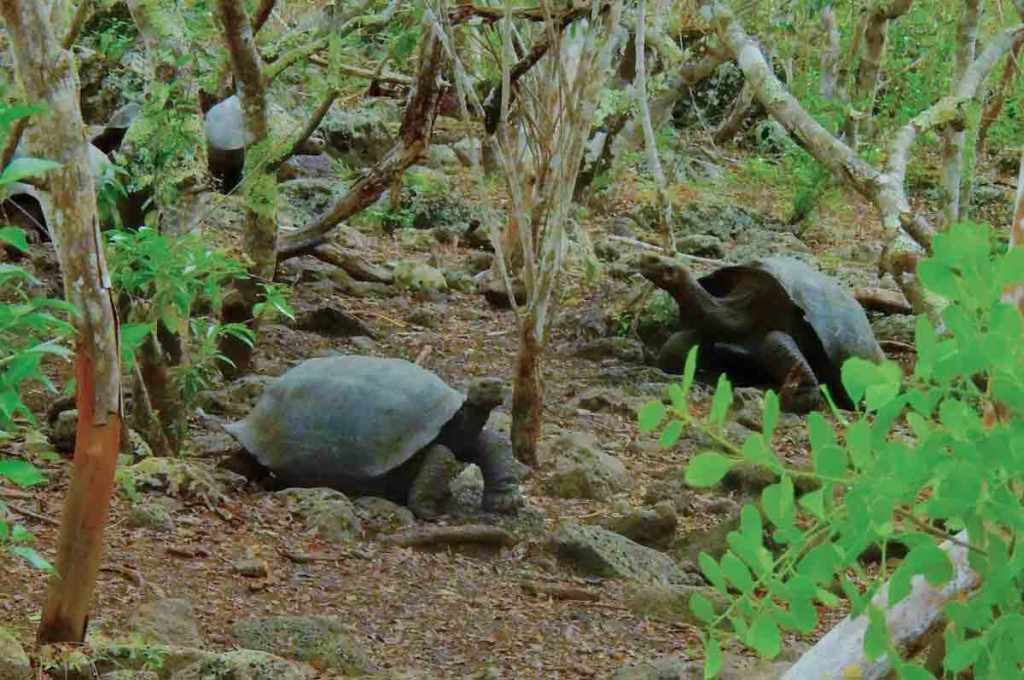
The Galápagos tortoise is the most iconic animal in the Galapagos chain inhabiting seven of the islands. It has an average lifespan of more than 150 years and not surprisingly is part of the collection of almost every one of the worlds zoos.
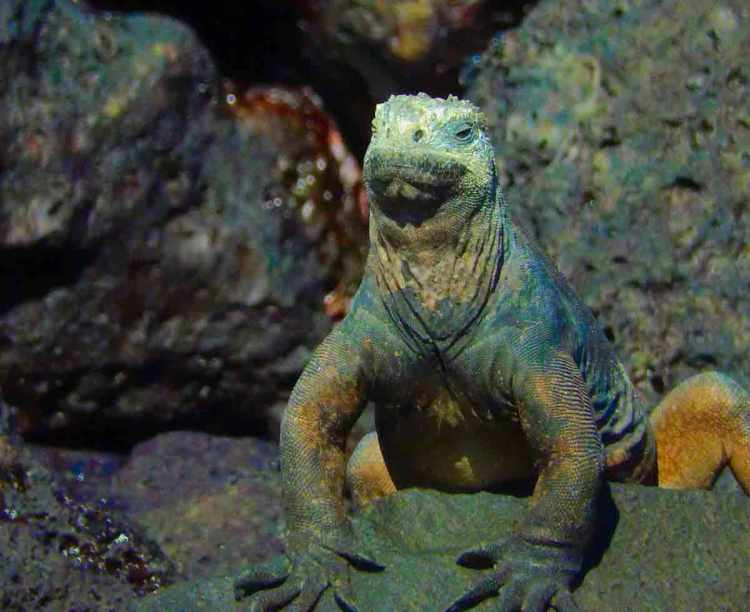
The Galápagos’ marine iguana is the only iguana adapted to life in the sea. Here they are very common and can be found sunning themselves on rocks, sidewalks and piers. Among the other reptiles are land iguanas, lava lizards, geckos and a few harmless snakes.
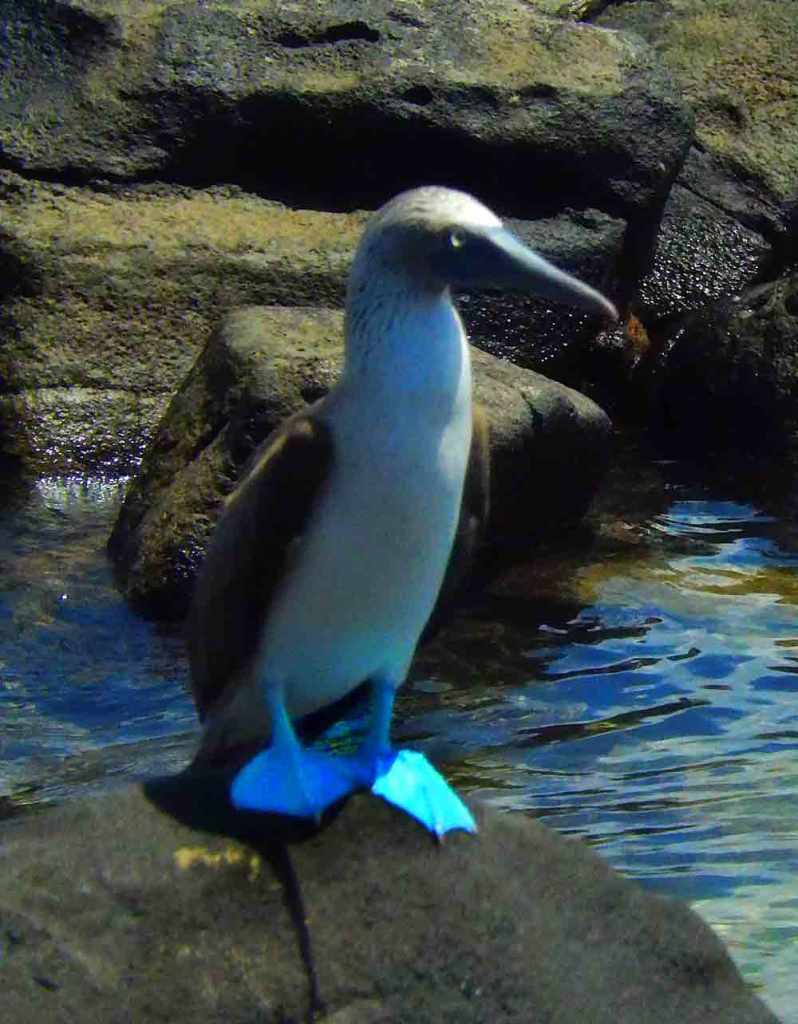
A favorite bird in the Galápagos is the blue footed booby. They are only one of five species of boobies and are most remarkable because they have blue feet! While these birds live along various portions of the western coast of Central and South America, it is the Galápagos Islands where people come to get a glimpse of them. There are a number of breeding locations but most of these are away from the larger islands and require a boat trip to visit.
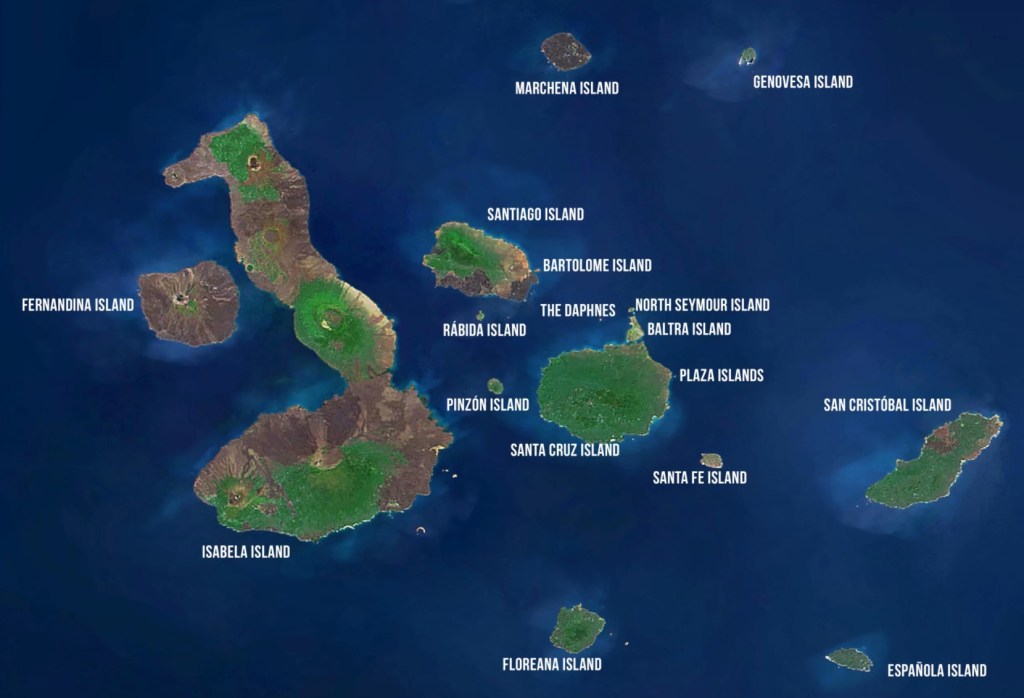
In order to really experience the wide range of wildlife in the Galápagos visitors would need to visit five to seven islands. Unfortunately for most visitors a trip to the Galápagos usually involves flying into the island of San Cristabol and spending two or three nights there. While this does provide an opportunity for seeing local birds and animals to get to visit breeding seabird colonies requires taking boat tours or all day trips.
Additional animals in the Galápagos include a penguin that spends time in the Galápagos, but they live on remote coasts and are difficult to visit. Other birds include Darwin’s finches, frigate birds, albatross, gulls, boobies, pelicans and a Galápagos hawks. There is also a flightless cormorant and the Galapagos crake, a nearly flightless bird.
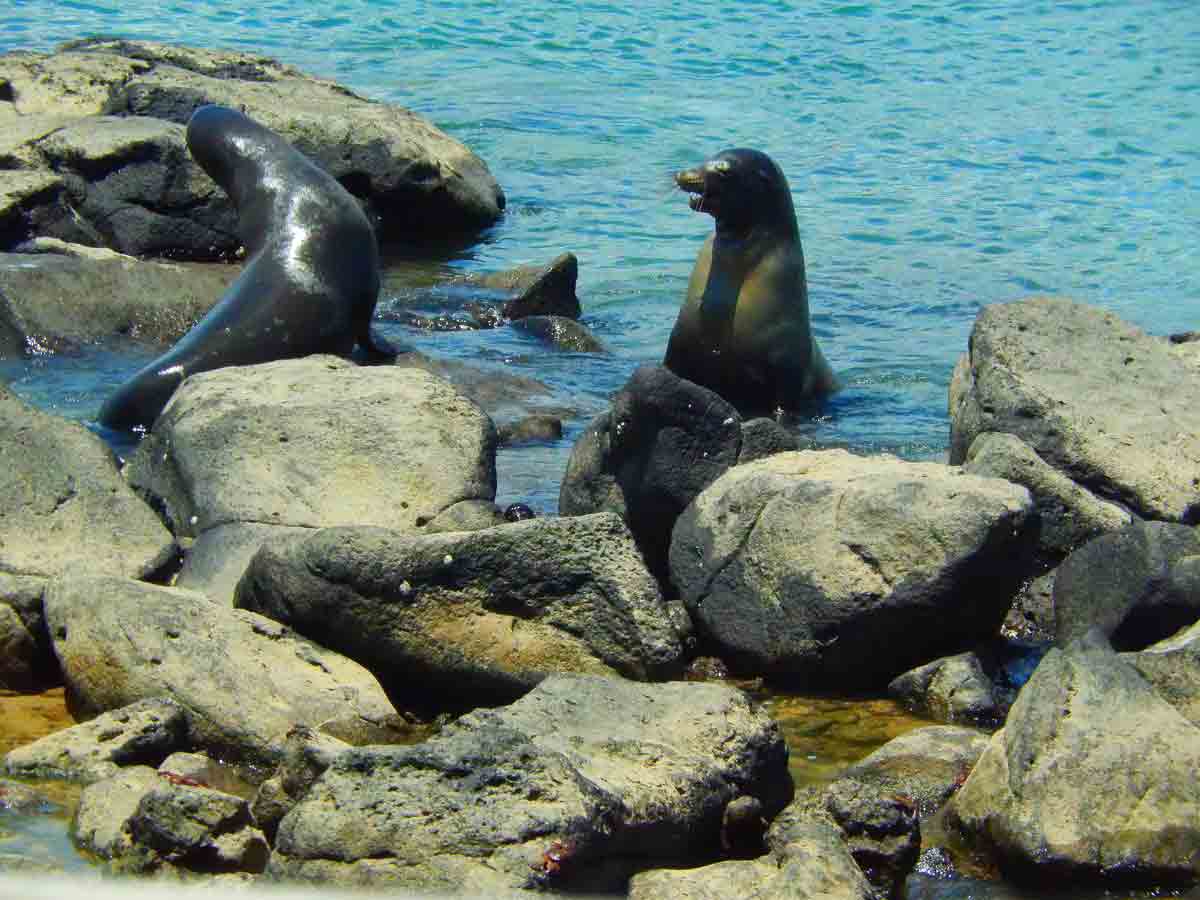
Of the mammal species, mostly are sea mammals such as whales, dolphins and the ever present sea lions. There are also a few species of Galapagos mice, including the Santiago Galapagos mouse and the Fernandina Galapagos mouse.
Generally not exactly the experience most people expect. That doesn’t mean that there aren’t some interesting things to do in the Galapagos. Visit the Galápagos tortoise breeding facility and spend time at a few museums. There are some nice beaches and swimming with sea lions is almost unavoidable. There’re plenty of great locations to snorkel and dive trips are plentiful. Five hour to all day excursions to a number of uninhabited islands can also be easily arranged.
If most people were to guess which is the most iconic animal in the Galapagos it would probably be the Galapagos tortoise or maybe the marine iguana. If the gift shops in San Cristobal are any indication it would appear the overwhelming winner is actually the blue footed booby. Maybe it’s the name – the opportunity to have some fun with the name is just too easy, but in fairness the blue footed booby does seem have some real appeal. It’s often popular in documentaries about the Galapagos, where pairs of them bow and shuffle and show off their blue feet in mating rituals.
Upon arriving in San Cristobal, Galapagos we picked up some souvenirs that included a blue footed booby t-shirt and a pendent featuring the bird. It seemed a given that we would soon see the famous sea bird. While it was mating season the only way to guarantee seeing one was to get to one of the smaller uninhabited islands where the colonies are common. Asking around we were told that it wasn’t uncommon to sight a blue footed booby on the rocks near shore around the island. In talking to a naturalist she indicated there were a few places near to town where we should look. One was Playa Mann about a mile down the coast and the other good places to look were the cargo pier in town and the rocks just outside the Naval Base.
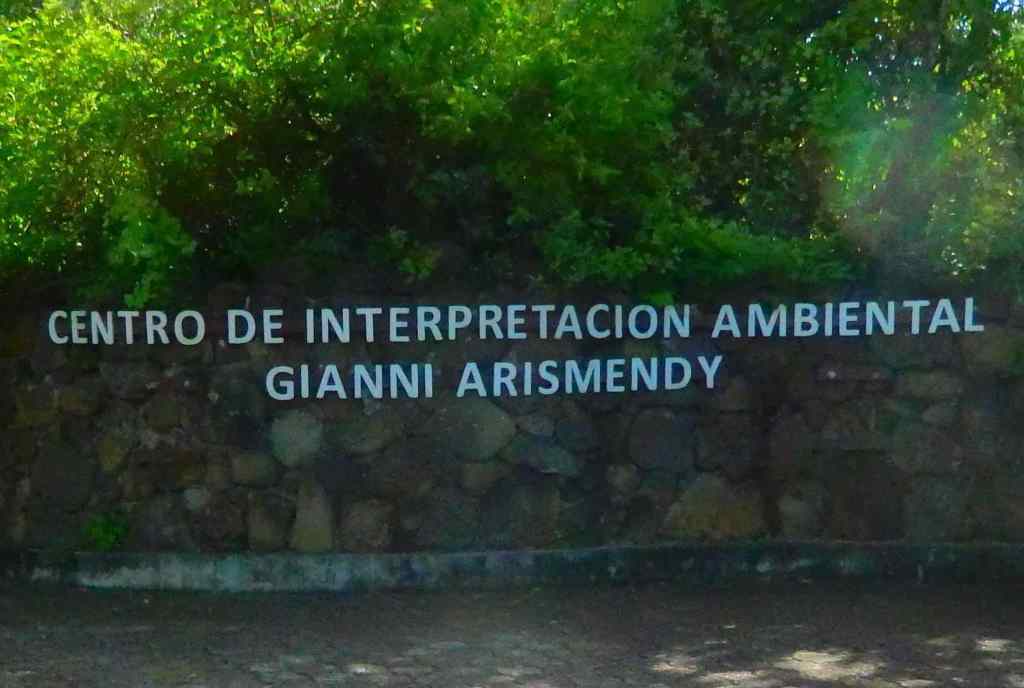
Early the next morning we headed out to see the area on foot and look for the blue footed booby. We started at the Naval Base – no boobies. On our way out of town we stopped at the cargo pier – no boobies. One of our goals that day was the Interpretation Center above Playa Mann so we spent some time at the beach – no boobies. After the Interpretation Center we headed back into San Cristobal again visiting Playa Mann – still no boobies. Cargo pier again and still no boobies. After some seven miles walking with the heat climbing we stopped in town for Cokes and a snack and on the way back to our hotel to cool off we made one last visit to the Naval Base – a booby!
One solitary booby just standing on the rocks in the water at the Naval Base. Later that day he was joined by friend…
Planning A Cruise? Start With The Intentional Travelers Port Guides
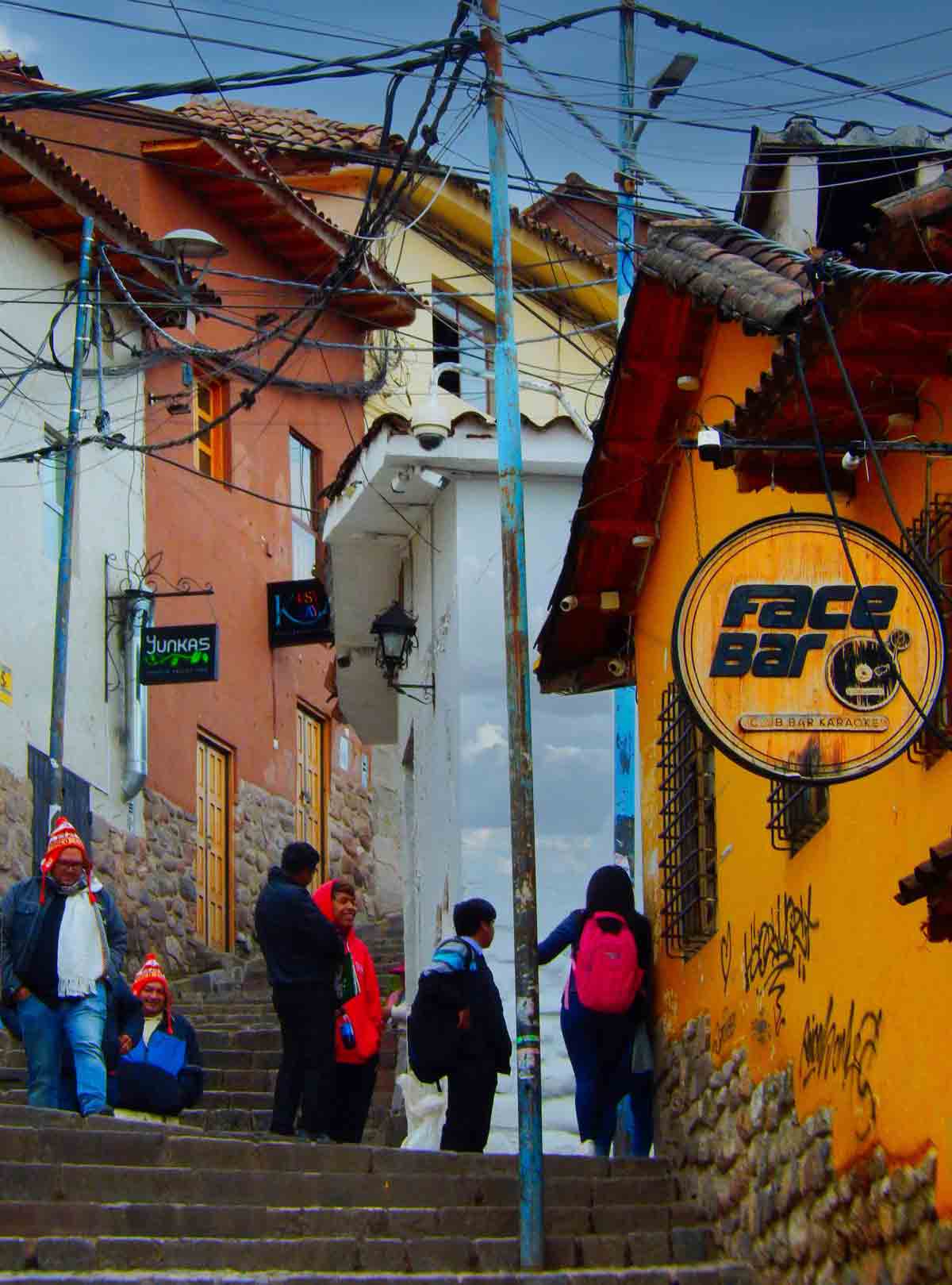
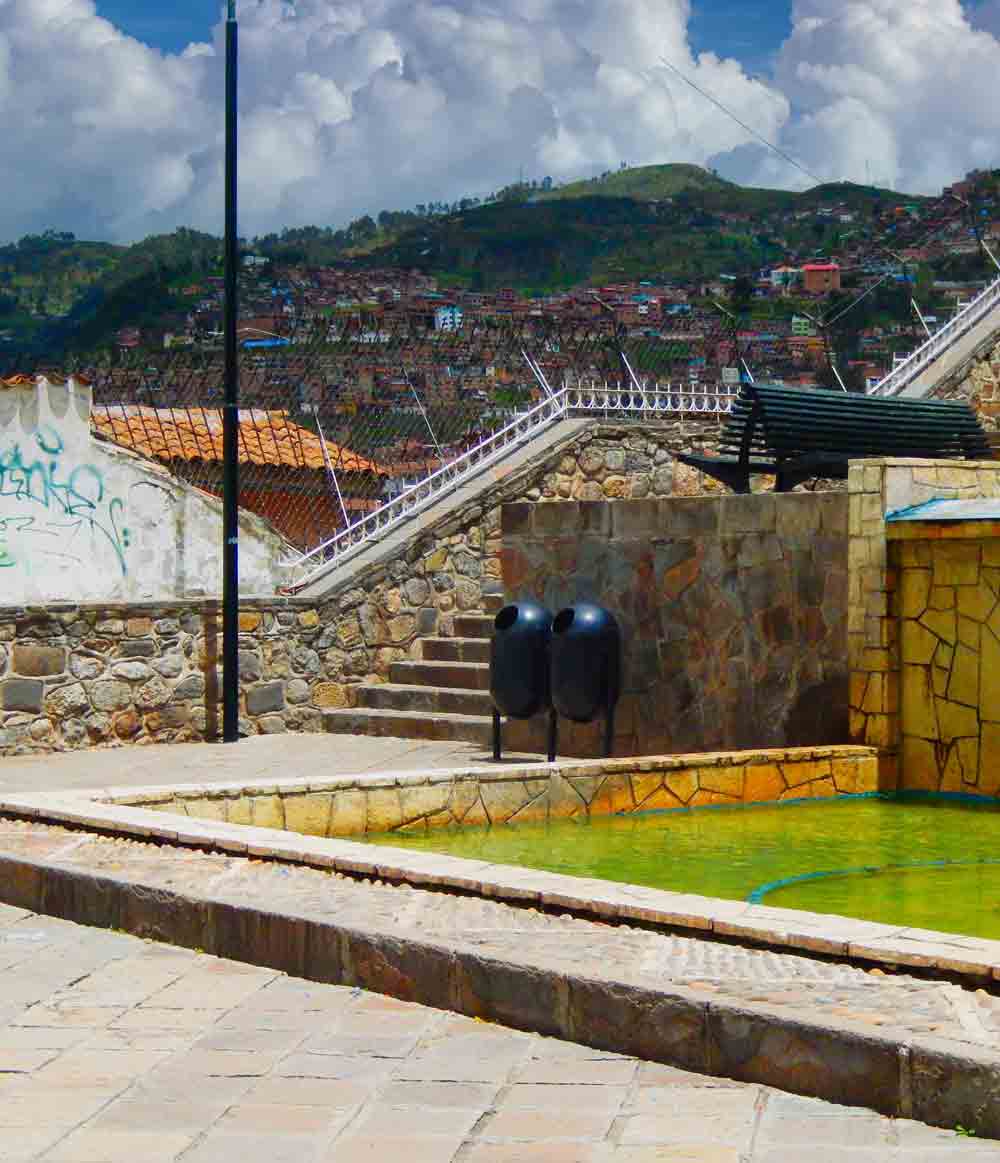
Nestled in the Andes of Peru above 11,000 feet is the old capital of the Inca Empire, Cusco. Boasting a population of around a half million the city’s biggest draw is that it is the gateway to the Sacred Valley and Machu Picchu. If your plan has you passing through Cusco on your way to Machu Picchu do yourself a favor and plan a few days in this interesting city.
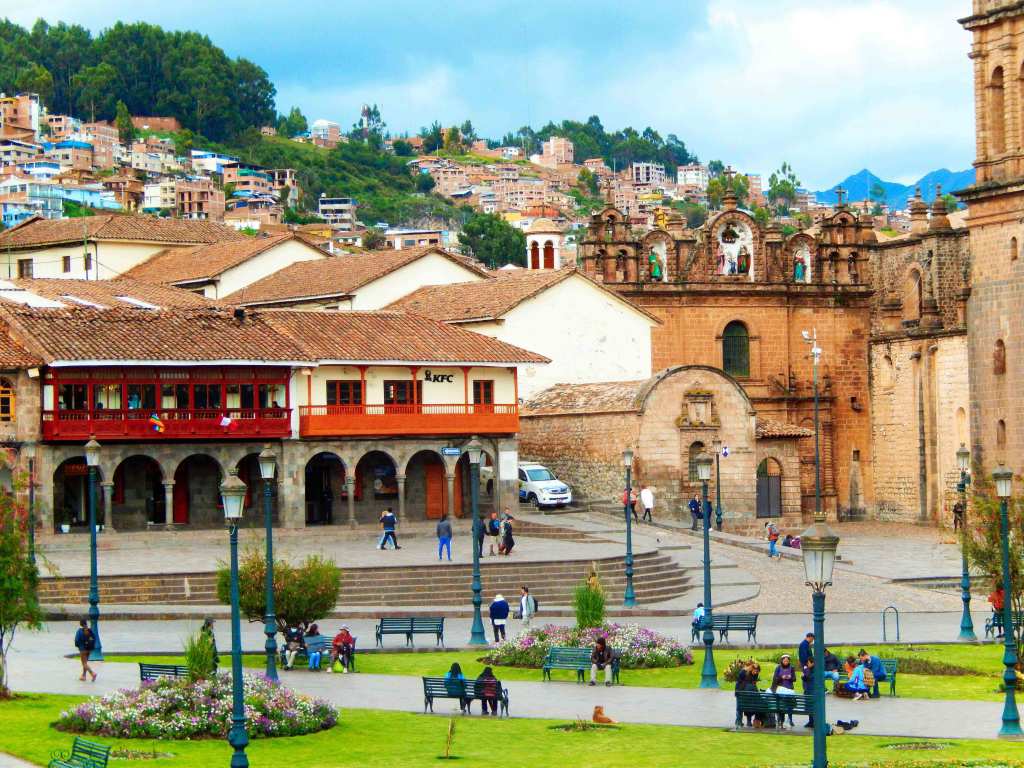
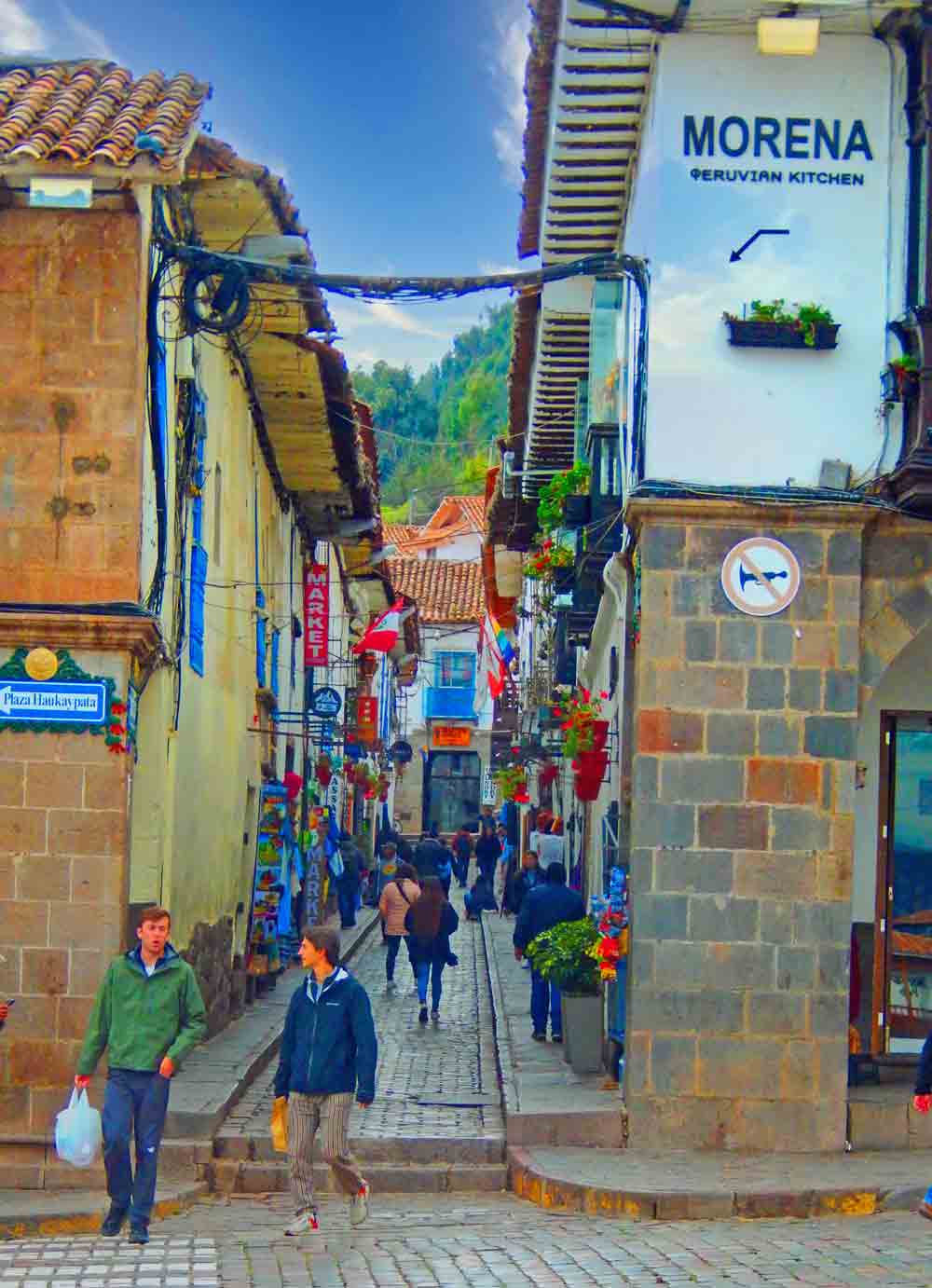
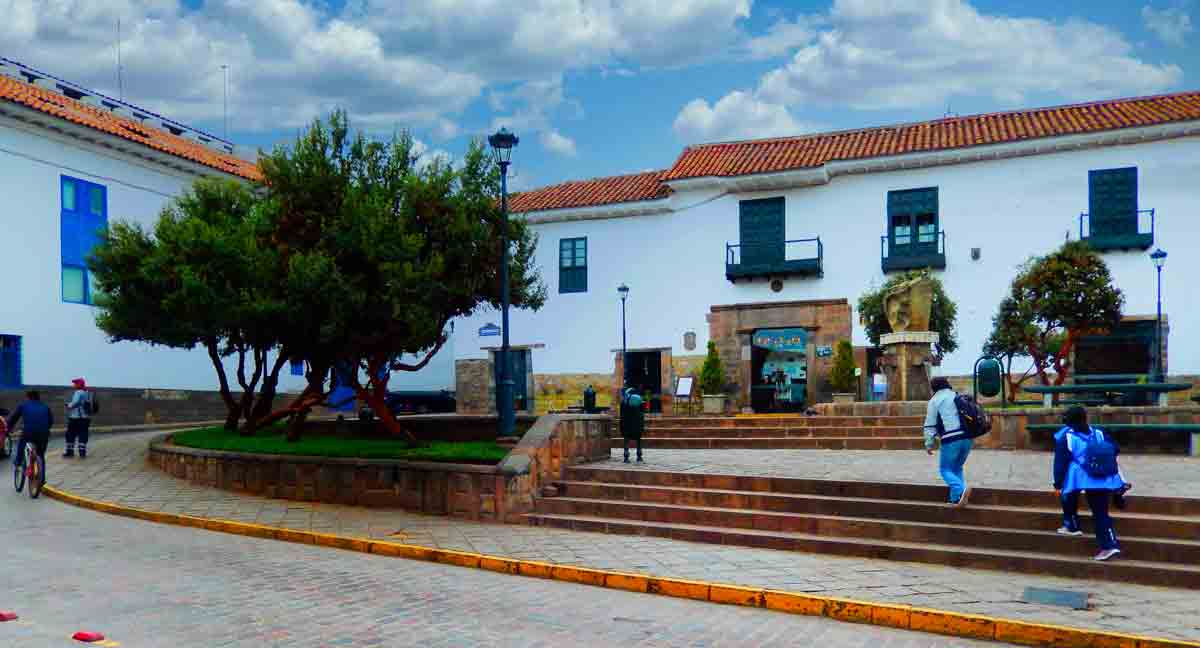
In the middle of Cusco the old historic district acts as a magnet drawing crowds into the city’s beautiful main square, the Plaza de Armas. This square marks both the Spanish colonial center of the city and the site of the capital of the vast Inca Empire. The Plaza features a large public space with gardens and wide pathways anchored by two iconic buildings, the magnificent Cusco Cathedral and the Church La Compania de Jesus. Ringing this large space are a number of good restaurants, cafes and shops with narrow streets radiating off in several directions. Within a half mile radius of the Plaza de Armas you’ll find over fifteen hundred years of historic sites and museums to explore.
Qorikancha – Located among examples of of several colonial Spanish buildings are these Inca ruins that actually form the foundations of a church and the convent of Santo Domingo. These large carved stones were once part of the richest temple in the whole of the Inca Empire.
Iglesia de La Compañía de Jesús – Built upon the foundation of the palace of Inca Emperor Huayna Cápac, the last Inca to rule the unconquered empire, this church was built by the Jesuits in 1571.
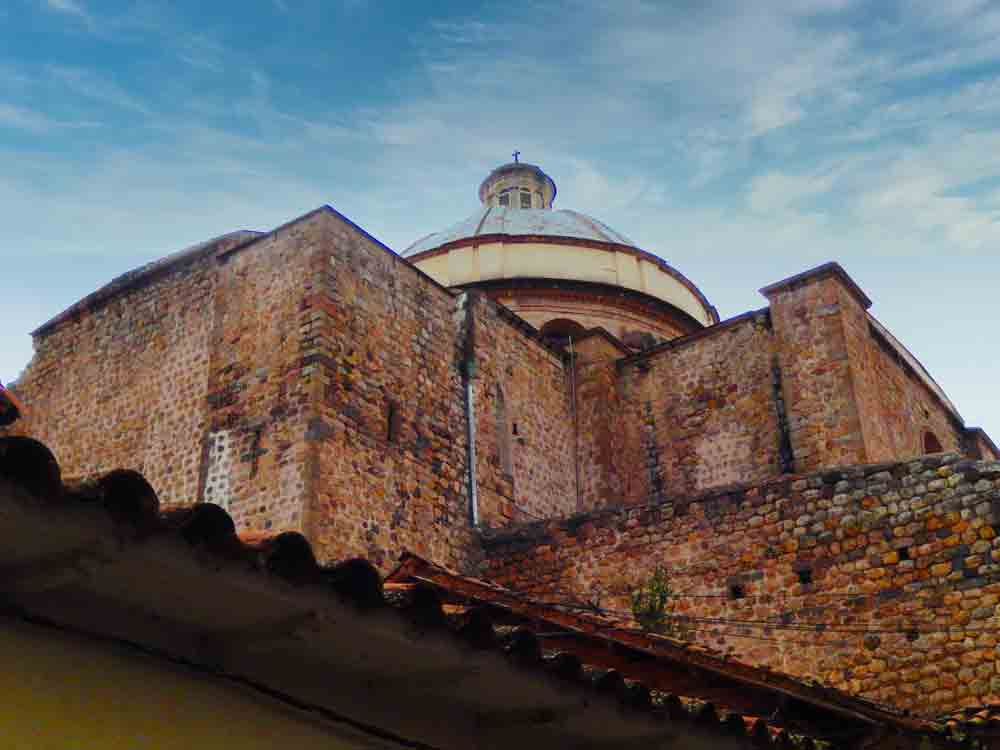
Cusco Cathedral – An ornate building housing a number of significant artworks, chapels featuring an interesting blend of Catholicism and local Indian culture.
Museo Inka – The amazing collections of the Museo Inka, a block northeast of the Plaza de Armas, is the largest display of Inca and pre-Inca artifacts anywhere.
Museo de la Coca – The Andean coca leaf culture permeates the region and this little museum traces the uses of the coca leaf, from sacred ritual to helping to overcome altitude sickness.*
In 1983, Cusco and the historic district were declared a World Heritage Site by UNESCO with the title “City of Cuzco”.
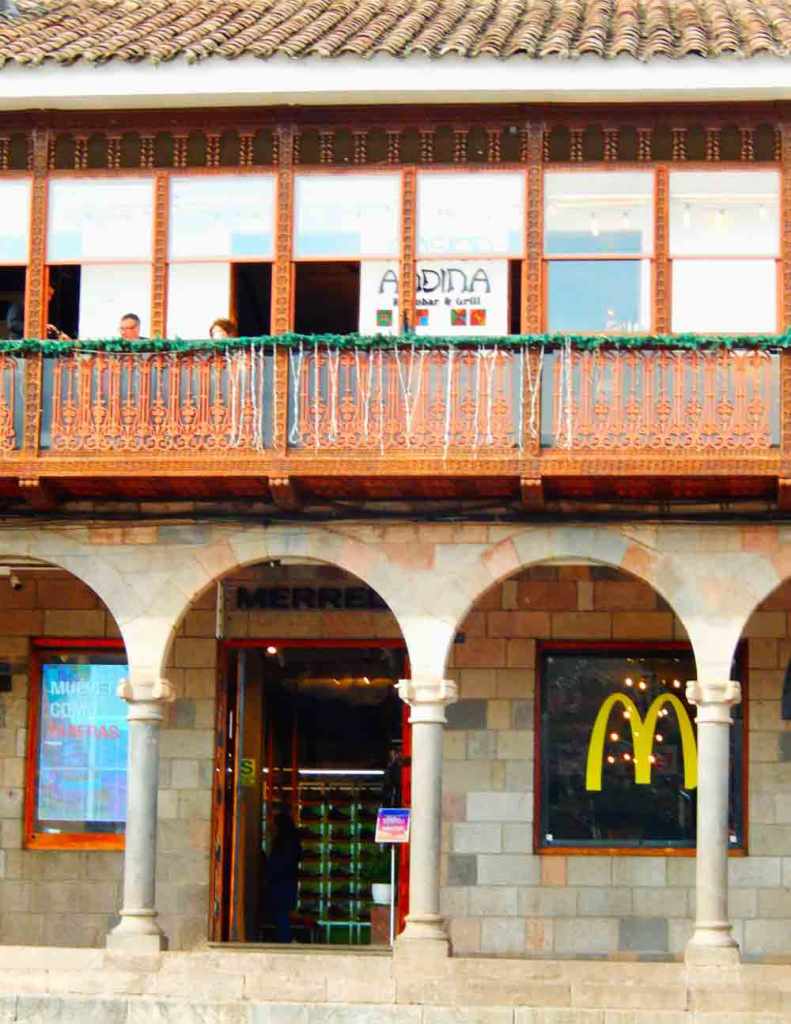
While strolling through the area don’t shy away from the opportunity to shop with the many sellers dressed in traditional Indian garb offering scarves, hats and stuffed animals. Negotiating a price is part of the fun. Also the wide range of Peruvian restaurants in the historic district offer opportunities to try Peruvian foods like grilled guinea pig or llama prepared in a variety of traditional ways. For those less adventurous the plaza also offers a McDonalds and a KFC.
Most people planning on visiting the Galapagos will discover that a flight from Ecuador to San Cristobal with a few nights in a hotel is the most reasonably priced option. Taking a cruise around the Galapagos in many cases will start at $10,000 per person and can actually cost above $20,000.
The most easily reached island is San Cristobal Galapagos and it is not a difficult trip. There are 4 to 6 round trip flights from Guayaquil, Ecuador to San Cristobal, Galapagos each day with round trip fares ranging from $250 to $500. There are currently over forty hotels and hostels on San Cristobal that range from under $70 to over $500 a night with a majority being around $150.
One area about visiting the Galapagos that should be pointed out is government fees. Before boarding a flight to the Galapagos everyone needs to get a visitors card. After filling out a form online (HERE) pay $20 and receive an entry and exit card (do not lose the exit card). Upon arrival in the Galapagos you will need to pay another fee of $100 cash before you can enter.
San Cristóbal is the fifth largest and easternmost island of the Galapagos. It is composed of three or four fused extinct volcanoes and is named for the Patron Saint of seafarers, “St. Christopher”. It is home to the oldest permanent settlement in the islands and is the island where Darwin first went ashore in 1835.
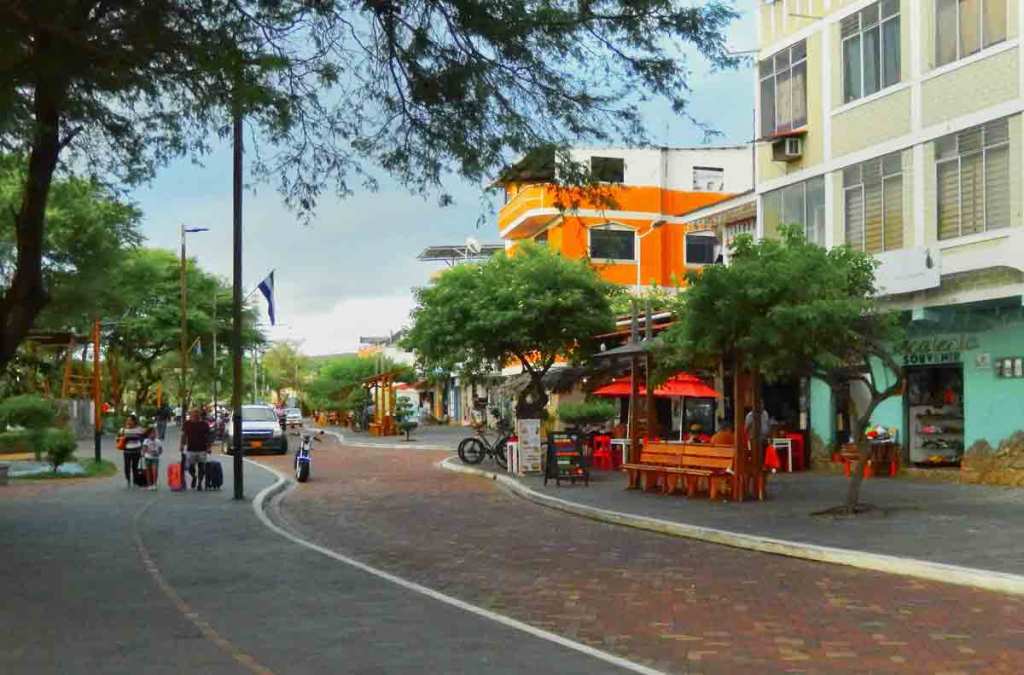
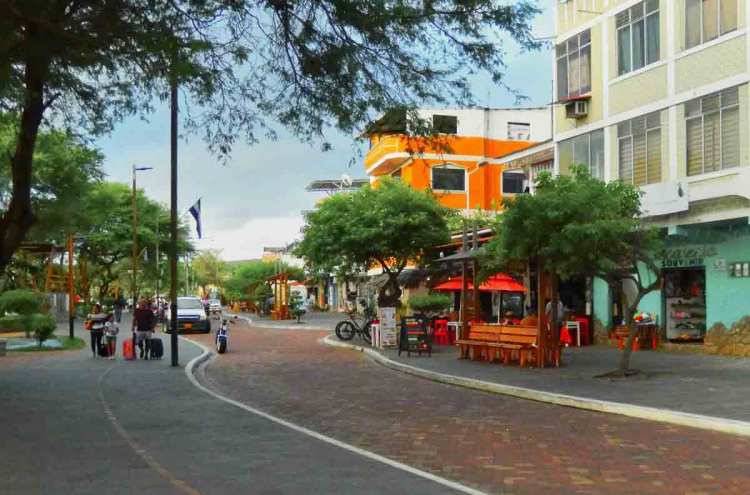
The town of Puerto Baquerizo Moreno on San Cristóbal is the capital of the Galapagos province with approximately 5,400 residents, making it home to the second largest population in Galapagos, after Santa Cruz. Tourism is the towns major business and there’s a wide range of activities that can be arranged in town. There are boat excursions to nearby small islands to see wildlife, lots of options for snorkeling and sport diving tours, fishing trips along with island tours. Puerto Baquerizo Moreno has a good offering of restaurants with seafood being the best choice and prices are exceptionally fair.
Island Sights
The Natural History Museum is worth a visit to orient yourself with what the island has in the way of birds, iguanas, sea lions and dolphins. The exhibits include whalebones, tortoise shells, corals and crabs. The museums mascot is a tortoise called Pepe, who lives behind the main building.
Interpretation Center
Opened in 1998, the Galapagos National Park Visitor Center in San Cristóbal presents a complete history of the Galapagos, its ecosystems, flora and fauna. The Center focuses primarily on the history of the archipelago, from its volcanic origins to the present. Interpretation panels and exhibits, representing the natural and cultural history of the archipelago are arranged in chronological order. The Visitor Center is a short 20-minute walk from town along the sea and is just a couple of blocks above Playa Mann beach. It’s open every day from 7 am to 12 pm and 1:30 pm to 5 pm.
Frigate Bird Hill Trail
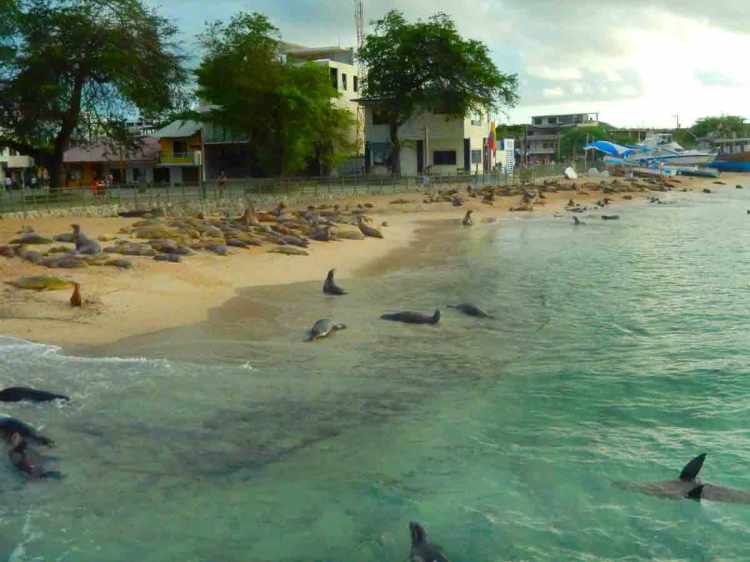
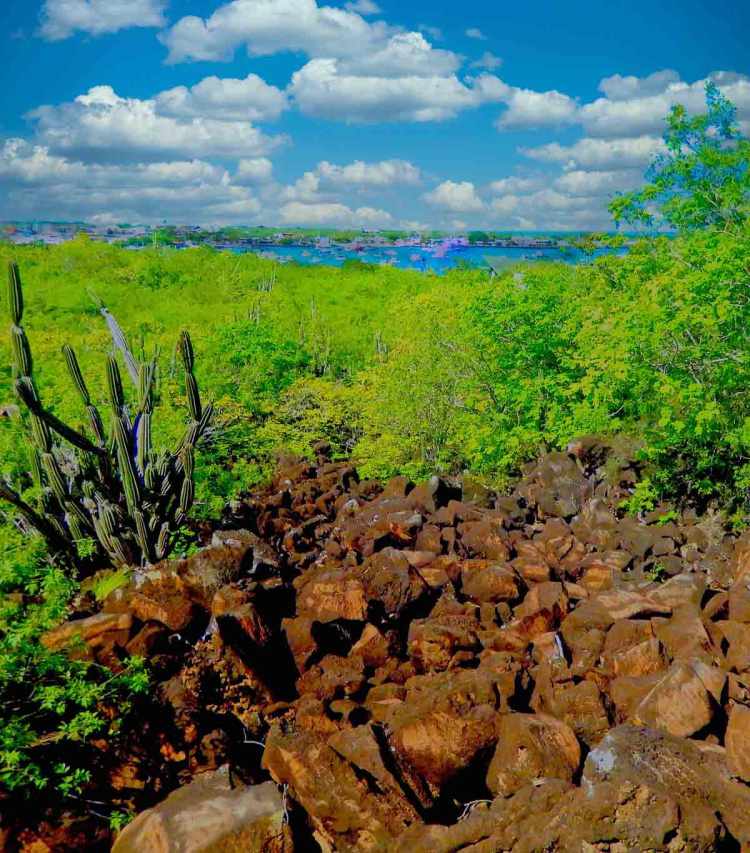
A trail from the Interpretation Center heads up Frigate bird Hill. Here you can often see Frigate Birds in a colony. The paved trail offers good views of the harbor and leads to Punta Carola Beach, a small sandy beach that’s home to sea lions, sea birds and exotic flora and fauna and is perfect for a swim or sunning.
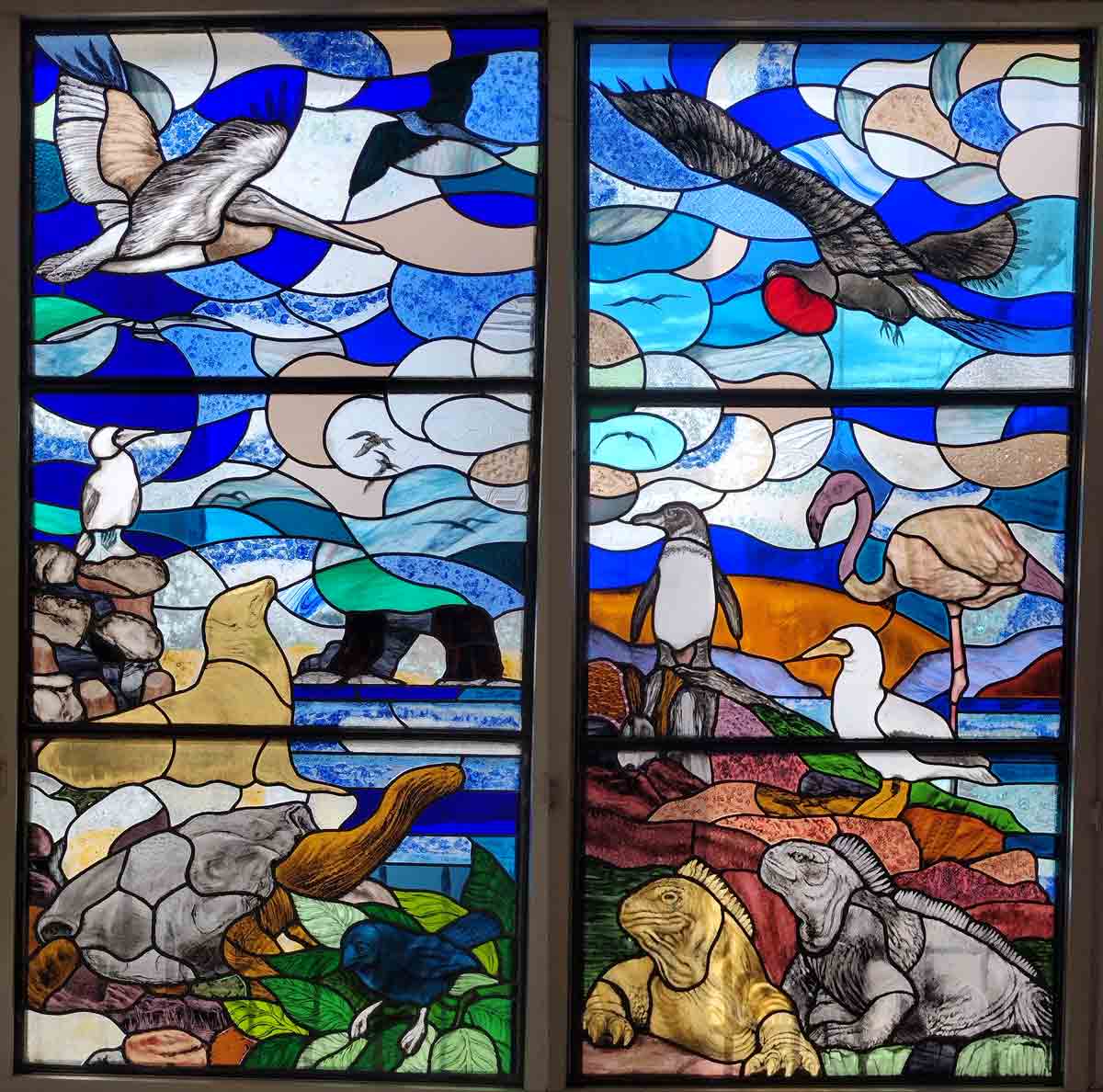
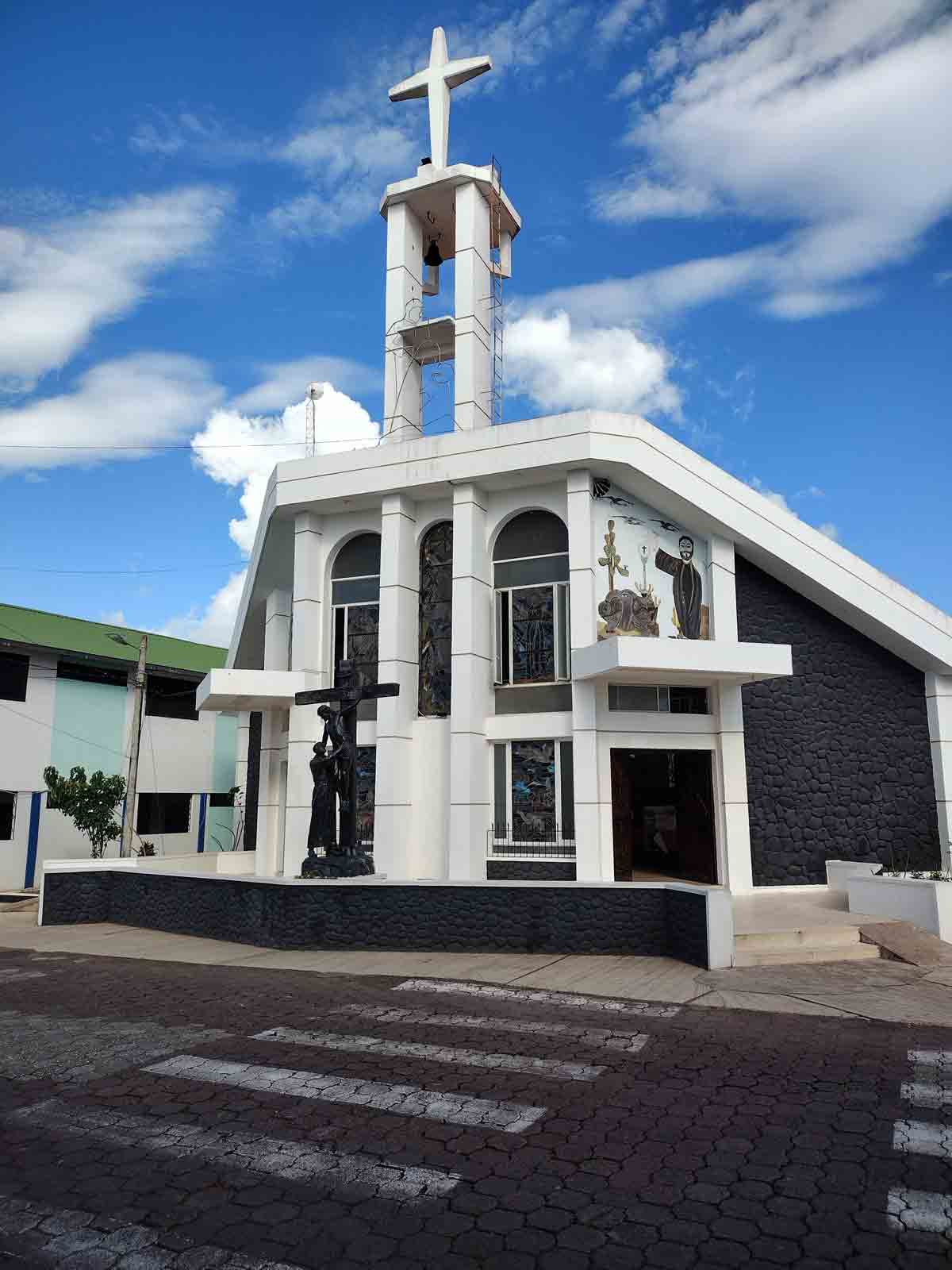
San Cristobal Catholic Church – Located in the heart of town this church has some beautiful stained glass depicting local wildlife.
The Playa Mann
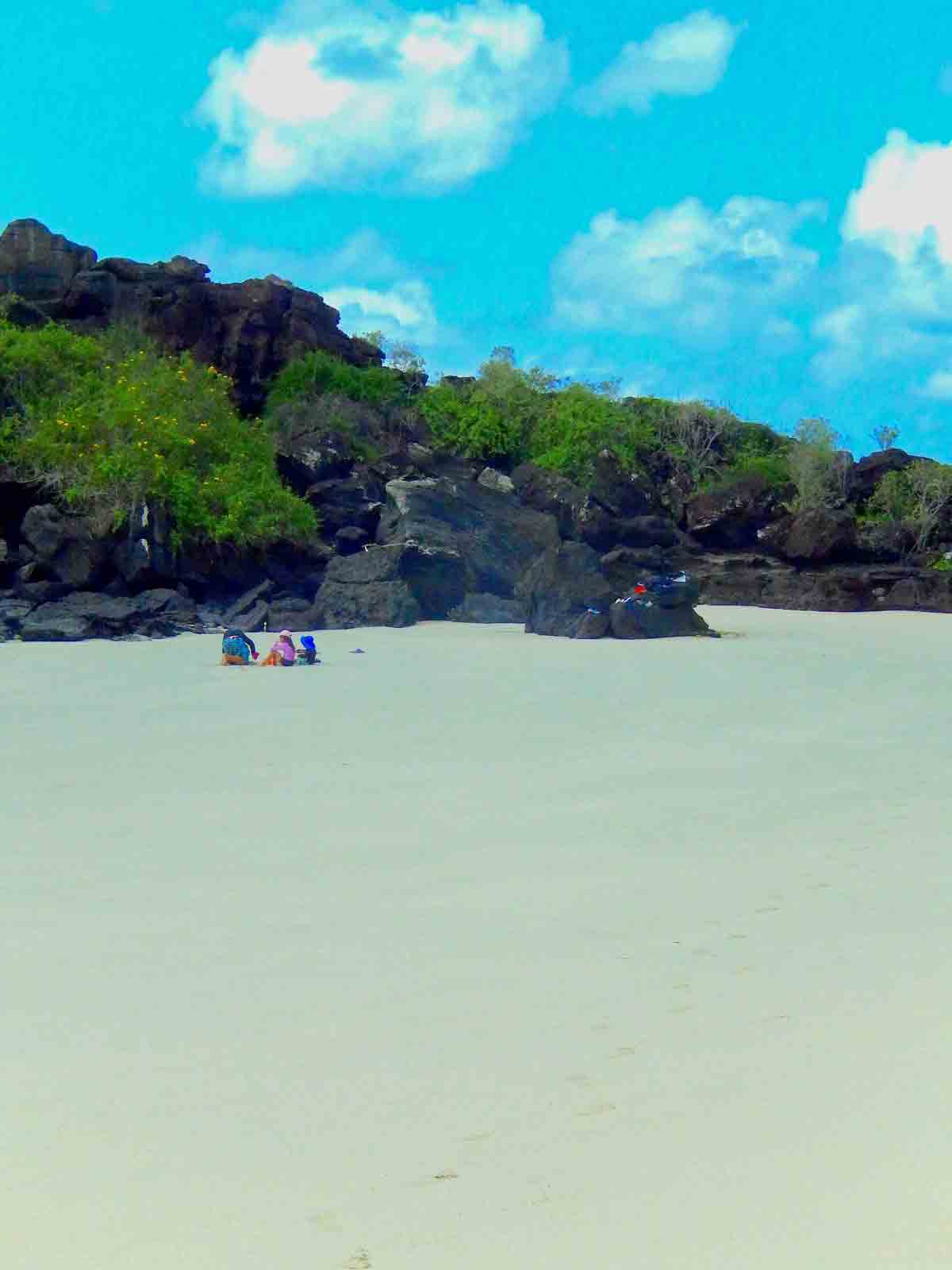
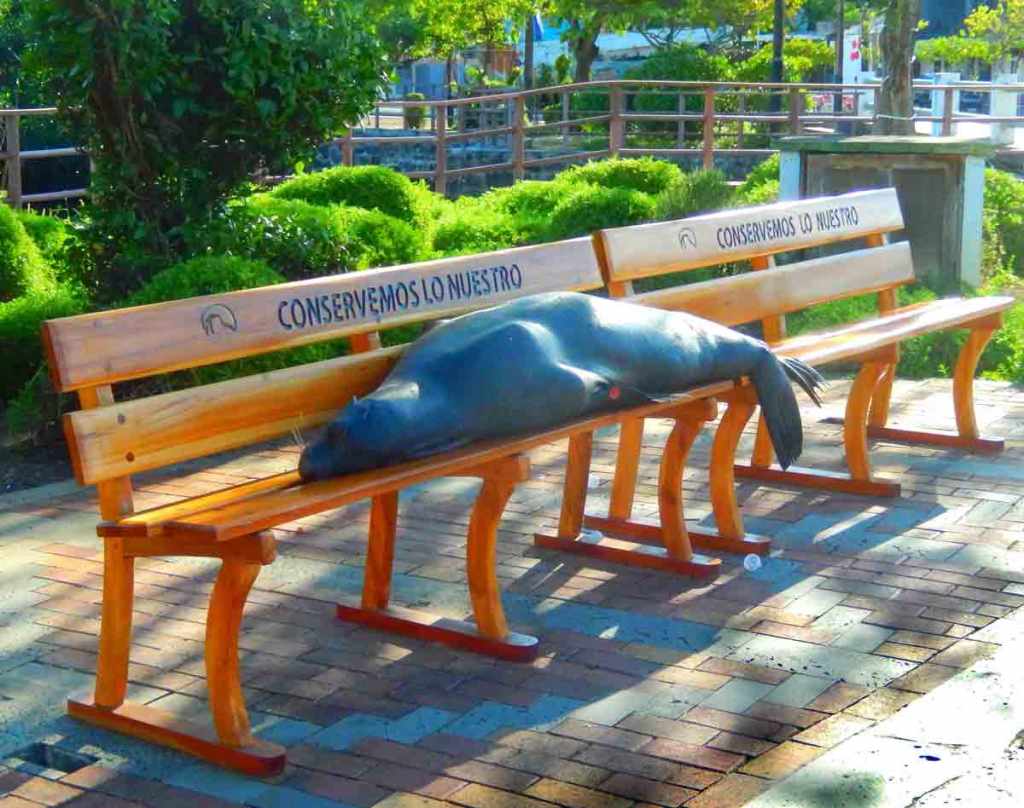
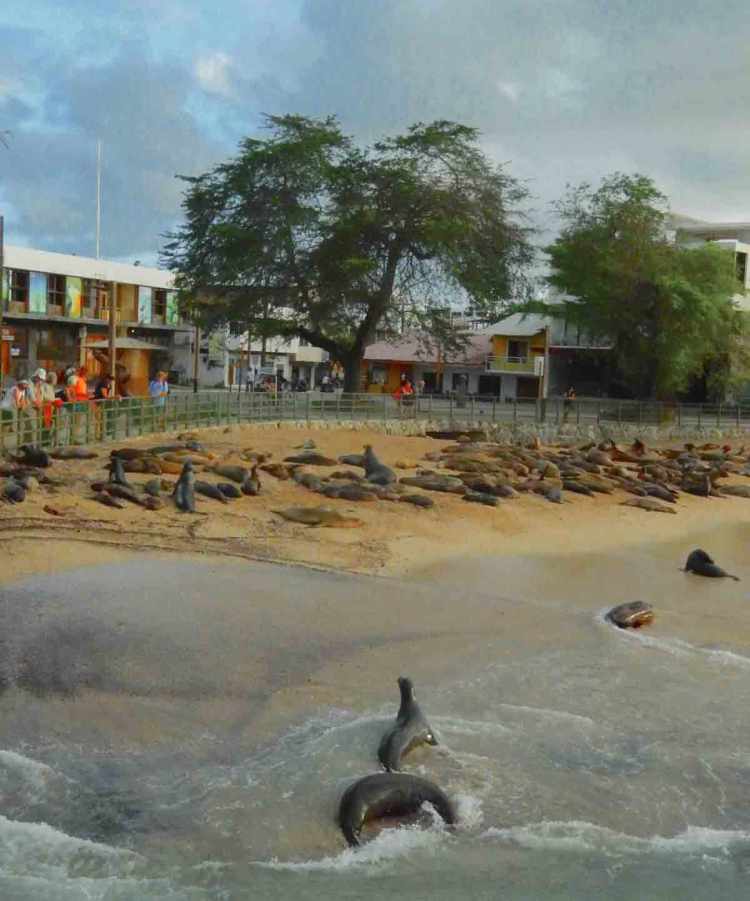
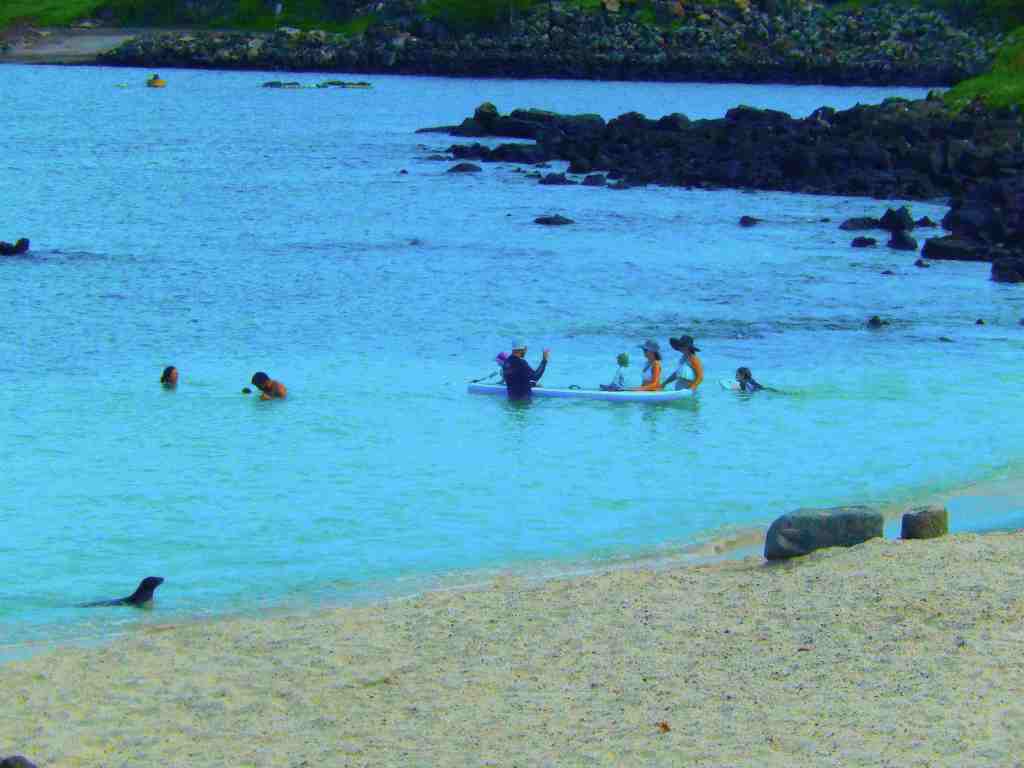
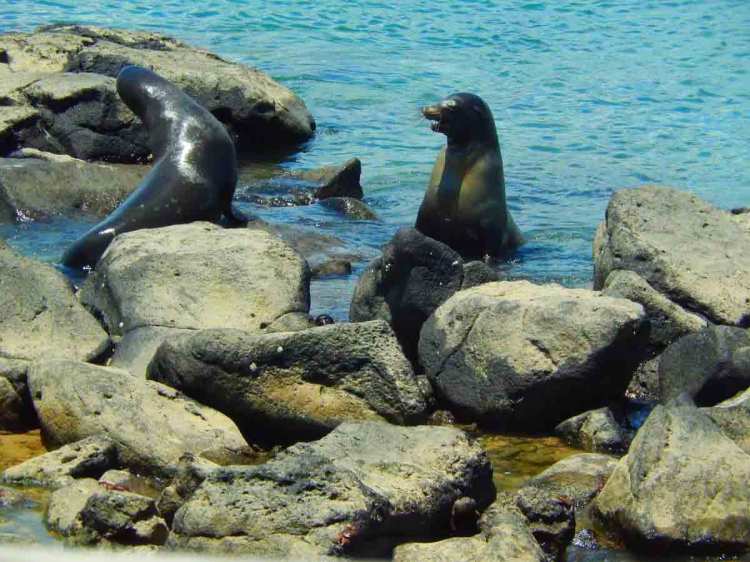
The Playa Mann beach is a locals’ beach on San Cristóbal island. A boardwalk goes over to the lighthouse. There’s a cafe to grab some light food or drinks, changing and public facilities, lots of sea lions and a bit of a family feel. It’s easily accessible by the boardwalk from Puerto Baquerizo Moreno and it’s free.
Tortoise Breeding Center
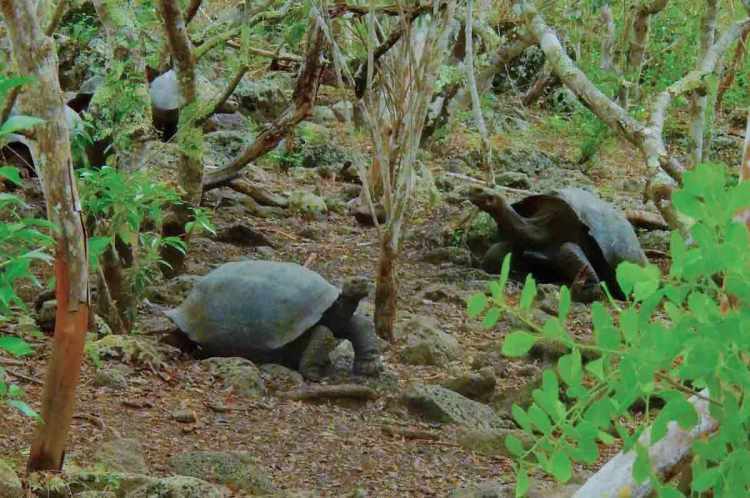
La Galapaguera/Jacinto Gordillo Tortoise Breeding Center. This is a visitor center in the northeast part of San Cristobal Island and can be reached in about one hour by road from Puerto Baquerizo Moreno. The Breeding Center raises hatchling tortoises from birth until the the grown Galapagos tortoises are released to the natural habitat.
El Junco Lagoon
The Junco lagoon, located about 700m above sea level, is one of the few permanent freshwater bodies in Galapagos. Frigate birds are often seen here washing the salt from their feathers as well as white-cheeked pintails and common gallinules. Its name comes from a type of plant that is common in this area called “junco”.
Some Hotel & Restaurant Options
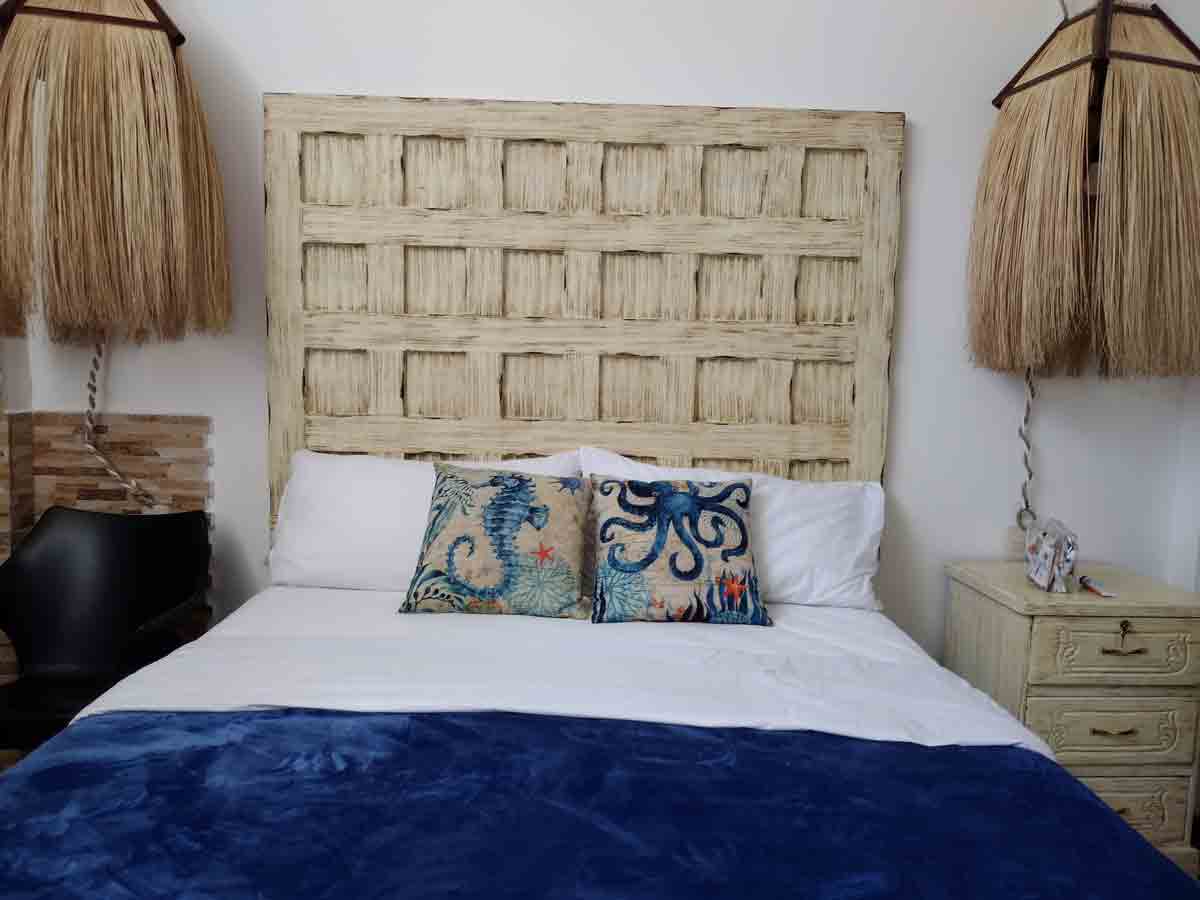
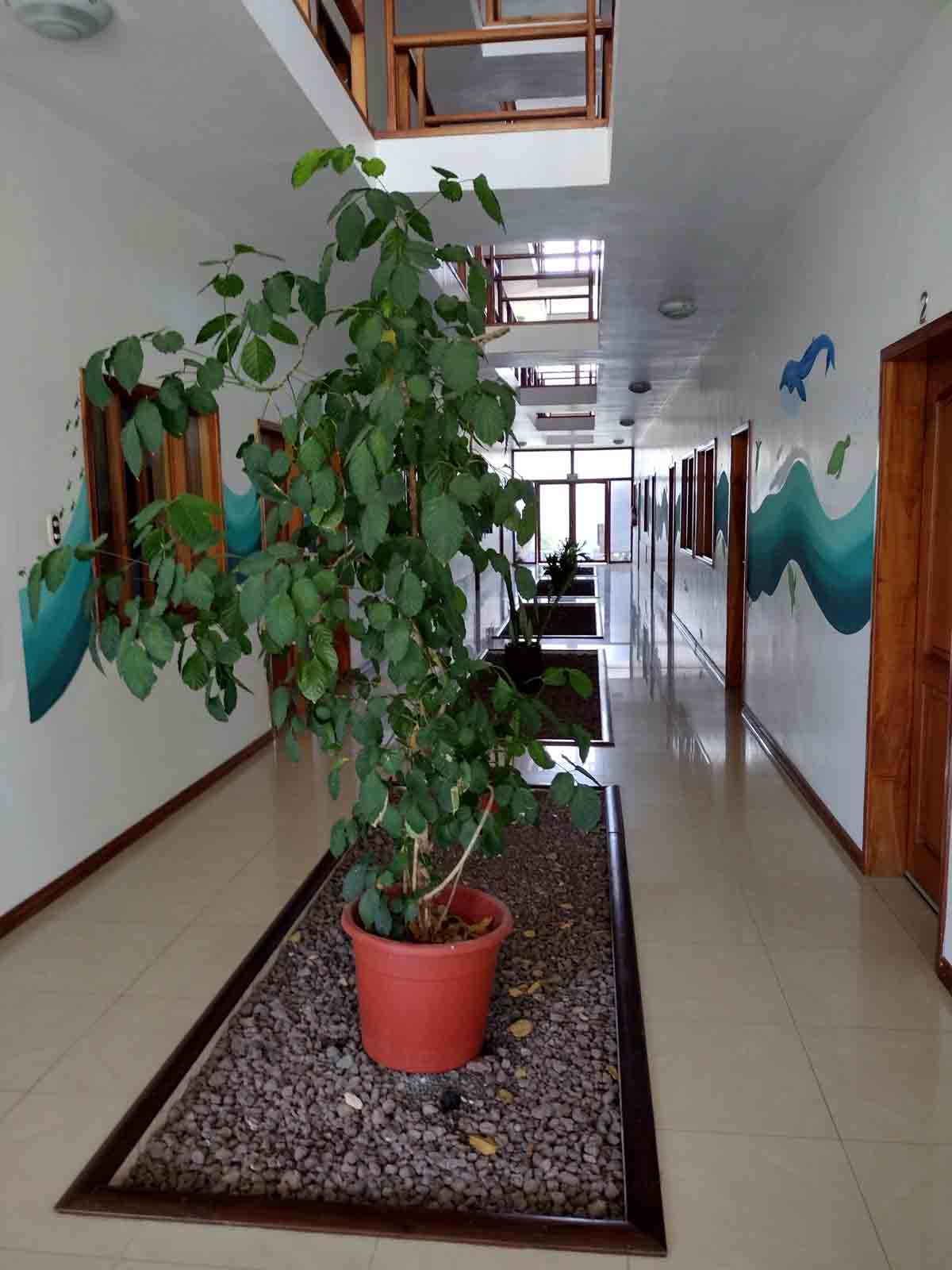
The Galapagos Planet Hotel (Pictured below) – Located less than a mile from the airport and four blocks from the towns waterfront (don’t worry there’s very few flights). It is clean, the staff friendly and helpful and it features a nice pool and patio. Plenty of hot water and cold air conditioning. Rates average $140.
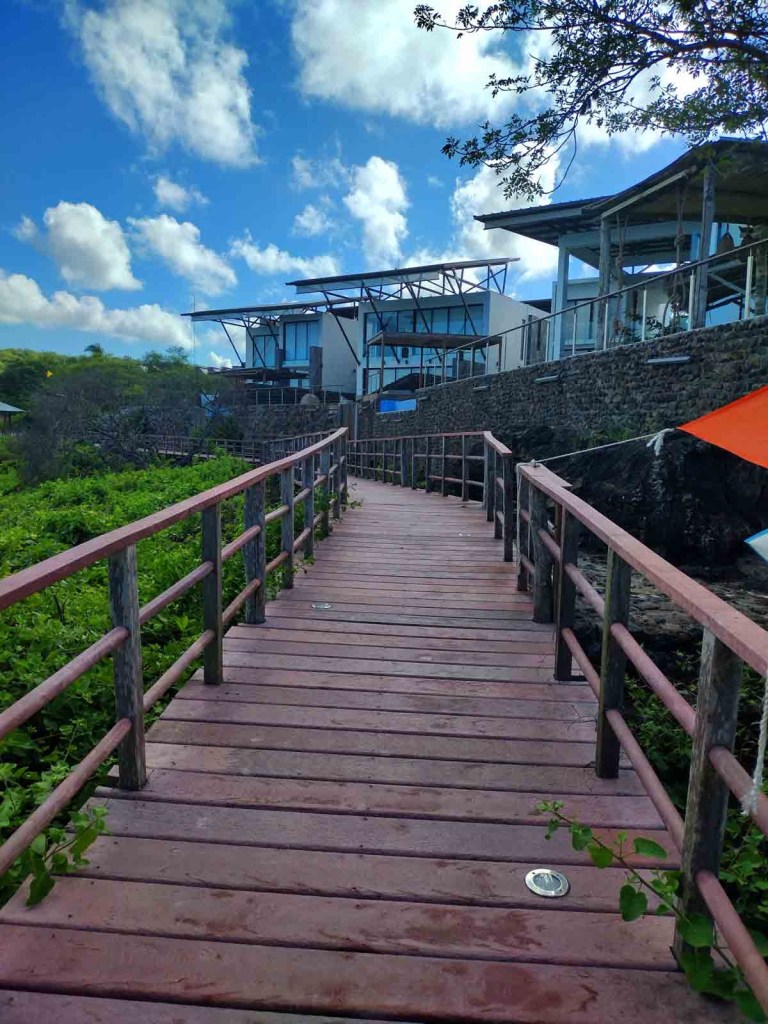
Sea Side Inn Hotel (Pictured at left) – Located on a beach near downtown it’s highly rated with a friendly staff and hot showers, cold air conditioning and beach views. Rates average $450 per night.
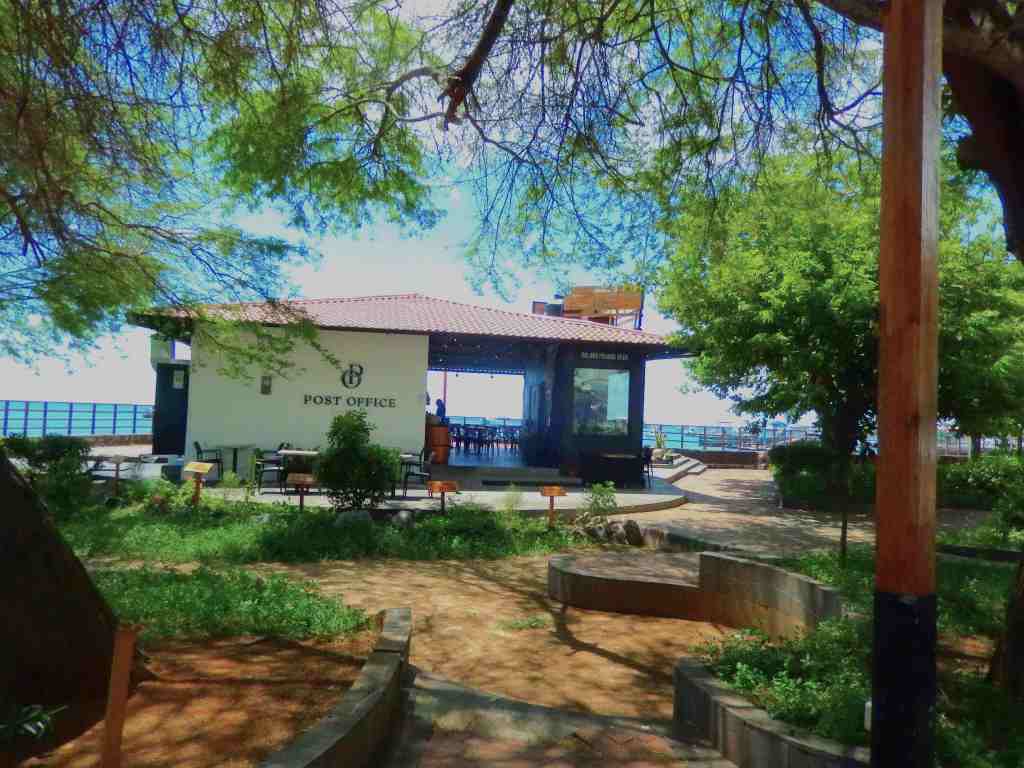
The Post Office Restaurant – Located on the water in the middle of town and features some of the best sunset viewing. Both the food and prices are great. Check out the beer flights!
Giuseppe’s Italian Restaurant – Good food, generous portions and fairly priced. Try the seafood pizza!
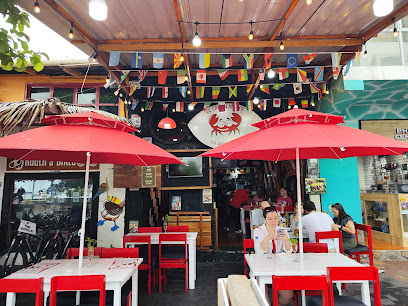
El Cangrejo Loco – Located right across from the water in the middle of town. Great for casual seafood. Good menu options and prepared Ecuadorian style.
























 The Intentional Travelers