Visiting Three Museums In Piraeus, Greece

Devote A Little Time To These Great Piraeus Museums

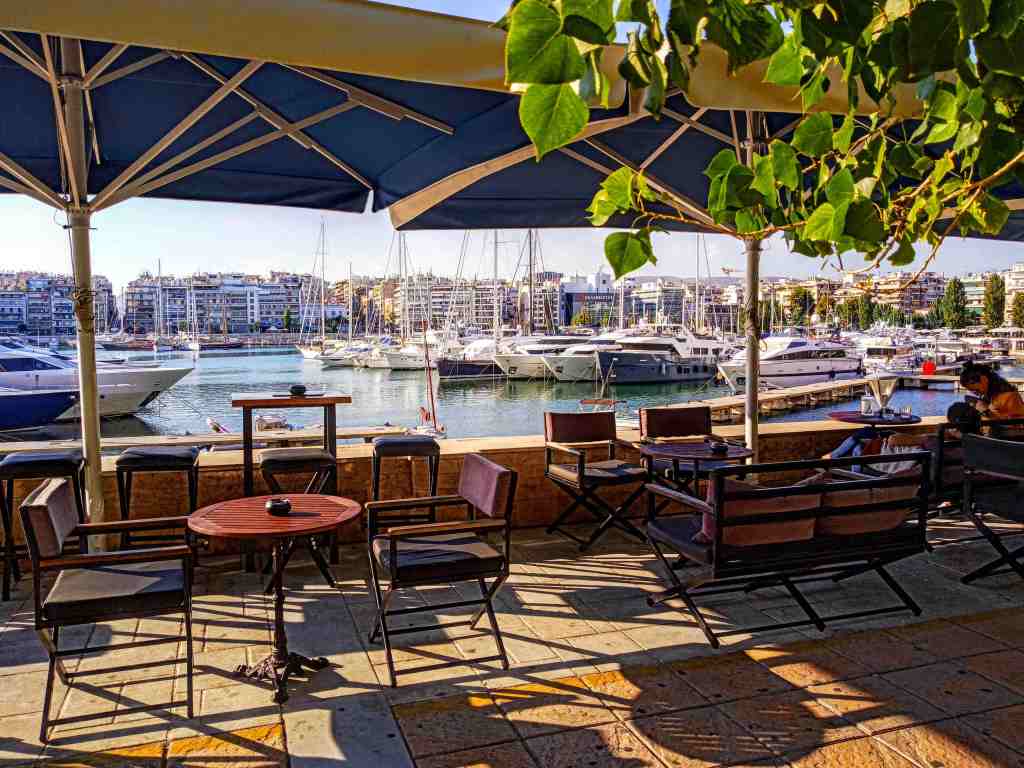
Piraeus is a popular cruise departure port in the Eastern Mediterranean but while cruisers look forward to visiting fascinating ports on their cruise, they should allocate some time to this amazing port city. Piraeus was the harbor for one of the ancient worlds greatest cities and this seaport has a lot of history to explore. It is also a vibrant city boasting two harbors, one being a beautiful yacht harbor ringed with a walking promenade featuring a number of outdoor cafes and restaurants. It is also home to a number of really good museums.

Archaeological Museum of Piraeus

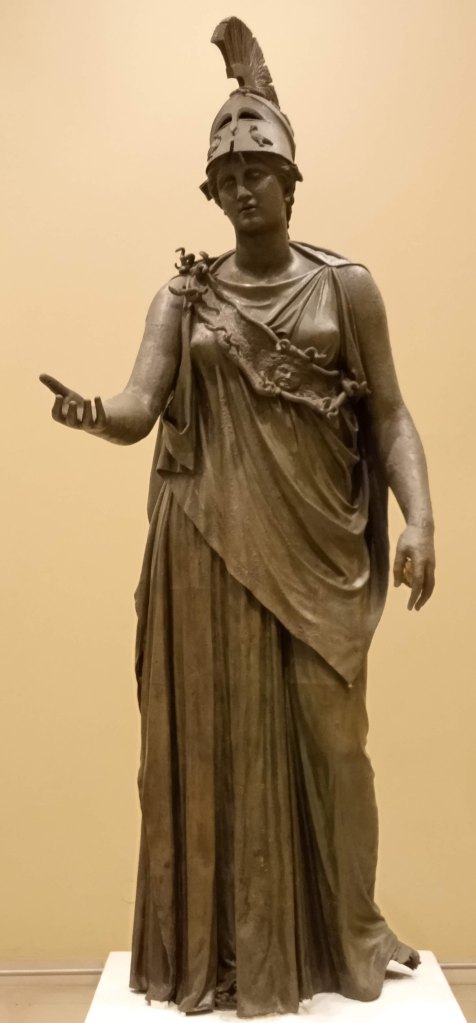
Plan to spend an hour or two at the Archaeological Museum of Piraeus. If you happen to be there on a Saturday, even better, as admission is free on Saturdays.

Occupying the western side of an Archaeological site in central Piraeus the three floor museum houses a remarkable collection of Greek artifacts from around the area. The city has been an active port dating back 2,500 years so there is much to see.
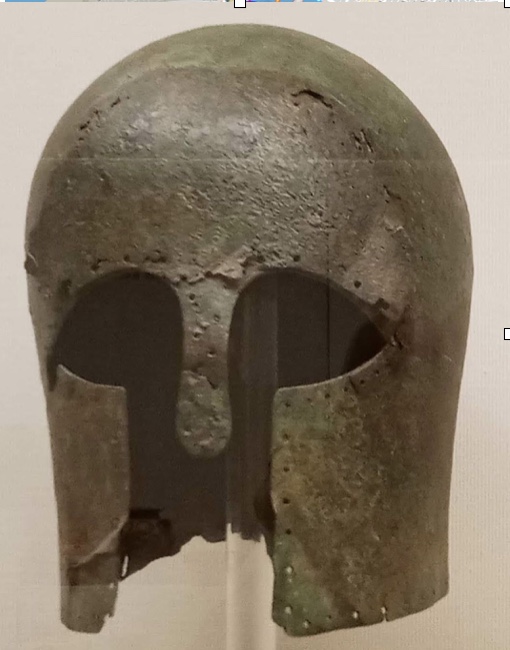
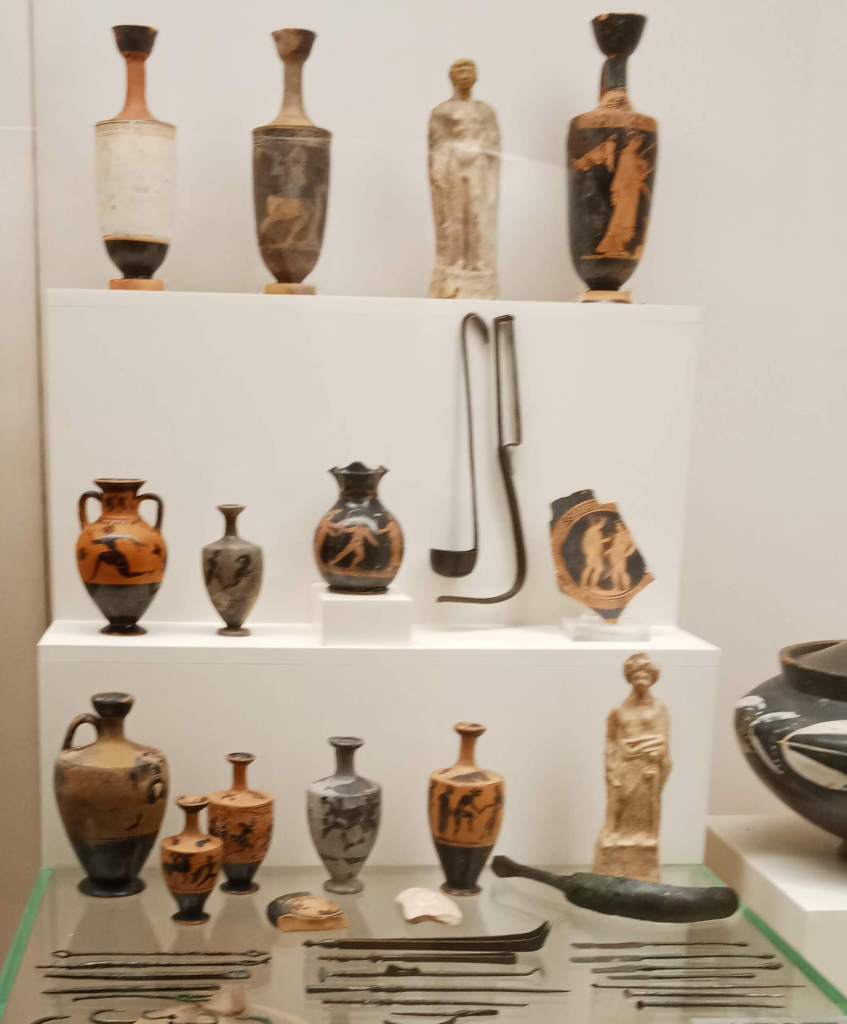
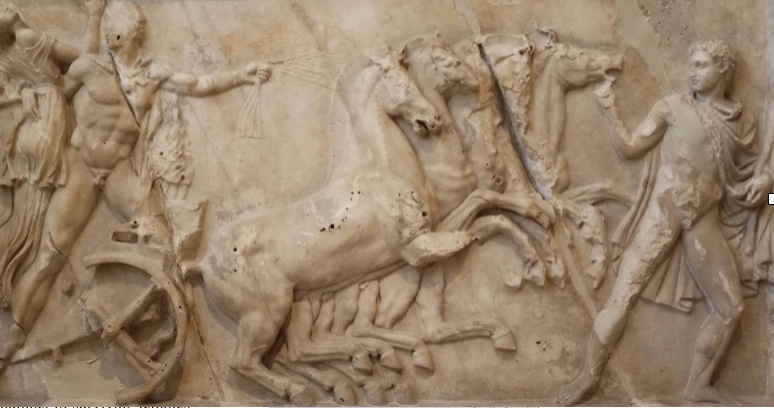
Its permanent exhibits include finds from the wider area around the city and along the southern coast of Attica. The museum’s collection covers a period spanning from the Mycenaean era, through the Golden Age of Greece, up to the Roman times and covers the history of ancient Piraeus, an important trading center of the Eastern Mediterranean.
A Liberty Ship Museum Near Athens Greece

I admit I have a special fondness for these WWII antiques having spent over two years at sea on one. So I was really surprised and pleased to find one set up as a museum in Piraeus harbor.
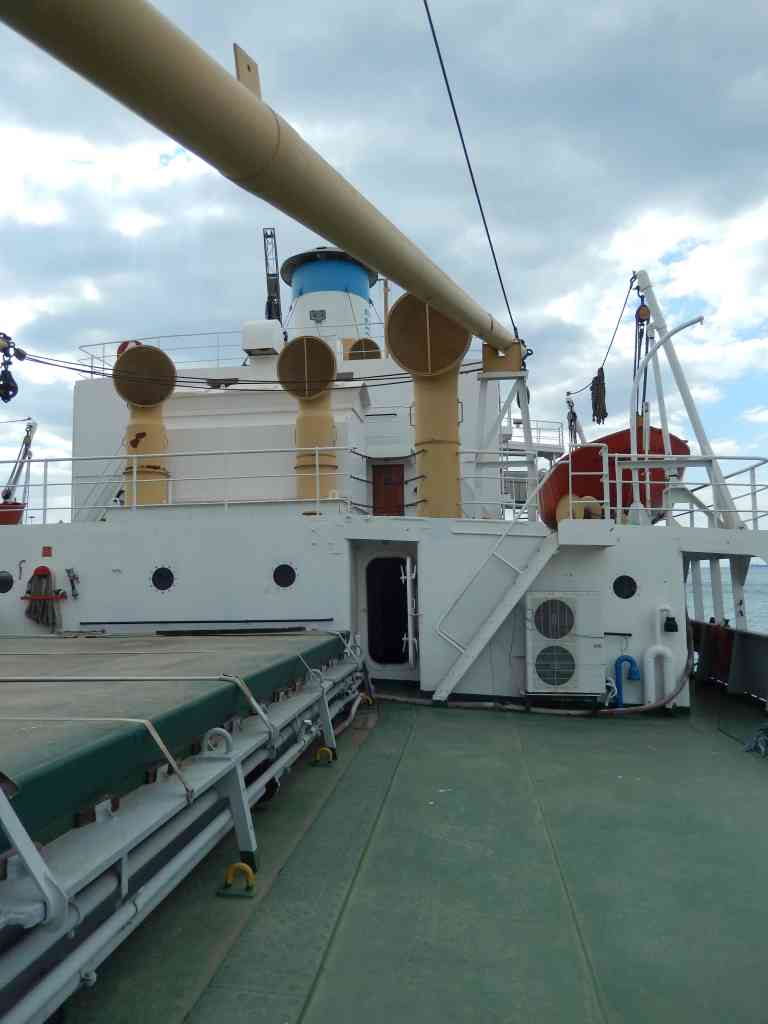
During World War II American shipyards launched almost three thousand Liberty Ships. These amazing cargo ships played a major role in winning the war by shipping ammunition, troops, food and military equipment across the Atlantic. This class of cargo ship was built in the United States from a British design for its simple, low-cost construction. Mass-produced on an unprecedented scale, the Liberty Ships came to symbolize U.S. wartime industrial might.

When the job was done and the war ended all those cargo ships were seen by some as a huge business opportunity. Put up for auction nobody took better advantage of them than Greek shipping companies and a number of Greek families became very rich as a result.

The Hellas Liberty’s Bridge

One Liberty Ship built by the California Shipbuilding Corporation in 1943 was bought at auction in January 1947 and registered in Piraeus, Greece. This ship, one of almost one hundred bought by Greek companies remained in service until 1967 when it was retired. Restored it now it sits tied up to a pier in Piraeus harbor as a floating maritime museum.

A few other of these ships still survive restored as floating museums. Today in the United States, only three remain intact, the John W. Brown, docked at Baltimore, the Jeremiah O’Brien in San Francisco and the American Freedom in Tampa Bay.

If you find yourself in the Athen’s port city with some free time, pay a visit to the fourth, the Hellas Liberty. She’s well maintained, has a number of historic exhibits and admission is free. A great way to spend an hour going back in time.

Hellenic Maritime Museum In Piraeus, Greece

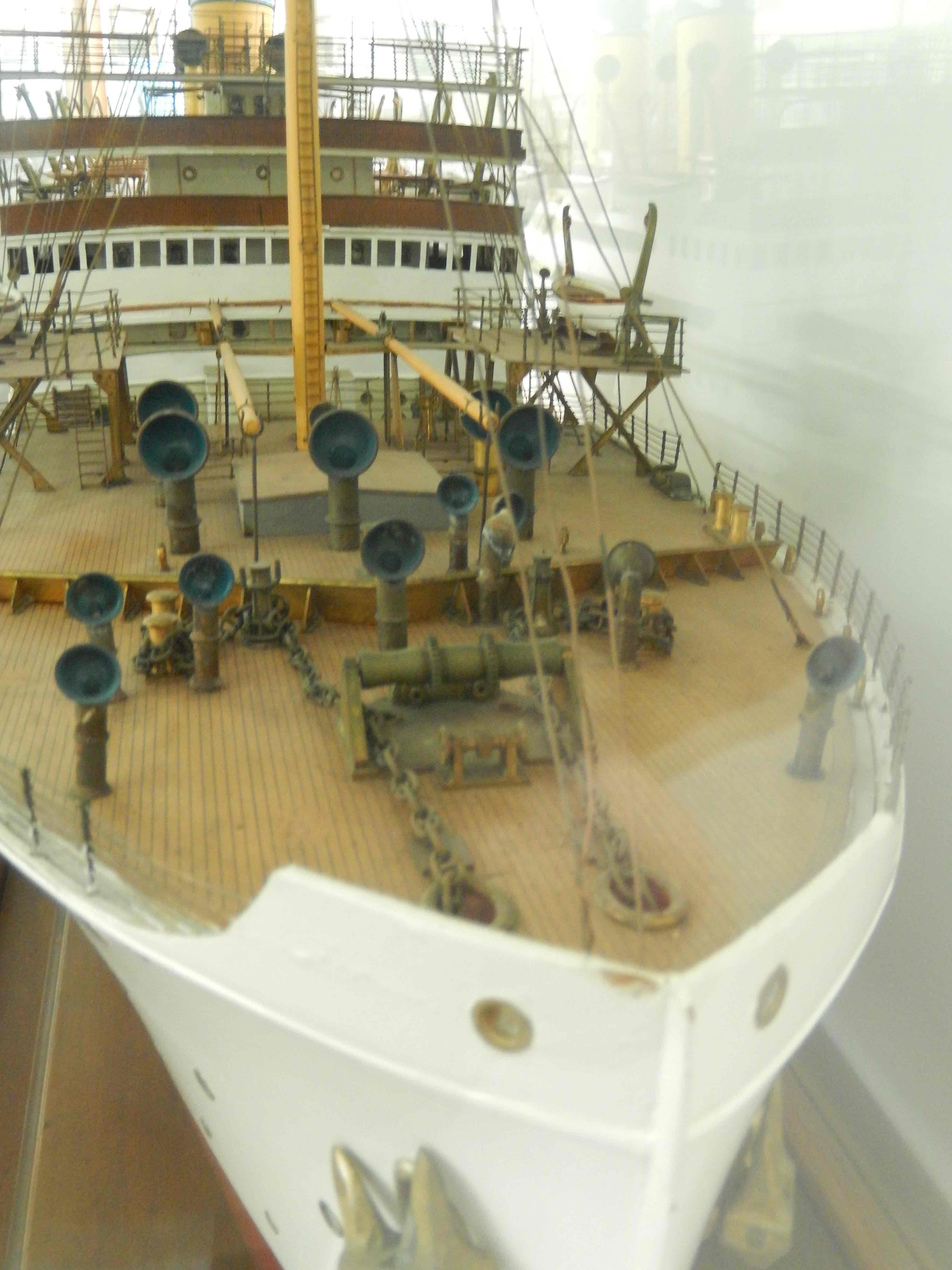
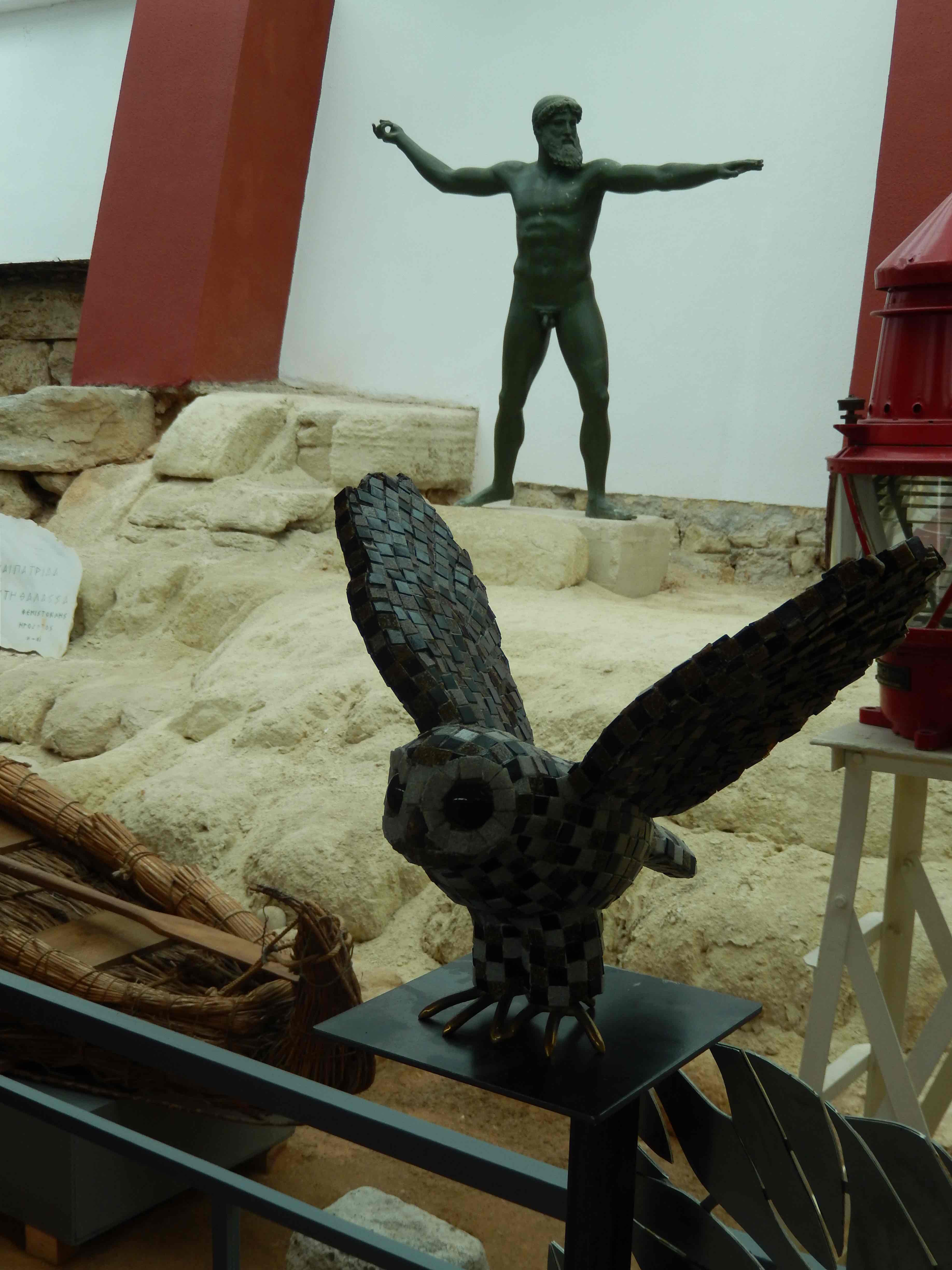
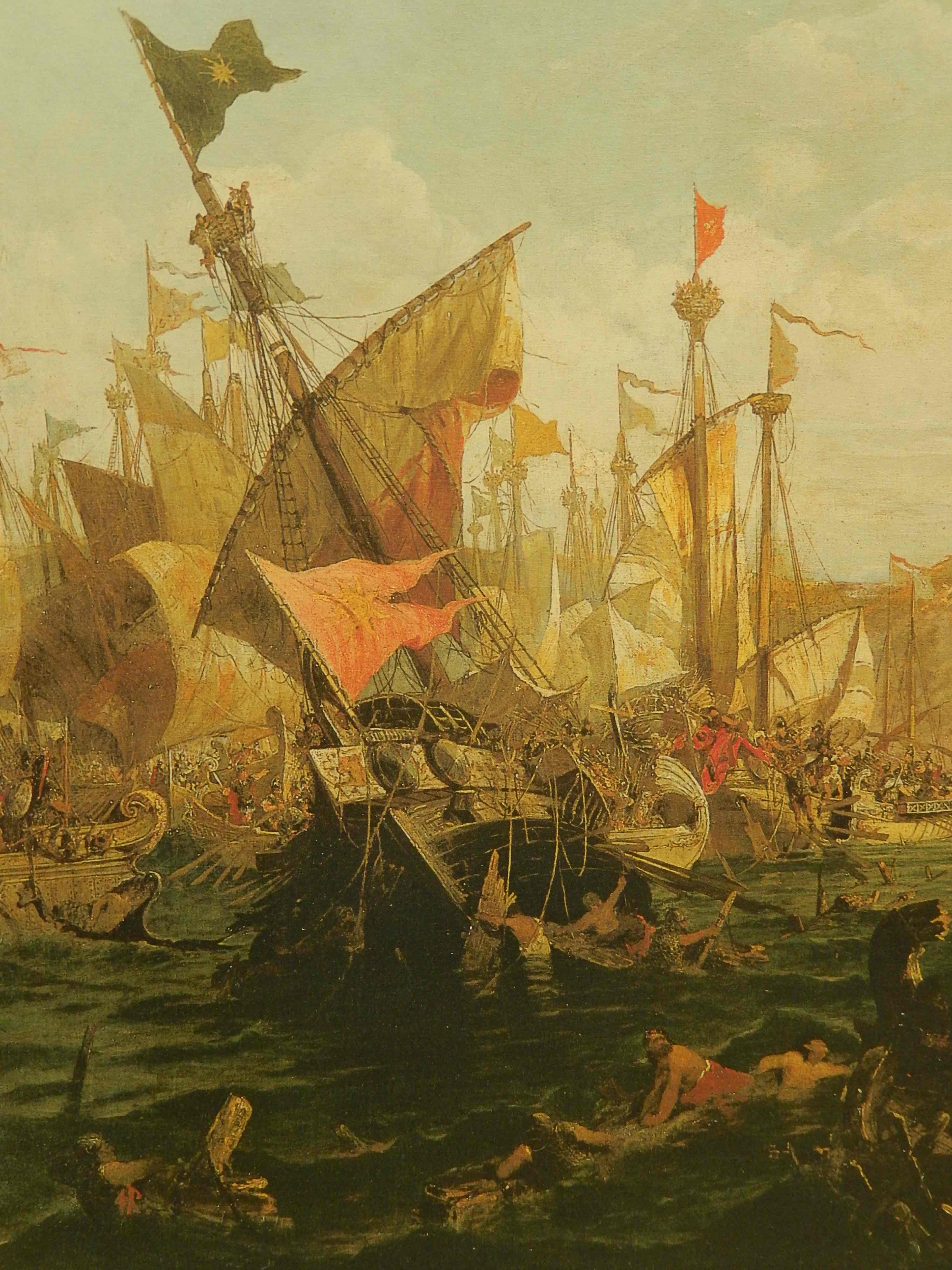
Another museum worthy of a visit while in Piraeus is next to the Marina Zeas (the Piraeus small boat marina). Another jewel of a museum, the Hellenic Maritime Museum celebrates Greece’s impressive naval past from antiquity to the 20th century. The modern building sitting at the mouth of the marina has exhibits that include miniature vessels, naval instruments, weapons, furniture, and wonderful paintings, maps and engravings. One section of the museum is devoted to the private collection of shipping magnate Aristotle Onassis, a trove of sea-related treasures that once adorned his extravagant yacht, the Christina.
Piraeus Marina area

Working On The Road

The Business Owner’s Guide to Working on the Road

Whether you’re an occasional outdoor enthusiast who likes to go camping a few times a year, or you’re a seasoned RV owner who spends a significant amount on the road, it’s important for business owners to stay connected and available. Today, The Intentional Traveler provides some tips and resources to help you with remote work.

Become Tech Savvy

Make an investment in top-of-the-line technology. Buy a good quality laptop or tablet and keyboard, and make sure you have plenty of storage and a hefty data plan with a reliable wireless network. The same goes for your smartphone. High-quality earbuds can come in handy, as can rechargeable power banks that allow you to recharge even if you aren’t in close proximity to a power source. Having the ability to turn a phone into a hot spot for a tablet or laptop is also a smart move. According to NBC, waterproof tech gadgets are also wise investments.

Use Apps to Your Benefit

Download and learn to use traveler-friendly apps. It can be beneficial if you can participate in video conferences from anywhere, review presentations, and record memos and notes and then translate them and send them off by text or email. According to Business Insider, other helpful apps include GPS apps, currency conversion apps, if camping out of the country, and from a practicality standpoint, weather, road condition, and WiFi finder apps. You can also use applications to find dry, warm lodging in the event your trip gets rained or snowed out.

Keep Some Things Low-Tech

In some instances, it makes more sense to go low-tech while combining camping and work. For example, if you need to review an existing hard-copy employee training manual, rather than scan each page into a PDF before your camping trip, it might be easier to take a physical copy with you so you can go through and mark up the content by hand. You might also prefer to talk to clients and staffers by phone for quick chats rather than worry about your clothing, background, and connectivity for a Zoom meeting.

Additionally, you might as well take advantage of free resources whenever possible. For instance, this invoice maker can generate professional-looking invoices for your customers and help you maintain precise records – and all for free!

Plan Travel With Work in Mind

As you’re planning your camping trips, look for campsites that offer free WiFi, or can assure you of good connectivity. If you’re tent camping, having a travel table or picnic bench at your site can be helpful. Even though you’ll likely want to spend some time entirely off the grid, plan your schedule so you can be available as needed for pre-planned check-ins or high-level meetings. You might even let people know you’ll be available during certain times of the day so you can be sure you’re in work mode and ready to talk or answer emails.

Be Mindful of Travel Challenges

You can easily get caught up in your camping and outdoor adventures and lose track of time, so be mindful of time zone differences and deadlines. If possible, avoid camping trips during especially busy times of the year, or at critical points of large-scale projects. You should also designate someone you trust to act in your stead and make decisions in the event you can’t be reached when you’re camping. Set your email to send notifications when you’re out, when you’ll return, and what clients and staffers can do if they have an immediate need.

Ensure Smooth Operations

Of course, the more organized your business is in general, the easier it will be for you to run it while you’re on the go. Create a comprehensive business and marketing plan and register your business as a limited liability company, or LLC. This will protect you from some types of liability, give you flexibility, and make it easier to file come tax time. You can do the work yourself, hire an attorney, or your best option, use a formation company to handle details. LLC laws vary from one state to another, so learn yours in advance. And if you’re trying to decide between Zenbusiness vs Legalzoom, the former is cheaper and provides more service throughout various stages of your business.

Tips for Pre-Startups

If you’re just thinking about launching a business and considering business models that will give you freedom and flexibility to travel, there are a number of options to consider. You can play on your professional skill sets and simply work in a remote capacity, or launch an operation that lends itself to remote work. This might include IT projects, accounting, editing, or creative jobs like graphic design or social media management. Jobs like customer service or help desk support can be tricky, as you typically need to be available as customers need you. 

The best part about being your own boss is having the freedom to hit the open road whenever you like. In fact, with just a little planning and dedication, the open road can be your new office! After all, why chain yourself to a desk if you don’t have to?

The Intentional Traveler invites you to join us as we offer up reflections on where we’ve been and dream about where we’re going next. Please subscribe to make sure you never miss a thing!

Those Caribbean Cruise Private Islands

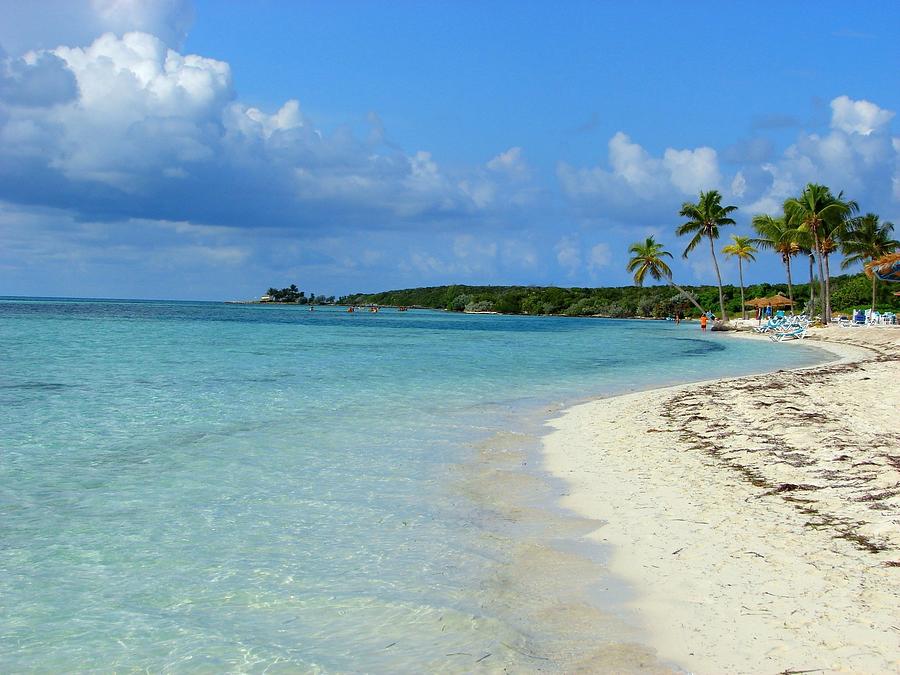
In any number of surveys one of the top reasons for booking a Caribbean cruise is spending time on a tropical beach. If that’s what attracts you to Caribbean cruising make sure your cruise includes a day at a private island. Lots of time on a beautiful tropical beach, water sports, cook-outs, restaurants and bars, with many including water parks, zip lines and nature walks.

The Appearance And Rise Of Cruise Private Islands

Primarily a Caribbean phenomena the private island cruise destination was developed mainly as a business decision. Norwegian Cruise Line’s Great Stirrup Cay was the first cruise line private island acquired back in 1973. This developed destination had a number of benefits for the cruise companies.

  • It added an itinerary destination other ships didn’t offer.
  • It eliminated much of the port fee expenses.
  • It was a more controlled and safe environment.
  • It reduced the likelihood of passenger money being spent off-ship.

Soon after Norwegian Cruise Line opened Stirrup Cay other cruise companies recognizing the appeal of private islands, started planning their own. Depending on the definition, today the Caribbean is home to between 8 and 12 of these destination cruise ports and there are indications that the phenomenon is likely to appear in other world regions soon.

Coco Cay

The Caribbean private islands include:

Castaway Cay

Castaway Cay

  • Cruise Line: Disney Cruise Line
  • Location: The Bahamas
  • Castaway Cay is located in the Bahamas. Disney describe Castaway Cay as an island that has everything needed for the perfect beach getaway– including lounge chairs, beach umbrellas, and tasty food. The island also offers scenic walking trails, water play areas, open-air BBQ dining locations, and more.
NCL Great Stirrup Cay

Great Stirrup Cay

  • Cruise Line: Norwegian Cruise Line
  • Location: The Bahamas
  • Norwegian Cruise Line describes Great Stirrup Cay as an idyllic paradise. One of the oldest private islands in the Bahamas, it’s a traditional tropical destination, with beaches, lounges, and cabanas. Also featured are bars, restaurants, a spa, and a zipline.

Half Moon Cay

  • Cruise Line: Holland America Line
  • Location: The Bahamas
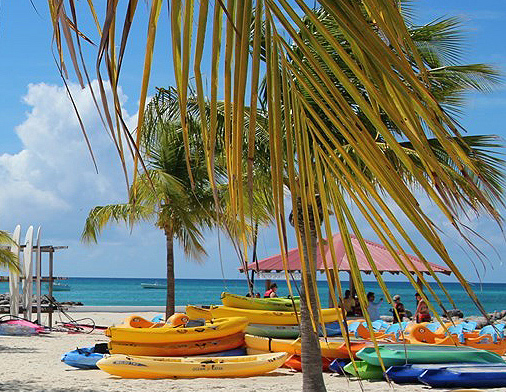
  • Holland America’s private island offers a wide array of activities, including snorkeling, kayaking, horseback riding, and more. With a half-moon shaped beach, the island even has a chapel for wedding and renewal of vows.
Half Moon Cay

Harvest Caye

  • Cruise Line: Norwegian Cruise Line
  • Location: Belize
  • Advertised as having a huge swimming pool, Harvest Caye is Norwegian Cruise Line’s newest private destination. Located in Belize, the island has a beach, a saltwater lagoon, a zipline, and a marina featuring bars and restaurants.
Harvest Cay

Labadee

  • Cruise Line: Royal Caribbean International
  • Location: Haiti
  • Developed and operated by Royal Caribbean, the recreation area was opened around1985. While not an island it is an isolated peninsula. Labadee offers several beaches, an alpine coaster, a zipline, numerous watersports, food and a Haitian flea market.
Labadee

Perfect Day CocoCay

  • Cruise Line: Royal Caribbean International
  • Location: The Bahamas
  • Perfect Day at CocoCay has recently been upgraded. It features a beach club with bars and restaurants, a lagoon, and a large water park with the tallest waterslides in North America. Another attraction is the Up, Up & Away helium balloon, allowing guests to view the island from the sky.
Coco Cay
Princess Cay

Princess Cays

  • Cruise Line: Princess Cruises
  • Location: The Bahamas
  • Princess Cruises, says that the private destination boasts outstanding amenities while carefully preserving local nature on the island. Among the attractions is an observation tower, a full range of watersports, and a beach BBQ area.

Ocean Cay

  • Cruise Line: MSC Cruises
  • Location: The Bahamas
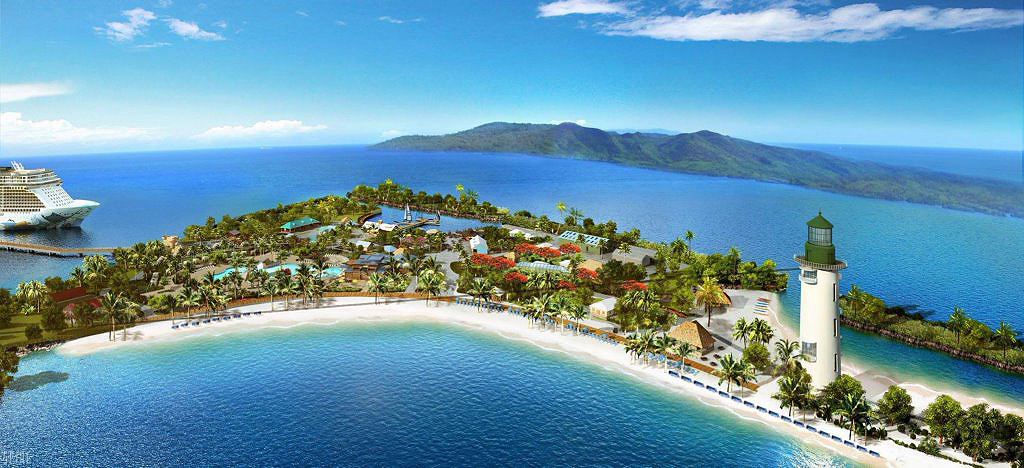
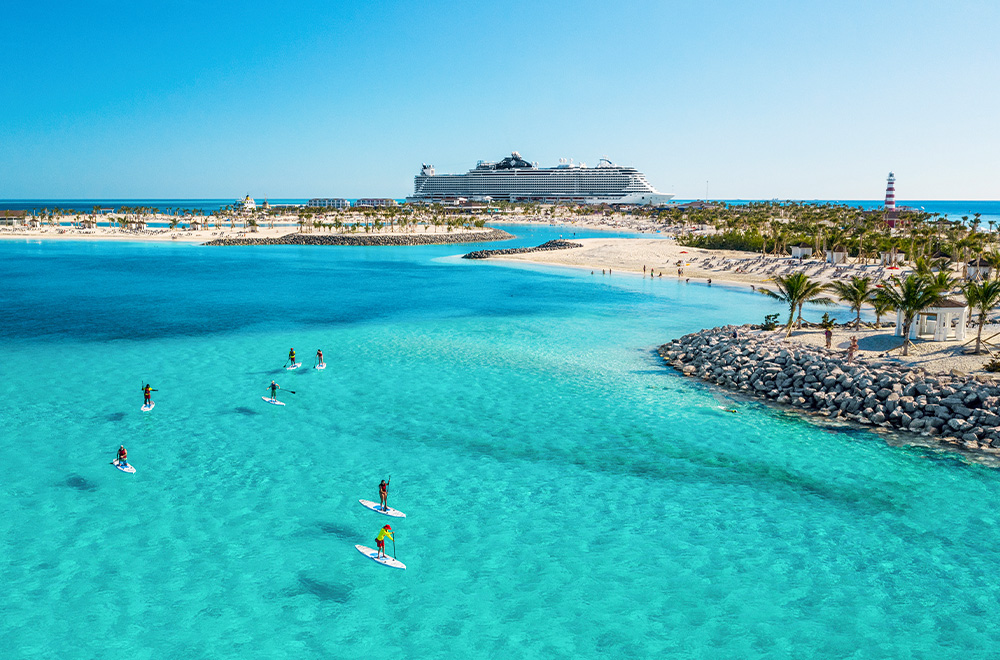
  • A new private island, Ocean Cay MSC Marine Reserve, opened in 2019 it features a complete tropical experience with beaches, a saltwater lagoon, a lighthouse, a sports zone, and more. Promoted as more than a private island, it is a marine reserve. Around the island, you’ll find eight white sand beaches, two of them on a calm lagoon and the other six open to the ocean. It features a restaurant and bar within walking distance to any of the beaches. The landmark on the island is a Lighthouse.
Ocean Cay

Mahogany Bay

Mahogany Bay
  • Cruise Line: Carnival*
  • Roatan, Nicaragua
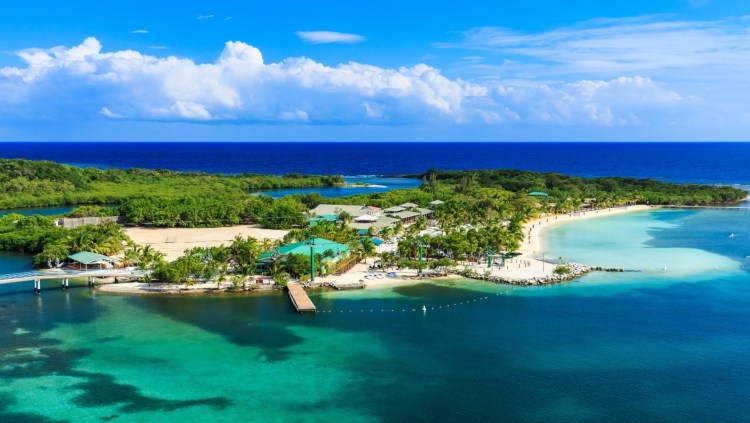
  • This beach destination is attached to a cruise port shopping village that includes good beaches, watersports and a zipline along with a couple of bars and a restaurant. It is also not a private island but a peninsula.
  • *Mahogany Bay was developed by a partnership with Carnival and the government and the cruise port is open to other cruise lines.

The Business Of Private Islands vs. Cruise Ports Of Call

Caribbean cruising has for some time represented about 35% of the worlds total cruise business. There are a number of factors involved in the size of this segment. The first is its near proximity to the huge North American market which allows potential passengers to discount the costs of getting to their cruise departure port when budgeting. Another huge element is the demand for tropical destinations. Tropical climes, white sand beaches and crystal clear waters top a majority of peoples travel wish list. In addition the Caribbean for its size provides more cruise destinations than almost anywhere else on the planet.

While the Caribbean is a lucrative cruise market it is also very competitive and there is a great deal of maneuvering to get bigger pieces of the market. Cruise lines work at this by offering more onboard amenities and ship features along with additional services and a big part also involves the appeal of the cruise itineraries. Profitability for each cruise hinges on several factors that include the booking income, filling the ship and controlling costs.

Port fees have always been a serious cost area for a cruise ship. Docking fees, often based on the ships gross tonnage, can range from $3,000 to over $50,000 per day and some ports add on a head fee per passenger. On top of that there are pilot and tug fees, security and more.

The conclusion is that private islands are a win-win for passengers and cruise ships.

For The Love Of Bicycles…

A Photo Gallery Celebrating The Bicycle

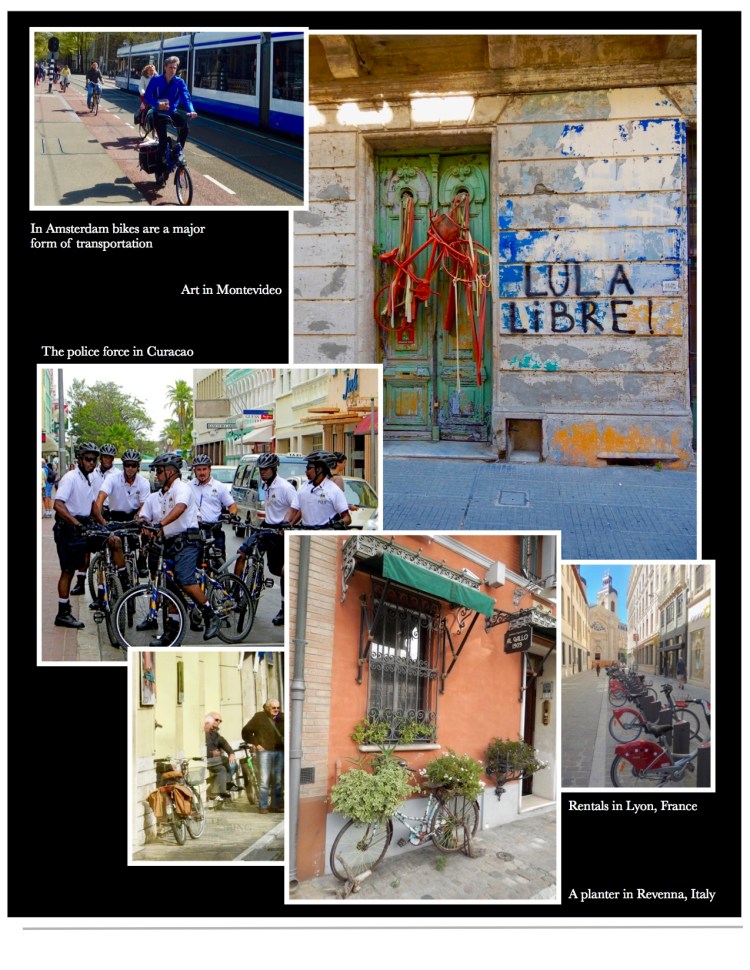
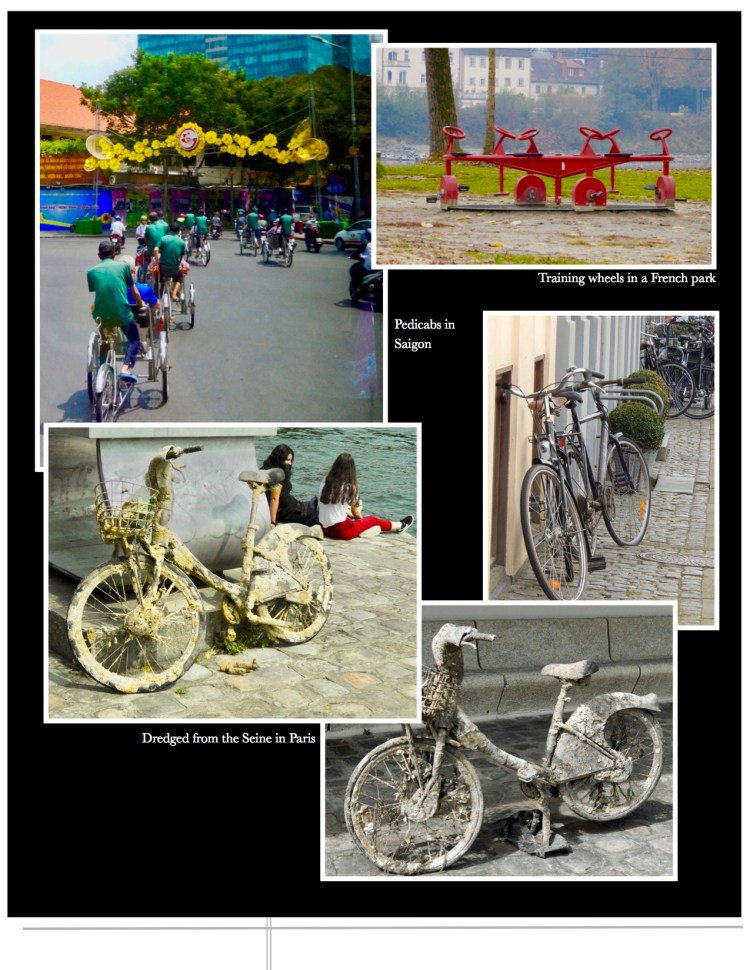
A photographic collection celebrating bicycles. Basic transportation, art, sport, obsession and a few unusual uses. Some cities couldn’t function without them and others have left them behind…

Images of bicycles from Key West to Amsterdam. Ravenna to Montevideo.
Images of bicycles from Key West to Amsterdam. Paris to Saigon.

Port Of Call Costa Maya

Costa Maya, Mexico • The Making Of A Cruise Port

The cruise industry, over the past three or four decades, has changed the world. Growing exponentially from a handful of ships to literally hundreds and thousands and along with that growth has come an ever expanding demand for ports of call. Large seaports, capable of accommodating numerous cruise ships have prospered from that growth. Smaller ports created dedicated cruise recreation and shopping areas to attract ships and a number of cruise companies developed cruise destinations of their own with the Caribbean offering six of these cruise company destination islands. In a couple of cases businesses and regional authorities have partnered to develop cruise destinations and probably the most ambitious being a patch of wilderness on the coast of Mexico named Costa Maya.

Where Your Ship Docks

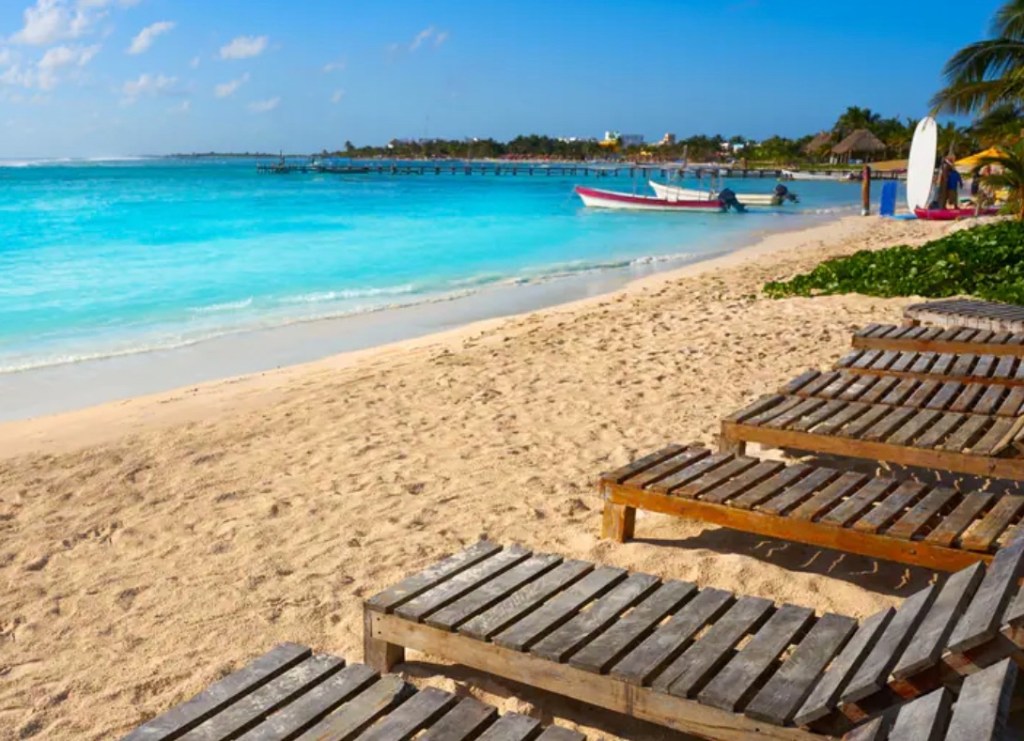
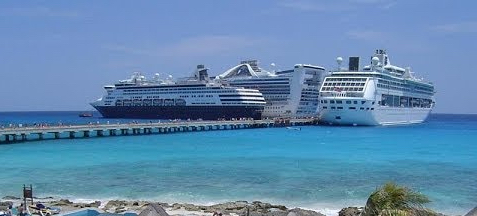
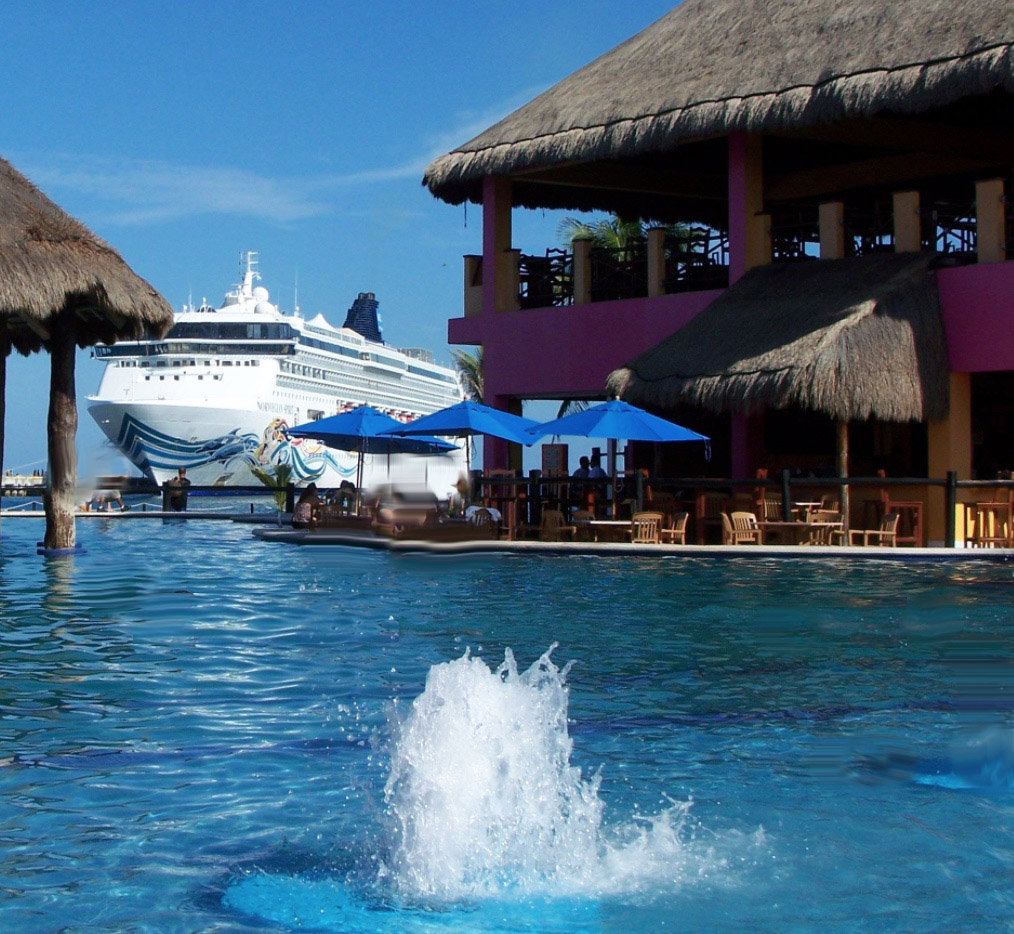
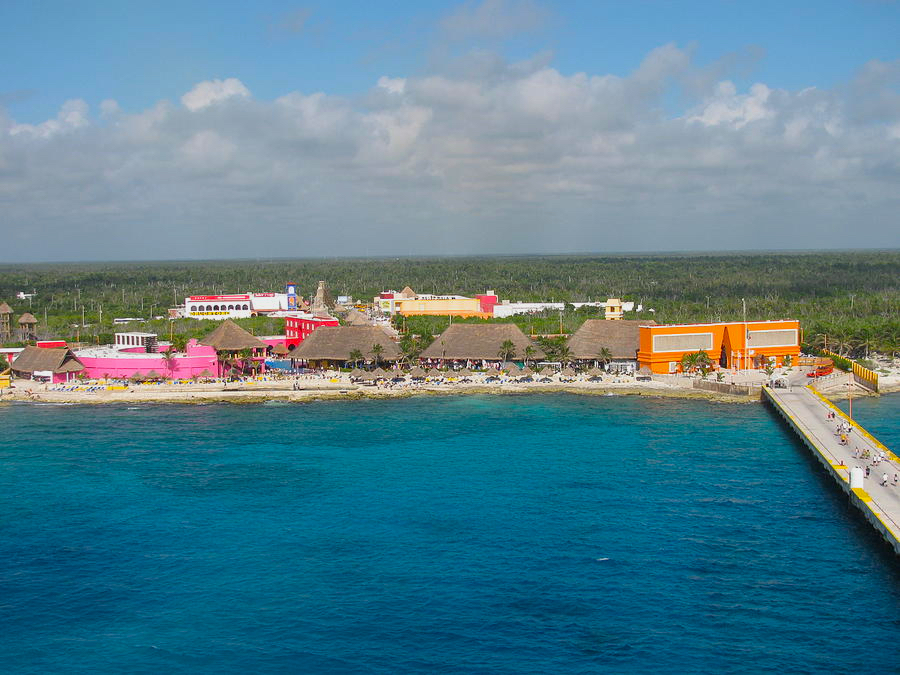
Puerto Costa Maya is a developed destination port. The pier complex can accommodate up to six cruise ships and there are public facilities in the attached port village. Good beaches and a resort village complex are right at the foot of the piers.

Wheelchair Accessibility


Disembarking – This port has a developed cruise ship pier and a terminal that leads into the shopping village but the ease of disembarking varies by the individual ships gangway designs. For passengers using wheelchairs there can be a moderate ramp incline to deal with.

Port Area Characteristics – This port has a well developed wheelchair friendly infrastructure. The port area is flat or has few inclines.

Transportation

Puerto Costa Maya is in an isolated area of Quintana Roo without any options for travel beyond the port area unless you take an organized tour.

Currency

The local currency is the Mexican Peso with 1 Mexican Peso (MXN) = 0.05 US Dollar (US$). Credit cards are welcome but avoid using credit cards in stand-alone automated systems as harvesting card information is a common practice.

Attractions

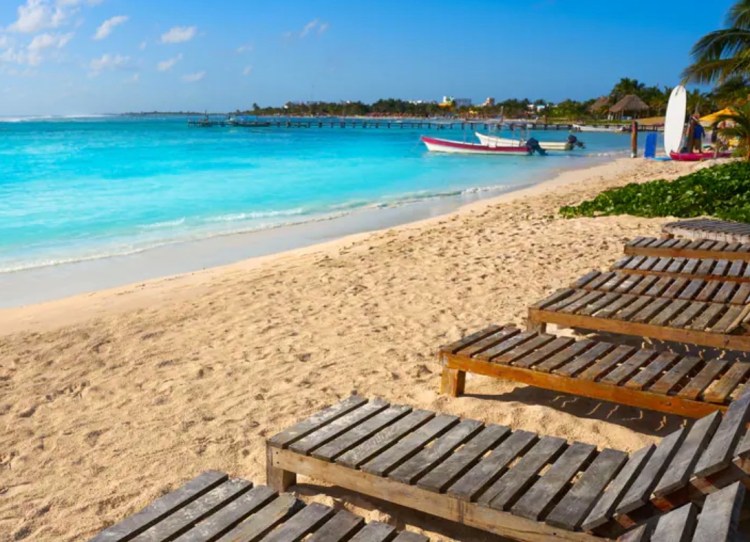
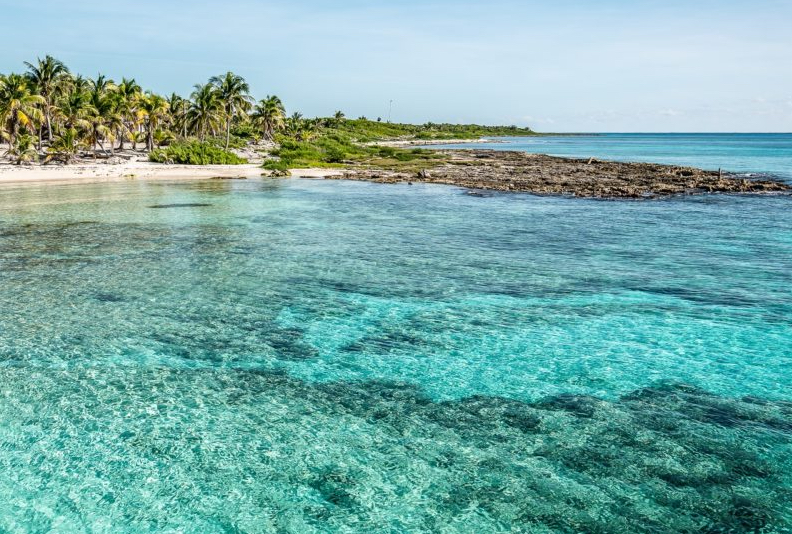
Costa Maya is primarily a tropical recreation cruise port that’s famous for its great beaches, crystal clear water, coral reefs and bargain shopping and includes opportunities to visit a number of Mayan ruins within 65 miles of the port.

Dolphin Discovery-Costa Maya – Located just north of the cruise piers in the town of Mahahual. Swim with dolphins at this dolphinarium complex sitting on a beautiful beach and conservation area.

Mahahual is a picturesque town on the coast about a mile and a half north that is also popular for its beaches, fishing and is the residential area that supports the cruise port.

The Story Of The Development Of Puerto Costa Maya

Costa Maya is a municipality in the state of Quintana Roo, Mexico. The location is north of the border with Belize and 120 miles south of Cozumel. It was originally developed as Mahahual and was founded in 1959 when the Mexican government gave land to fisherman from other areas in an effort to jump start some limited development. At the time, this vast wilderness area was part of the Yucatan Territory that didn’t even have statehood status in Mexico. Within a few years the fishing town began to take shape and the economy grew slowly until 1971 when everything was literally swept away by a devastating hurricane. Any survivors fled the area.

By the 1980s Mahahual was growing again as a fishing village with some expansion in nearby coconut plantations, but progress was still slow.

Things changed quickly in 2001, as the result of a joint effort between Mexico’s government and local Mexican developers and Puerto Costa Maya was created near to Mahahual. The first project was the construction of a large privately owned pier to attract and accommodate large cruise ships and the cruise ships quickly began to add Costa Maya to their Caribbean itineraries. The town of Mahahual quickly grew to support the port facility. By 2006, the new Puerto Costa Maya was the 2nd busiest port in Mexico behind Cozumel. Over 600 ships visited the port that year and the town was suddenly growing at much faster pace. The local economy was booming and shops and restaurants were opening, tour operators rushed to take advantage of the opportunities created by the cruise ships and ground was broken for a couple of new beach resorts. Foreign investors began to open more businesses and many built their own homes in the area, creating a vibrant local ambiance. The location had become a boomtown in 2004-2007.

Then on the night of August 20th, 2007, a category 5 Hurricane named Dean hit Costa Maya and Mahahual. It destroyed the pier at Puerto Costa Maya and closed down the area’s cruise ship industry completely. The destruction of the port forced ships to move to other locations signing new contracts that lasted two years or more. With the town and the cruise ship infrastructure shut down, the local economy collapsed.

Within a few years the beaches, turquoise Caribbean waters, coral reefs and cheap land were again too inviting to keep the area from being developed and the Mexican government jumped in along with private investors to resurrect Costa Maya.

Today the cruise piers are bigger than ever and the Costa Maya port has a new and modern tourist shopping mall. The center of Costa Maya, generally open only to cruise ship passengers, has a central plaza with saltwater pools and ‘swim-up’ bars. There are all the major duty free stores along with many small shops selling inexpensive souvenir items and as always there are the beautiful beaches.

A thriving excursion industry again serves the cruise passengers with boating trips, snorkeling excursions and continues to develop Costa Maya’s potential for tours with it being the nearest cruise port to a number of Mayan ruin sites in the southern Yucatan that include Chacchoben and Kohunlich.

A Life In Photography

A very long time ago, before the dawn of the digital age, taking photographs was a costly exercise. Every click of the shutter had a cost involved including the roll of film, the lab processing and the production of prints. The other problem was you never knew if the picture would come out for a number of days. In 1948 the first Polaroid camera was sold and was popular with the public primarily for its instant gratification. It had only a few professional applications because of the limited size of the prints.

Through most of the twentieth century amateur picture taking was limited to family celebrations and special occasions using cameras like Brownies and Instamatics. The costs involved were a major limiting factor. Really special occasions called for a professional. Taking good photographs did require some training but mostly it came with experience and that needed taking lots of pictures, and that again was expensive. There was also the additional expense of studios or traveling the world to find those great images.

The first digital cameras for the consumer transferred photographs to a home computer using a cable and included the Apple QuickTake 100 in 1994, the Kodak DC40 and the Casio QV-11 in 1995. Soon they were available with memory cards and in 2000 the first cell phone with a built-in camera was released by Samsung. With the introduction of the iPhone the whole world changed and with the iPhone 4 a front facing camera was also included for taking something called a selfie.

Today we find the camera everywhere, if you carry a phone you’re carrying a camera. with the cost of taking and storing photographs being virtually free and always having a camera with you, the world is a very different place. Now anyone interested in taking good photographs can practice all they want and as a result the internet is now flooded with really good photos of literally everything. I have to admit that there is a lot about our digital new world I don’t understand but I do know what makes good photographs.

There’s an old joke about a famous musician that was stopped on the street in New York and asked how to get to Carnagie Hall. His answer was “practice”.

I’ve spent a lot of my life behind a camera. Maybe it started in 1961 when my Father couldn’t seem to get good pictures out of his brand new 35mm camera and in frustration he gave it to me. Years later in the military I spent some time with a couple of photojournalists and decided that would be a great career. I came back and went to college to study photography and over the years I picked up several degrees in the field. While I was still interested in traveling the world as a photographer for news agencies or maybe National Geographic, I realized that wasn’t compatible with settling down and focused on the technical aspects of photography.

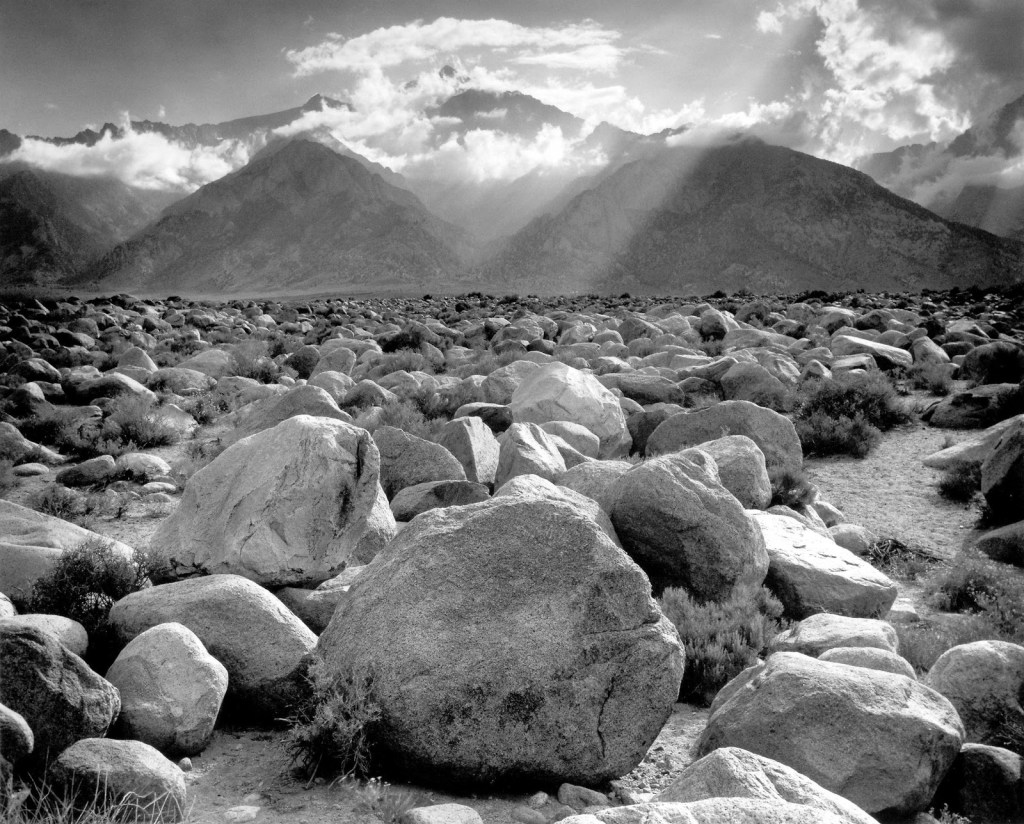
Taking great photos is part skill, part opportunity, but mostly seeing with the eye of an artist. Not everyone has the talent of a true artist and that includes me, but there are a number of basic artistic skills that can be acquired that will help you produce good and interesting images. Start by paying more attention to photographs and trying to understand why each one is appealing. If you haven’t been introduced to the greats of photography get to know a few. My favorites include Ansel Adams, Minor White, Alfred Steiglitz and they are all true artists. Take some time to explore on your own history and masters of this amazing art form.

Ansel Adam’s Mount Williamson from Manzanar

My skill set was best described as being a photographic engineer and in the following years I worked at medical universities helping researchers with photographic problems and took a job where I worked on projects with NASA and other government agencies, mostly involving satellite imaging. Much of that work came to an end with the advent of graphic computers and digital images, but I still loved travel and photography and continue to do both today.

Beagle Channel Light

Along the way I taught some college classes in photography and my favorite became evening classes where most of the students where young parents. They were taking the class to learn how to take better pictures of their children. It was those evening classes, where I learned what was most important to those young amateur students and that is where I became more involved in the art and the principles of composition.

CLICK TO GET YOURS

Young people today think about images and taking pictures much the same way they think about just sharing a thought or making a comment to a friend. It has always been a visual world but today taking photographs and sharing images is now part of our everyday communications, just like talking or laughing or even texting. After all – a picture is really worth a thousand words.