Paris Metro – An Updated Tourists Guide

Seeing Paris On The Cheap

Fast approaching is another travel season and hopefully this Summer will be better than last. Of the world’s great destinations Paris is a true stand out and for good reason. If Paris is on your list here is a way to see the city and save some time and money in the process.

Seeing the sites in Paris can be a costly adventure especially if time is at a premium. First, the city itself is very large. On our recent trip we walked from Notre Dame to the Louvre, up to Sacre Coeur and back to Notre Dame and clocked fourteen miles. While there are a couple of hop-on, hop-off bus services like Big Bus Tours you can expect to pay between 40€ to 60€ per person. Add in a Seine boat excursion and it climbs to 75€ to 85€.

While Paris boasts one of the worlds oldest and largest subway systems (Metro) that includes 14 city lines, 2 Tramways and 6 RER express lines, it strikes most visitors as just overwhelming especially with the language issues.

To the left is the official system map and it does look imposing. The color coded, numbered lines are the city Metro routes. The lettered routes are the RER lines that feature express underground or subway trains in Paris city centre. Outside Paris the system becomes a ground level commuter trains that connect outlying suburbs. In addition, on the map there are 27 transfer stations along with connections to airport shuttles located around Paris.

Still our recommendation is to put your fears aside, focus on your goals and go underground.

We created our own map to simplify the system and focus on routes that have the highest value to a new visitor. They include Metro routes 1, 2, 3, 4, 6, 8, 10 and 12 and includes orange asterisks that highlight major areas of specific interest to tourist and includes major Paris attraction:

Want our simplified high resolution pdf map?  CLICK HERE
  • Eiffel Tower
  • Arc de Triomphe
  • Notre Dame
  • Sacre Coeur
  • Louvre
  • Champs-Élysées
  • Montmartre
  • Bastille

To simplify the map even more we have also removed the RAR express train routes as the Metro will get you to almost all major visitor destinations with much less confusion.

By simplifying the system you can now focus on where you will be entering the system, where you want to go and what lines you need to use to get there. To make sure you are going in the right direction make a note of a lines end stations as they are usually used to identify a trains direction of travel (Like Poissonniers for the North end of the number 4 line). If you aren’t staying on a line for the whole trip simply locate your destination station on the general map and find the transfer point to get you onto the proper line.

*Example: If you get on the number 1 (Yellow) Line at the Louvre and want to go to the Arc de Triomphe at the Charle De Gaulle Etoile station, look for a train with the destination of La Defense Grand Arche to be sure you are going in the right direction. If you want to go to Pigalle switch to the number 12 (Green) Line at the Concorde Station and catch a train marked Marx Dormoy.

Tickets And System Cost

There are visitor passes available for one to five days on the Metro in Paris center:

  • 1 day: 12€ (kids : 5.80€)
  • 2 days: 19.50€ (kids : 9.75€)
  • 3 days: 26.65€ (kids : 13.30€)
  • 5 days: 38.35€ (kids: 19.15€)

In addition there is a card for travel outside of the city center called the Mobilis Card for unlimited travel for one day in Zone 1-5 for 7.00€.

For most visitors it is often cheaper to buy one-trip tickets. A single ticket costs €1.80. A single ticket is valid for 1½ hours within the metro system but if unvalidated, will last indefinitely. The best buy is a ‘CARNET’ which is a pack of 10 single tickets. You won’t have to mess around buying tickets each time you use the train and you can split the pack with your companion. It is also cheaper buying a carnet than a single ticket each time. A carnet of 10 single tickets costs €14.10. Therefore a saving of 3.90 euros. Paris is a city of attractions and each stop can take a few hours to see,so buying single tickets can be much cheaper than a full day or multi day pass depending on your plans for the day.

Each ticket allows travel from an entry station to any exit station regardless of distance. Insert your ticket into the slot, when it comes out pass thru the gate. Be sure and carry that ticket with you until you exit the Metro above ground as tickets are occasionally checked inside the Metro to confirm validity (there are fines if you cannot produce the ticket).

Buying Tickets

You can buy a single ticket, a Carnet of tickets or recharge Navigo Decouverte passes at a green colored machine in the Metro or at ticket counters, but ticket counters are not always staffed and not all of the staff speak English.

You can use Euros, coins or debit/credit cards if they have a chip. Some machines are used only for re-charging Navigo cards and most newer machines offer instructions in several languages. Most machines have touch screens but some have a large silver cylinder shaped scroll device below the screen. Gliding your fingers on this will scroll up and down the screen.

Using The System

Once you have your ticket, go to the turnstiles. Slip the ticket in the slot, move forward but wait for the ticket to pop out at the top, than move through the turnstile and hang on to your ticket and don’t discard it until you have left the system. If a red light appears, the card isn’t being accepted. If you know it is a new card, go to a ticket counter.

Be prepared to do some walking in Métro stations, especially if you transfer. Transfers are free and can be made wherever lines cross, provided you do so within 1.5 hours. When you are looking for the right platform, follow the signs by the color of the line, the line number and the line end destination. When you transfer, follow the colored line number and end-of-the-line stop to find your next train, or look for signs that lead to your next line. At the destination look for the blue-and-white sortie signs pointing you to the exit. After you exit the system, dispose of the used ticket.

Train Differences

The Paris Metro is a blend of a number of lines with different ages.There are three types of trains with three types of door mechanisms. The newer trains have automatic opening and closing doors. Another type has a green button when pressed opens the doors. The third has a handle, which you pull up and the door will open.

Changing Trains

Upon leaving a train look for signs for your next line and the direction you need to go on the platform, and look for the line color, the line number and the end destination of the line. Also look for your exit and note if it has a number. As you walk through the station it helps to follow the numbers, rather than names.

Leaving The System

If the station has only one exit simply follow the SORTIE signs. Otherwise follow the SORTIE, exit signs to the right exit. On leaving you will find steel doors, there are two types; automatic and manual. You either push the doors open or you stand on a sensor pad and the doors will automatically open. In the larger and newly renovated stations there are turnstiles where you simply walk through.

There is also an APP for the Paris Transit System (the android app is HERE) for Apple and Android but thus far they reviews aren’t good.

Click below to download your free pdf copy of our Paris Metro map:
Ports of Tahiti, Bora Bora and Moorea

Adventures in Paradise

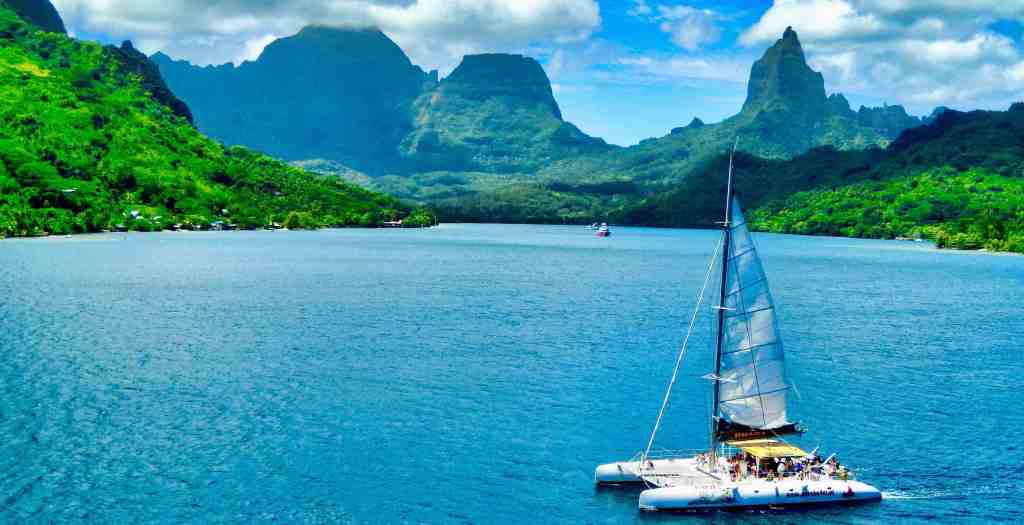
Called the French Society Islands they are better known by the individual island names of Tahiti, Bora Bora and Moorea with Tahiti being the largest. The islands are due south of Hawaii on the other side of the equator.

Tahiti is part of a volcanic chain formed by the northwestward movement of the Pacific Plate over a fixed hotspot similar to the process that formed the Hawaiian Islands. Tahiti consists of two old volcanoes—the larger Tahiti-Nui in the northwest and Tahiti-Iti in the southeast connected by an isthmus. Tahiti-Nui was the first eruption that formed Tahiti as a volcanic shield cone between 1.4 million and 900,000 years ago. Tahiti-Iti probably formed about 250,000 years later.

Where Your Ship Docks – In Papeete, Tahiti there are piers capable of docking large cruise ships right in the center of Papeete’s waterfront. Within a couple of blocks there are public facilities an outdoor market building and numerous shops.

Visiting Bora Bora and Moorea ships anchor out and use tenders to take passengers ashore. While both of these islands are famous for their resorts they are still significantly rural without much of a central town. Near the tender docks on both islands there are some shops and facilities and usually craft stalls are set up nearby when cruise ships are visiting

.

Tahiti has a long and rich history. The islands were first settled by migrating Polynesians as early as 500 BC. They were later discovered by European explorers during the 16th century but there is controversy over who was the first. The islands were eventually colonized by France and remain French today. In August 1768, Captain James Cook set sail from England to visit Tahiti to observe the Transit of Venus across the Sun and mapped several island groups in the southern Pacific that had been previously discovered.

Jardin de l’Assemblée de la Polynésie Francé

Getting Around – Except for taking a ships tour, the best way to see these islands is to rent a car. There are several major rental companies and day rates are moderately priced.

Language – The islands language is French and few locals speak English so you may have issues being understood.

Money – The islands use the French Pacific Franc equal to about one US penny. Some places will accept Dollars but don’t count on it. Credit cards are welcome almost everywhere.

Attractions

Farerei Haga – Mid September, a cultural and tourist event takes place over a whole week with the contribution of the surrounding atolls. Fields days coconut husking, stone lifting, braiding. Evenings: traditional songs and dances. Tourists are encouraged, the event is free and located on the Papaputa land.

Pacific International Documentary Film Festival – Early February the FIFO is the audiovisual event that makes Tahiti the documentary film capital of Oceania. It brings a selection of documentary films before an international jury. A succession of film screenings, free workshops, conferences.

Moorea Marathon – In late October is the most important sports event on the island of Moorea. The Moorea Marathon since 1988 welcomes runners from all over the world and its course ranks it among the worlds most challenging.

The Tahiti Pearl Regatta – in mid May a sporting regatta that brings together between 40 and 50 sailing boats, or 250 to 300 crew members from around the world.

Papeete, Tahiti celebrates the Mutiny on the Bounty Festival each year in late October which usually offers an opportunity to hear lectures on history, buy T-Shirts, souvenirs and books. Papeete is the governmental center of The Society Islands with Jardin de l’Assemblée de la Polynésie Francé being the house of the assembly.

Notre Dame Cathedral

While Tahiti is short on historic sites there is the Notre Dame Cathedral, a historic building with a mix of Colonial and Gothic styles. It is a Catholic church opened in 1875 and is noted for housing three bells in its tower. The truth is that most people don’t visit these islands for history but for the beaches and clear azure waters and coral reefs. The islands are surrounded by coral reefs that act to protect these islands from storms and the diving is some of the best in the world. There are fewer resorts on Tahiti than the other islands with only three really highly rated hotels, the InterContinental Resort Tahiti being the top rated.

Bora Bora seems to offer the better selection of beaches with a dozen four star resort properties including the iconic Bora-Bora Pearl Beach Resort with its over water bungalows (in season rates start at US$600 a nite).

While Moorea is beautiful it’s Bora Bora that steals the show for scenery. It includes breathtaking towering peaks, natural lagoons and spectacular coral reefs circling the island. If you’d like to spend time in these islands this is the island to come back to.

Bora Bora

Cruising The Pacific Ocean

Pacific Cruise Itineraries – While Alaska is one of cruising’s favorite destinations, the Pacific is the largest body of water on the planet, and Alaska is just the beginning of the Pacific adventure.

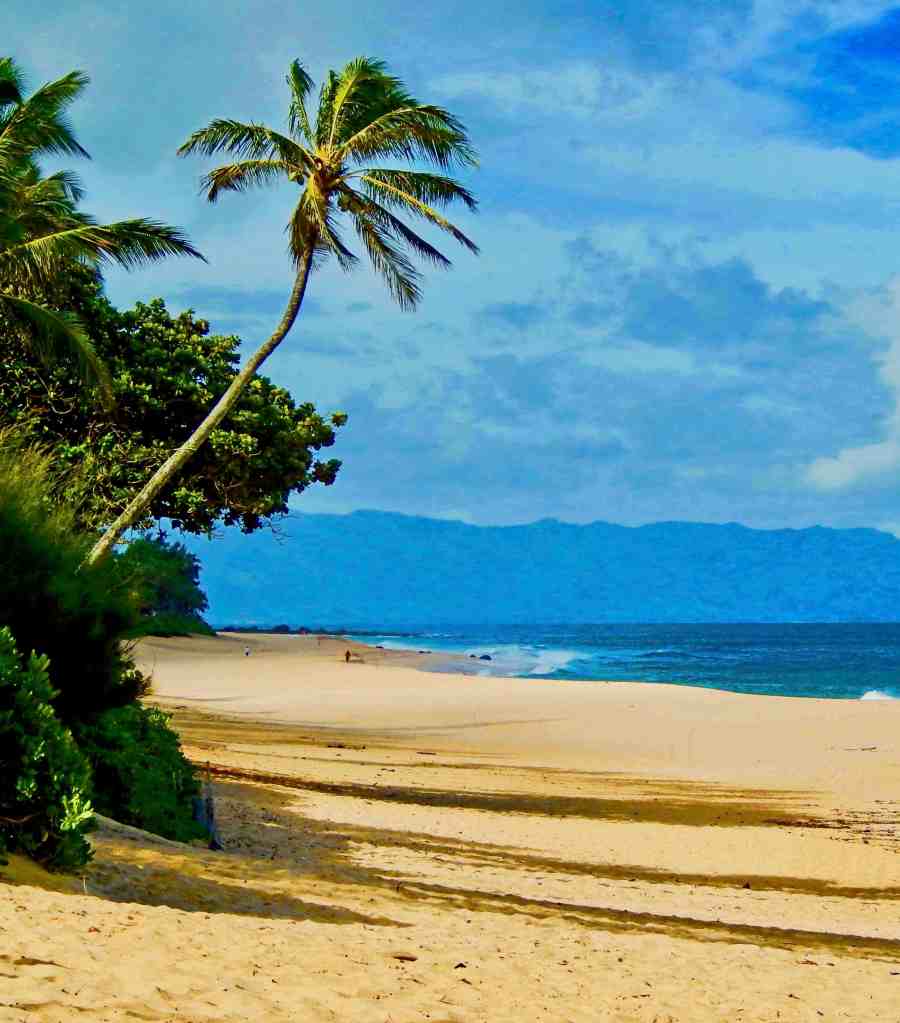
Oahu Hawaii North Shore

Want to explore more? Look south from Canada and consider shorter Pacific itineraries by looking into a number of cruises based out of California and Vancouver, Canada. These come labeled in a number of categories suggesting a number of itineraries, but most are focused on the U.S. west coast. Many start in Vancouver because of the Jones Act* and often end in San Diego usually with Seattle, Monterey, San Fransisco, Catalina Island being popular ports of call. After those options California also features a number of shorter cruises to Mexico that begin in a number of California ports and usually visit Cabo San Lucas, Acapulco or Porta Vallarta. These cruises range from only a couple of days to a week.

Waikiki Beach Oahu
Oahu SE coast

One of the more popular series of itineraries involves cruising to and around the Hawaiian Islands. The cruise companies, again because of the Jones Act*, have to do some interesting planning to cruise Hawaii. Often cruises that sail from the West Coast and end in Hawaii sail from Vancouver and often spend six to eight days at sea crossing the Pacific and will visit one or two ports in Hawaii before ending in Honolulu. There are also a number of cruises that sail around the islands with a majority sailing and ending in Honolulu and can include two to four Hawaiian ports. One cruise line, NCL operates an American flagged cruise ship, The Pride Of America which allows it to cruise freely around the islands without always returning to its departure port.

Bora Bora

Twice each year most major cruise companies reposition cruise ships between the North and South hemispheres offering a number of opportunities to cruise the Pacific Ocean. Many ships in the Fall are moving from Alaska to Australia and than back again in the Spring. The Hawaiian Islands are a usual destination in these repositioning moves with popular cruise itineraries being Sydney to Honolulu or Vancouver to Honolulu. Ports of call in these cruises can include Tahiti and the other Society Islands, Fiji, New Zealand and various ports in Australia. The southern half of these itineraries also cross the Equator making you an official Shellback including a very tame sailors initiation.

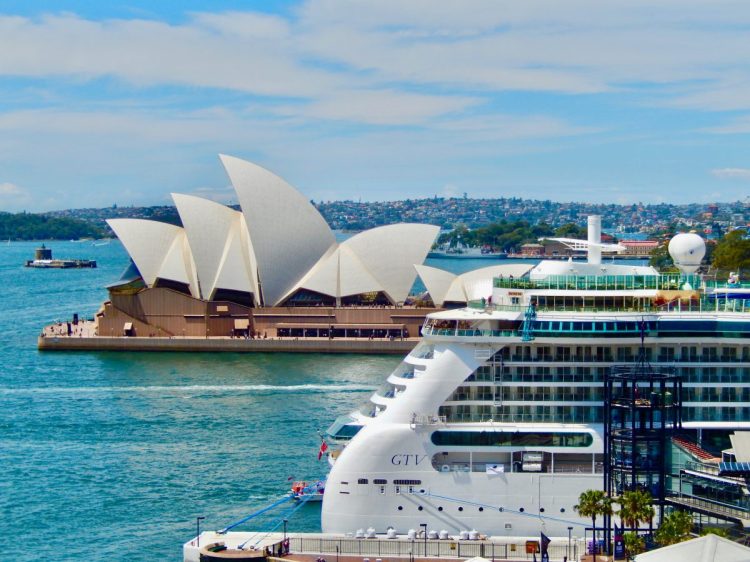
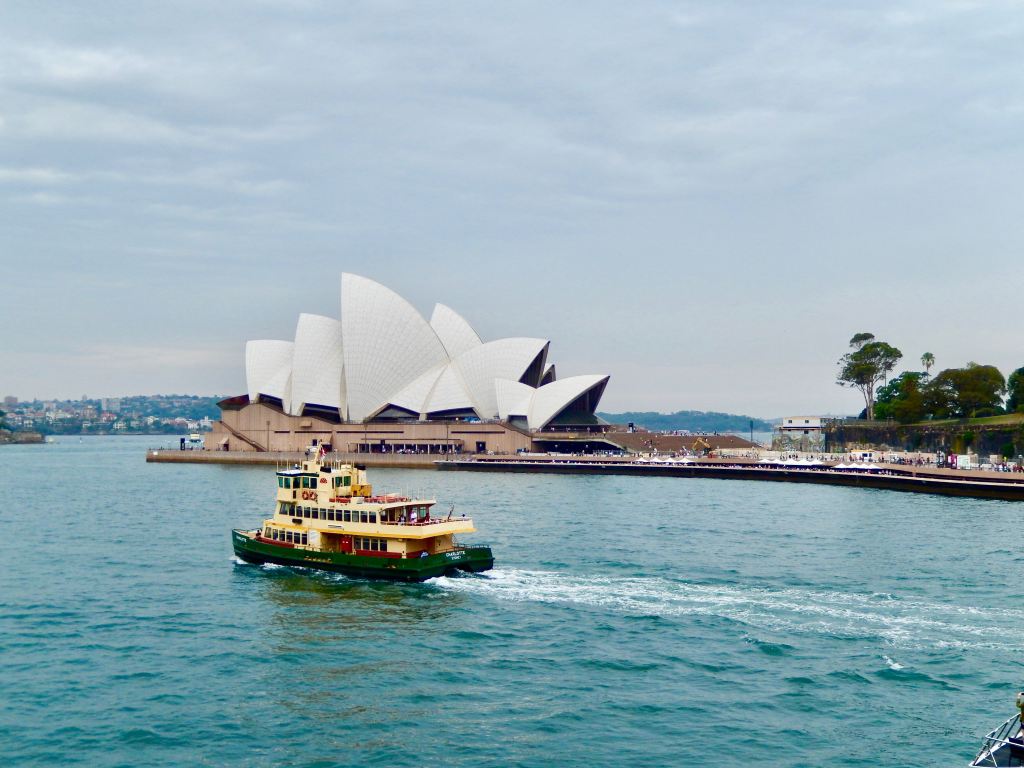
Sydney, Australia
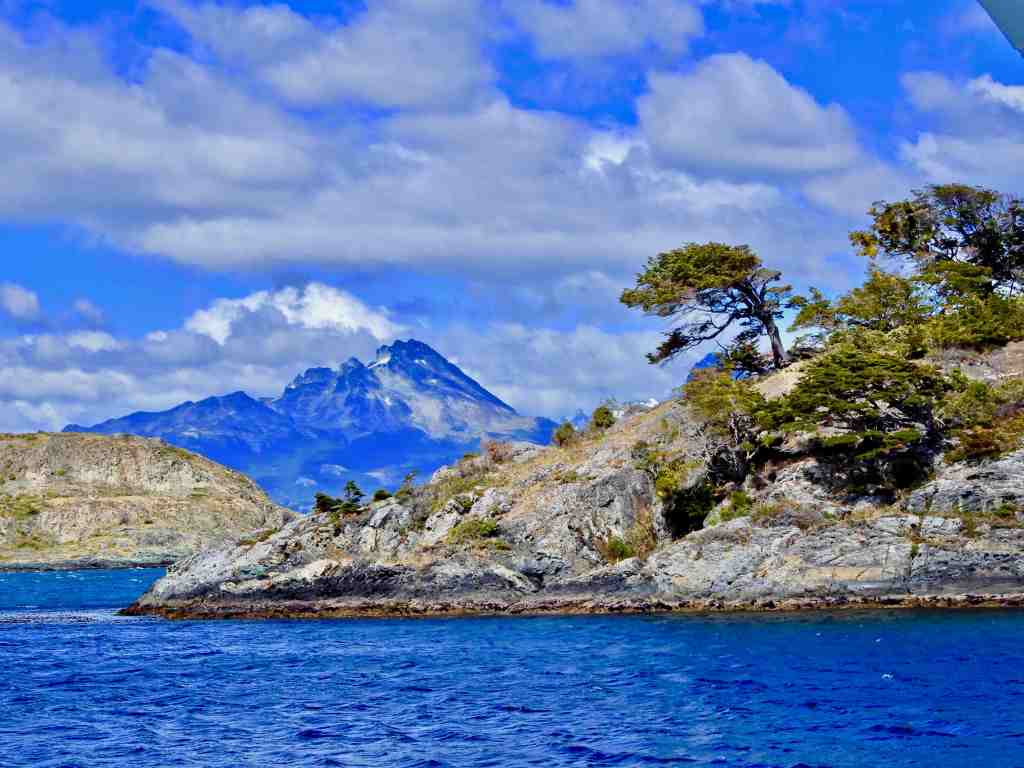
Terra del Fuego, South America

There are also northern Pacific repositioning cruises to consider, especially if you love days at sea. A majority usually sail between Japan and North America and at times include a stop in Russia’s Vladivostok. These cruises usually follow the same schedule moving in the Fall to reposition ships from Alaska to Japan and than back again in the Spring.

South America is another Pacific cruising opportunity but the most common itineraries being sailing from the east coast to west coast of South America or the reverse sailing around the tip of South America. The primary West coast ports include Lima, Peru (consider a land tour to Machu Picchu as part of your itinerary) and Valparaíso, Chile.

Another opportunity to consider are South American repositioning cruises that can include a Panama Canal transit as the ships head to sail the Caribbean from ports in Florida, New Orleans and Texas.

A cruise that is on many people’s wish list is the Galapagos Islands of Ecuador. Because of restrictions to protect the Galapagos, large cruise ships cannot visit these islands but many cruise lines operate specially built smaller ships dedicated to seeing the Galapagos. In order to take a Galapagos cruise you will need to first fly from Quito, Ecuador over to the Galapagos Islands to join your cruise. In addition to the major cruise companies there are a number of additional Galapagos tour options.

Don’t be surprised if more cruise ports are added in the future as the cruise lines are always looking to entice passengers to cruise again.

*The Jones Act and its twin the Maritime Passenger Act are hundred year old laws that prohibits moving cargo and passengers between U.S. ports unless the ship meets a number of requirements. See our article on The Jones Act.

International Travel Insurance

A recent incident and a conversation with a travel friend highlighted the importance of international travel insurance.

Please note that this is written with a focus on American travelers but we are also aware of similar plans offered in Canada and other countries, but you will need to explore options based on your home country.

There are a number of different categories and types of travel insurance that apply to a number of travel plans and that can complicate the insurance decision. Generally, insurance is available to cover problems in five specific areas:

  • Trip Cancellation and Interruption
  • Theft of Property
  • Health and Accident coverage
  • Medical Repatriation
  • Life insurance

In truth, most travelers we talk to are too casual in deciding on travel insurance. This articles will focus on three main areas. First is a concern about having to cancel an expensive trip at the last minute and losing deposits and prepaid money. The second is travel interruption caused by missing difficult air connections or a cruise sailing. Lastly are medical cost concerns while being out of the country.

One area that requires attention is exactly what are the conditions where the coverage takes affect and where it doesn’t apply. Insurance policies are very specific legal documents and all too often coverage we thought we had doesn’t apply in too many circumstances. Just recently in the news were a number of travelers faced with giving up their travel costs or putting their health in jeopardy because of a pandemic.

As the Corona virus started spreading around the world and countries started closing their ports, cruise ships and their passengers were placed in an interesting position. Initially cruise ships started adjusting their itineraries instead of canceling cruises. Passengers that were worried about their health and wanted to cancel their cruise soon discovered that insurance companies concluded that those concerns were not covered by the cruise cancellation insurance and offered no refund.

The cost of insurance is not insignificant and everyone should evaluate the potential financial risk against the actual cost of the insurance policy. With a long cruise the cost could be very high and while the insurance could be costly the loss could be even more significant if you have to cancel or should miss a sailing.

One area where many people leave themselves seriously in jeopardy involves international medical emergency insurance. Far too many people think that their health insurance will cover them out of the country while that is rarely the case. Unless your health insurance specifically indicates that it covers international travel you are risking a catastrophic loss. In one example we know about a retired couple \ traveling in Europe believing that Medicare and their supplement insurance covered them. They learned the terrible truth after a serious stroke left them with a quarter of a million dollars in medical bills.

Because many cruises involve international destinations most cruise policies provide medical cost reimbursement (up to specific amounts) and property theft and loss protection. Some also, but not all, cover the cost of medical repatriation.

Specific air travel insurance mainly is focused on the life insurance component and not on medical costs with trip interruption often being the airlines responsibility.

Because we frequently travel internationally our health insurance does have an international travel component that pays up to $50,000 for each of us with a lifetime cap of $50,000.

We carry an annual medical evacuation and repatriation policy that over the past number of years has seemed reasonably priced to us. The cost for the two of us has been less than $200 for the annual plan and offers $500,000 in coverage. It should be noted that this is not medical insurance and will not pay for doctors and hospitals except for expenses in getting you and your companion home. One of the largest is EA+ Emergency Assistance Plus

Specific Situational Considerations

Cruise only – Say you are taking a Mediterranean cruise with flights into and out of the sailing port. A cruise insurance policy usually provides the appropriate amount of coverage in most areas. You can, in some instances, be charged for medical services while onboard and will have to submit documents to get reimbursed under these insurance policies. Most cruise policies also cover medical expenses if you need care in a local clinic or hospital while a passenger on the cruise with some covering medical evacuation and repatriation. The same policy usually extends coverage while on booked cruise/land packages and the flights to and from the cruise port.

Cruise with an extended land itinerary – If you are taking that Mediterranean cruise but then plan to go off on your own for a couple of weeks in Europe, chances are that cruise policy will terminate on disembarking the ship. For that reason you need to understand that you will not be covered for medical emergencies above the international coverage and limits of your American health insurance policy. For retirees Medicare does NOT cover international medical care.

Frequent international travel – If you are a frequent international traveler it is most important to analyze your risk and how much you are comfortable paying for insurance. You have options of buying a complete medical plan (Geoblue) , a medical evacuation plan (EA+) or a complete annual insurance policy (Allianz, Amex) that offer some coverage in virtually all areas. One caution is that most annual policies only provide coverage while on trips of less than 60 days each.

In our case we take a number of cruises and international trips a year and our biggest concerns are medical emergencies and evacuation, so we keep an annual MedEvac plan in place. We believe our Medicare supplement offers adequate (we hope) medical coverage for now and will buy cruise policies on individual trips as mentioned above.

There are also complete annual travel policies, which should be considered if you travel internationally often. Generally they have lower limits of coverage, especially in areas like trip cancellation and property loss. For example most annual policies limit cancellation protection to $2,000 per year. Here is an example from a recent annual generic quote provided by Alianz for a typical retired couple.

Special Note: 26 European countries require health insurance to visit.

In early 1995 twenty-six European countries signed an agreement that abolished enforcing their borders between member states. As a result the area mostly functions as a single country for international travel purposes, with a common visa policy. Anyone from a country that requires them to apply for the Schengen visa to enter Europe must provide proof of international health insurance.

The 26 countries in the zone are Austria, Belgium, Czech Republic, Denmark, Estonia, Finland, France, Germany, Greece, Hungary, Iceland, Italy, Latvia, Liechtenstein, Lithuania, Luxembourg, Malta, Netherlands, Norway, Poland, Portugal, Slovakia, Slovenia, Spain, Sweden, and Switzerland.

A letter from your insurance company is required, and this needs to mention that you will be covered in Europe for any medical, evacuation and repatriation expenses during your whole stay. The medical expenses have to be covered for at least 30,000 Euros.

Americans and Canadians along with a number of other nationals do not need this visa to visit. Because of the immigration and pandemic crisis of the past year there have been a number of Schengen countries that are again enforcing their borders on an emergency basis and may have modified their health coverage requirements.

This post was prompted by a travel friend contacting me wanting to know what travel insurances we use. We compared notes and kicked around some scenarios and decided it was a good subject to explore in greater depth.

Also thanks to a visitor from Reviews.com  who directed us to their extensive article on buying travel insurance and if you have questions about specific recommendations I would highly recommend reading this article from Reviews.com HERE.

INSURANCE AND LESSONS FROM COVID-19

A number of recent travel articles about travel and insurance are now recommending “Cancel for Any Reason” Insurance but this may be a bad choice especially since most major cruise companies, in an effort to get bookings back, have offered last minute cancellations as part of their policies. You need to check current terms.


Carry More Identification Than Your Passport And/Or Drivers License

Carrying emergency contact information, particularly when traveling internationally is very important. Even if you have your passport and drivers license with you it may be difficult, in an emergency, to know who your emergency contacts are and how to reach them. That information isn’t part of your passport or your divers license. We recommend that you use an easily recognizable ID card with important medical and contact information like pictured here.

In addition most travel insurance policies will only reimburse you for canceling your cruise under specifically identified conditions. Most of those involve medical issues with you or immediate family. Some policies also provide for work related emergencies. Based on our experience with COVID-19 we now see a number of issues we hadn’t considered when looking at travel insurance.

Our Experience Involving Early COVID issues

We were recently booked on a pair of cruises that went from Singapore to Rome with 14 ports of call and had paid in full (inside 90 days). As coronavirus issues began to appear our cruising companions cancelled early on and got full credit towards a future cruise. As things began to get worse we contacted the cruise line and they were no longer agreeing to issue credits. 48 hours later they cancelled the cruise, gave refunds along with future cruise credits at 125%. After that we contacted our independent insurance carrier and were informed that they weren’t accepting claims involving coronavirus but might consider our air portion because our cruise was cancelled. After that we just contacted the airlines and got future credits to use within 12 months.

Insurance And Travel Advisories

It seems that under standard cancellation coverage, you cannot cancel due to travel advisories from the CDC, State Department or other government agencies. You can’t cancel because the cruise line changed the itinerary, or for fear of terrorism, or concerns about epidemics or natural disasters. Before booking a policy you should now investigate these issues for coverage.

CFAR Insurance

Because of these issues recent travel articles are suggesting that CFAR (cancel for any reason) policies are the answer. If you want the freedom to cancel your trip for any reason at all — and still get reimbursed for travel costs there are CFAR policies available. Looking into this option we’ve discovered many aren’t covering as much as theses articles suggest.

We have another 30 day cruise scheduled in the fall across the Pacific and around Japan so we decided to investigate CFAR policy costs for that itinerary. Our current standard policy covering that cruise cost us about $350. We received a CFAR quote from the same carrier that would reimburse our “deposits” only should we cancel for any reason for a premium of $1,500 but would not offer reimbursement the two weeks before the trip. That exceeds our currently paid deposits by almost $800 with questions about the actual costs, in full, being covered making this a bad deal.

If anyone finds CFAR insurance that makes more sense we’d love to hear about it.

Insurance Is Still Important

We still believe travel insurance should be an important part of your travel plan. Its benefits usually include trip interruption, emergency medical and emergency transportation, travel delay, lost luggage and more but we need to understand there are major exclusions like pandemics, natural disasters, insurrections and government actions.

You also need to understand that in order to file a claim you need to submit documentation. That can include proof of your property loss and its value like purchase receipts along with a police/security report of the incident. Health claims need doctor and hospital reports and bills.

The burden is on all of us travelers to educate ourselves on things like terrorism, tropical storms and disease outbreaks affecting our vacation destination. Also if you choose to buy standard coverage after an event becomes “known” even if you didn’t know about the situation, your benefits could be severely limited, making that travel insurance policy almost useless.

Join Us – We understand that the last thing you may want is more emails cluttering up your inbox, but we promise we’ll work hard to make this worth your while. Give us a try and if we don’t live up to our promise all you need do is click the unsubscribe link in our emails.

The Port of Call Madryn, Argentina

Porta Madryn, Argentina – the Heart of Patagonia

Introduction

Puerto Madryn is an amazing city that is very popular with cruise itineraries in South America. While Mydryn itself is a modern and thriving city with much to offer, the big attraction in the area is the national parks. The park of Mirador Elefantes Marinos has become famous for colonies of penguins, sea lions and seals along with pods of orcas. The orcas have gained a lot of notoriety in recent years for coming up onto the beach to grab seals in the surf.

Where Your Ship Dock

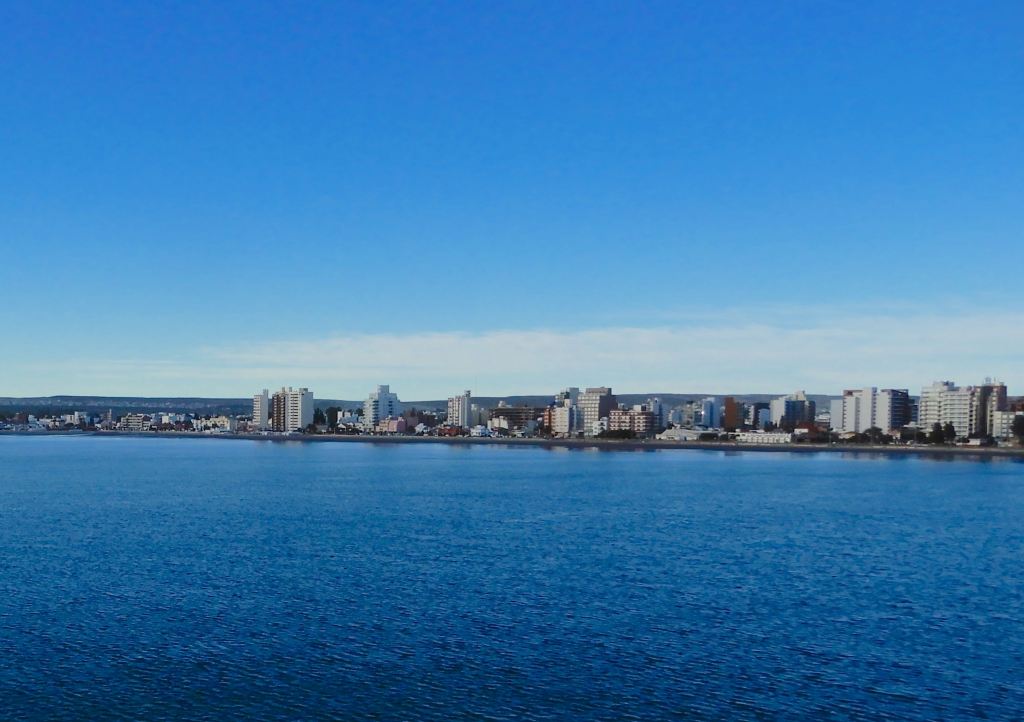
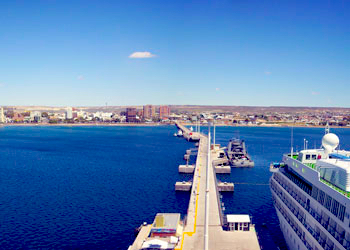
Puerto Madryn has a large marine pier right in the center of the city capable of handling large cruise ships. A walk down the pier puts you right in the middle of the CBD with good restaurants, cafes and shops along with a large selection of tour operators. All along the waterfront is a wide beach with a walking promenade.

Transportation

Madryn is a port city boasting a large deep-water port and is also a major industrial city, mainly focused on aluminum production and fishing. Puerto Madryn is also in an isolated area of Patagonia with the biggest attractions in the area being the national parks. Trips out to the parks can take between one and a half to two hours each way and the best way to visit is to book a tour. Other than walking the best way to get around the city itself is by taxi which a reasonably priced.

Currency

At this writing the exchange rate is about 38 Argentine Pesos to one US Dollar. Because of inflation rates over the past several years buying Pesos before leaving the United States is almost impossible. Because of the high number of visiting tourists, in the CBD many shops are eager to accept Euros and American Dollars. It is still advisable to exchange some currency for convenience.

Attractions

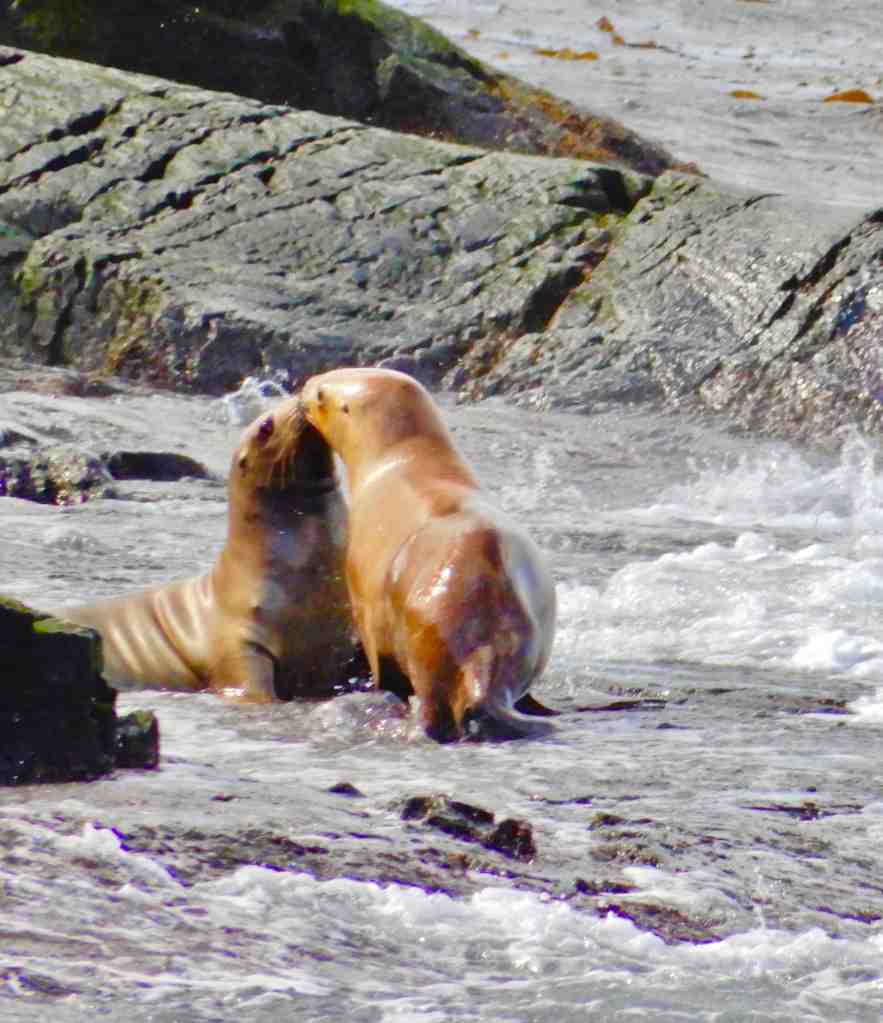
Seals at the Peninsula Valdes park

It is one of the most vibrant cities in Patagonia, with a beautiful coastal avenue overlooking Nuevo Gulf. As noted the focus of the tourist business is visiting the parks to see the penguins, seals and orcas. In town there are a number of shops and cafes  with over a dozen good restaurants within a block of the waterfront. One of the local favorite pastimes is drinking coffee with chocolates in the many chocolate shops along the waterfront.

The Port of Oslo, Norway

What’s In The Port of Oslo

Historic, modern, remarkable Oslo. We can’t think of enough superlatives to describe this beautiful city. Within a couple of square mile area are great shops and restaurants, the Royal Palace, a truly incredible art museum, a flower market and the historic fortress.

Where Your Ship Docks

The Inner Harbor Oslo
Akershus Fortress

Most cruise ships will tie up at docks right under the walls of the Akershus Fortress within the inner harbor. While public facilities at the pier are not readably available it is only a short walk to the fortress or around to the central harbor area where there are facilities. It is also less than a mile walk around the entire central waterfront past outdoor cafes, shops and museums.

Transportation

Central Oslo

Metro Train is the best option if you are spending just a day or two in the central city area. While the train lines are numbered one to five and each one has a different color all five lines cover every stop from Majorstuen to Tøyen in central Oslo, so you can pick any stations or stop and always find the right train. There are at least four services an hour on every line. A transit ticket/pass works on all Oslo transportation systems and you can purchase tickets at Oslo Visitor Centre at Oslo Central Station, Ruter’s Customer Service Centre, in most Narvesen and 7-Eleven shops, from ticket machines at metro stations etc.

Cafes on the waterfront

You can also download the Ruter’s mobile ticket app and buy single, 24-hour, 7-day and 30-day tickets before hand. A 24-hour ticket (flexible start time, multi-user ticket) Adult 108 NOK Child/senior 54 NOK

Currency

Museum area

The Norwegian Krone is the currency of Norway. At this writing the exchange rate is 9 Krone to 1 U.S. Dollar. Of special note, Norway like several Scandinavian countries is well on the way to being a cashless society. Everyone expects you to use your credit and debit cards.

Attractions

Royal Palace

As mentioned above, within just a two square mile area is much to see.

Akershus Fortress is only a short walk from the pier and well worth a stroll around the grounds with a visit to The Resistance Museum on the grounds.

Other sights include The Royal Palace, The Nobel Prize Center, The Norwegian Museum of Cultural History, Viking Ship Museum, The Fram Museum, Oslo Cathedral and the Tjuvholmen Sculpture Park right in the central waterfront.

There are a number of very good cafes and restaurants on the harbor as well as interesting shops.