Do It Yourself Cruise Touring

Weighing Port Shore Excursions Against Going It Alone
A lot of people prefer the convenience of a ship sponsored tour, and there’s a lot to be said about what you get using professional guides.

If you’re not a “guided tour” enthusiast we completely understand. First and foremost you can save a fair amount of money by touring on your own and you get to pick what you’re interested in seeing.

From our point of view the biggest problem with guided tours is that you become a prisoner of the tour. It isn’t uncommon to get stuck visiting some place that you just aren’t interested in. It just doesn’t seem right spending forty-five minutes at a chocolate factory or a nut packer or souvenir outlet on a tour you paid to join? It’s common for tour operators to be paid to deliver people to that business. The other case is visiting a location where you could spend hours and are informed you have to be back on the bus in a half hour. Going it on your own eliminates those problems.

There is also the issue of cost. If you understand your options, often you will see that the ships shore excursion will cost you significantly more money than if you went off on your own.

Consider a few examples to illustrate The point:

A Day At The Beach

Cruises in the Caribbean and the Mediterranean often offer shore excursions focused on a day at the beach. While convenient you will more than likely be paying a premium for that beach excursion. Consider these two examples:

Barbados – There are many beautiful beaches in Barbados but the easiest one to get to is Boatyard Beach on Carlisle Bay. It is a great beach with white sand and tropical turquoise water. It’s only about a 20 minute walk along a seaside sidewalk from the cruise terminal or an inexpensive taxi ride. An admission fee of US$20.00 is charged to use the facilities which includes a beach chair, shared umbrella, one cocktail, free WIFI and complimentary transport back to your ship.
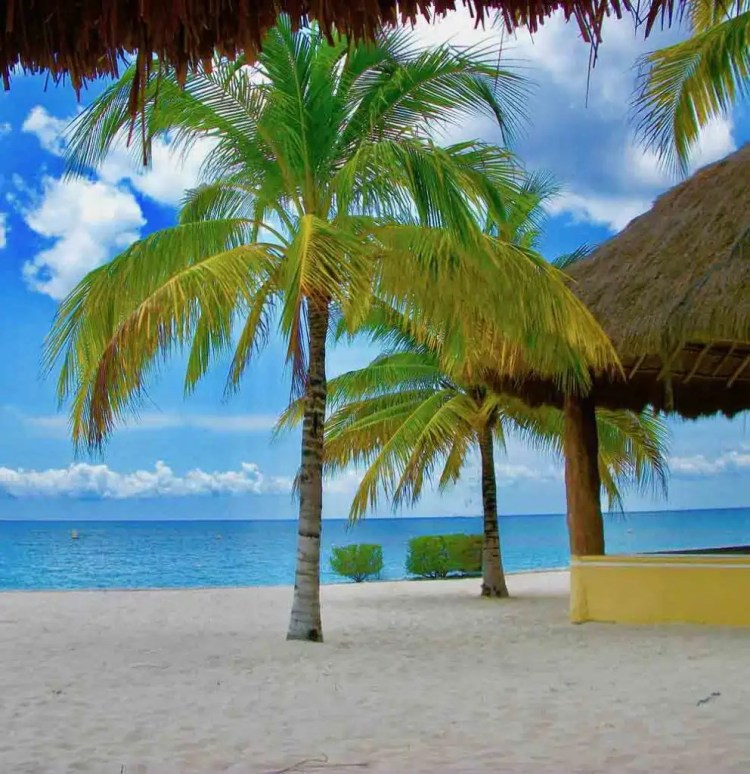
Cozumel Chankanaab National Park – When you get down to it, this is a day at the beach. The park is equipped with bars, restaurant, along with beach and snorkel rental options. A taxi ride will cost between US$10 and US$20 each way (make sure you have plenty of singles as drivers don’t offer change) and park admission is about US$21. A recent tour booked through the cruise ship cost $69 per person. That’s $138 for what would have cost $62 for two people going on their own.

Easy And Popular Attractions
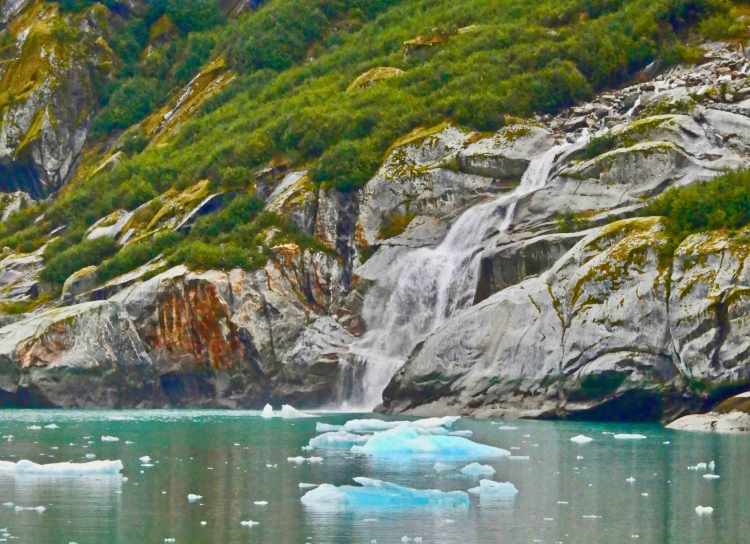
Mendenhall Glacier Alaska – This is a national park outside of Juneau Alaska. The park is serviced by a public bus route from the historic downtown area near the ship docks with round-trip fare being $31. Add to that the admission to the park (NPS standard fees) $20 which totals $51 ($31 if you have a NPS Golden Eagle Senior Park Pass). The basic cruise tours usually start around $75 and if they add in a salmon bake it can cost an extra $20 to $30. For more on Mendenhall CLICK HERE.

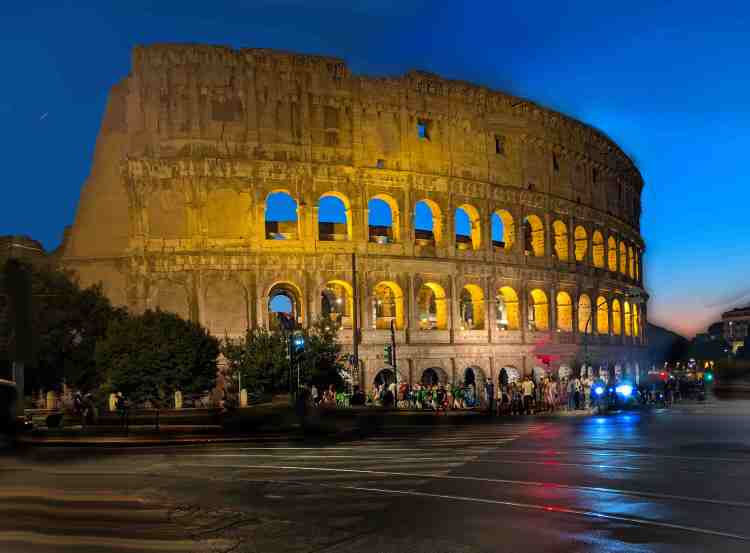
Rome from the Port of Civitavecchia – If your cruise has Rome as a port of call there usually is a tour called something like “Rome On Your Own” for around $100 per person which includes a bus ride from Civitavecchia in to central Rome and back to the ship. Six blocks from the Civitavecchia seaport is the towns train station and for as little as US$12 you can get a round-trip ticket to the St. Peters station and trains run about every half hour. For two that’s a savings of $172 and the trip in and back on the train is actually much faster than the tour bus. Just be sure and schedule your return to allow plenty of time.

For more on visiting Rome from Civitavecchia CLICK HERE and for our eight hour tour of Rome on your own CLICK HERE.

Monte Carlo From Villefranche-sur-Mer

Another interesting tour comparison is a trip into Monte Carlo from the popular cruise port of call Villefranche-sur-Mer. Most cruise sponsored tours start at $75 per person. Monte Carlo is a beautiful but compact city and going on your own simply requires walking seven or eight blocks from the cruise tender dock to the train station and buying a US$12 round trip ticket. It’s only a short twenty minute train trip to Monte Carlo and once there buy a Hop-On-Hop-Off Monte Carlo bus tour for under US$30.

In order to head off on your own and save money you do have to be a bit adventurous. We are pretty independent and are usually comfortable using local buses and trains as we travel. With our biggest fear being missing the ships departure we always build in a good time allowance as we make our plasn. We are also good at doing research on our destinations and have a good idea of what we want to see and how to do it before we even leave on a trip.

A Few Ship Sponsored Tours That Are Must

On the other side of the equation are examples of ship excursions that are well worth the cost:
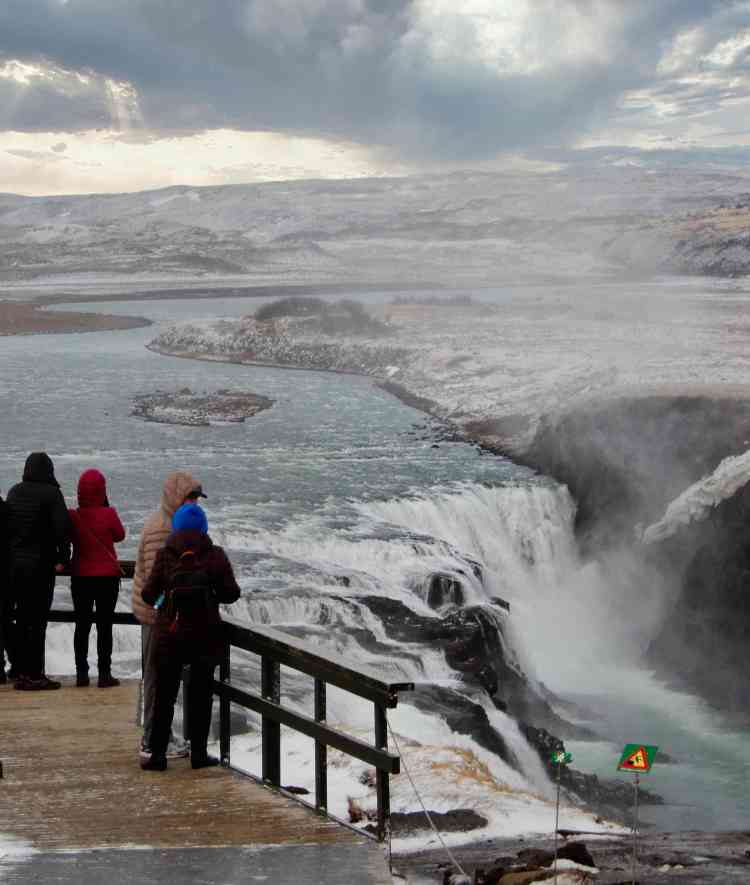
The Golden Triangle Iceland – This tour is a bit pricy but so are the local tour companies. Often the reason this tour is better is often ships dock in the afternoon and sail shortly after noon the next day, disqualifying local tours as an option. While you can consider renting a car there is the issue of time. The tour itself probably travels over a hundred miles and takes you to geo-thermal fields, waterfalls(!!) and Icelands rift valley where the earths crust is pulling apart. No shopping stops or misspent time. If you are going to Iceland don’t miss the Golden Triangle.

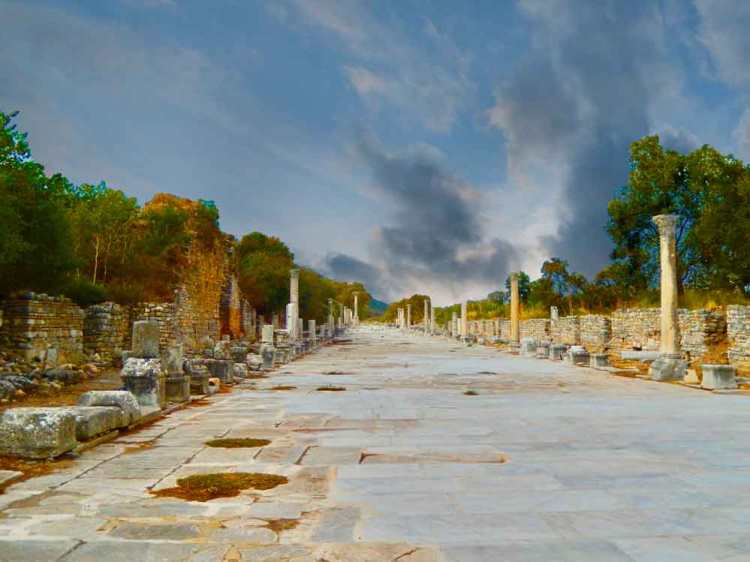
Ephesus

Ephesus Turkey – The ancient city of Ephesus, located near the Aegean Sea in modern day Turkey, was one of the great cities of the Greeks and later the Romans in Asia Minor. It’s home to the Temple of Artemis, one of the Seven Wonders of the Ancient World. Today, the ruins of Ephesus are a major attraction located some distance from the port. Again not inexpensive but a great experience (it usually does include a stop at a rug showroom). You might be adventurous but think hard before renting a car for half a day in Turkey.

Seeing Bangkok

Bangkok’s port is Laem Chabang and it’s well over an hour drive from the city. Attempting to use public buses is a serious challenge, especially on a tight time schedule. If this is a first visit to Thailand do not pass up a trip into Bangkok, it is an experience not to be missed. If your ship is staying overnight in Laem Chabang one option is to consider booking a two day tour with a major tour company and stay the night in Bangkok.

Wine & Food Tours

Wine and food tours are a staple of ship sponsored excursions and often are some of the more reasonably priced tours. Taking advantage of these at times provides a good way to see a city or the countryside and sample local fare.

A Wine & Tapas Tour in Palma – This one usually isn’t very expensive and includes stops at several different tapas bars and free time in town for shopping on your own. The drive back to the pier can include brief stops at the castle overlook above town and a nice drive along the coast. A good answer to filling an afternoon in Mallorca.  For more information CLICK HERE.

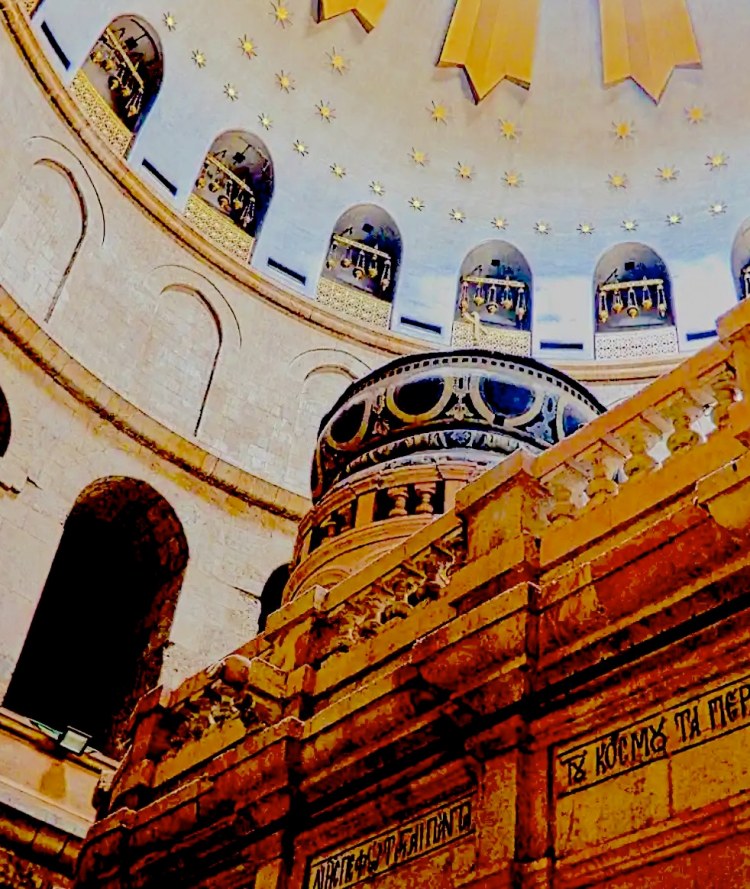
Jerusalem – Regardless of where your ship docks, Jerusalem is at least an hours trip away. The city is also huge with streets and alleys that present as a never ending maze. To really see Jerusalem in a day or two, a guide is almost a must. The convenience and the time you save makes a ships shore excursion worth the cost.

Ports With Great Public Transportation For Exploring On Your Own

Another thing to pay attention to is the port of calls public transportation. There are dozens of cities with great and inexpensive public transportation. Most have ticket vending machines with instructions in English along with great system maps. Before you travel check out your ports and if the offer tourist tickets.

Singapore – While there are several cruise docks in Singapore, the nearest Metro Station is only a few blocks walk from each. The Singapore Metro system is clean, well marked and best of all the signage is in English. CLICK HERE for specific information.
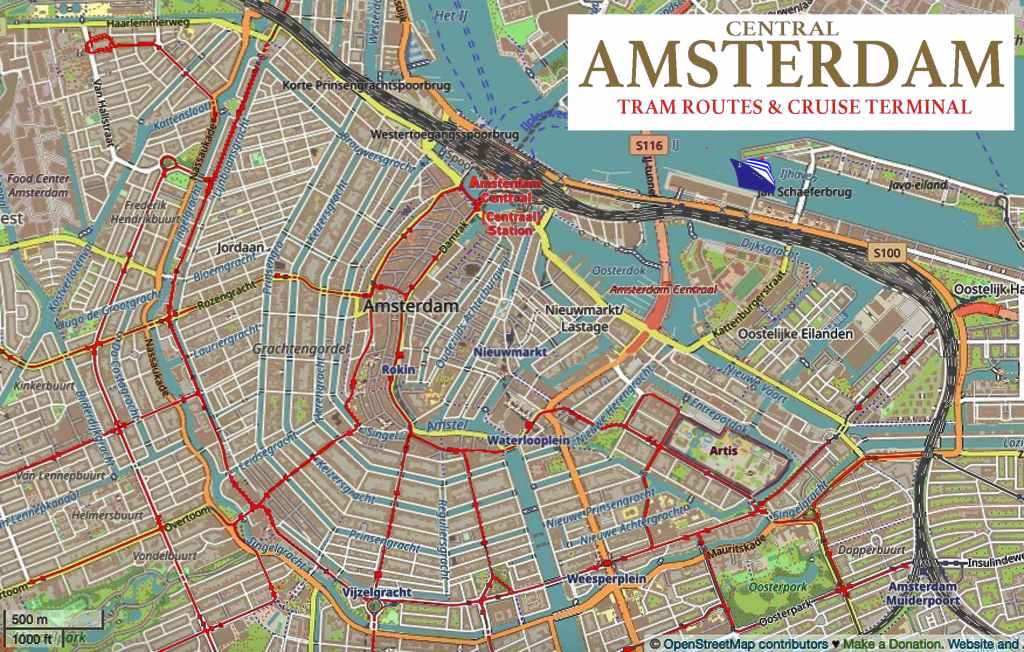
CLICK MAP TO DOWNLOAD A PDF COPY

Amsterdam – The center of Amsterdam is focused on the Central Train Station that can be reached in a short seven to ten block walk from the ships pier. A series of tram routes fan out from the train station and The Amsterdam City Card allows you to travel on Amsterdam’s GVB-trams, buses, and metros. This popular one-, two-, three or four day pass also provides free or discounted access to many of the city’s museums and attractions. A one-hour canal cruise by boat is also included with the pass.

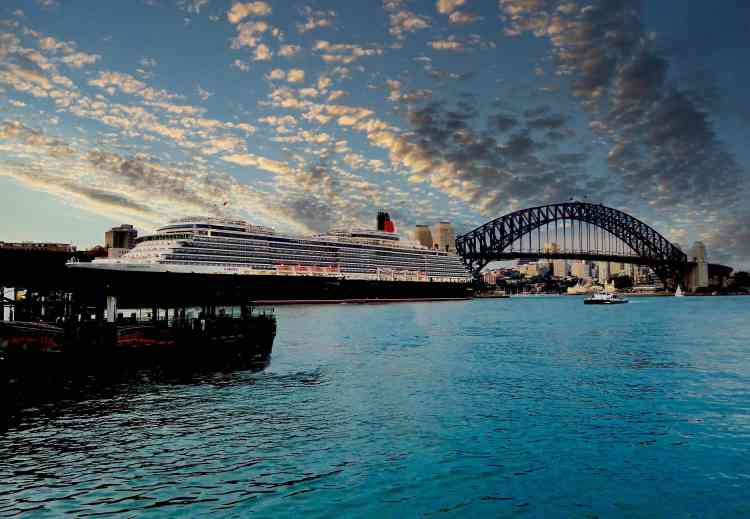
Sydney – Cruise ships dock at a pier next to Sydney’s historic Rocks area with only a short walk to Circular Quay where you can catch ferries around the harbour, pick up a bus or a light rail. Ask about the Opal Card which gives you easy system access for a very reasonable price. MORE HERE.
Hong Kong – Like Singapore, Hong Kong has a very modern and inexpensive metro system with easy to use ticket vending machines and route information in English. It is also common for there to be free bus service that will take you from the cruise pier to a number of destinations. MORE HERE.

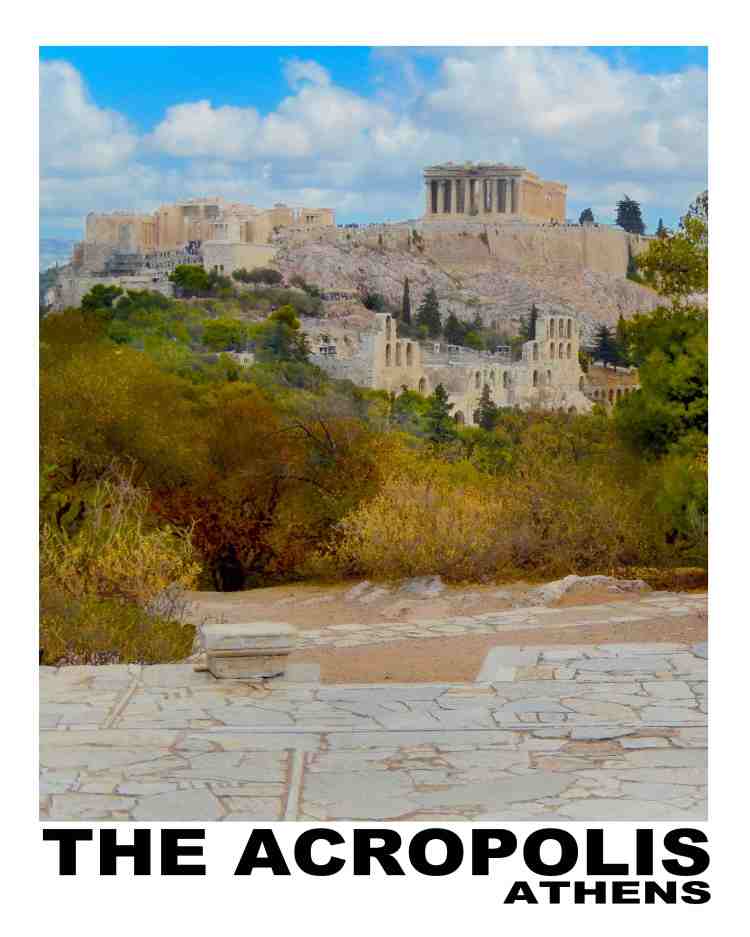
Athens – Piraeus is the seaport for the city of Athens and while a bit out of the city, the cruise ships dock less than a mile from a metro station. Easy to get to by just following the water front. Fare is only a couple of Euros and the Thissio stop on the green line from Piraeus is only a short walk to the Temple of Hephaestus and the Acropolis has its own stop. An easy trip on your own that represents a major saving.

There’s a detailed article on the Metro trIp HERE.
In closing there are can be tours and situations where the cost is just too good to ignore. Sometimes that is because you’ve got onboard credits that you just need to spend and others can be a perk offered by the cruise or your travel company.
Florida’s Hillsborough River State Park

Wilderness And Recreation In A Park Near Tampa

Go Take A Hike / Kayak or Canoe

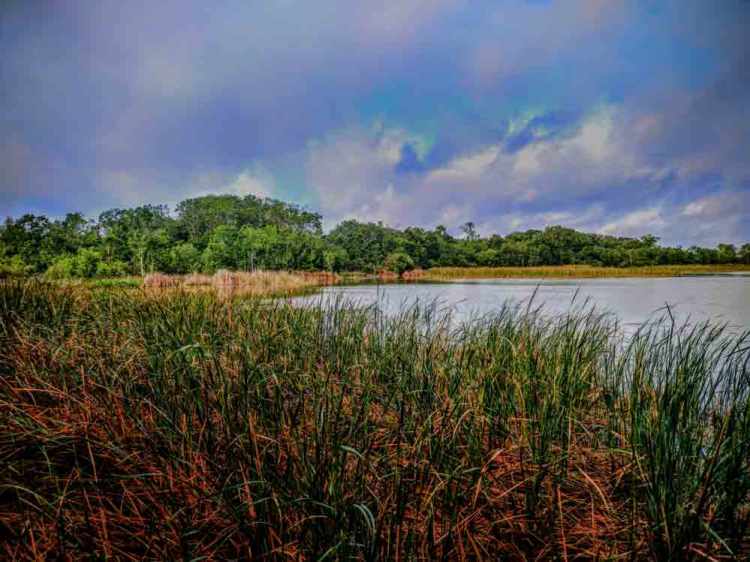
We were twenty miles east of Tampa and realized we were a couple of hours ahead of schedule for our next stop. Seeing a directional sign on the interstate that indicated Hillsborough River State Park was at the next exit we went to take a look. It turned out the park was 12 miles north of the exit on I-4 but it was a fantastic find. This diverse park offers seven miles of nature trails along the Hillsborough River.

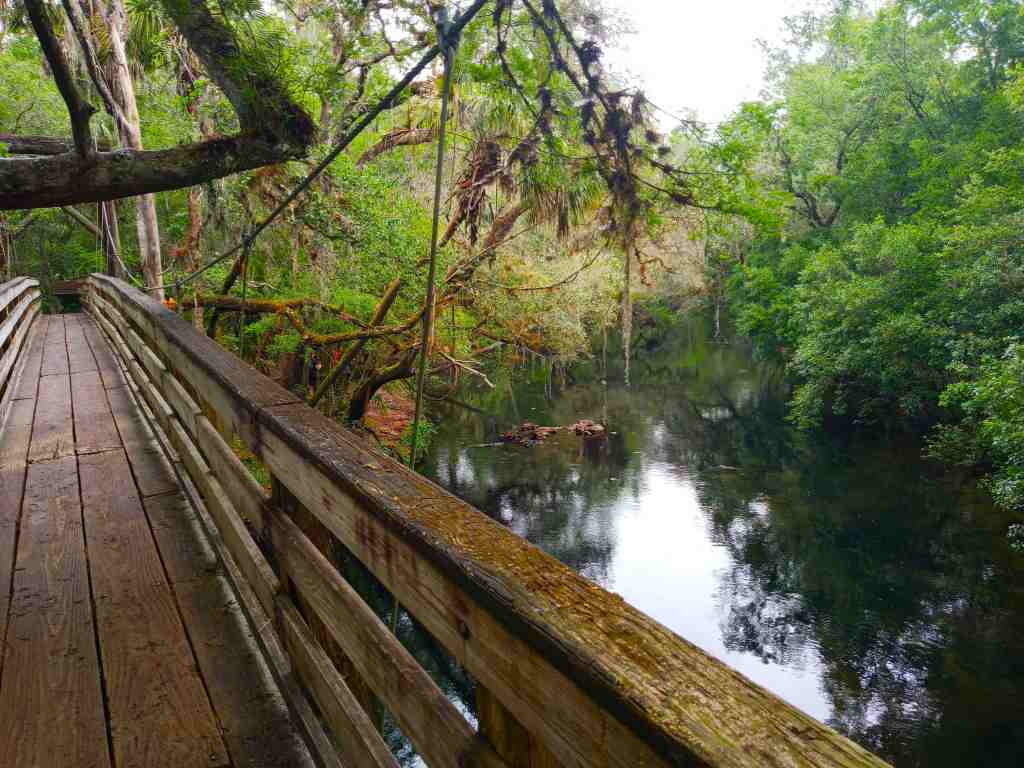
We hiked along the river rapids, crossed a suspension bridge and really enjoyed ourselves. The couple of hours wasn’t near enough time and we plan to return soon.

This Florida park includes camping, historic structures, scenic landscapes, fishing in the Hillsborough River, hiking or biking the trails, kayaking or canoeing class II river rapids and picnicking under pavilions built in the 1930s by the CCC.

The facilities and trails are well maintained there is plenty of wildlife to look for and the river is a pathway through some impressive wilderness areas.

A Florida Town Built By A Circus

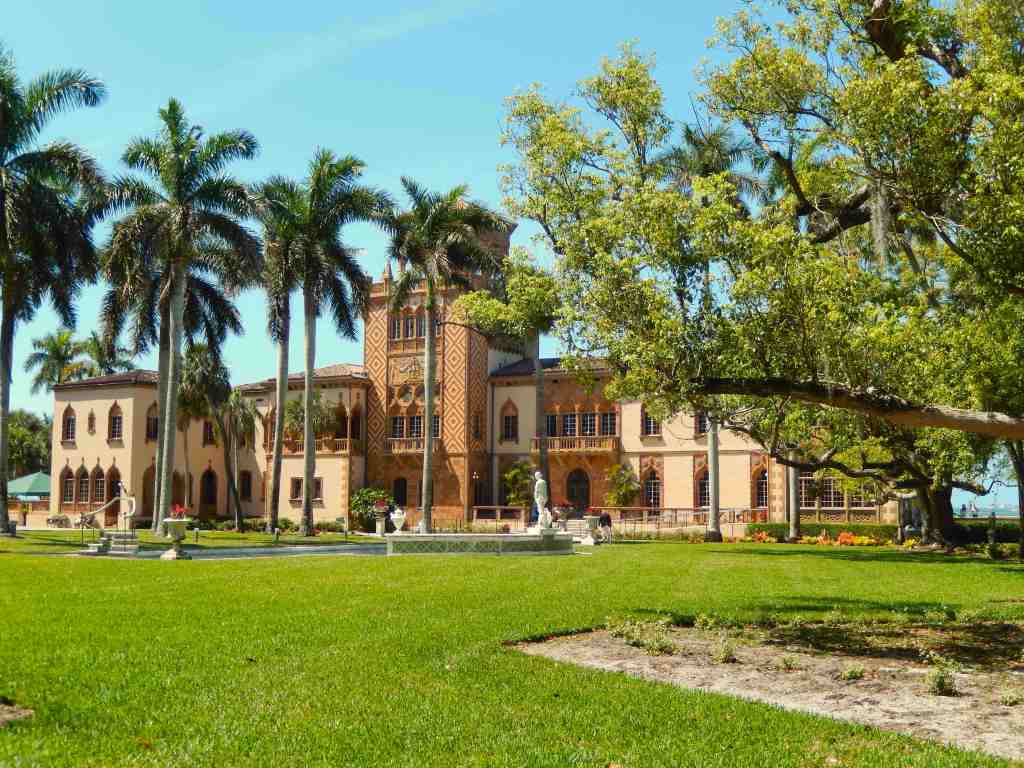
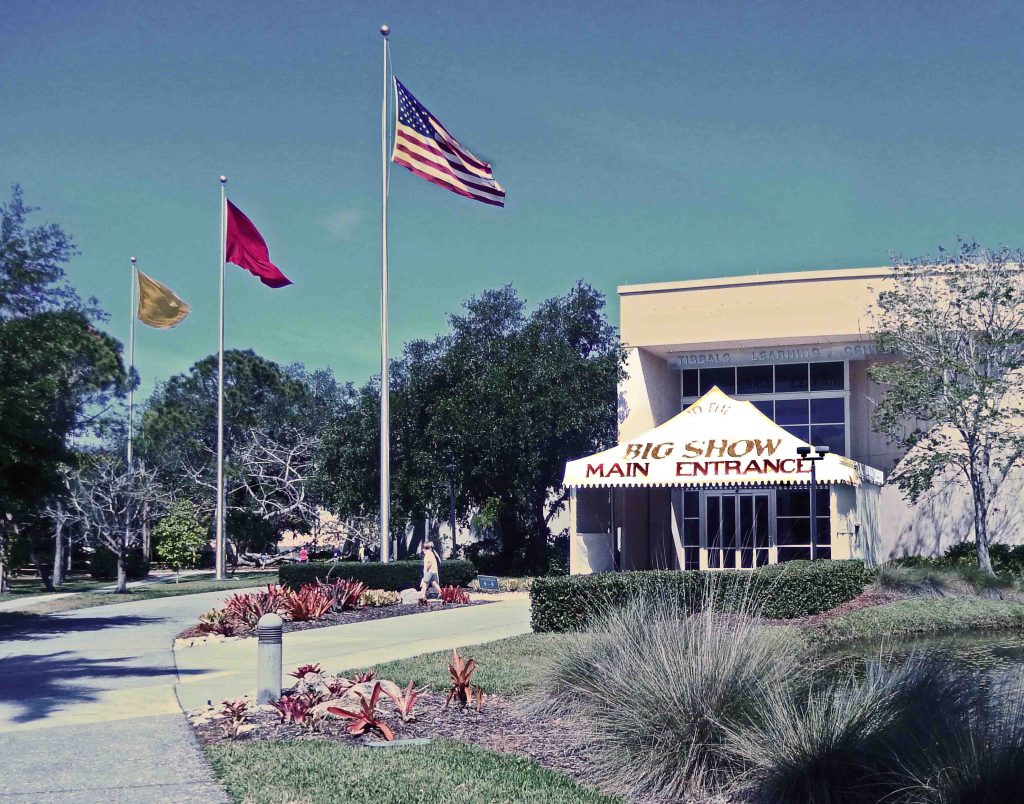
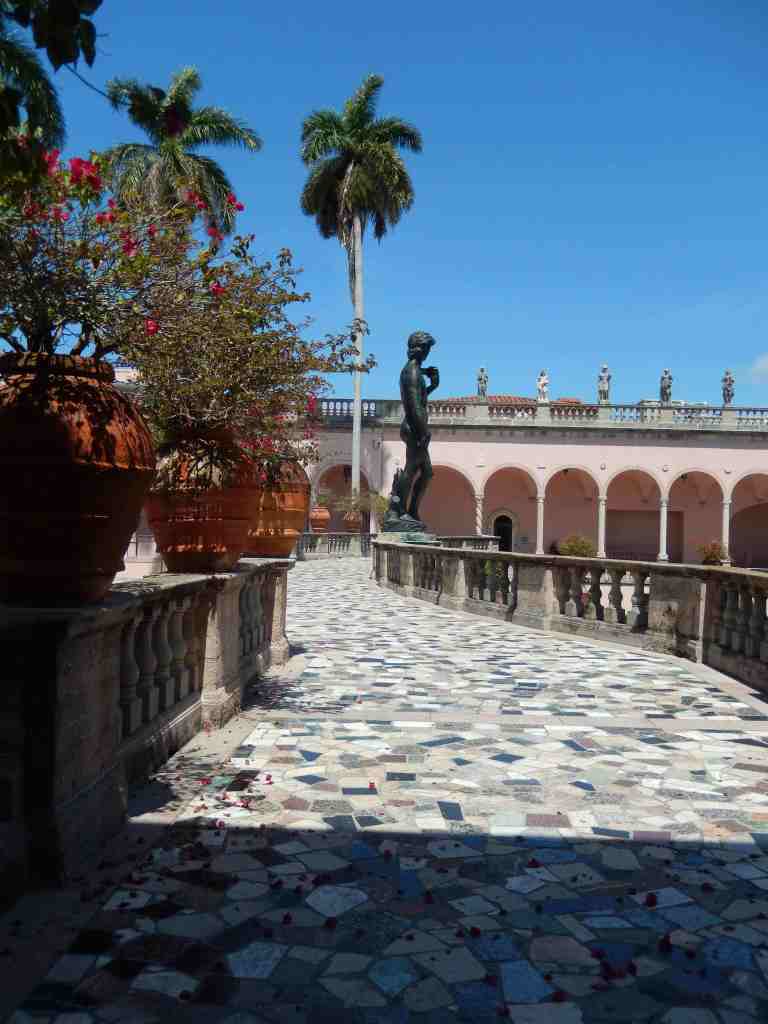
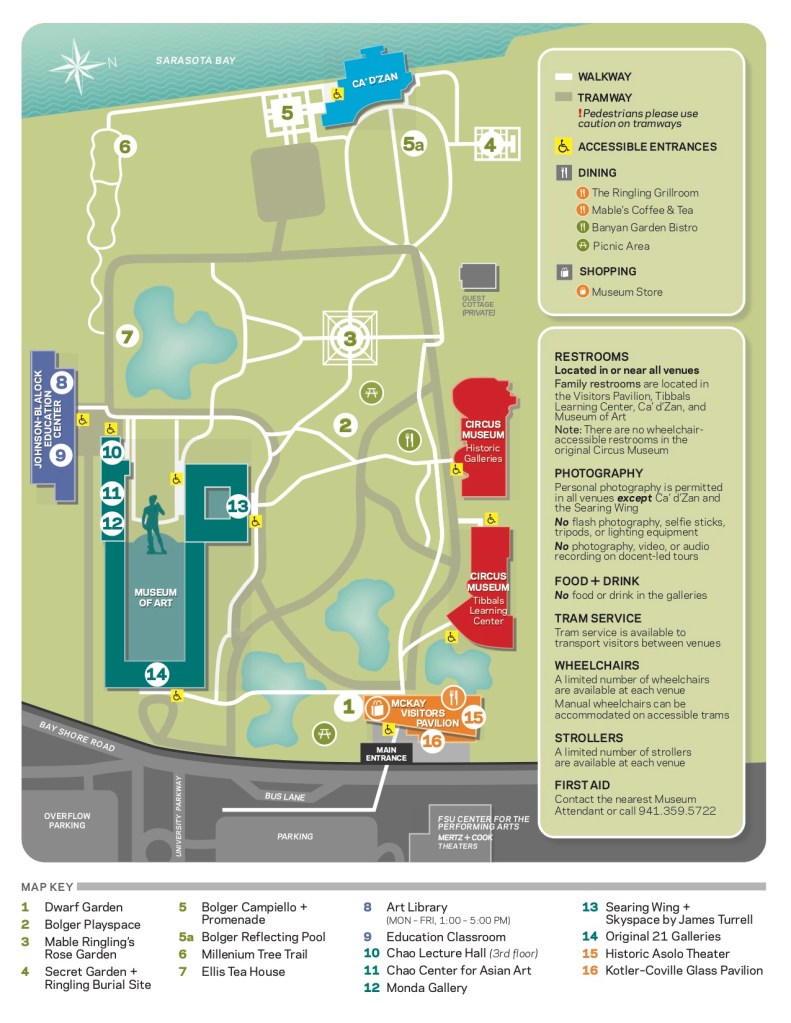
After over forty years in Florida we finally made the time to visit Sarasota Florida and spent a day at The Ringling. The estate is focused on the John and Mable Ringling Museum of Art but the estate is actually a 66-acre museum complex featuring the State Art Museum of Florida, The Circus Museum and Education Center, the Ringling’s Ca’ d’Zan mansion, and Bayfront Gardens. At $22 admission it’s a great value and an experience worth returning to over and over again.

Sarasota has meant circus for almost one hundred years. First, the city became the Winter Quarters for The Greatest Show on Earth with its thousands of workers, performers and associated infrastructure. Later it became a tourist attraction centered on the Circus Museum and today it is know as the city that John Ringling built.

John Ringling was one of the five brothers who owned and operated a circus called “The Greatest Show on Earth.” His success with the circus and entrepreneurial skills helped to make him, in the Twenties, one of the richest men in America, with an estimated worth of nearly $200 million. In 1911, John and his wife, Mable, purchased 20 acres of waterfront property in Sarasota. In 1912, they began spending winters in what was then still a small town and years later Sarasota became the Winter home of the circus.

In the early 1900s three of the five Ringling brothers died unexpectedly. John Ringling in 1918, after hardships caused by WWI and the flu pandemic, made the decision to merge the Ringling Bros World’s Greatest Shows and the Barnum & Bailey Greatest Show on Earth into one giant circus. On October 8, 1918 the Ringling Bros. season concluded in Georgia and the various circus trains were routed to the Barnum & Bailey Winter Quarters in Bridgeport, Connecticut. and on March 29, 1919, the Ringling Bros. and Barnum & Bailey Circus opened in Madison Square Garden in New York City.

John and Charles Ringling had been speculating on Florida real estate and John and his wife Mable had built their mansion and a world class art museum in Sarasota. Partly to boost the value of their real estate holdings they decided to move the Greatest Show On Earth’s Winter Quarters to Sarasota, Florida in 1925. Although a resident of Sarasota, Charles died in 1926 before the move was complete. With the death of brother Charles, John was now the last of the Ringling brothers.

The success of the circus and the the greatest show of all, the incredible Ringling Bros, Barnum & Bailey Combined Circus continued well into the 1970s when changing times and public tastes began to have an impact on the circus business. Even today the circus still has the power to fascinate people and continues to draw people to Sarasota’s The Ringling.

Experiencing Buddhism In Thailand

A Short Story

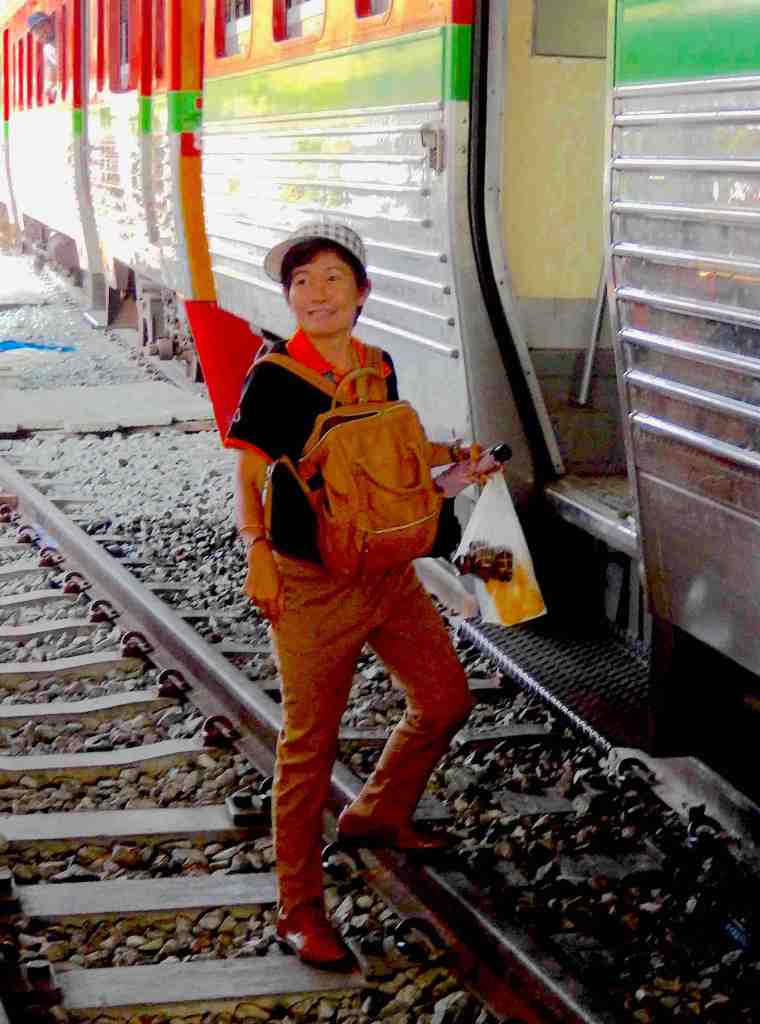
At the Maeklong train market

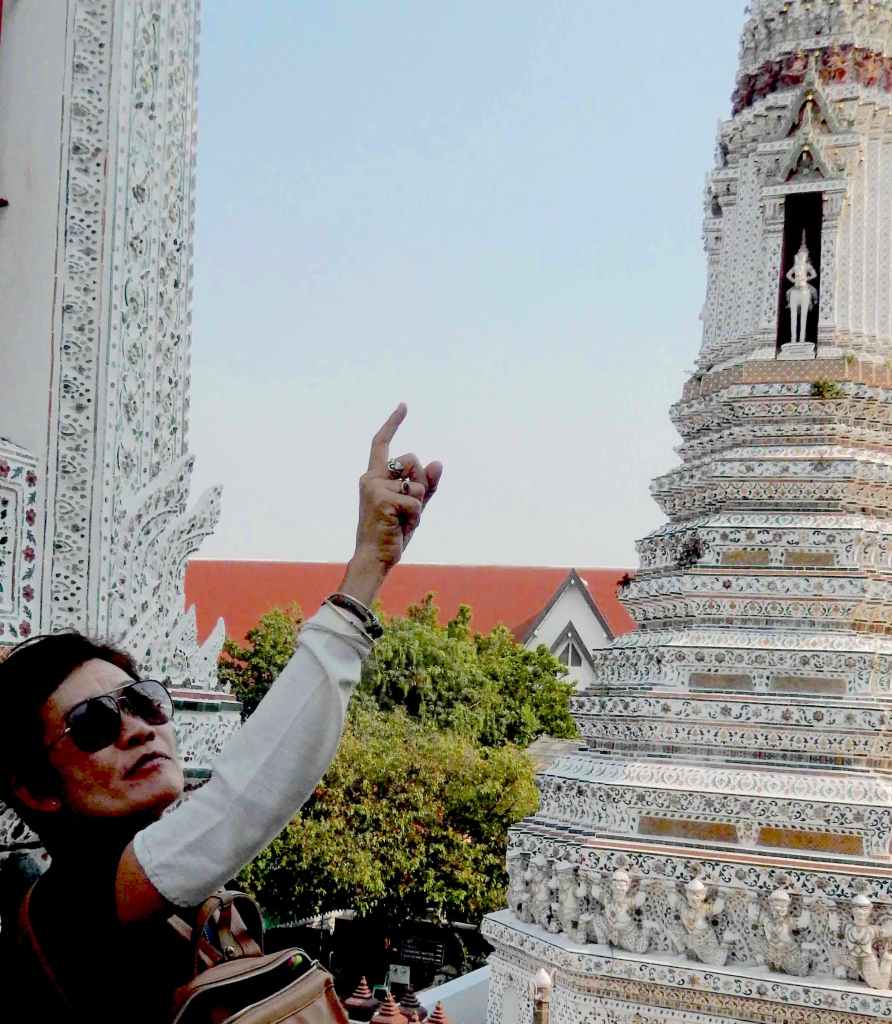
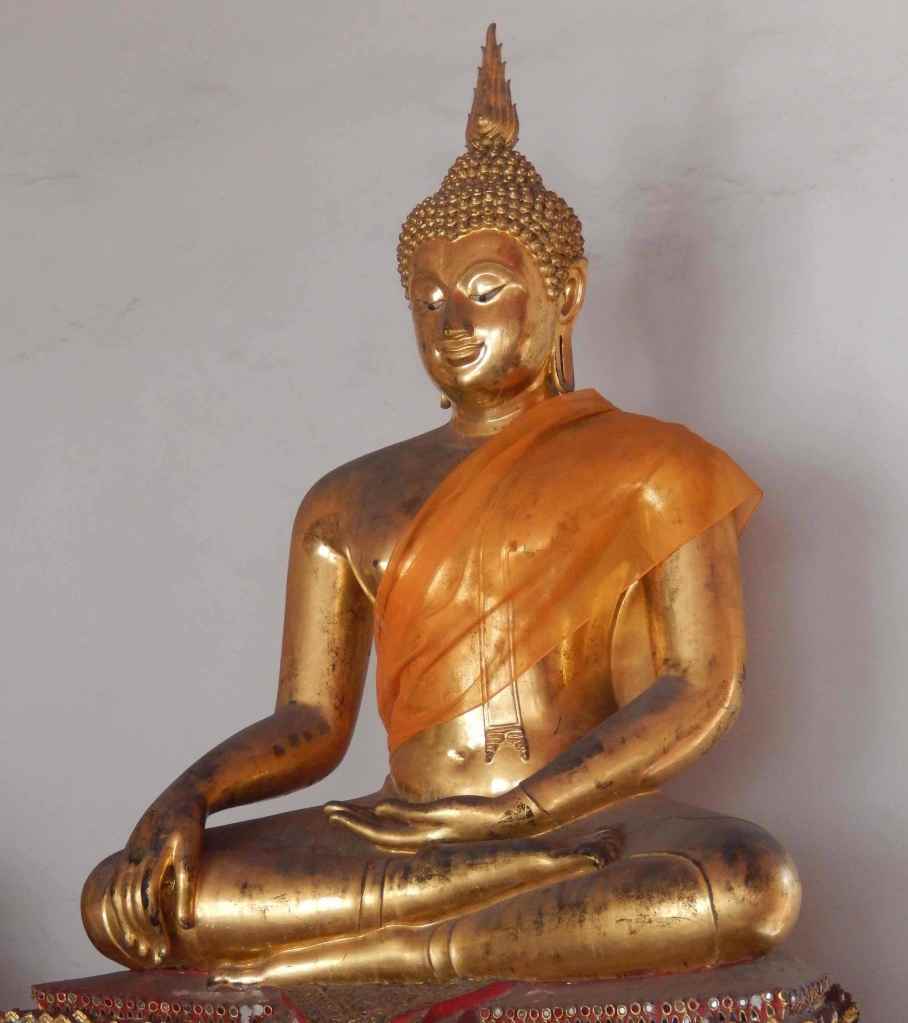
Thailand is almost exclusively a Buddhist nation. It has been the religion of the country for centuries because it resonates with the spirit of the Thai people. “Thai” is a word that means freedom, and most people in Thailand treasure freedom, and Buddhism blends well with that spirit of the Thai people. Unlike most religions, Buddhism focuses on achieving self-liberation based on an individual’s efforts to find their own individual spiritual path. There is a strong bond between Buddhism and the life of Thai people to the extent the two cannot be separated.

A couple of years age we spent time with some delightful people in Thailand who were introducing us to life in their country. The first thing you realize is Thai people are incredible friendly, respectful and completely devoted to their religious beliefs.

Around Bangkok

After a couple of days you realize there is a wide divide between the foundational principles of Theravada Buddhism (the Thai form of Buddhism) and the faith of the common people. Theravada Buddhism prohibits the belief in supernatural beings or solutions, and encourages the use of meditation to find worldly solutions to practical as well as spiritual problems. It also teaches that the only way to have contact with the Buddha is through studying his teachings, and understanding his teachings will allow one to reach the enlightened state.

The Jade Buddha

While a devout Theravada Buddhist our Ms. Mam lived with a direct and personal relationship with the Buddha. She also had a patron Buddha that she believed carried her needs to a supernatural power. Hers was the Jade Buddha inside the Grand Palace grounds in Bangkok and she always found time to pray at his temple.

Shortly before we arrived her sister and her family had taken a holiday to a resort beach. While there her sister had lost her purse that contained a store of important items. After telling Mam of the disaster Ms. Mam went immediately to the Jade Buddha seeking help. Within hours her sister had her purse returned with everything inside. While it is easy to explain this as a coincidence Ms. Mam truly felt is was a miracle provided by the Jade Buddha.

In addition to the power of Buddhism in Thailand it is also incredible the respect and faith the Thai people have for their king. A common element in almost every Thai home is an image of the king hanging in a prominent place and many homes also have an alter showing the respect for the king and his family.

While in Thailand we were told a story about a tourist that dropped some Thai currency and to keep it from blowing away stepped on it. People around him got upset because he was showing disrespect for their king, who’s image was on the bill he had stepped on.

Money, Credit Cards and International Travel

Financial Considerations for Traveling Internationally

You’ve got your passport and your bags are packed, but are you ready financially to travel abroad?
We’ve been to some pretty interesting places over the years but usually haven’t had issues with getting local currency or being able to use credit cards.

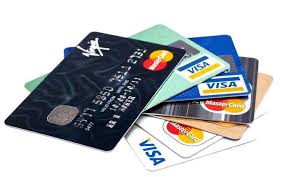
While some time back our favorite credit card was Discover. It offered a generous point system and claimed no transaction fees when used internationally. It took a number of trips over a couple of years to actually give up on trying to travel with our Discover cards. While they claimed that the card would be accepted anywhere the Diners Club emblem was displayed we found that to rarely be the case. So we arranged for Visa and MC cards with no transaction fees and haven’t experienced any difficulties since.

Getting ready for a recent trip proved to be a bit of a new challenge. We were off to the Falkland Islands, Argentina, Uruguay, and points South and immediately hit problems with Argentina. In attempting to reserve a hotel the first few wouldn’t accept the Visa card. It seems that credit cards are not widely used there. We then went to our bank to exchange for Argentine Pesos and were told they weren’t available. Checked with AAA – same thing. In the case of Argentina a collapse in their currency a few years ago stopped much of the financial world from actually doing business in the Argentine peso.

Next we reserved a guide and 4×4 in the Falklands but were told that we couldn’t use credit cards. No ATMs in the islands and they also use their own version of Pound Sterling. After several emails back and forth we settled with being able to pay with cash in British Pounds or US Dollars (no Euro’s).

Because Argentina has had a currency crises over the past few years money can be a problem. Our trip South began at the Buenos Aries International Airport and we had been told to avoid the exchange counters there. We have now started using a debit card (which we rarely do) for some travel, attaching it to an account with a specific balance and no overdraft. We used the debit card to access some limited cash at the airport ATM. We needed cash to get into the city. After that we have mapped several locations for Citi operated ATM’s in Buenos Aries with no service fees.

We will also be traveling out to Iguaçu Falls for a couple of days and while the hotel will accept Visa cards most everywhere else will require cash. This need for cash and not being sure where we can use credit cards can make things more complicated but it’s important to know about these requirements before you travel.

Here are a few tips on money and international travel
1. Let the bank know where and when you will be traveling.

Many banks will freeze your accounts if unexpected foreign purchases show up. It’s important that the bank or credit card issuer is aware of your travel plans so they can ensure the cards remains active with proper safeguards. On one extended trip to Barbados American Express froze our business cards and it took several days and numerous calls to straighten things out.

2. Determine if your PIN number will work where you’re going.

Before your trip, call your bank and credit card issuers and ask if your PIN will work at your destination ATM’s. Four-digit PINs work in most countries. If your PIN contains zeroes, however, that may be a problem in some non-network ATMs. Additionally, many foreign ATMs don’t recognize four-digit PINs. Calling ahead gives you time to change your PIN, if necessary.

3. Watch out for international transaction and currency conversion fees.

Since fees and conversion rates vary widely, it’s important to know exactly what you will be paying to make ATM withdrawals or paying with your debit or credit card. A new process that has become common is for merchants to ask if you want to charge in your home currency or local money? Avoid the temptation to ask for charges in your home currency. If you do you will discover that the bill included high transaction fees and a less than fair exchange rate with usually the merchant getting a commission. If you plan to travel with a credit card get one that doesn’t charge transaction fees and let your home bank calculate the exchange rate.

Contact your bank before you travel internationally to avoid any financial surprises

4. Ask about daily withdrawal limits on ATMs

Banks may have different withdrawal limits than ATMs. Keep in mind that any individual ATM may have a different withdrawal limit and limits may be expressed in the local currency. Have a backup plan that involves more than a single way to pay.

5. Verify your account balance.

Be sure there’s enough money in your accounts to pay for travel expenses once you get there; you don’t want to find yourself overdrawn on your trip. To alleviate any additional overdraft fees, on top of running out of money, you can transfer funds from one account to the other using a mobile banking app (stay off wifi with your phone)

6. Carry telephone numbers.

Get all the information you will need to contact your financial institution while traveling in case of stolen or lost cards. Most banks and credit card issuers will have local of international toll free numbers you can call to report any mishaps that may occur while traveling internationally.

7. When booking your hotel or rental car, use your credit card not a debit card.

It is best to use a credit card for reserving a hotel or rental car because hotels and rental car companies may place a hold on your card for a certain dollar amount for incidentals. If placed on a debit card these funds could be tied up for some time.

Use a credit card to pay for your hotel or rental car in case they place a hold on your card for incidentals

8. When getting cash in local currency, use your debit card.

Your debit card is ideal for getting cash in local currency because you may get the same interbank exchange rate as you do with credit card purchases – this is generally the cheapest way to get local currency. Getting cash with your debit card allows you to avoid the cash advance fees that your credit card would charge. It’s also convenient as there are ATMs available in many international airports. Most major bank ATMs don’t charge a usage fee, but watch out for ATMs that are not affiliated with any banks – they may charge high fees.

9. Set up auto notifications on your credit cards.

We also set up options to be notified by text message for all transactions where the card is not presented in person. This has helped on a couple of occasions. Once while in Spain someone went on a bicycle buying spree (11 bikes) in Rome with our card. Nice to be able to contact your bank when something like this happens.

10. Talk to your bank about ATM networks and credit card fees.

Take the time to talk to your bank and find out about the ATM networks that you should use when traveling internationally, it makes a big difference. Most networks have maps that show the locations of their affiliated ATMs and ATM machines almost always identify the their affiliated network. If it doesn’t – don’t use it. Sadly most bank service representatives  are poorly trained to discuss these issues but don’t stop if you are not getting the information you need.

Bon Voyage!

Cruising and The Jones Act Explained

Ever tried to book back-to-back cruises and the cruise company says you can’t book it because it invokes the Jones Act? The Jones Act is a 100-year-old regulatory relic instituted during the Wilson administration to protect our maritime industry. The short description says that you cannot transport cargo or passengers between two American ports unless you use ships built in American shipyards, flagged as an American ship and crewed by U.S. citizens. The problem for the cruise industry is America doesn’t build cruise ships any more, it is expensive to flag ships in the U.S. and even more difficult to staff ships with U.S. citizens.

While it is a nuisance for the cruise industry it is a disaster for American business and our economy. As of 2016 there are less than one hundred tankers in the world that meet the Jones Act requirements. Because of this it is cheaper to ship U.S. oil to Europe from Texas than to refineries in New Jersey. What that means is our oil companies import more expensive oil while at the same time we export our oil. While complicated the Jones Act is one of the things standing in the way of our energy distribution. One example is that several times more oil moves throughout the United States by train than more energy efficient tankers.

One of the more insane things that happened as a result of the Jones Act occurred during the BP spill in the Gulf of Mexico. Norway dispatched three specialized oil clean-up ships to help with the disaster but the U.S. government wouldn’t allow them to help because of the Jones Act so they returned to Norway. The Trump administration actually temporarily suspended the Jones Act twice. Once to help move oil out of Texas after major hurricanes and to speed up aid to Puerto Rico after the devastating hurricane there.

There have been a number of locations where the cruise industry has wanted to serve the American traveler by embarking in one port and disembarking in another. Hawaii is one of those locations, with inter-island cruises as well as cruises originating on the West Coast. New England cruises and Alaska are two other cruise destinations that would benefit by not having complications of the Jones Act. In the case of Alaska there are a number of popular week-long itineraries that go one way, but because of the Jones Act they depart out of Vancouver instead of the U.S. port of Seattle. Recently we wanted to take the last Alaska cruise of the year from Seattle and stay on for a cruise from Vancouver to Hawaii, but because we would embark in Seattle and disembark in Honolulu the Jones Act prevented it.

If you are a cruiser maybe it’s time you suggest to your congressman that the Jones Act has outlived its usefulness. Even if cruising isn’t your thing you should still consider contacting your congressman. The Jones Act costs you money at the gas pump by adding one or two billion dollars to fuel transportation costs each year and also prevents economical use of LNG in Hawaii, Puerto Rico, the Virgin Islands and Guam. Puerto Rico is the most negatively impacted by a number of elements in the act. There are still a number lobbies that fight to keep the Jones Act from being repealed and that includes labor unions, like the long shoremen and law firms that work injuries at sea cases. It has been suggested a number of times that the act could be eliminated for our island territories at least and new laws could be passed designed to cover American labor impacted by the health issues involved. Unfortunately even though there are very few union jobs being protected by the act it seems that special interests still take priority in Congress over the interests of an uninformed public.